Kitchen Knives
Best Chef Knives on Amazon: Five Blades Tested Side by Side
Five of Amazon's top-rated chef knives, from £12 to £200, put through tomato, julienne, and steak tests to see which ones are actually worth buying.
Introduction
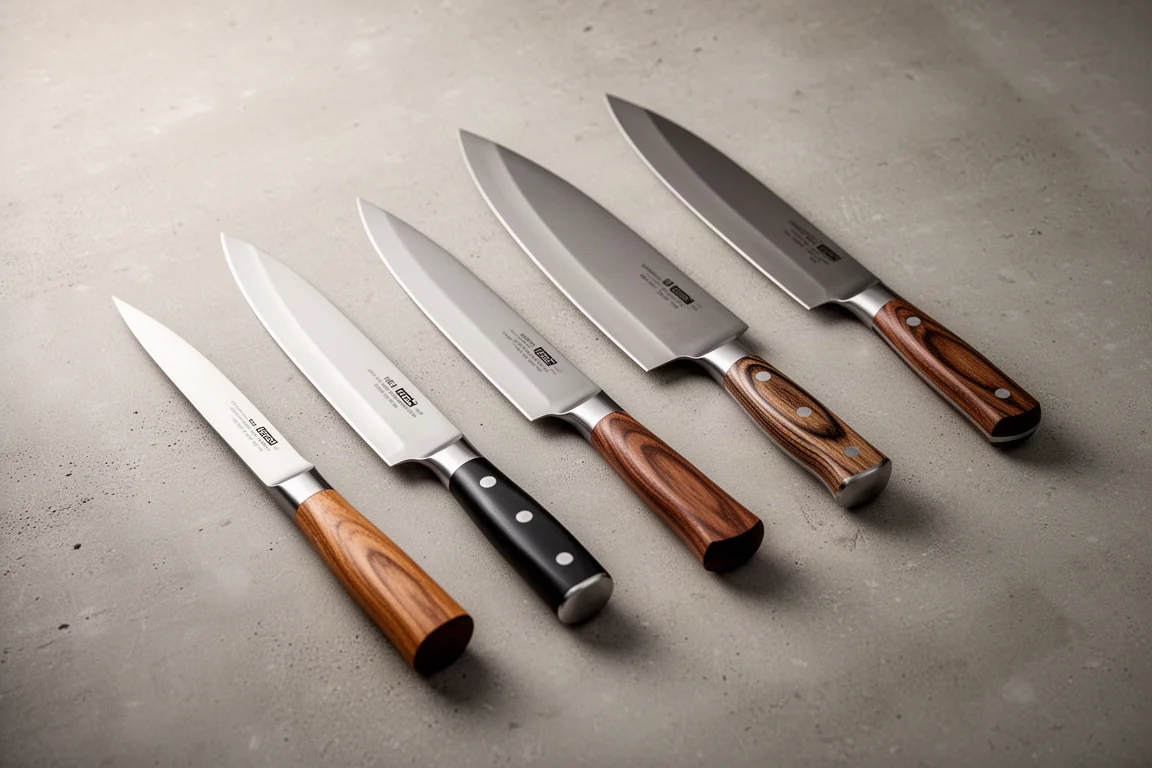
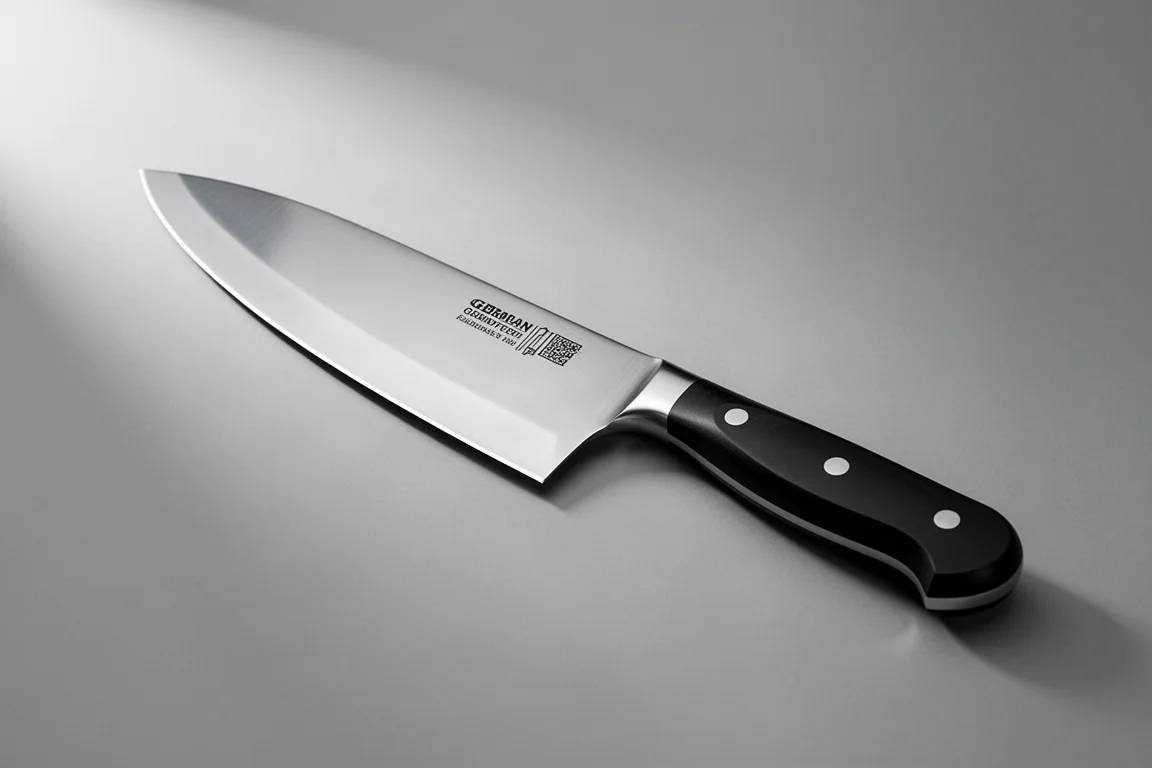
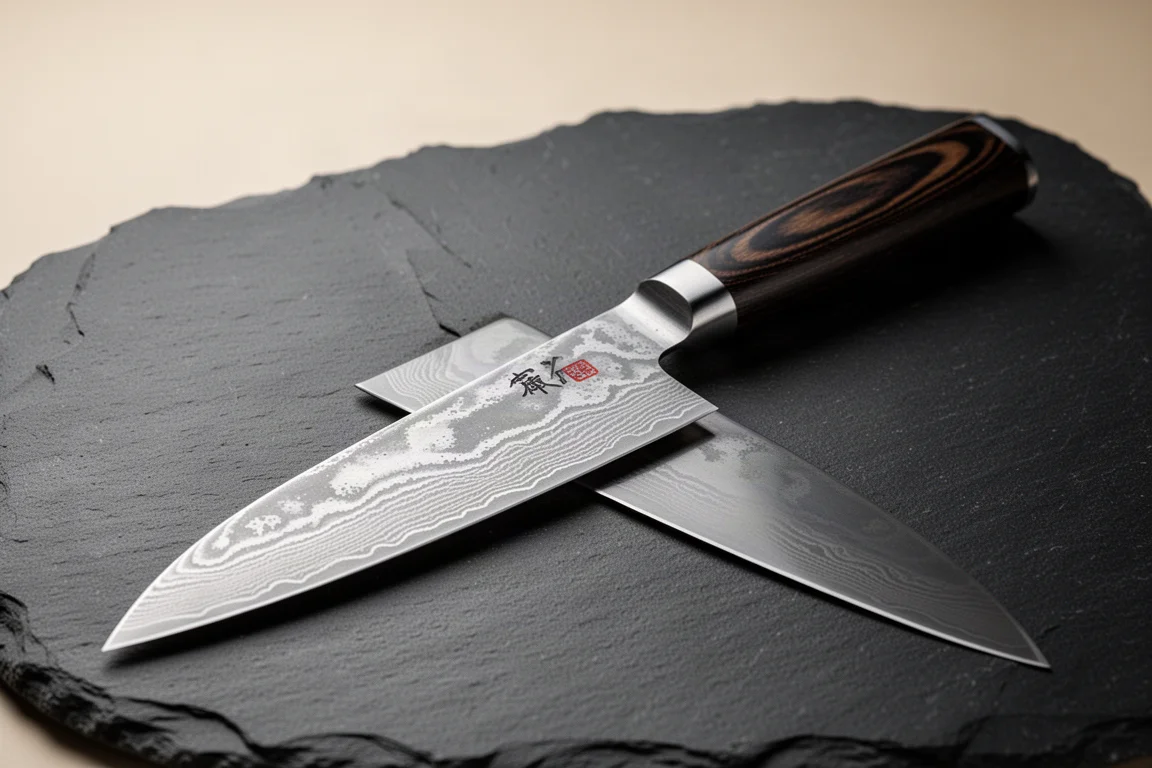
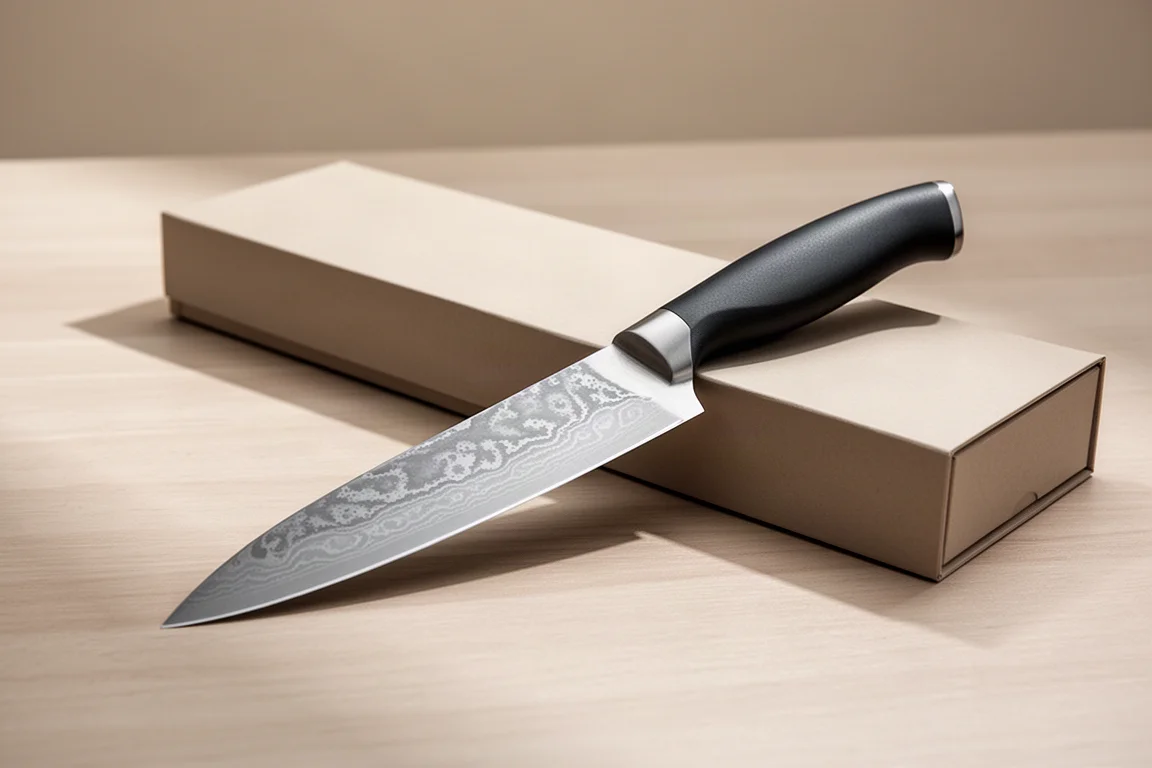
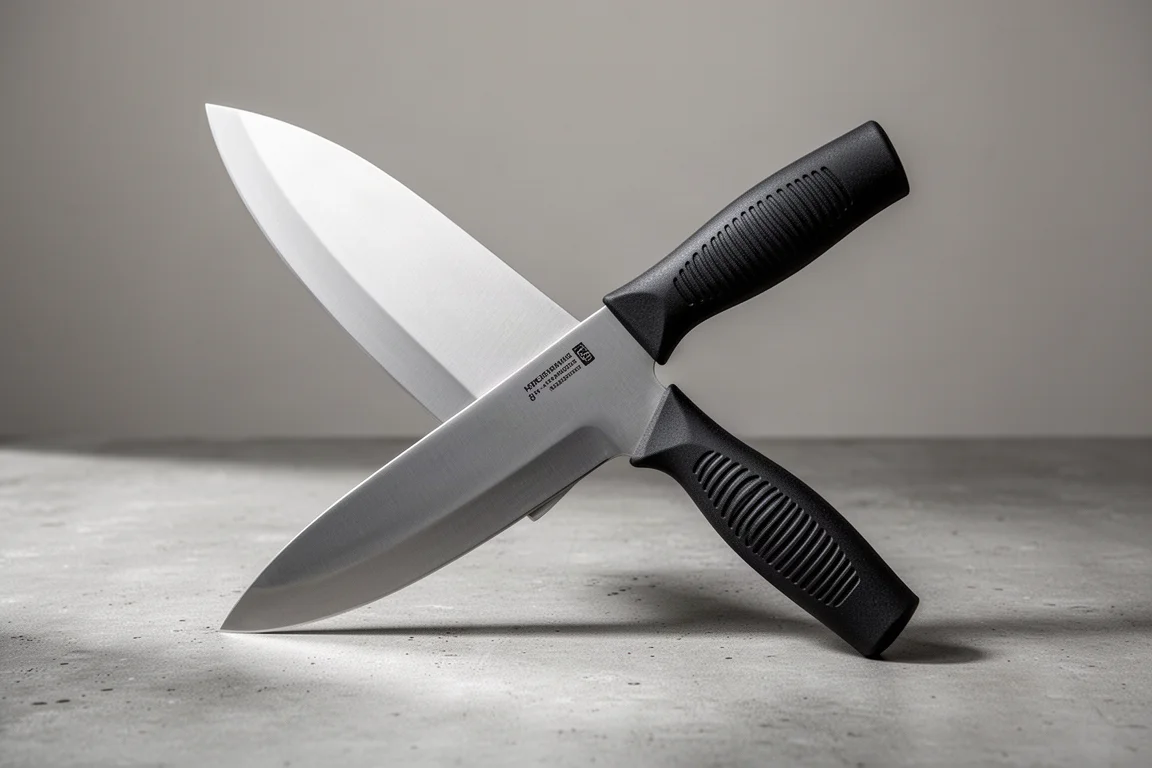
Five of Amazon’s best-rated chef knives went head to head: the Zyliss Comfort 7.25-inch, the Mercer Culinary Millennia 8-inch, the Wusthof Classic 8-inch, the Shun Cutlery Classic 8-inch, and the Paudin 8-inch. Prices ranged from about £12 to £200, and testers used each knife blind, without knowing the brand or price, before rankings were locked in and the prices revealed.
What makes this comparison useful is that every knife was judged the same way a home cook would use it: straight out of the box, on everyday ingredients, with attention to how it feels after repetitive cutting.
Knife Buzzwords Explained
Before the testing began, a quick glossary of the terms that keep appearing in knife listings.
German steel knives are workhorses. They are typically made of a softer steel, which makes them tougher and more durable. Rockwell Hardness (HRC) measures that soft-versus-hard balance, and most chef’s knives sit between the mid 50s and low 60s. Lower HRC means tougher and more durable, but you will need to hone and sharpen more often. German knives generally sit in the 55 to 58 HRC range.
Japanese knives are harder, typically 60 to 63 HRC, with a finer edge angle of 10 to 15 degrees. They feel laser sharp and stay sharper for longer, but twisting, scraping, and hard impacts can cause chipping. Damascus, meanwhile, mostly refers to the swirled layered pattern on the steel. It can improve durability and flexibility, but for performance you are better off judging hardness, edge angle, and construction rather than the swirls.
How We Tested
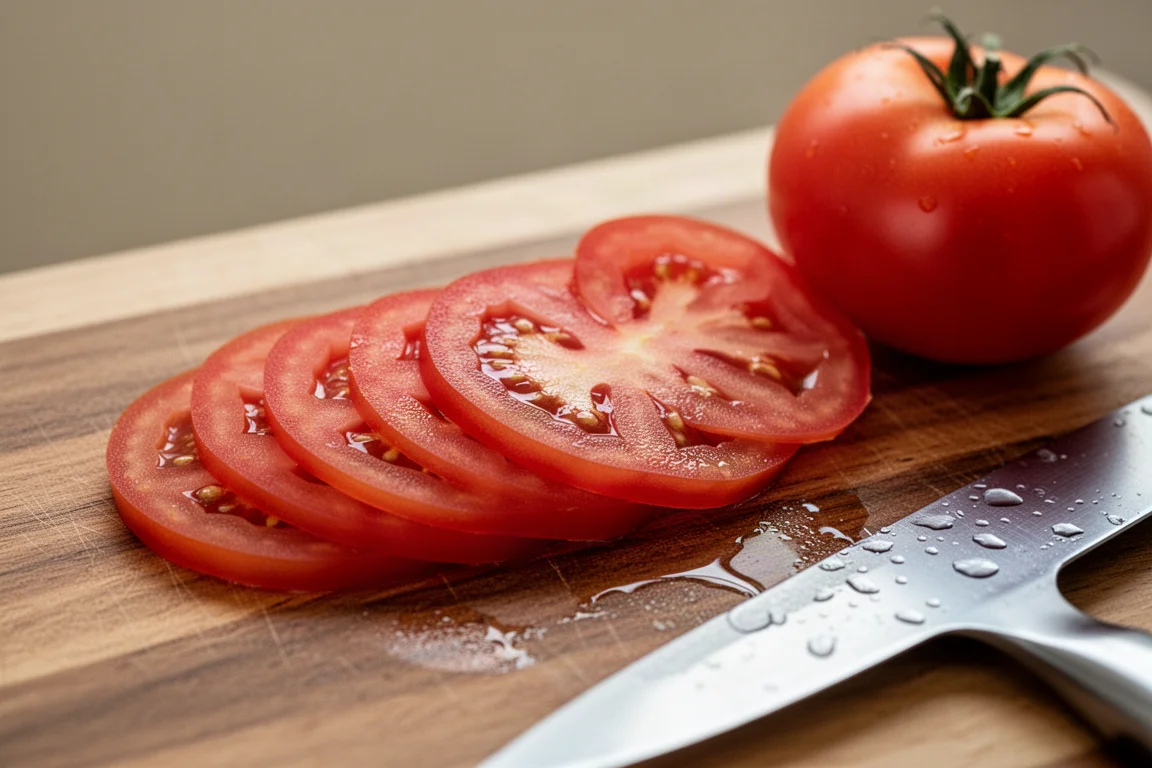
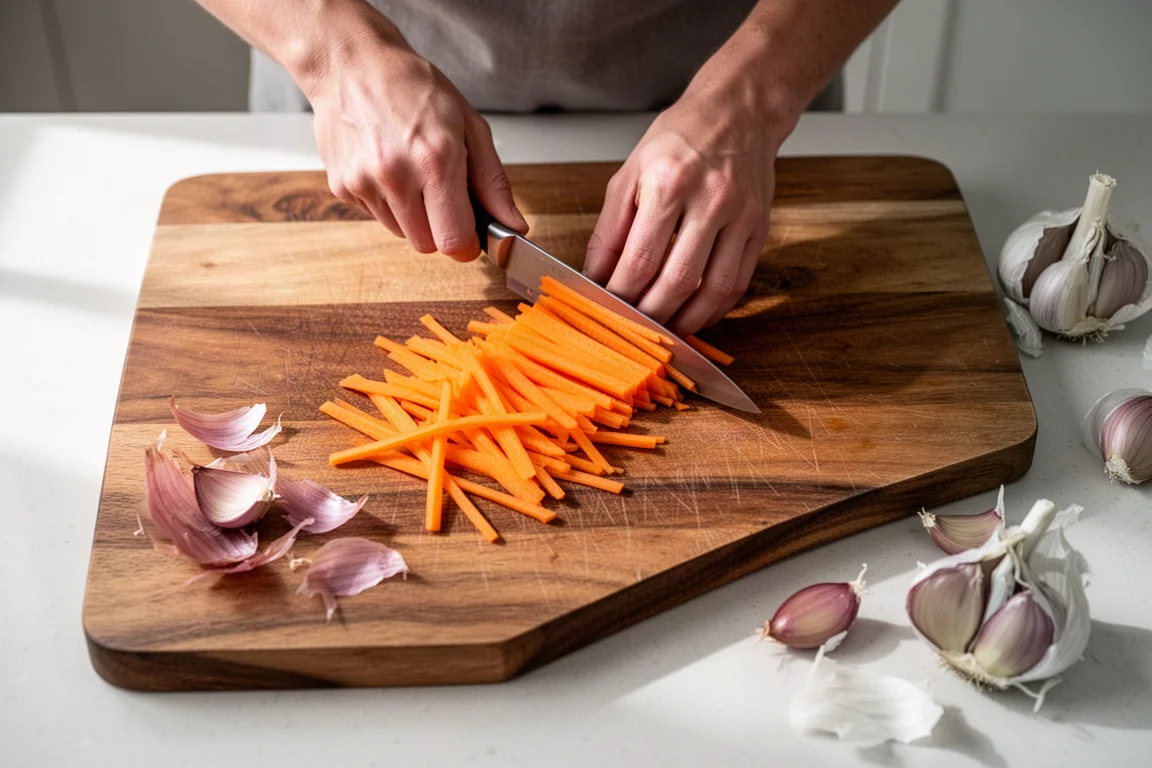
Three rounds, three everyday skills. Sharpness was tested with the classic tomato test: how easily the blade penetrates the skin and how thinly it slices. Comfort and ease of use were tested with repetitive and intricate tasks: julienne carrots, diced shallots, and minced garlic. Versatility was tested with rump steak, thinly sliced into stir-fry pieces to see how each knife handles meat and fat.
Round One: Sharpness
The Zyliss is extremely light, and that cut both ways. It slid through the tomato, but at various points it felt like it stalled and needed extra pressure. The Mercer felt bigger, heavier, and chunkier, and while the weight felt reassuring, it was arguably overkill for a tomato, so slices were not quite wafer thin. It was still factory sharp out of the box.
The Wusthof was the standout of the round: the first knife that felt properly balanced, gliding through the tomato with almost no resistance. The Shun was a firmer cut by comparison, more like butter straight from the fridge, with noticeable but modest resistance, and you could hear it going through the skin. The Paudin was a pleasant surprise: very comfortable to hold, audible but smooth cuts, and genuinely lovely thin slices.
Rankings for sharpness put the Wusthof first, the Paudin second, the Shun third, the Zyliss fourth, and the Mercer fifth.
Round Two: Comfort and Ease of Use
The Zyliss frustrated both testers on repetitive work. Its unusual blade shape made rhythm hard to find, and it kept catching on the board. Its lightness means you will not tire quickly, but that lightness is also part of the problem. The dimple on top of the blade is marketed as ergonomic for a rocking motion, but the honest verdict was that you can rock with any knife, and the shape simply got in the way.
The Mercer is still undeniably sharp with a good rocking motion, but the rubber handle has a slightly sticky feel, the weight is odd, and the angled bolster ratio felt strange. It is a big, chunky knife that suits big jobs more than intricate prep.
The Wusthof felt smooth from the first cut, incredibly nice to hold, with a bolster that your finger never catches on. Comfortable, weighty, good for rocking and chopping, with a good blade-to-handle ratio. The Shun was nearly its equal: a rounded bolster, a rounded handle, well balanced, and light enough for long repetitive sessions without fatigue. Its edge is slightly harsher at the bolster, which could cause a little rubbing during heavy use. The Paudin sat just behind them: very comfortable, well balanced, lovely tip control, with a slightly harsher bolster as its only real flaw.
Comfort rankings: Wusthof first, Shun second, Paudin third, Mercer fourth, Zyliss fifth. The takeaway from this round: bolster shape and how comfortable it is to hold over time matters far more than most buyers realize.
Round Three: Versatility
On rump steak, the Zyliss went through meat and fat without trouble, but kept getting stuck on the board, and it gave the impression of a self-catered accommodation knife: fine for the job, but not one you would treasure. The Mercer suited the meat test well; its size and weight made it feel like a proper meat knife.
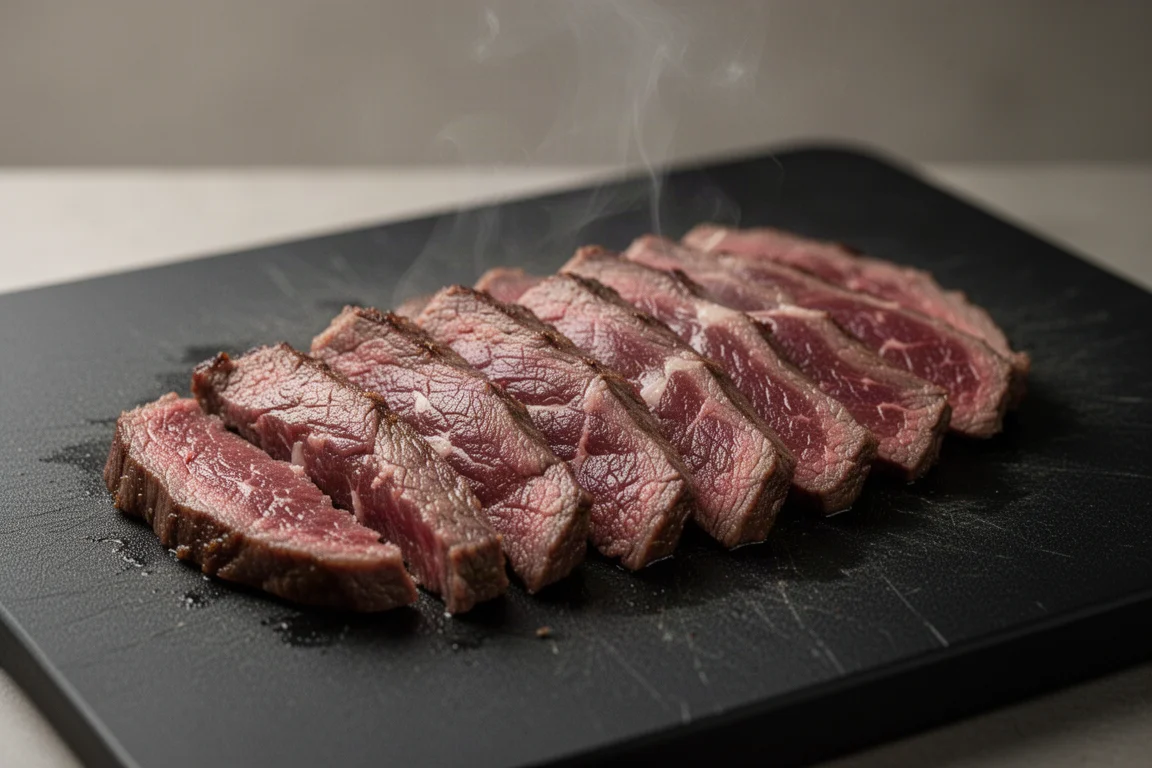
The Wusthof was described as an absolute dream on the steak, cutting meat and fat equally well with a smooth finish after the cut. It also has the thickness at the spine to take a hammering when needed. The Shun was very smooth through fat, essentially on par with the Wusthof for fine slicing, and clearly the better knife for delicate detail work. The Paudin was buttery again, with a better angle than the Shun, and earned a reputation as an excellent all-rounder for fish, meat, hardy vegetables, and everything in between.
For durability, the Wusthof’s solid heel held up better against knocks and heavy use, while the Shun’s blade tapers very thin toward the edge, superb for precise cuts but more vulnerable to damage over time. On versatility, the Wusthof and Shun were rated joint first by one tester, with the Paudin third, Mercer fourth, and Zyliss fifth.
The Price Reveal
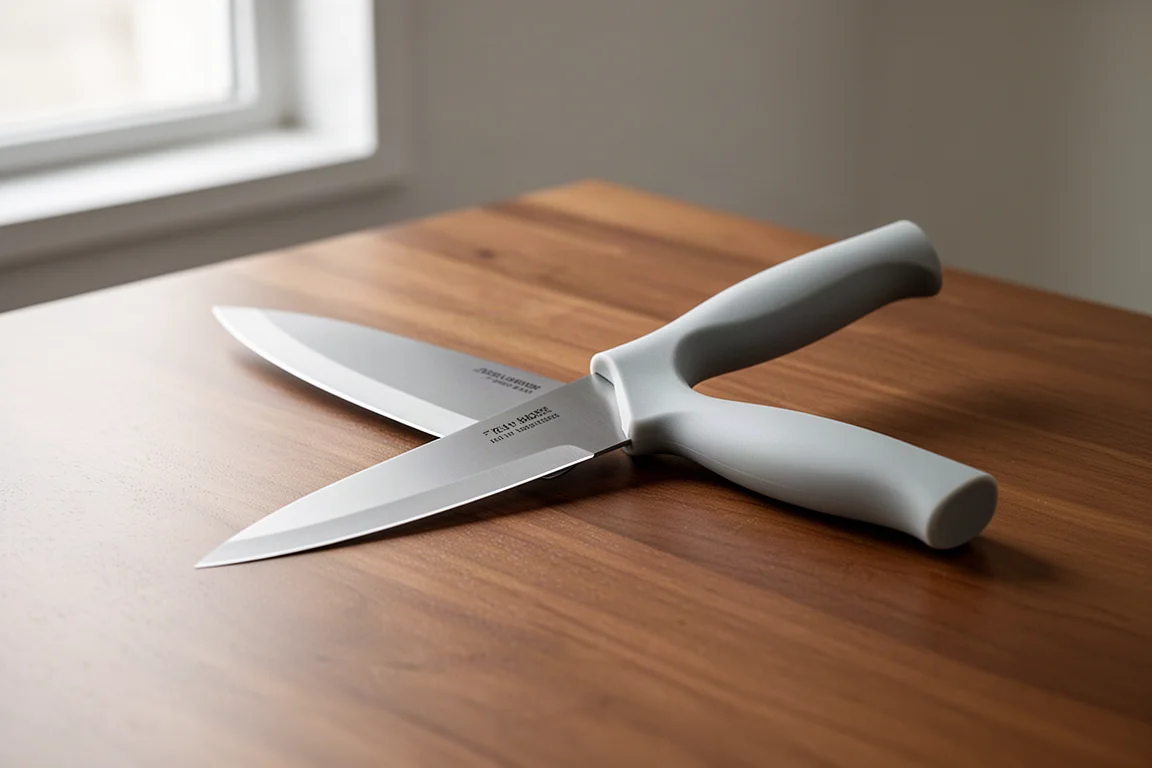
Once the rankings were locked, prices put everything in perspective. The Zyliss came in at £11.50, good value but limited. The Mercer Culinary Millennia cost £27.22. The Paudin 8-inch was just £21, which one tester called remarkable, though it raised a fair question about how something of that quality is manufactured that cheaply. The Wusthof Classic was £112, judged excellent value for a knife that should last a lifetime. The Shun Cutlery Classic topped the scale at £199.99, an excellent knife that is also a serious investment.
Amazon ratings at the time of testing broadly backed the Wusthof: it held a 4.8 rating from 2,611 reviews, the highest of the five. The Mercer Millennia sat at 4.7 from a huge 54,824 reviews, the Paudin at 4.7 from 3,735, and both the Zyliss and Shun at 4.6, from 4,688 and 2,062 reviews respectively.
Overall Buying Advice
Two pieces of advice emerged clearly. First, before buying a knife online, go and handle some knives in person to learn what suits you: bolster shape, handle material, weight, and balance are personal, and what works for tens of thousands of reviewers may not work for you.
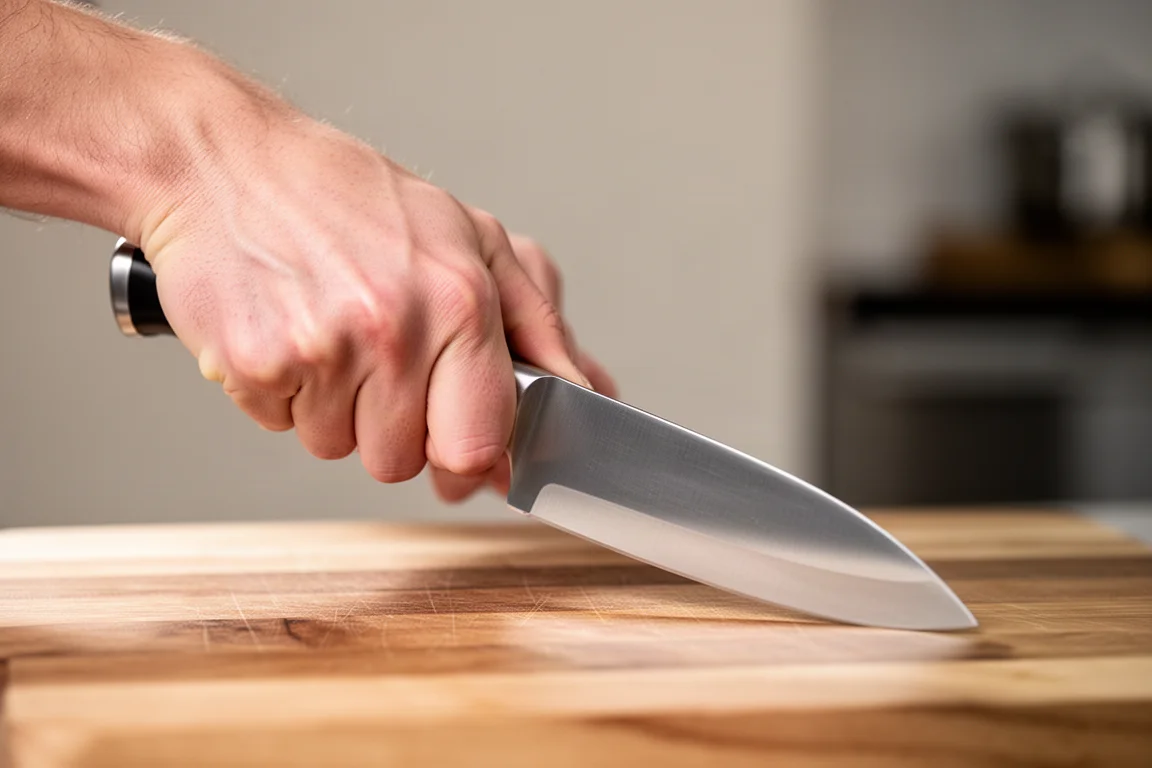
Second, know what you are buying it for. Is this a lifetime purchase or a starter knife? That question will steer you between the £112 Wusthof and something far cheaper. You usually get what you pay for, though a couple of knives here challenged that assumption. The general guidance was simple: stick with German steel for a durable, forgiving all-rounder, unless you have a specific reason to want a harder Japanese edge.
Conclusion
The Wusthof Classic 8-inch earned the top spot as the complete all-rounder: sharp, comfortable, durable, and fairly priced for a lifetime knife. The Shun is the premium choice for fine detail work, if you can justify the price. The Paudin is the budget shocker, offering remarkable performance for around £21 with some questions about long-term quality. The Mercer is a solid, popular midweek workhorse, and the Zyliss is a reasonable starter knife for students and first homes, but nothing more.
Further reading
Related Reviews

Kitchen Knives
Best Chef's Knives 2026: 27 Popular Options Tested and Ranked
A comprehensive review of 27 chef's knives ranging from $18 to $380, with honest assessments of handle comfort, blade balance, and real-world performance.

Kitchen Knives
Best Chef's Knives Under $75: Two Tested Recommendations
Two practical 8-inch chef's knives that balance sharpness, comfort, and durability without premium pricing.

Kitchen Knives
Best Chef's Knives 2026: 27 Options Tested and Ranked
A comprehensive review of 27 chef's knives ranging from $18 to $380, with honest assessments of handle design, balance, blade profile, and real-world performance.