Hand Tools
Best Aluminum Pipe Wrenches: Milwaukee 10L vs Ridgid Aluminum Wrenches
A hands-on comparison of the Milwaukee 10L long-handle aluminum pipe wrench and Ridgid's aluminum 14 and 24 inch wrenches, with practical buying advice for each.
Introduction
Aluminum pipe wrenches exist for one main reason: weight. As pipe wrench handles get longer, steel versions get so heavy that they become hard to carry and hard to maneuver. Aluminum castings cut a ton of weight, which matters when you are carrying a wrench all day or packing tools into a vehicle kit.
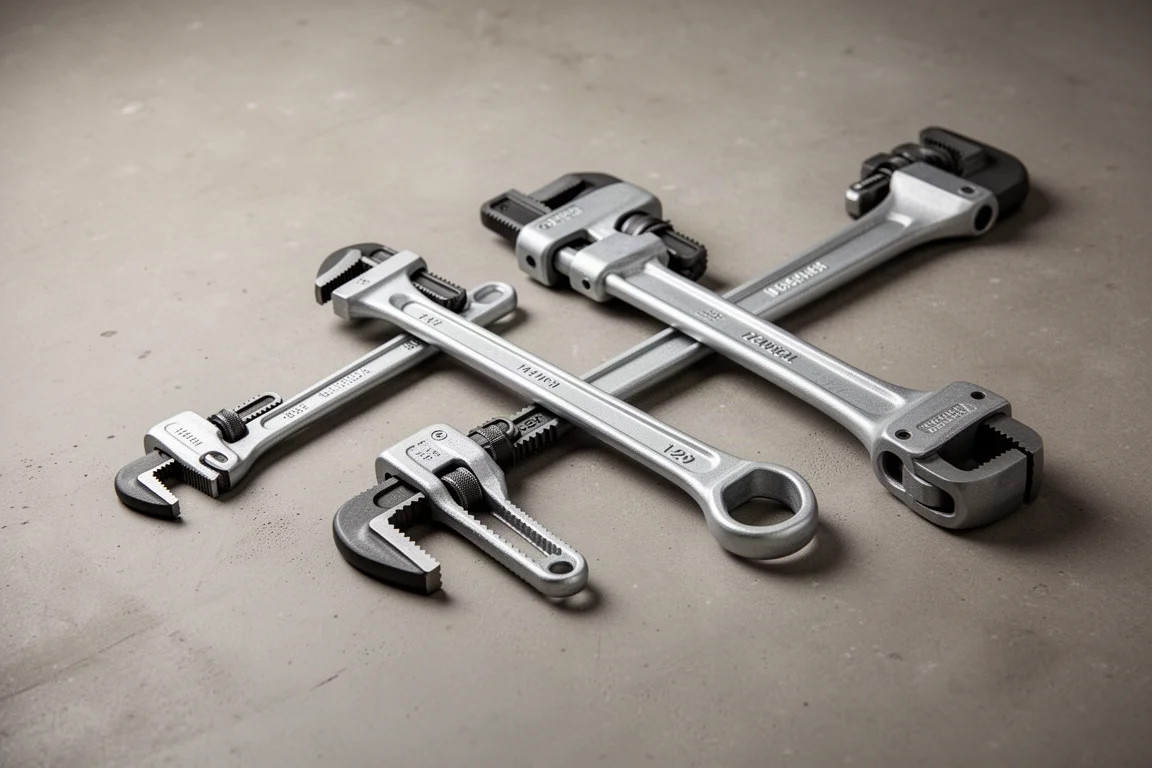
This comparison looks at three wrenches: the Milwaukee 48-22-7213 10L, an unusual long-handle design with a small 10 inch head, plus two more conventional aluminum Ridgid wrenches at 14 and 24 inches. Each takes a different approach to reach, leverage, and weight, and the differences matter more than the price tags suggest.
The Aluminum Advantage
Aluminum wrenches are the right call when you want to cut weight without giving up the basic function of a pipe wrench. The trade-off is strength: aluminum, by weight, is not as strong as steel. Steel pipe wrench handles often bend before they break, while aluminum castings can fail more abruptly. That makes it worth thinking about how much force you actually need to apply before choosing the longest, most leverage-friendly handle.
It also helps to think about what a pipe wrench is really for in most jobs. The goal is usually to cinch up a pipe fitting to the point where you can trust it, not to push the tool to its structural limit. A wrench that lets you apply plenty of force without a huge amount of muscle is doing its job. Used that way, aluminum designs make a lot of sense.
Milwaukee 48-22-7213 10L Aluminum Pipe Wrench
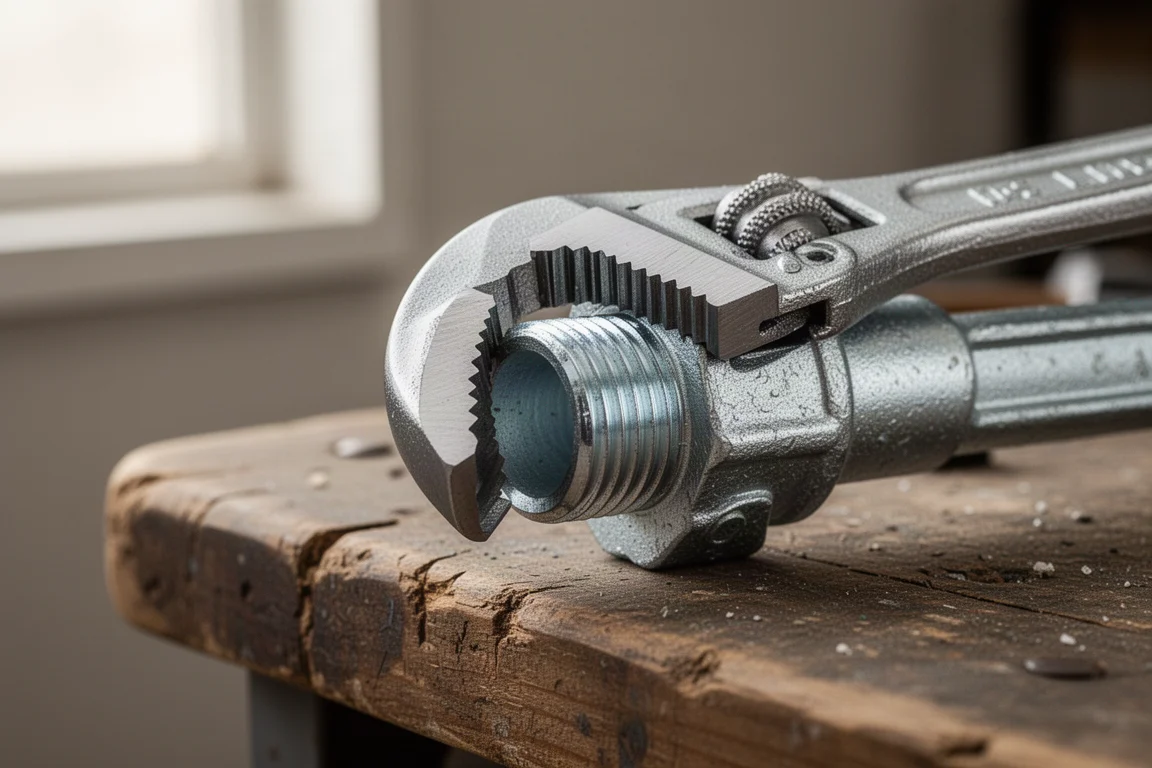
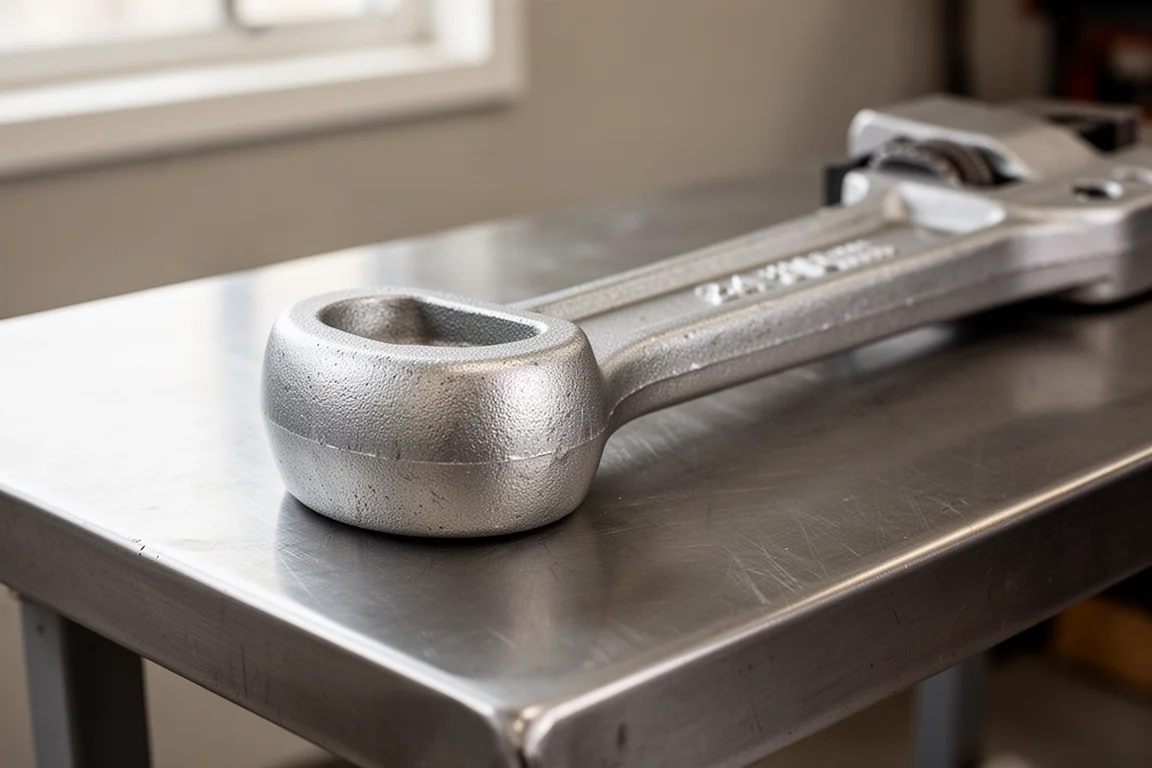
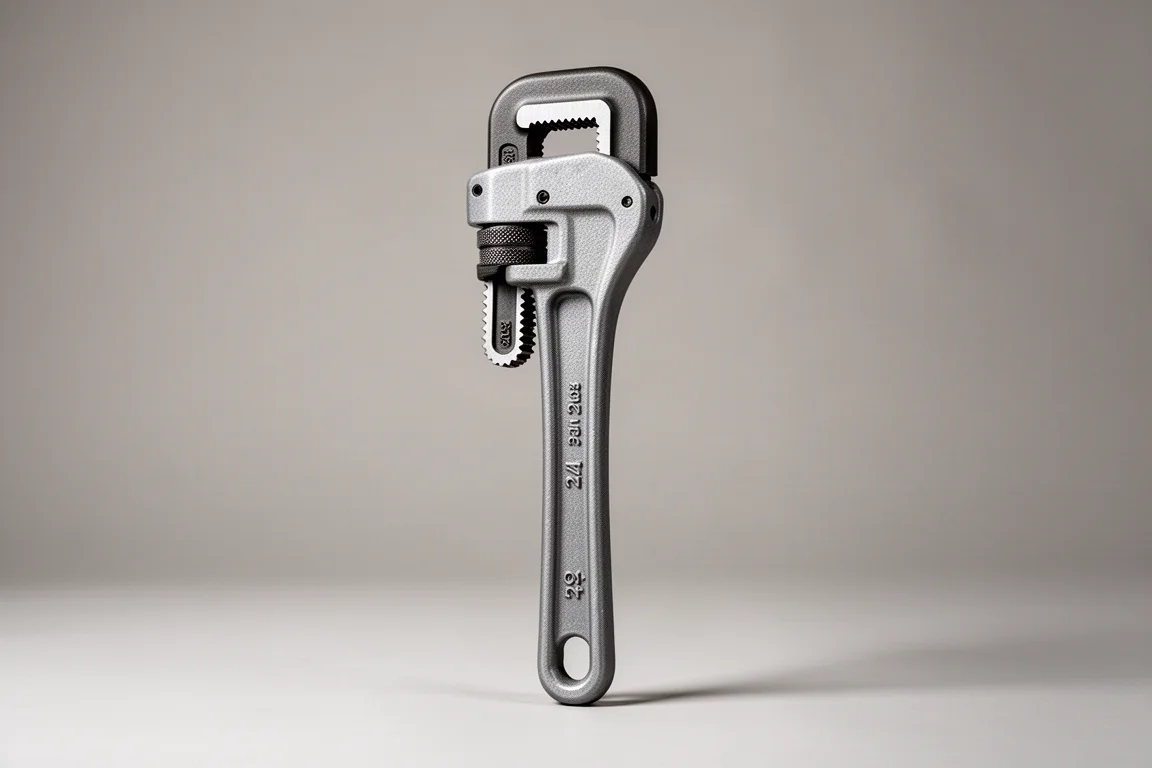
The Milwaukee 10L is a genuinely different approach. Milwaukee took a 10 inch wrench head and mounted it on a super long handle, resulting in a tool roughly 18 inches long overall. The branding emphasizes two things at once: great reach for getting into recessed, hard-to-access spots, and extra leverage from the added length.
That dual positioning is worth scrutinizing. A long handle with a small head is a natural magnet for a cheater pipe, and a small amount of images circulating online show examples of this style of wrench breaking. The head itself looks quite robust, and pulling the guts out reveals a big chunk of aluminum, but the weakest spot is what determines failure. For a standard comparison, the regular Milwaukee 10 inch model, the 48-22-7210, carries considerably more material in a shorter package.
The practical read: treat the last third of the handle as extended reach, not additional leverage. Used that way, for cinching fittings rather than maximum-force breaking jobs, the design works well and the small head is genuinely easy to grab and position. At around 55 dollars, the price is reasonable for something this specialized. It also uses hard steel replaceable jaws if they ever need swapping.
Ridgid 24” Aluminum Pipe Wrench
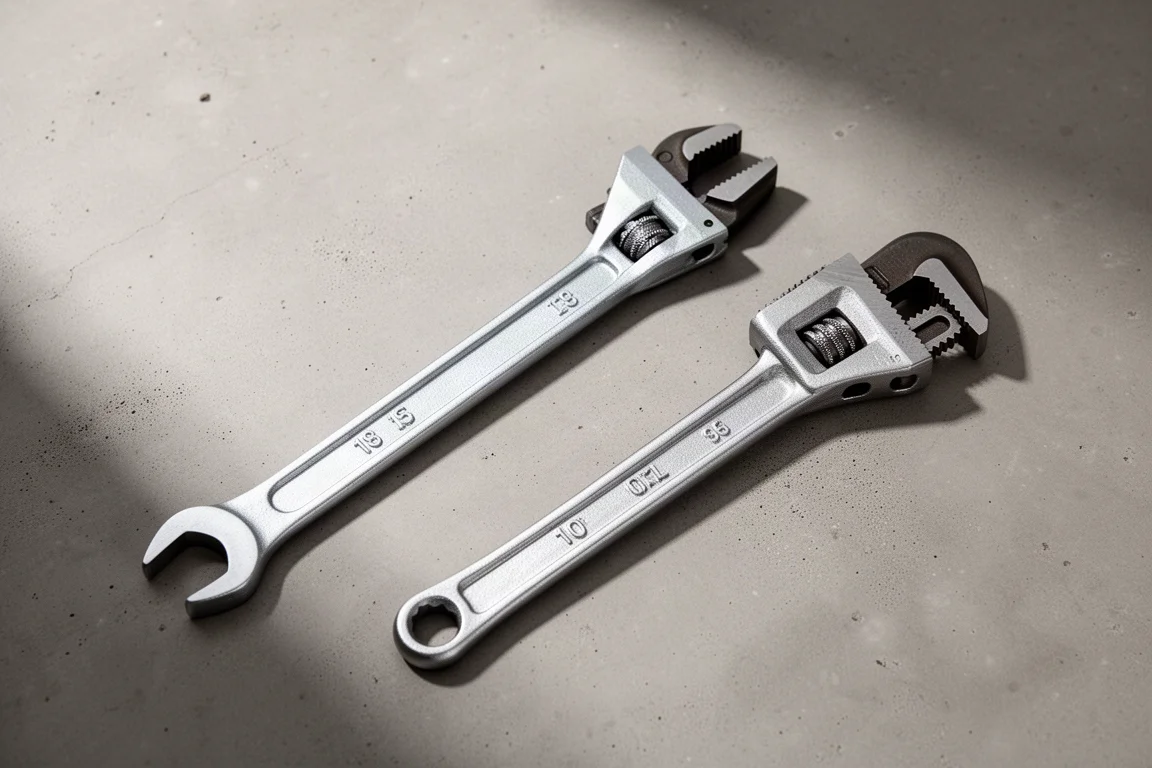
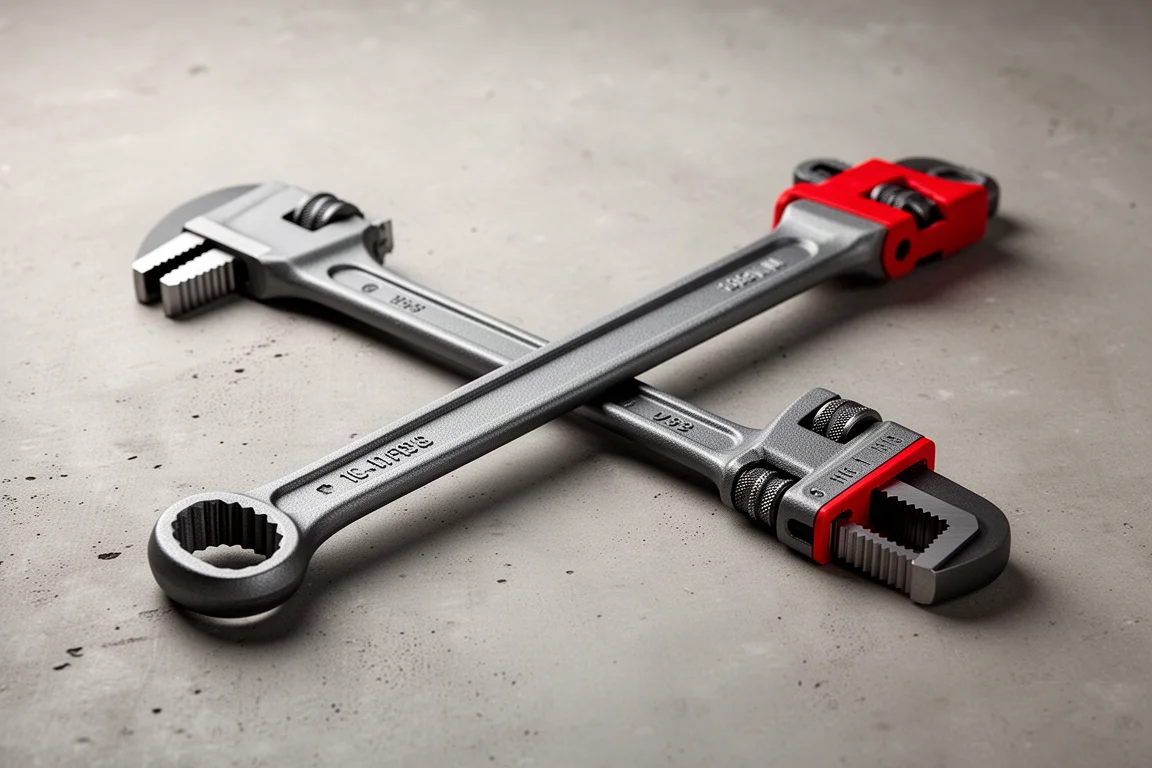
The Ridgid 24 inch aluminum wrench is the opposite philosophy: a big head with an extremely beefy handle. There is simply far more material in the handle end of this wrench than in the Milwaukee 10L, even though the overall length difference is under three inches in actual grip-to-tip terms compared with the Milwaukee’s long reach.
This is the tool you reach for when you need serious leverage on large fittings and want a head and handle built to take it. The casting is substantial, and the design reflects decades of conventional pipe wrench engineering scaled up. The obvious trade-off is weight and bulk; a 24 inch wrench in this class is harder to carry around and harder to manipulate in tight spaces, which is exactly why aluminum matters here.
Ridgid 14” Aluminum Pipe Wrench
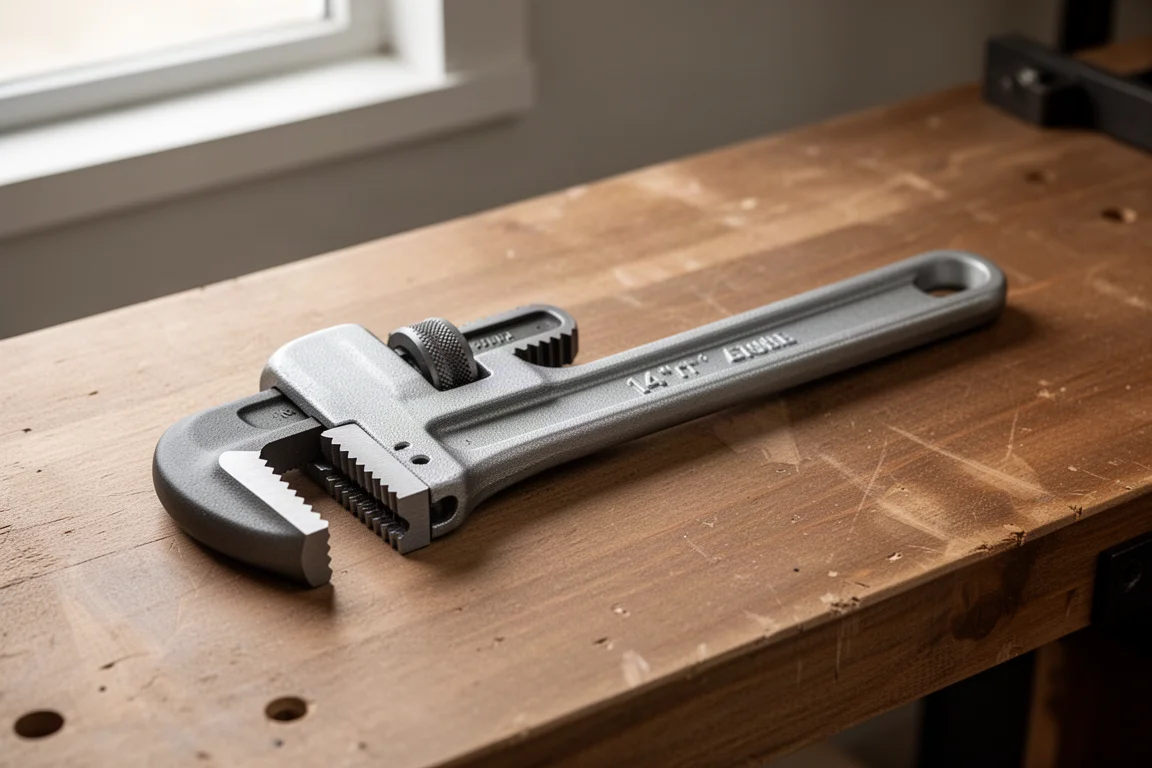
The 14 inch Ridgid aluminum wrench is described as a go-to for a lot of tasks, and it is easy to see why. It is a good, solid design in a size that balances reach and maneuverability, and it avoids both extremes of this comparison: it is far less bulky than the 24 inch, and far less specialized than the Milwaukee 10L.
This is also the category where Ridgid’s track record shows. These are USA-made aluminum wrenches, and the lineup includes both older and updated versions of the smaller sizes. For a general-purpose aluminum pipe wrench that will see regular use, a 14 inch Ridgid is a safe, sensible pick.
Buying Advice
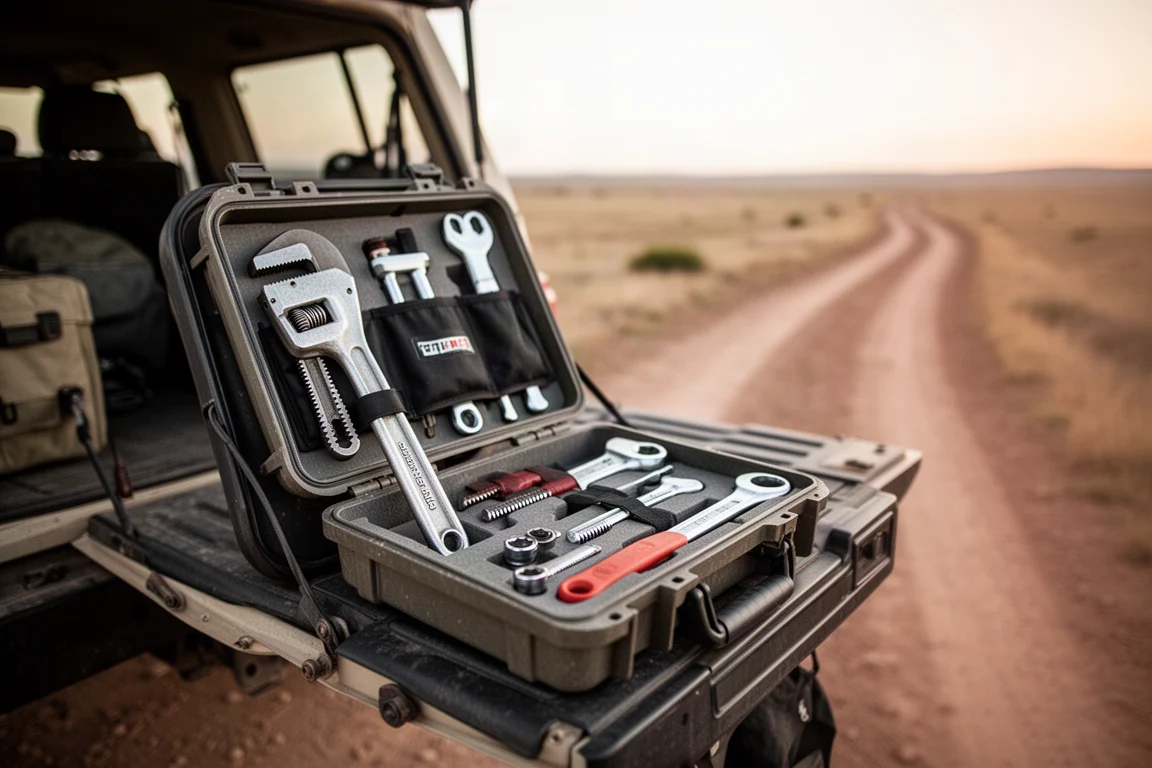
Match the wrench to how you actually use it. If your main problem is reach, getting a wrench head onto a fitting recessed way back in a tight spot, the Milwaukee 10L’s small head on a long handle is a clever solution, and it is light enough to earn a place in a vehicle or overlanding kit. Just avoid treating the long handle as an invitation for maximum leverage, and be aware of the reported breakage images for this style of design.
If you need brute-force leverage on big fittings, the Ridgid 24 inch is the more confidence-inspiring tool thanks to its much beefier handle. And if you want one aluminum wrench for everyday pipe work, the 14 inch Ridgid is the most balanced of the three. In all cases, using the wrench to cinch fittings securely rather than driving it to its limit is the best way to get long life out of an aluminum casting.
Conclusion
Aluminum pipe wrenches trade some ultimate strength for a major weight saving, and the right pick depends on whether you value reach, leverage, or all-round versatility. The Milwaukee 10L is a smart, specialized reach tool at a reasonable price, the Ridgid 24 inch is the heavyweight lever, and the 14 inch Ridgid remains the dependable everyday choice.
Further reading
Related Reviews
Hand Tools
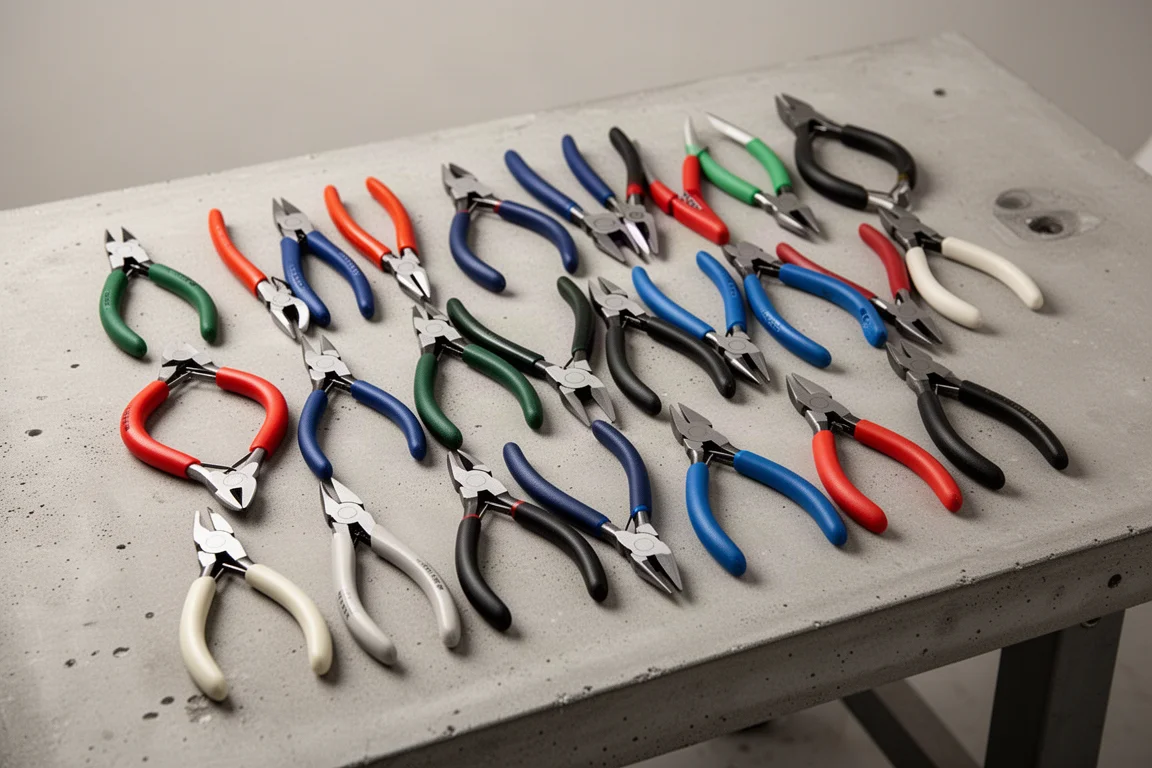
Best Diagonal Cutters 2026: 16 Pliers Tested for Cutting Power and Durability
We put 16 diagonal cutters through nail, screw, drill bit, and hex key tests to find the best value picks for your toolbox.
Hand Tools
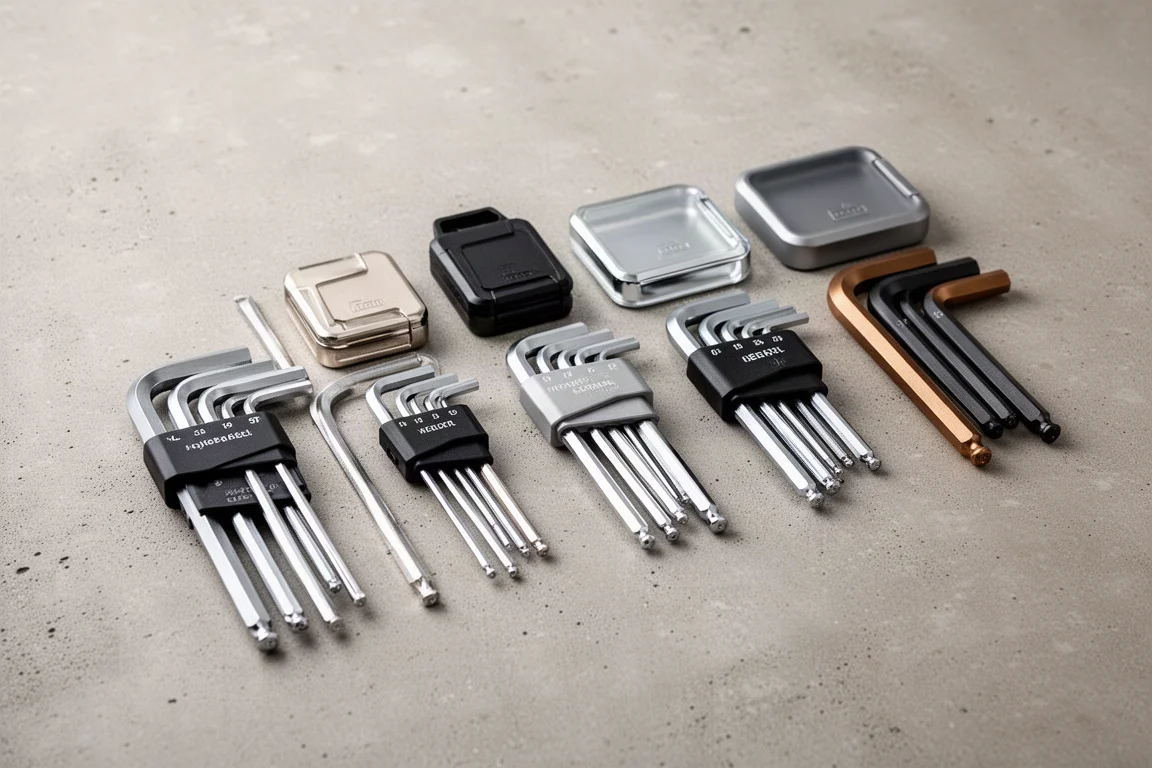
Best Hex L Key Sets 2026: Nine Sets Tested for Real-World Torque
Nine hex L key sets from budget to premium, tested for torque, fit, and durability. See which sets deliver real performance and which ones to skip.
Hand Tools
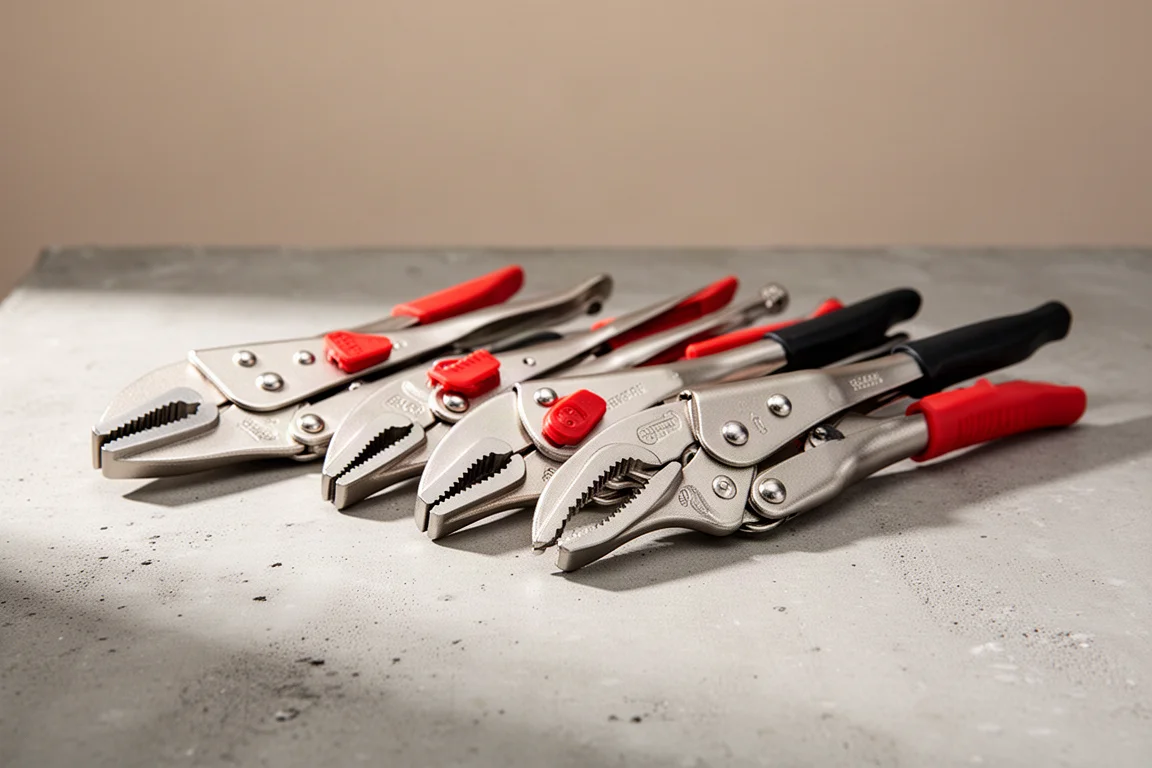
Best Locking Pliers 2026: Top Picks Tested for Grip and Durability
We tested 18 brands of 10-inch locking pliers for grip strength, jaw bite, build quality, and ease of release to find the best options for tough jobs.