Snowboarding
Best All-Mountain Freeride Snowboards: Top Picks and Honorable Mentions
Eight all-mountain freeride snowboards that lean toward hard charging, chunder busting, and confident riding across the whole mountain, with the strengths and trade-offs to weigh before buying.
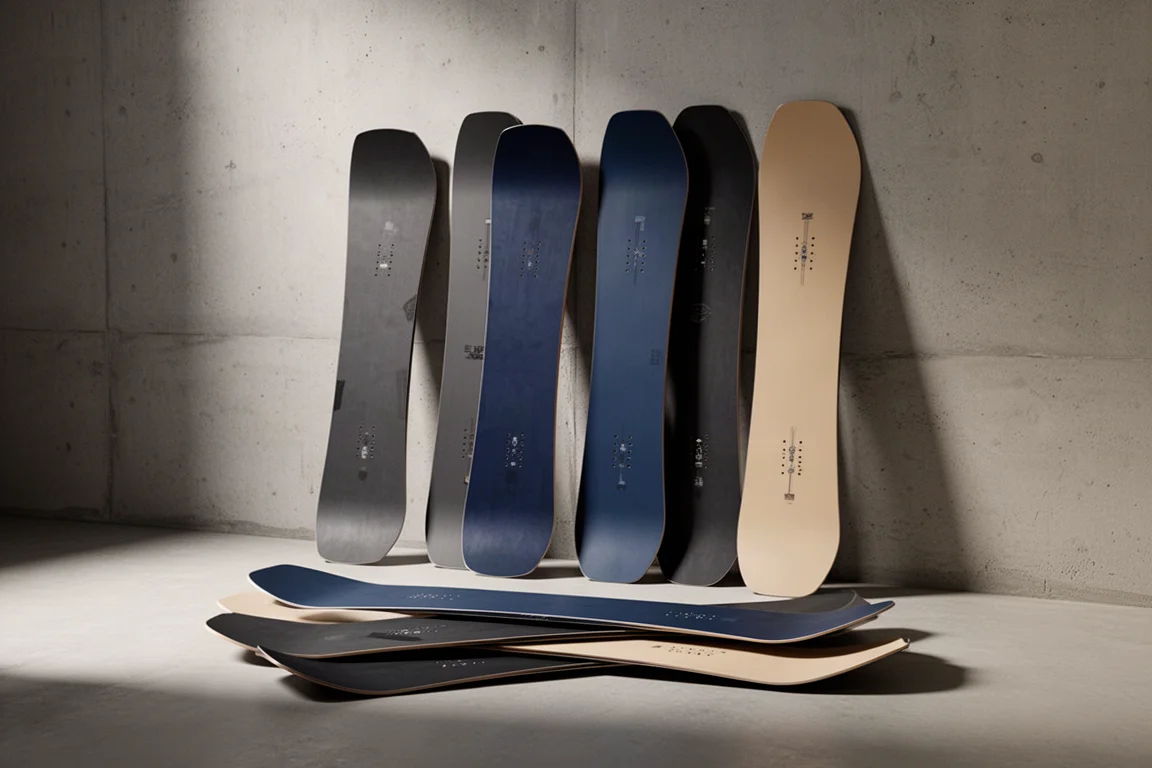
Introduction
All-mountain freeride sits in a specific place in the snowboard world. These are boards that lean toward harder charging, more chunder busting, and confident riding across the entire mountain, without drifting into the looser, more park-leaning territory of all-mountain freestyle.
The category is still broad. A board that feels perfect in tight trees can feel underpowered on an open, wind-scoured face, and a stiff charger can be a lot of work once the snow turns soft. This roundup covers eight boards that stood out in the category: five that made the top tier and three honorable mentions that came close. Each one is described in terms of how it actually rides, including flex, damping, pop, edge hold, and the terrain it handles best.
What Defines an All-Mountain Freeride Board
A few traits separate a freeride-leaning all-mountain board from a general-purpose one. The first is stiffness underfoot: enough backbone to hold an edge on firm, steep terrain without becoming punishing in the trees. The second is damping, meaning how well the board absorbs chatter once the snow gets tracked out. The third is pop, the way a camber profile loads up and returns energy when you want to ollie off a roller or clear a side hit.
Float matters too, but it is a secondary concern here. These are not dedicated powder shapes. They are boards you can ride most days of the season, with enough nose to keep you moving when the snow gets deep.
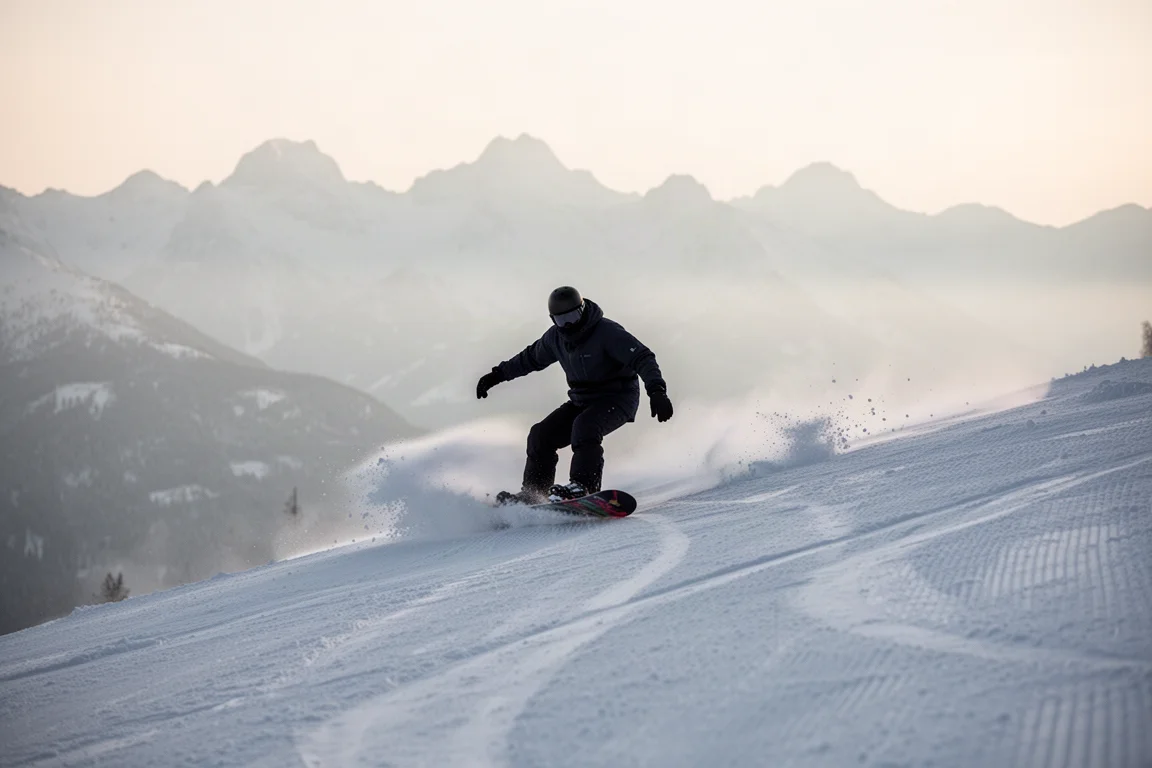
Flex patterns and camber profiles vary widely between the boards below. The practical approach is to match a board’s character to the terrain you ride most often rather than chasing the most aggressive option on the rack.
5. Amplid Singular
Amplid builds boards with a distinctive ride character, and the Singular is a clear example of it. It comes out of the gate ready to rip a hard carve and hand back a lot of power, while still covering the whole mountain and pushing through chop and chunder.
It is a reactive board with a slightly stiffer flex. That combination rewards a rider who is comfortable driving hard through the turn rather than feathering the edge. In return it offers strong edge hold and a stable platform when the snow gets rough.
4. Lib Tech Dynamo
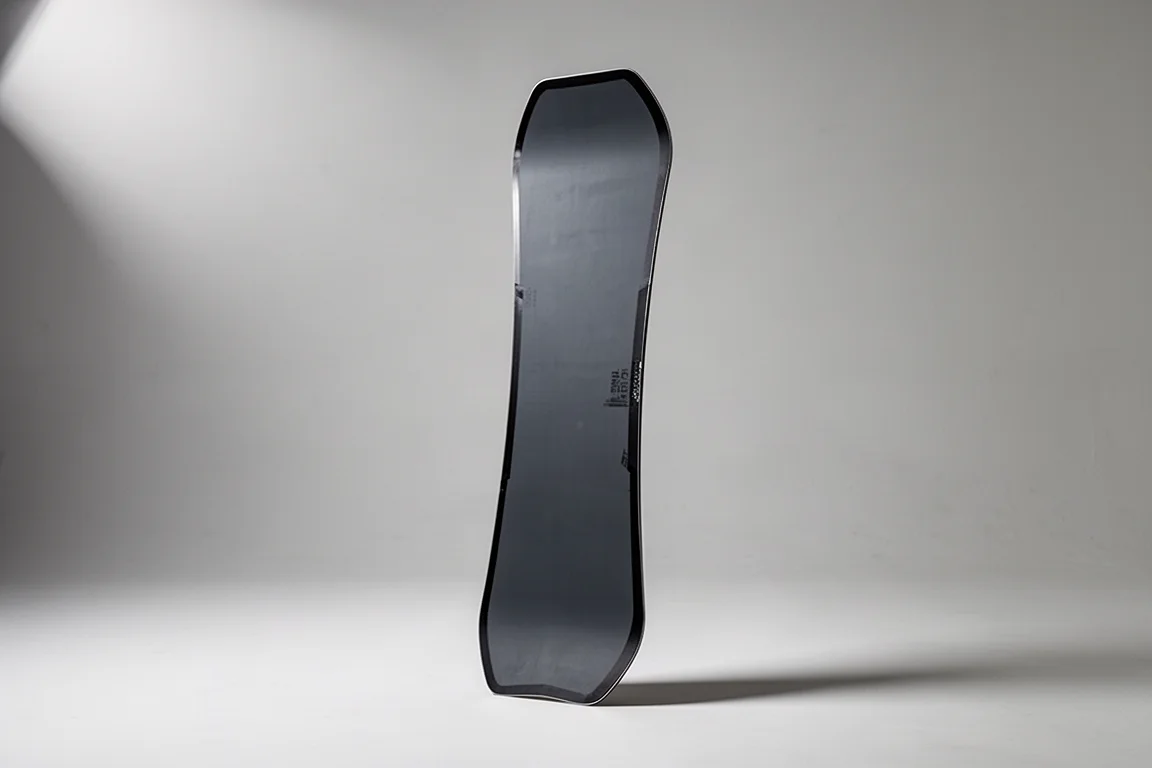
The Dynamo sits on the border between all-mountain freestyle and freeride, and it leans freeride. Load up the camber profile and it gives back real pop. It is damp enough to absorb chatter once you get into choppy terrain, and there is enough power in the nose to push through whatever the mountain puts in front of you.
On edge it can lay a trench when you need it to. In the trees it is not so stiff that it becomes a fight, which is what keeps it usable across a full day rather than only on groomers.
3. Rome Ravine Select
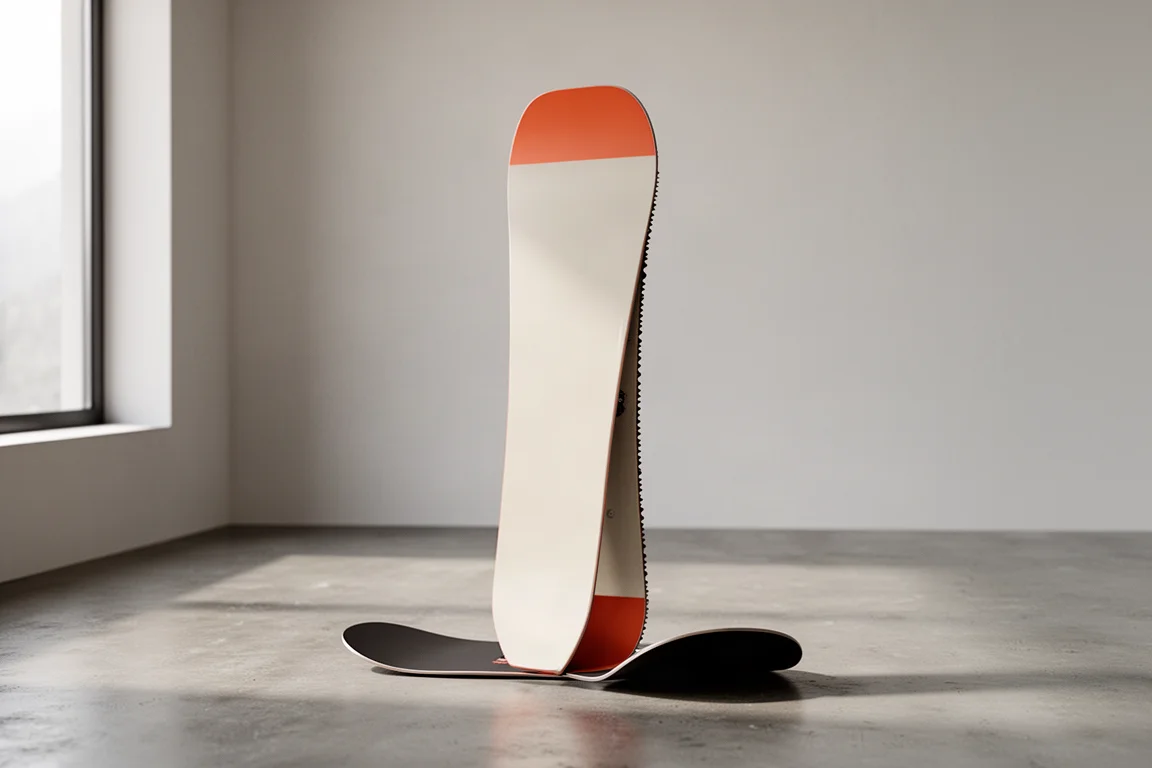
Rome has drawn a clearer line between the Ravine and the Ravine Select. Where the two models previously overlapped, the Select now stands apart with more pop, more power, and better damping underfoot. It charges noticeably harder than the standard version.
The versatility is still there. Hit a side hit and throw a 360, or take it into the park on a powder day and go after the lips. It floats exceptionally well, with power out of the tail from the bamboo rods, and the damping lands right where it counts.
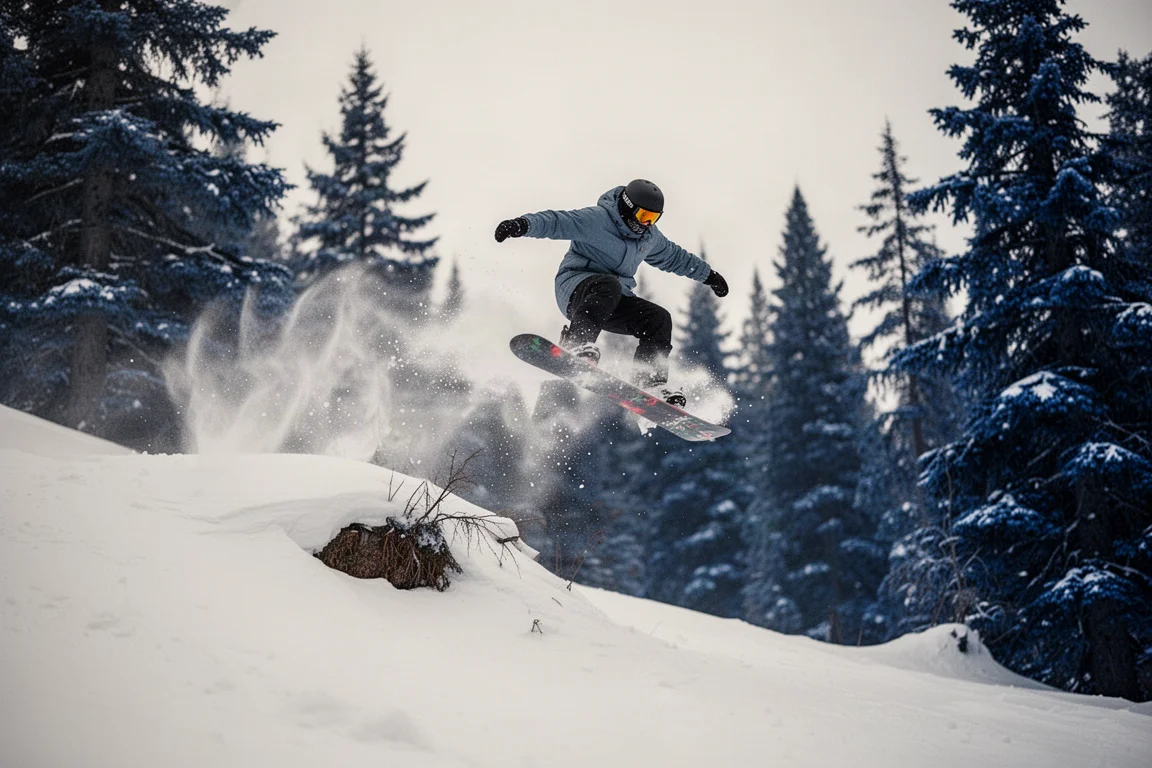
Riders who want a single board for carving, airtime, and soft-snow days will find the Select covers more ground than its name suggests.
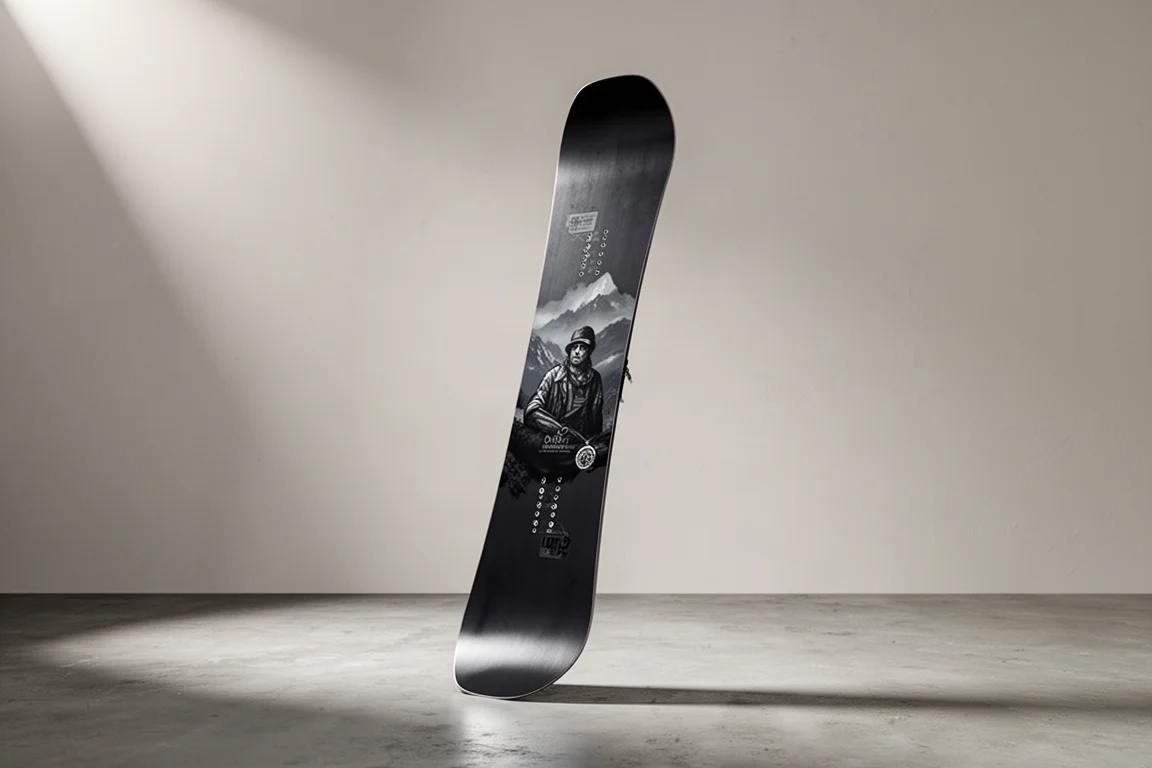
2. Capita Black Snowboard of Death
This year’s Black Snowboard of Death reads like a deliberate blend of the version from two seasons ago and last year’s model. The result carries a little more torsional flex, which helps with ankle steering and makes it easier to carve with intent.
That extra torsional give does not soften the board’s core purpose. It still crushes through chop and chunder with ease, and a new top sheet helps dampen micro vibrations underfoot. The character stays consistent: point it downhill, let it run, and it cuts through whatever is in the way while still giving you the pop to clear the runout.
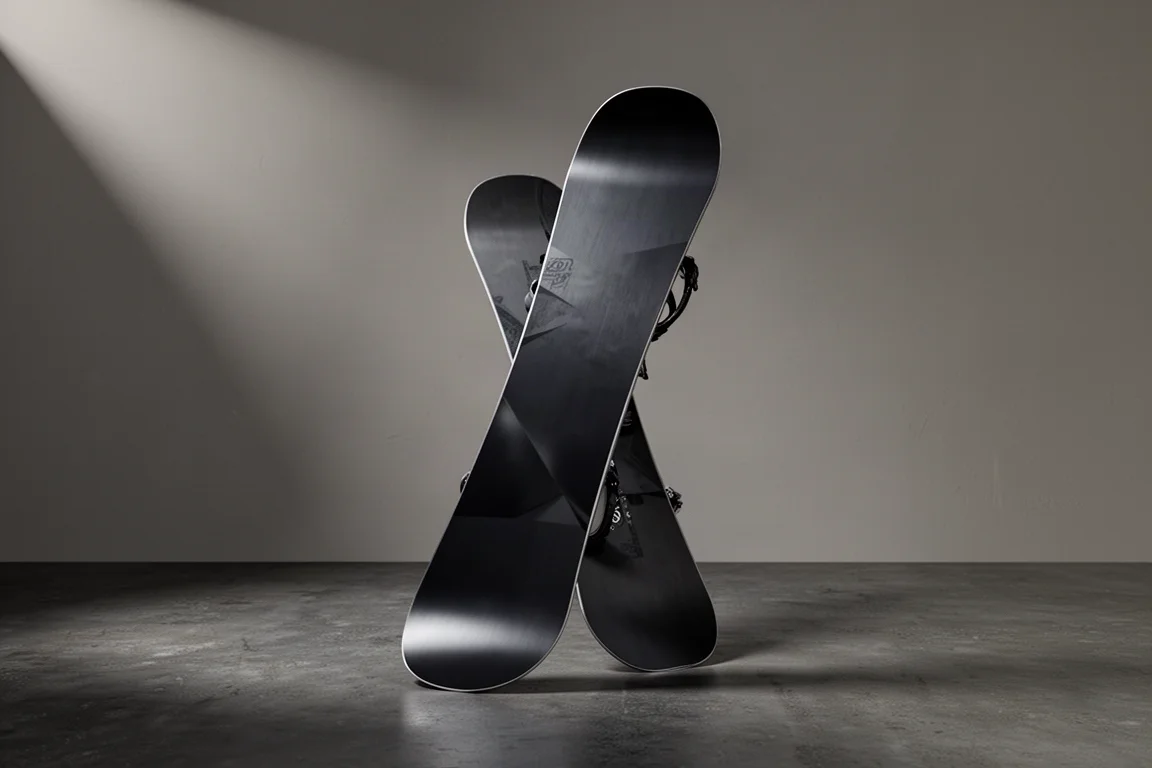
1. K2 Passport
K2 retired the Manifest Team and split that board’s role into two models: the Antidote and the Passport. The Antidote uses 3D shaping in the tip and is aimed at a more specific kind of riding. The Passport is the more versatile of the pair, built as an every-rider all-mountain freeride board for the resort.
The difference between the two is significant. On heavier snow the Passport pushed through everything with ease, popped off rollers, sprayed powder, and laid carves. It is a genuinely easy board to stay on, and a strong spiritual successor to the Manifest Team it replaces.
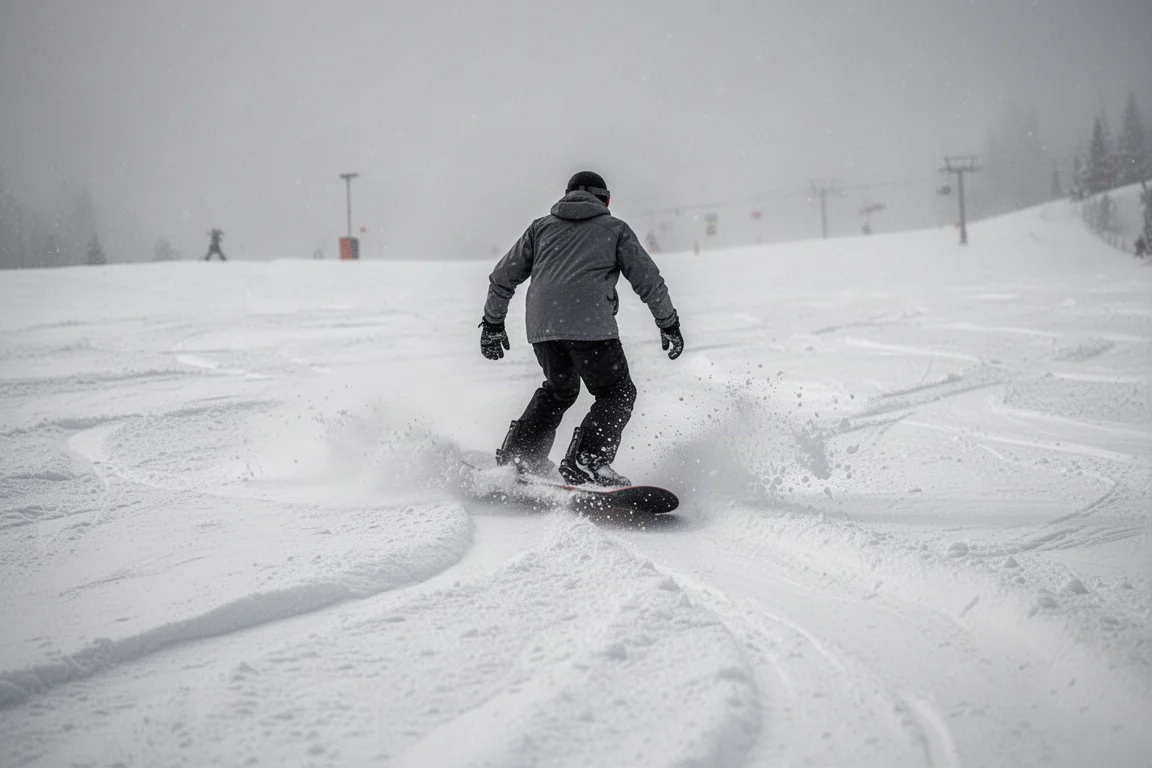
For riders who want one board that handles a full resort day without demanding a particular style, the Passport is the most complete option in this group.
Honorable Mention: Bataleon Thunder
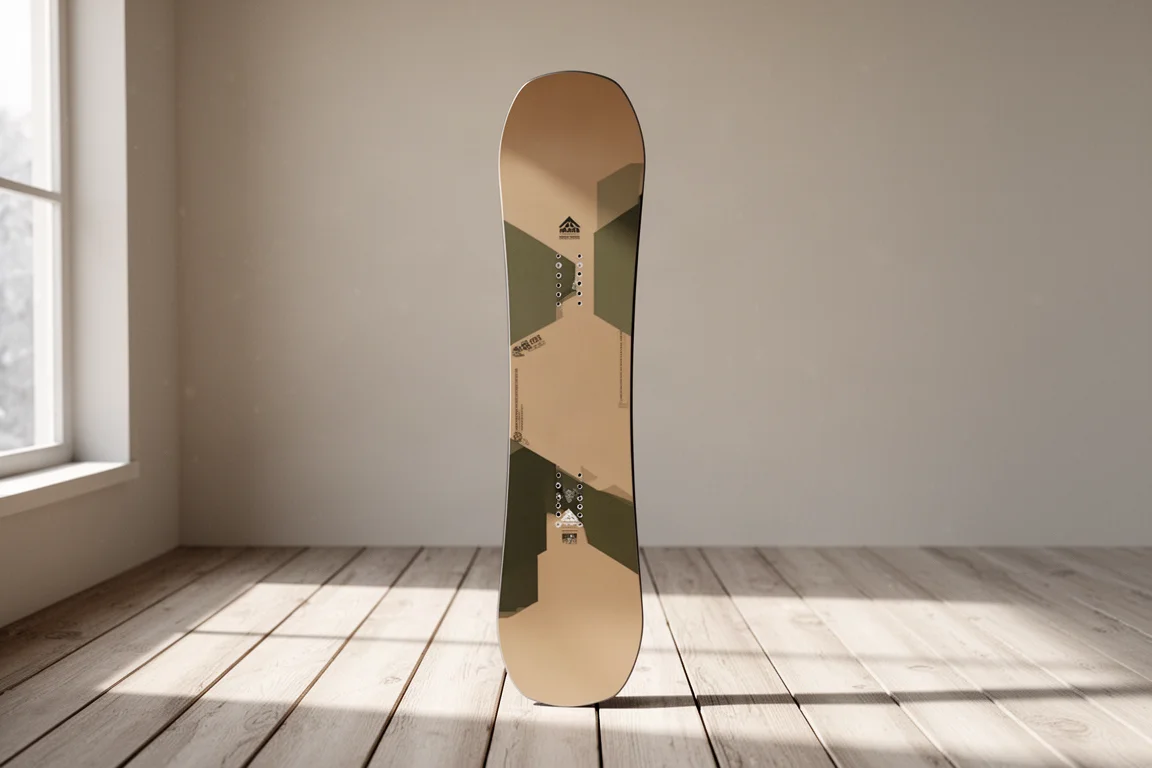
The Thunder, not the Thunderbolt, is a capable freeride board on its own terms. It did not crack the top five because its 3BT base shape is not for everyone. Riders who like the way 3BT feels underfoot will get along with it; riders who do not will notice the difference immediately.
Honorable Mention: Jones Ultra Flagship
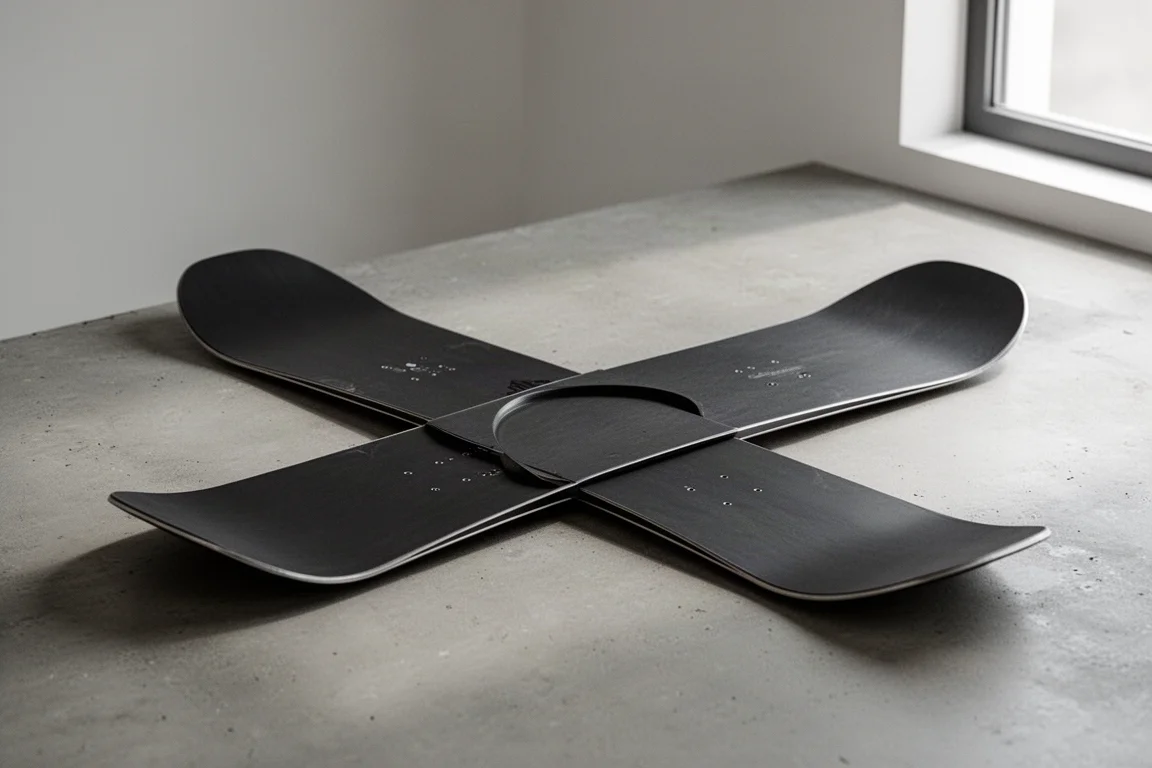
The Ultra Flagship is pricey, and that is the main thing to weigh before committing. This version is the best one yet: it has power where you want it, dampens vibrations well, holds an edge exceptionally well, and can freeride across any type of terrain. For riders who want a high-end board and are willing to pay for it, it delivers.
Honorable Mention: Ride Berserker
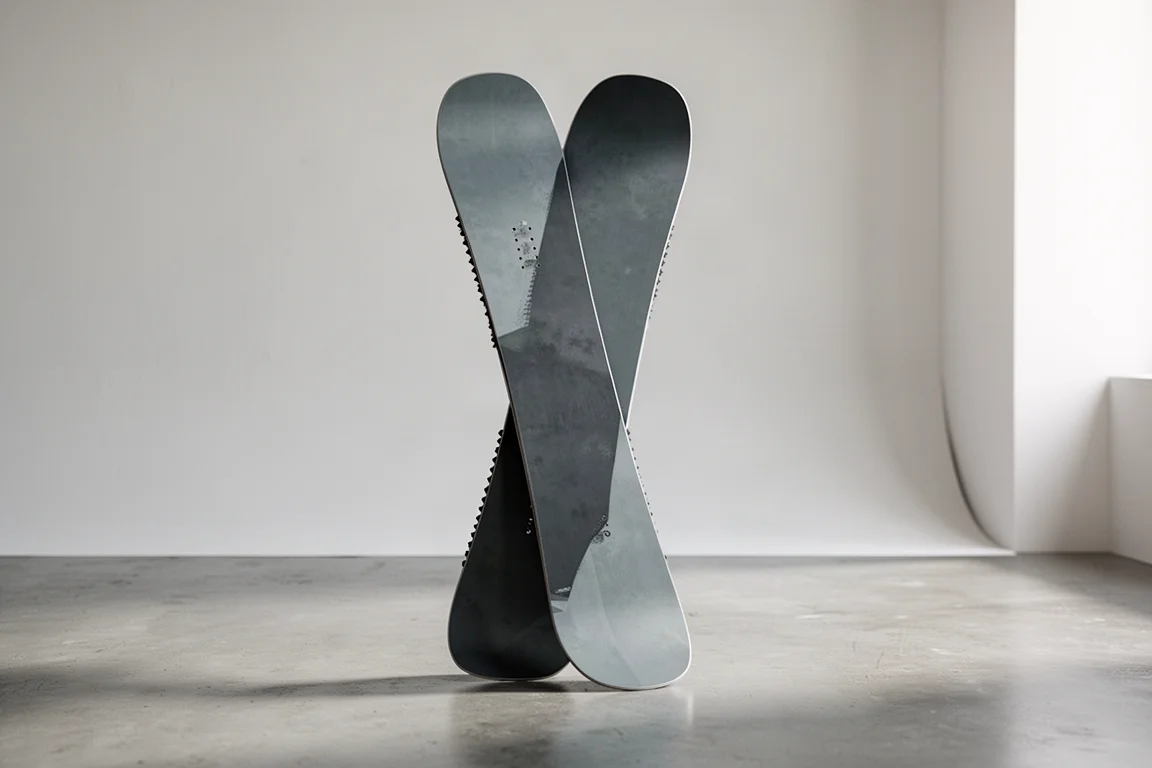
The Berserker is a signature model built around a powerful, aggressive riding style. It has solid snap and a good sidecut, and the carbon array in the construction puts power into the board whether you are popping off something or driving hard through a turn. It is a board that rewards commitment.
Buying Advice
Stiffness is the first thing to think about. A reactive, stiffer board such as the Amplid Singular or the Capita Black Snowboard of Death gives back more energy and holds an edge harder, but it asks more of your legs in tight terrain. A slightly more forgiving board such as the Lib Tech Dynamo or the K2 Passport will keep you riding longer on a mixed day.
Damping is the second consideration. If your home mountain is often tracked out by mid-morning, prioritise boards that absorb chatter rather than the stiffest option on the rack. If you ride mostly soft snow and side hits, float and pop matter more than raw torsional rigidity.
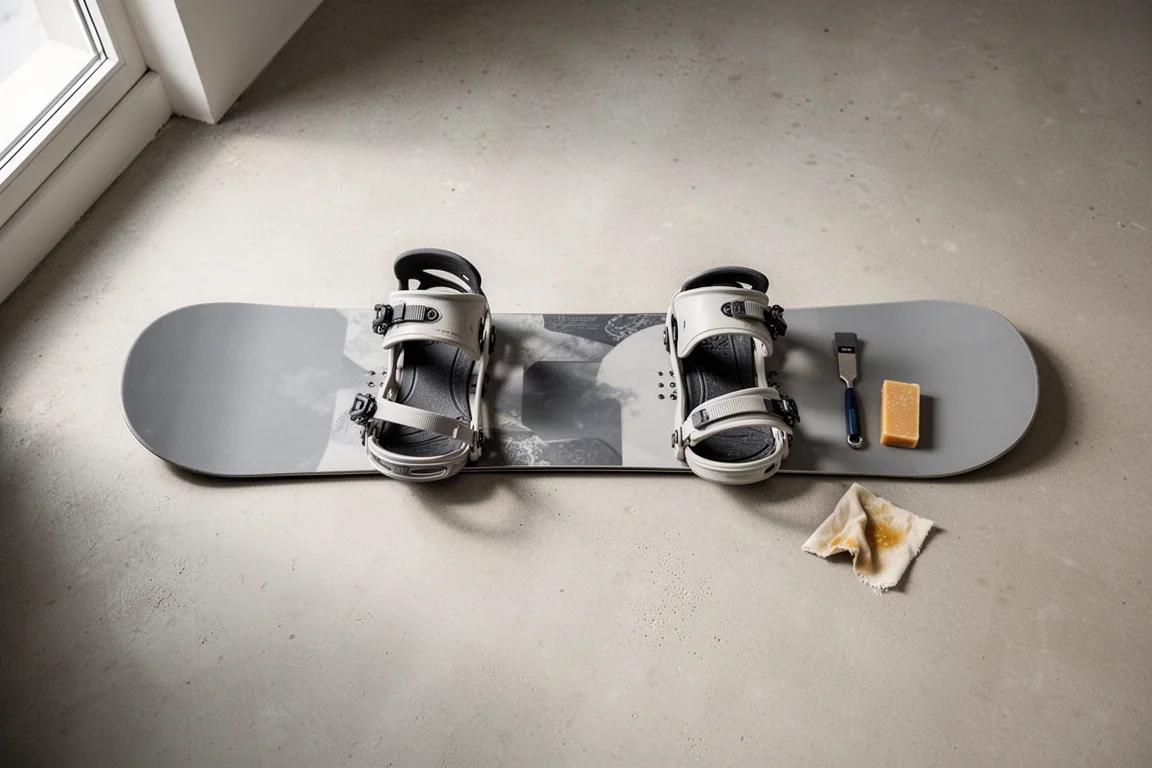
Finally, be honest about how you actually ride. The boards in this roundup all handle the whole mountain, but they do it in different ways. Match a board’s character to your terrain and your style, and you will get far more out of it than you would by simply choosing the most aggressive model on the list.
Conclusion
Eight boards, one category, and a wide range of personalities within it. The K2 Passport took the top spot for its versatility and ease across a full resort day. The Capita Black Snowboard of Death and the Rome Ravine Select sit close behind for riders who want more power and damping. The Amplid Singular and the Lib Tech Dynamo round out the top five with reactive, confident rides of their own.
The three honorable mentions are worth a look if their specific character appeals to you, particularly the Jones Ultra Flagship if budget is not the deciding factor. Whichever way you go, the right board is the one that matches the terrain you ride most and the way you like to ride it.
Further reading
Related Reviews
Snowboarding
2025 Snowboard Gear List: Five Picks That Earned Their Place on the Mountain
From Zeiss-lens goggles to a hybrid step-in binding, here are five pieces of 2025 snowboard gear that held up across a full season of riding.
Snowboarding
2026 Snowboard Gear List: Boards, Bindings, Boots and Outerwear Worth a Look
A season-ready snowboard setup built from the bottom up: base layers, Strafe outerwear, Ride and Union boots, Union bindings, and two new Capita boards.
Snowboarding
32 Cold World Review: A Playful Hybrid Camber Board for Park Laps
The 32 Cold World blends classic camber underfoot with flat nose and tail sections for a predictable, butter-friendly ride aimed at intermediate park riders.