Camping Stoves
Best Alcohol Stoves: Trangia Spirit Burner, X-Boil and Stormin' Norman Cone
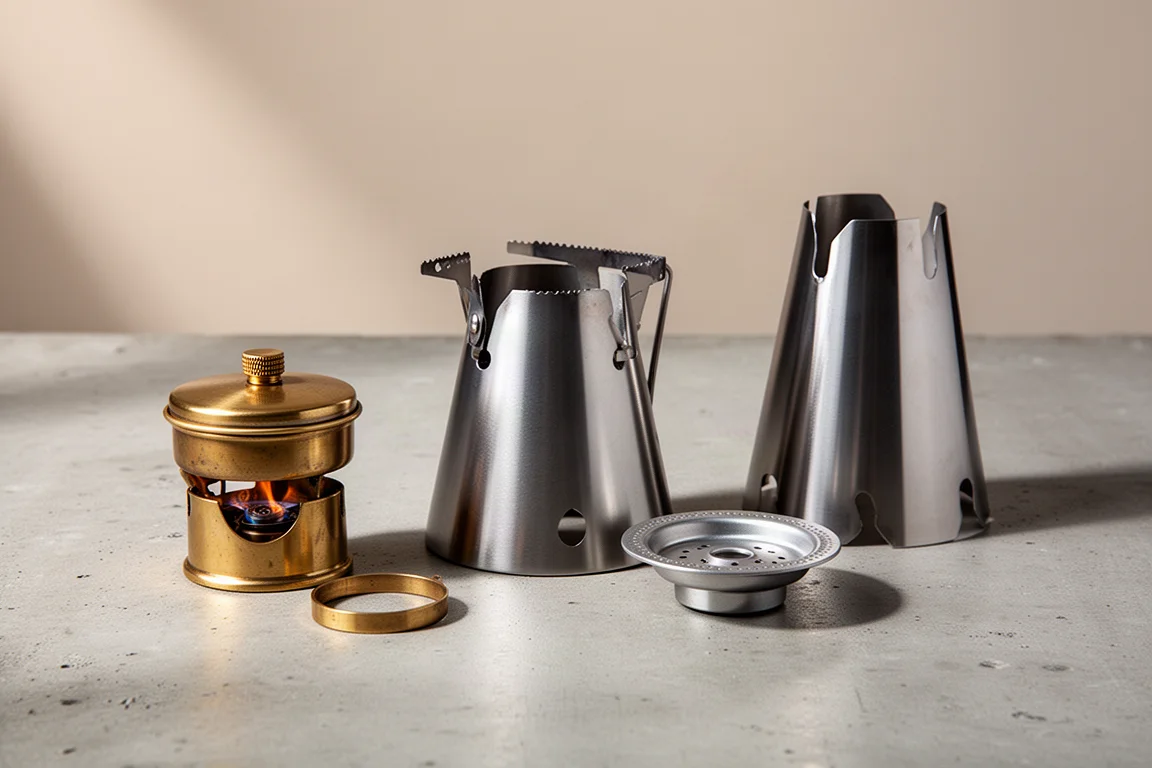
Three practical alcohol stove options compared: a classic spirit burner, a cone-style kit with a spill-proof burner, and a matching cone for different pot sizes.
Introduction
Alcohol stoves are the simplest piece of cooking kit you can carry. A burner is little more than a small metal cup that holds fuel, and once it is lit there is almost nothing that can fail. The trade-off is speed. If you are chasing personal bests for boil times, a spirit burner will disappoint you. What it offers instead is low cost, fuel that is easy to find almost anywhere, and a setup that keeps working for years.
This guide covers three pieces of kit that between them represent the main ways to run an alcohol setup. The Trangia spirit burner is the classic option, with built-in fuel storage and a simmer ring. The X-Boil pairs a cone-shaped pot support and windshield with a spill-proof burner. The Stormin’ Norman cone takes the same cone-style approach for a different pot size.
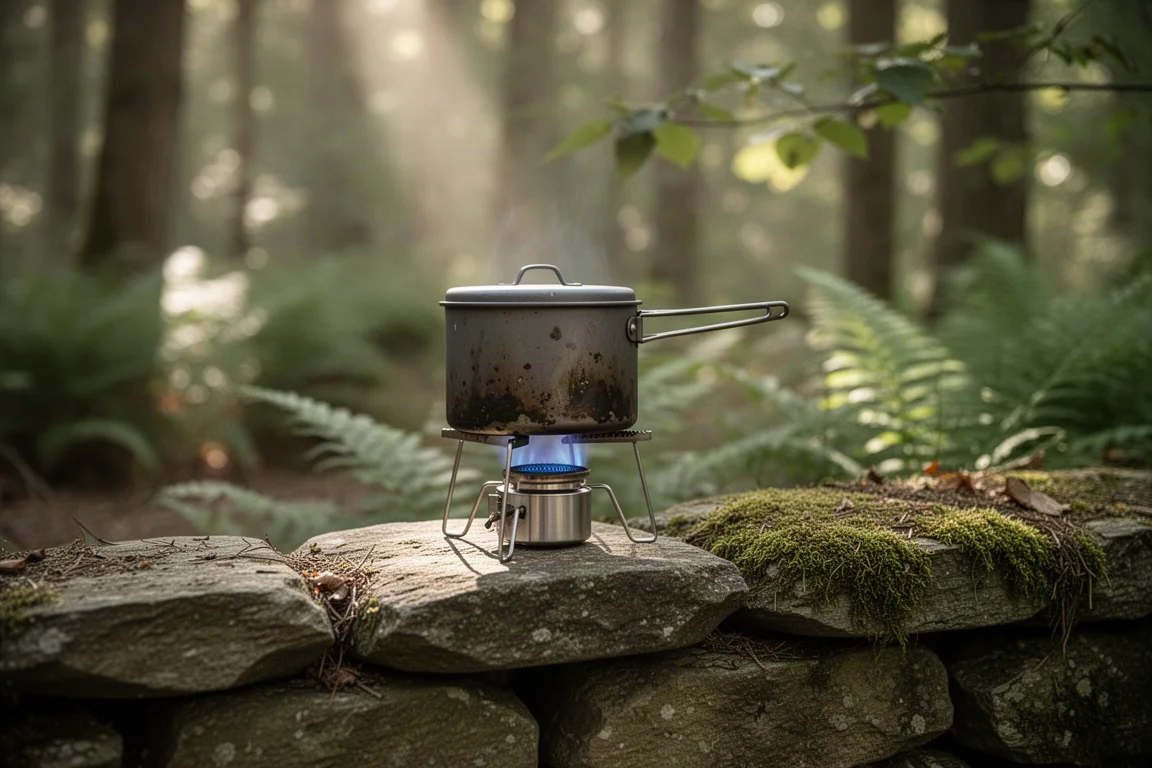
For anyone who wants a quiet, unhurried stove for woodland lunches, short overnight trips and emergency backup, this is the category to look at first. The sections below cover what each option does well and where it asks you to compromise.
How Alcohol Stoves Work
Every alcohol burner follows the same basic idea. Fuel sits in a small cap or pot, and you need some kind of support to hold your cookware above it. That support has to leave a gap between the burner and the base of the pot so the flame has room to do its work. A windshield matters too, because these burners put out modest heat and any breeze will steal it.
Lighting is straightforward once you know the trick. Dip a stick into the fuel, light it, and transfer the flame to the burner. The flame itself is hard to see in daylight, so holding your hand a few inches above the burner is the easiest way to confirm it has caught. The classic version of this design is the Trangia spirit burner, and the cone-style kits that follow use the same principle with a purpose-built surround.
Trangia Spirit Burner
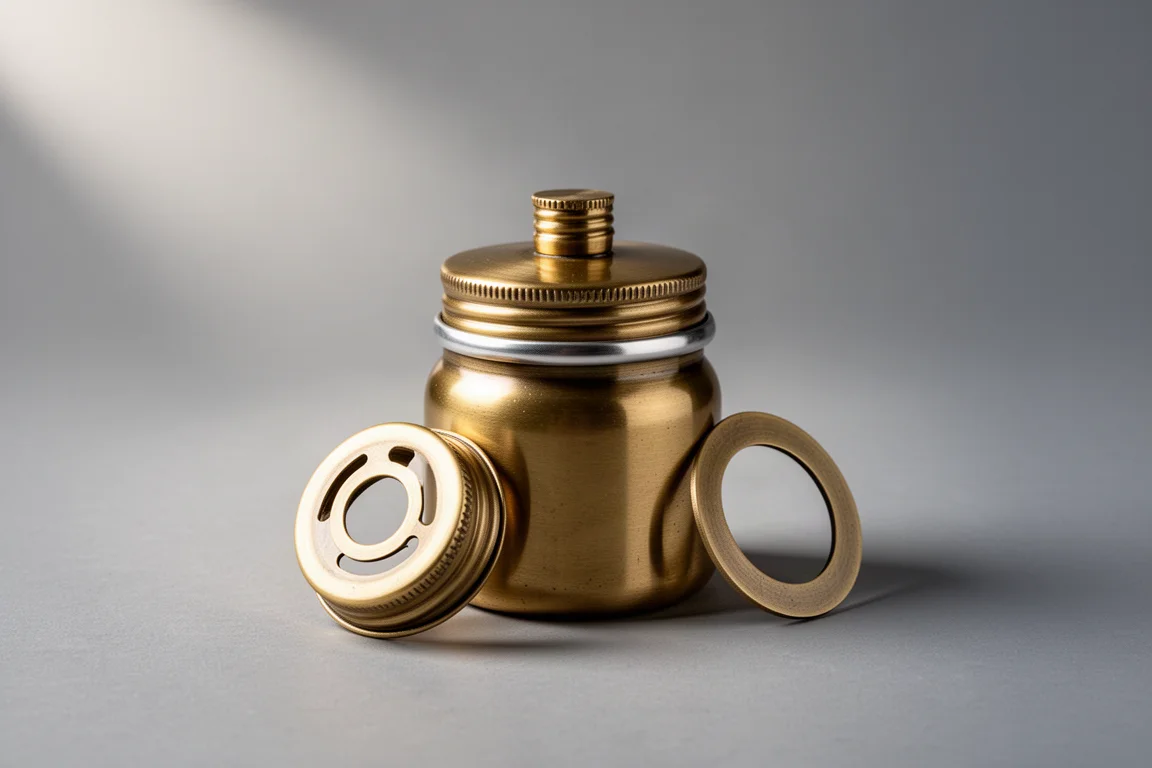
The Trangia spirit burner is about as basic as a stove gets: a small brass-toned unit that holds fuel and screws shut for storage. It runs on alcohol fuels including bioethanol and methylated spirits, and it can be carried with fuel already inside it. Because there is nothing to break, a well-used burner keeps working the same way it did when it was new.
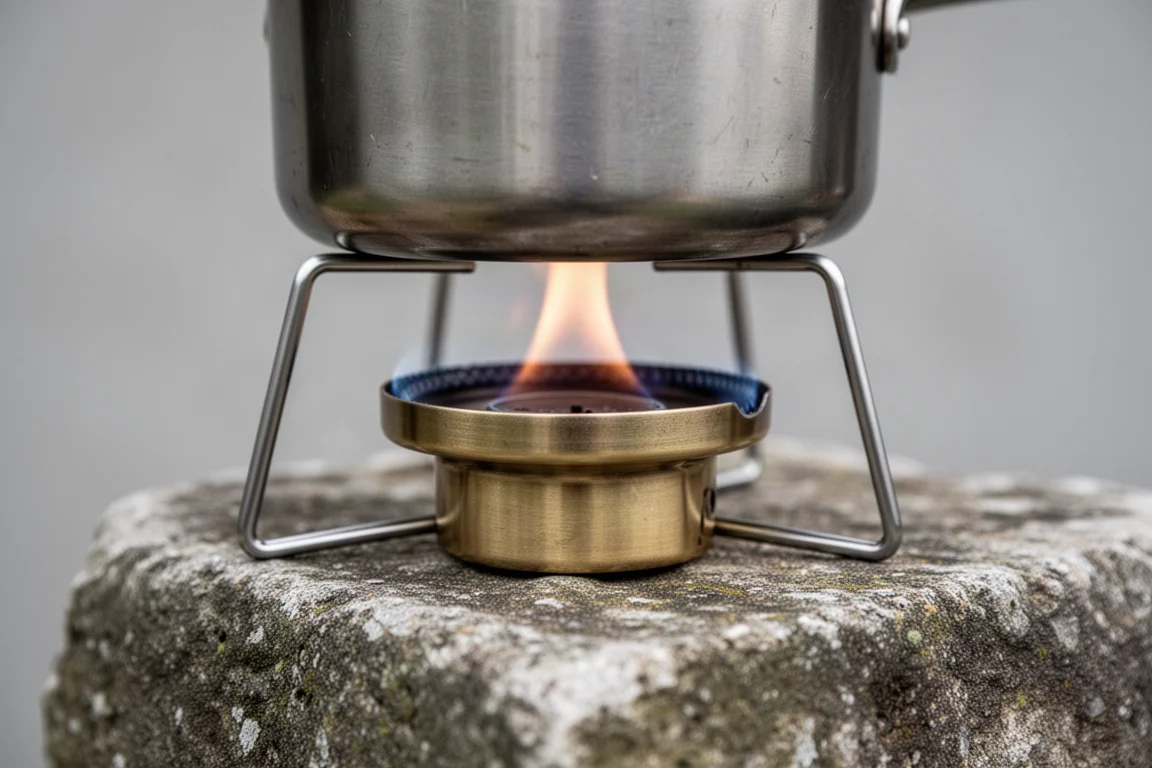
You will need a pot support to go with it, which typically costs around £5, and the burner itself runs about £12 to £15. It also comes with a simmer ring, which lets you shrink the flame for gentler cooking, and the same ring can be used to put the flame out. That adjustability matters, because most alcohol burners offer a single, unregulated flame.
The main caution is spillage. If the burner is knocked over, the fuel goes with it, and whatever it soaks into will catch light. A spill-proof burner is the safer choice if that worries you, and those cost only a few pounds more. The Trangia remains a strong pick for anyone who wants a durable, inexpensive burner that stores its own fuel and can be replaced easily if a part goes missing.
X-Boil
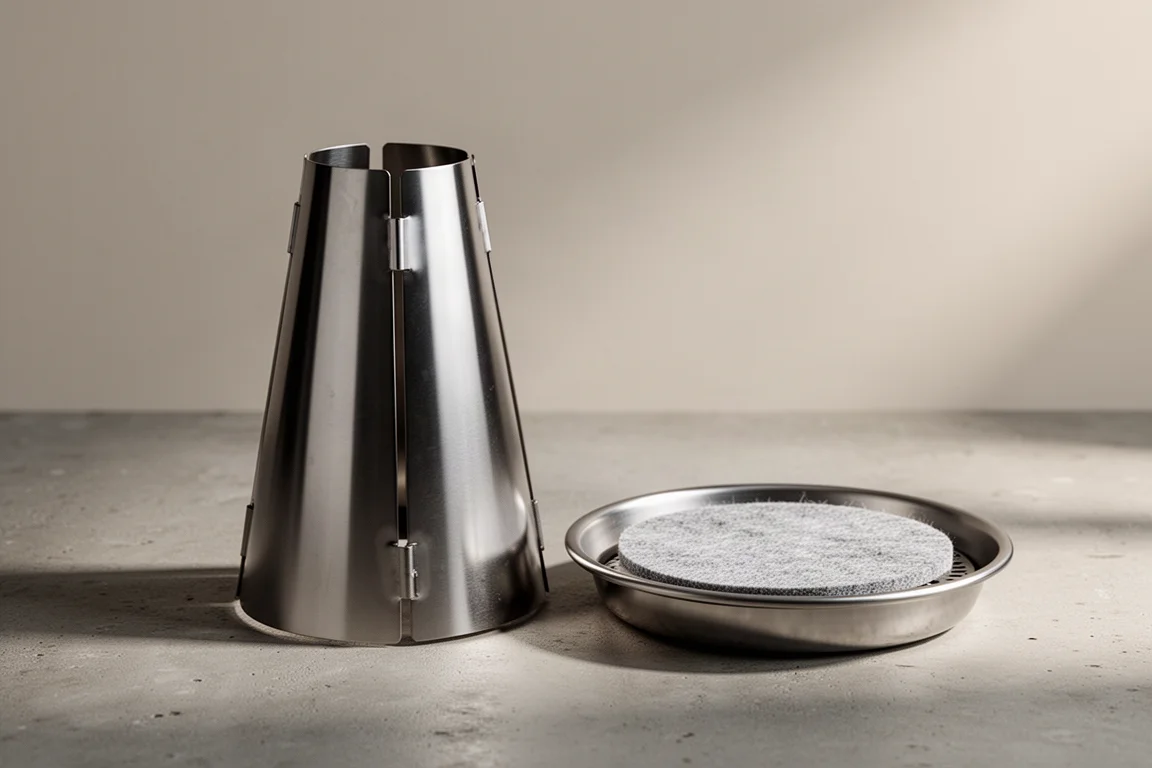
The X-Boil is a cone-style kit that combines a pot support, a windshield and a burner in one package. The cone is made from thin sheet steel and clips together with small tabs, so it packs flat and assembles in seconds. The burner is a simple pot filled with heat-proof felt, which soaks up the fuel you pour in. That design makes it spill-proof: knock it over and nothing comes out, which is a meaningful safety improvement over a bare spirit burner.
The support sits over the burner and the pot rests on top. Sizes are matched to pot diameter, which is what makes the system efficient. The 90mm to 100mm version fits common mug-style pots, and larger sizes are available for wider cookware. The trade-off is cost, with this kit typically selling for around £30 to £40. If you already own a burner, buying a cone on its own is the cheaper route.
Stormin’ Norman Cone
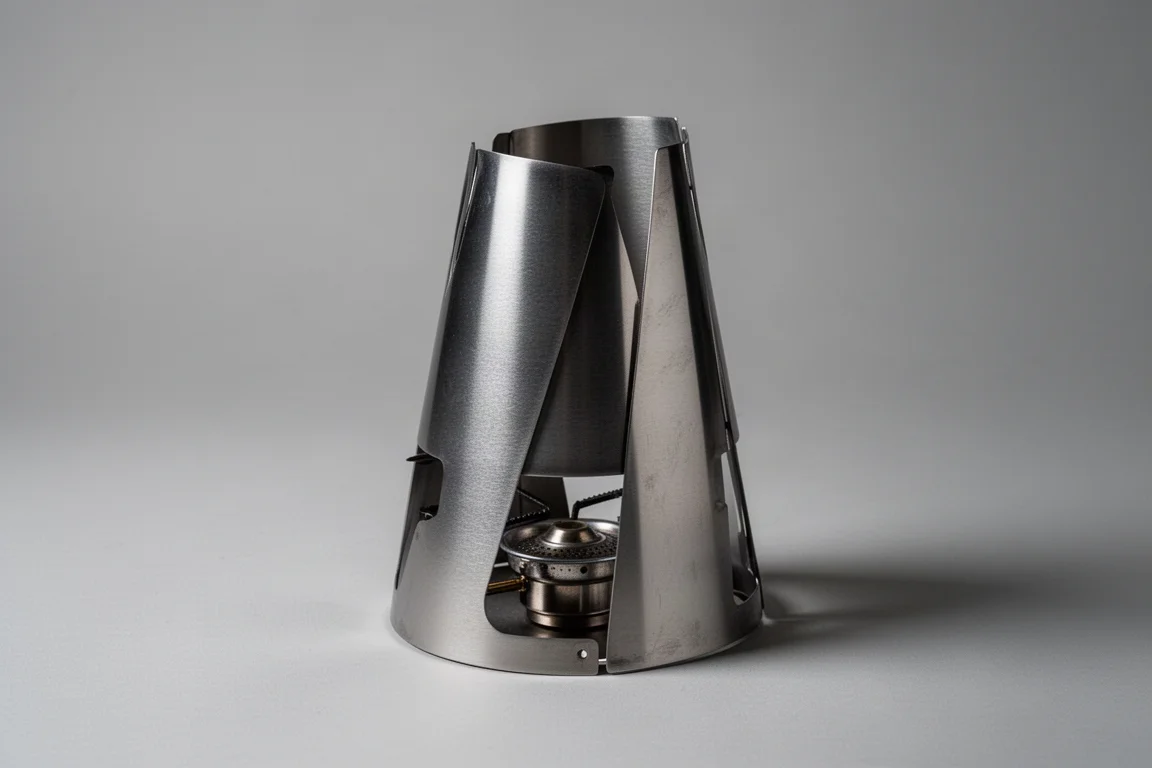
The Stormin’ Norman cone is the same style of product: a cone-shaped support and windshield that surrounds the burner and cradles the pot. It is a close alternative to the X-Boil, and the choice between the two usually comes down to which pot you own and which size fits it best. Both do the same job of concentrating heat and shielding the flame from wind.
Because these cones are matched to pot diameter, measure your cookware before ordering. A well-fitted cone is noticeably more efficient than a generic stand, and it also keeps the whole setup stable on uneven ground. Bear in mind that no cone changes the fundamental character of an alcohol burner. Heat output stays modest, so these systems are best for boiling water and simple meals rather than elaborate cooking.
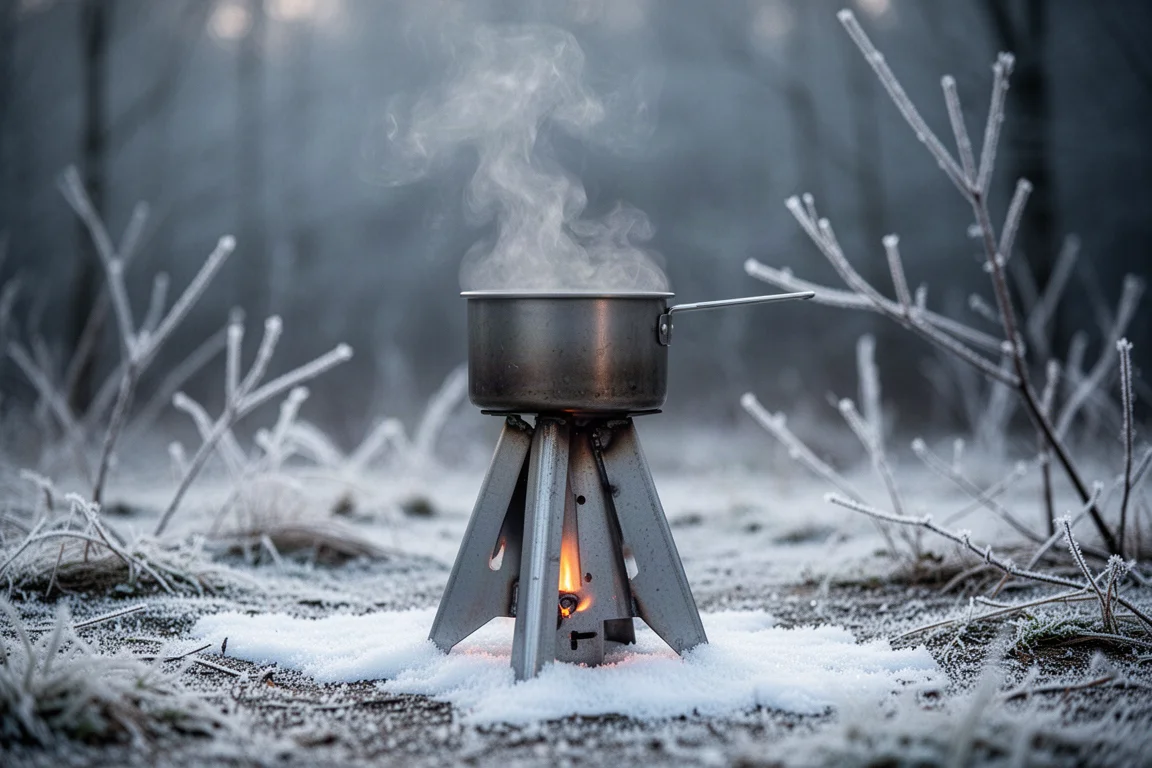
Like the X-Boil, this kind of cone packs down small and can be stowed inside your pot along with the rest of your kit, so the whole setup travels as one compact bundle.
Fuel, Simmering and Cold Weather Notes
Fuel is one of the strongest arguments for this category. Bioethanol is widely available and a couple of litres costs roughly £6 to £7. Methylated spirits is even cheaper and can be found in most hardware stores, some corner shops and 24-hour garages. That convenience matters in small villages or late at night, where a gas canister can be difficult to find.
There is also much less waste. You buy fuel in a large bottle and refill small bottles as needed, rather than emptying and disposing of gas canisters. Against that, alcohol burners are not great for simmering, because a single flame is hard to regulate. A simmer ring, such as the one supplied with the Trangia burner, is the usual workaround. Take care when lifting a pot or handling the burner, as the metal stays hot.
Cold weather is manageable. These stoves will still boil water in low temperatures and in snow, though they can be fussy to light when it is cold. A useful trick is to roll a small piece of tissue paper, tuck it into the burner so it soaks up fuel like a wick, and light the paper, which gives a reliable ignition. Where alcohol stoves fall short is melting large quantities of snow for water, because their heat output is limited. A petrol stove is the better tool for that job.
Multi-fuel and petrol stoves are worth knowing about for context. They run on white gas or petrol and perform well in colder weather, but the flame is aggressive and fluctuates, they are noisy, and they are not suitable for use inside a tent.
Buying Advice
Start with the pot you already own. If you have a mug-style pot, a 90mm to 100mm cone is the efficient choice, and both the X-Boil and the Stormin’ Norman cone are built around that idea. If you want the cheapest possible entry into alcohol cooking, a Trangia spirit burner plus a basic pot support costs well under £20 and will keep working for years.
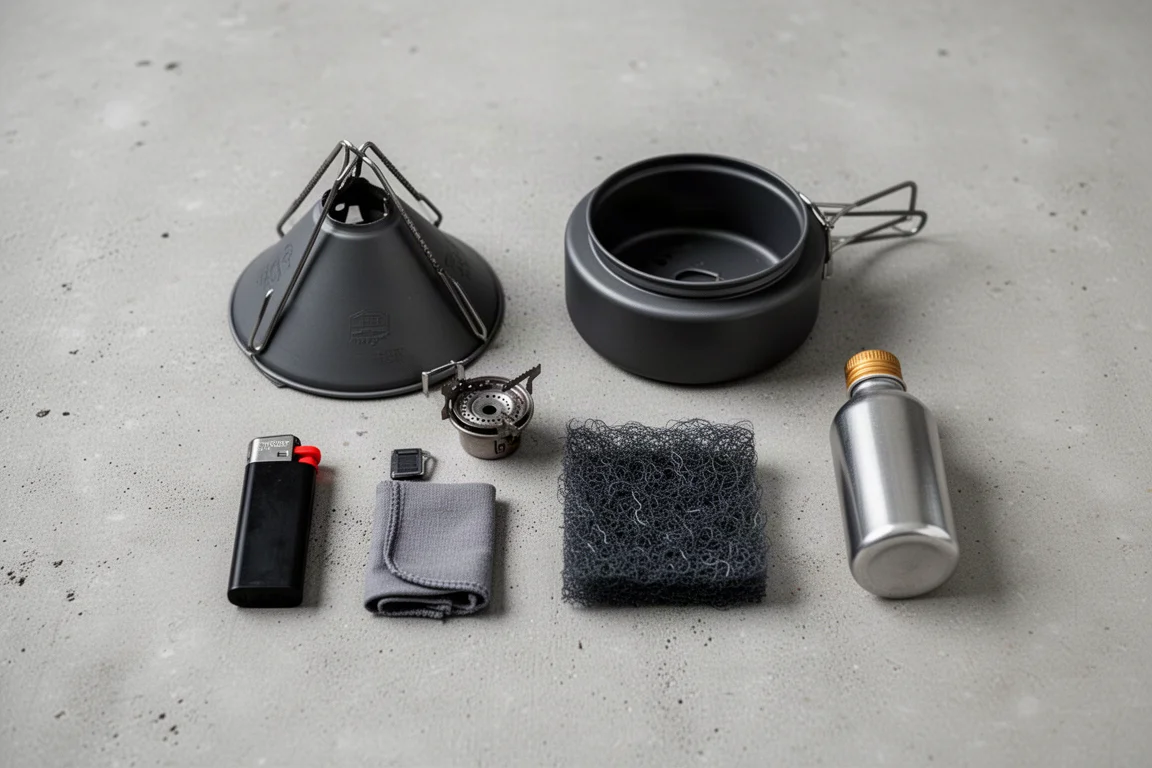
Decide how much you care about boil times and adjustability. If you want to simmer, a burner with a simmer ring is worth the small premium. If safety around spilled fuel matters to you, choose a spill-proof burner. And if you want the lowest possible cost, a homemade burner made from a metal tin or a soft drink can will work, though it carries the same spillage caveat as any open burner.
Conclusion
Alcohol stoves are cheap, quiet, reliable and easy to fuel almost anywhere. The Trangia spirit burner is the classic budget option with built-in fuel storage and a simmer ring, the X-Boil adds a matched cone, windshield and spill-proof burner in a single kit, and the Stormin’ Norman cone offers the same cone-style approach for a different pot size. Pick the one that fits your cookware and your patience for slower boils, and it will serve you for a long time.
Further reading
Related Reviews
Camping Stoves
BCB Fire Dragon Mini Cooker Review: A Tiny Folding Stove With Real Trade-Offs
A palm-sized, fuel-flexible folding stove that heats water well enough, but brings flame control, stability, and fuel cost questions worth understanding first.
Camping Stoves
Boundless Voyage Titanium Alcohol and Wood Stove Review: Ultralight Cooking, Two Ways
A titanium alcohol and wood burning stove kit that weighs 4.5 oz complete, boils two cups of water in about 10 minutes, and costs $36.
Camping Stoves
BRS 32 Dual Burner Stove Review: A Folding Two-Burner That Packs Down Flat
A detailed look at the BRS 32, a slim folding dual burner camping stove that expands into a stable cooking platform for around $60.