Air Purifiers
Best Air Purifiers 2026: From Budget to Premium, Tested for Real Performance
We tested 13 air purifiers across three price tiers to find which ones actually clean the air, remove smoke, and handle dust.
Introduction
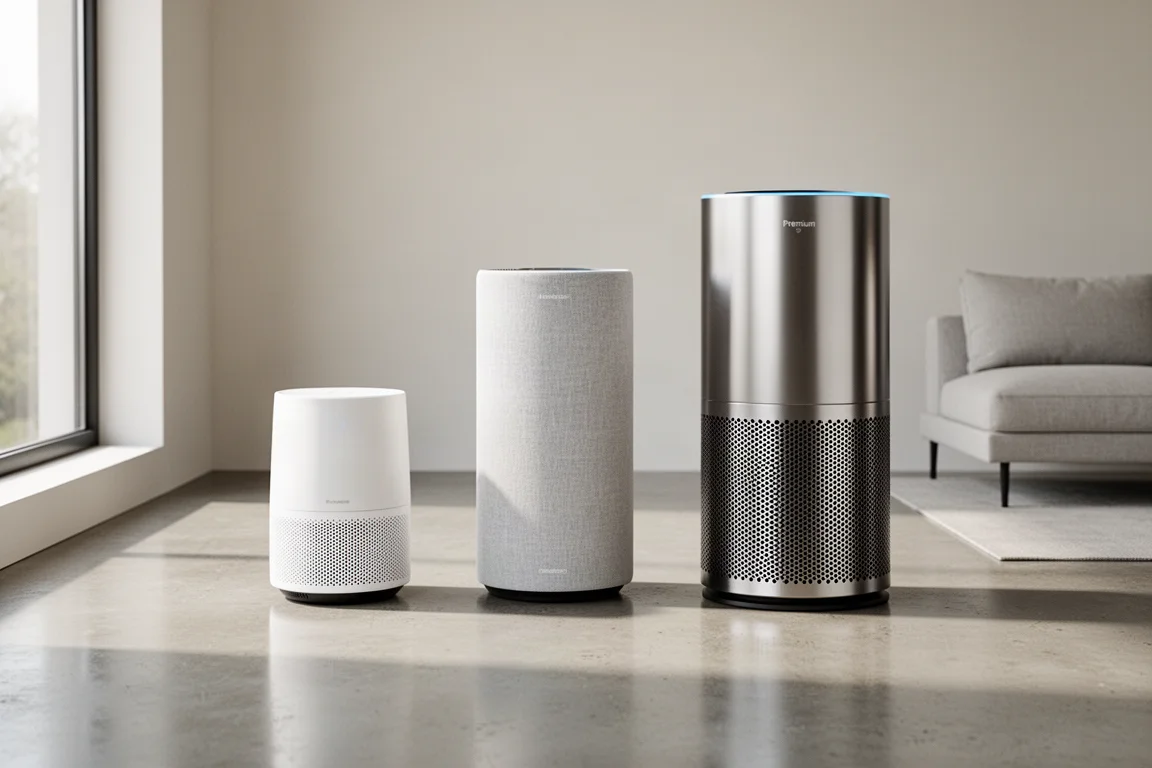
Indoor air quality is often two to five times worse than outdoor air, which makes a capable air purifier a meaningful addition to most homes. But with prices ranging from around $30 to over $1,200, it is not always clear how much performance you are actually paying for. To answer that question, we tested 13 air purifiers across three size categories: compact units for small spaces, mid-size models for bedrooms and offices, and large units designed to handle open-plan areas.
Each purifier was put through the same three tests. First, we measured air volume output in cubic feet per minute (CFM) on low and high fan speeds. Second, we measured how quickly each unit removed smoke particles from a sealed test chamber over a three-minute period. Third, we tested dust removal in a two-minute cycle. Finally, we ran a longer 30-minute test in a 240 square foot room filled with smoke from burnt toast to see how each purifier handled a realistic, sustained air-quality challenge.
How We Tested
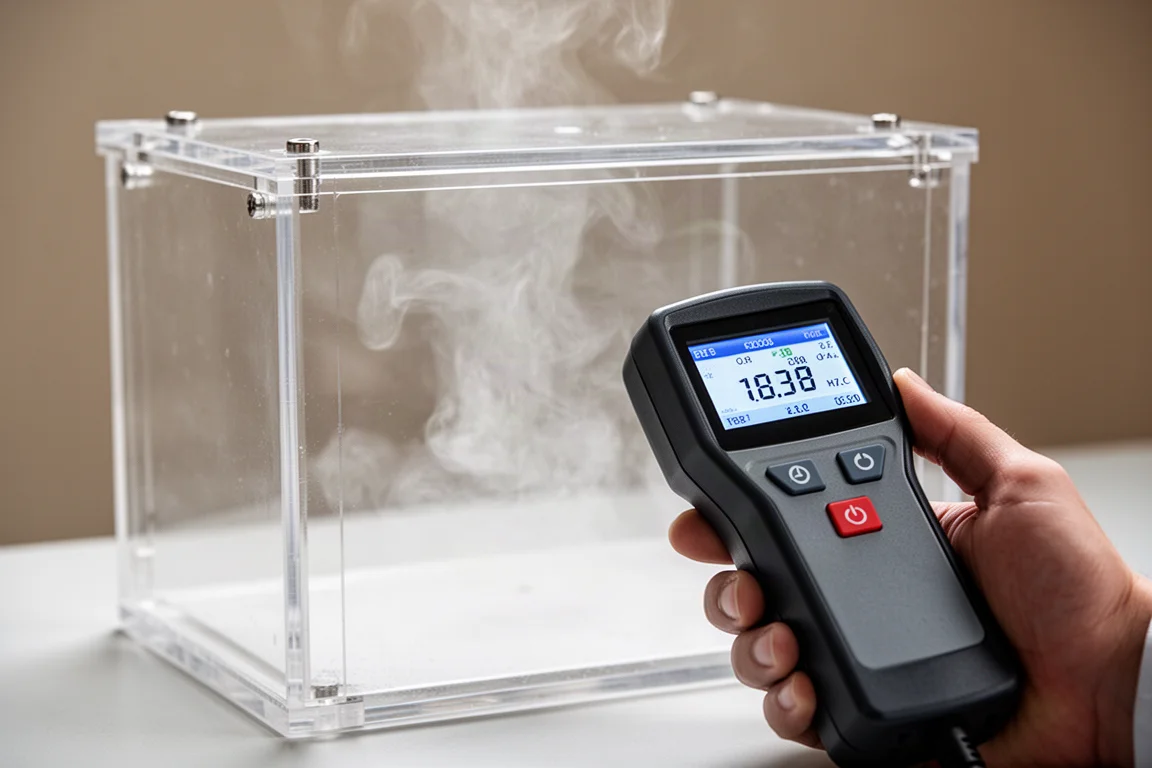
All 13 air purifiers were tested under identical conditions. Air volume was measured using an air speed meter with a pitot tube. For the smoke test, a sealed box measuring 3 feet tall by 4 feet wide by 2 feet deep was filled with smoke, and a particle counter tracked contamination levels before and after each three-minute purification cycle. The dust test used carpet dust from a motorhome, blasted into the same sealed chamber, with a two-minute purification window. The final test burned toast inside a 240 square foot room with a fan circulating the air, and each purifier was given 30 minutes to reduce the particle count.
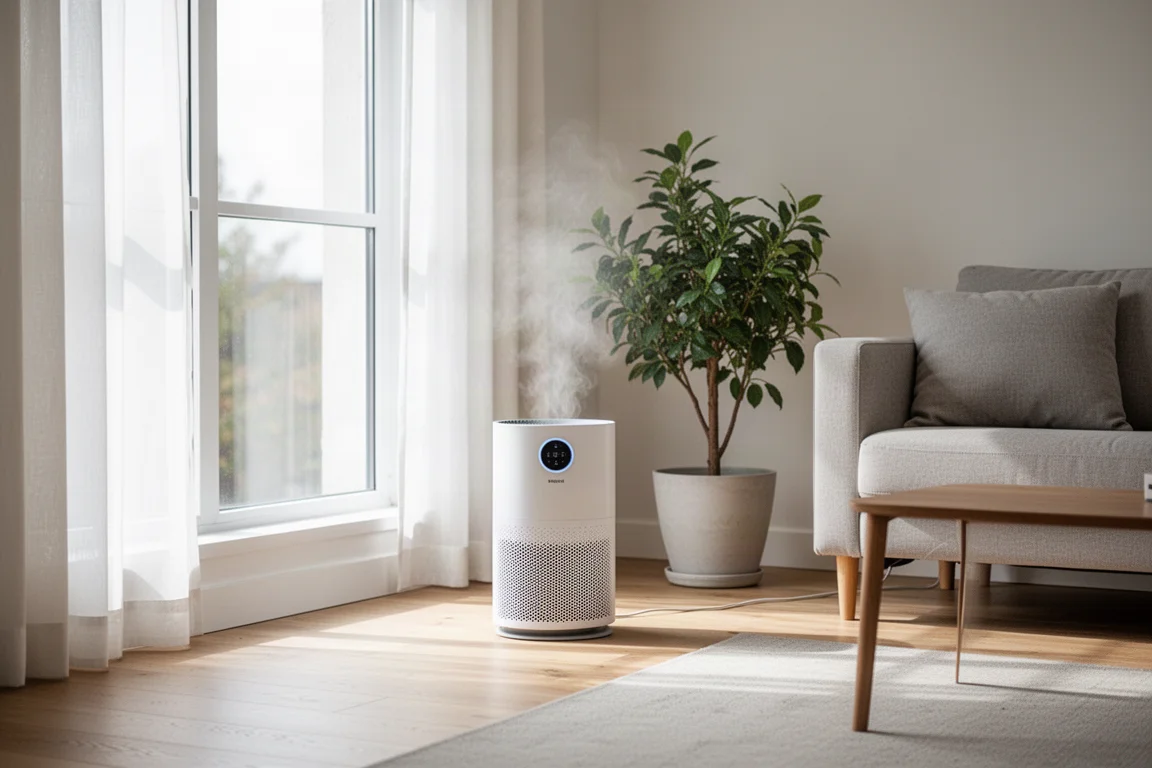
Power consumption and noise levels were also recorded on low and high fan speeds for every unit. This gave us a complete picture of not just cleaning ability, but also running costs and how disruptive each purifier is in a normal living space.
Best Overall: Winnix
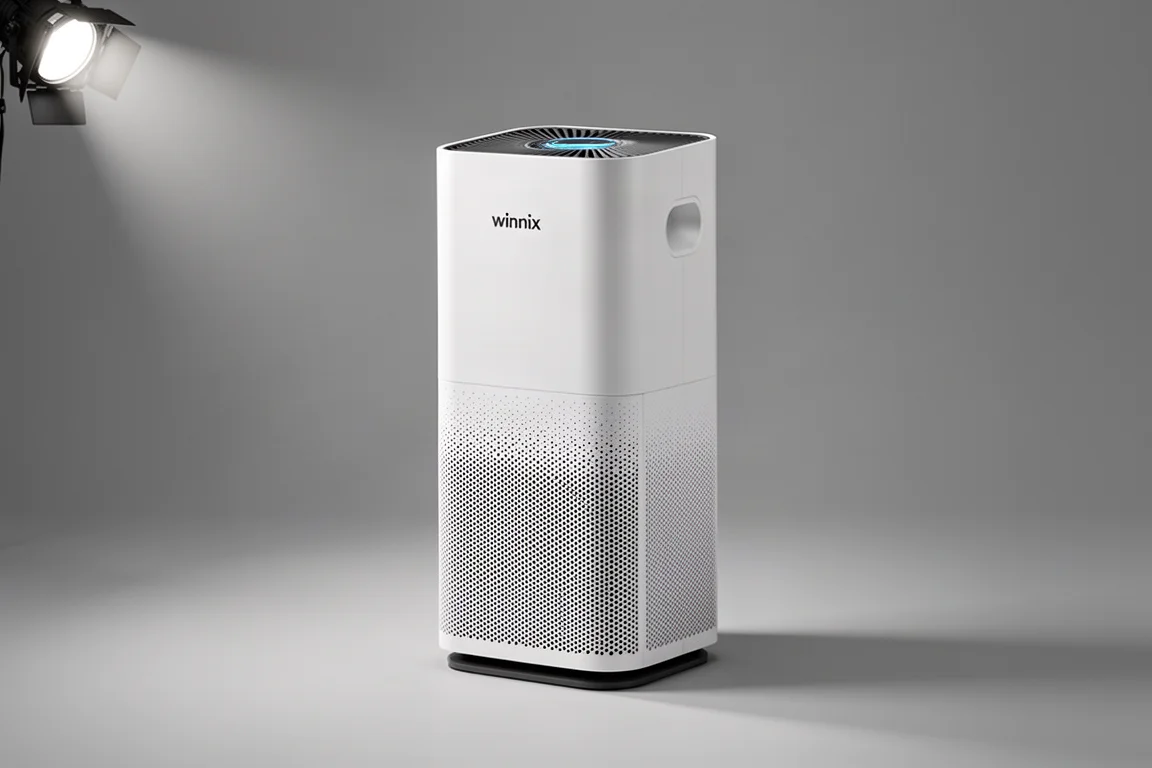
The Winnix finished with the best average ranking across all tests, taking first place overall. It is designed to clean spaces up to 1,881 square feet in one hour, and it captured 99.99% of airborne allergens as small as 0.1 microns. The unit includes a washable fine mesh pre-filter and uses what the brand calls plasma wave air cleaning technology. It is also rated to reduce VOCs and household odors from pets, cooking, and smoke.
In the smoke test, the Winnix cleared visible smoke in around 31 seconds, the fastest time at that point, and finished with the lowest total particle count of any purifier at 115 particles after three minutes. In the dust test, it produced no detectable particles. In the 30-minute room test, it reduced the particle count by 3.9 million, the best result in the lineup.
The main trade-off is noise. At 63.1 dB on the highest fan speed, it is one of the louder units in this group. On low speed, however, it is quieter than the ambient noise of the test space. It draws around 7.42 watts on low and 58.31 watts on high. At a price of around $180, it delivers performance that rivals units costing several times more.
Best Premium Option: Coway
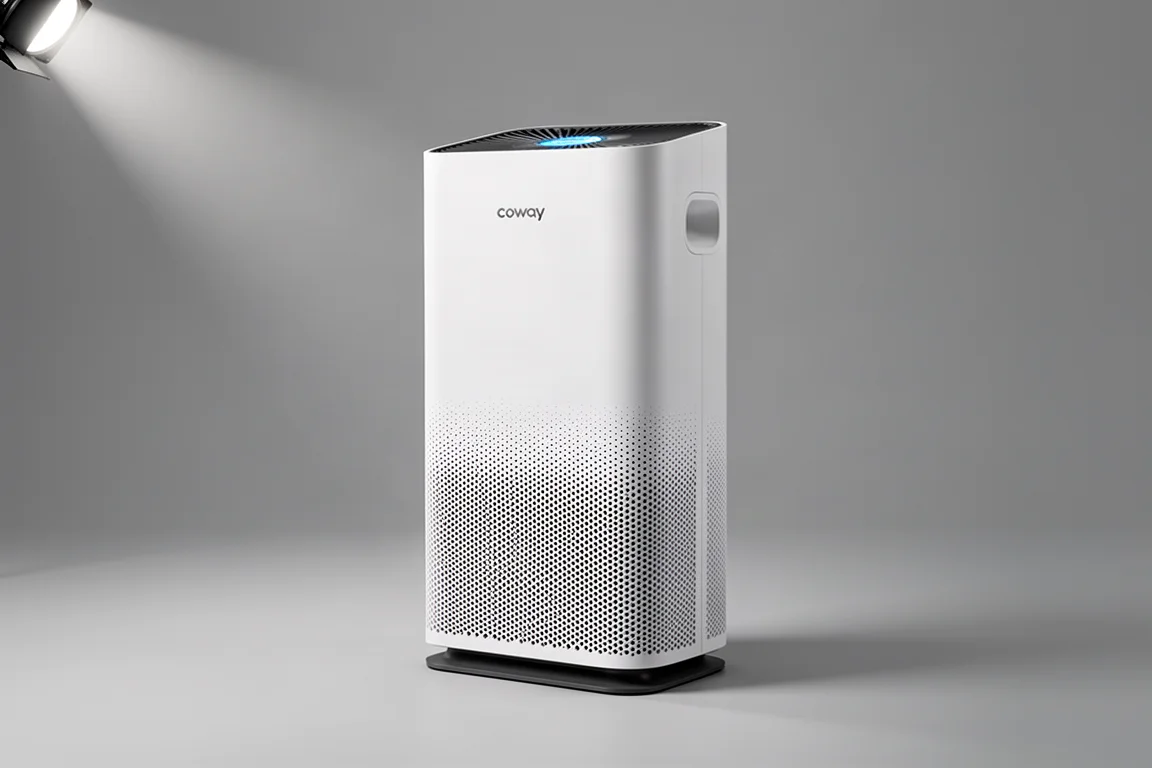
The Coway tied for second place overall with an average finish of 2.3. It produced the highest air volume of any purifier tested at 293 CFM on the highest fan speed. In the smoke test, it cleared visible smoke in just 24 seconds, the fastest time recorded, and finished with a total particle count of 232, good enough for third place. In the dust test, it achieved perfectly clean air with all zeros. In the 30-minute room test, it removed 3.5 million particles.
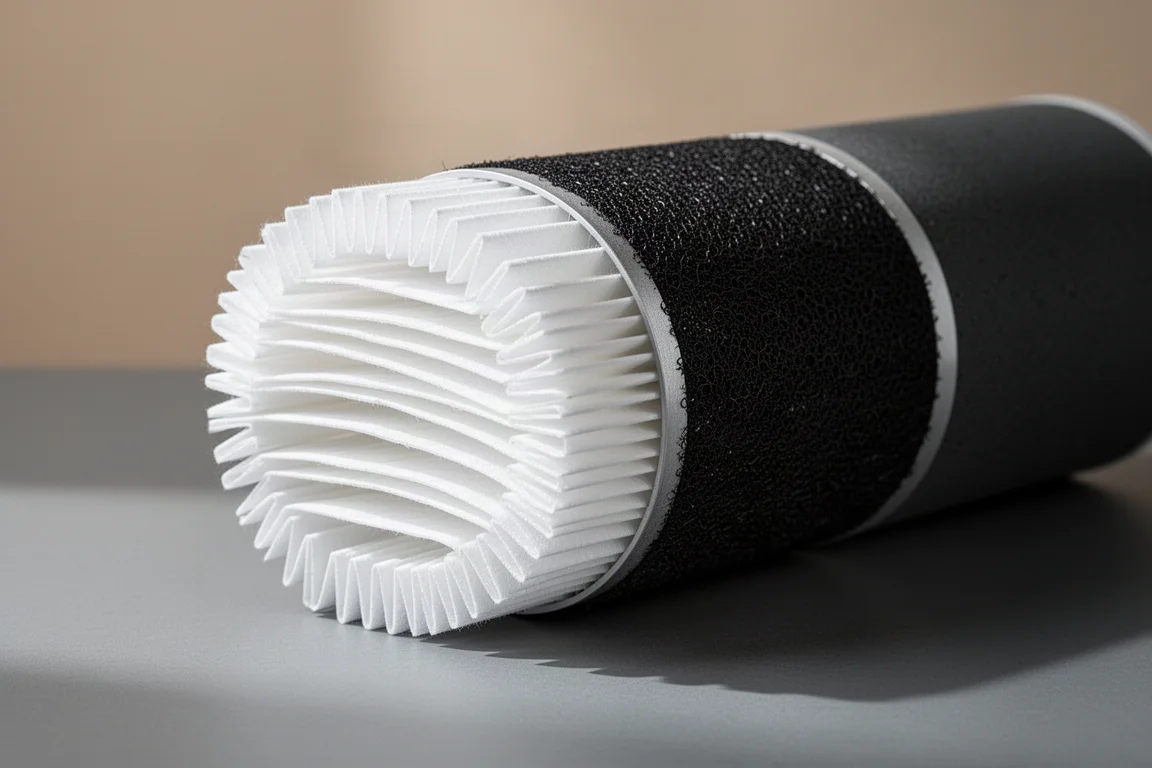
The Coway uses a four-stage filtration system with a pre-filter, deodorization filter, true HEPA filter, and vital ion. It is rated to capture 99.97% of particles 0.3 microns or larger and is designed to exchange all the air in a 1,748 square foot space in one hour. Power consumption is rated up to 77 watts, and it measured 75.7 watts on high speed in our testing. Noise ranges from 24.4 dB to 53.8 dB according to the brand, though we measured 64.4 dB on high speed. At around $229, it offers strong performance for large rooms.
Best Premium Alternative: Dyson
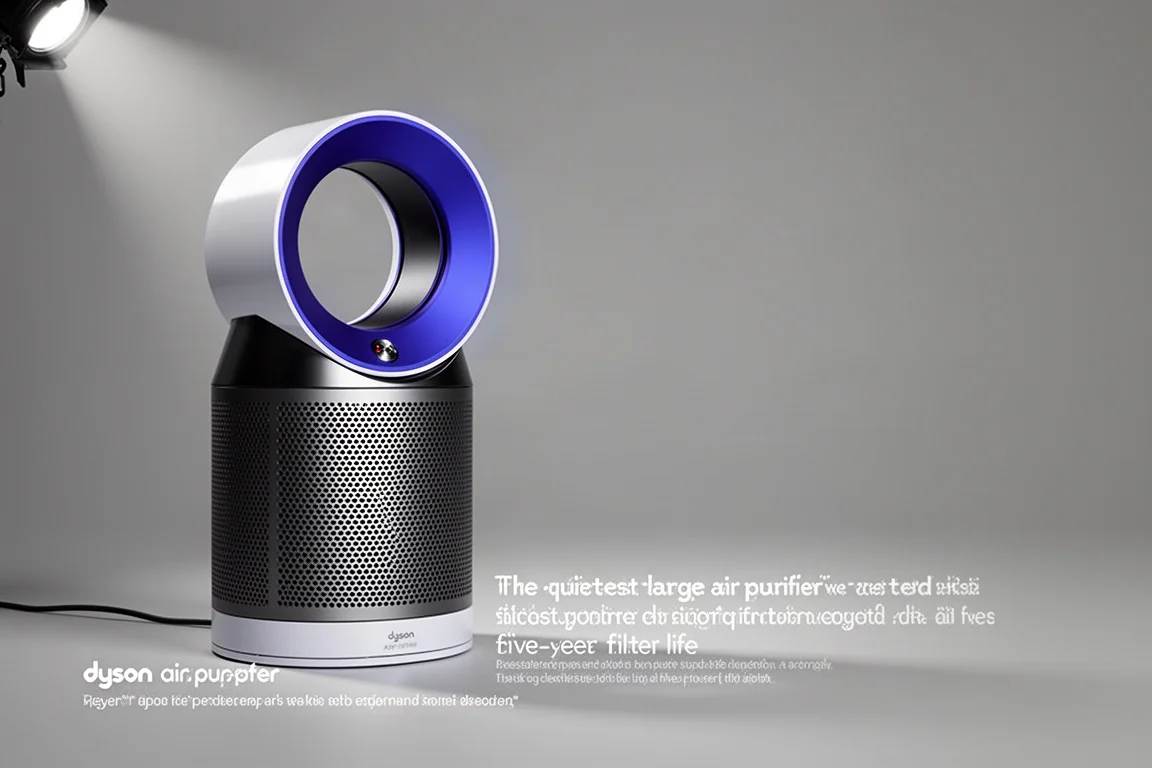
The Dyson also tied for second place overall with an average finish of 2.3. It is the most expensive unit in this roundup at around $1,200, but it brings a different set of strengths. It is the second quietest purifier on high fan speed at 48.7 dB, despite being the heaviest unit tested at 25.34 pounds. It produced 83 CFM on low speed, the highest low-speed output of any purifier, and 221 CFM on high.
In the smoke test, the Dyson cleared visible smoke in around 26 seconds and finished with a total particle count of 135, placing second. In the dust test, it achieved straight zeros. In the 30-minute room test, it reduced the particle count by 3.18 million. The unit uses a HEPA H13 grade filter that the brand claims is 3.8 times larger than the previous generation, with a filter life of up to five years. It also includes a breeze mode designed to recreate the feeling of natural airflow indoors, and it can be monitored and controlled through a companion app.
The Dyson is the quietest large purifier we tested, which makes it a strong choice for bedrooms or living spaces where noise is a concern. The premium price is the main consideration, but for buyers who value low noise and polished design, it delivers.
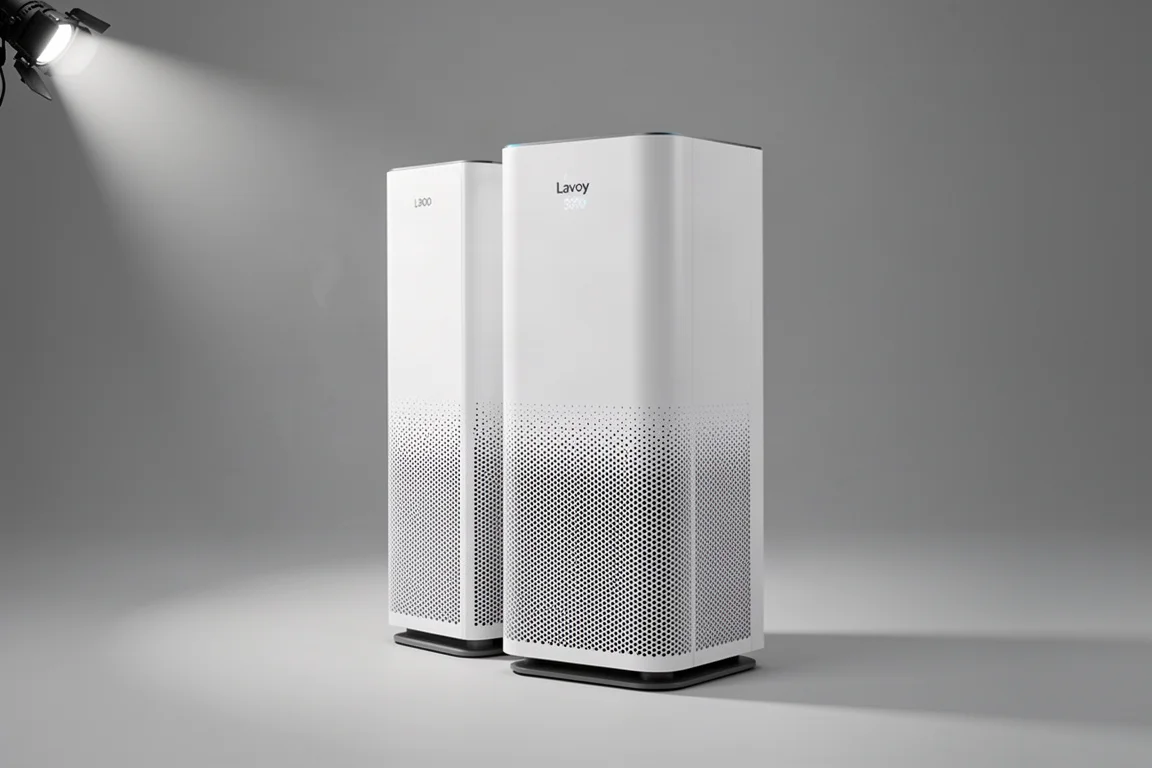
Best Value: Lavoy 300
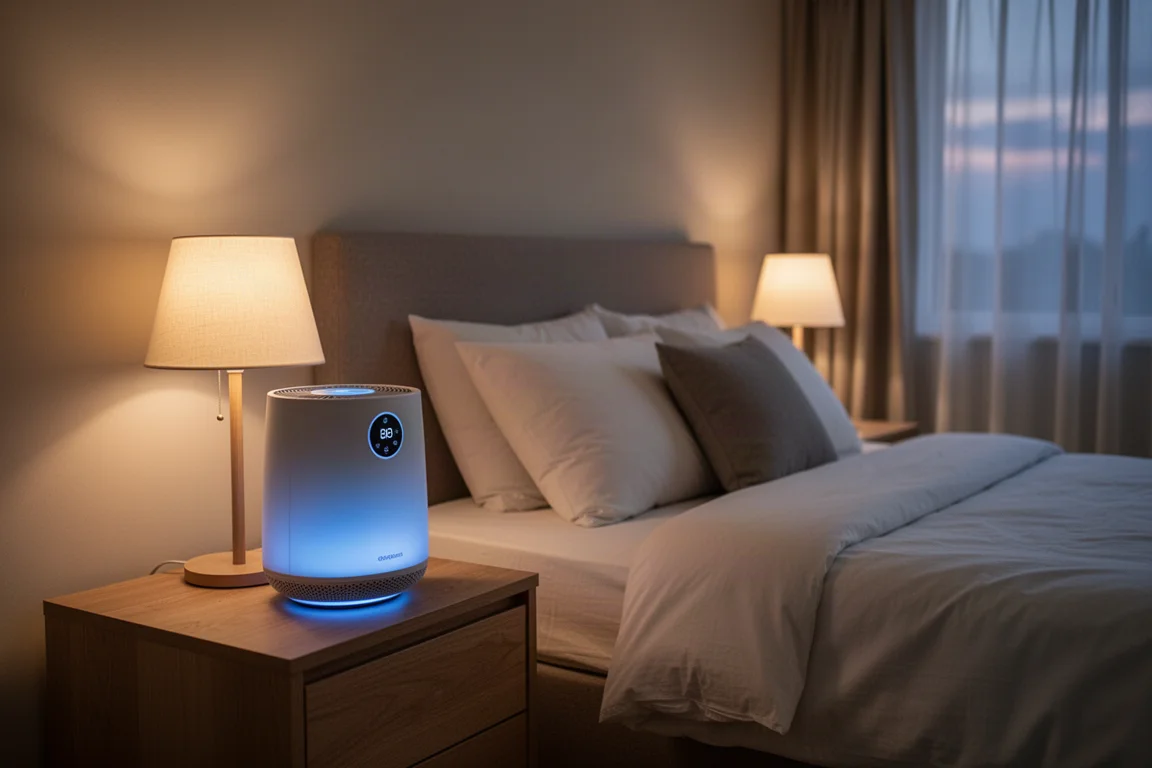
For buyers who do not need a large-format purifier, the Lavoy 300 is the standout mid-size option. At a price of around $100, it delivered strong results across every test. It is designed to cover up to 1,073 square feet and claims up to 167 CFM of airflow. In our testing, it produced 39 CFM on low and 155 CFM on high.
In the smoke test, the Lavoy 300 cleared visible smoke in 32 seconds, the fastest time at that point, and finished with the lowest particle count of any unit tested at that stage: 293 particles at 0.3 microns and 17 at 0.5 microns. In the dust test, it achieved perfectly clean air. In the 30-minute room test, it removed 2.7 million particles, which placed it second behind the Winnix.
The Lavoy 300 uses a three-layer filter designed to capture dust, smoke, and odors, with a claimed 99.9% filter efficiency for particles between 0.1 and 0.3 microns. It measured 21.28 watts on low and 58.95 watts on high. Noise on high speed was the loudest in the lineup at 64.8 dB, but on low speed it was quieter than the ambient noise of the test space. For the price, it is difficult to beat.
Best Compact Option: Lavoy Mini
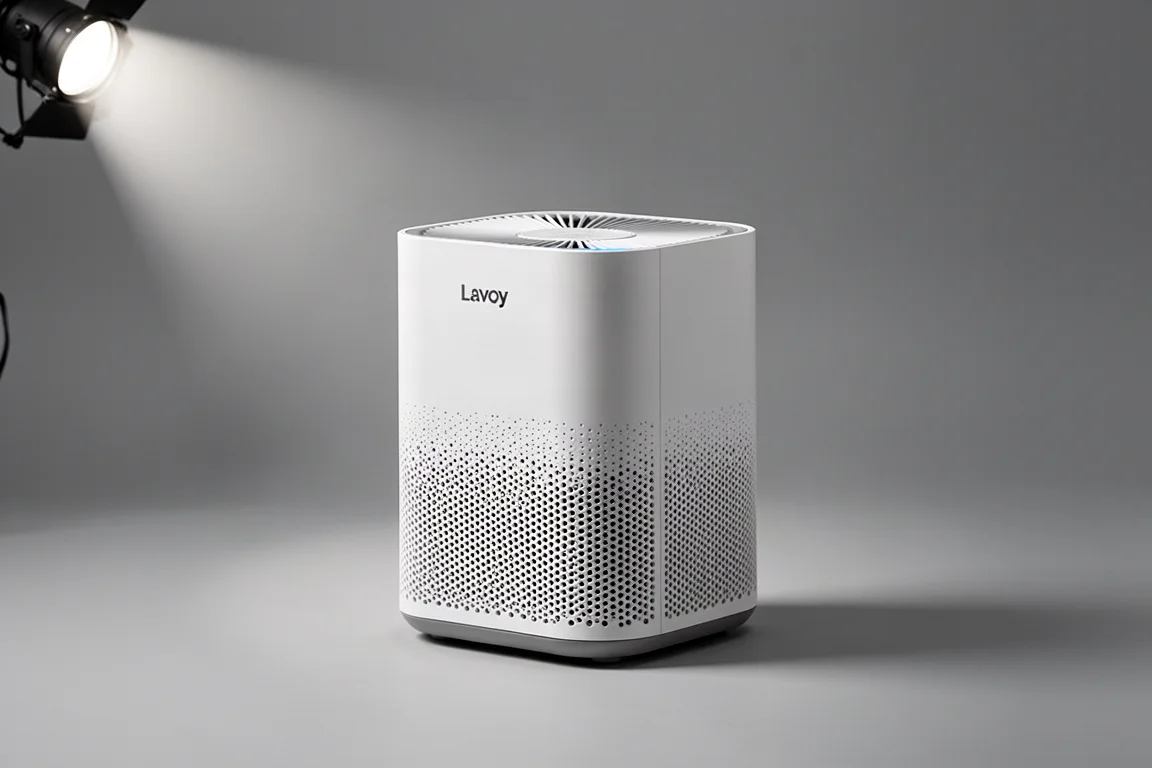
Among the three compact air purifiers tested, the Lavoy Mini came out on top. At around $50, it is designed for small spaces and claims to capture lint, hair, pet dander, fine airborne pollutants, and smoke particles. It includes a fragrance sponge and is rated at just 7 watts.
In the smoke test, the Lavoy Mini cleared visible smoke in about one minute and 12 seconds, finishing with a total particle count of around 354,000, the best result among the compact units. In the dust test, it produced a total particle count of 5,604, again the best of the compact group. In the 30-minute room test, it performed slightly better than the other compact purifiers, though it still struggled compared to larger units.
The Lavoy Mini produced 12 CFM on low and 31 CFM on high, the highest output of the compact group. It measured 1.36 watts on low and 7.62 watts on high. Noise on high speed was 52.9 dB, the loudest of the compact units, but on low speed it was quieter than the ambient test space. For a small bedroom, office, or desk setup, it is a solid budget-friendly choice.
Overall Buying Advice
The results show a clear pattern: air volume matters, but filter efficiency matters just as much. The Winnix won overall because it combined high airflow with effective filtration, finishing first in both the smoke and dust tests. The Coway and Dyson tied for second, with the Coway offering more raw airflow and the Dyson offering significantly lower noise.
For large rooms, the Winnix at around $180 is the best value. The Coway at around $229 is a strong alternative with the highest airflow in the lineup. The Dyson at around $1,200 is the quietest premium option and suits buyers who prioritize low noise and refined design.
For mid-size spaces, the Lavoy 300 at around $100 is the clear recommendation. It performed nearly as well as units costing twice as much. For compact spaces, the Lavoy Mini at around $50 is the best of the small units, though buyers should keep expectations realistic for very small purifiers in larger rooms.
Conclusion
The air purifier market spans a huge price range, but our testing shows that price does not always equal performance. The Winnix proved that a mid-priced unit can outperform models costing several times more. The Lavoy 300 and Lavoy Mini offer excellent value in their respective size categories. And for buyers who want the quietest possible operation, the Dyson justifies its premium price with class-leading noise levels and strong cleaning performance.
Whichever size or budget fits your space, the key is matching the purifier to the room. A compact unit will not clean a large open-plan area, and a large unit may be overkill for a small bedroom. With the results above, you can choose with confidence.
Further reading
Related Reviews

Air Purifiers
AirDoctor 1000 Review: Compact Purifier With Strong Test Performance
A close look at the AirDoctor 1000, a compact air purifier with a four-stage filtration system and impressive results in purification testing.

Air Purifiers
AirDoctor 2000 Review: A Compact HEPA Air Purifier With Impressive Performance
A closer look at the AirDoctor 2000, a simple HEPA air purifier that delivers near-perfect purification results in a lightweight, easy-to-move design.

Air Purifiers
AirDoctor 3000 Review: A Simple Air Purifier With Impressive Performance
The AirDoctor 3000 delivers strong purification results in a medium-sized room, with a straightforward design that prioritizes ease of use over smart features.