Air Compressors
Best Air Compressors for Every Job: 18 Picks by Category
From topping off tires to running a sandblasting cabinet, this category-by-category guide matches the right air compressor or inflator to the work you actually do.
Introduction
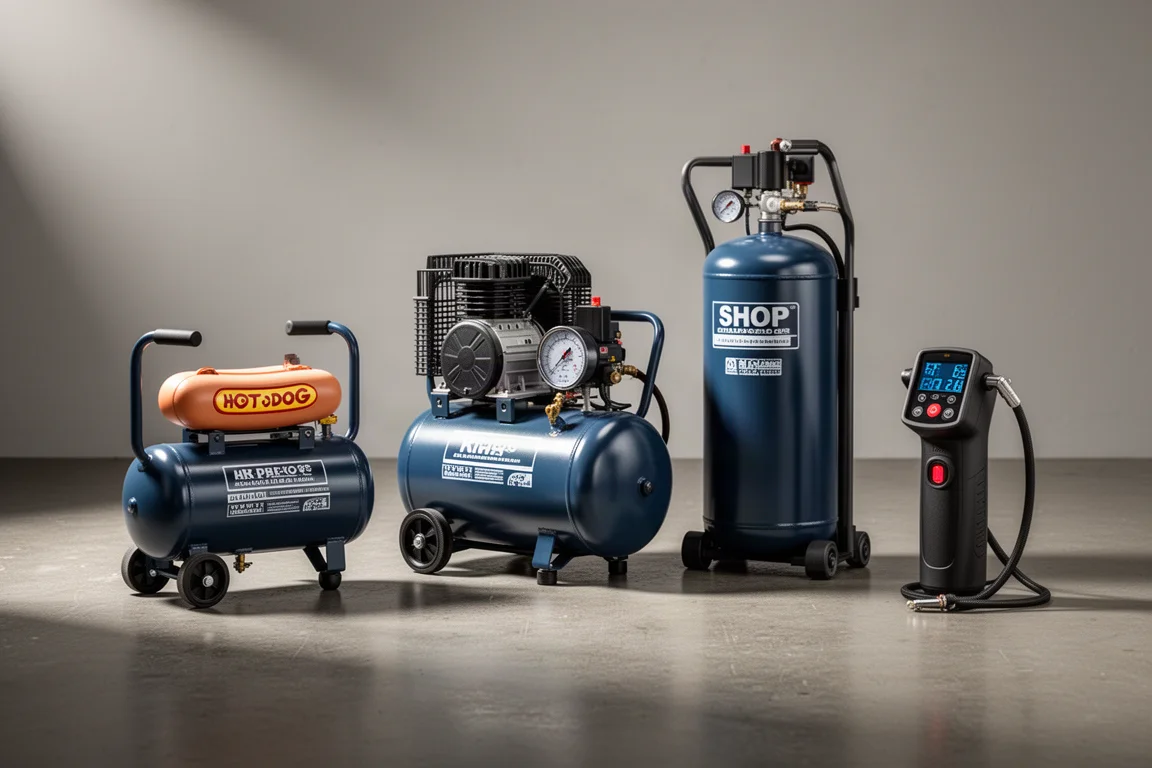
Choosing an air compressor is less about finding a single best model and more about matching output, tank size, and noise to the work in front of you. Topping off a bicycle tire and keeping up with a framing crew are two entirely different jobs, and the machines built for them barely overlap.
This guide breaks the market into ten practical categories, from light household use to sandblasting support and portable inflators, with a primary pick and an alternative for each. The idea is simple: find the category that describes your workload, then choose between the two options based on budget, noise tolerance, and how often you will actually run it.
Every pick here earns its place by being well suited to a specific job rather than trying to do everything. That focus is what makes a compressor purchase satisfying instead of frustrating.
Light Duty Household Use
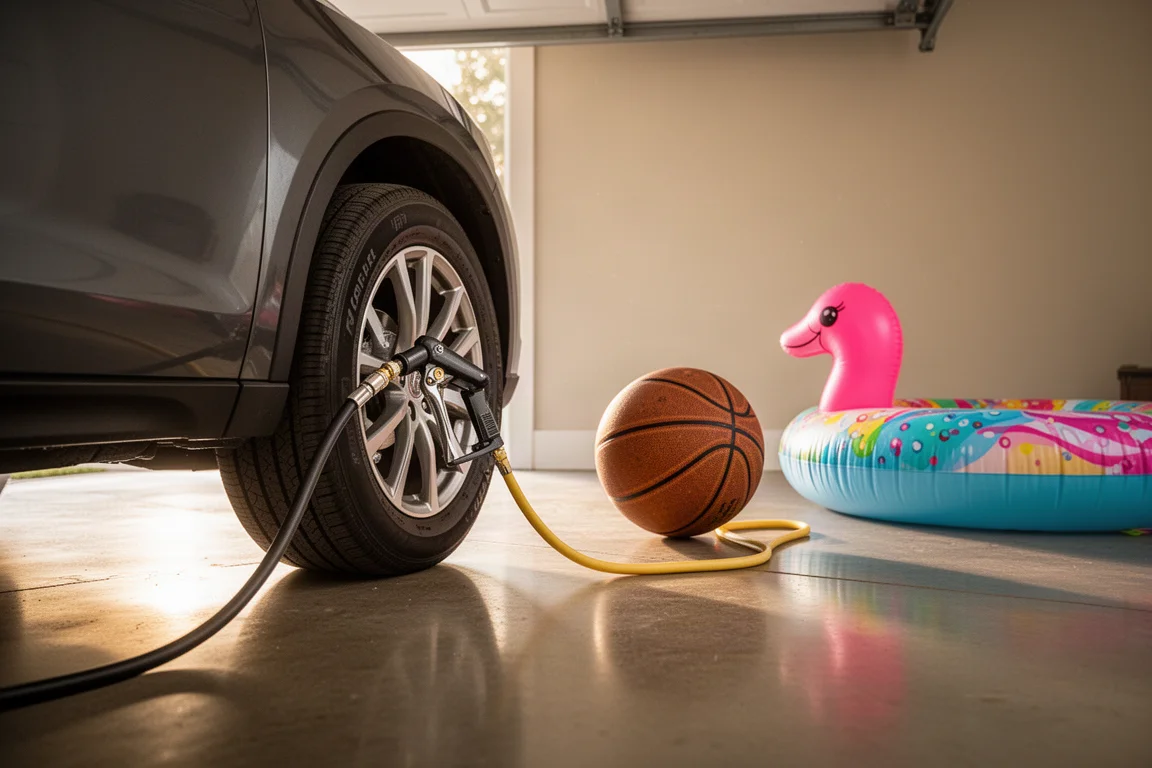
If your needs stop at topping off tires, filling a basketball or football, and reviving the occasional pool toy, a small and portable compressor is all you need. The California Air Tools 8010 fits that brief well. Its 1.0 horsepower ultra quiet motor runs at roughly 60 dB, it delivers 3.0 CFM at 90 PSI, and the oil-free pump keeps maintenance to a minimum. The wheeled hot-dog style tank rolls easily under a bench or counter, and at around $200 it is a solid value. Quiet enough that you could even run a nail gun with it on occasion.
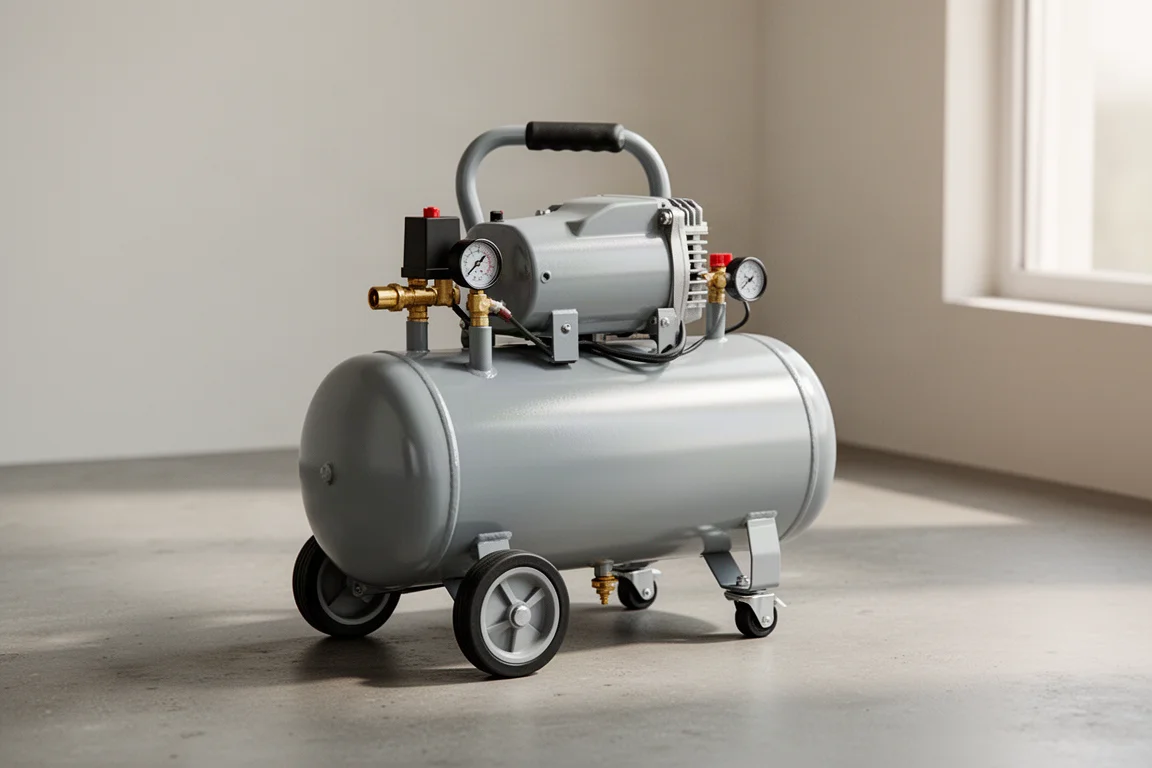
The alternative is the Fortress 2 Gallon, the smaller and quieter option that is easy to pick up and carry. It tops out at 135 max PSI, delivers 2.1 SCFM, and runs at about 60 dBA, quiet enough to hold a conversation in the same room while it fills.
Weekend Warriors: Nailers and Staplers
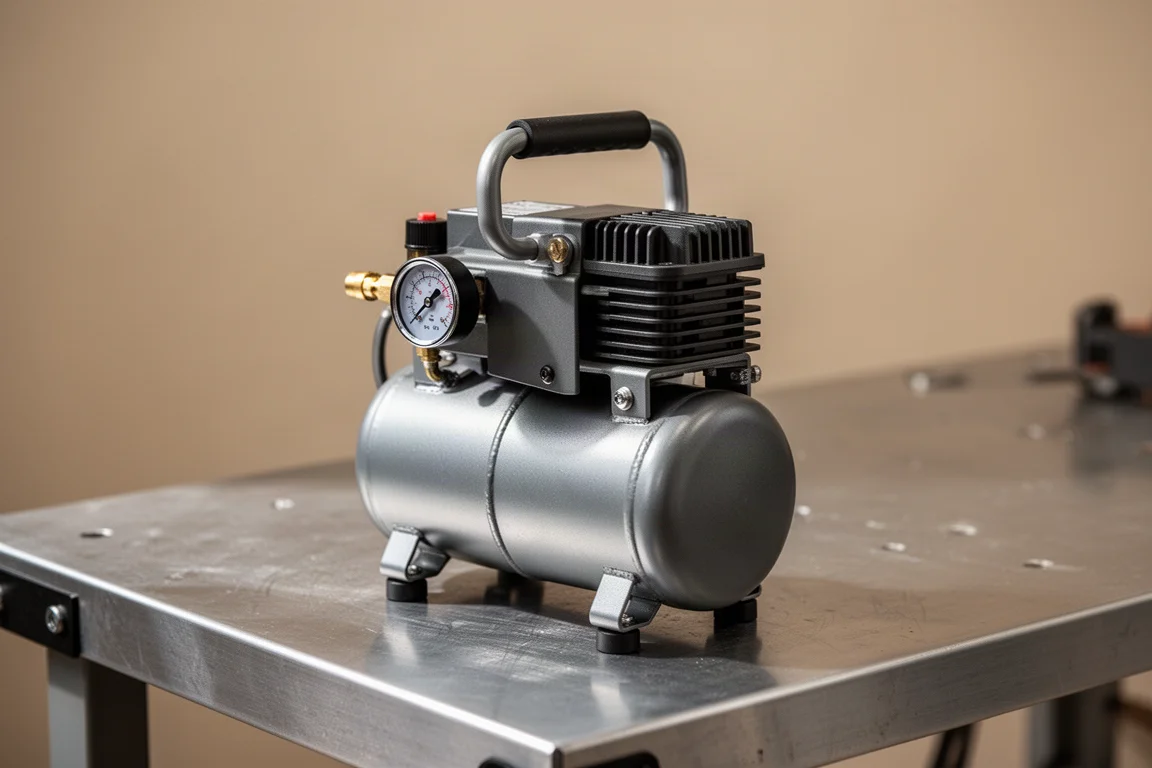
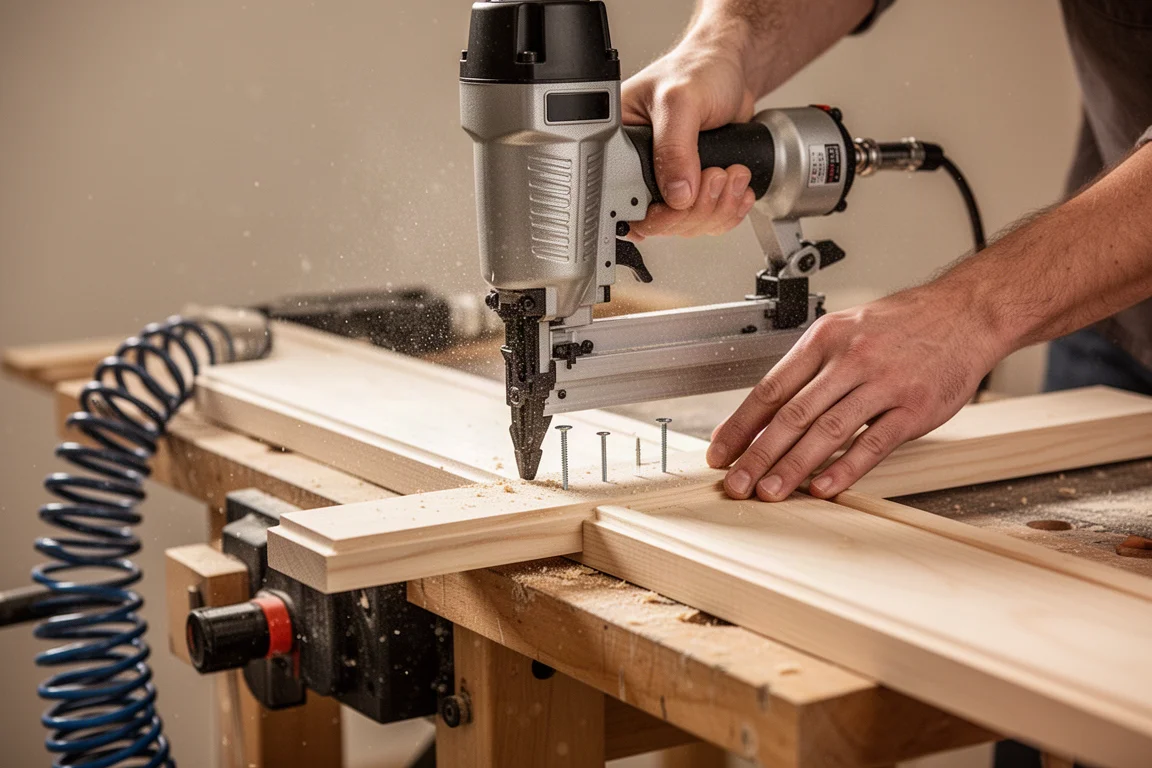
Running brad nailers, upholstery staplers, and the occasional blow gun takes more capacity than simple inflation work. The Fortress 6 Gallon is the primary pick here, and its standout trait is noise: at 68 dB it is one of the quietest pancake compressors available. Its 175 max PSI means more usable air per tank, and it delivers 2.6 CFM at 90 PSI. At around $230 it sits slightly above bargain pricing, but as a quiet, serviceable all-around home compressor it works very well.
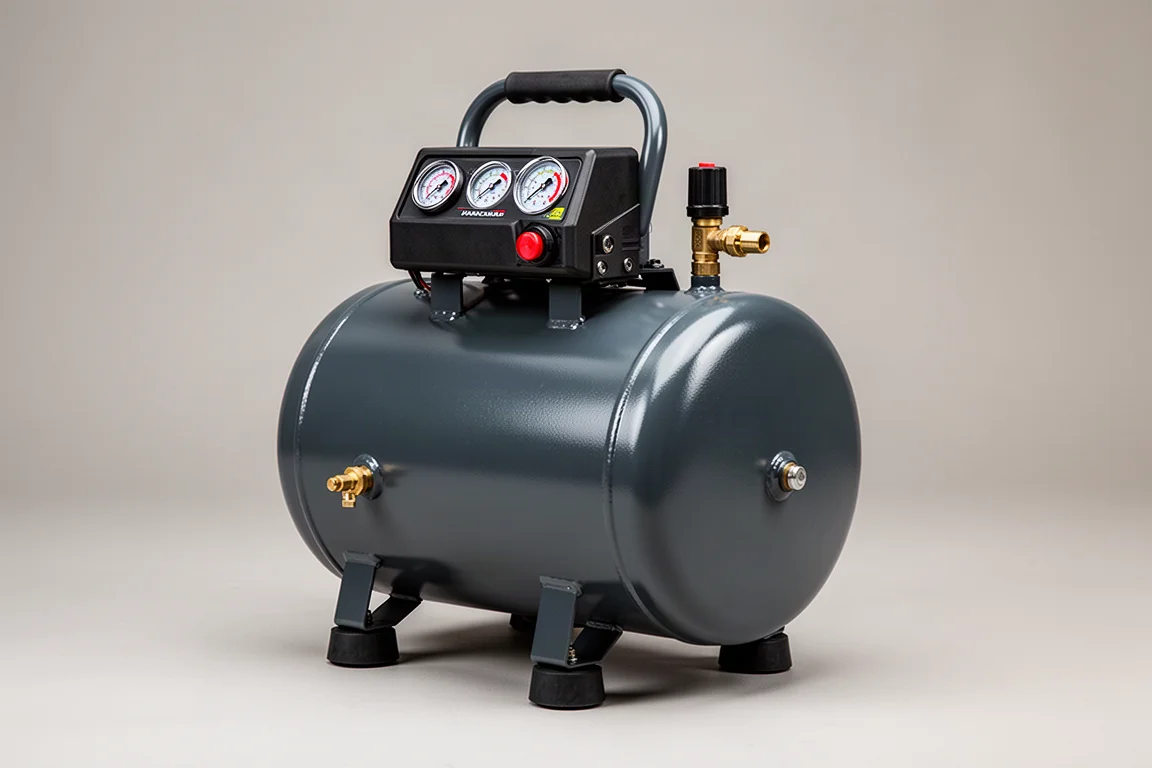
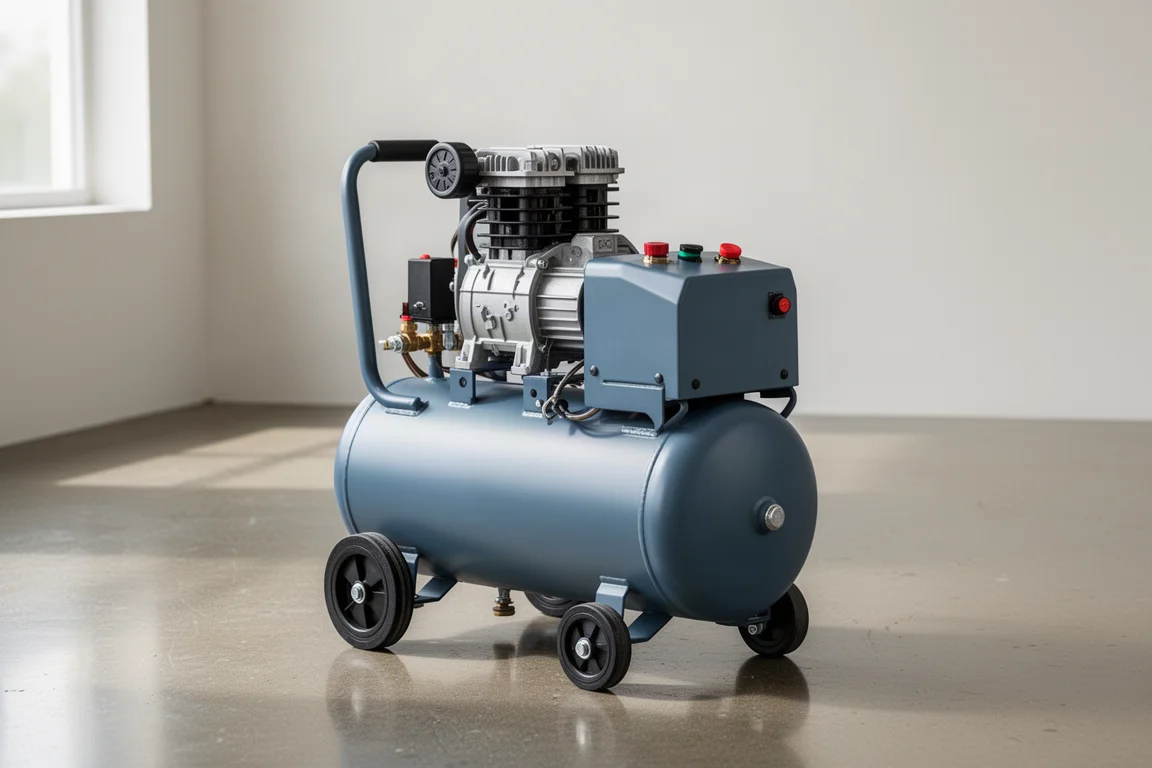
The Cobalt Quiet Tech 4.3 Gallon is the alternate. It runs 150 PSI at roughly $250 and, as the name suggests, is built for ultra low noise. It also rides on wheels, which makes moving it around the shop noticeably easier.
Job Site Work
Framing and carpentry demand a compressor that can feed nailer after nailer without falling behind. The Metabo HPT The Tank is the old-school answer, and it earns the name: 200 PSI max, relentless recovery, and a build made to run nailers all day long without complaint. If job site durability is the priority, this is the tried-and-true choice.
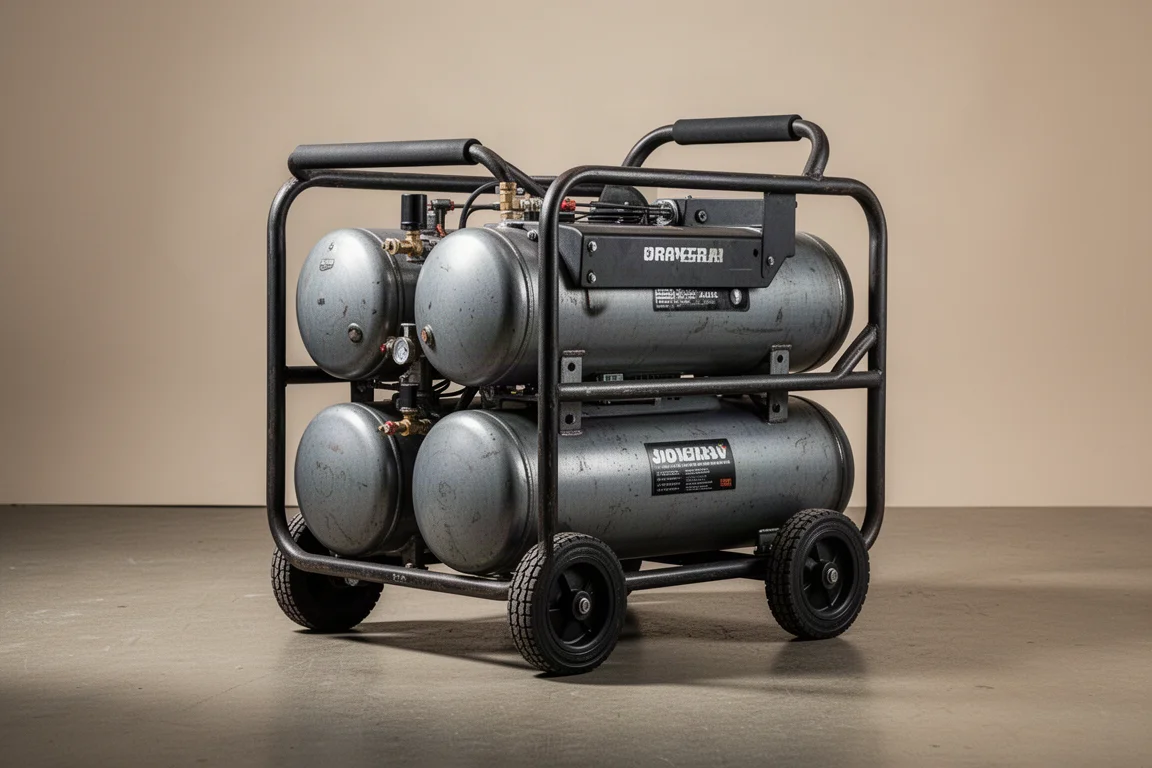
The Rigid job site compressor used to be the standby in this category. It has a new manufacturer and a revised design, and it is not quite as convincing as it once was. Still, at $129 the price is hard to ignore, and for occasional job site use it remains worth considering if the budget is tight.
Automotive Work at Home
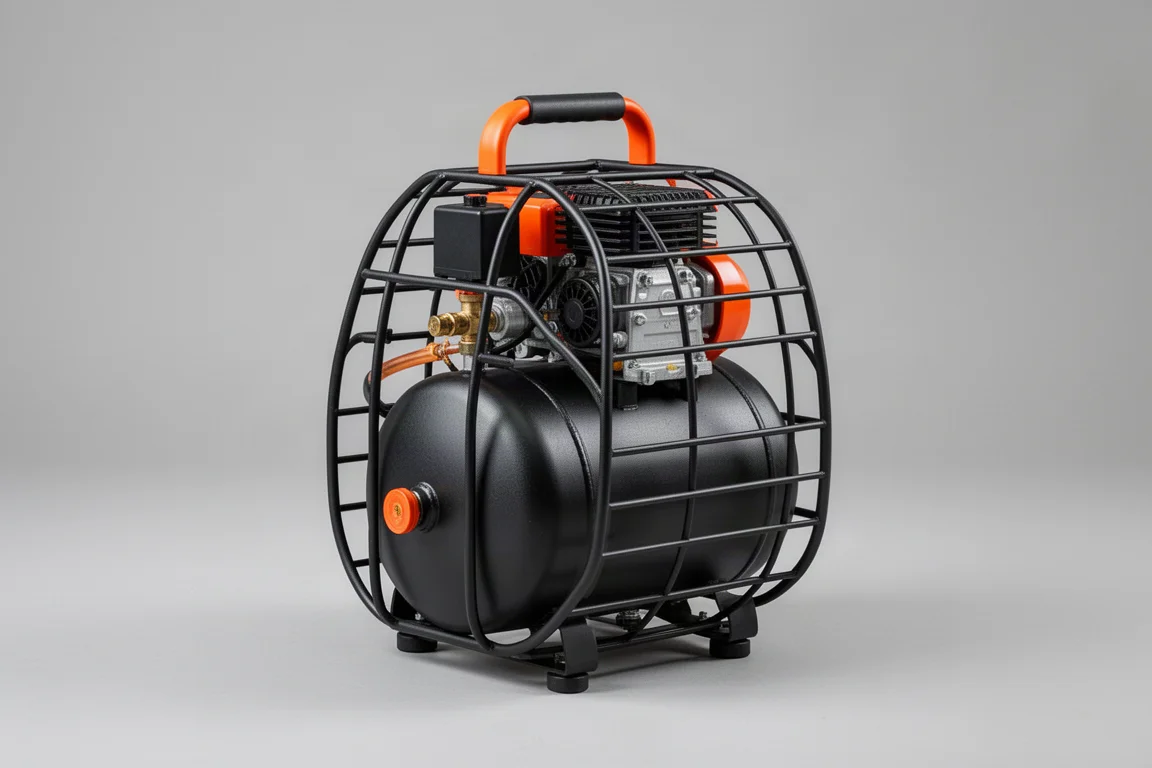
Home automotive work with impacts, ratchets, and grinders calls for a bigger tank with enough CFM to keep up with air-hungry tools. The best bang-for-the-buck pick is the Fortress 26 Gallon: 175 max PSI, 4.5 SCFM at 90 PSI, and 69 dB, which is not silent but quiet enough to be comfortable. It lists around $400 and is frequently on sale for $350, which is roughly its standing street price.
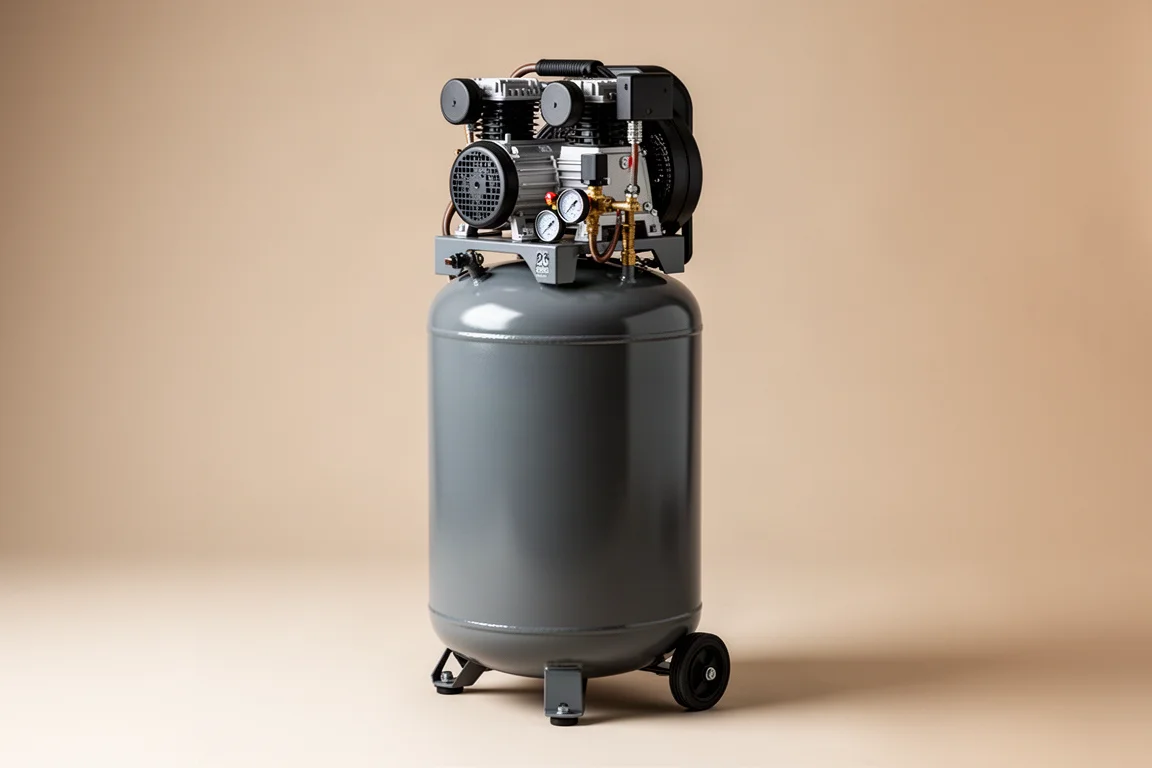
The Cobalt Quiet Tech is the close alternative. The specs are not identical but land in the same ballpark, and it goes on sale at similar prices. At that point the decision mostly comes down to where you prefer to shop.
Painting and HVLP Work
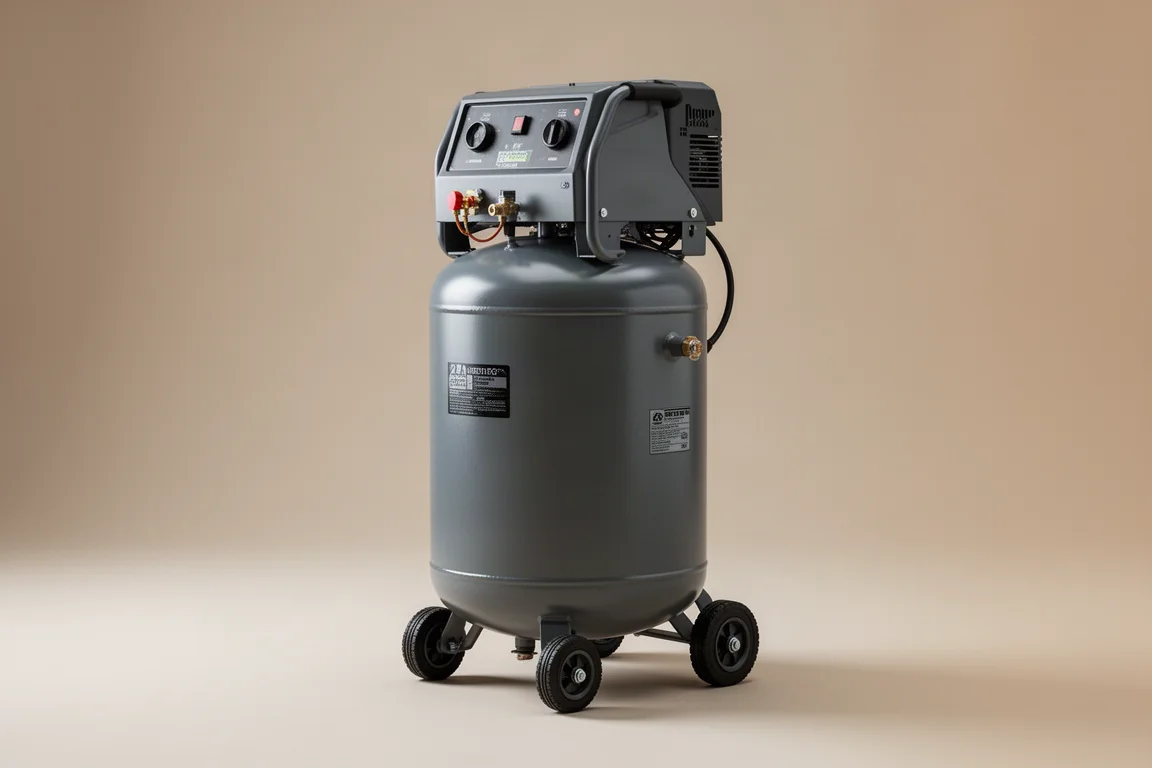
Painting with HVLP or automotive gear needs steady, low-pressure flow that does not sag mid-pass. The California Air Tools 120C is almost purpose-built for this: a 2.0 horsepower motor, a 10 gallon tank, and 70 dBA operation, quiet enough for a home shop though not ultra quiet class. It is oil-free for low maintenance and holds pressure reliably through long passes, which is the make-or-break trait for finish work.
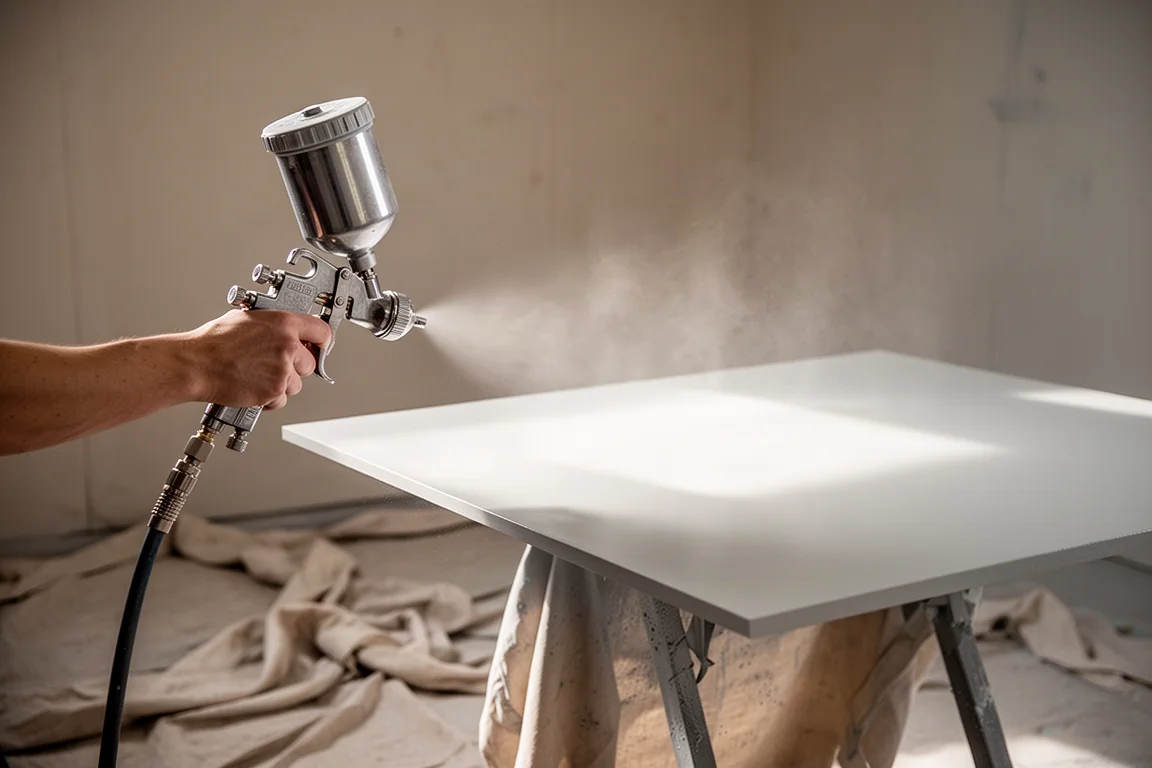
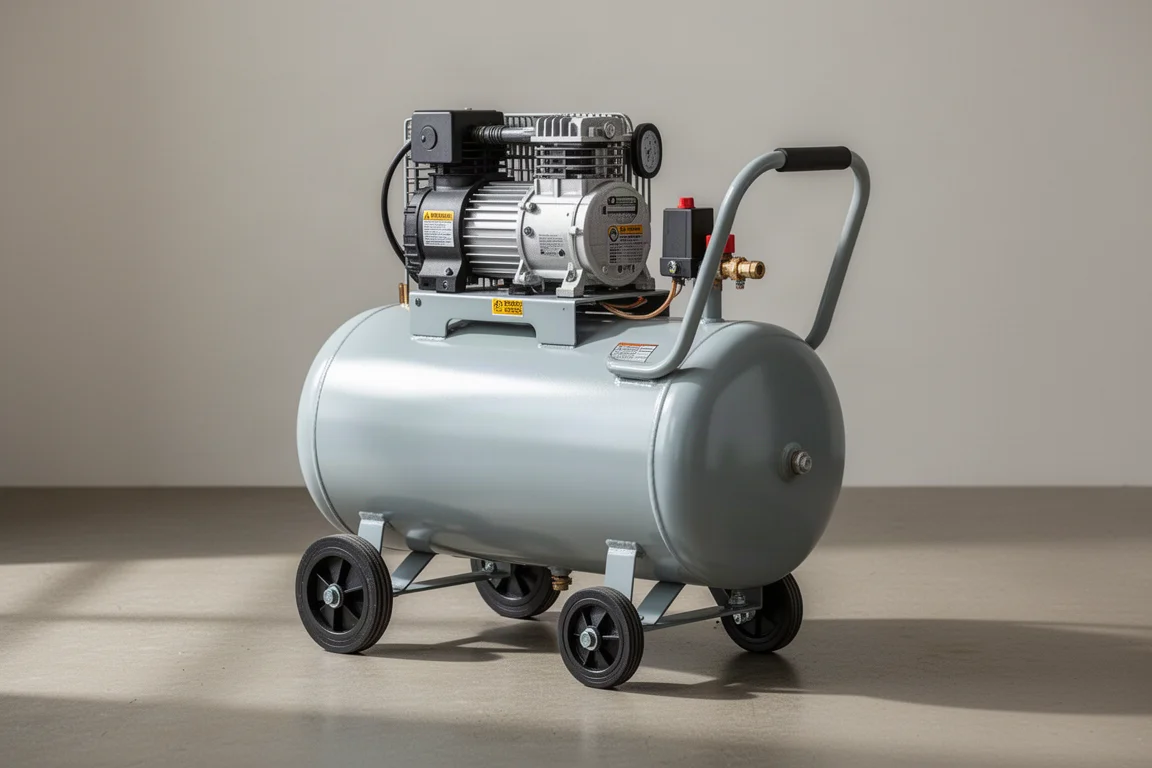
The McGraw 29 Gallon is the backup and a good general-purpose machine that can also spray. It is a belt-driven, oil-lubbed shop compressor with 165 max PSI, 5.3 SCFM at 90 PSI, and 75 dBA. It keeps you spraying longer between refill cycles and, while not the cheapest option, it will not break the bank.
Metalworking and Plasma Cutting
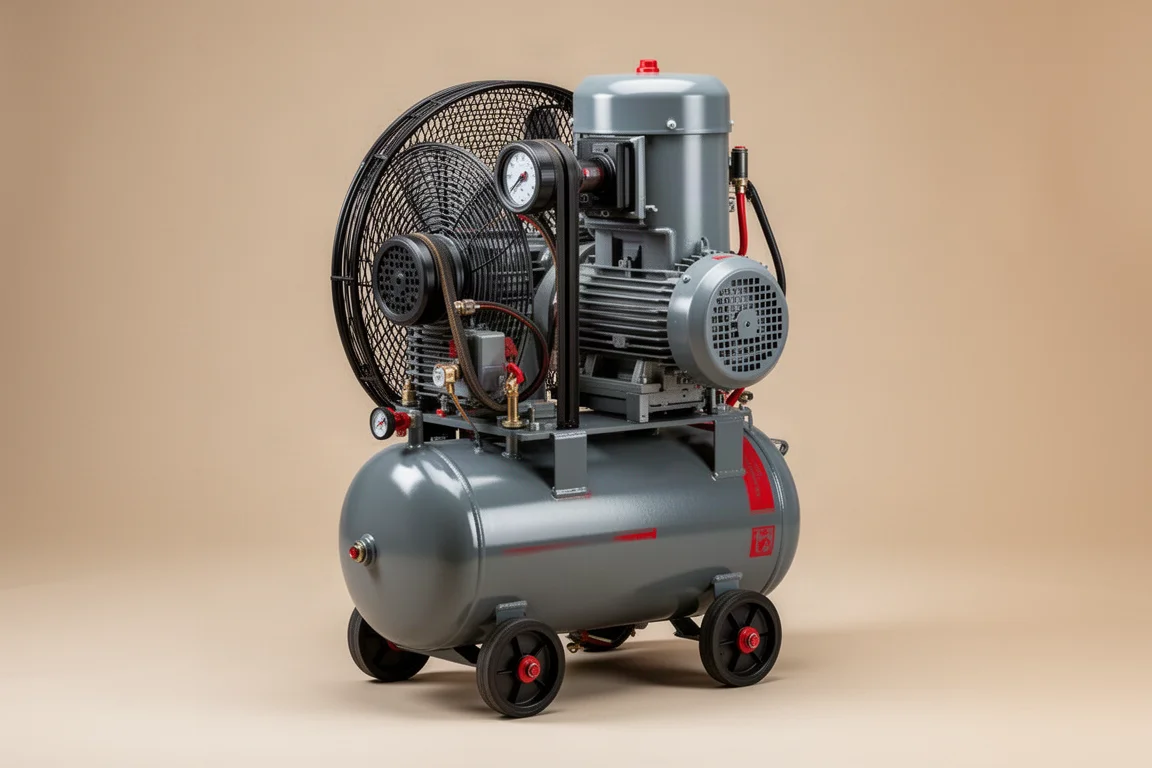
Plasma cutters, die grinders, and other metalworking tools need a steady air supply to avoid sputtering out mid-job. That is where the American-made Quincy 60 Gallon vertical compressor comes in. With 5 horsepower on 230 volt power, this is the top of the line for most home and small shop users, and it has the capacity to back demanding metalwork without flinching.
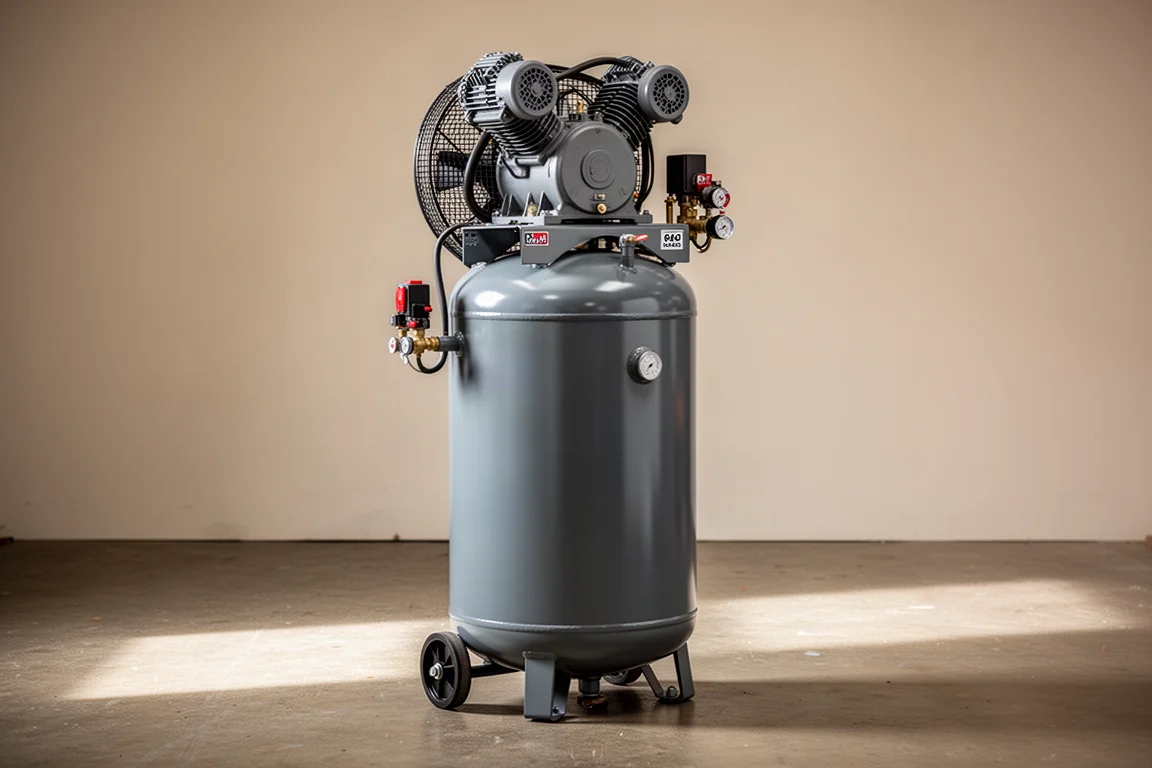
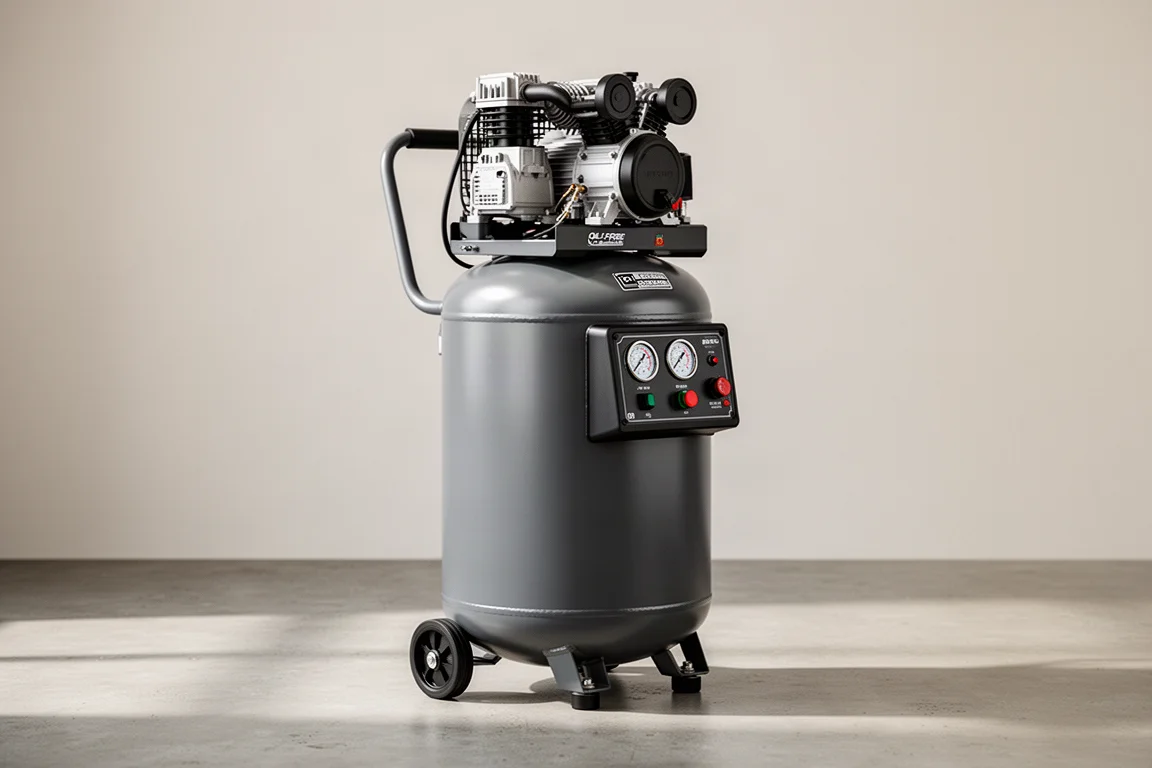
If the budget does not stretch that far, the Fortress 27 Gallon is a credible step-down. It delivers 200 max PSI high performance from an oil-free pump, puts out 5.1 SCFM, and runs about 25 percent quieter than the average compressor in this class. At $400, it is a genuinely good deal.
Welding Support Tools
Air-powered clamps, chisels, and grinders around a welding setup favor rugged compressors with fast recovery. The Makita MAC5200 is the old-school pick here: 6.5 CFM at 90 PSI, quick recovery between cycles, and a rugged build that simply keeps going. At around $400, it is worth every penny if you use it regularly.
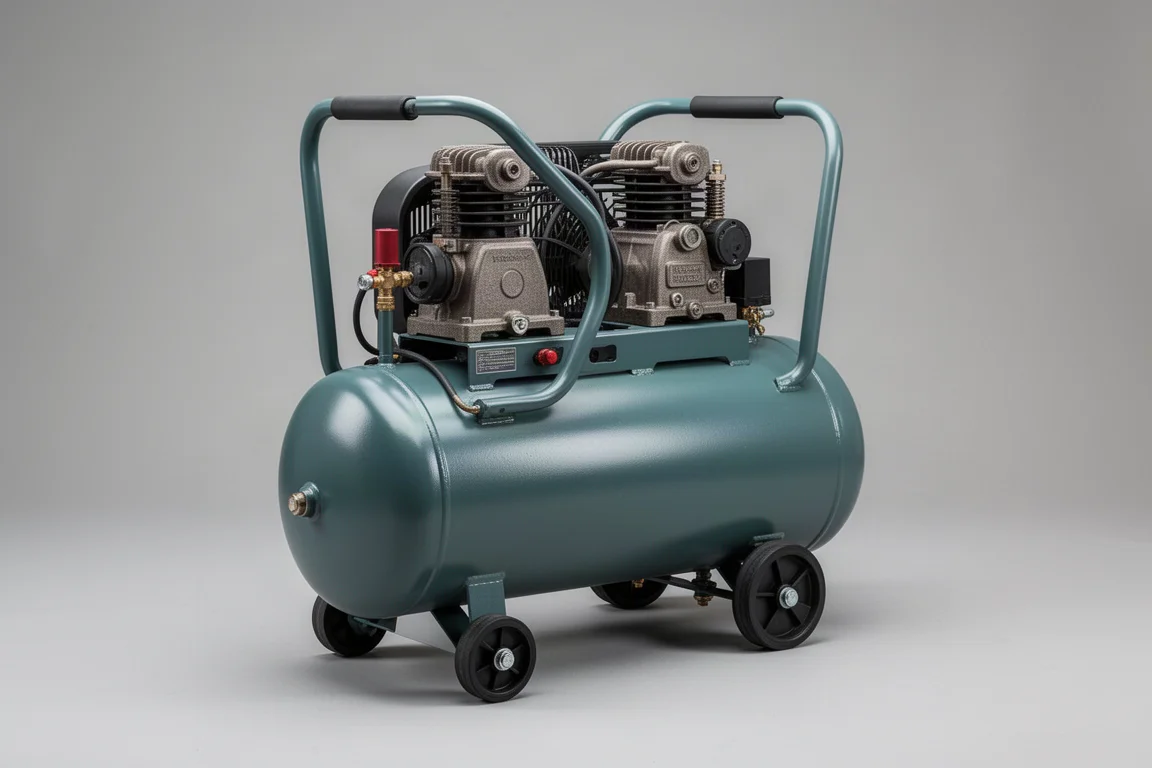
The California Air Tools 4620AC is the quieter alternative at about 70 dB, delivering 5.3 CFM with a price tag around $400. It is not the cheapest option on the shelf, but for welding support work that quieter operation is worth factoring in.
Heavy Duty Shop Use
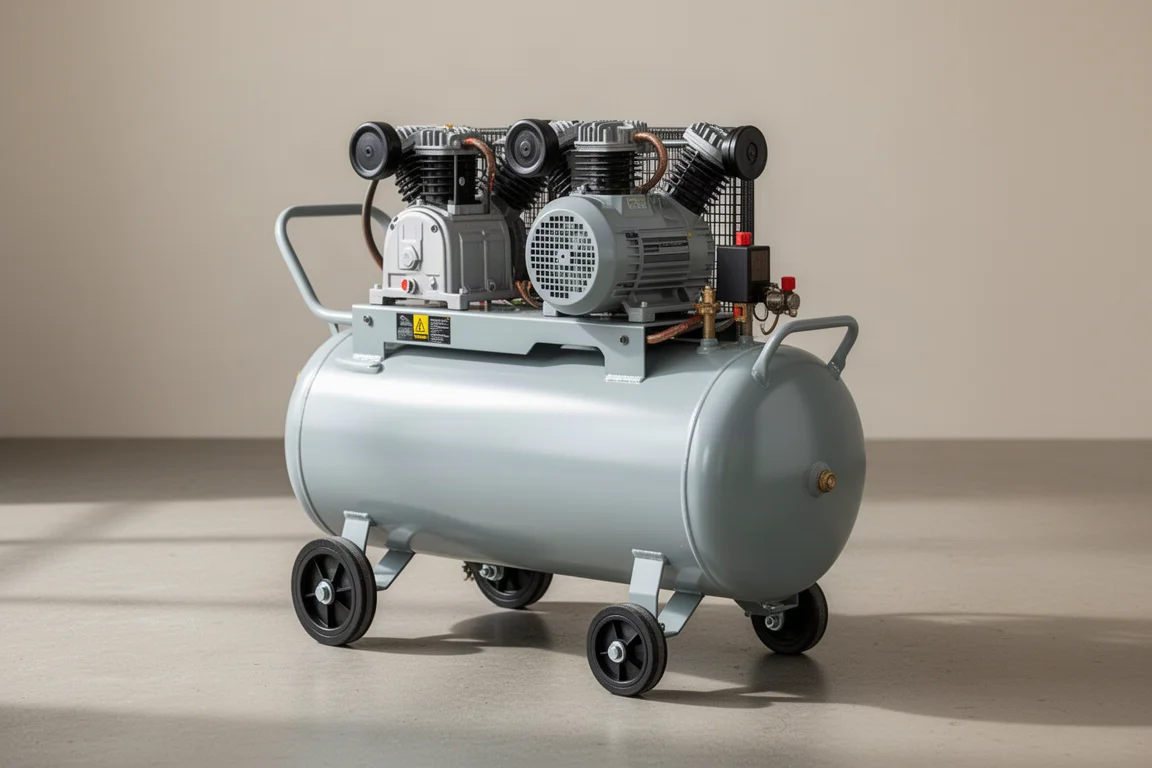
Running multiple people and multiple tools at once is a different league entirely. For that, the answer is the same Quincy built for serious volume: it is not cheap at around $2,000, and it is made in the USA, but it is built to keep an entire shop fed with air.
View more details for Quincy 60 Gallon Vertical
The Ingersoll Rand was the long-standing tank in this category, a huge beast delivering 14 CFM. It remains a formidable machine, though some owners feel it may have lost a step in recent years, so it is worth checking current feedback before committing.
DIY Sandblasting
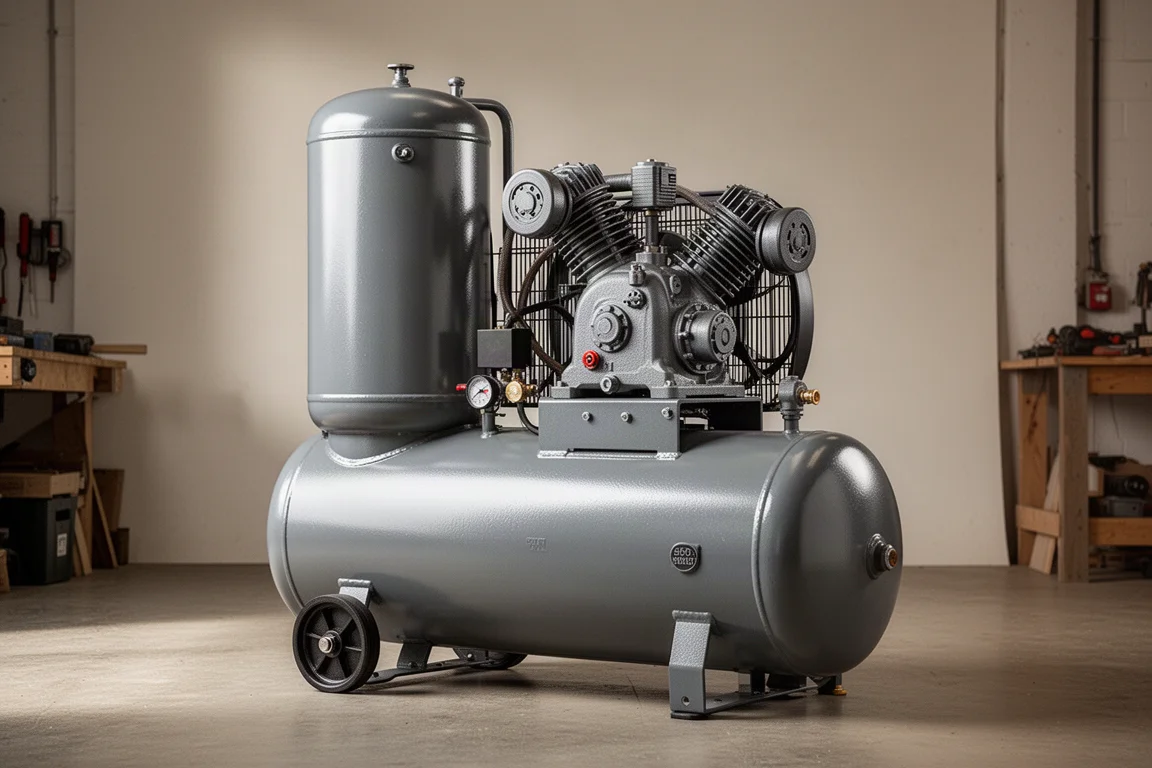
Sandblasting cabinets, especially the DIY variety, are notorious air hogs. They need a lot of volume at moderate pressure to keep the aggregate moving. The DeWalt DXCM303 is the pick here: 6.2 CFM at 90 PSI, 175 PSI max, belt driven, and literally built like a tank. At around $750 it is an investment, but it has the output sandblasting demands.
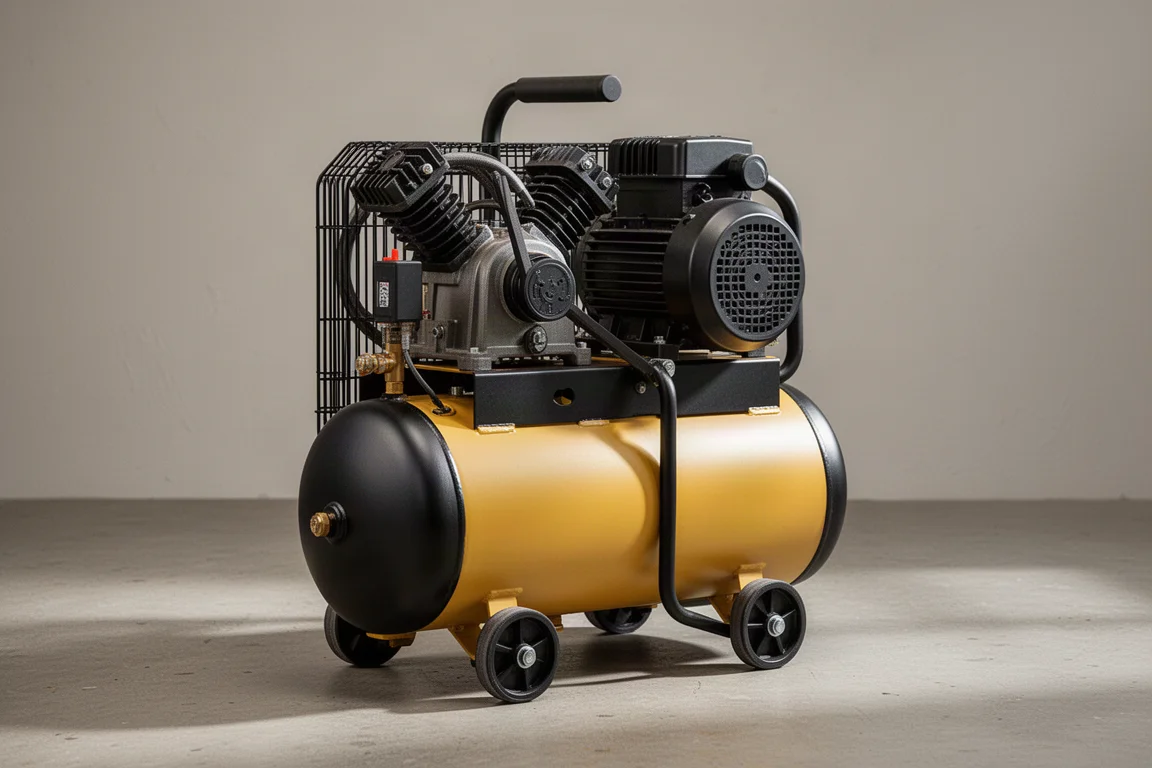
The McGraw 29 Gallon serves as the budget version of that approach, with 29 gallons of reserve, 165 PSI, 5.3 SCFM at 90 PSI, and 75 dBA. It will not move as much air as the DeWalt, but it gives a small blast cabinet a fighting chance on a tighter budget.
View more details for McGraw 29 Gallon
Tire Inflators on the Go
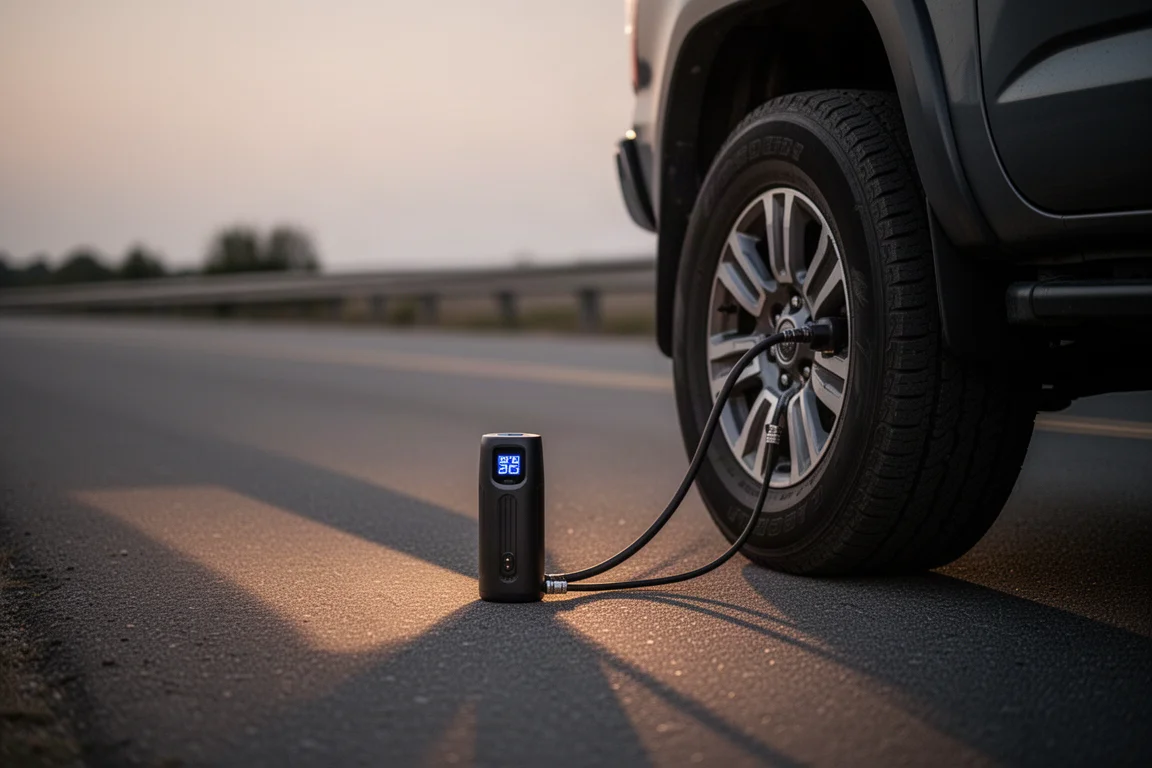
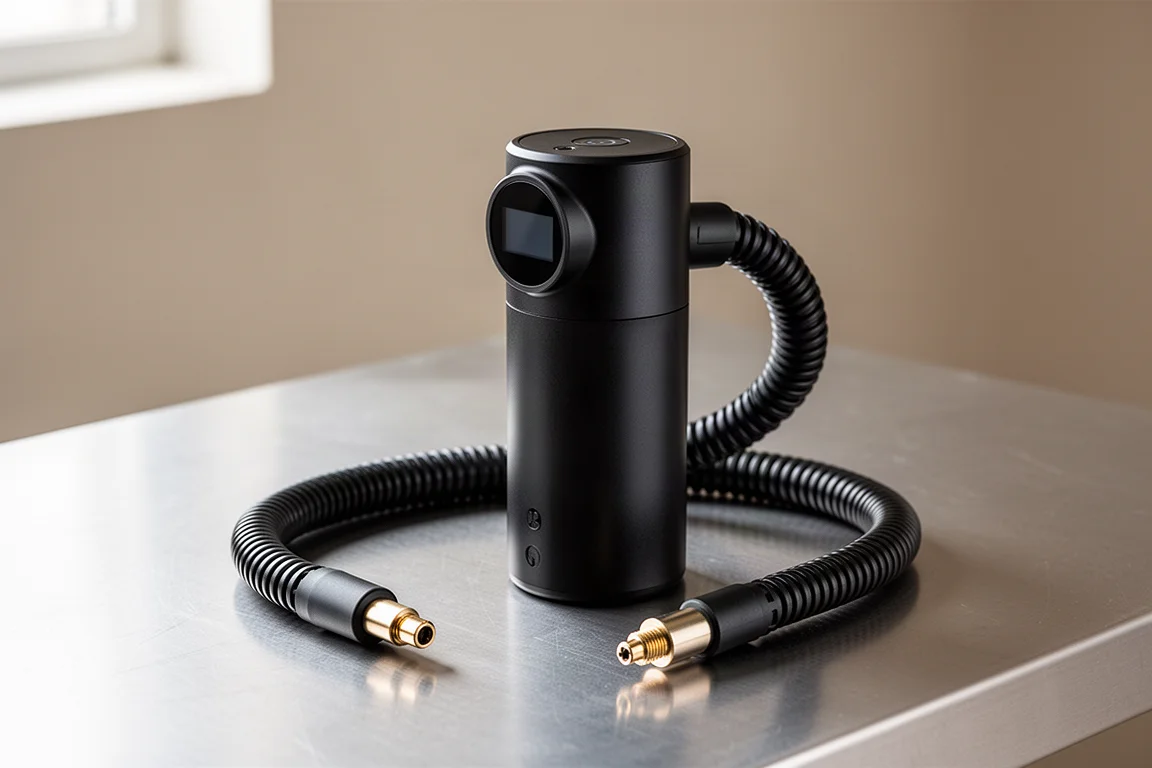
Sometimes you do not need a compressor at all, just air where you happen to be. The Fanttik X8 is a go-to portable inflator that lives happily in a pickup truck or RV. It will take an automotive tire to 80 PSI all day long and push a road-race bike tire up to 155 PSI. It also doubles as a battery backup, and it is currently on sale for $70.
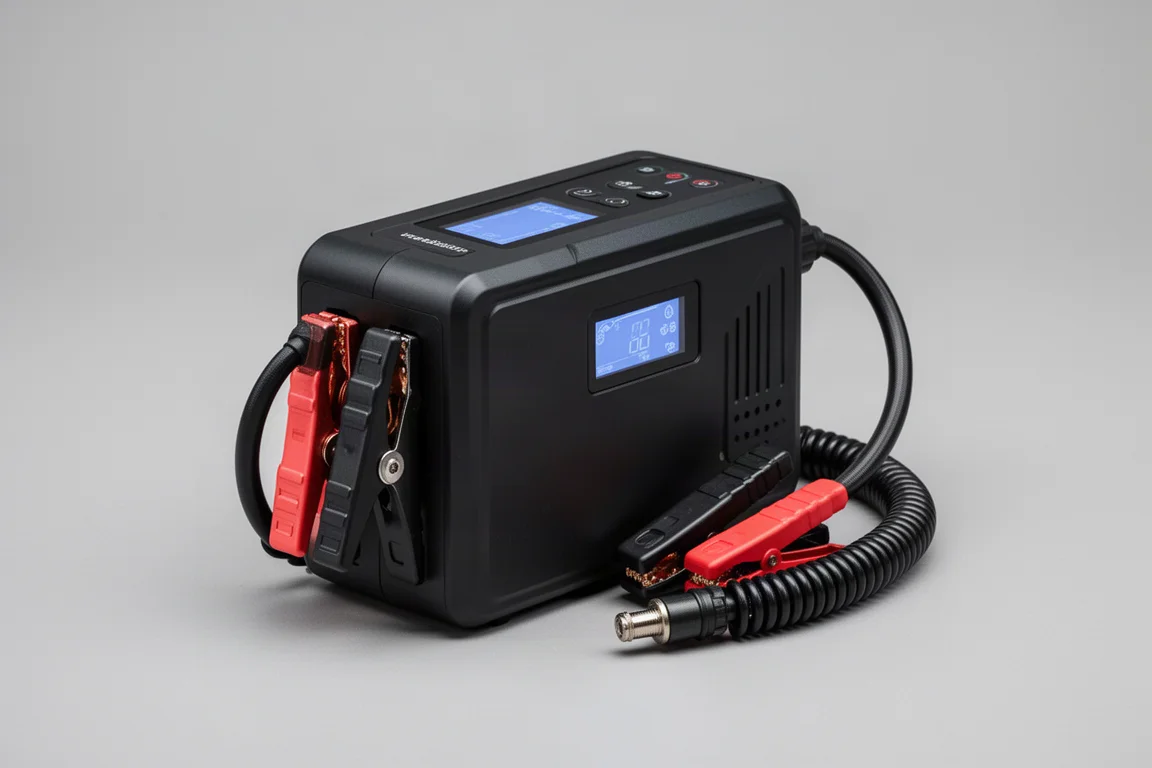
The Wolfbox inflator jump starter covers both bases in one unit. It reaches 160 PSI as an inflator and doubles as a very capable jump starter, all for $140, and it comes with a semi-rigid case. For drivers who want one device for roadside emergencies, that combination is hard to beat.
Buying Advice
The fastest way to narrow this list is to be honest about your heaviest regular task. If that is topping off tires, a compact quiet compressor or a dedicated inflator is enough. If it is finish painting or automotive work, prioritize tank size and steady CFM. If it is running a shop with multiple users, only the large belt-driven machines will hold up.
Noise deserves real weight in a home setting. Many of the picks above run between 60 and 75 dB, which is the difference between tolerable and unpleasant in a garage attached to a living space. Finally, watch for sales: several of these models, particularly the Fortress line, routinely drop well below list price.
Conclusion
There is no single right air compressor, only the right tool for the right job. Match the category to your workload, weigh noise and budget alongside raw output, and any of these picks will do the work you bought it for.
Further reading
Related Reviews
Air Compressors
Best 2 Gallon Air Compressors Tested: 13 Compact Models Compared
Thirteen compact air compressors go head to head in noise, fill speed, and nail gun tests to find the best small compressor for your garage.
Air Compressors
Harbor Freight McGraw 3 Gallon Pancake Air Compressor: A $70 Compact Workhorse
Harbor Freight's McGraw 3 gallon oil-free pancake compressor packs a useful feature set and light weight into an affordable package, with a couple of trade-offs worth knowing first.
Air Compressors
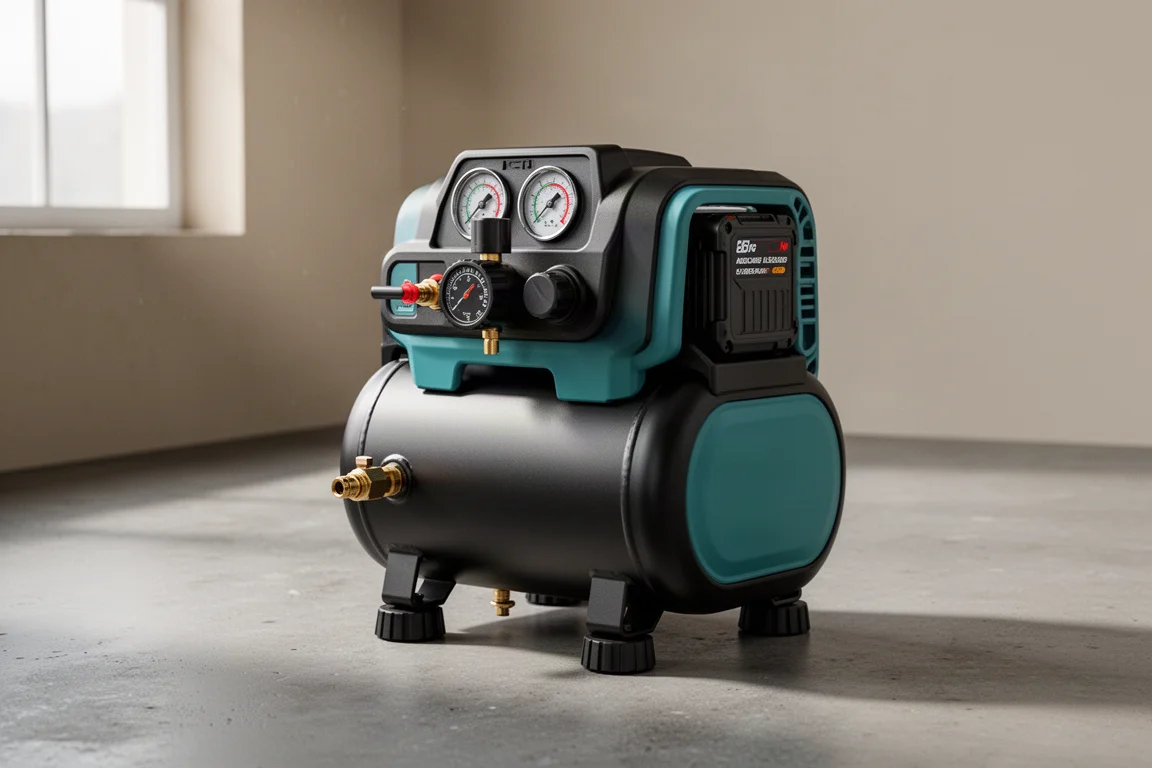
Makita XGT 40V 2-Gallon Cordless Air Compressor Review: Quiet Power at a Price
A 68 dB battery-powered compressor built for pneumatic nailers, with a 50% duty cycle and a $400 body-only price that deserves careful thought before buying.