Gravel Bikes
Best Aero Gravel Bikes 2026: Five Fast Machines for Racing and Mixed Terrain
A closer look at five aero gravel bikes built for speed on gravel and tarmac, with clear strengths, trade-offs, and who each one suits.

Introduction
Gravel racing has become dramatically faster in recent years, and the bikes have followed. Aero gravel machines now borrow tube shapes, cockpit designs, and airflow tricks directly from road racing platforms, then rework them around wide tires and rougher surfaces.
The five bikes here represent that shift. Each one is built around the idea that speed matters on gravel, whether you are lining up at a long-distance race or simply want a bike that stays lively when the route turns back onto tarmac. They differ in tire clearance, geometry, drivetrain approach, and how far they lean toward pure race performance versus all-round versatility.
How We Evaluated These Aero Gravel Bikes
The most useful way to compare these bikes is to look past headline aero claims and focus on what shapes the ride. Four things matter most.
First, tire clearance. Wider rubber is the single biggest comfort and traction lever on gravel, and the difference between a 42 mm and a 50 mm limit changes which surfaces a bike is genuinely comfortable on. Second, how the aero work was done. Squared-off, truncated tube profiles behave differently from conventional round tubes, particularly in the crosswinds that define exposed gravel courses. Third, practicality: mounts for bottles, bags, and mudguards, plus whether the seatpost or cockpit locks you out of common upgrades. Fourth, drivetrain and gearing flexibility, since the range you can run shapes how well a bike copes with steep loose climbs.

Aero claims are also worth reading carefully. Watt savings are typically quoted at specific speeds and setups, so they describe a trend rather than a guarantee for every rider on every course.
Factor Ostro Gravel: Aero Speed with Wide Tire Room
Factor positions the Ostro Gravel as a race-first machine that carries the same win-everywhere intent as the Ostro road bike. The carbon frame is built from a blend of Techtron and Toray carbon interwoven with Nippon graphite fibers, forming what Factor describes as a strengthened layup intended to handle the demands of gravel racing.
Aero optimisation is central. The head tube and down tube use broad, oversized but truncated profiles tuned for gravel racing speeds rather than pure road-race velocities. Because average speeds are lower on gravel, the tubes are noticeably squared off to promote stability in gusty conditions instead of chasing ultimate high-speed drag reduction. Clearance for 45 mm tires on 700c wheels keeps the bike usable across a wide range of gravel surfaces and gives it enough crossover ability to be ridden on tarmac.
The geometry is aggressive and reflects racing use. There are additional attachment points for bags, boxes, tools, and bottles, so the race focus does not come at the cost of carrying capacity. Cable routing is fully internal via the Black Ink HBO2 carbon stem, and the bar has aero-profiled flattened tops with a broad T-junction where the stem meets the bar. Factor claims this setup saves up to 9 watts compared with a regular bar and stem combination at an unspecified speed.
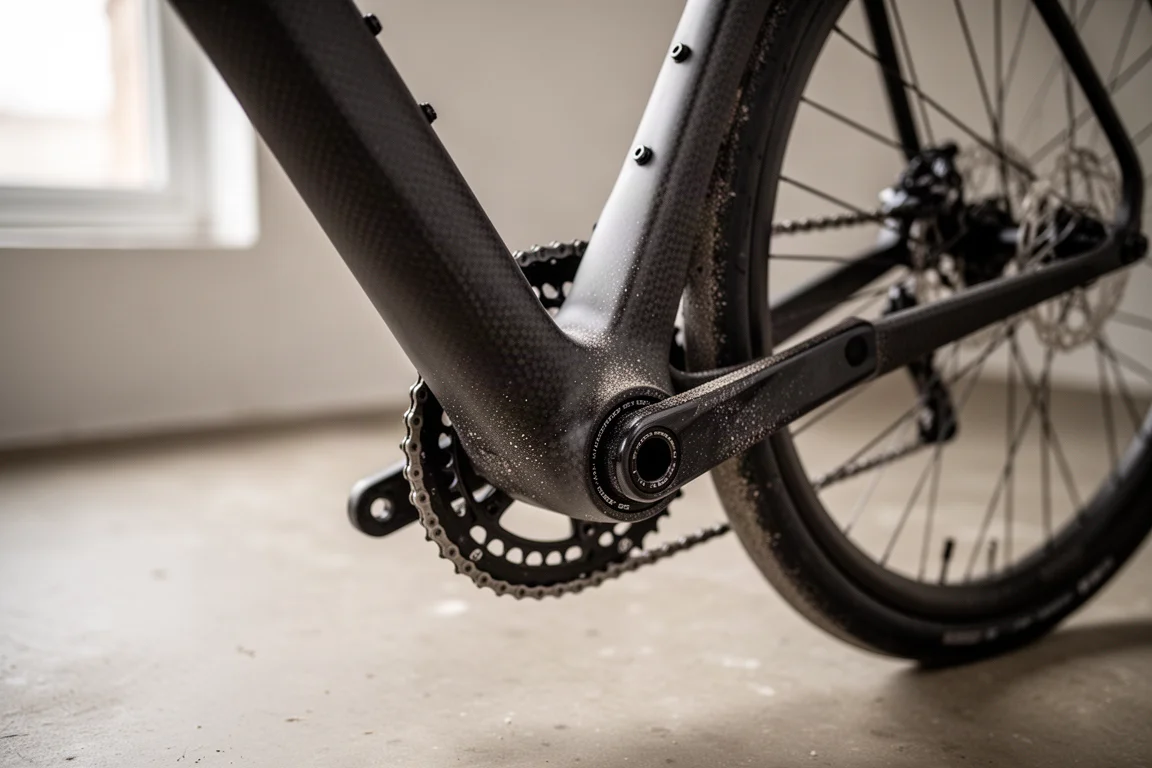
For riders who want a single bike that feels quick on gravel and genuinely fast on the road, this is the most obvious starting point of the five.
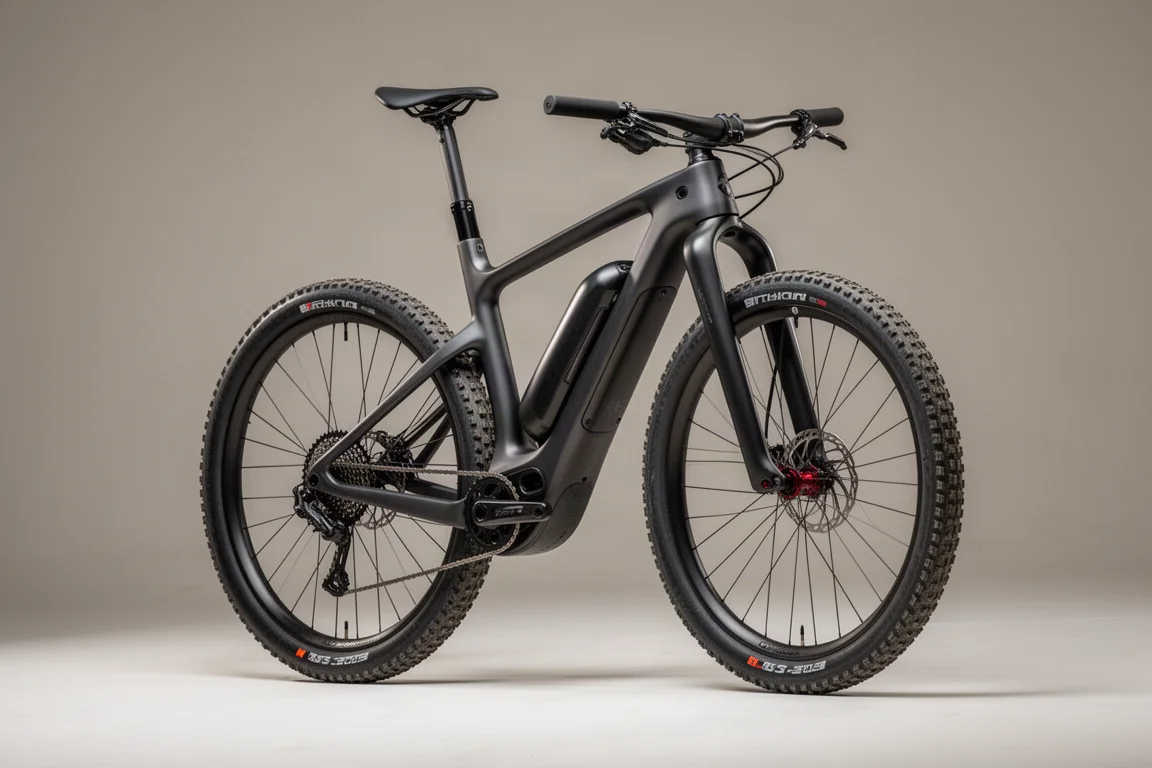
Ridley Kanzo Fast: Cyclocross Heritage Meets Aero Gravel
Ridley has decades of cyclocross racing behind it, and the Kanzo Fast applies that off-road experience to an aero gravel platform. It borrows aerodynamic features from the Noah Fast road bike, including F-Tubing profiles and F-Surface Plus, which uses channels to create an aerodynamic tripwire that delays airflow separation and reduces drag.
Those profiles have been reworked for gravel, and the frame accepts 42 mm tires front and rear. The bike also carries over the Noah’s F-Wing fork nubbins, fully internal cabling, and a distinctive forked down tube transition. Ridley claims the Kanzo Fast saves 17 watts over an ordinary gravel bike and sits within 4 watts of the Noah Fast across all yaw angles, both at unspecified speeds. The brand calls it the fastest gravel bike in the world, which is a bold claim worth weighing against your own terrain.
The GRX Di2 build reviewed here pairs with a Classified Power Shift hub, which hides the functionality of a two-by drivetrain inside the rear hub. There are mounts for full mudguards, which opens up some capable winter bike thinking. The aero-shaped seatpost means a dropper post cannot be fitted, which does limit its appeal off the beaten track.
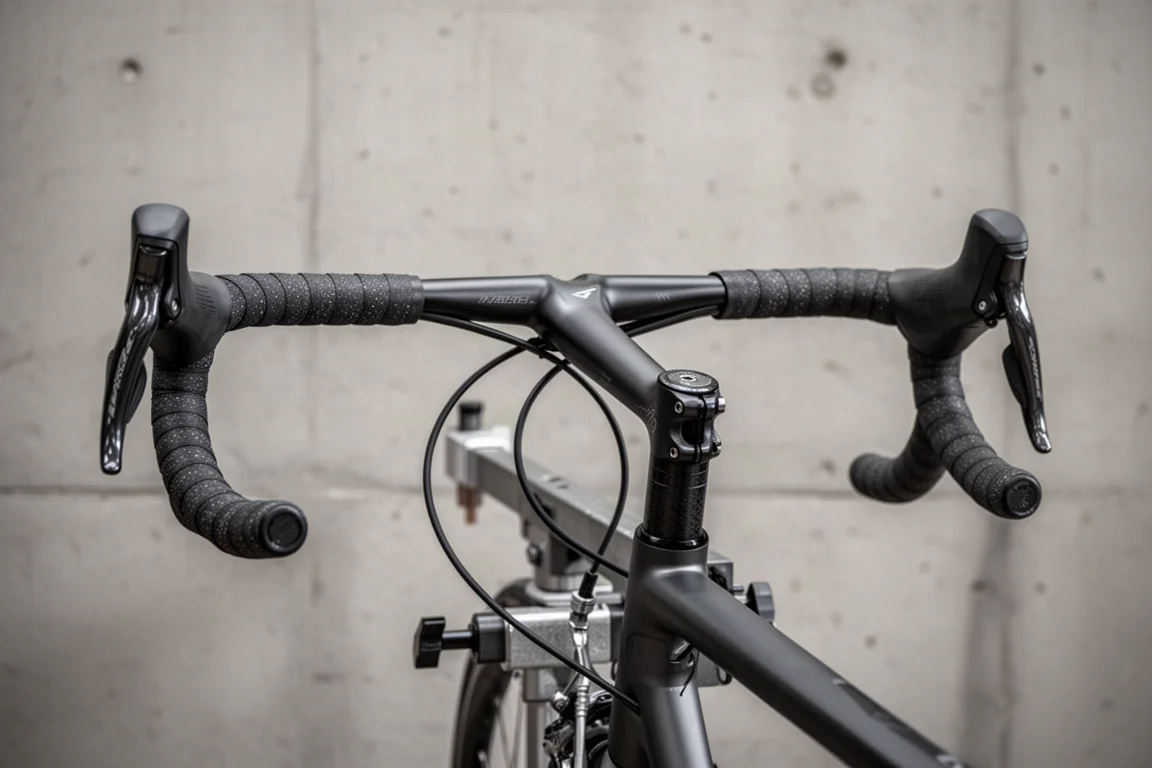
If your riding is mostly byways, fire roads, and long steady efforts rather than technical descents, the Kanzo Fast is a lively option.
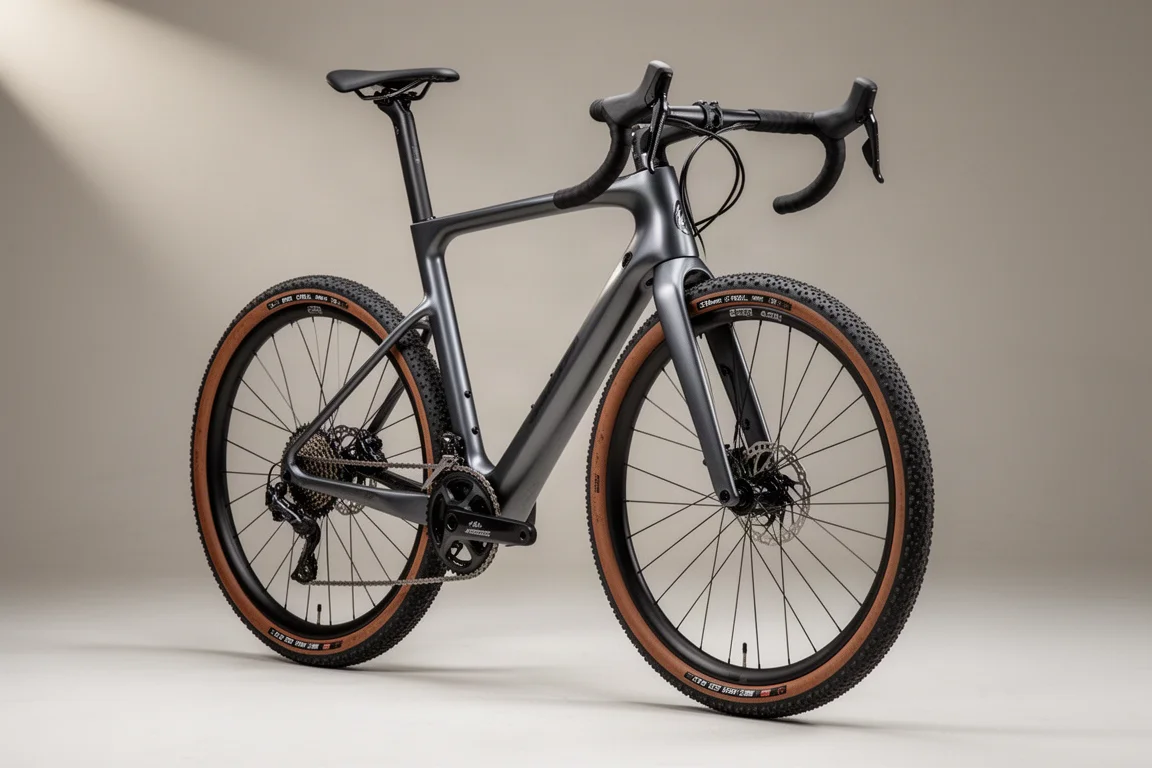
Pinarello Grevil F: Recognisable Aero Shapes with Generous Clearance
There is no mistaking the Grevil F for anything other than a Pinarello. The frame and fork shapes carry the brand’s signature look, and the bike joins other racy gravel models in running integrated cables. It inherits the total internal cable routing system used on the Dogma and Prince families, with hydraulic hoses and gear cables routed through the handlebar and stem before passing through the upper headset bearing. Pinarello says this improves aerodynamics by removing exposed cables.
Other aero details include a flat-backed down tube profile inspired by the Dogma F, which the brand says reduces drag and offers significant watt savings. The Grevil F also keeps the fork flap, a shroud covering the front brake caliper that is claimed to reduce drag. Pinarello claims a four percent aerodynamic improvement over the outgoing model, which it describes as saving 5 watts at 40 km/h.
Despite those aero tube shapes, clearance is generous: the Grevil F has room for 50 mm tires on 700c wheels if you want extra traction or comfort. That combination of recognisable aero design and wide tire capacity makes it one of the more flexible options here.
BMC Kaius 01: Road Race Lightness Applied to Gravel
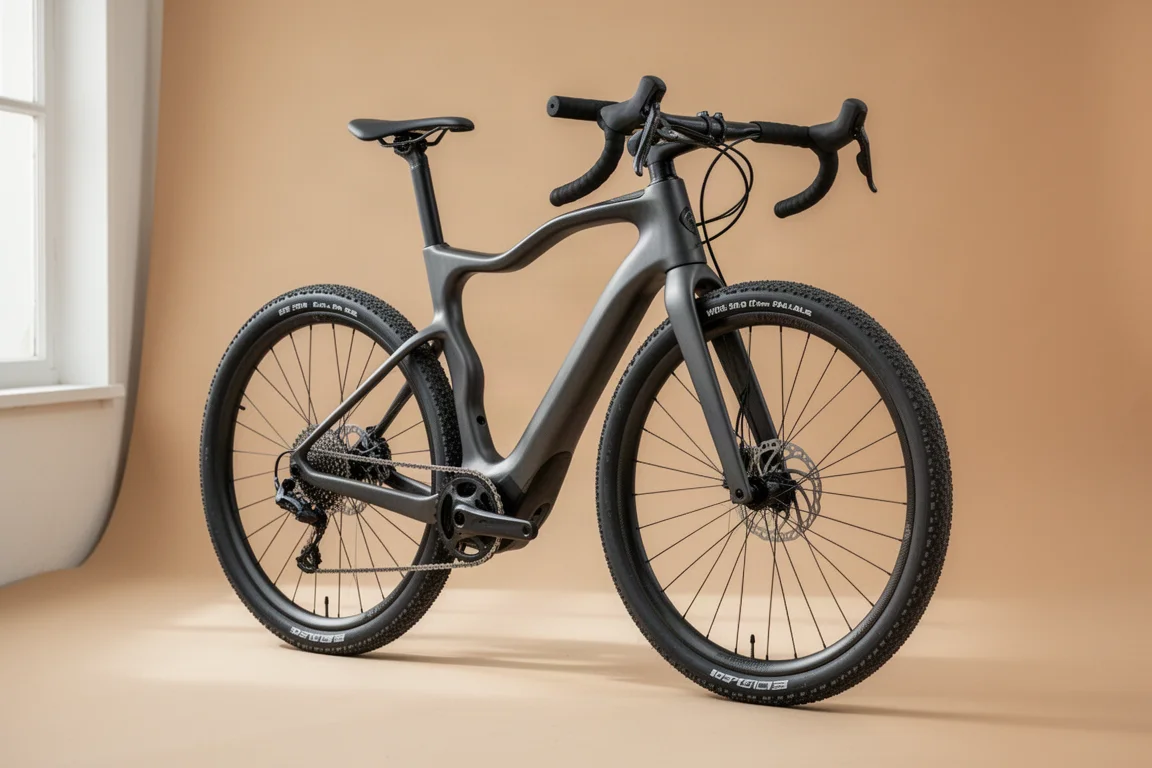
The Kaius was conceived from the outset as a road race light gravel bike, and the frame and fork share plenty of tube shapes with the road-going Teammachine SLR. The sculpted angular head tube, oversized down tube, and tapered top tube come straight from that road racing playbook.
The ICS carbon aero cockpit on the range-topping Kaius 01 follows the same design cues as the brand’s road ICS systems, but the bar shape is quite different. The top section measures just 360 mm wide, in keeping with the trend toward narrower widths, then flares out at 12.5 degrees to reach 420 mm at the drops. Since most aerodynamic drag comes from the rider, being able to tuck down at the front end helps you ride faster.
The aero package is extended by BMC’s Aero Core bottle cages, which integrate with the frame so the down tube cage and bottle smooth airflow together with a second upright bottle and cage. BMC makes no specific aero-saving claims around the Kaius, but all models ship with aero-optimised wheels. The 01 build is specified with Zipp 303 Firecrest wheels, whose generous internal width helps maximise the profile of the 40 mm tires.
3T Exploro RaceMax: Versatility with an Aero Core
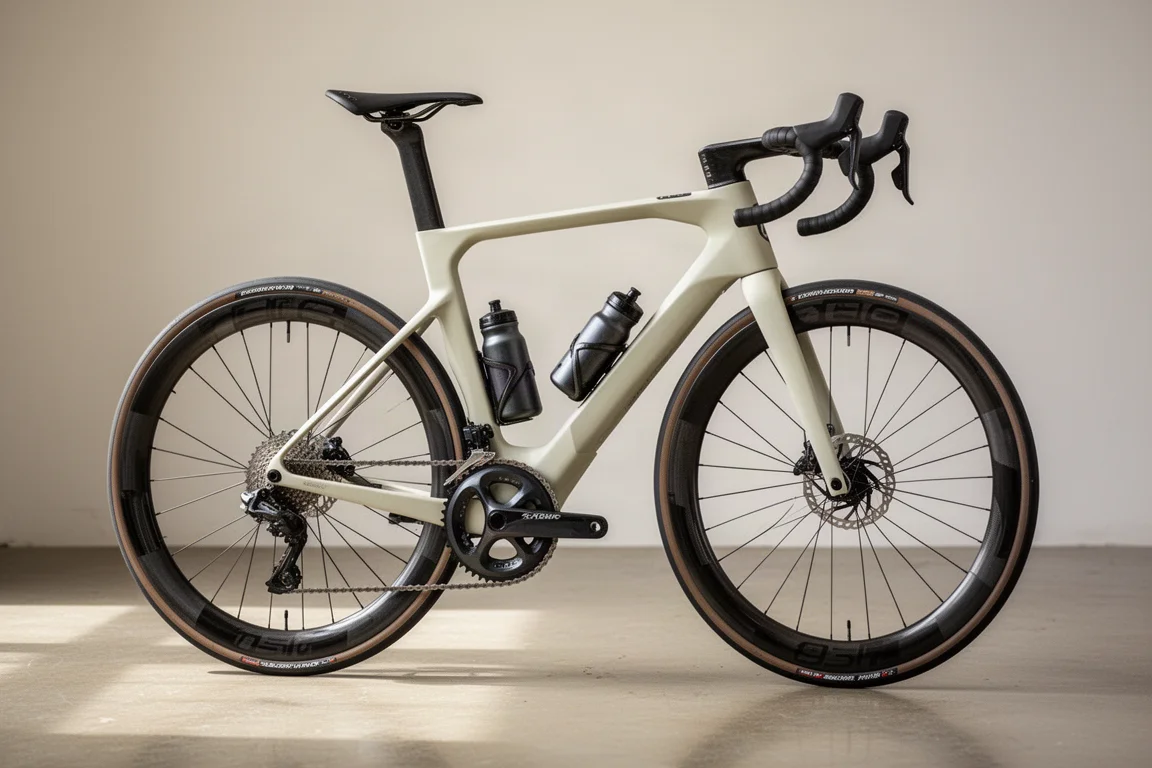
3T’s Exploro RaceMax aims to be all things to all gravel riders, with six builds covering three rider types: recreational riders, gravel racers, and what 3T calls Max riders. It is more extreme than the original Exploro, offering extra versatility with the biggest clearances yet on a 3T bike, while still claimed to deliver an aerodynamic advantage on tarmac and trails.
3T introduced two terms with the RaceMax, Ram and Wam, which relate to tire radius and width as measured rather than anything more glamorous. The head tube is a clever piece of packaging: its frontal area is equivalent to a narrow 1 1/4 inch road bike head tube for drag-cutting gains, while the RaceMax uses a 1 1/2 inch wide steerer for improved strength and handling.
The down tube is aero at its core too. Its top third is 46 mm wide and sculpted to optimise airflow from the front wheel, which shields up to a 40 mm tire. The rest of the down tube swells to 75 mm wide, which completely shields a bottle cage and bottle from air resistance, a sensible detail given that almost nobody rides gravel without at least one bottle. The fork profile is aero optimised as well, with variable shaping designed to work in sync with the front wheel and the forces it generates.
All that aero work has not compromised handling. The combination of speed and stability is described as wonderfully balanced, and the RaceMax is capable enough on tarmac that riding it among a peloton of out-and-out race bikes would not be a problem.
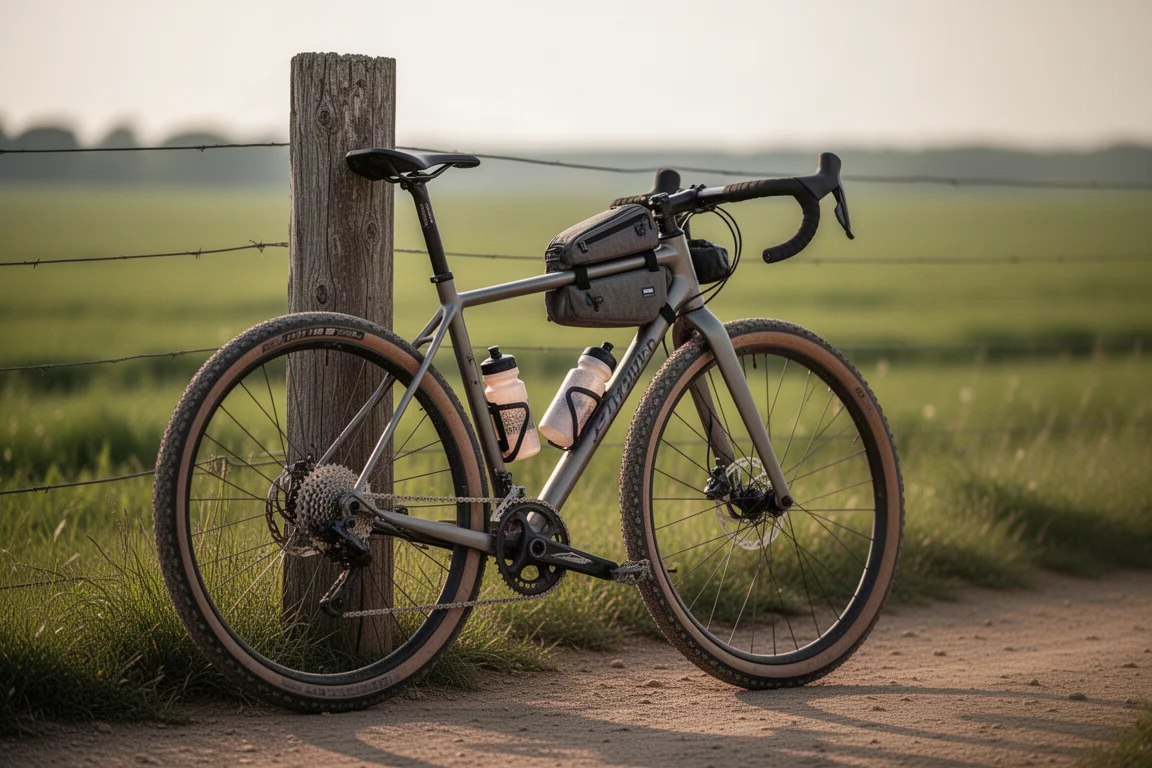
With six builds spanning recreational riders through to racers, the RaceMax is the broadest platform in this group and the easiest to match to a specific budget and riding style.
Buying Advice: Matching an Aero Gravel Bike to Your Riding
Choosing among these five comes down to the surface you actually ride most.
If you want the widest usable range and the most tire options, the Pinarello Grevil F with its 50 mm clearance and the 3T Exploro RaceMax with its broad build range are the most accommodating. If race-day speed on mixed gravel and tarmac is the priority, the Factor Ostro Gravel and the Ridley Kanzo Fast lean hardest into aero performance, with the Kanzo Fast adding mudguard mounts for wet-weather training and the Ostro Gravel adding bag, box, and tool mounts for long events. If you want a bike that feels like a road race machine with wider tires, the BMC Kaius 01 and its narrow, flared cockpit is the closest match.
Two practical checks are worth making before you commit. First, confirm the tire clearance matches the surfaces you ride; a 40 mm or 42 mm limit is fine for fast, groomed courses but restrictive on loose or rocky terrain. Second, check the cockpit and seatpost. Integrated bars and aero seatposts look fast and save watts, but they can restrict fit adjustments and rule out dropper posts entirely. None of these bikes is a slow choice, and any of them will make you noticeably faster than a conventional gravel setup.
Conclusion
Aero gravel is no longer a niche experiment. These five bikes show how thoroughly road racing aerodynamics has been adapted to wider tires and rougher surfaces, each with a slightly different idea of what fast gravel riding should feel like.
The Factor Ostro Gravel balances aero shaping with 45 mm clearance and plenty of mounts. The Ridley Kanzo Fast leans on cyclocross heritage and a hub-based two-by solution. The Pinarello Grevil F pairs unmistakable aero design with 50 mm tire room. The BMC Kaius 01 brings road race tube shapes and a narrow flared cockpit. The 3T Exploro RaceMax spreads its bets across six builds and the biggest clearances in the group. Match one to your terrain and riding style, and the speed advantage is real.
Further reading
Related Reviews
Gravel Bikes
3T Exploro Ultra Review: A Fast Gravel Bike Built for Big Tyres
A close look at the 3T Exploro Ultra, an aero carbon gravel bike designed around wide tyres, with road-like handling, a 980 g frame and genuine rough-terrain capability.
Gravel Bikes
3T Extrema Italia Review: Aero Gravel Speed With Room for 57 mm Tires
The 3T Extrema Italia pairs an aero frame with huge tire clearance, Italian-made carbon and a more comfortable ride than the RaceMax. Here is what to know before buying.

Gravel Bikes
3T Race Max 2 Italia Review: An Aero Gravel Race Bike Made in Italy
A closer look at the second-generation 3T Race Max 2 Italia, covering its aero updates, ride character, tire clearance, internal storage and who it suits.