Smartwatches
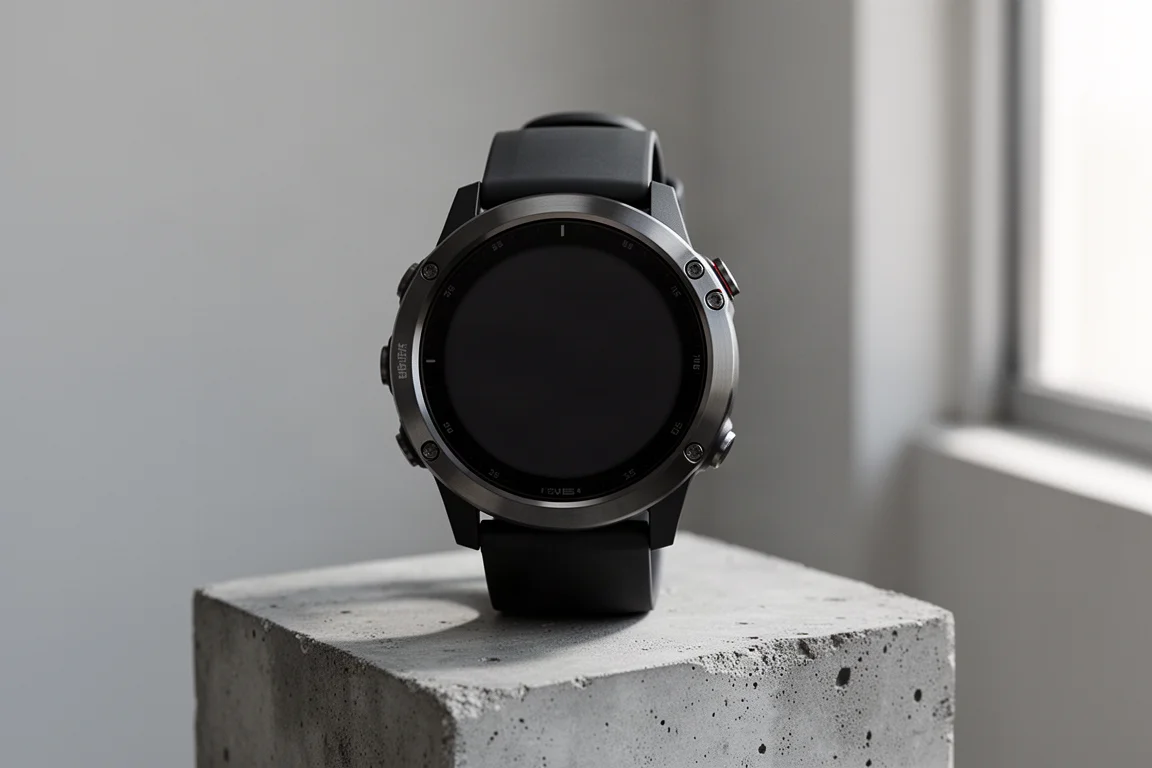
Best Adventure Smartwatches: Garmin Fenix 8, Fenix 7 Pro, Epix Pro, and Apple Watch Ultra 2
A practical look at four capable watches, from the newly settled Garmin Fenix 8 to the value-minded Fenix 7 Pro and Epix Pro, and the convenience-first Apple Watch Ultra 2.
Introduction
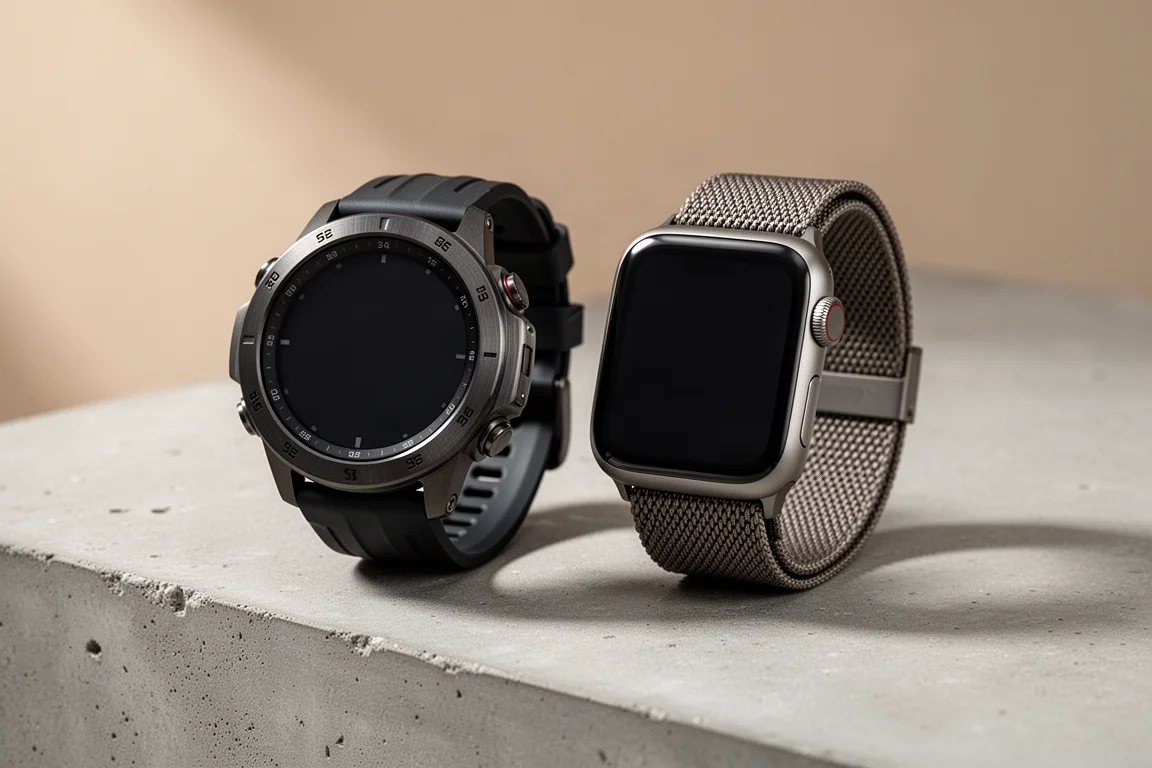
Choosing between a dedicated outdoor watch and a mainstream smartwatch is less about specifications on a page and more about which problems you actually need solved. Some buyers want multi-day battery life and physical buttons they can operate with cold or wet hands. Others want a watch that handles messages, calls and daily planning, and simply works well enough for a long hike on the weekend.
The Garmin Fenix 8 has had a difficult first stretch, and that history matters if you are spending flagship money. The good news is that the current firmware build is in a far better place than it was at launch. Roughly 190 issues have been addressed through successive releases, and later beta builds have continued that work. The watch is now a reasonable recommendation for buyers who want the top-of-the-line Fenix.

That improvement does not erase every rough edge, and it is worth understanding the remaining ones before you commit. The same applies to the older Fenix 7 Pro and Epix Pro, which are still excellent watches and often better value, and to the Apple Watch Ultra 2, which trades battery endurance for everyday convenience and a genuinely useful safety feature set.
What Matters Most in an Adventure Watch
Reliability during an activity is the first thing to weigh. A watch that restarts while recording can cost you a session you cannot repeat, and that single risk outweighs a long list of minor annoyances. Beyond that, battery life, button ergonomics, navigation flow and how much you want your watch to do away from the trail all shape which model suits you.
It also helps to separate problems that affect daily use from problems that appear only in deeper menus. Several of the reported issues on current Garmin watches fall into the second category, which is why so many owners report no trouble at all with sleep tracking, morning reports and simple run logging.
Garmin Fenix 8: The Flagship, Now Ready to Recommend
The Fenix 8 is now in a state where it can be recommended as a flagship purchase. Daily features work as expected: sleep tracking, morning reports and ordinary activity tracking have been dependable, and the restart issues that remain tend to surface in less-travelled corners of the interface such as map manager rather than mid-activity or while saving a session.
That distinction matters. A restart while recording would undermine the entire point of the watch, and those mission-critical restarts have not been the pattern. On the support forums, some owners still report battery drain and a dimness complaint, and those are the kinds of issues worth watching as further firmware rolls out. Garmin has been consistent about shipping updates, and as the flagship model this watch is likely to remain a priority for them.
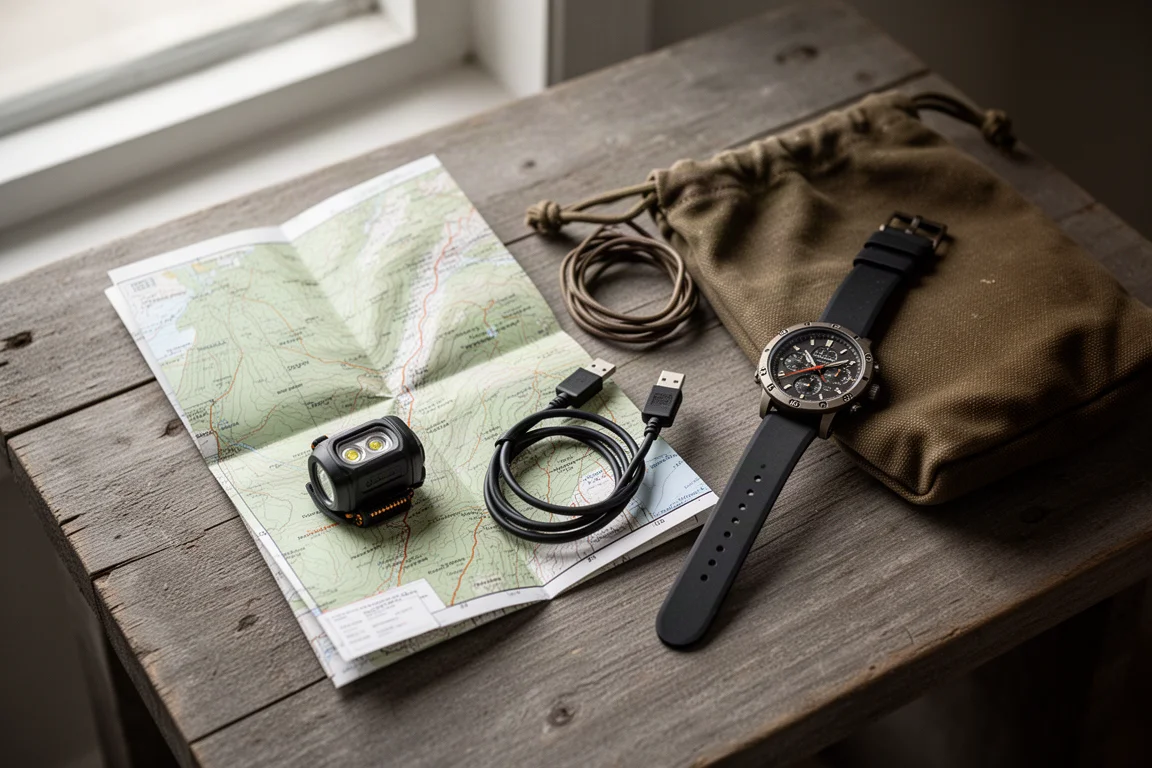
For a buyer who wants the most capable Fenix and is comfortable with the idea that a few edge-case bugs may still be ironed out, this is the right moment to consider it. It is also the most expensive path here, so the value question is real.
Garmin Fenix 7 Pro: Proven Hardware at a Friendlier Price
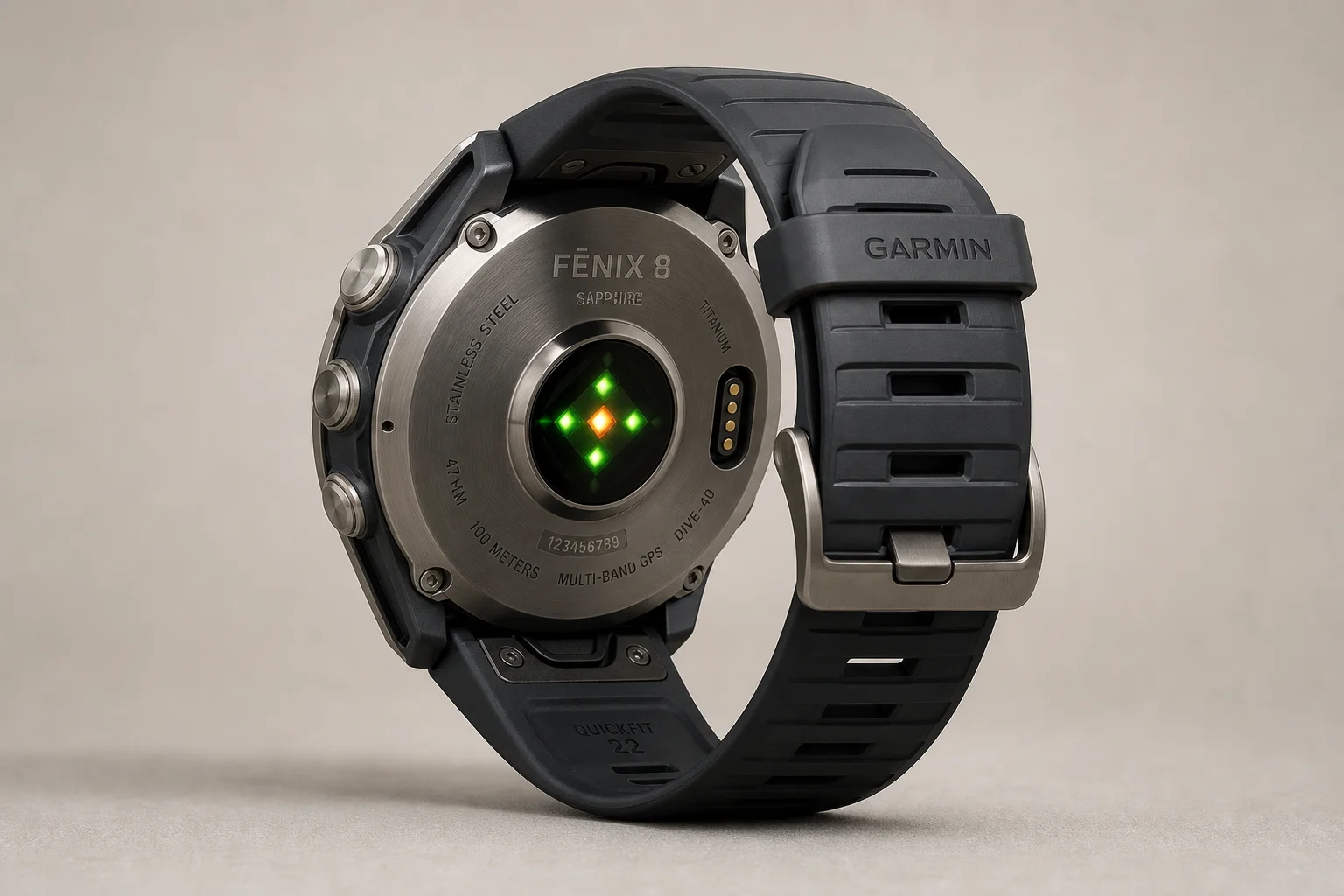
The Fenix 7 Pro remains a genuinely great watch. It was stable and dependable for a long stretch, and it still covers navigation, hiking, sleep and training metrics well. What complicated its story was a wave of new firmware for the Fenix 7 and Epix Pro lines that coincided with the Fenix 8 release cycle. Problems that had not existed before started appearing.
The current picture is more encouraging. Forum reports suggest the Fenix 7 Pro line has settled back into a stable place, and the remaining complaints are far less severe than what the Fenix 8 faced at launch. Seasonal sales also tend to work in this model’s favour, which makes it a stronger value proposition than the flagship for buyers who do not need the newest hardware.
Anyone considering this route should still skim recent owner reports and confirm that whatever issues remain do not touch the features they rely on. For most people, the essentials are covered.
Garmin Epix Pro: A Long-Term Favorite With Minor Caveats
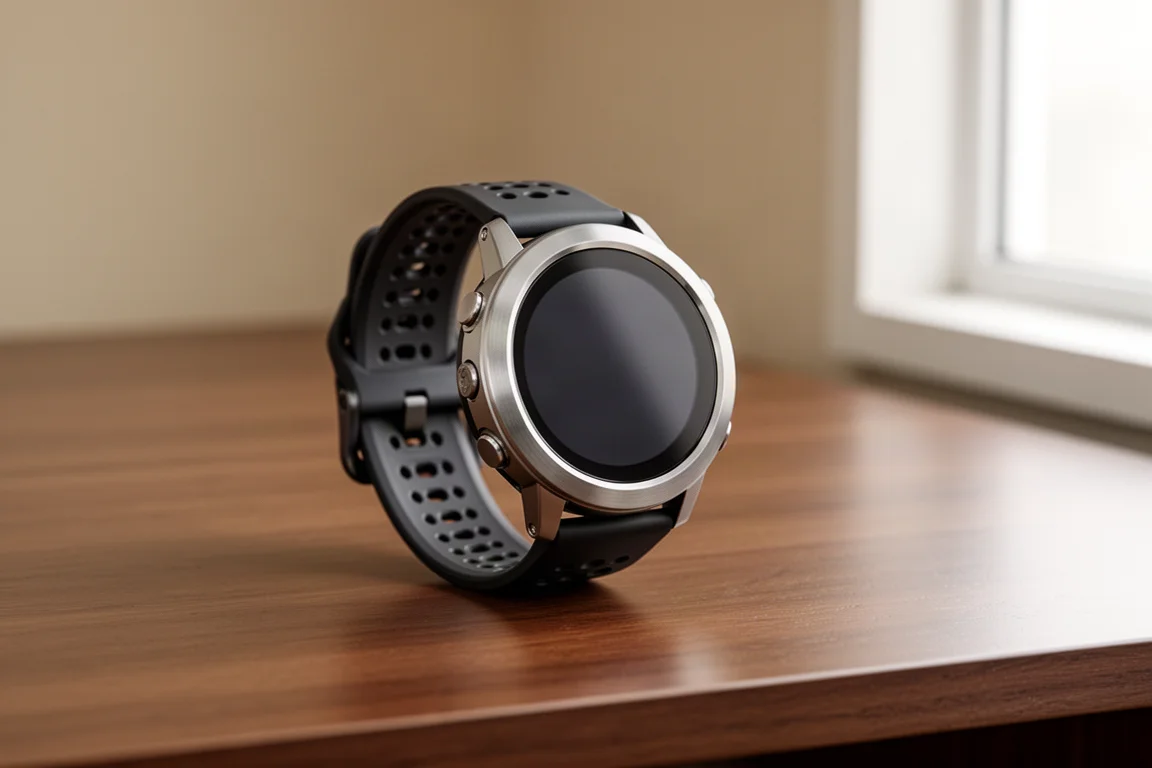
The Epix Pro earned its reputation over hundreds of miles and close to a year of trouble-free use, handling navigation, hiking, sleep tracking and training metrics without incident. That record is why it remains a favourite, and why the navigation experience in particular is still preferred by some owners.
Its navigation flow is one reason. When you start navigating, the navigation screens are folded automatically into your regular screen rotation, so the data you need appears without extra effort. The Fenix 8 instead requires you to swipe into a separate lane to view navigation screens unless you configure them into your main flow, which is a small but constant friction for anyone who navigates often.
The caveat is that the same firmware wave that affected the Fenix 7 Pro introduced a couple of issues here, including moments where the screen could not be used. Forum reports indicate those problems have largely eased, with a small number of minor issues remaining. They are not in the same league as the Fenix 8’s launch troubles.

For buyers who want proven hardware, a familiar interface and a lower entry point than the flagship, this is a sensible choice. Checking the current owner reports before ordering is still worthwhile.
Apple Watch Ultra 2: Daily Convenience With Safety Extras
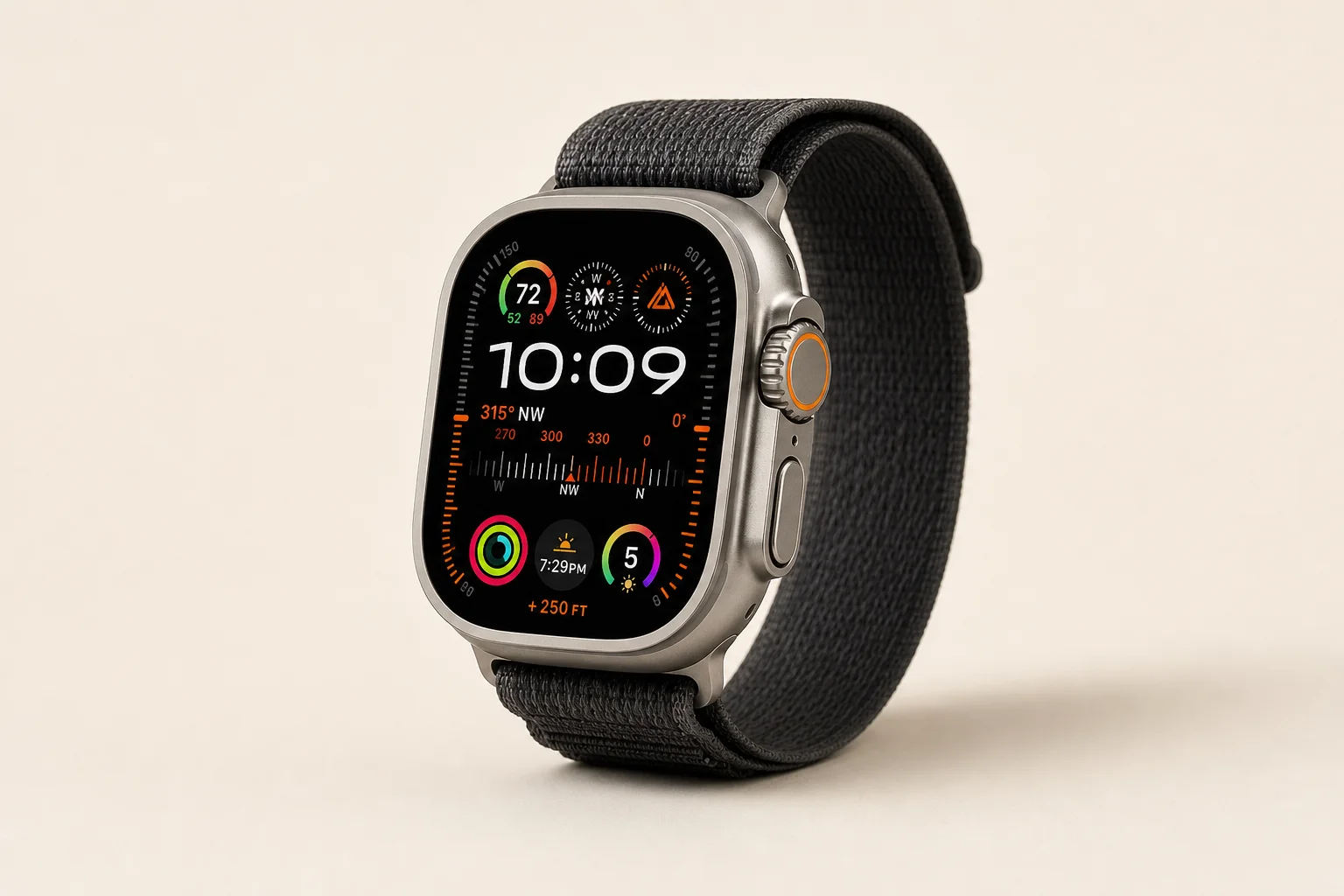
The Apple Watch Ultra 2 takes the opposite approach. Its battery is not in the same class as a Fenix, but it is large enough that charging during a shower covers most days, with a longer top-up needed only every few weeks. That is a workable routine rather than a compromise, even if the long battery life of the Fenix watches is the one thing genuinely missed when switching.
The Fenix features that are hardest to leave behind are the built-in flashlight and the physical buttons, which are far easier to use when your hands are sweaty or the conditions are poor. There are workarounds on the Ultra 2: water lock helps with wet-screen handling, and tap gestures can move through screens. Navigation can be handled with a dedicated app that requires you to send maps to the watch first, which is a quick extra step but produces a clean, readable map experience with the action button toggling between map and data.
Offline mapping has also improved. Downloading offline maps for your area through Apple Maps gives you roads and trails on the watch. You will not get turn-by-turn guidance, but you can see whether you are on the trail and make decisions from there, which covers most bail-out scenarios.
The standout advantage is fall detection and crash detection. If you fall, the watch can trigger an SOS, call emergency services over cellular, and fall back to a satellite connection through a paired iPhone when cellular is unavailable. On remote trails or on a road far from help, that capability is difficult to argue with, and it is the feature that keeps bringing the Ultra 2 back onto the wrist as a daily watch.
Daily conveniences round it out: offline voice assistance for notes and reminders away from signal, the ability to take a call, and a training app whose recovery and exertion graphs are straightforward to read. For a watch that handles work, travel and the occasional long hike, it holds up well.
Buying Advice: Matching the Watch to Your Priorities
If you want the most capable Garmin and the remaining quirks do not concern you, the Fenix 8 is now a defensible flagship purchase, with the understanding that firmware updates will keep improving it. If value matters more, the Fenix 7 Pro and Epix Pro are both excellent watches, and the Epix Pro in particular offers a navigation flow many owners prefer.

If your days are varied rather than spent entirely outdoors, and you want a watch that handles messages, calls and planning while still supporting a long hike, the Apple Watch Ultra 2 is a strong all-rounder. Its emergency detection features are the clearest reason to choose it over a dedicated sports watch.
One practical note: the Apple Watch Ultra 2 assumes an iPhone. Buyers on Android should look at Garmin options or comparable Android-friendly smartwatches instead, and judge each model on the features they will actually use.
Conclusion
All four of these watches are capable, and the differences come down to what you prioritise. The Fenix 8 has grown into its flagship role and is finally worth considering. The Fenix 7 Pro and Epix Pro remain dependable, better-value alternatives with proven track records. The Apple Watch Ultra 2 wins on everyday convenience and safety detection, at the cost of the multi-day battery life that makes the Garmin line so appealing on longer trips. Match the watch to your real routine, and any of them will serve you well.
Further reading
Related Reviews
Smartwatches
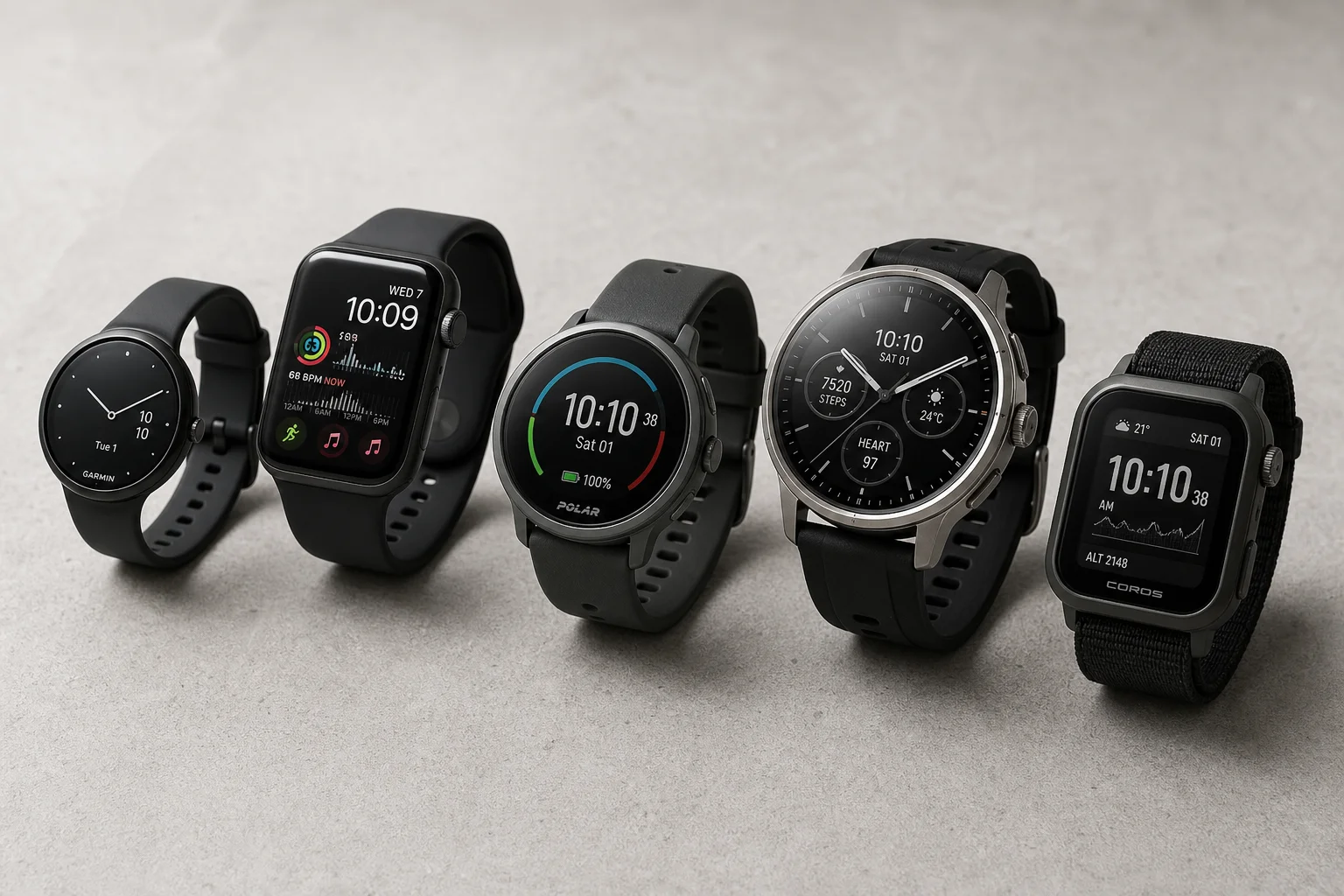
Best Budget Smartwatches 2026: Five Affordable Options That Actually Work
Five budget smartwatches tested for real daily use. From entry-level options to premium features at fraction of the cost, here's what actually delivers.
Smartwatches
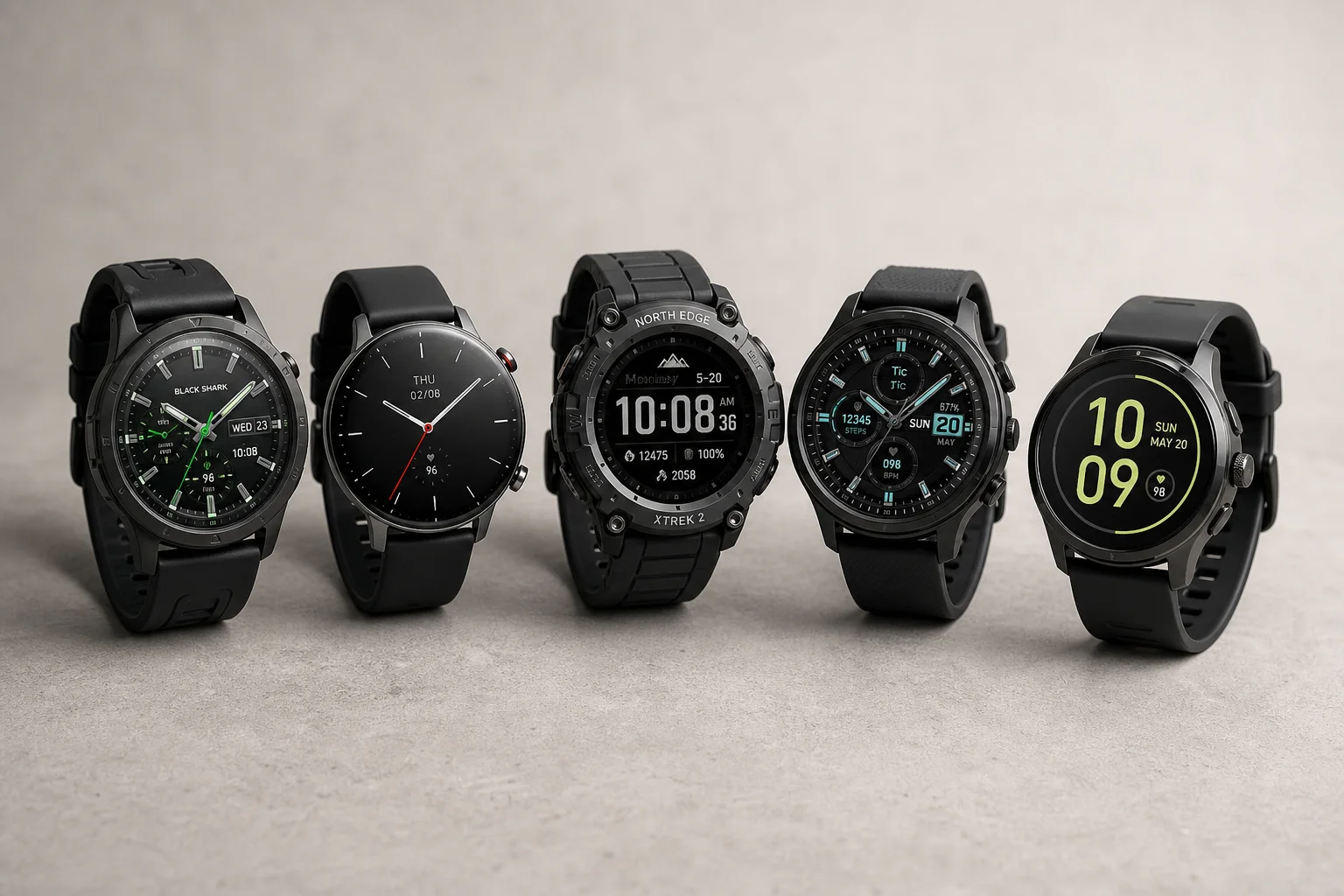
Best Smartwatches on AliExpress 2026: Five Practical Options for Different Needs
Five smartwatches with strong customer feedback and competitive pricing, each suited to different priorities: premium design, battery life, outdoor durability, advanced health tracking, and sports versatility.
Smartwatches
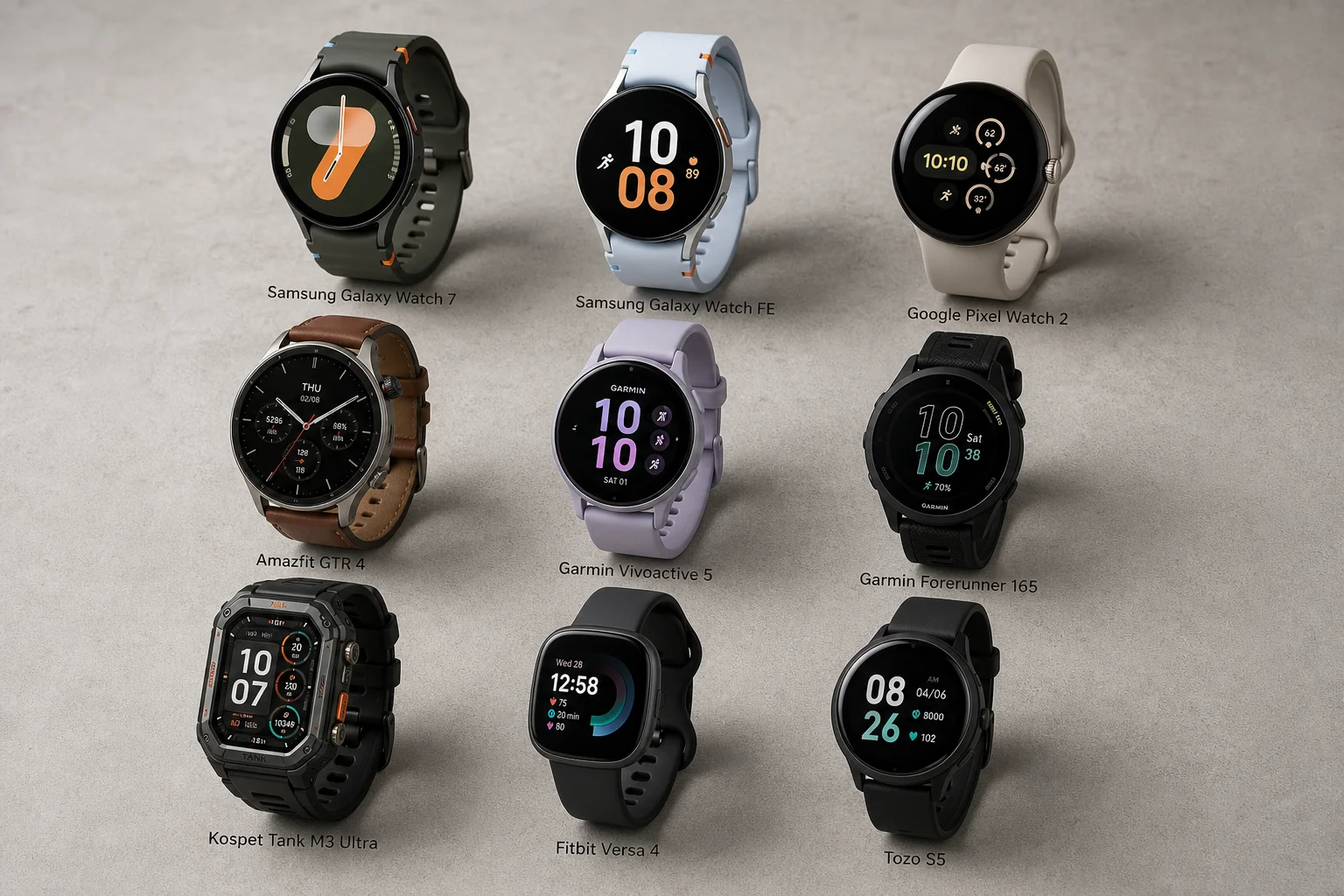
Best Smartwatches Under $300: 9 Practical Options for Every Need
A curated selection of nine smartwatches under $300, each excelling in health tracking, durability, battery life, or fitness features. Find the right match for your lifestyle.