Gravel Bikes
Best Adventure Gravel Bikes for Bikepacking: Five Options Worth Considering
Five adventure-ready gravel bikes compared, from budget steel to carbon bikepacking platforms and a rear-suspension design built for rough surfaces.
Introduction
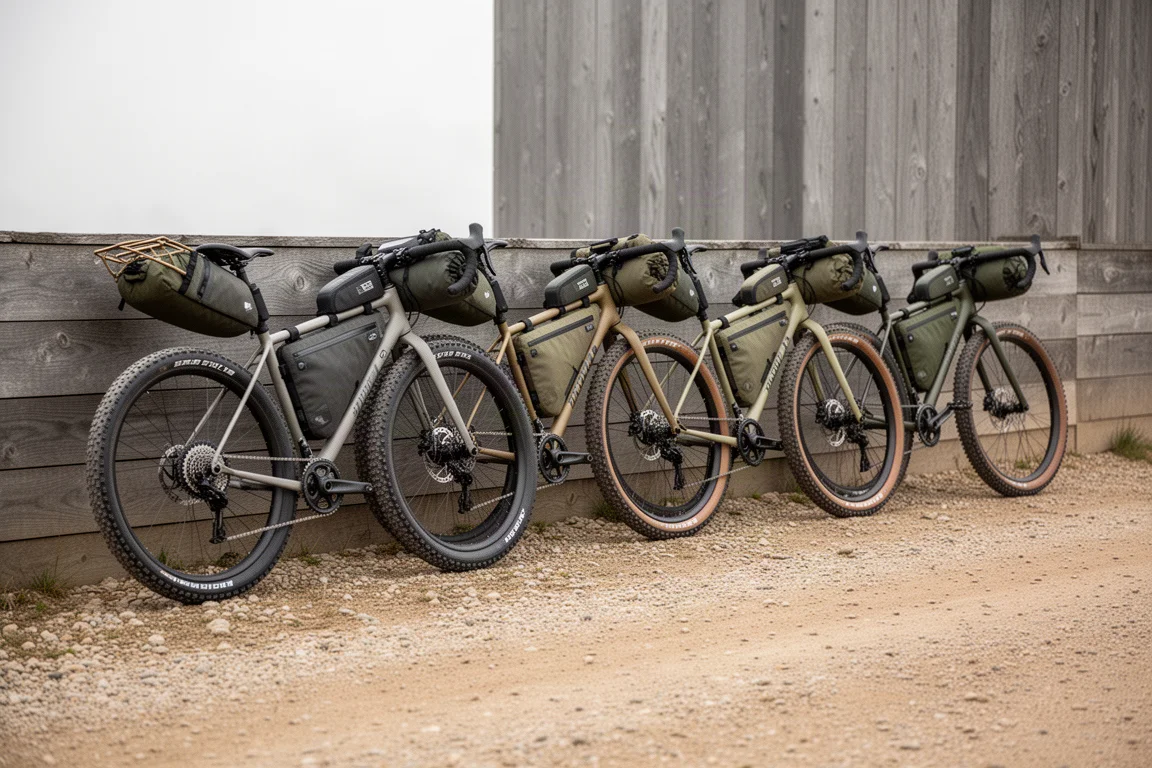
Gravel bikes have become the default choice for riders planning bikepacking trips, and it is easy to see why. They take wide tires, carry luggage, and stay composed when the surface turns rough. The five bikes below each interpret that brief differently, from a lightweight carbon platform with generous tire clearance to steel frames with mountain bike components and a rear suspension design that is unlike anything else in the category.
Not every rider needs a dedicated adventure bike, and the final section covers what to consider if you would rather adapt the bike you already own.
What Makes a Good Adventure Gravel Bike
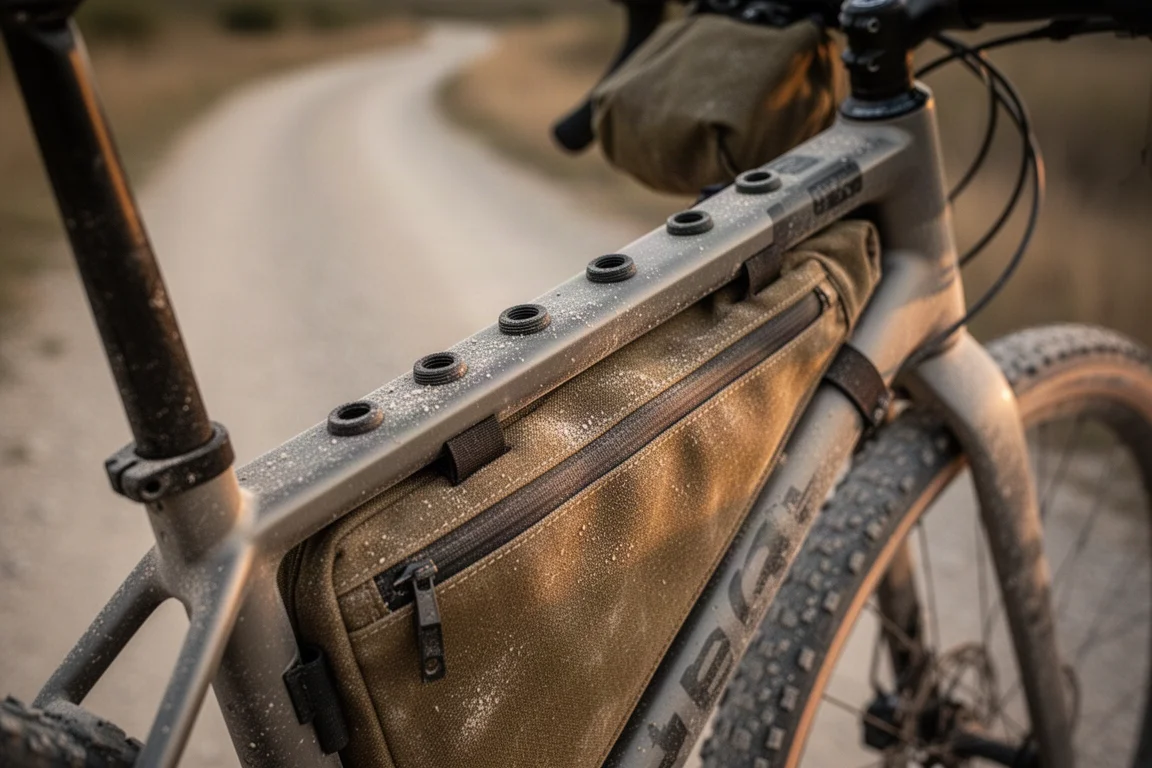
Loaded riding changes what matters. Frame mounts and rack compatibility decide how much luggage you can carry, tire clearance determines how much comfort and grip you can dial in, and geometry shapes how the bike behaves when it is heavy and the terrain is loose.
Gearing deserves equal attention. A wide-range cassette and a modest chainring make steep climbs manageable with bags fitted, while stable handling and a slack front end help on descents. Braking power and wheel durability also carry more weight on a loaded trip than they do on a fast local loop.
Price is the final variable. There are capable bikepacking bikes at almost every budget, and the differences between them often come down to frame material, component specification, and how much adjustment the rider wants to make.
Canyon Grizl
When it launched, the Canyon Grizl was one of the first bikes from a mainstream brand built specifically for serious gravel riding, and it arrived with a full complement of bikepacking luggage in mind. The carbon frame offers ample 50 mm tire clearance and multiple frame mounts, so the adventure brief sits at the forefront of its design.
The Grizl CF SL 8 runs a full Shimano GRX RX810 groupset with a 40-tooth chainring and an 11-42-tooth cassette, which is enough to crank up almost every climb even with the bike loaded. Mountain bikers tend to feel at home on the geometry, which combines a long reach, a short stem, and a moderately wide bar to deliver off-road stability while creating the toe clearance needed for large tires.
The range is broad. The Grizl is available in a huge number of sizes and specification combinations, with a choice of a suspension fork or a carbon fork, and either a dropper post or a split seat post. The retro paint job on the CF SL 7 makes it a particularly appealing pick.
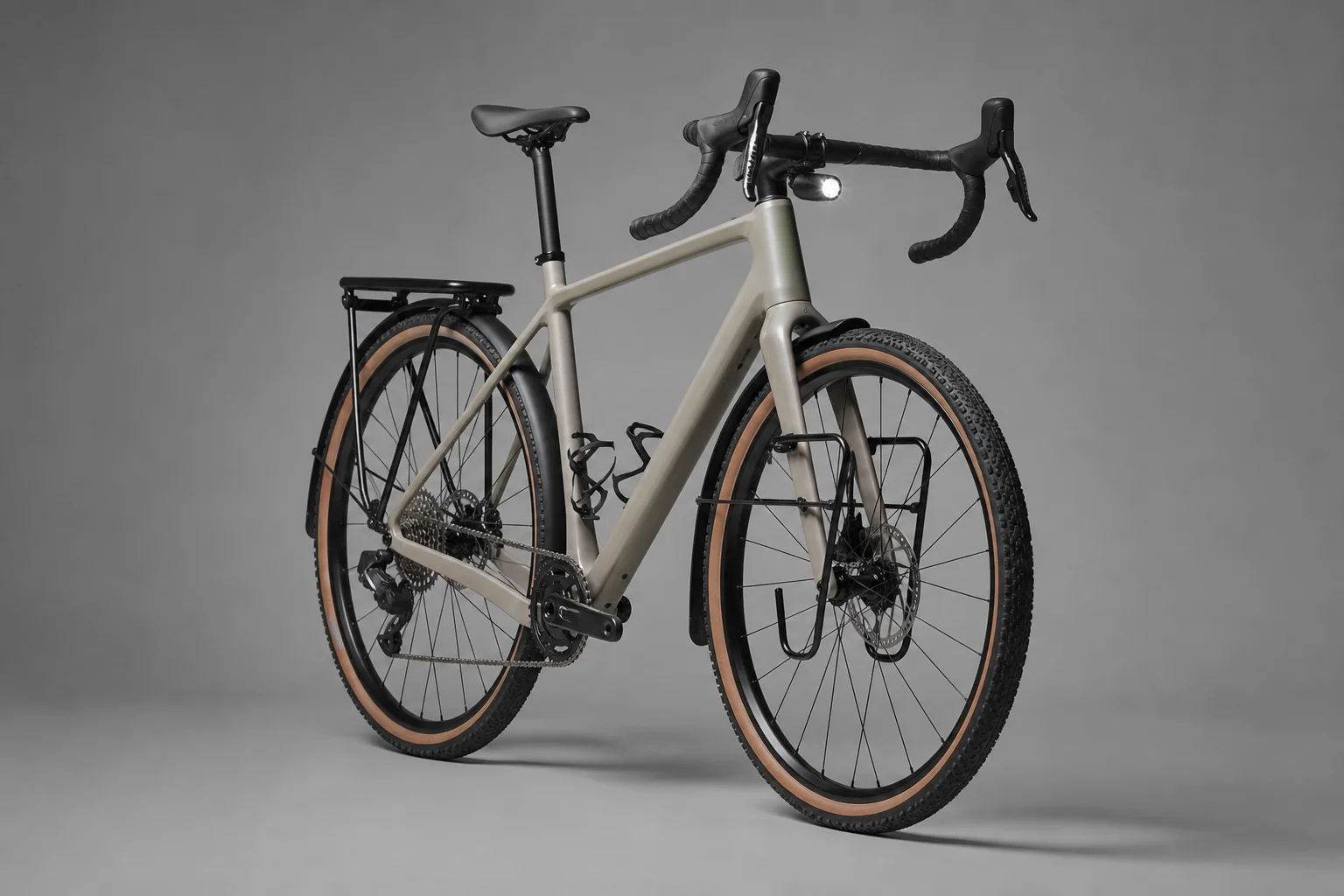
Focus Atlas
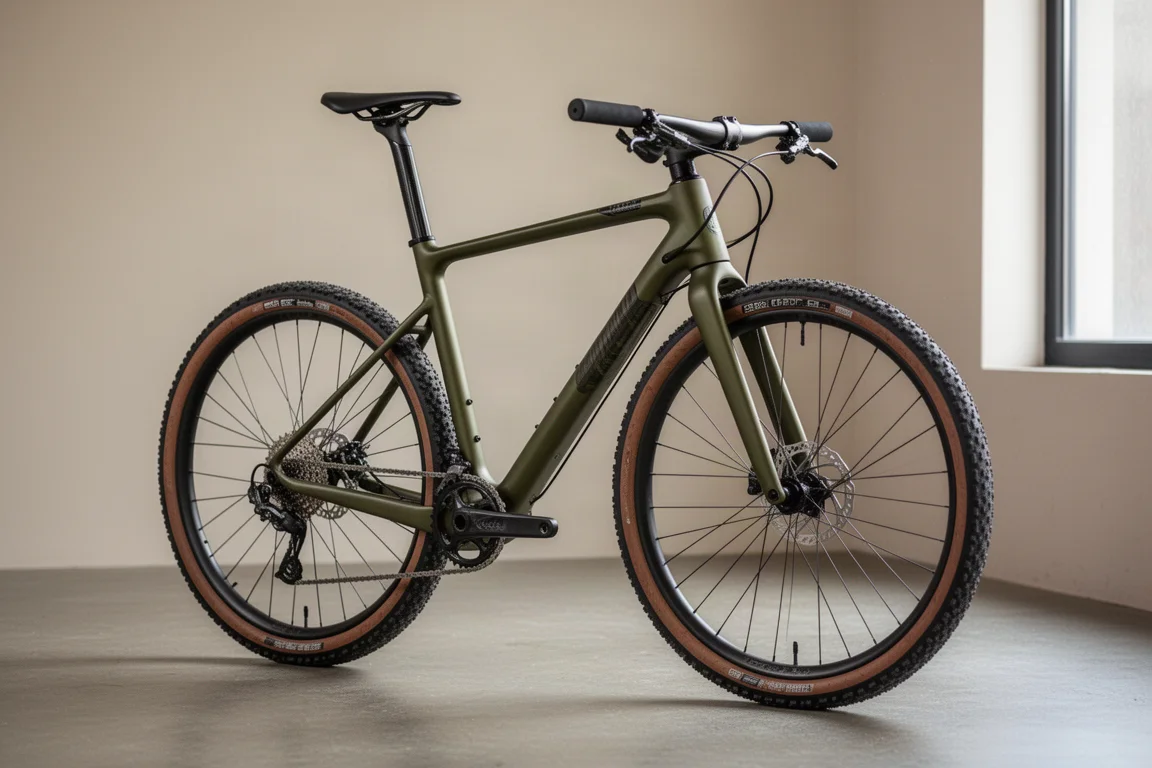
The Focus Atlas is designed around big-mile adventuring. Focus has developed specific accessories and racks to get the most from its load-carrying potential, including an Adventure rack offered in carbon or alloy. Slim seat stays and a robust fork support that loaded-touring role.
The combination of a long reach and a short stem makes the Atlas quite a long bike, which translates into a smooth ride feel. A slack 70-degree head angle adds confidence on descents, while very short chain stays keep the bike playful and agile. It is a blast to ride at speed.
Pricing is reasonable for the specification. The Focus Atlas 8.7 comes in at £2,999 with a carbon frame, DT Swiss 1800 wheels, and a Shimano RX810 groupset. The alloy 6.8 version is notably confident and controlled off-road, particularly in steep or rough terrain, and is almost jarringly easy to ride no-handed.
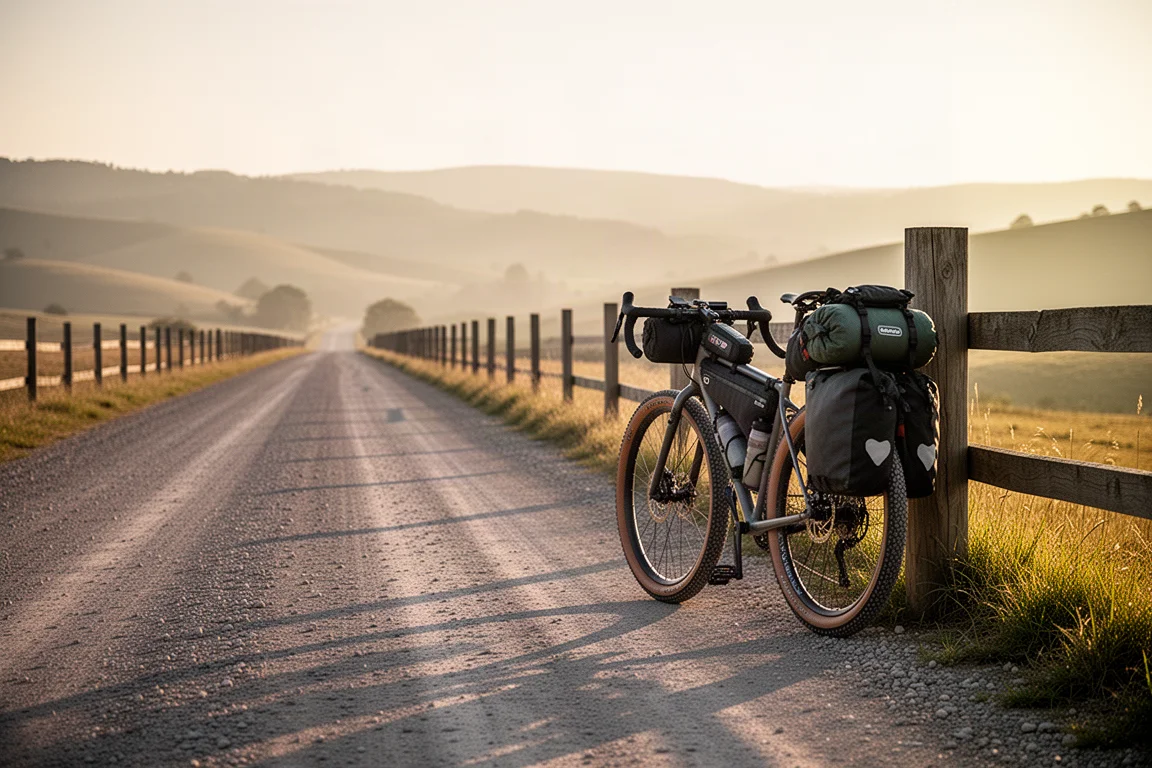
That composure matters on long days. A bike that stays carefree to ride when the surface is loose leaves more attention for navigation, luggage, and the landscape around you.
Marin Nicasio
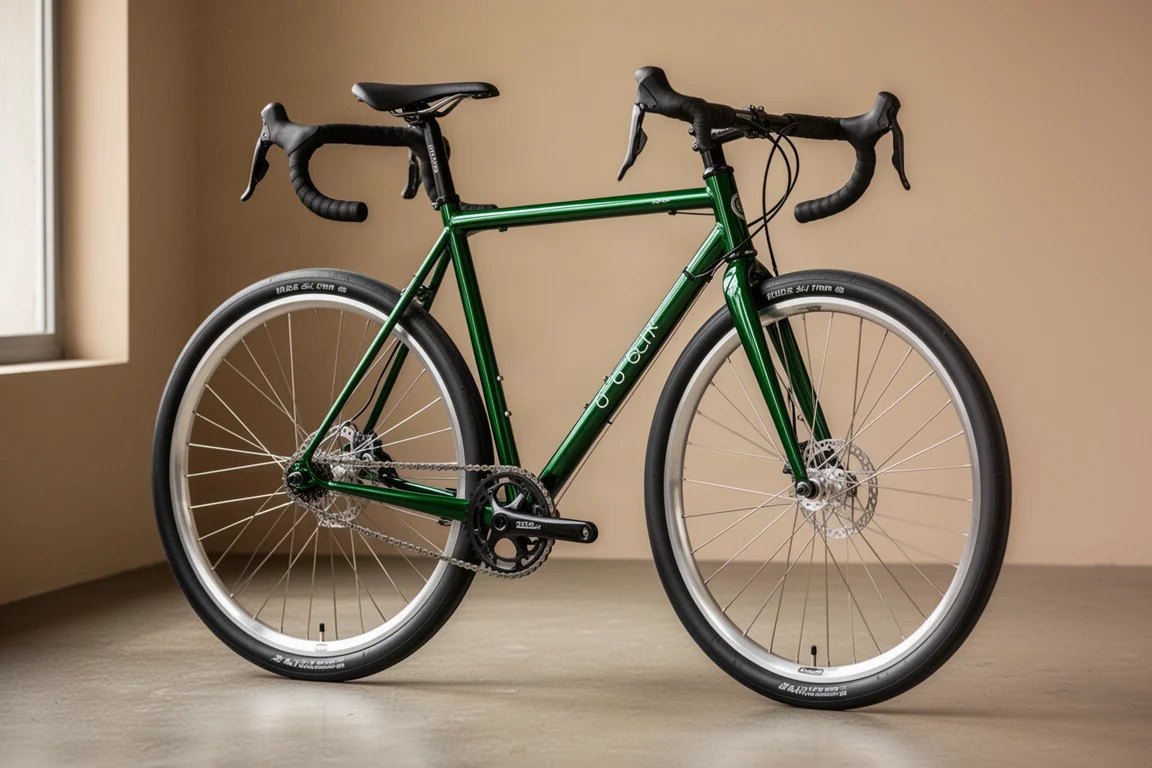
A capable off-road machine does not have to cost thousands. The Marin Nicasio starts at $899 and tops out at $1,699, and for that money you get a bikepacking-ready bike with decent components built around a sturdy and comfortable steel frame.
Mounts appear on every surface, which makes it straightforward to carry all manner of bikepacking bags for multi-terrain adventures. Dependable alloy gravel wheels are paired with WTB Horizon tires, and the large 47c volume slicks make every ride feel cushiony smooth.
The drivetrain is neither SRAM nor Shimano. Instead the Nicasio uses Microshift Advent components, a one-by groupset that combines simple drop bar levers with right-hand-only shifting, and it is almost as crisp as Shimano and as fast as SRAM. The Tektro mechanical disc brakes are the one component worth changing, since they miss the power of hydraulic equivalents.
At around 13 kg for a size large, the Nicasio makes long steep climbs a little harder, and the middling brakes turn descents into more of a test of nerve. It remains an incredibly fun bike that handles serious off-road terrain with aplomb and positively encourages bad behavior. When you realize you have spent less on the whole bike than other riders spent on wheels, that becomes an easy trade to accept.
Surly Grappler
Minnesota-based Surly does things differently, and the Grappler is no exception. It takes the basic outline of a gravel bike, drop bars and big tire clearances, and switches things up to create something genuinely unusual.
The geometry is an unusual mix of numbers: a tall 641 mm stack, a long 458 mm reach, and an even longer 1,162 mm wheelbase. In practice that produces a bike that is comfortable, stable, and excellent fun off-road.
Components lean toward mountain biking. The steel frame has huge clearances designed to work with both 29er and 650b wheel sizes, and it carries a wide 11-48-tooth cassette, a 100 mm travel dropper post, and boost-spaced hubs.
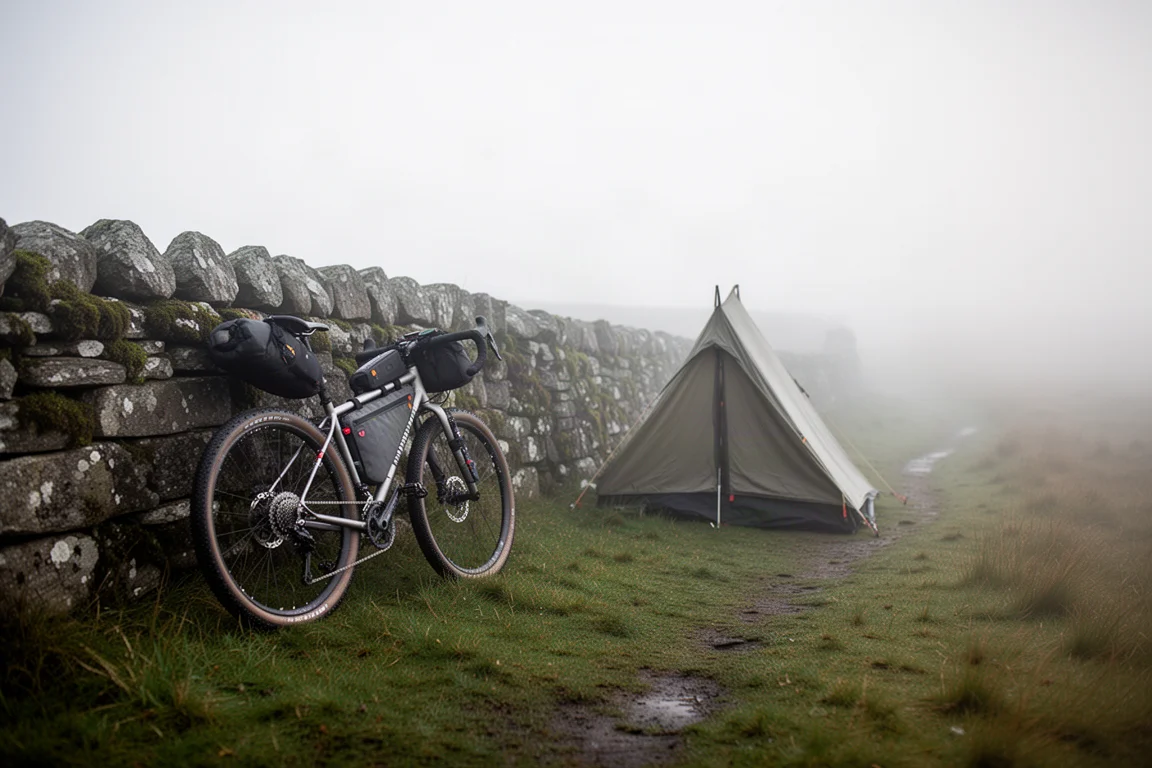
Mounting options suit almost any expedition. There are triple mounts on the fork legs, triple bottle bosses on top of the down tube, three more mounts underneath it, bottle bosses on the seat tube, plus mudguard mounts and rack bosses. A Microshift drivetrain keeps the cost down, and the complete bike is priced at $1,899 or £2,350.
Specialized Diverge STR
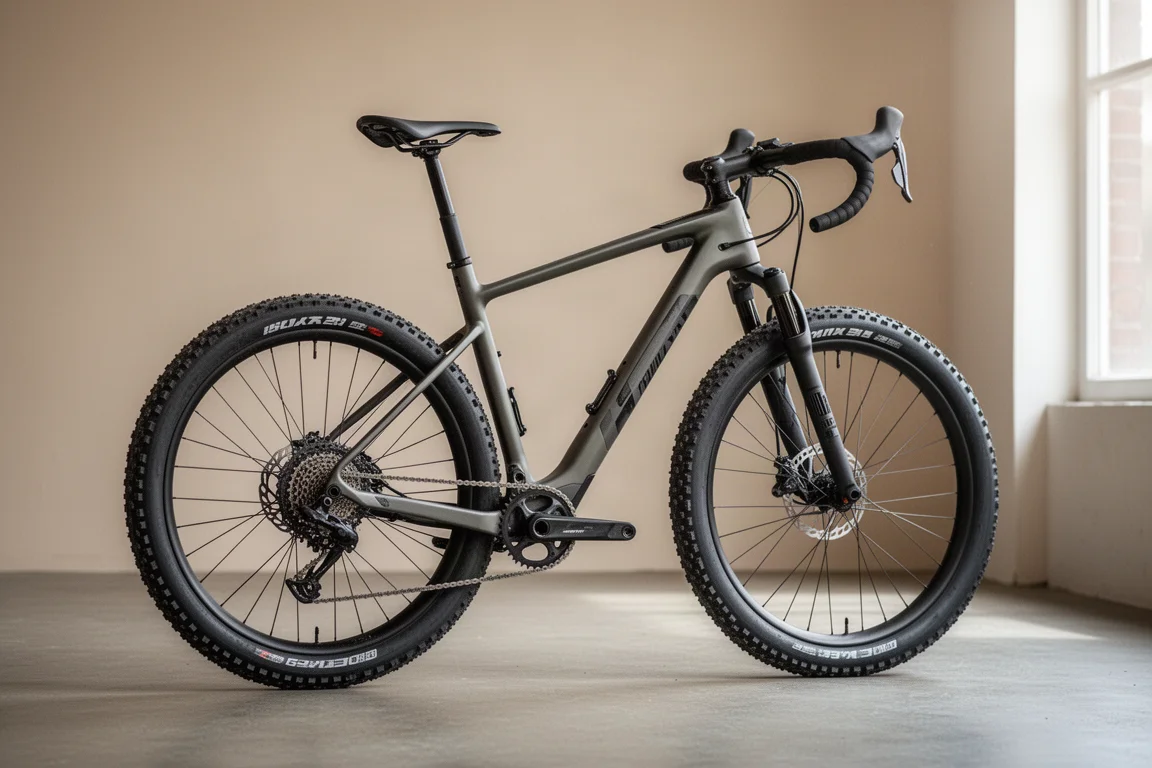
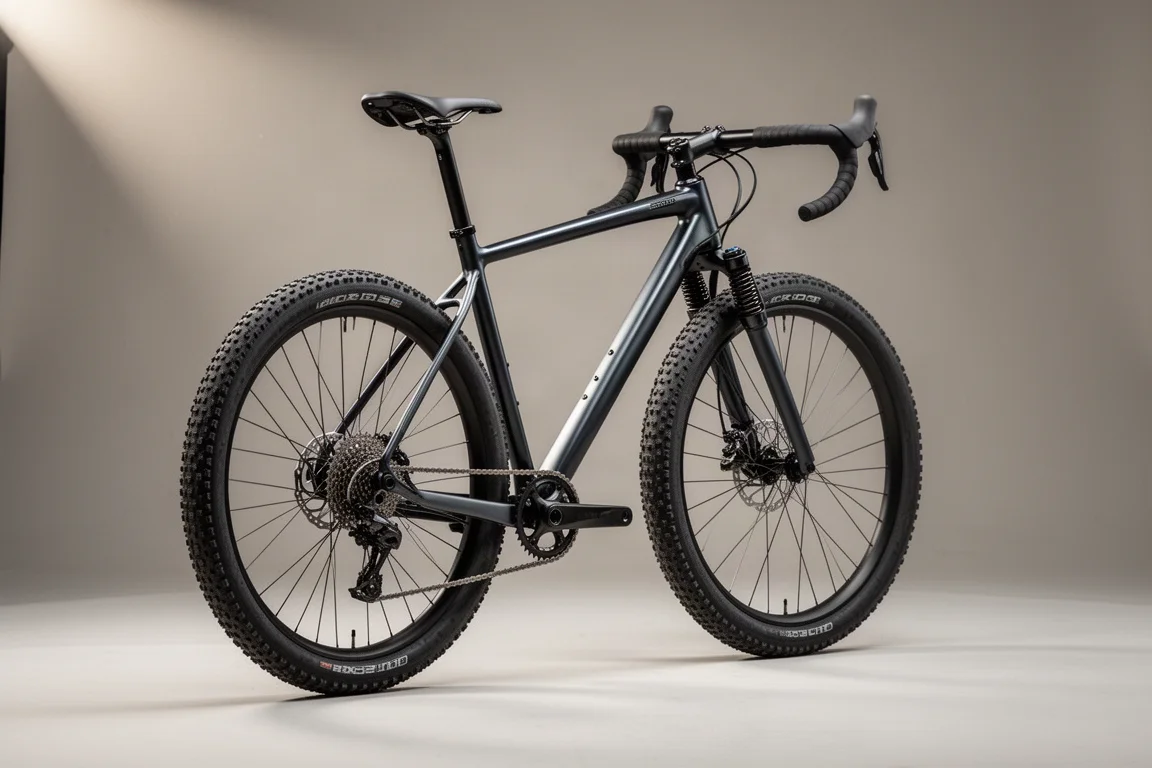
The Diverge was already a well-known gravel bike when the STR version arrived in 2023, and it turned heads immediately, not always for the reasons a brand might hope. The distinctive element on the top tube is a rear suspension system that provides 30 mm of rear wheel flex.
That system is genuinely effective at smoothing the ride, although it can be tricky to set up. Once dialed in, the bike feels very controlled and super smooth over chattery fire roads. Like many suspension designs, it offers three modes, open, closed, and firm, which can be controlled on the fly with a lever.
Beyond the headline design, the Diverge STR is a capable and versatile gravel bike. It comes with the Future Shock 2.0, which provides around 20 mm of bump-absorbing travel at the handlebars, along with a Roval carbon wheelset, an alloy cockpit, and a carbon seat post. The drivetrain is a mullet setup that pairs SRAM Rival eTap AXS one-by cranks and shifters with a SRAM GX Eagle mountain bike rear derailleur and a 12-speed 11-52-tooth cassette.
The Diverge is gloriously smooth off-road, and once the rear shock is dialed in it offers a ride like nothing else, provided you can handle the curious questions it attracts. This is a bike built for off-road fun.
Buying Advice: Matching the Bike to the Trip
Start with the terrain and the load rather than the spec sheet. If your trips involve long, steep climbs with bags fitted, gearing and overall weight matter more than aero details. If you ride rough, loose surfaces, tire clearance and stable geometry will do more for your confidence than any single component upgrade.
Frame material shapes the character of the ride as much as the numbers do. Steel frames such as the Nicasio and the Grappler trade some weight for comfort and durability, while carbon platforms such as the Grizl and the Atlas keep the build lighter and often add more mounting points.
Budget is a legitimate part of the decision. A $899 Nicasio will get you onto multi-terrain adventures, and the money left over can go toward luggage, tires, or a brake upgrade. At the other end of the scale, the Diverge STR offers a level of rear-end comfort that a conventional frame cannot match.
It is also worth remembering that a gravel-specific bike is not strictly necessary for bikepacking. Half the fun of riding off-road is challenging yourself on whatever bike you already own. Wider tires, wider handlebars, and parts such as flexy seat posts or suspension stems can transform a road bike into an adventure-ready machine.
Conclusion
These five bikes cover the adventure gravel spectrum well. The Canyon Grizl is the versatile carbon all-rounder, the Focus Atlas is the loaded-mile tourer, the Marin Nicasio is the value pick, the Surly Grappler is the mountain-bike-inspired oddball, and the Specialized Diverge STR is the suspension-backed comfort option.
Match the bike to the riding you actually do, and any of these will carry you and your luggage well beyond the end of the tarmac.
Further reading
Related Reviews
Gravel Bikes
3T Exploro Ultra Review: A Fast Gravel Bike Built for Big Tyres
A close look at the 3T Exploro Ultra, an aero carbon gravel bike designed around wide tyres, with road-like handling, a 980 g frame and genuine rough-terrain capability.
Gravel Bikes
3T Extrema Italia Review: Aero Gravel Speed With Room for 57 mm Tires
The 3T Extrema Italia pairs an aero frame with huge tire clearance, Italian-made carbon and a more comfortable ride than the RaceMax. Here is what to know before buying.
Gravel Bikes
3T Race Max 2 Italia Review: An Aero Gravel Race Bike Made in Italy
A closer look at the second-generation 3T Race Max 2 Italia, covering its aero updates, ride character, tire clearance, internal storage and who it suits.