Hand Tools
Best Adjustable Wrenches: Why the Classic Crescent Design Still Earns Its Place
A hands-on look at the adjustable wrenches worth owning today, from the wide-mouth Snap-on ADHW12A to the Knipex Plier Wrench and the classic Crescent.
Introduction
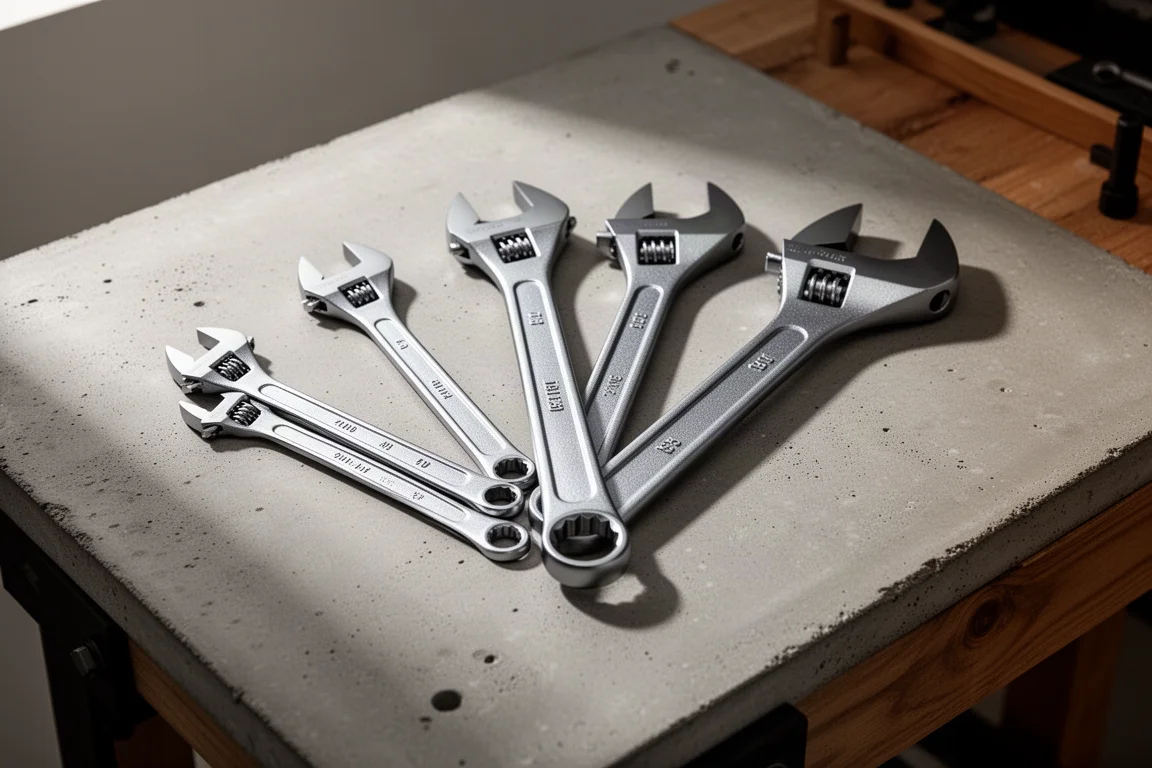
The adjustable wrench has been around in some form since before 1850, and it reached peak ubiquity when it shipped as a point-of-purchase accessory with Ford cars. With so many alternatives now available, including camming-mechanism wrenches and the Knipex Plier Wrench, it is fair to ask whether the classic design is obsolete. Obsolete does not mean worthless, and after extensive hands-on use, the adjustable wrench remains one of the best tools for working blind, when you cannot see the fastener but can feel your way to a solid grip. This guide covers the wrenches that stand out, what makes a wide-mouth design worth the upgrade, and the trade-offs to weigh before buying.
Why Adjustable Wrenches Still Matter
Plenty of tools threaten to replace the classic design. Locking pliers are adjustable. Pipe wrenches handle larger work. The Knipex Plier Wrench is an excellent execution of a different approach. But the adjustable wrench has qualities none of them fully replicate: you can adjust it one-handed, you can feel exactly where the jaw sits, and you can get it onto a fastener, wiggle it around, and feel when it is properly seated. On a blind job, reaching into a space you cannot see, it outperforms almost anything else, including slip-joint pliers. It also goes down to zero, closing flush with no minimum jaw capacity.
That said, the design has critics. Some argue adjustable wrenches strip bolts and that everyone should move on to alternatives. The counterargument is straightforward: used with reasonable care, the design is simply too handy to abandon.
The Standout: Snap-on ADHW12A 12-Inch
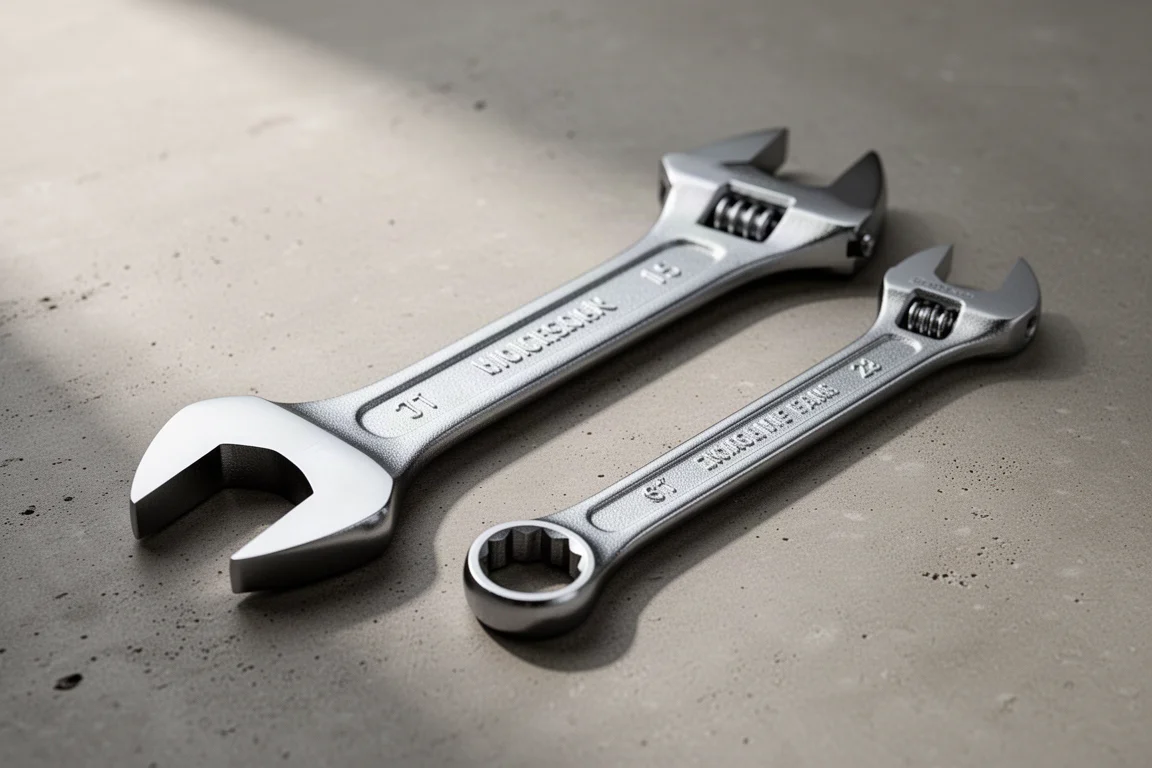
This is the wrench that changed the ranking. Part number ADHW12A, it shares its handle design with Snap-on’s FADH12A, and the two are hard to tell apart at a glance. Both are 12 inches, but the ADHW12A is a different class of tool entirely. Its jaws open to two and a quarter inches, compared to roughly an inch and a half on a conventional 12-inch wrench, which is three quarters of an inch more bite. The jaw barrel is noticeably beefier, and the extra capacity makes it genuinely usable for plumbing work. It also closes all the way down to zero, so there is no minimum jaw size, and the fine jaw tip can still work on small fasteners when needed. It runs about 130 dollars off the Snap-on truck.
For context, older Snap-on wide-mouth models, some made in Sweden by Bako and one made in Spain, offered wide openings but felt anemic in comparison. One large 12-inch model had an opening barely wider than a six-inch wrench opened fully.
Runner-Up: Channellock Code Blue Wide-Mouth
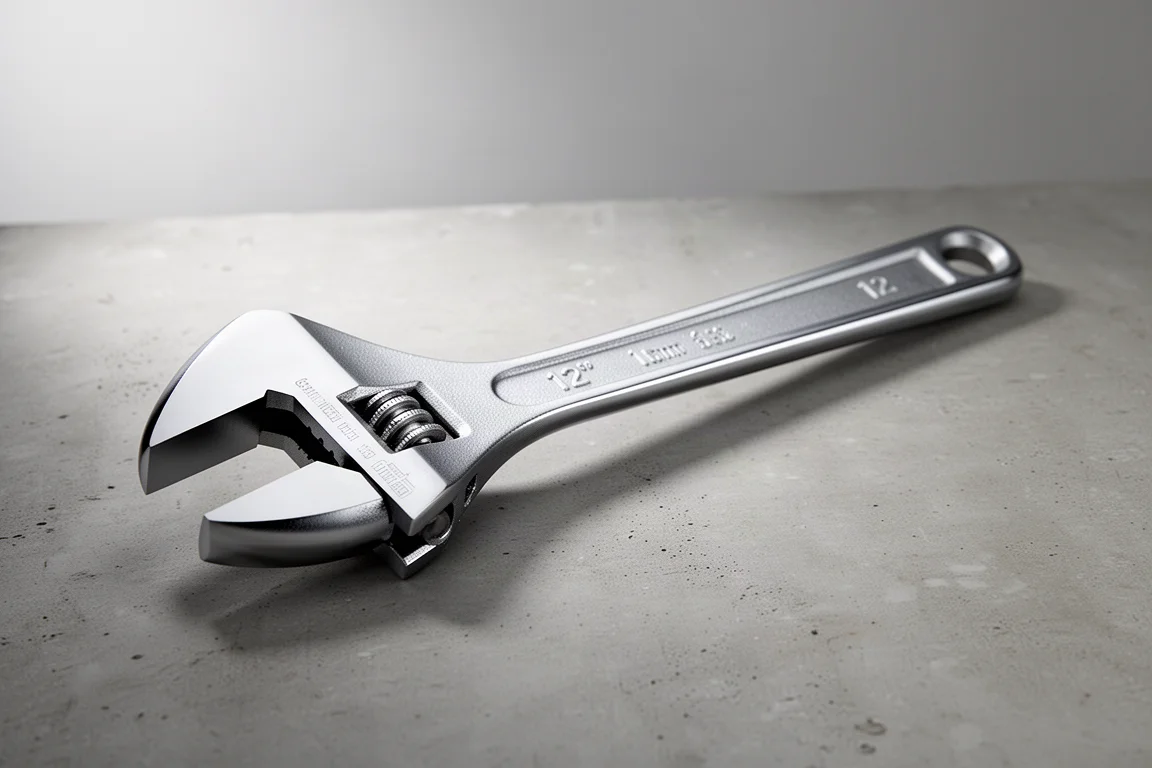
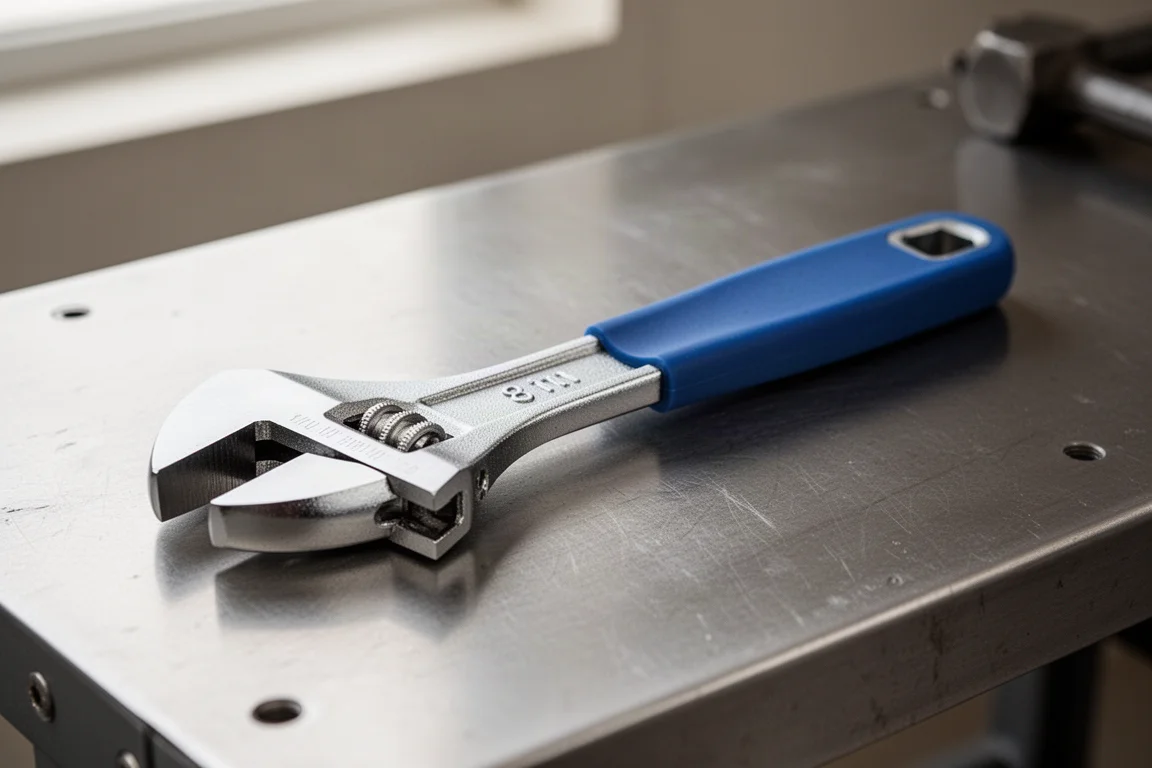
The Channellock Code Blue is another wide-mouth favorite, made in Spain like some of the Snap-on models. It delivers a nice big opening at a more accessible price point. The compromise is finish quality: the Code Blue shows more machining and tool marks and carries less chrome than the premium alternative. The handle was also a point of hesitation, so much so that one was cut down to compare, and the shorter version was actually preferred, echoing how older smooth-metal Snap-on handles from the 1950s feel best in the hand. If you want wide-jaw capacity without the top-tier price, this is a strong pick.
The Alternative Approach: Knipex Plier Wrench
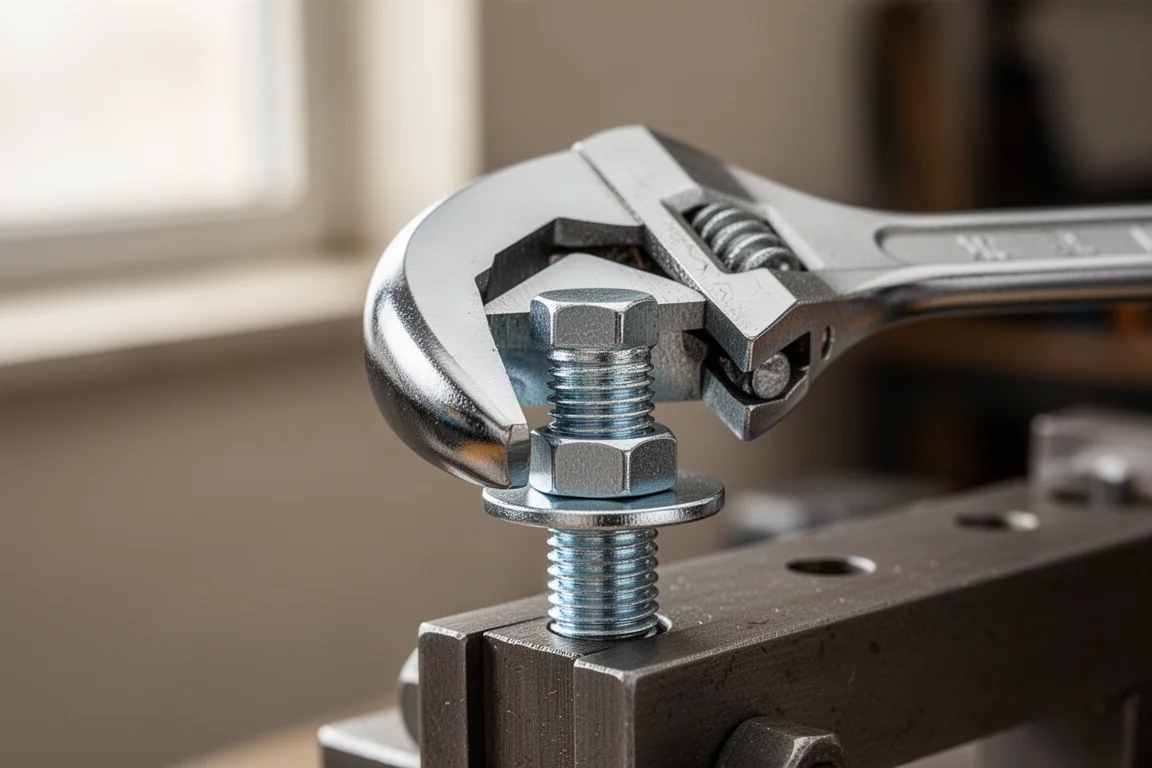
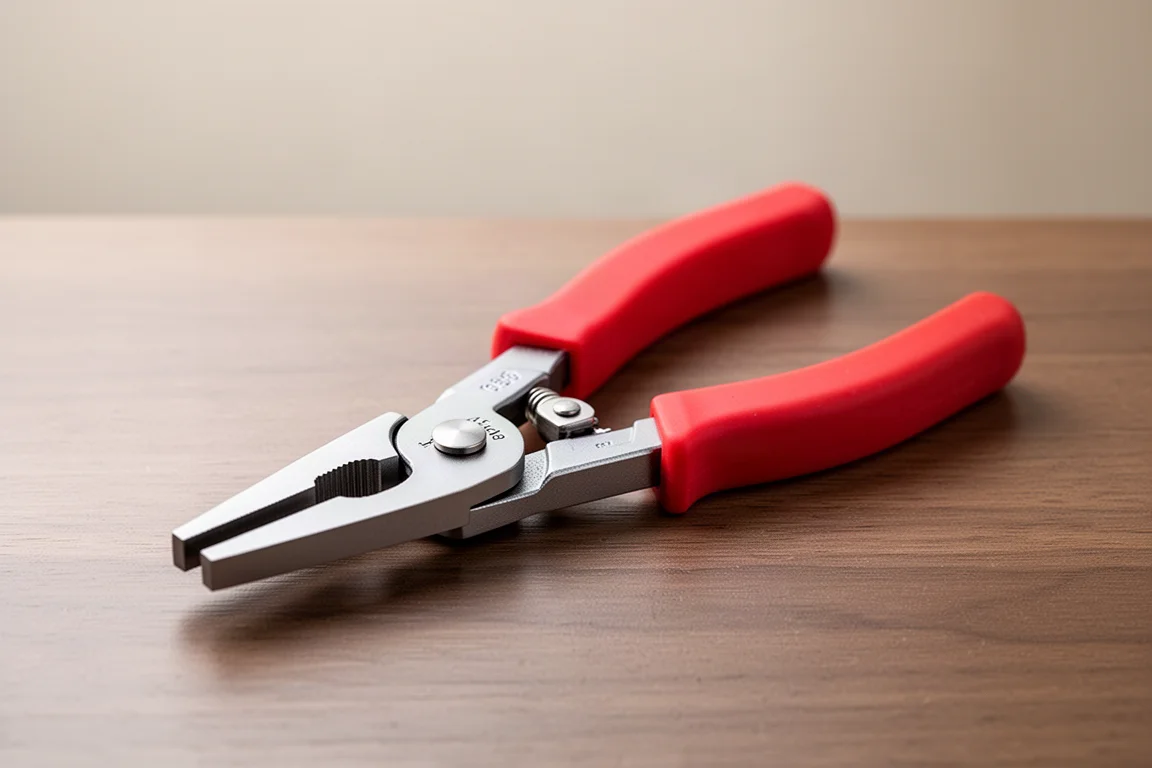
The Knipex Plier Wrench is genuinely great execution, and many people have moved to it entirely. But it has real trade-offs for certain working styles. Adjustment is effectively two-handed when you are trying to land on the right size. The jaws can grab the corners of a fastener instead of the flats, which becomes a real problem when you are working blind and cannot see what the tool is doing. And it needs to be seen to be used well; it does not work as effectively by feel alone. For visible, deliberate work on a bench, it is excellent. For reaching around a corner and trusting your sense of touch, the classic adjustable wrench still wins.
The Directionality Debate
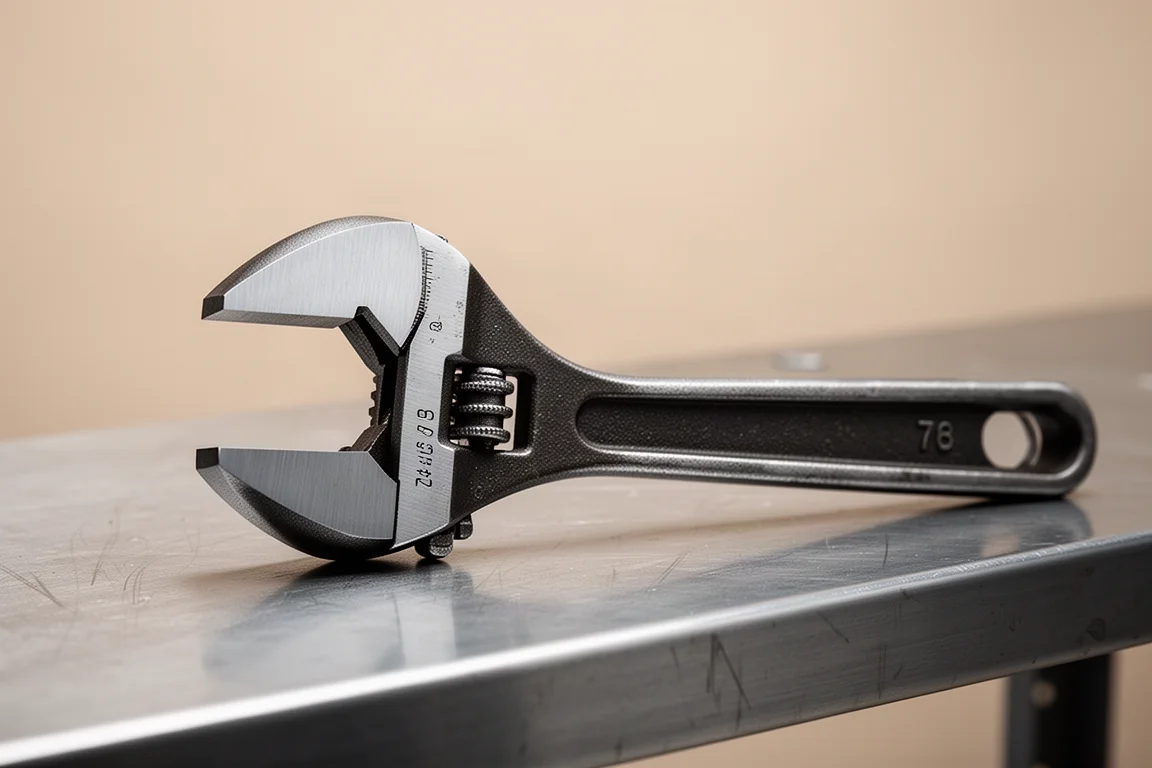
Older wrenches, including vintage Snap-on models, carry an arrow indicating the intended direction of travel, designed to push toward the moving jaw part. Turn it the other way and, depending on who you ask, you risk breaking the wrench, shifting the jaw mechanism so force is applied where it should not be, or stripping the nut. The skeptical view notes that equal and opposite forces should mean the jaw pressure is the same in either direction, and that the real risk is the slight movement in the top jaw making slippage and bolt rounding more likely against the direction of travel. In practice, directionality most plausibly matters when applying maximum force, not during casual use. Notably, modern designs like the ADHW12A carry no directionality and can be used in either direction, which adds to the confusion. Flank drive style markings on some wrenches suggest there is something real to how jaws engage a bolt, and the question remains open.
The Classics Still Worth Owning
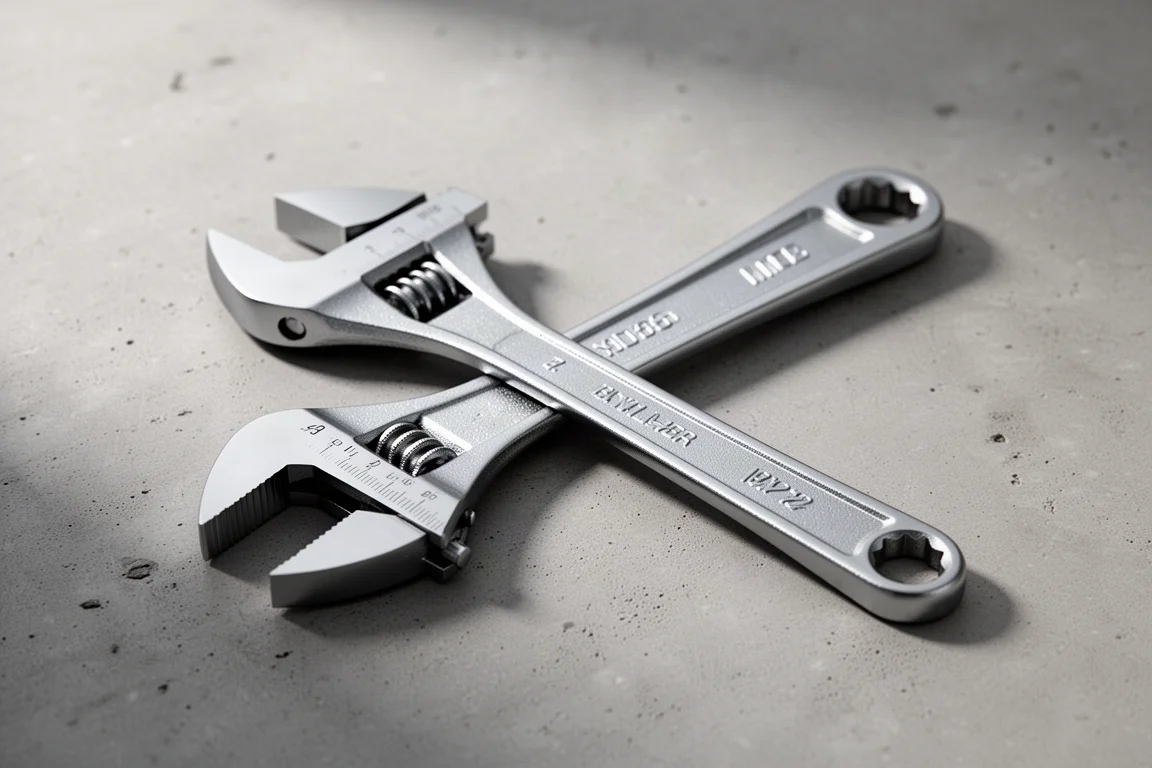
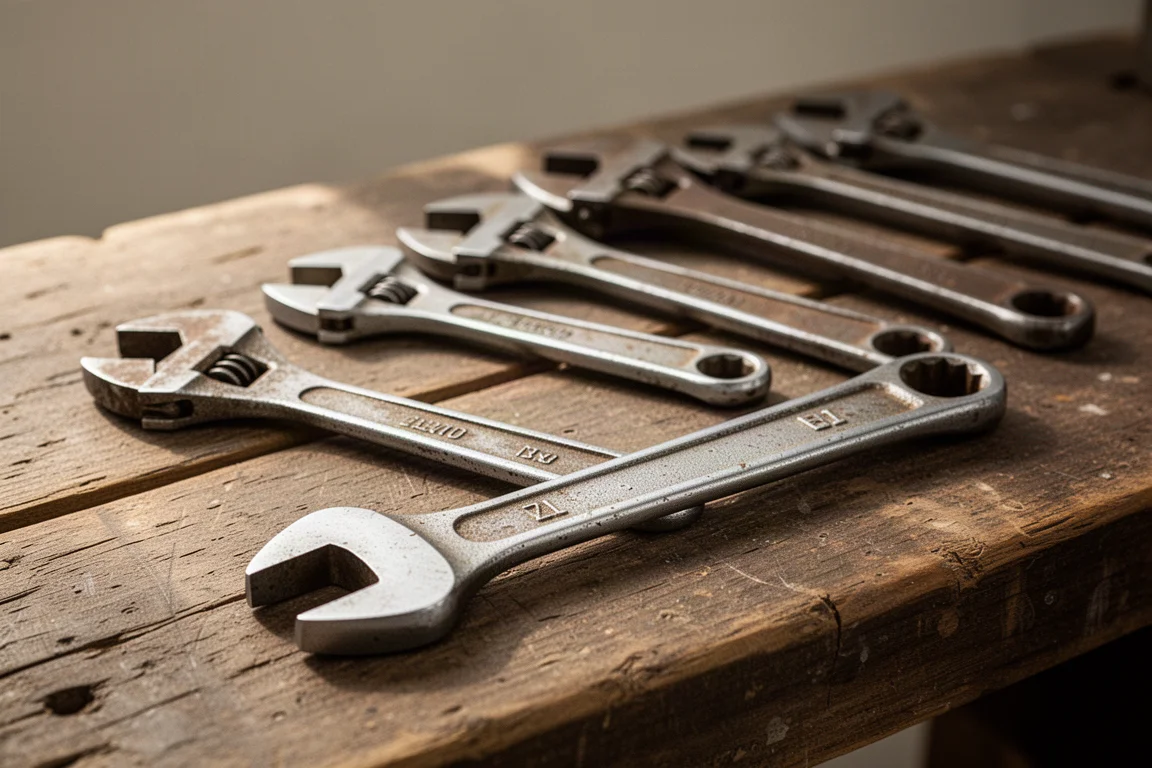
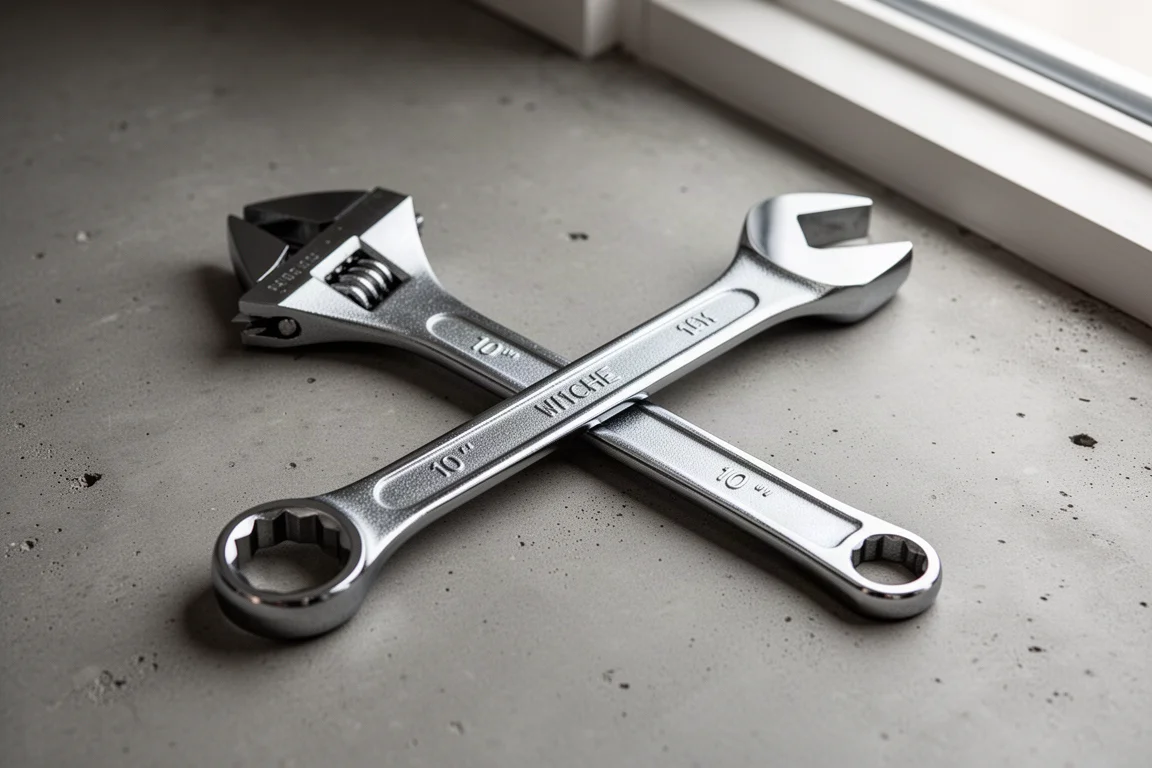
A few longtime favorites round out the picture. A USA-made Craftsman, owned for years with chrome starting to wear, still works but the small adjustment wheel is tough to spin and the jaw opening is small; a 15-inch USA-made Craftsman comes close to the big Snap-on in overall size despite being three inches shorter. A Proto professional 10-inch, also USA-made, shows similar chrome wear from hard use. A 12-inch Great Neck, made in Japan per the handle marking, remains appealing mostly for nostalgia and brand affection. And there is the original Crescent: an older example with the Jamestown, New York USA marking, still working despite years of abuse. Vintage four-inch Crescent wrenches were made in both the USA and elsewhere, and quality varied; one imported example performed poorly before the company replaced it with a USA-made version. A personal favorite remains an old small Snap-on with a smooth bare-metal handle, narrow and no longer the most useful, but simply the best feeling in the hand on blind jobs.
Buying Advice
If jaw capacity is your priority, a wide-mouth 12-inch like the Snap-on ADHW12A is the clear upgrade, though it comes at a premium price. The Channellock Code Blue gets you most of that capacity for less, with a rougher finish. If your work is visible and deliberate, the Knipex Plier Wrench is a genuinely excellent alternative, just keep in mind its two-handed adjustment and weaker blind-use feel. For a household drawer or a mini tool kit, a quality smaller adjustable wrench covers most everyday fasteners, and staying within smaller nut and bolt sizes means you are not extending the lever arm to its weakest point. Whatever you buy, check the jaw capacity spec against the fasteners you actually encounter rather than relying on overall length.
Conclusion
The adjustable wrench is not dead. It is a mature design that still does things its competitors cannot, especially when working by feel in tight or hidden spaces. The wide-mouth format is where the meaningful recent progress lives, and the Snap-on ADHW12A is the benchmark. Match the wrench to how you actually work, and the classic design will keep earning its spot in the kit.
Further reading
Related Reviews
Hand Tools
Best Diagonal Cutters 2026: 16 Pliers Tested for Cutting Power and Durability
We put 16 diagonal cutters through nail, screw, drill bit, and hex key tests to find the best value picks for your toolbox.
Hand Tools
Best Hex L Key Sets 2026: Nine Sets Tested for Real-World Torque
Nine hex L key sets from budget to premium, tested for torque, fit, and durability. See which sets deliver real performance and which ones to skip.
Hand Tools
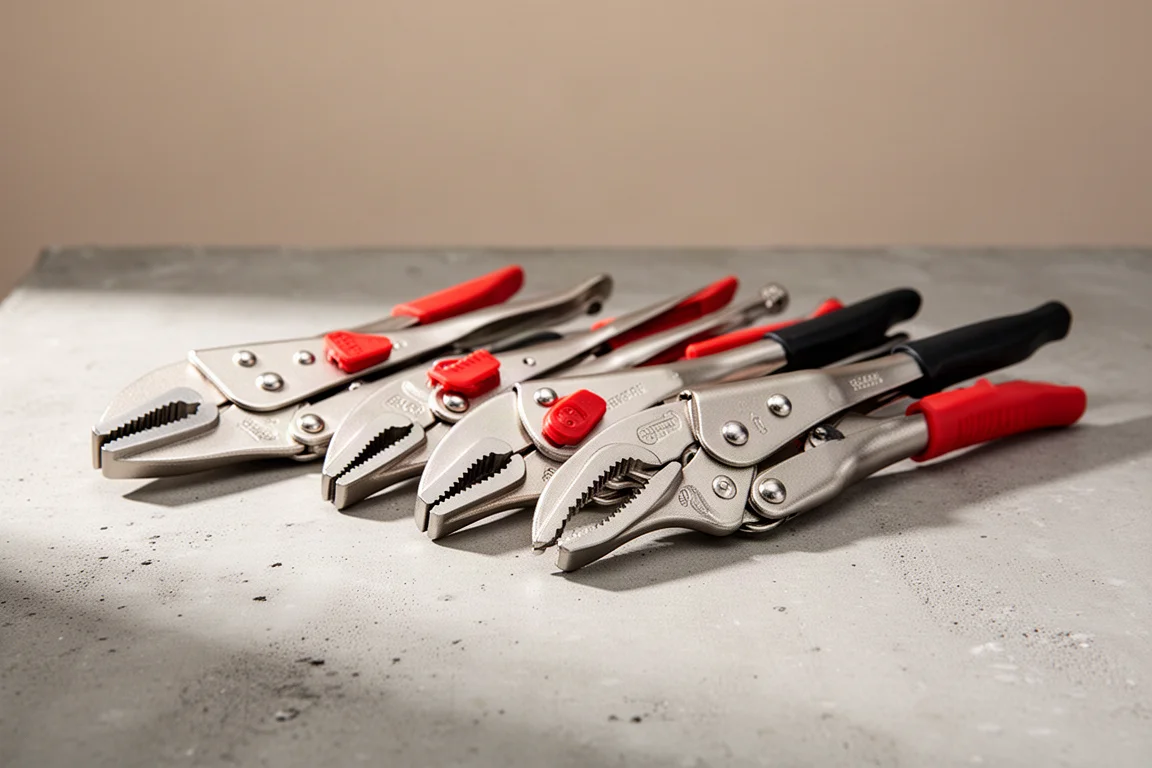
Best Locking Pliers 2026: Top Picks Tested for Grip and Durability
We tested 18 brands of 10-inch locking pliers for grip strength, jaw bite, build quality, and ease of release to find the best options for tough jobs.