Hand Tools
Best Adjustable Wrenches Compared: Wide Jaws, Worm Teeth, and a Clever New Jaw Taper
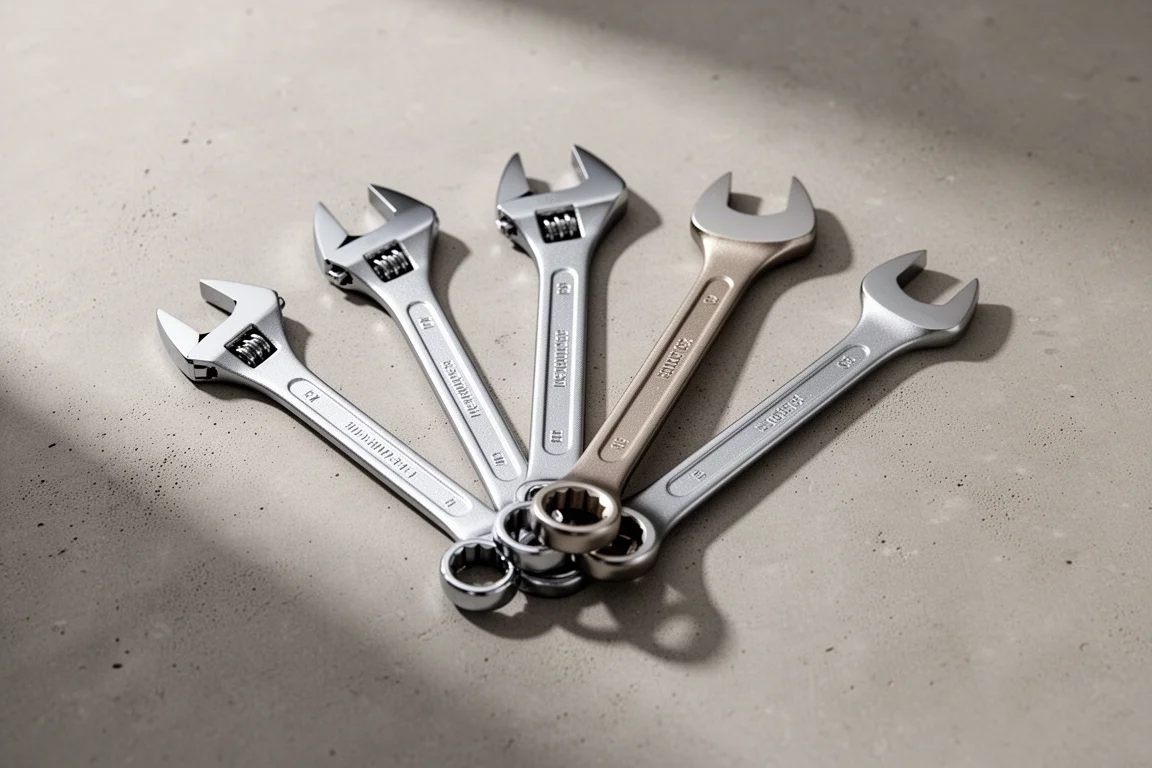
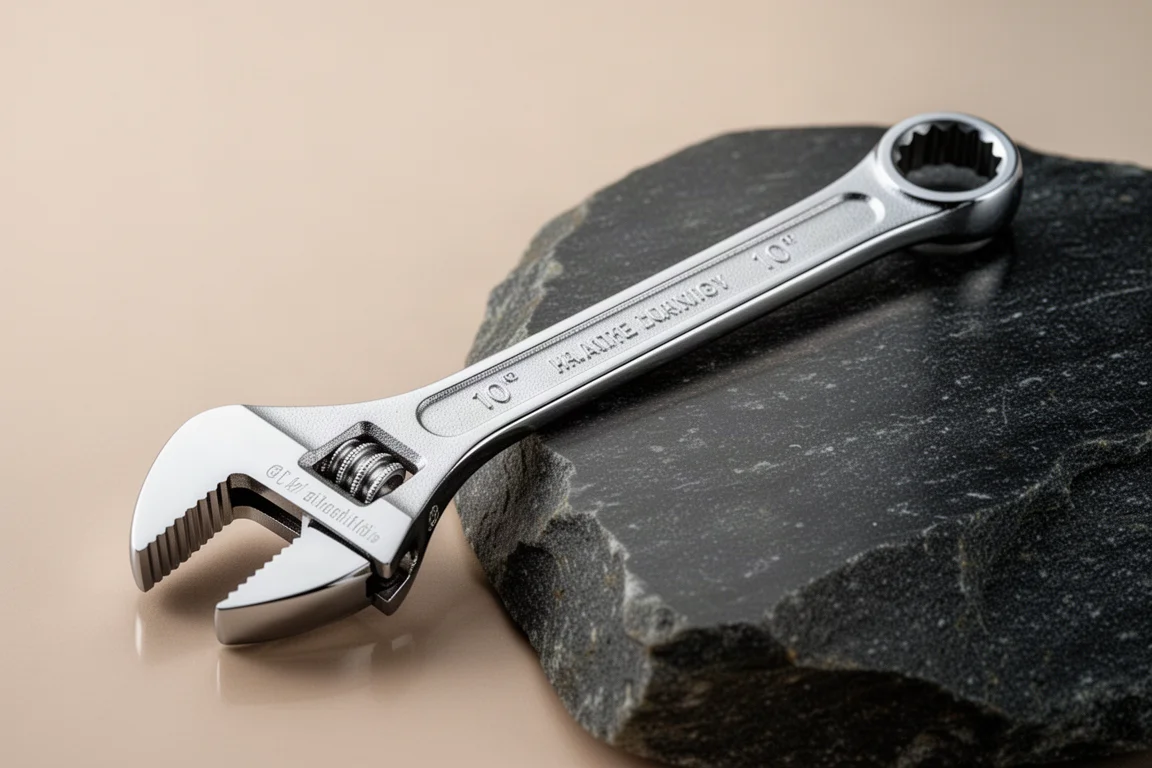
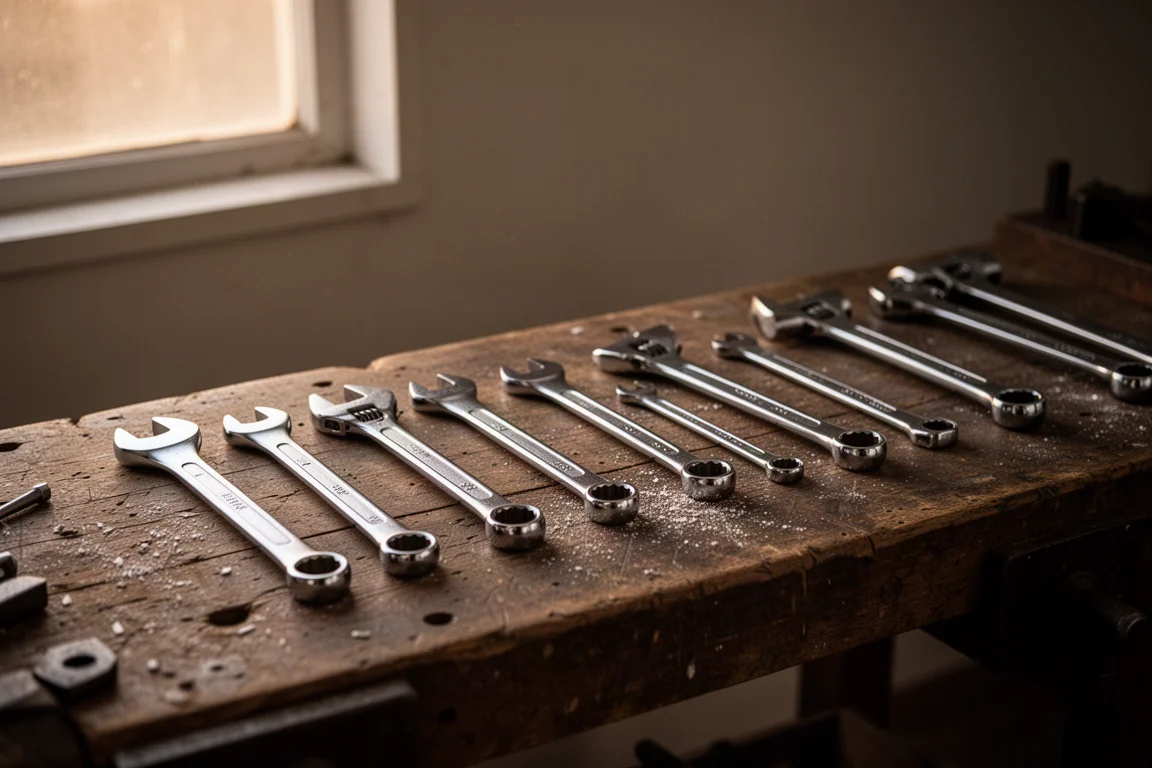
Five adjustable wrenches put side by side to see whether extra worm teeth, extra-wide jaws, and Crescent's tapered jaw design actually change how they work.
Introduction
The adjustable wrench is one of the most traditional designs in the toolbox, but a few recent models are quietly challenging the old formula. Three details are worth examining before you buy: extra-wide jaws, the taper of the jaw faces, and the number of teeth engaging in the worm drive. Comparing five popular wrenches side by side shows just how differently manufacturers approach each of these.
How We Evaluated the Wrenches
Three questions drive this comparison. First, does the number of worm teeth engaged with the rack matter for holding power? Second, does a tapered jaw actually improve how the wrench grips and releases fasteners? Third, do extra-wide jaws that extend far from the center line compromise strength, or is modern steel strong enough to handle it?
Worm Drive Teeth: Does the Count Matter?
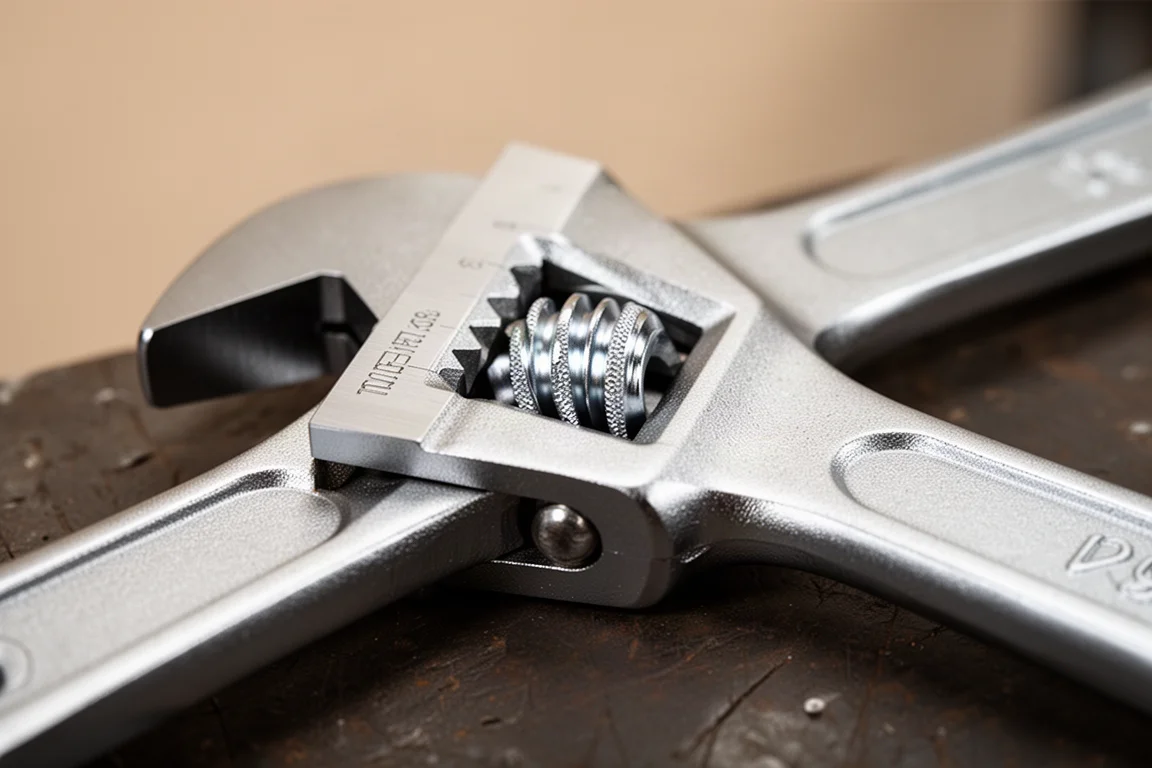
Counting the teeth engaged between the worm and the rack reveals some real differences. On an older Swedish-style wrench and both an older and a newer Snap-on, only about three teeth are typically engaged on each side at a given opening. The Klein Tools 8-inch model is also a solid three, with one side engaging clearly while the other is not even close.
The Channellock Code Blue, a standout in this group, achieves a solid four, with the incoming tooth engaging before the outgoing one leaves. The Milwaukee 48-22-758 goes further still: between five and six teeth engaged most of the time, a figure Milwaukee advertises openly. More simultaneous engagement spreads the load across the worm drive, which may explain why Milwaukee treats it as a headline feature.
Jaw Taper: Crescent’s One-Degree Offset
Crescent’s newer design takes a different approach: the jaw faces are angled at roughly one degree instead of running parallel. In practice, that means the jaws hang onto a fastener snugly, yet the wrench can still be popped off and slid right back on without touching the worm screw.
That is the opposite of some parallel-jaw designs, where the wrench either locks onto the fastener and forces you to re-adjust after every turn, or slides freely and never grips at all. Crescent’s taper offers a middle ground: it holds securely enough to turn, but releases easily when you want to reposition. It is a genuinely clever touch and an easy win for Crescent.
Extra-Wide Jaws: Useful Upgrade or Design Gamble?
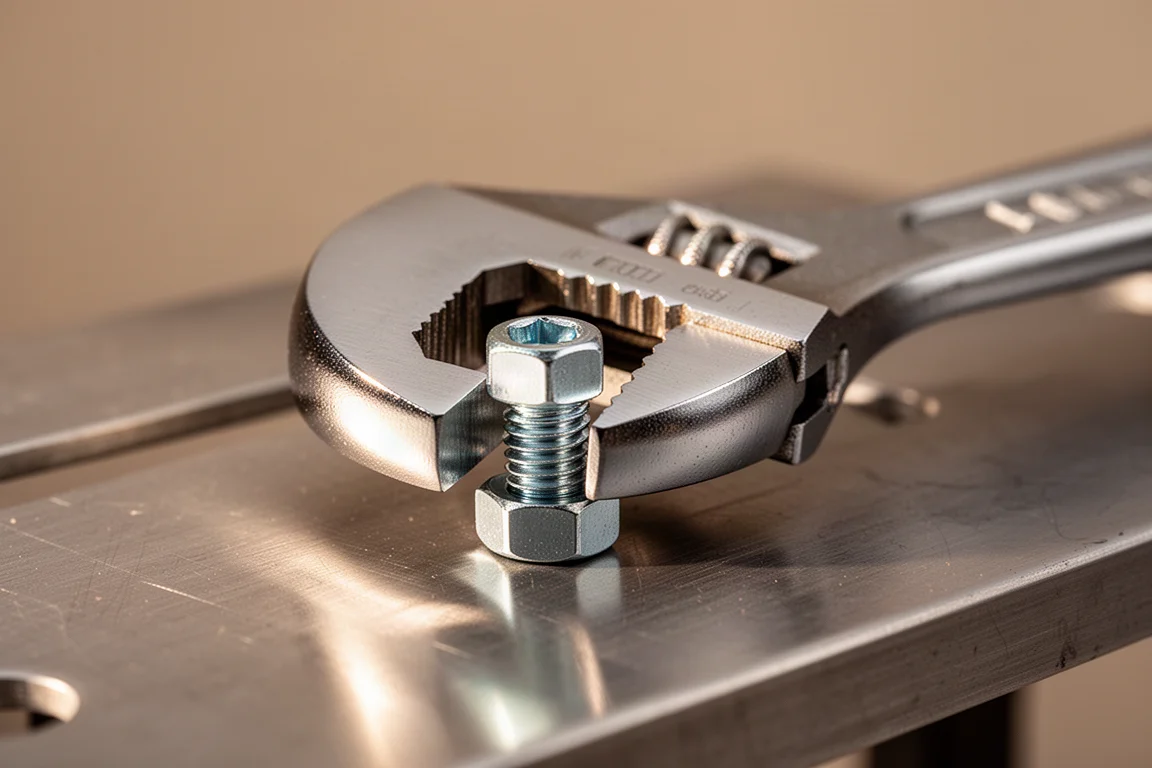
Many modern adjustable wrenches now open far wider than older designs, some marked beyond an inch and a half, which lets them grab large fasteners a traditional wrench could never reach. The conventional concern is leverage: the further the moving jaw sits from the strong, fully forged non-moving end, the more force concentrates on the screw mechanism.
In everyday use, complaints about slipping have mostly been limited to very cheap wrenches, and the size and texture of the adjustment wheel tends to matter more for control than advertised features like jaws that will not back off. Whether modern metallurgy has simply caught up with wider openings, or whether the extra worm teeth in designs like the Milwaukee are there to compensate, is an open question. What is clear is that manufacturers clearly consider wide jaws worth advertising.
The Five Wrenches Compared
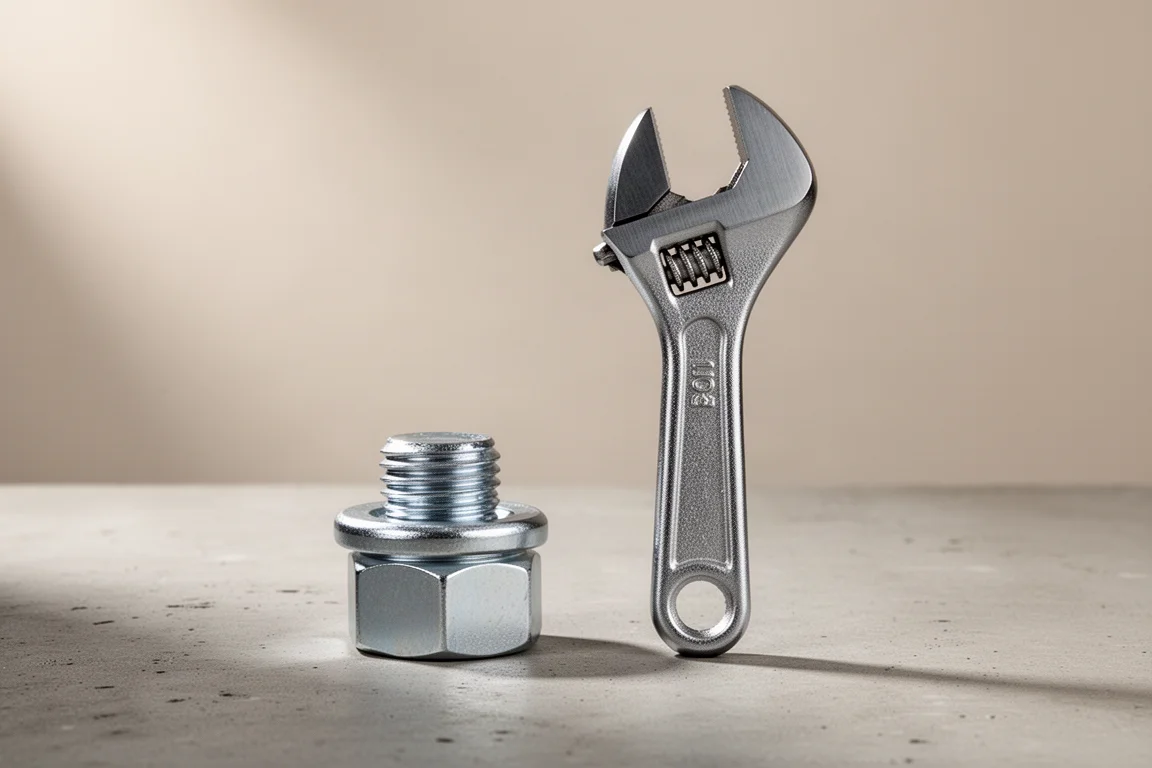
Each wrench in this group brings something slightly different to the bench, and the right choice depends on which of these design details matters most to your work.
Milwaukee 48-22-758 Adjustable Wrench
Milwaukee’s wrench is the clear standout for worm drive engagement, with five to six teeth in contact most of the time, a figure the company advertises itself. It also features extra-wide jaws and a proprietary screw design intended to keep the jaws from backing off under load. If you want the most modern take on the classic design, this is it.
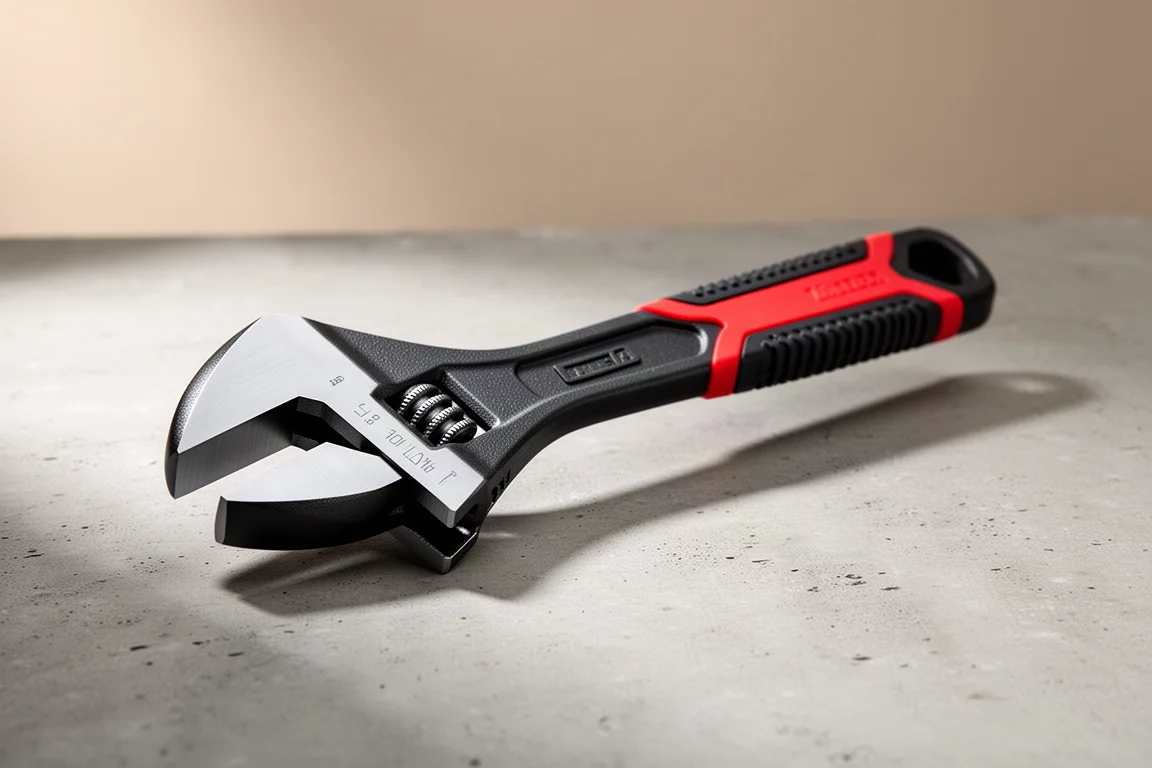
Channellock Code Blue Adjustable Wrench
The Code Blue earns its reputation with a solid four teeth engaged on both sides at typical openings, noticeably better than most competitors. It has a comfortable feel and remains a favorite among users who reach for an adjustable wrench daily. For a dependable everyday wrench, this one is hard to beat.
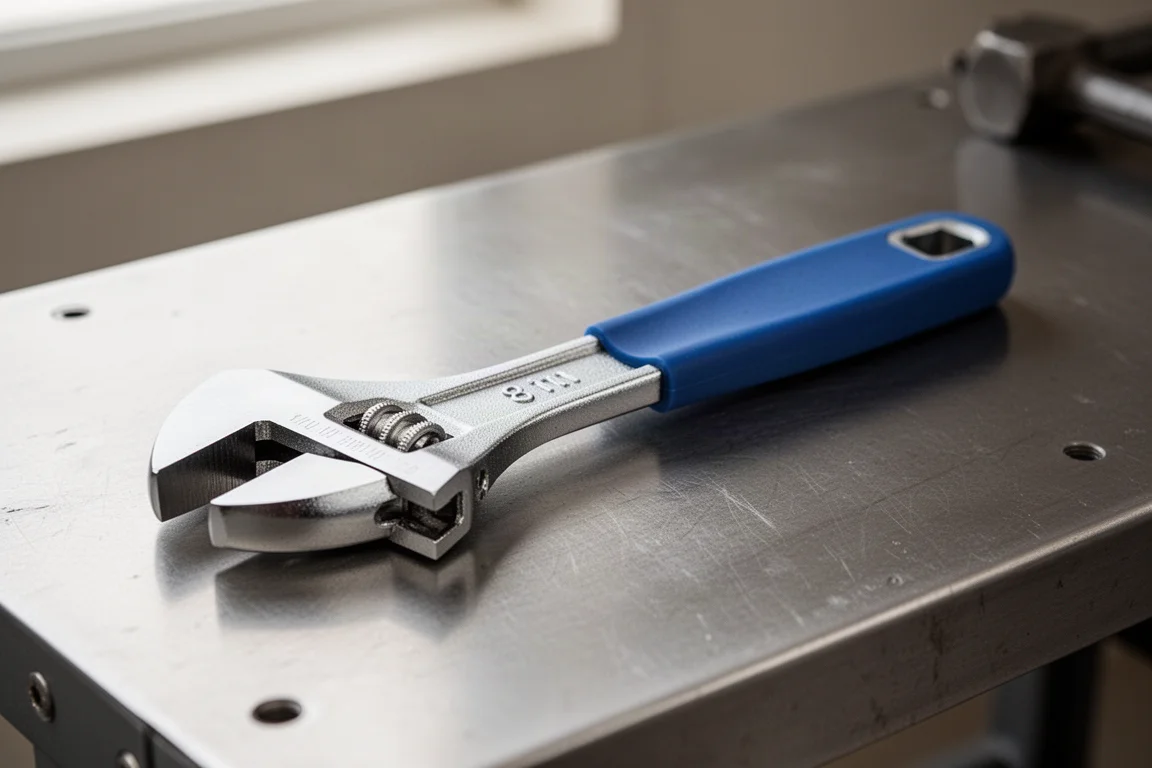
Crescent Adjustable Wrench
Crescent’s newer design introduces the one-degree jaw taper that lets the wrench hang onto a fastener while still sliding off and back on freely. It is a small change with a noticeable payoff in feel and convenience, and it makes this one of the more pleasant adjustable wrenches to use for repetitive turning.
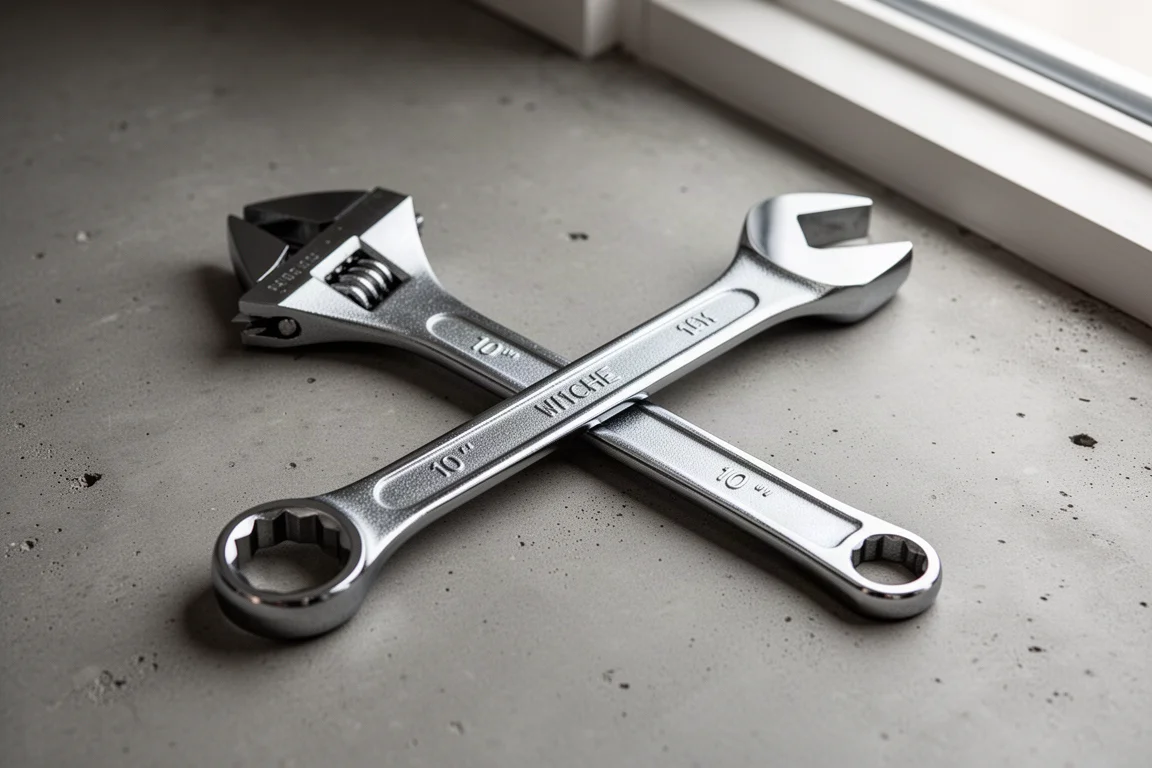
Klein Tools Adjustable Wrench
The 8-inch Klein Tools model is a straightforward performer with a conventional three-tooth worm engagement. It represents the traditional design done well: familiar, predictable, and suited to anyone who wants a classic adjustable wrench without the newer features.
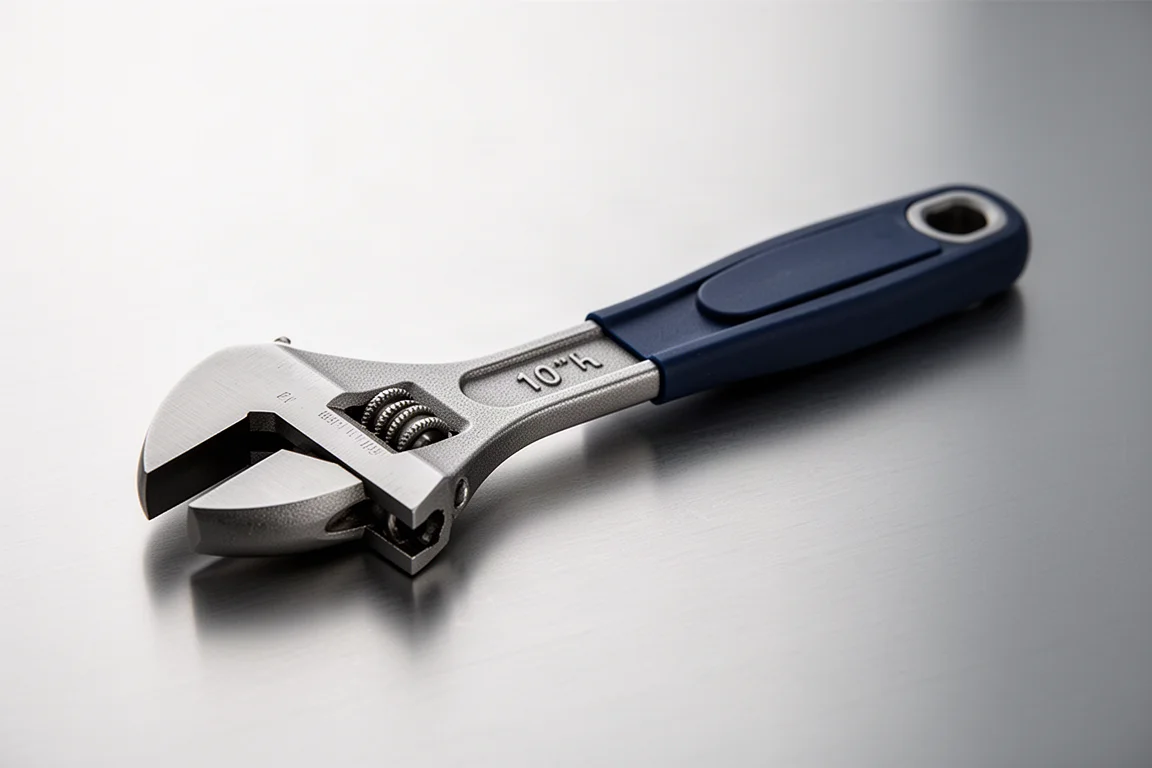
Snap-on Adjustable Wrench
Both older and newer Snap-on versions settle at around three engaged teeth, consistent across decades of production. The design is proven and refined, but it does not push the boundaries in worm engagement the way Milwaukee and Channellock do.
Which One Should You Buy?
If maximum holding power in the worm drive is your priority, the Milwaukee 48-22-758 leads the field with its five-to-six tooth engagement and wide jaws. The Channellock Code Blue is the sweet spot for everyday use with its solid four-tooth engagement. Crescent’s tapered jaw is genuinely innovative and worth experiencing if you turn a lot of fasteners with one wrench. Klein and Snap-on remain solid traditional choices if you prefer the classic feel.
Conclusion
The humble adjustable wrench is evolving. More worm teeth, wider jaws, and a tapered jaw face all change the experience in measurable ways. Whether these refinements matter to you depends on how much you actually use one, but the differences between these five are real, and knowing what to look for makes choosing far easier.
Further reading
Related Reviews
Hand Tools
Best Diagonal Cutters 2026: 16 Pliers Tested for Cutting Power and Durability
We put 16 diagonal cutters through nail, screw, drill bit, and hex key tests to find the best value picks for your toolbox.
Hand Tools
Best Hex L Key Sets 2026: Nine Sets Tested for Real-World Torque
Nine hex L key sets from budget to premium, tested for torque, fit, and durability. See which sets deliver real performance and which ones to skip.
Hand Tools
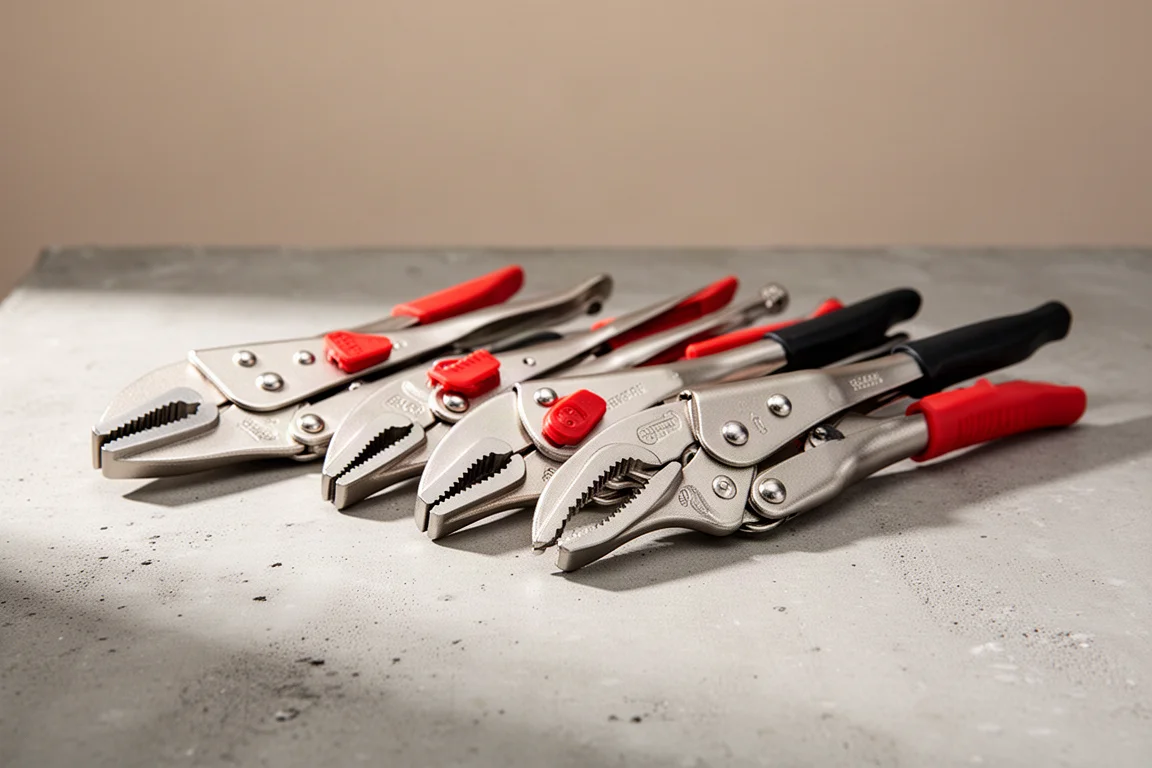
Best Locking Pliers 2026: Top Picks Tested for Grip and Durability
We tested 18 brands of 10-inch locking pliers for grip strength, jaw bite, build quality, and ease of release to find the best options for tough jobs.