Hand Tools
Best Adjustable Wrench: 8 Wrenches Tested for Grip, Torque and Build Quality
We compare eight adjustable wrenches on jaw slop, torque before slipping, and breaking strength, from a budget-friendly Crescent to premium European options.
Introduction
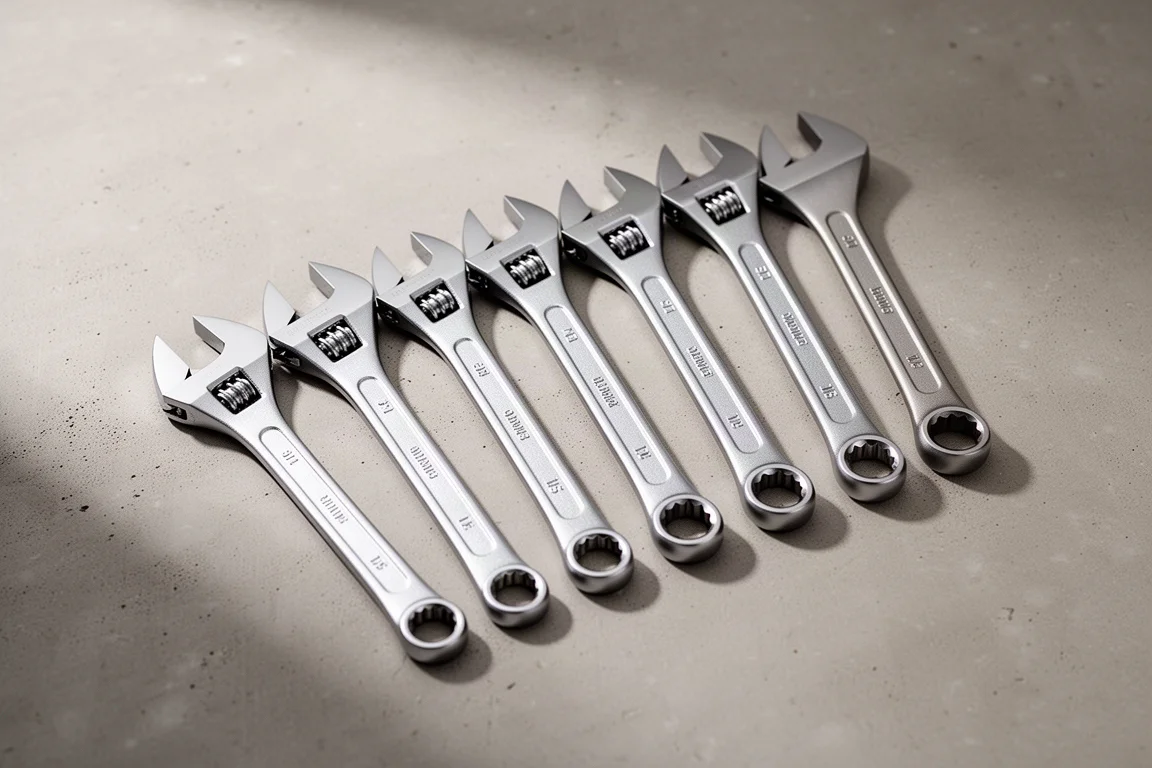
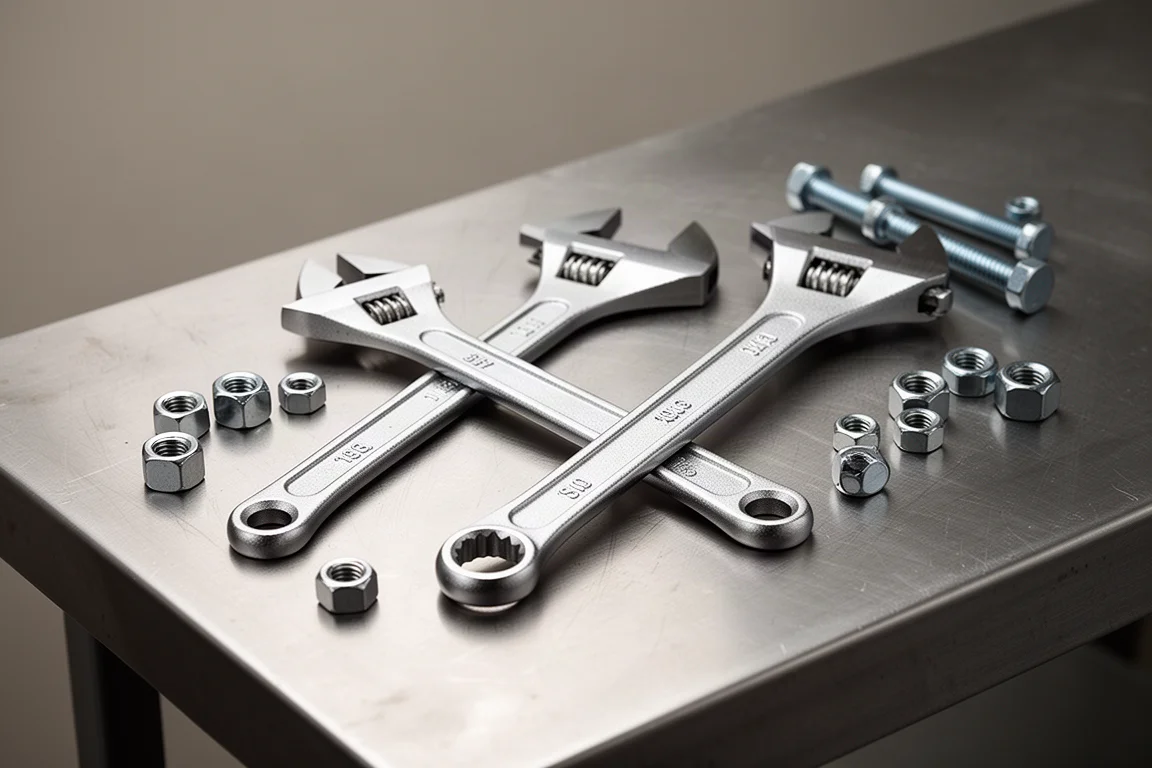
Adjustable wrenches have a mixed reputation. They are the tool many people reach for when nothing else is handy, and they are also known for rounding off nuts and bolts when the fit is poor. But is a five dollar wrench really worse than one that costs more than fifty? To find out, we compared adjustable wrenches across price points and brands, all in the standard 10-inch length, using consistent tests for jaw slop, torque before slipping, grip under load, and raw breaking strength.
What We Tested and How
Every wrench went through the same sequence. First, we measured fit and finish: how much the jaw moves up and down and side to side, and how heavy each tool is. A wrench with a lot of slop tends to self-adjust and back off when it experiences movement or vibration.
Then came the vibration test, where each wrench was subjected to short bursts from a compact impact wrench to see how much the jaw opened up. After that, we measured the no-load gap between the jaws and a nut, then re-measured under a 200-pound load on the handle to see how much the jaws flexed away from the fastener.
Finally, we applied increasing torque with a breaker bar until each wrench lost grip on a fresh three-quarter inch nut, and separately pushed each wrench to failure against flat stock to measure leverage strength.
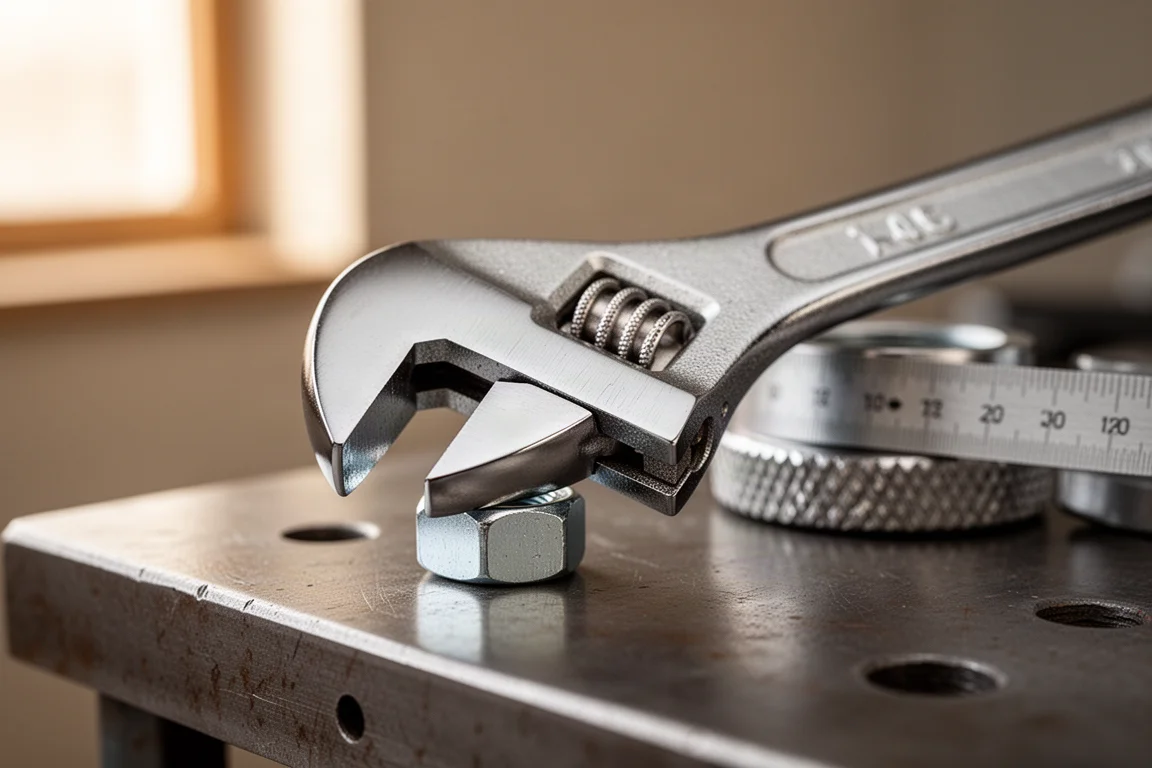
Several budget brands rounded out the full field, including Navigondo, Pittsburgh, Kobalt, a vintage USA-made Craftsman, and the Wera Joker ratcheting set, but the eight below stood out for the best balance of performance and value.
Torque Test: How Much Force Before Slipping
The headline number in this comparison is how much torque each wrench can handle before it slips or damages the fastener. A vintage USA-made Craftsman led the entire field at 184.4 foot-pounds before the test bolt snapped, but that wrench is no longer sold new, so it is not featured here. Among wrenches you can actually buy today, the results were telling.
Tekton Adjustable Wrench
At 14 dollars, the Tekton is one of the least expensive wrenches in the field, and it punched well above its price. It had the least up-and-down jaw travel of any new wrench at 0.93 millimeters with just 0.25 millimeters of side-to-side movement, and it backed off only 0.65 millimeters in the vibration test, the best of the budget group. In the torque test it reached 146.2 foot-pounds with very little wobble. Its main weakness showed up in the leverage test, where short jaws held it back at 581 pounds.
Crescent Adjustable Wrench
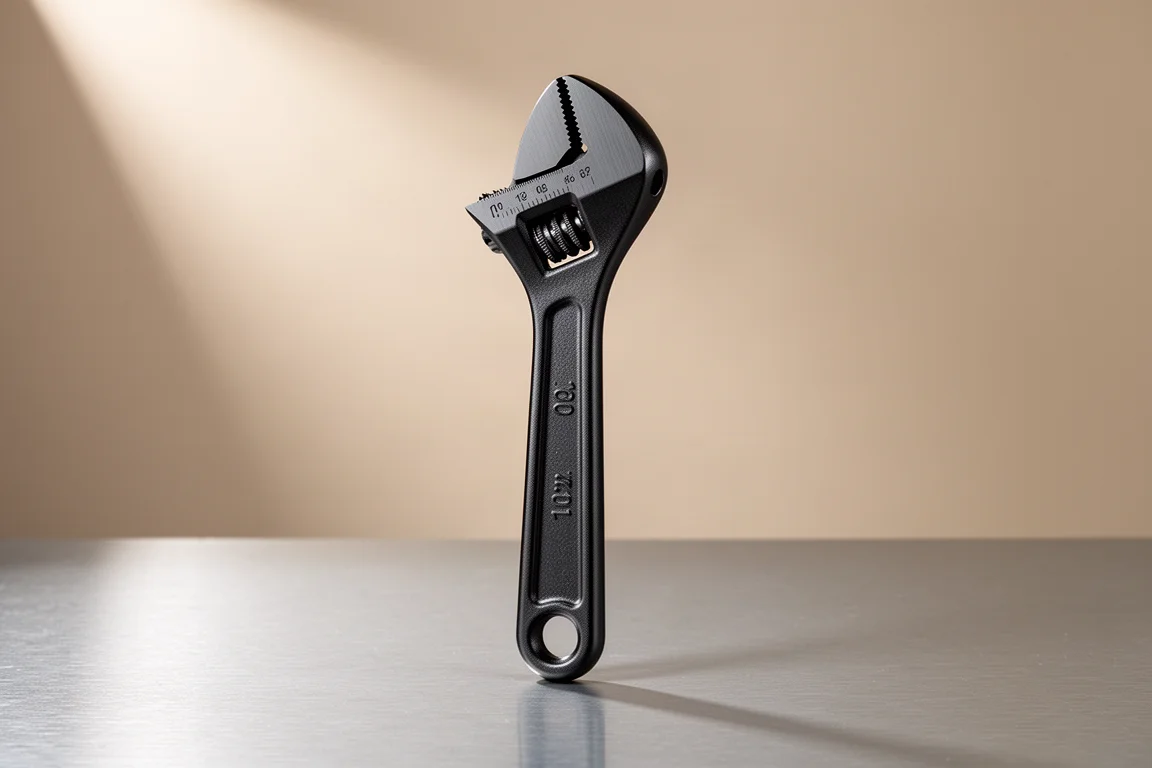
Crescent clearly knows adjustable wrenches. Priced at 16 dollars, it features a wider handle for more torque, a larger knurl for easier adjustment, a hex jaw design intended to reduce slippage, and 1-3/8 inch jaw capacity. It stayed planted in the vibration test at 1.02 millimeters, reached 149.9 foot-pounds in the torque test, and posted one of the smallest gaps under load at 0.58 millimeters. With 775 pounds of leverage strength, it beat the heavier imported Craftsman by a wide margin. For under 20 dollars, this was the standout all-rounder.
Channellock Adjustable Wrench
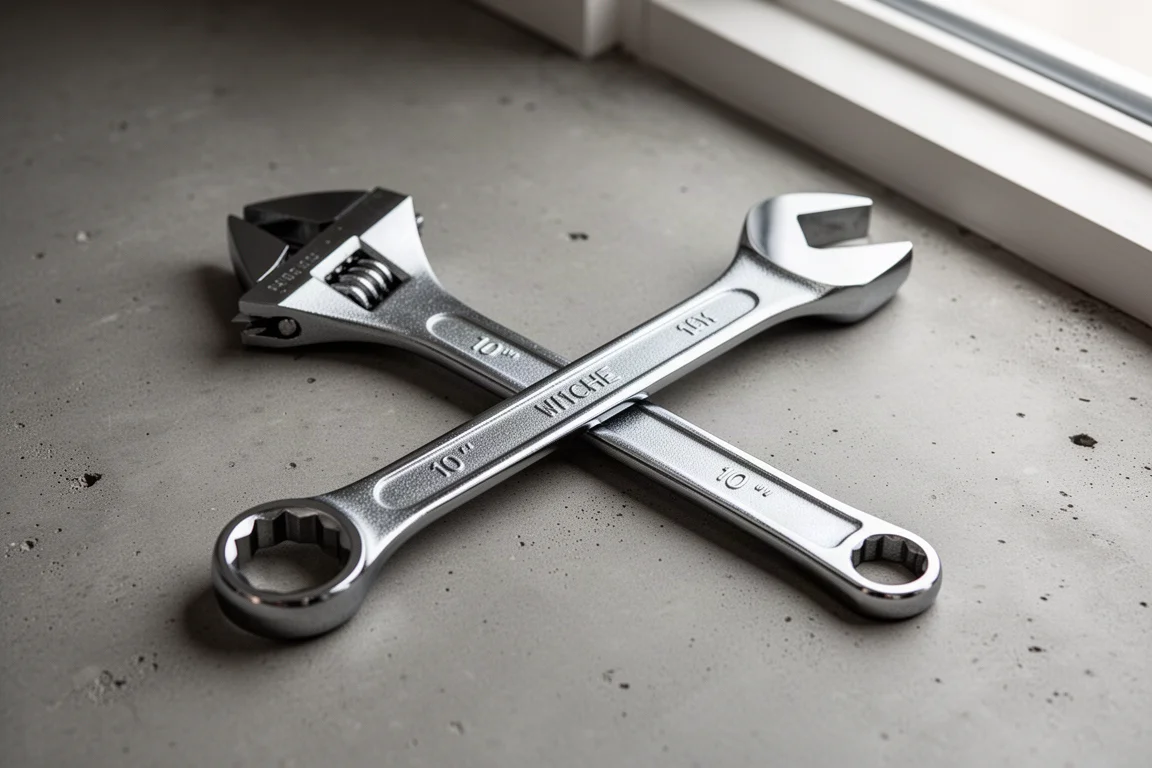
Made in Spain and priced at 24 dollars, the Channellock features longer jaws for better grip, thinner jaws for access in tight spaces, and four-thread knurl scales in both SAE and metric. It was the lightest of the full-size wrenches at 411 grams with good fit and finish at 0.88 millimeters of slop. In the vibration test it performed nearly as well as the vintage Craftsman at 0.51 millimeters, though its adjustable jaw flexed noticeably under heavy torque, letting go at 105.8 foot-pounds.
Klein Tools Adjustable Wrench
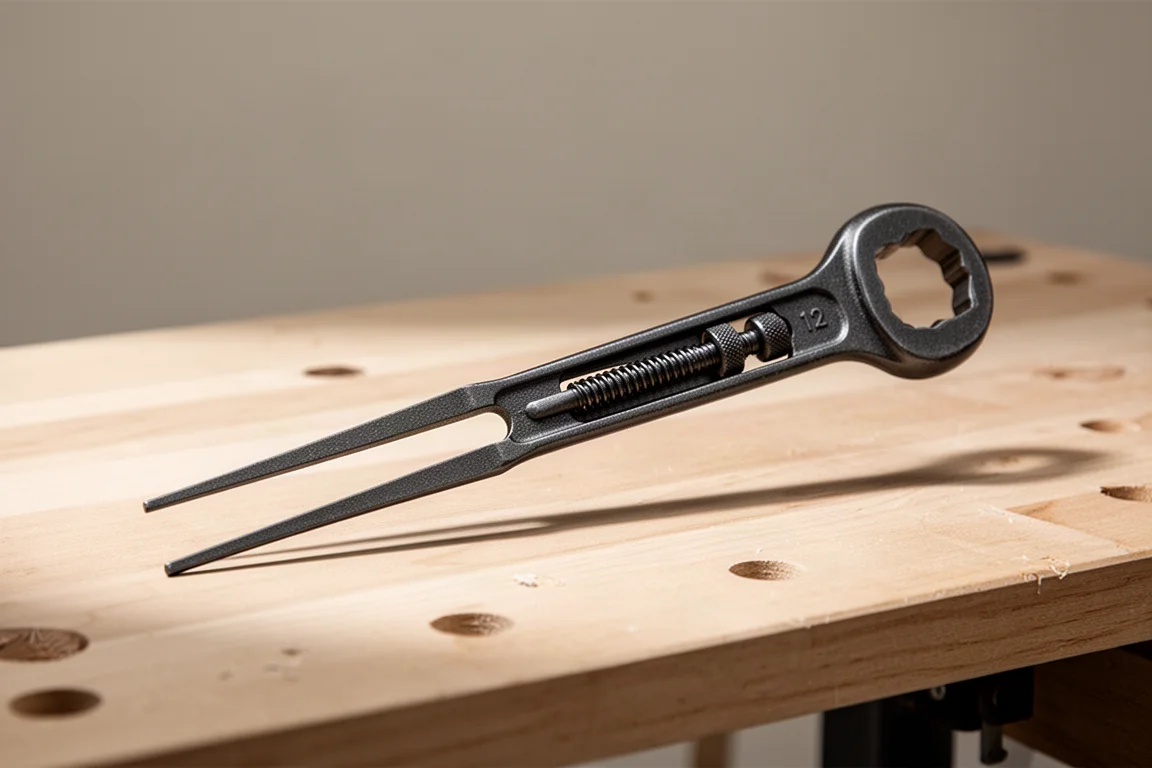
Also 33 dollars and made in Spain, the Klein Tools wrench has precision-machined jaws assembled by hand and a high-polished chrome finish. It had more up-and-down slop than some rivals at 1.16 millimeters, but the jaws and worm gear felt robust and it delivered 147.1 foot-pounds in the torque test without rounding off the nut. In the parallel-jaw test it tied for the best no-load gap, and under load it posted the second-smallest gap at 0.65 millimeters.
Milwaukee Adjustable Wrench
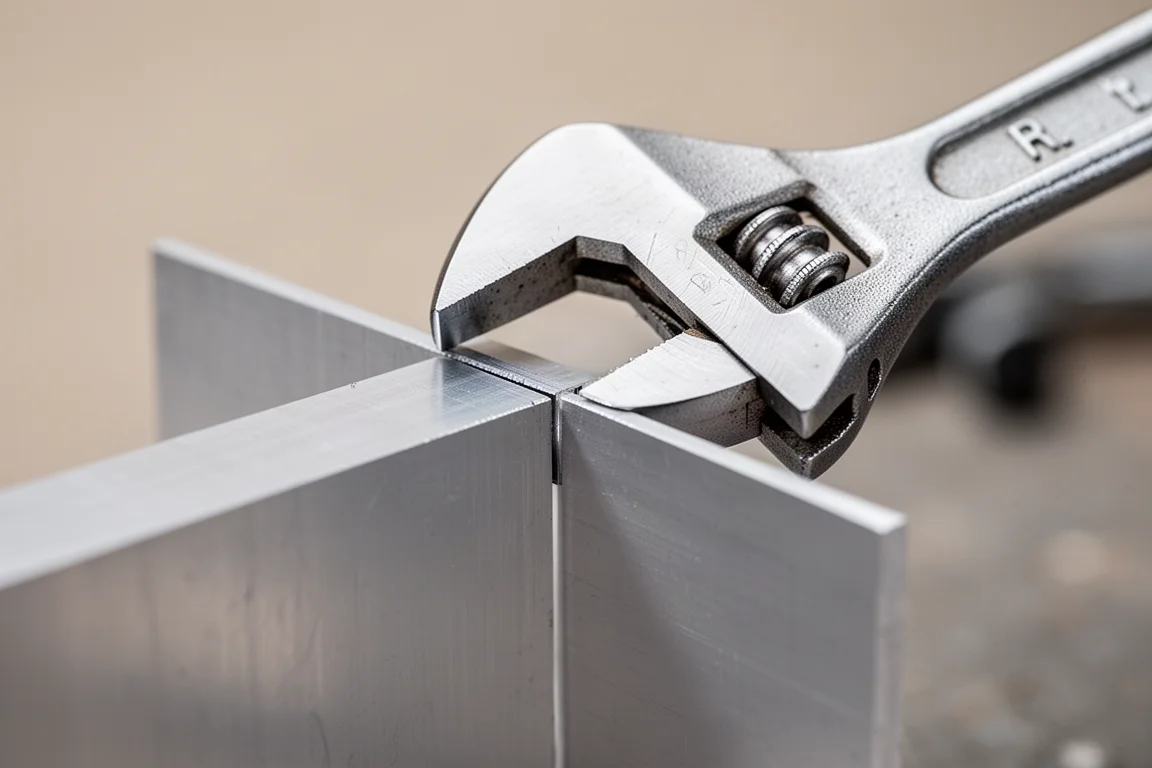
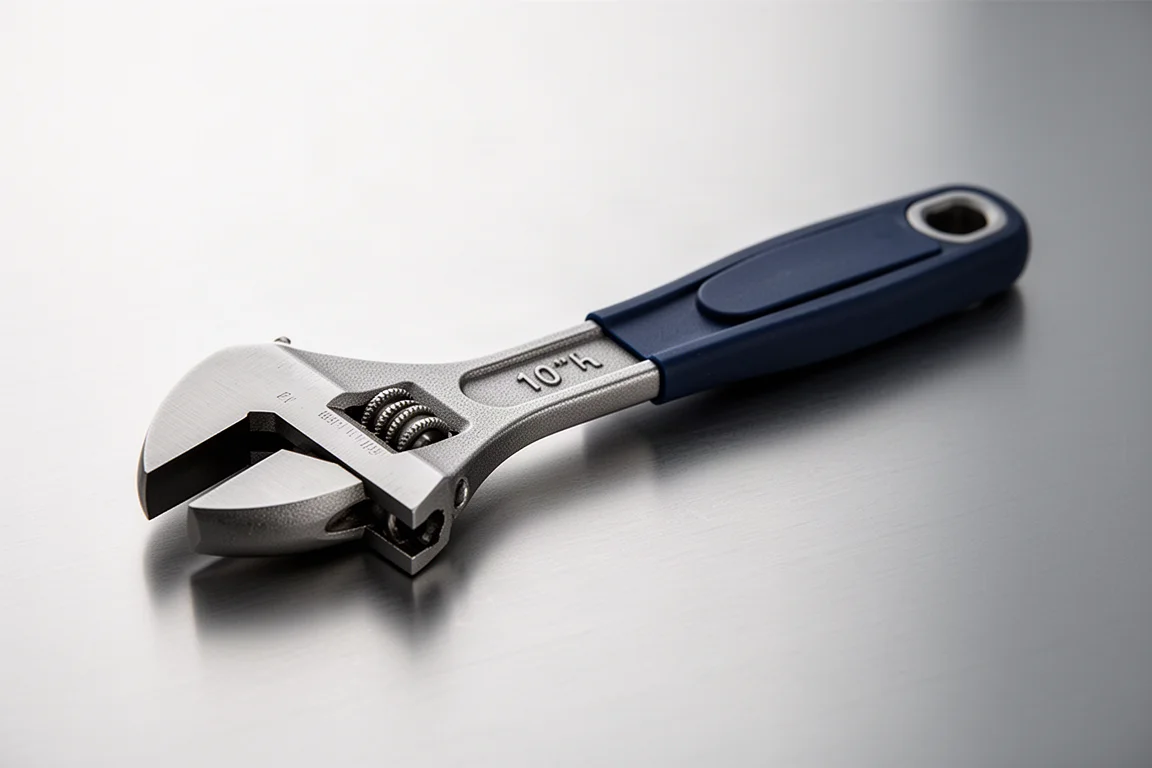
Milwaukee claims its jaws will not back off, and the tests largely backed that up. At 38 dollars and made in Taiwan, the wrench has a six-thread knurl, laser-etched ruler, and very tight tolerances: only 0.71 millimeters of up-and-down slop and 0.13 side to side. It won the vibration test outright, backing off just 0.27 millimeters. Under load its gap doubled to 0.75 millimeters, about average, and it reached 134.3 foot-pounds in the torque test. Long jaws also helped it reach 907 pounds in the leverage test.
Irwin Adjustable Wrench
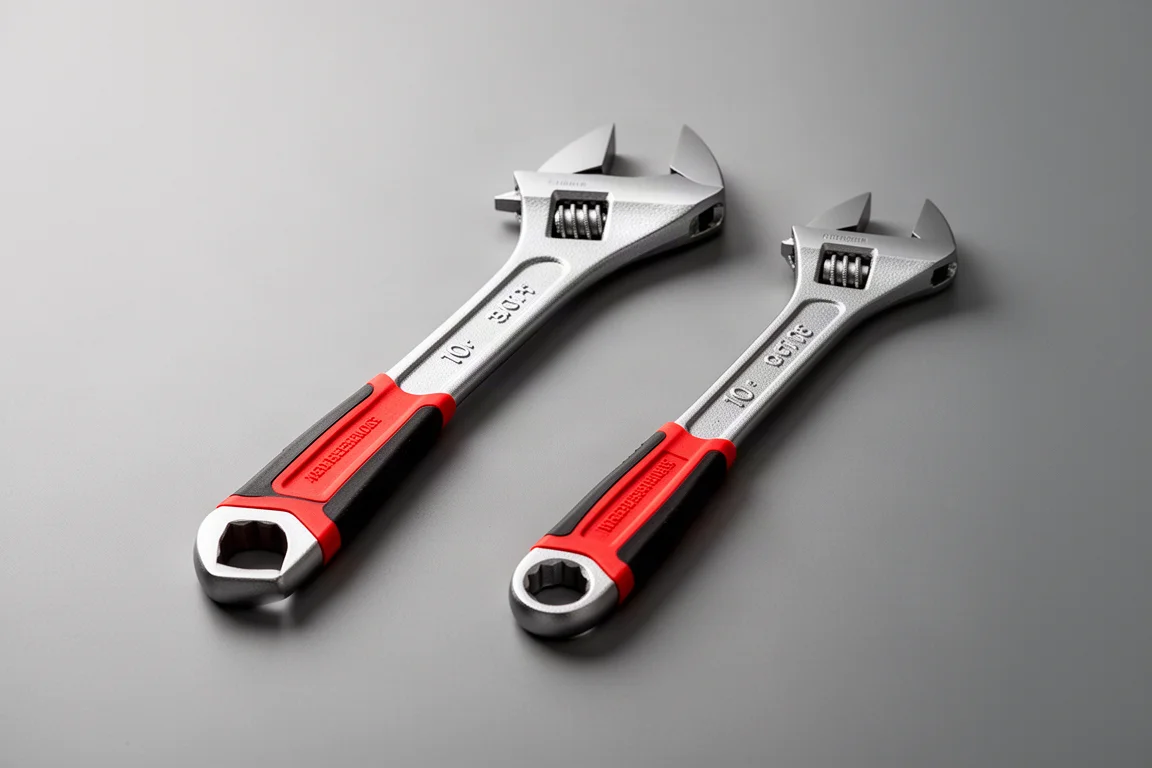
The Irwin is an interesting case. Its chrome vanadium jaws are the second longest in the lineup, and in the flat-stock leverage test it hit an impressive 1,179 pounds, second only to the Bahco. But fit and finish held it back elsewhere: 1.27 millimeters of up-and-down slop, visible jaw stretching under torque, and a poor 103.5 foot-pounds before it rounded off the nut, the worst result in the field. At 21 dollars it is a leverage specialist rather than an all-rounder.
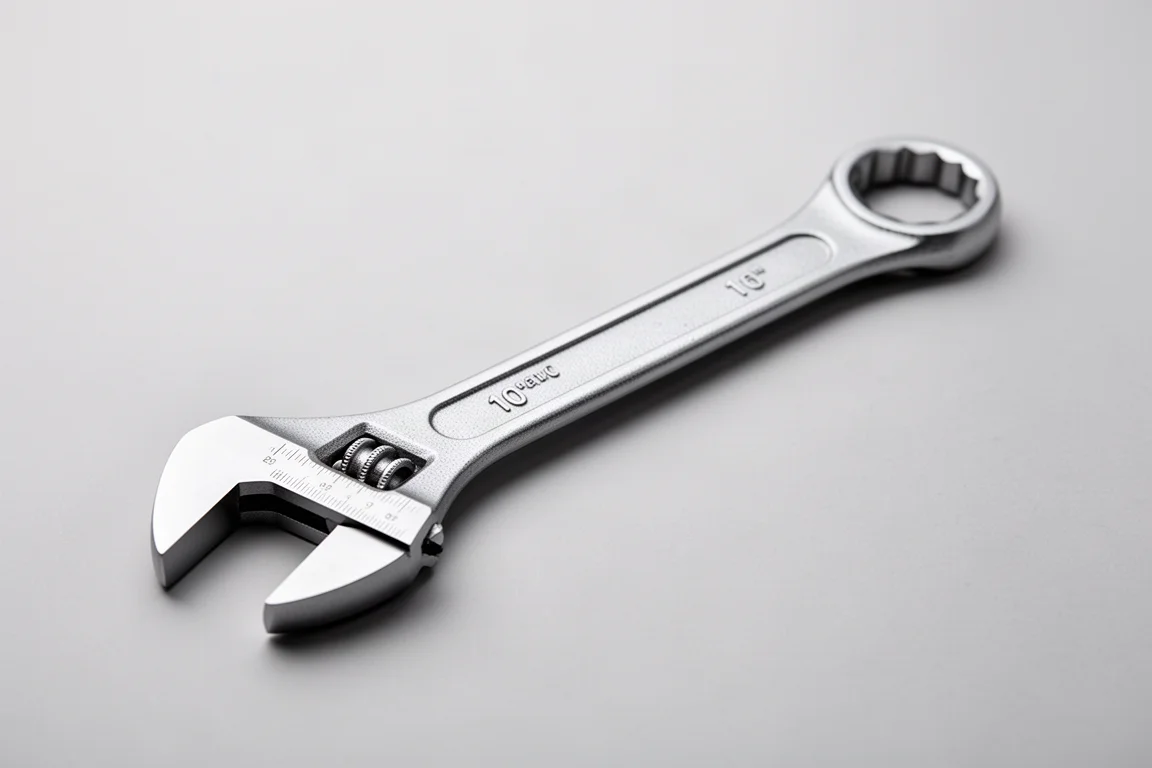
Hazet Adjustable Wrench
The Hazet sits at the premium end at roughly 50 dollars per wrench. Believed to be made in Germany, it is milled with high precision and features a laser-etched ruler. It had 0.98 millimeters of up-and-down slop but excellent control in the vibration test at 0.38 millimeters, fourth overall behind the vintage Craftsman. Under load it posted a 0.6 millimeter gap, and its slightly shorter-than-average jaws still delivered an above-average 861 pounds in the leverage test.
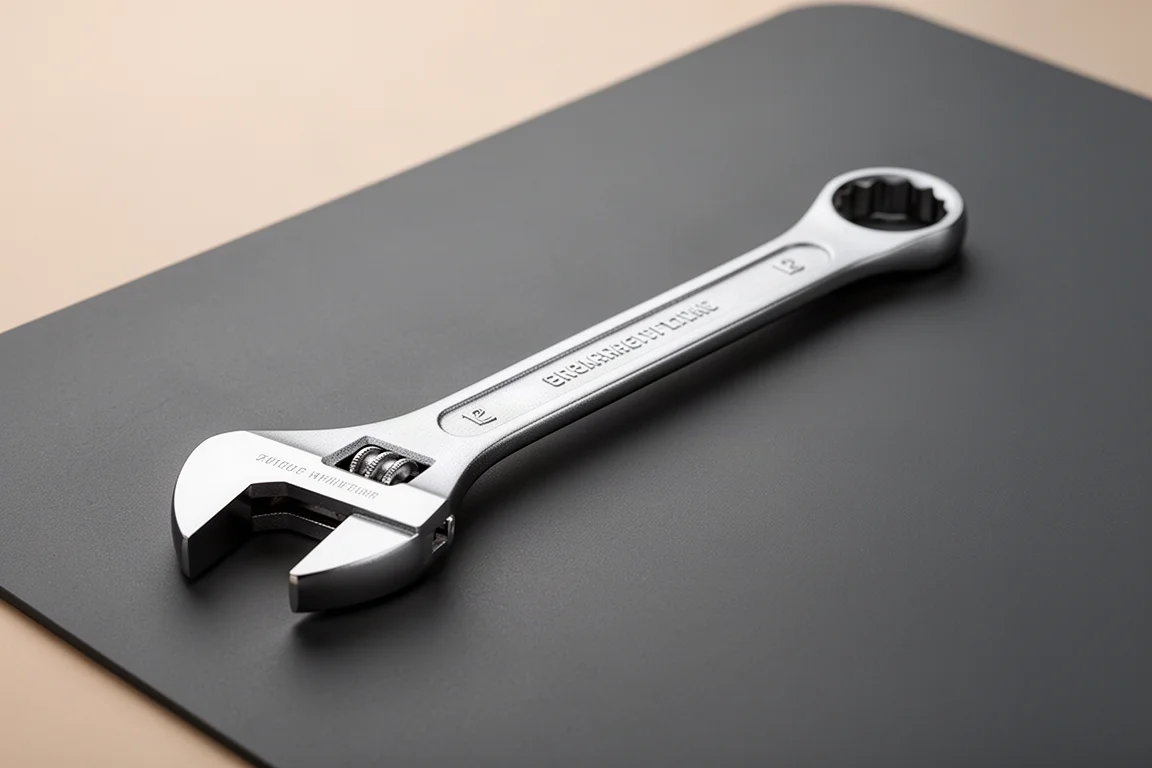
Bahco Adjustable Wrench
The Bahco, made in Spain, is built for access: extra-wide jaw opening, a slim head with tapered jaws, and a seven-millimeter jaw length advantage over every other wrench tested. It is also by far the heaviest at 643 grams. That mass and jaw length paid off. Fit and finish was excellent at 0.62 millimeters of slop, it backed off only 0.3 millimeters in the vibration test, and in the leverage test it refused to quit until a remarkable 1,334 pounds, the best of any wrench sold today. Under load it tied Crescent for second place at 0.58 millimeters.
Grip Under Load: Which Jaws Stay Tight
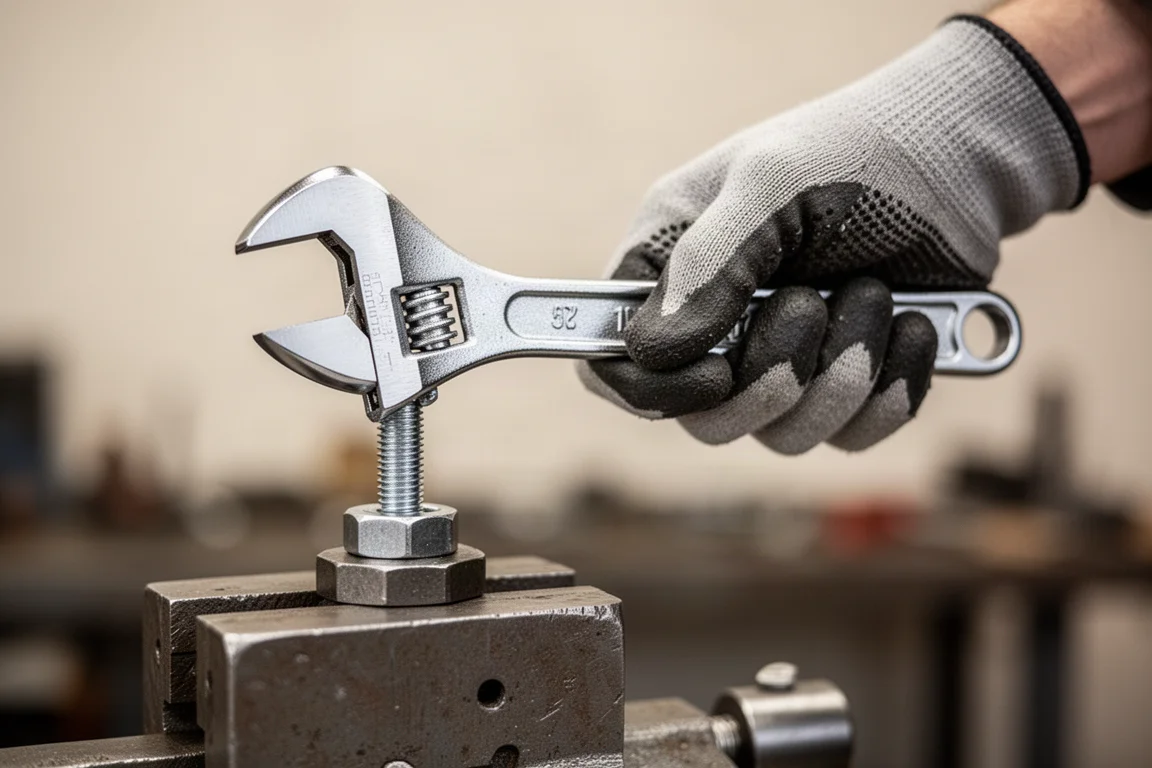
Parallel jaws make more surface contact with a fastener than jaws that are not evenly aligned, and this showed up clearly under load. With 200 pounds on the handle, the vintage Craftsman kept the smallest gap, but among available wrenches the Bahco and Crescent tied at 0.58 millimeters, followed by the Hazet at 0.6 and the Klein Tools at 0.65. At the other end, budget options like the Navigondo saw their no-load gap more than double, and the Channellock’s no-load gap grew tenfold under load, which explains its struggles in the torque test.
Strength Test: Leverage and Jaw Durability
When we used each wrench to apply leverage against flat stock until something broke, jaw length dominated. Long-jawed wrenches like the Irwin, Bahco, and Kobalt handled the most force, while short-jawed designs like the Tekton and vintage Craftsman gave up early despite excellent grip quality. If you plan to lean hard on an adjustable wrench against flat or square metal, jaw length and build quality matter more than precision.
Which Adjustable Wrench Should You Buy
If you want the best wrench under 20 dollars, the Crescent is the clear pick: it performed extremely well across every test. If you can spend a little more, the Klein Tools wrench at 33 dollars also performed very well with better fit and finish. Milwaukee is the choice if you want the tightest adjustment that refuses to back off under vibration. For heavy leverage work, the Bahco and Irwin lead the field. And if you simply want maximum grip per dollar, the Tekton is hard to beat at 14 dollars.
Conclusion
The gap between cheap and premium adjustable wrenches is real, but it is smaller than the price difference suggests. Fit and finish, jaw parallelism, and jaw length explain most of the performance difference. The Crescent proved that a well-built budget wrench can hang with tools costing three times as much, while the Bahco showed why European manufacturers still command a premium for access and leverage. Match the wrench to how you actually work, and even a modest investment will treat your fasteners far better than the cheapest option on the shelf.
Further reading
Related Reviews
Hand Tools
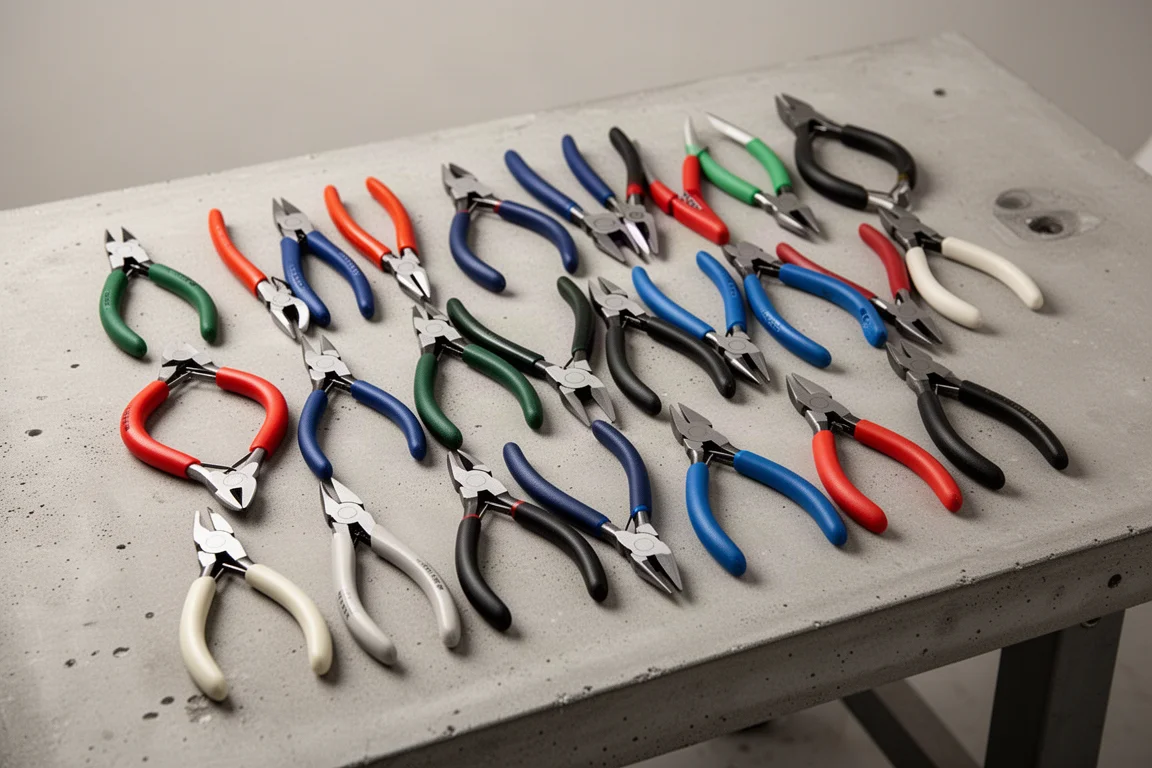
Best Diagonal Cutters 2026: 16 Pliers Tested for Cutting Power and Durability
We put 16 diagonal cutters through nail, screw, drill bit, and hex key tests to find the best value picks for your toolbox.
Hand Tools
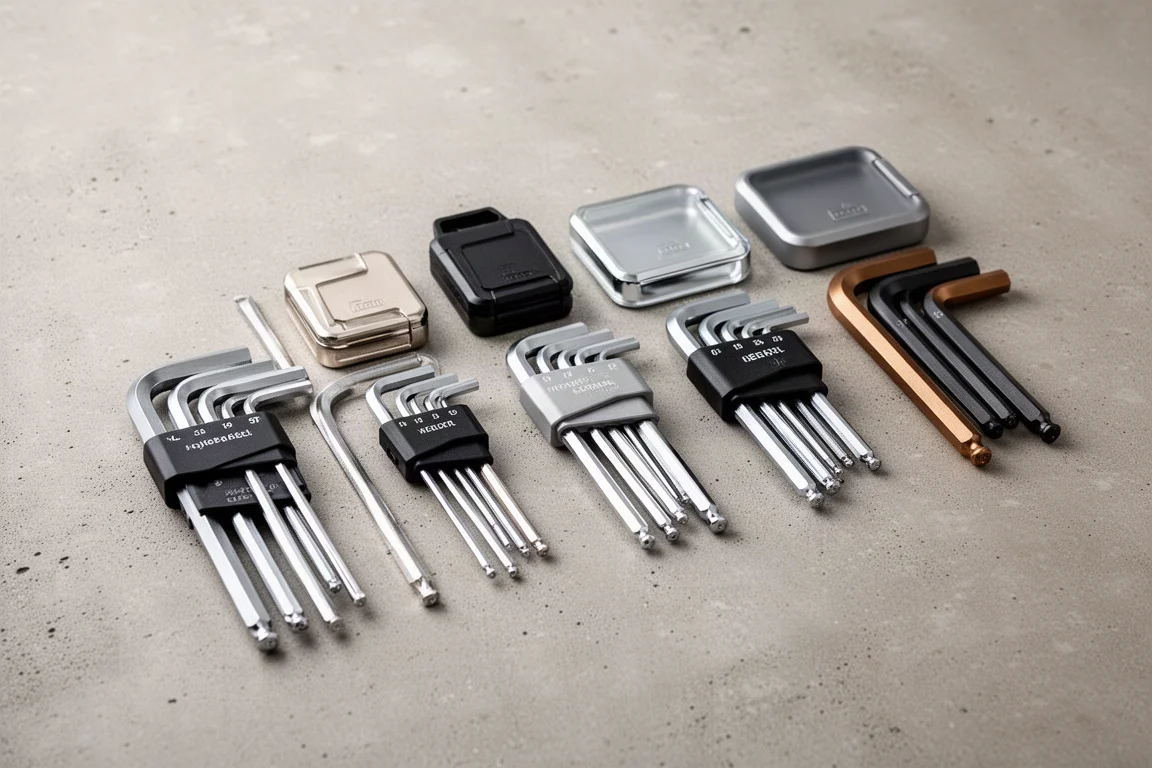
Best Hex L Key Sets 2026: Nine Sets Tested for Real-World Torque
Nine hex L key sets from budget to premium, tested for torque, fit, and durability. See which sets deliver real performance and which ones to skip.
Hand Tools
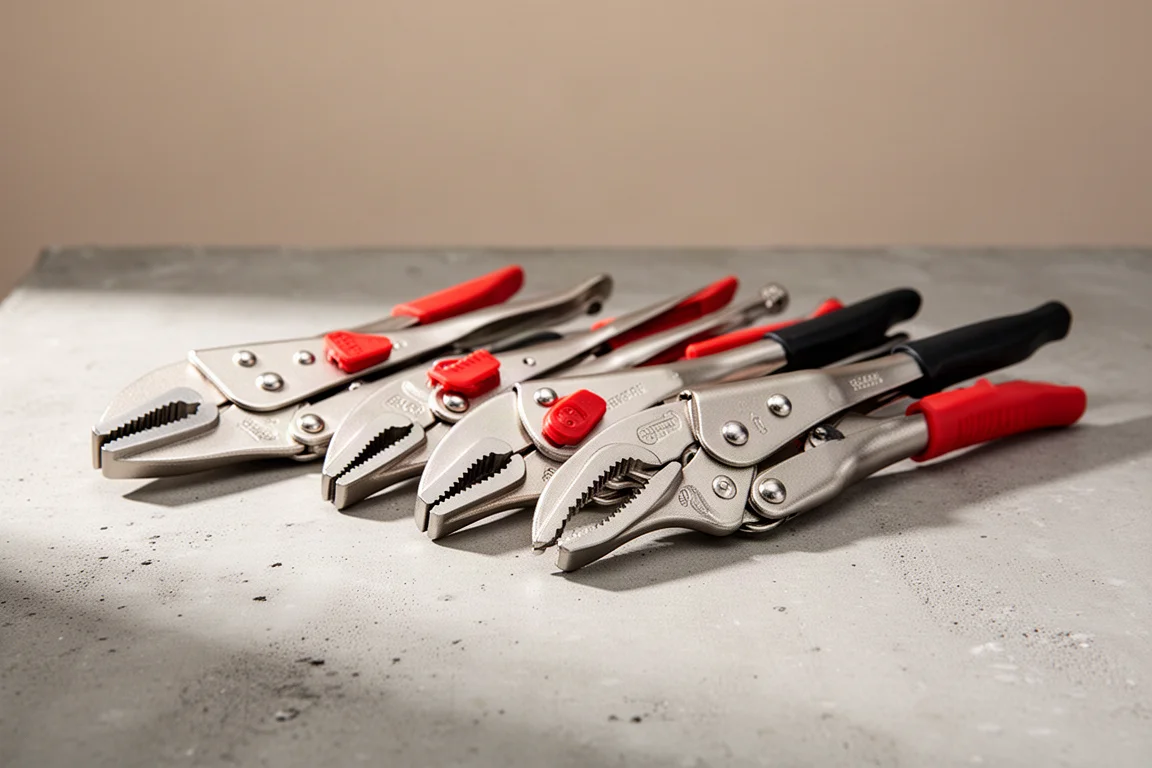
Best Locking Pliers 2026: Top Picks Tested for Grip and Durability
We tested 18 brands of 10-inch locking pliers for grip strength, jaw bite, build quality, and ease of release to find the best options for tough jobs.