Hand Tools
Two Articulating Ratchets for Reaching Hidden Fasteners: Lyle 64100 vs Snap-on RTB M10
A hands-on look at two actuator ratchets built for blind fasteners under dashes and in tight engine bays, with honest notes on what each does well.
Introduction
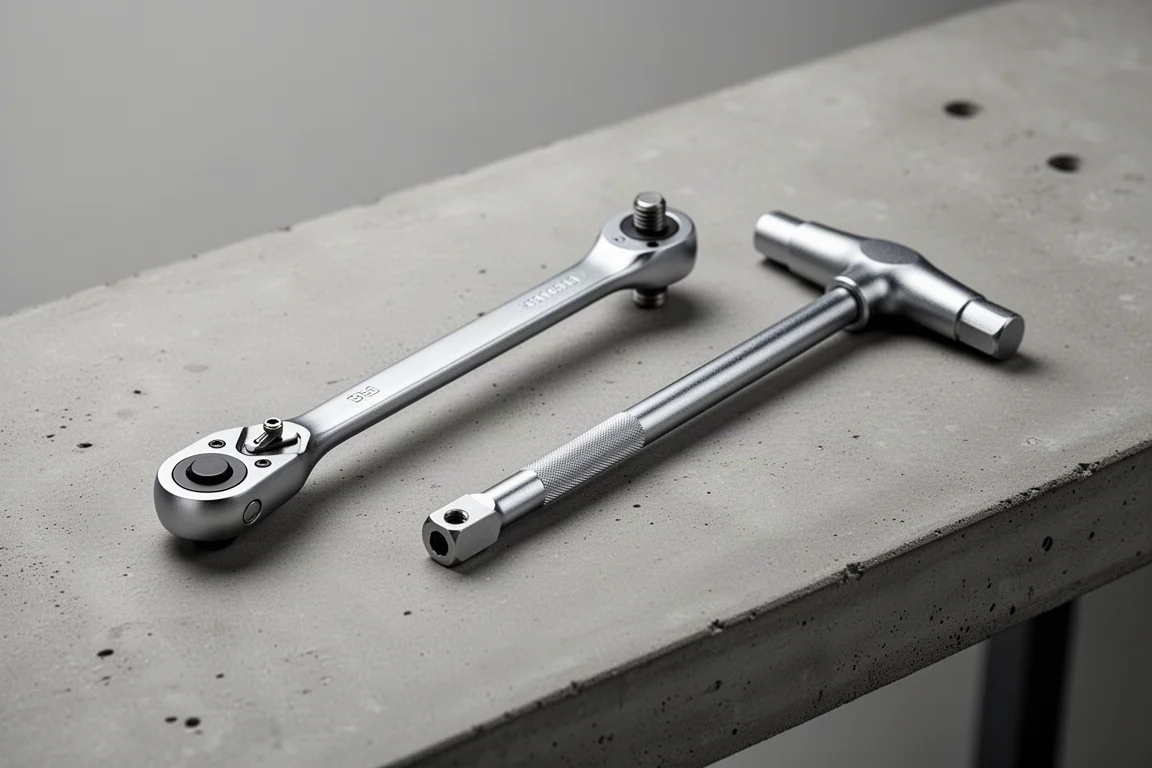
Reaching an 8mm or 10mm bolt tucked under a dash or behind a blower motor is one of the more frustrating jobs in automotive work. Regular ratchets and flexible-end box wrenches often need far more swing room than the space offers. Two articulating ratchets aim to solve exactly this: the Lyle 64100, sold as an actuator motor wrench, and the Snap-on RTB M10 T-handle ratchet. This comparison looks at how each works, where each shines, and the small annoyances worth knowing before you buy.
Why Articulating Ratchets Exist
Both tools share a simple idea: a slim handle with a ratchet head that can be set at different directions, so the working end moves the way a ratchet would even when your hand can barely swing. Unlike a flexible-tip wrench, where limited room can leave you stuck, you can operate these almost like a ratchet and make short back-and-forth strokes in whatever little window you have. Even a single click of travel is enough to advance the fastener.
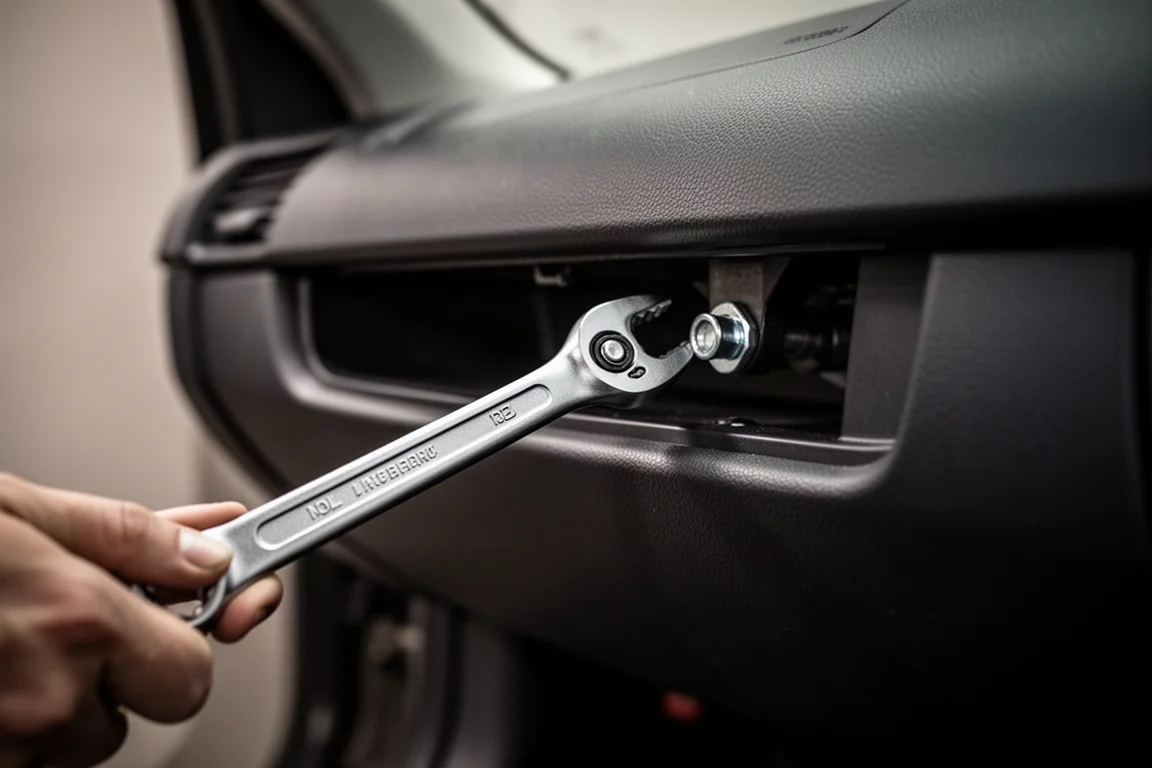
That is the whole appeal. If the only access you have is a narrow slot, the back-and-forth motion these tools allow is often the difference between getting the job done and pulling half the interior apart.
Lyle 64100 Actuator Motor Wrench
The Lyle 64100 is designed to reach under the dash and into constrained areas to work on the 8mm and 10mm nuts and bolts that hold actuator motors, blower motors, and similar components onto vehicles. The head uses a gearless, infinite ratchet with essentially zero back drag, and a set screw locks the head once you position it where you need it.
Two inserts are included and drop into either side of the head: one is a quarter-inch square for sockets, and the other is a fixed 8mm with an O-ring on the back. Flipping the rivet around lets you work in either direction for tightening or loosening. It is a two-sided arrangement: you run a batch of fasteners off, flip it around, and run them back on.
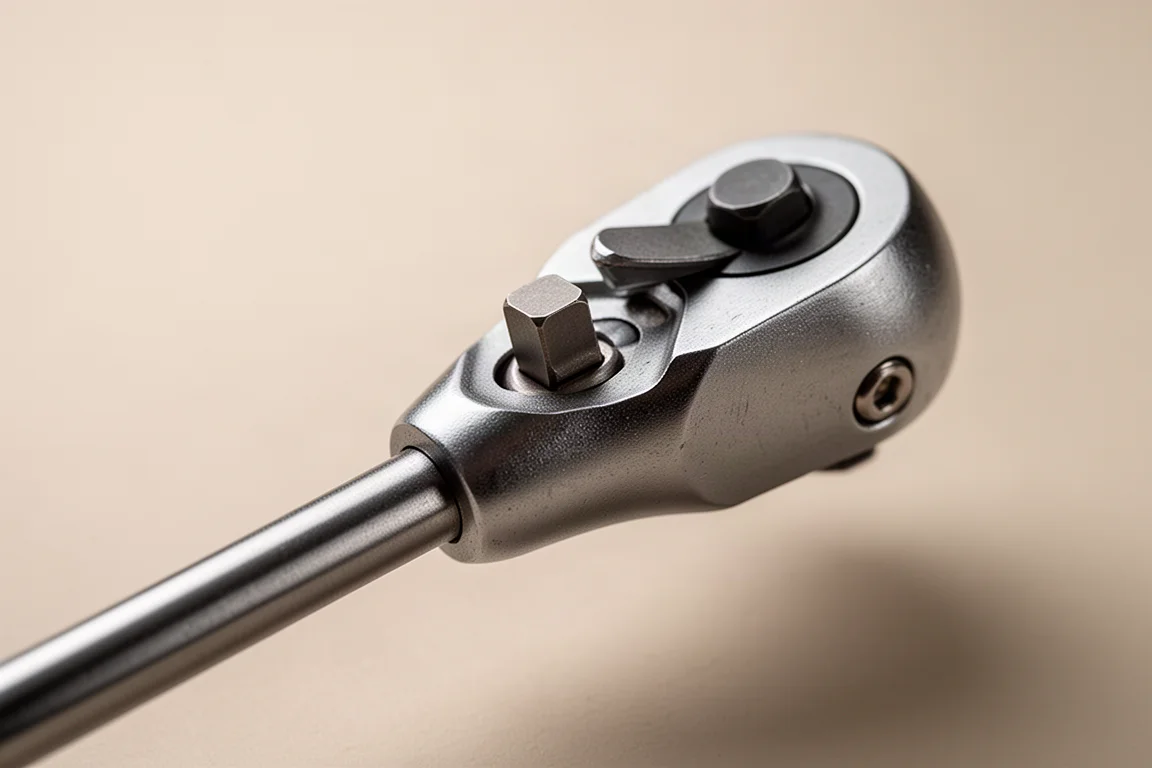
There are a couple of practical caveats. The insert can pop off the end under a firm tug, since there is no fastening point on the back, so some owners would likely add adhesive for security. And the head profile is noticeably thicker than a dedicated low-profile tool, roughly twice the height, because of the ratchet mechanism inside. Even so, for breaking fasteners loose first and finishing by hand later, it has a lot of potential.
Snap-on RTB M10 T-Handle Ratchet
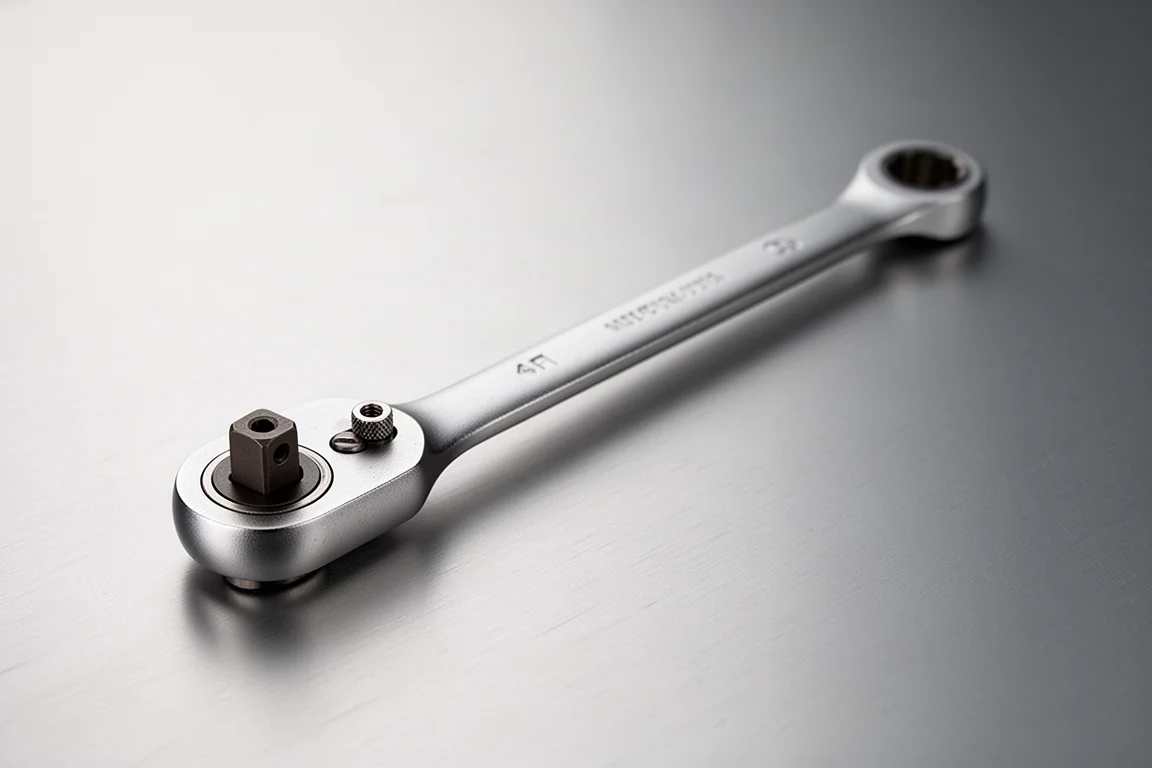
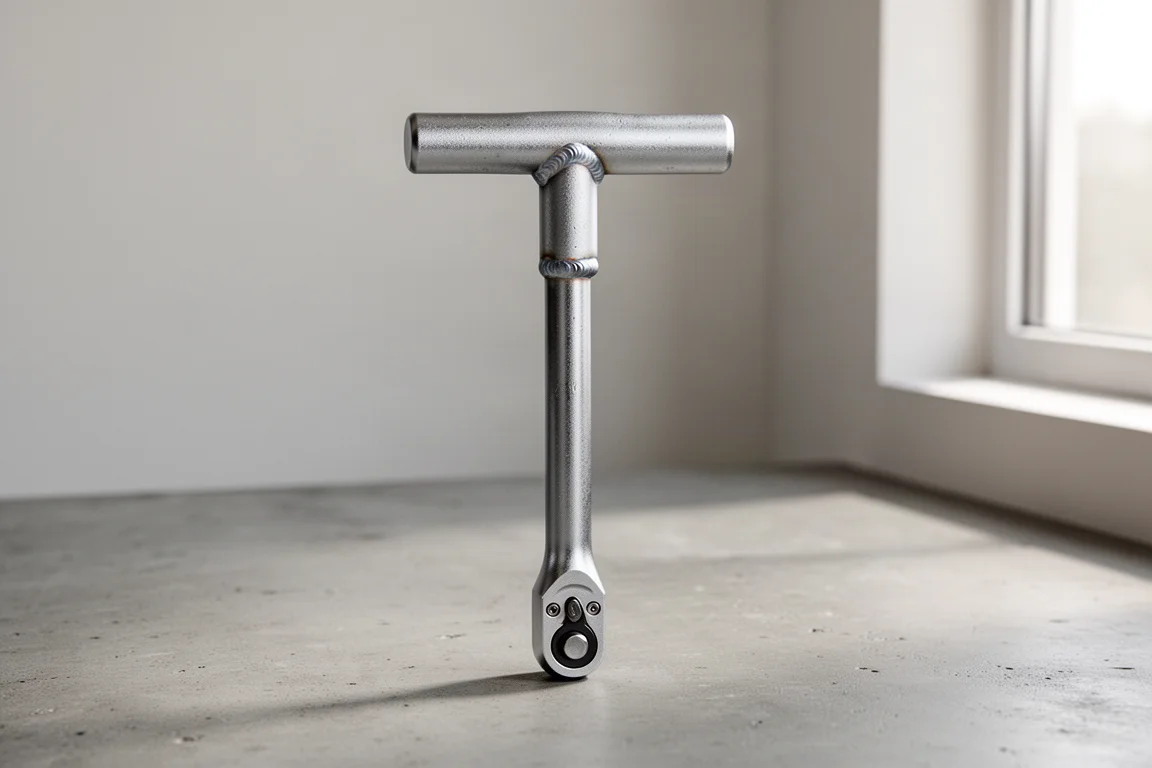
The Snap-on RTB M10 is a T-handle ratchet with a similar ratchet arrangement to the brand’s inexpensive dual-sided ones, but with a notable difference in feel. The head carries meaningful resistance, which is a genuine advantage: it holds the head in position rather than flopping around, making it much easier to line up on a fastener in a tight spot.
Because it works from either side, you can flip it over to switch between driving and removing fasteners in the same small access area. Construction is straightforward: pressed steel, a standard T-handle with a visible weld, a fixed ratcheting mechanism with no reversing lever, and around a 20-tooth mechanism. It is not a fancy tool, and the finishing on some parts looks rough enough that it arguably should be more polished at the price. It also appears to be something you may have to special order rather than pick off the shelf; sets are available and it seems like a handy tool to have in a collection.
How They Handle Real-World Constraints
In practice, the two tools complement each other. The Lyle’s pivoting head can be bent, inserted down through a narrow window, and operated at all kinds of angles, which a standard ratchet simply cannot match when obstacles block the usual access route. The Snap-on’s stiff head with real resistance makes alignment easier when you can only see a sliver of the fastener.
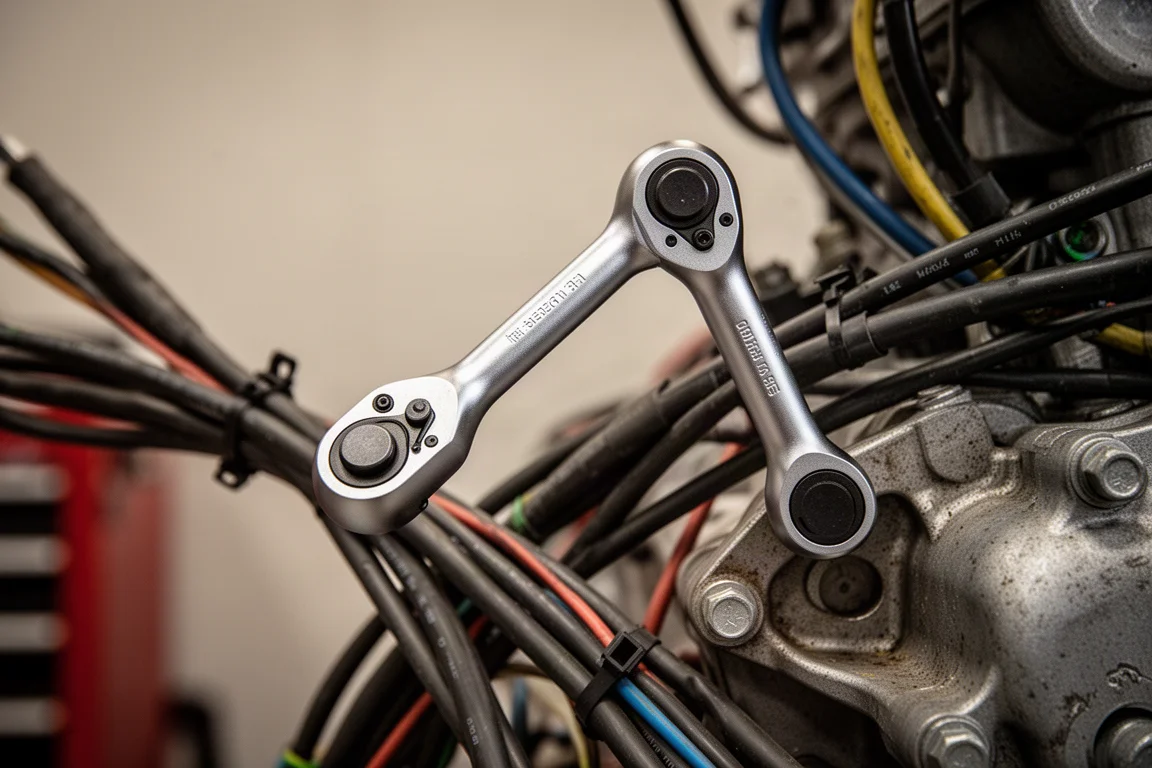
Neither is a miracle tool. Bit-holder style alternatives have their own problem, since you need something wedged in to keep purchase between the bit and the fastener, whereas these can actually grip a bolt once you get it started. If you regularly work in very low-profile spaces, it is worth continuing to explore whether other articulating designs with lower head heights exist.
Which One Should You Buy
If your work centers on HVAC actuators, blower motors, and dash-area fasteners, the Lyle 64100’s interchangeable 8mm and quarter-inch inserts and adjustable head give it clear value. If you want a simpler, stiffer T-handle that stays put while you align it, the Snap-on RTB M10 is the more confident-feeling tool, provided you can track one down.
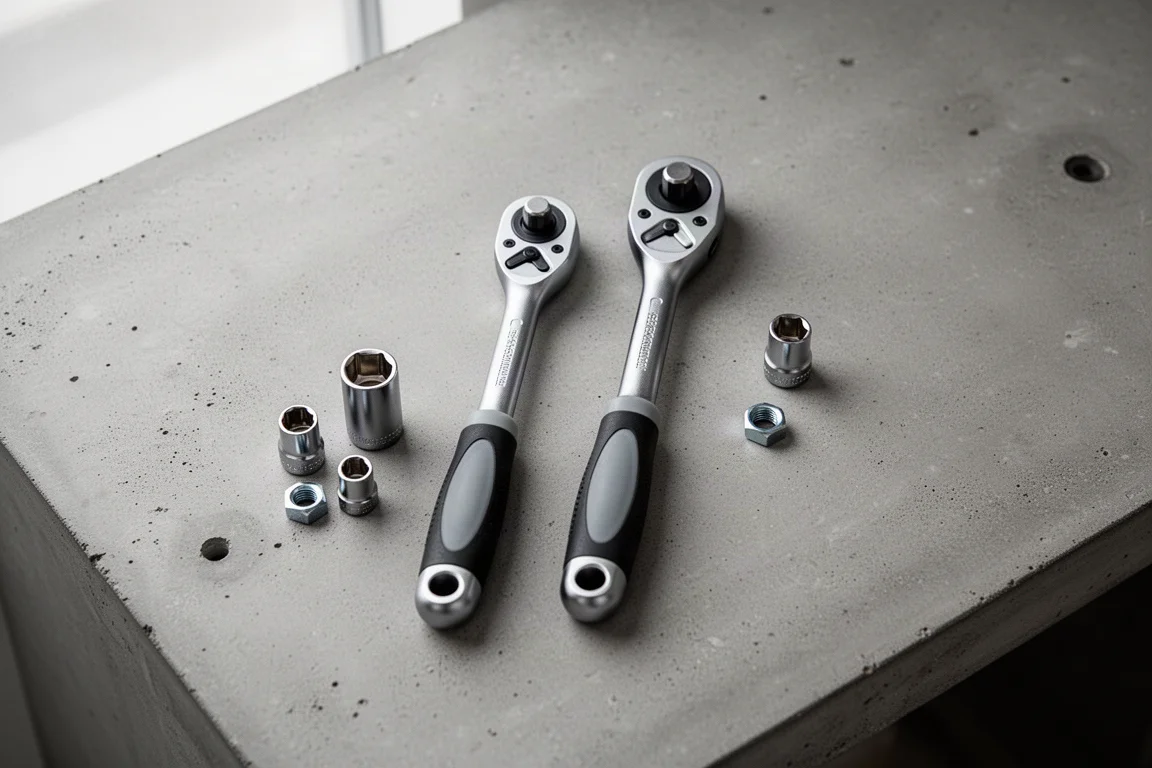
Both earn their place for different reasons: one for its adaptable head and inserts, the other for its stability and dual-sided operation in cramped quarters.
Conclusion
Articulating ratchets like these are specialist tools, but for blind fasteners they can turn an hour of wrestling into a few minutes of short, efficient strokes. The Lyle 64100 suits anyone who needs to reach actuator and blower motor hardware with either sockets or a fixed 8mm head. The Snap-on RTB M10 rewards those who value a head that holds its position while you work. Matching the tool to the access problem you actually face is the smartest way to choose between them.
Further reading
Related Reviews
Hand Tools
Best Diagonal Cutters 2026: 16 Pliers Tested for Cutting Power and Durability
We put 16 diagonal cutters through nail, screw, drill bit, and hex key tests to find the best value picks for your toolbox.
Hand Tools
Best Hex L Key Sets 2026: Nine Sets Tested for Real-World Torque
Nine hex L key sets from budget to premium, tested for torque, fit, and durability. See which sets deliver real performance and which ones to skip.
Hand Tools
Best Locking Pliers 2026: Top Picks Tested for Grip and Durability
We tested 18 brands of 10-inch locking pliers for grip strength, jaw bite, build quality, and ease of release to find the best options for tough jobs.