Ski Reviews
Best 90mm Freeride Skis 2027: 19 Twin-Tip and Directional Picks Compared
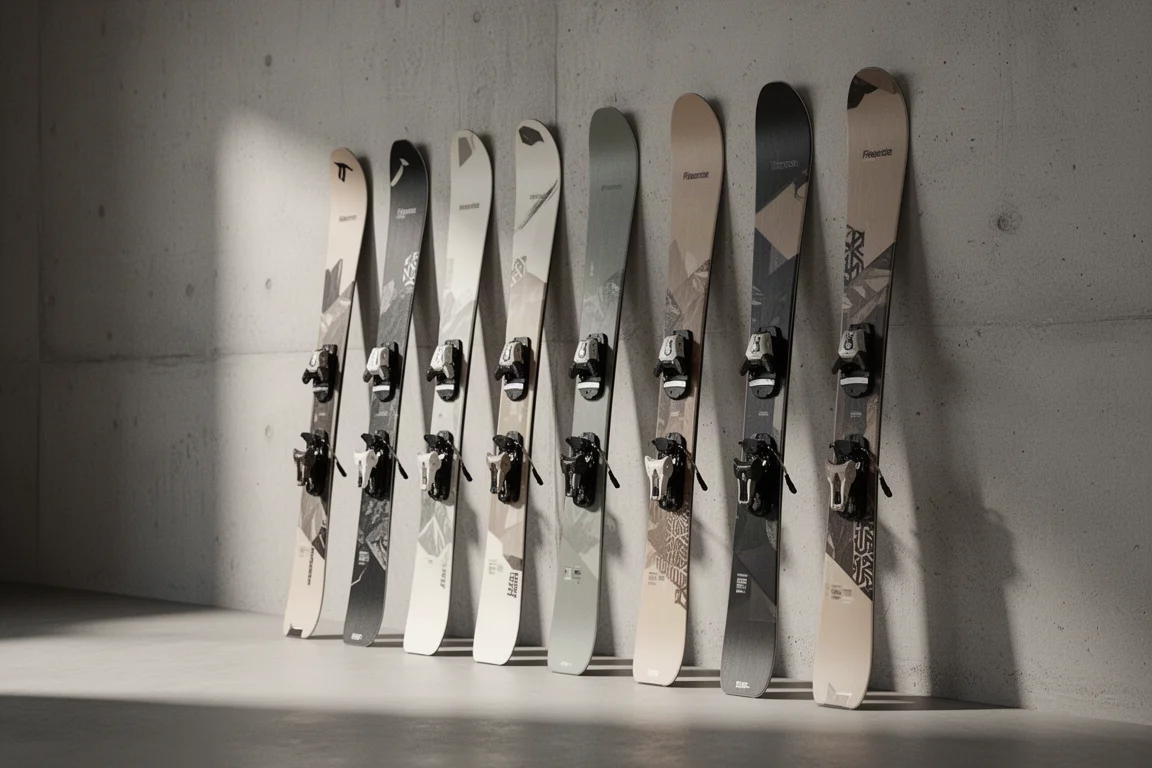
A wall-to-wall look at 19 skis around 90mm underfoot, from playful park-friendly twins to lightweight directional all-mountain chargers.
Introduction
Around 90mm underfoot sits an unusual stretch of the ski market. It is not classic freeride territory, and it is not quite all-mountain either, so we treat it as its own category: a mix of twin tips, lightweight and playful directional skis, and a few true park tools that happen to be narrow.
Every ski in this roundup is a twin tip or a light, maneuverable directional ski. We have drawn the line deliberately; heavier or more traditional 90mm all-mountain builds live in a separate comparison. Everything here is arranged from most approachable to most demanding, so read the sections in order if you want a sense of where you fit.
Elan Playmaker 91
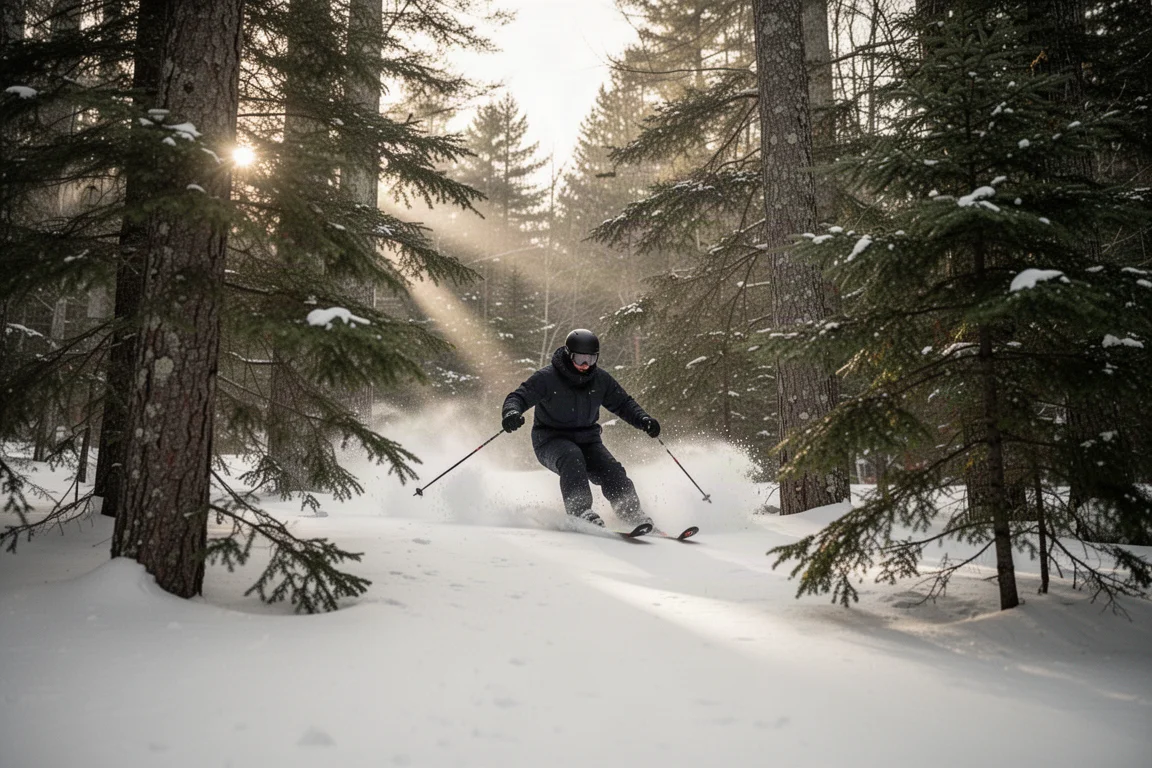
The Playmaker 91 is exceptionally lightweight, maneuverable and agile, with a TubeLite wood core, carbon rods, and Elan’s surf rocker for a distinctly surfy feel. Around 1,500 grams on the scale for a 180cm ski, it skis even lighter than its listed weight and is one of the most approachable skis here.
That lightness comes with a trade-off: heavier or more aggressive skiers will find the soft flex and shorter carbon rods limit stability. If you ski light and quick, love bumps and trees, and enjoy the park without needing rock-solid landings, this is a genuinely fun choice.
Line Pandora 92
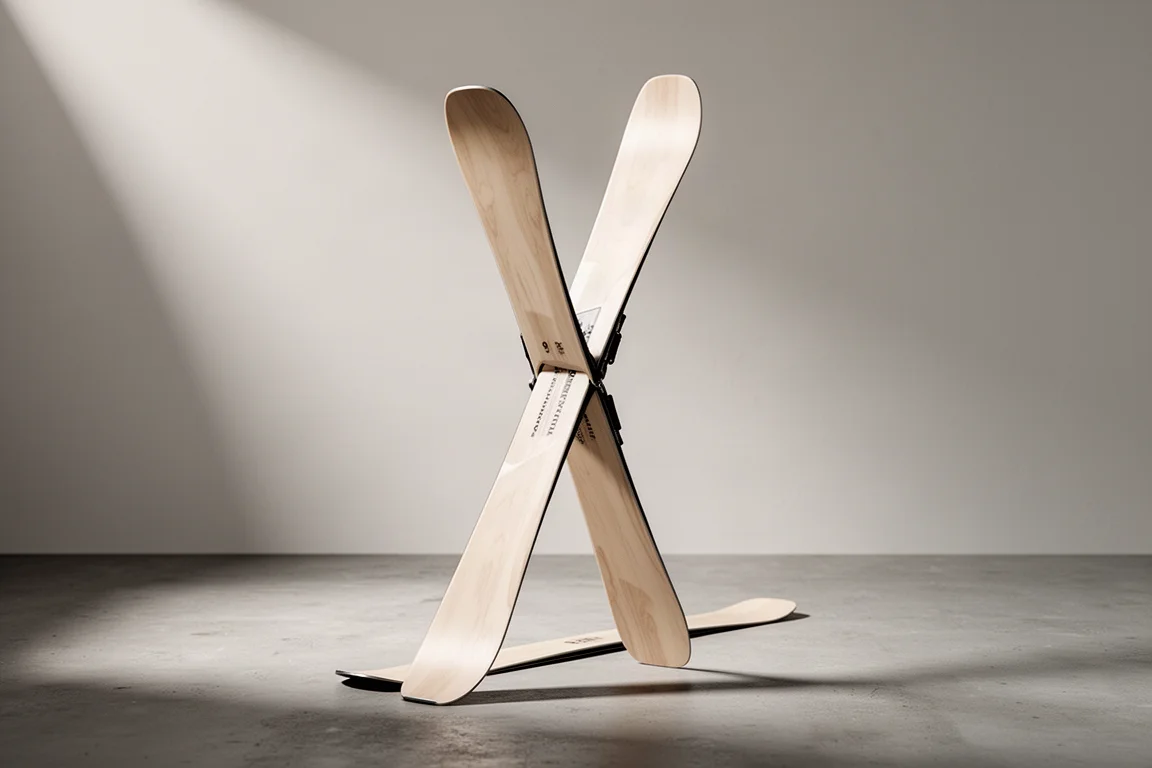
The Pandora 92 is a light directional freeride ski that blends a solid underfoot feel with easy mobility in the tips and tails. A thicker sidewall and denser core underfoot deliver pop and energy, while super thin tips and tails keep swing weight low and turning effortless.
It stays smooth and predictable thanks to longer rocker and lower splay, which keeps the ski connected to the snow. It is not a freestyle twin tip, but it is a great learning tool for switch skiing and a very smart pick for progressing intermediates stepping into softer snow and more varied terrain.
Atomic Bent 90
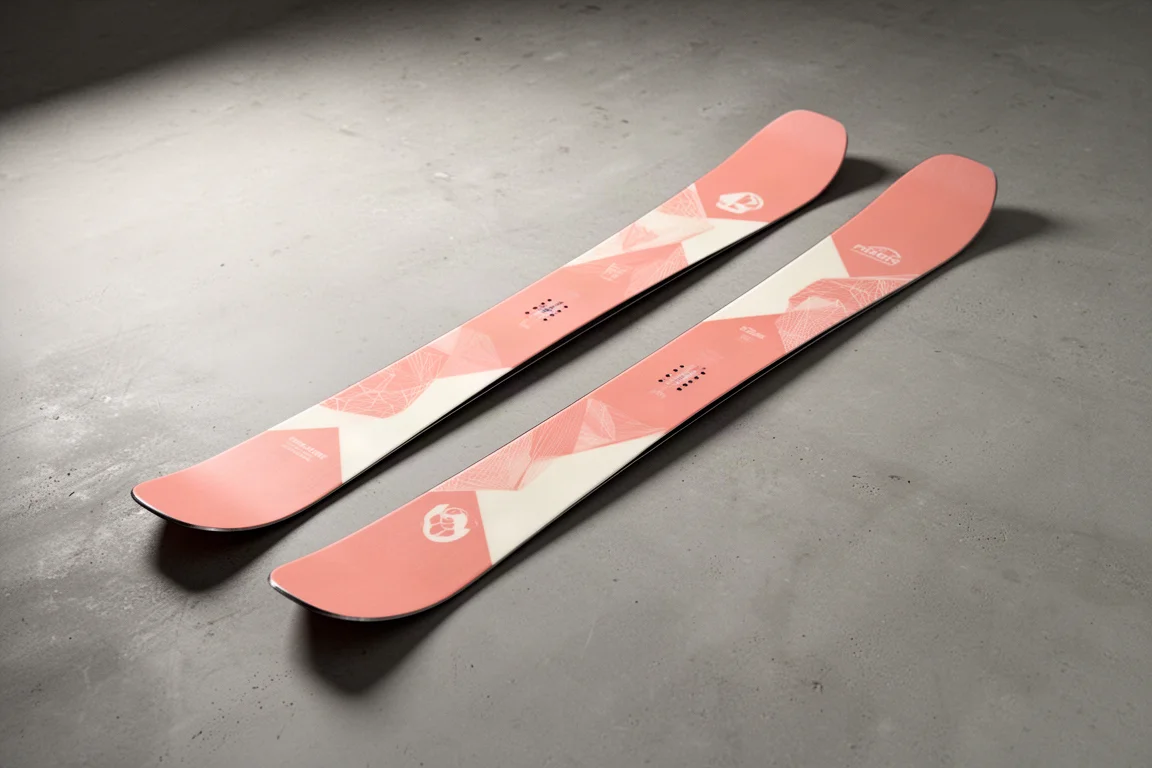
The Bent 90 sells in enormous numbers for a reason: it is extremely approachable across a huge range of skiers, from intermediates and occasional teenage skiers to expert park skiers and dedicated bump skiers. Relatively simple wood core construction, Horizon Tech in the tips and tails, and roughly 1,700 grams at 184cm keep it lightweight yet supportive.
The shape does most of the work. There is a lot of tip rocker for a 90mm ski, the shovel never feels catchy or hooky, and there is plenty of camber with real energy underfoot. A 10cm range of recommended mount points adds serious customization. It is a long-standing design without recent changes, but buying last season’s at a discount makes it excellent value.
Völkl Revolt 90
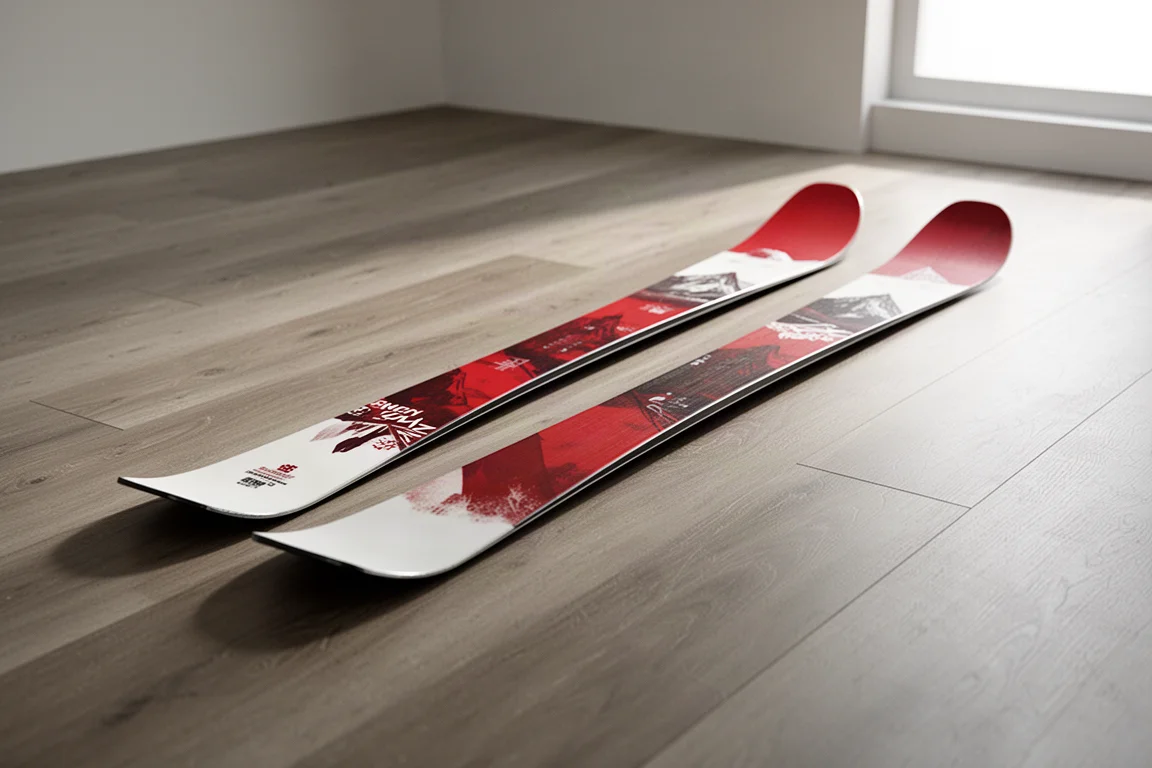
The Revolt 90 is a symmetrical ski built almost exclusively for competitive slopestyle use, with a step-down sidewall profile and a modern tapered tip that reduces catching on takeoffs and landings. At around 1,810 grams in a 180cm, it still feels astonishingly quick thanks to light tips and tails and low swing weight.
Confidence is the big story here. Skis this balanced and quick make switchups easier and tricks feel more attainable. Outside the park the scope is narrow: it will get you to the lifts, but it really wants to do park things, so treat it as a dedicated park ski.
Armada ARV 88
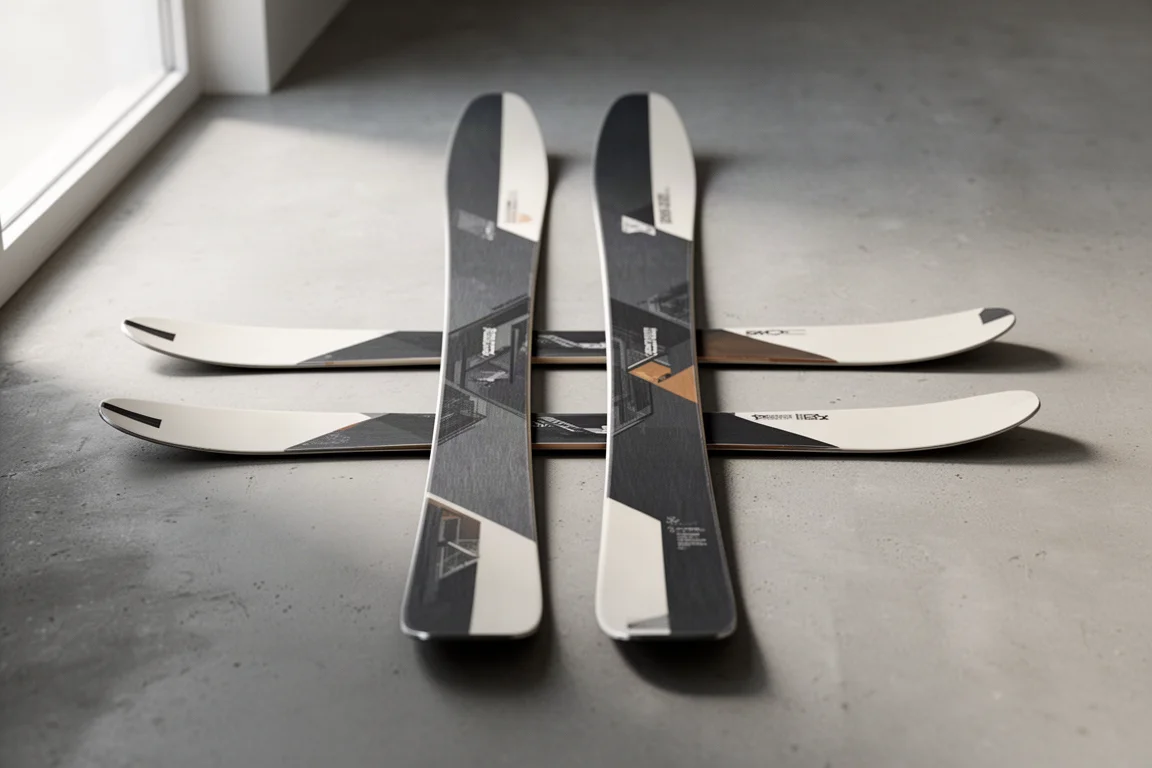
The ARV 88 is a precise, exacting park ski with a lot of camber, minimal rocker, a popular wood core, and Armada’s wedge sidewall for a more robust feel. Around 1,650 grams at 176cm, it is slightly less approachable than the Revolt 90 because it demands you stay on top of it.
What it delivers in return is precision and, surprisingly, strong carving manners thanks to all that camber and a 16.5m radius. Even non-park skiers in our test feedback consistently praised the energy and snappiness. For committed slopestyle skiers who want an exact tool, it is excellent; it is not a pick for casual all-mountain use.
Faction Prodigy 1
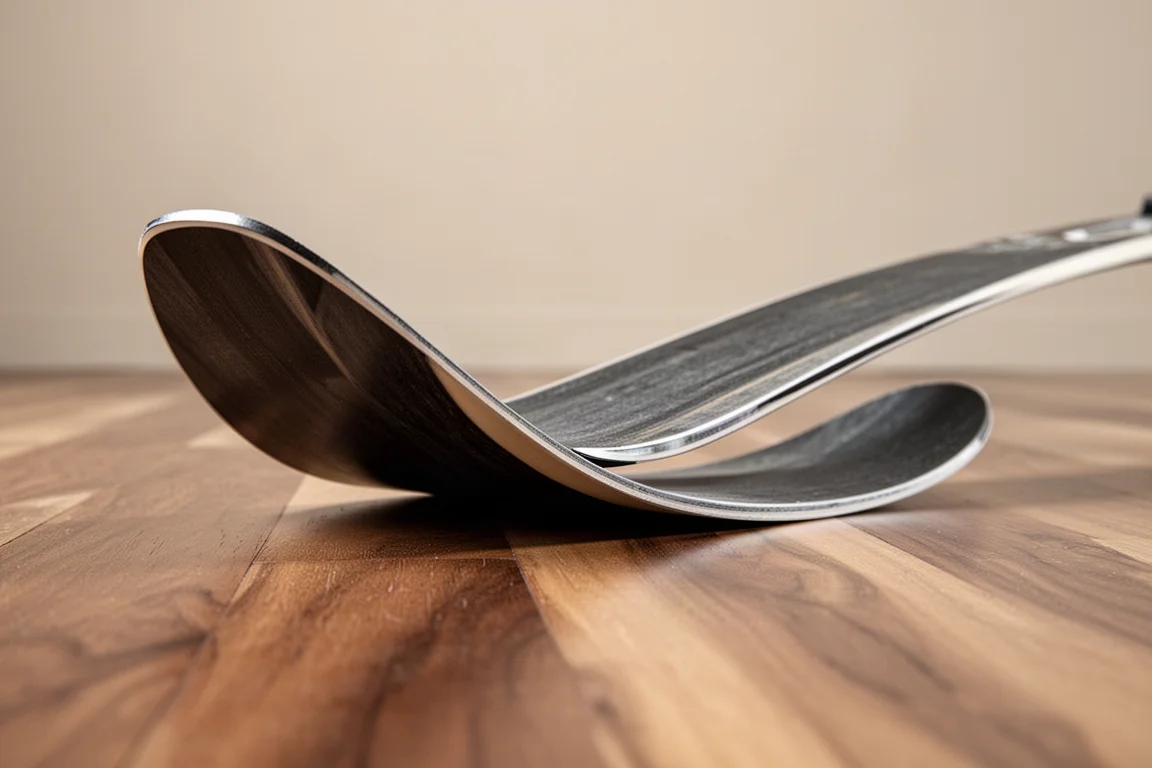
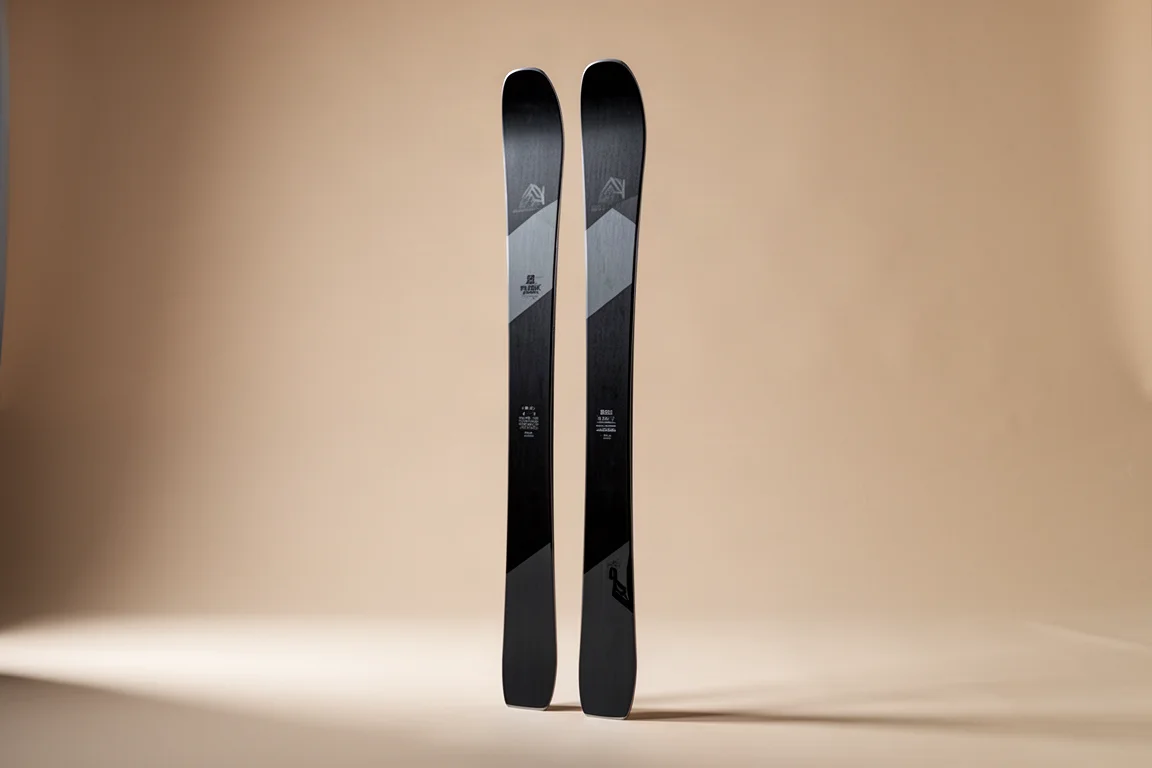
The Prodigy 1 offers arguably the most even split of park and all-mountain performance on this wall. A poplar and ash core, carbon and rubber stomp pads along the top sheet, and a balanced rocker, camber and taper profile make it fun, energetic and slightly more stable than the pure park skis above.
It shines in short, skidded, poppy turns and behaves beautifully in the park without being hooky. Open it up at speed and stability tops out, so keep expectations matched. For skiers who want creativity everywhere rather than specialization in one place, it is a very well-rounded choice.
Atomic Bent Decode
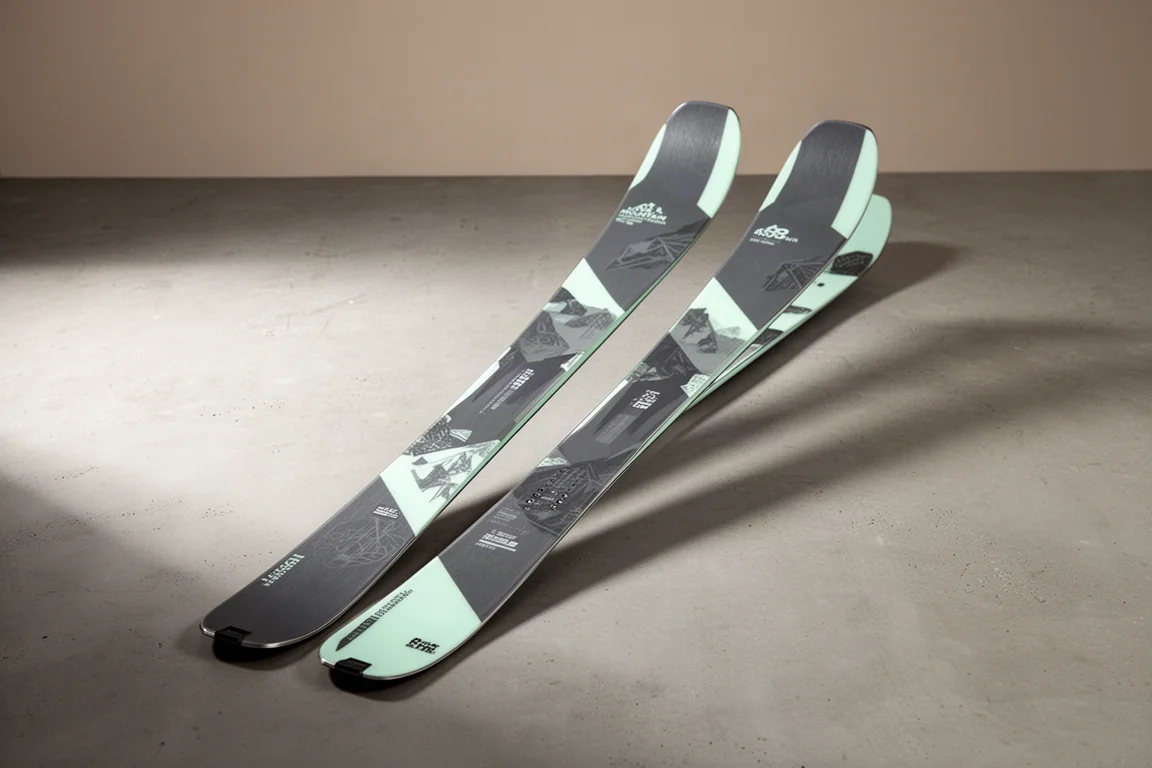
The Bent Decode is a brand-new addition to the Bent collection for 2027 and the most freestyle-focused Bent yet. A full horizontal layer of ABS core guard adds weight and damping, around 1,900 grams at 185cm, but the payoff is a ski with an extremely consistent, intuitive flex and a solid, compliant feel.
On snow it is genuinely one of the most impressive park skis here: quick, energetic and supple for landings, yet surprisingly capable in soft snow. The catch is mount point flexibility. With only roughly 3cm of recommended range around center, you must be comfortable with plenty of ski behind you. This one skis more like an athlete-driven twin tip than a classic Bent.
Fischer Nightstick 90
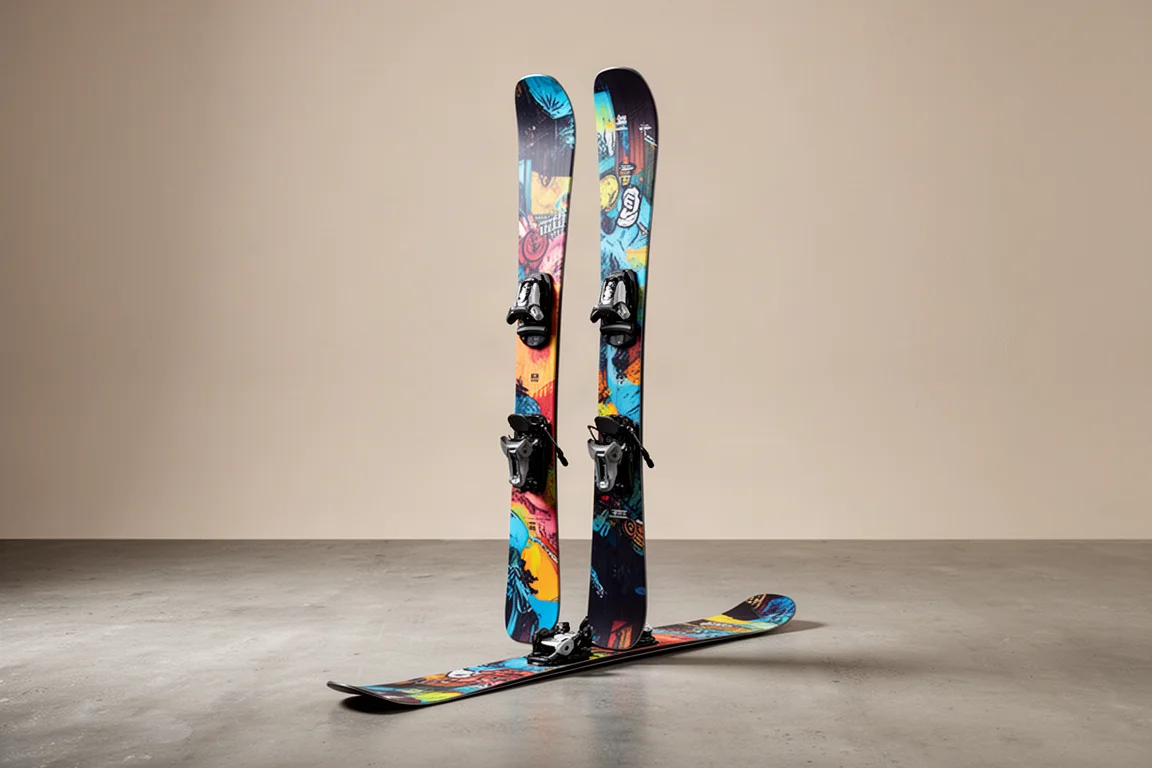
The Nightstick 90 feels like the real deal. Full vertical sidewalls, a thick core profile, a Titanol laminate under the binding area for durability and edge grip, and around 1,780 grams at 177cm give it some of the most torsional stiffness on this wall.
With a symmetrical shape, generous camber and just a touch of early taper, it is playful and balanced yet supportive, and it makes sense for hardpipe and firm-jump skiing. Like the other skis in this grouping, it is a 95% park ski. A park skier will call it a great all-mountain ski; a non-park skier will not.
Faction Studio 1
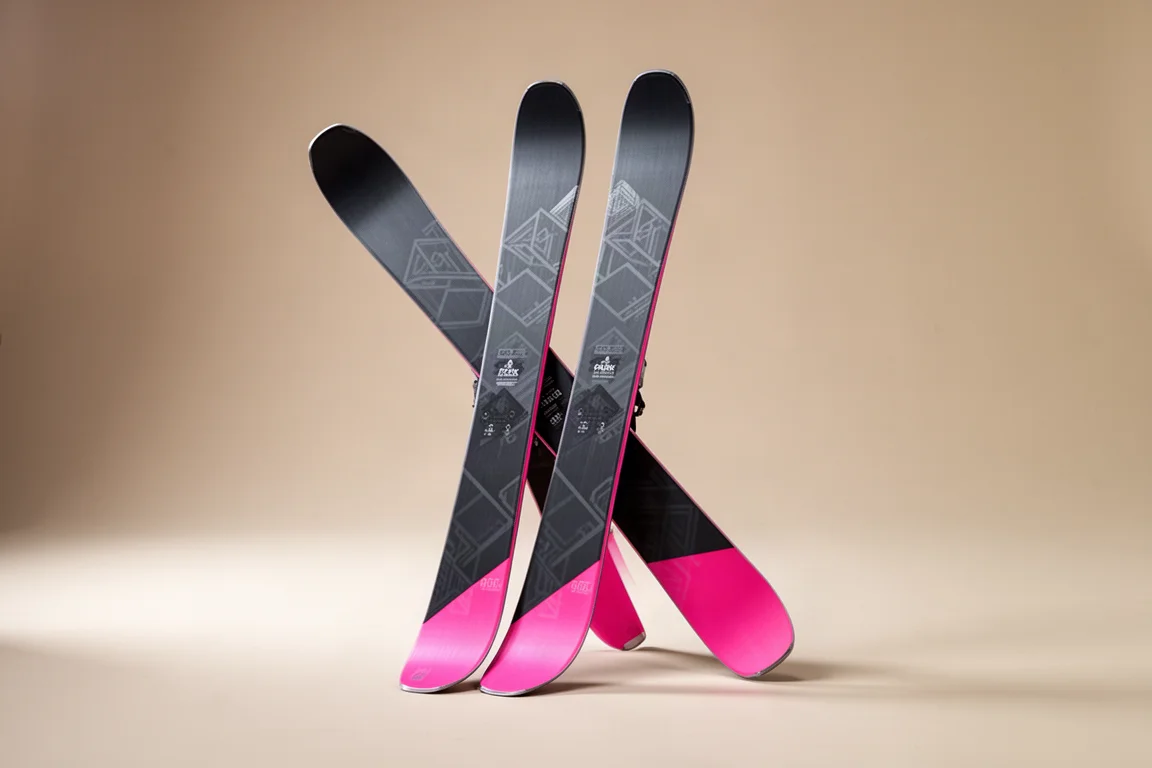
The Studio 1 is fully symmetrical, very stiff, and unapologetically a high-level dedicated park ski. Carbon stringers on top of the wood core and a carbon stomp pad support big landings, while minimal taper gives a longer effective edge that demands solid technique.
This is not the ski to learn basic tricks on; it is the ski for someone whose cork 7s are already dialed and who is working toward doubles. Intermediates are far better served by the Prodigy line, and even strong skiers will find it more rewarding in the park than around the rest of the mountain.
K2 Omen 90
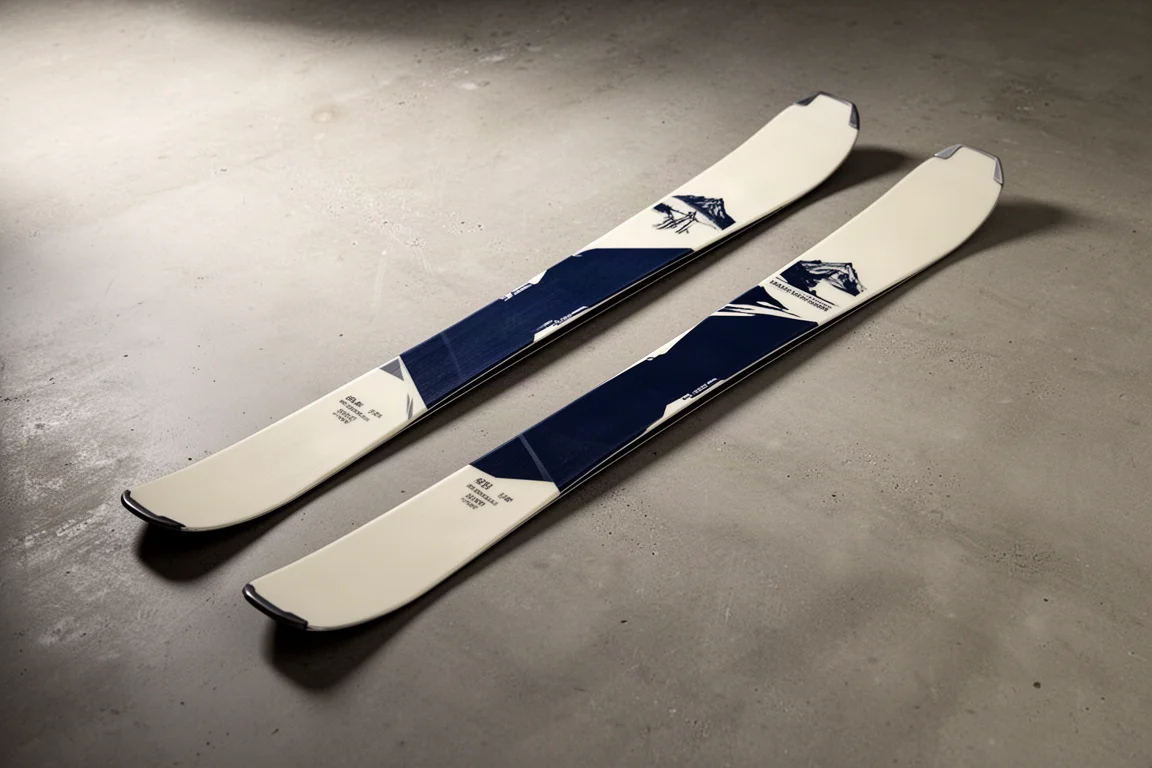
The Omen 90 is the heaviest and stiffest ski discussed so far, a no-nonsense twin tip with a thick aspen core, triaxial fiberglass weave with carbon, and thin tip and tail material to keep swing weight manageable. Around 1,972 grams at 178cm, it is rugged and dense underfoot.
K2’s durability reputation is the headline here: park skis break a lot, and the Omen series has a track record of lasting longer than most. The tip and tail shapes are also excellent, mixing precision with forgiveness. If you want a park ski built like a tank, this is it.
K2 Mindbender 90
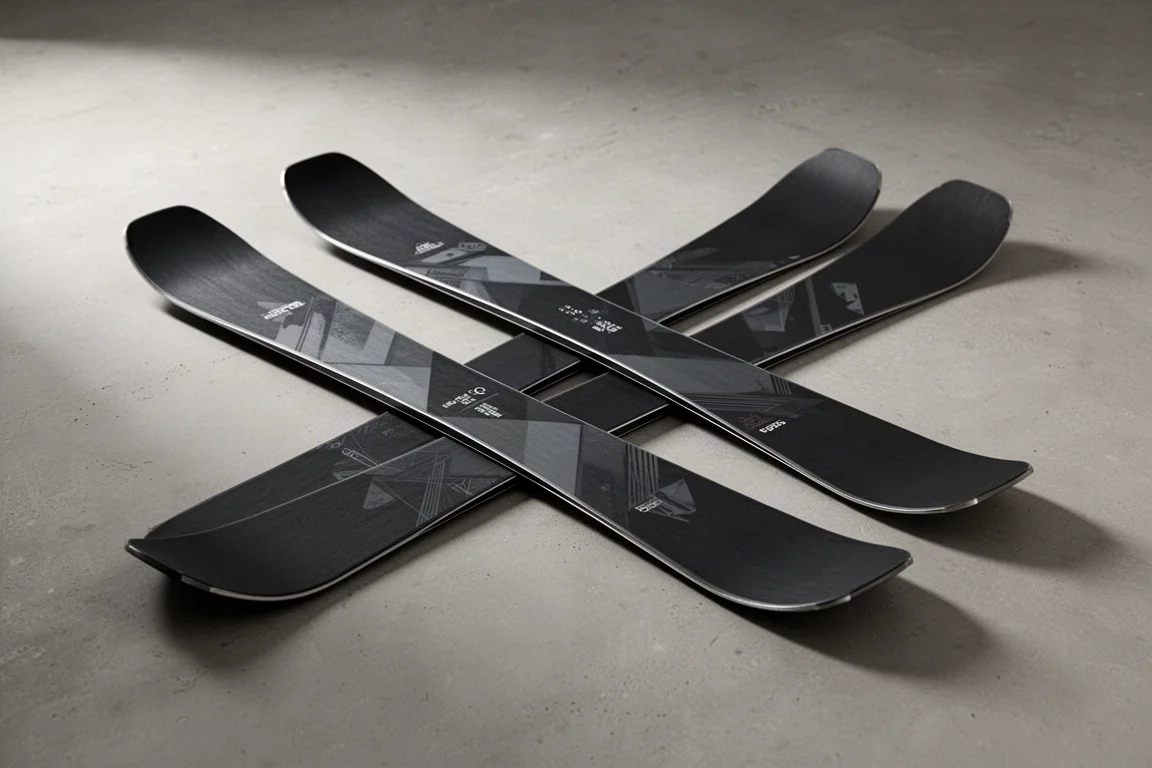
The Mindbender 90, previously the Mindbender 90C, is easy to overlook but genuinely good, as one career ski patroller at Stowe who buys multiples in advance will happily attest. Carbon spectral braid concentrates torsional stiffness in the shovel for precise turn entry, then eases off in the tail so you can break turns loose easily.
With around 1,800 grams at 178cm, a big spoonful tip rocker, good float up front and considerable tail rocker, it is best in bumps, trees and variable terrain rather than pure carving. If carving groomers is your priority, other skis in the line will outperform it, but off-piste it is the standout of the family.
Elan Ripstick 88
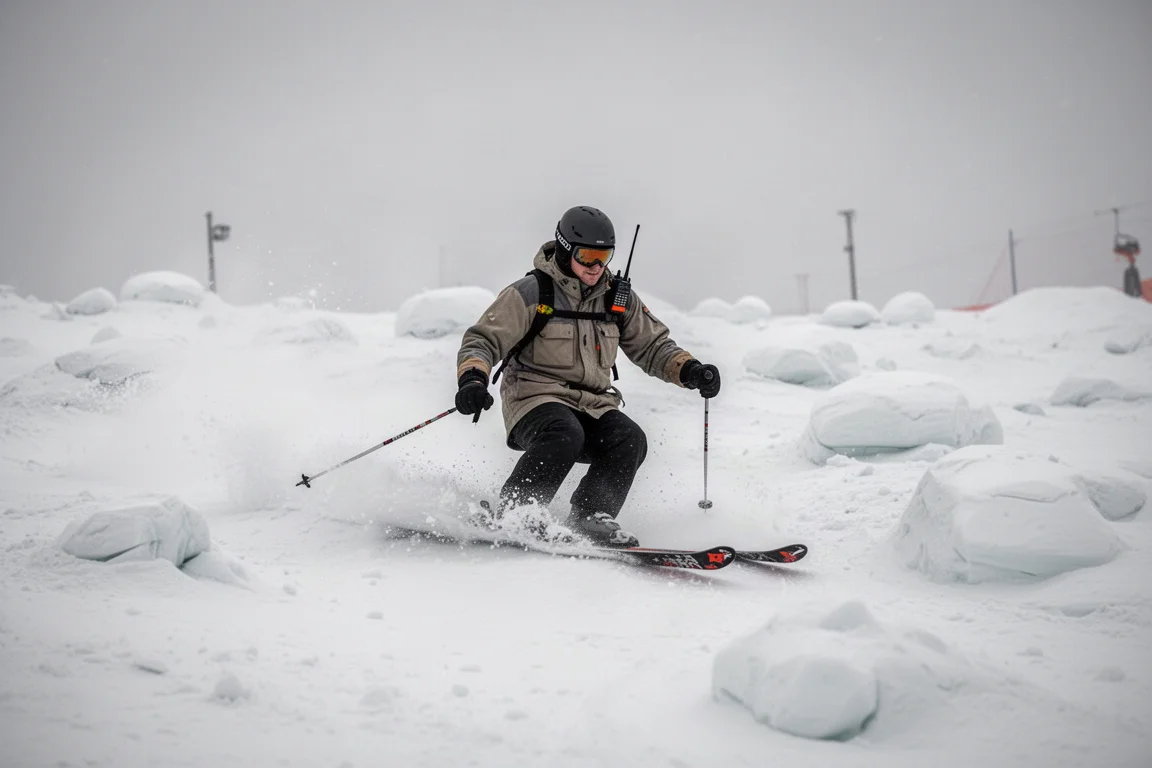
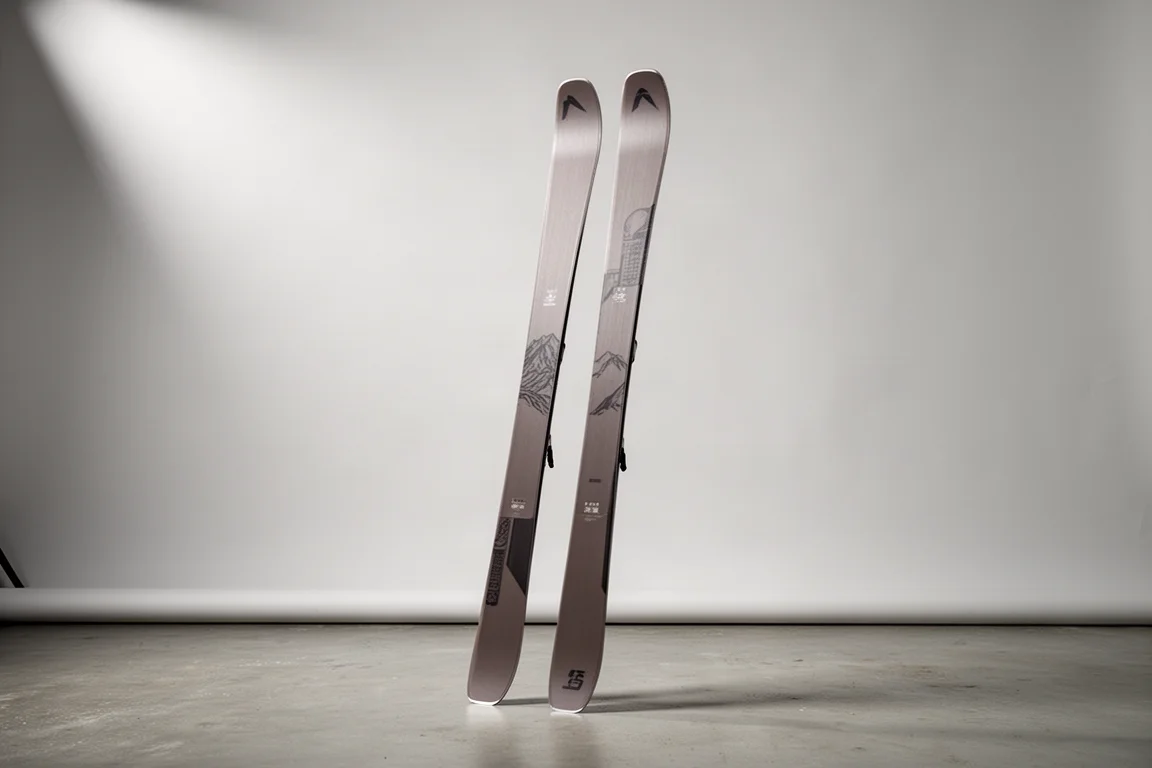
The Ripstick 88 is notoriously light at around 1,637 grams in a 182cm, yet somehow extracts a lot of performance from its TubeLite core, longer carbon tubes, and a unidirectional carbon layer on the inside edge of the downhill ski. The Amphibio asymmetrical design keeps the ski fluid and easy to stay parallel on.
Long, low rocker front and rear and a flatter tail keep it connected and smooth despite the featherweight build. Flexible tips make turn initiation effortless, but heavier, aggressive skiers will find the ski’s limits early in the turn. It is left- and right-specific, and it is engineered for accessible fun, which it delivers.
Black Crows Captis
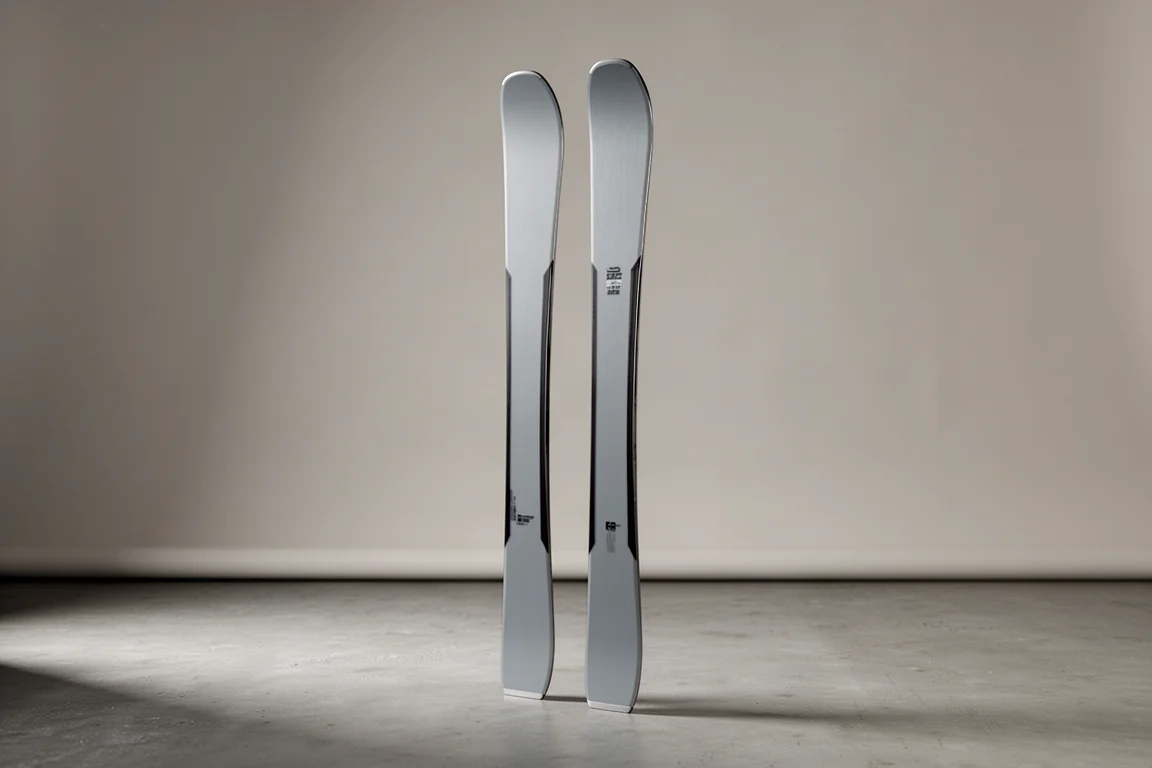
The Captis is one of Black Crows’ most well-rounded skis even though it flies under the radar. Simple popular wood core construction controls performance through noteworthy core thickness rather than exotic materials, and around 1,760 grams at 178cm keeps it reasonable.
What sets it apart is consistency. The shovel is solid, the ski is round underfoot, and you can use the entirety of the ski at speed, which is rare in a twin tip this narrow. With a roughly 7cm back-of-center mount point and a 128-90-114 taper, it skis like a strong directional all-mountain ski that happens to have a tail. If you want a 90mm twin tip for carving and backcountry-ish exits rather than the park, it is one of the best answers.
Armada Antimatter 88
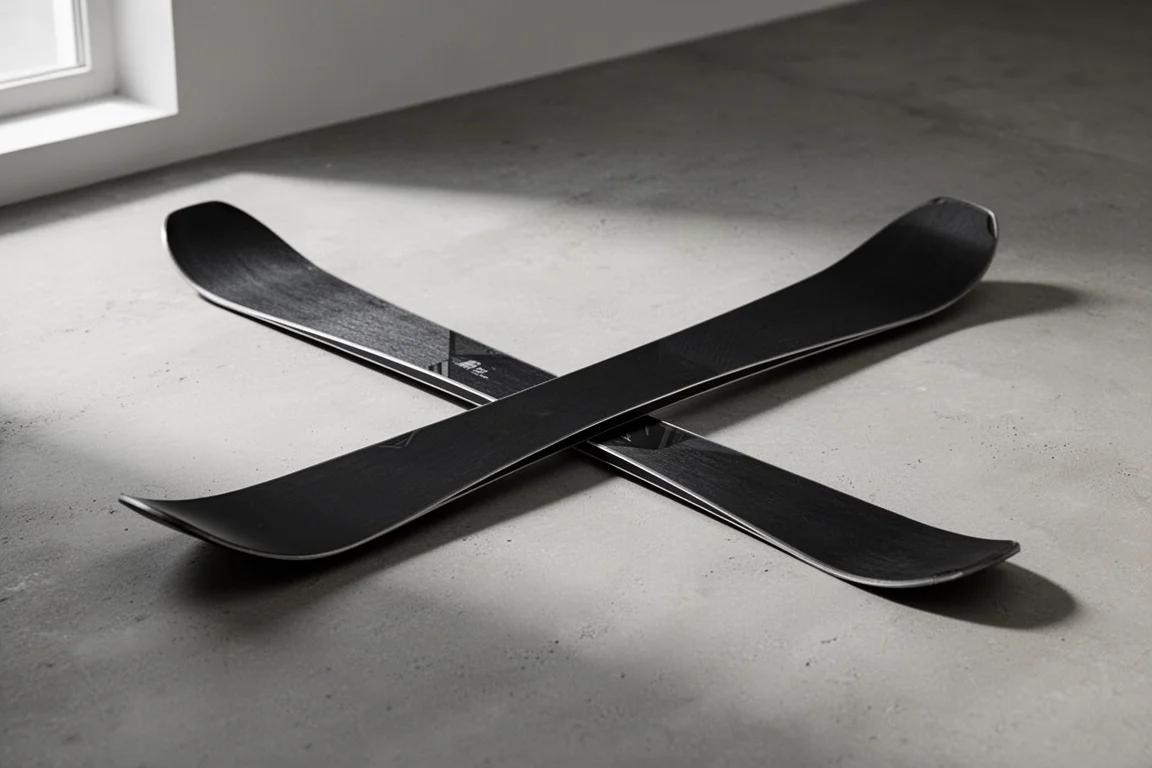
The Antimatter 88, previously the Declivity 88C, pairs a poplar core with carbon stringers at around 1,620 grams for a light ski with an upper-level feel. It is more traditionally shaped and less playful than the Captis, which is exactly why it suits directional skiers.
The defining trait is a long effective edge with a supportive, flatter tail, which produces stability and smoothness in long, drawn-out carves and high-speed GS turns. It also handles bumps and trees very well, especially if you like a ski that engages rather than wanders. Without metal it will never be fully damped, but the energy-to-weight ratio is impressive.
Black Crows Mirus Cor
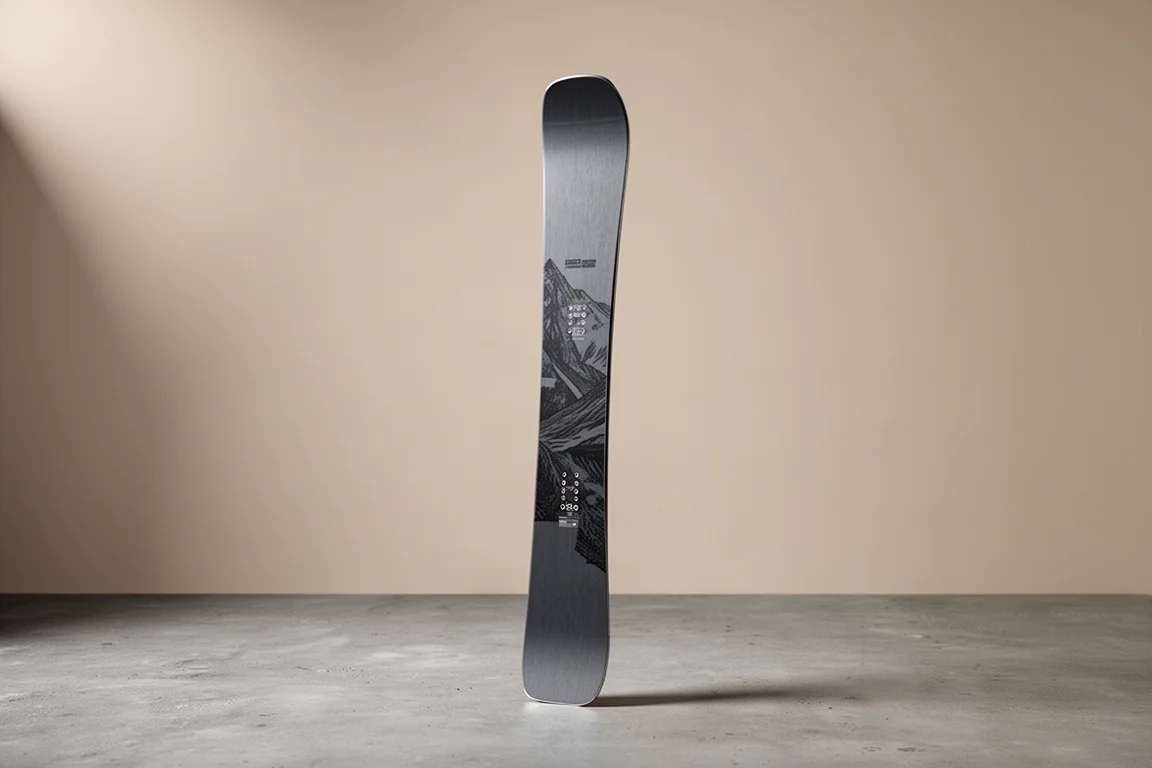
The Mirus Cor is genuinely unlike anything else here. A popular wood core with a partial titanal layer underfoot, a very wide and spoonful tip to achieve a 13-meter radius, flat camber, a small swallow tail, and sidecut of 134-87-123 add up to one of the most visceral carving experiences available on a freeride-style ski.
The catch is technique. It is not tiring or demanding in the stamina sense, but unlocking its true performance requires accomplished technique, and it is not good at speed or on steep, firm snow. If you will link short, clean 13-meter carves at moderate speeds, it is addictive. If not, something like the Soul 92 will serve you better. It is also a fantastic quiver addition because you own nothing like it.
Rossignol Soul 92
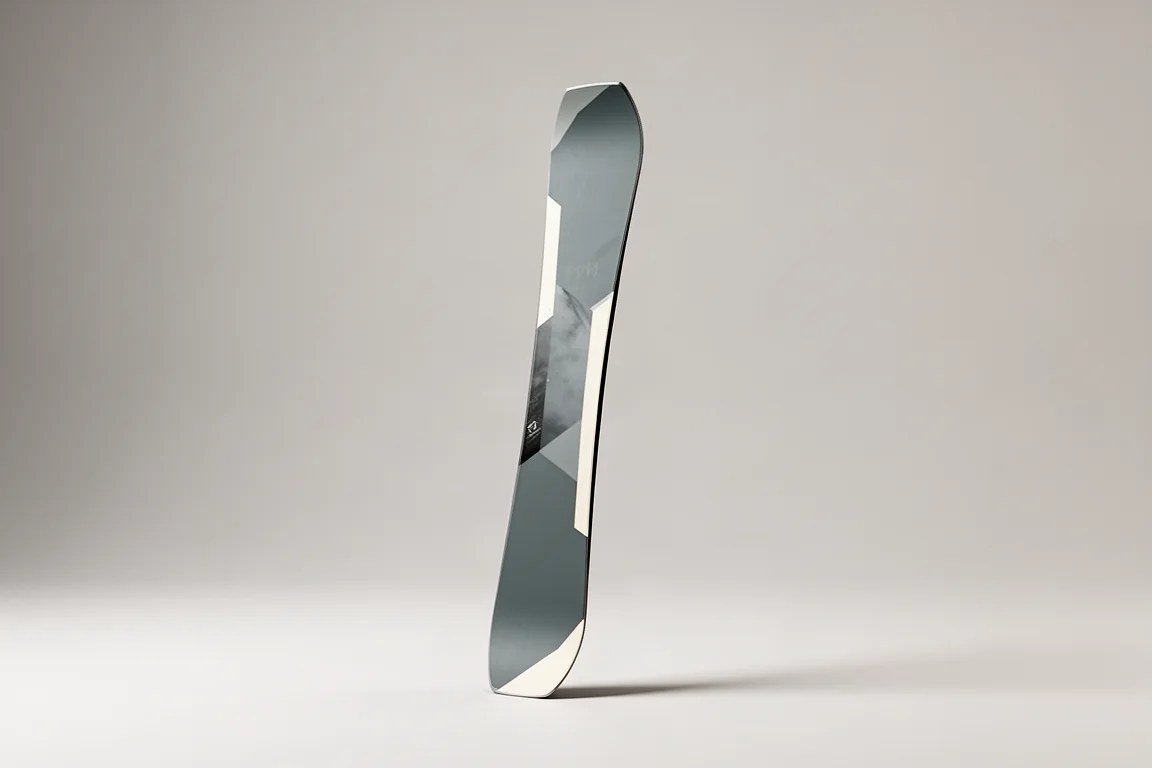
The Soul 92 is new to the renamed Rossignol lineup, part of a split that separates the Soul and Sender families for clearer naming. A poplar core, a titanal beam underfoot, and Air Tip in the front combine into a unisex directional all-mountain ski offered in all lengths across two colorways.
It is the definition of above-average across the board: good in bumps, tight trees and soft snow, easy to turn, and genuinely mindless to ski, meaning it does what you ask without demanding conscious decisions. It lacks maximum bite on firm snow at high speed compared with the Arcade line, but for a progressing intermediate or early expert who wants to stop thinking about equipment, it is a great fit.
Faction Dancer 89
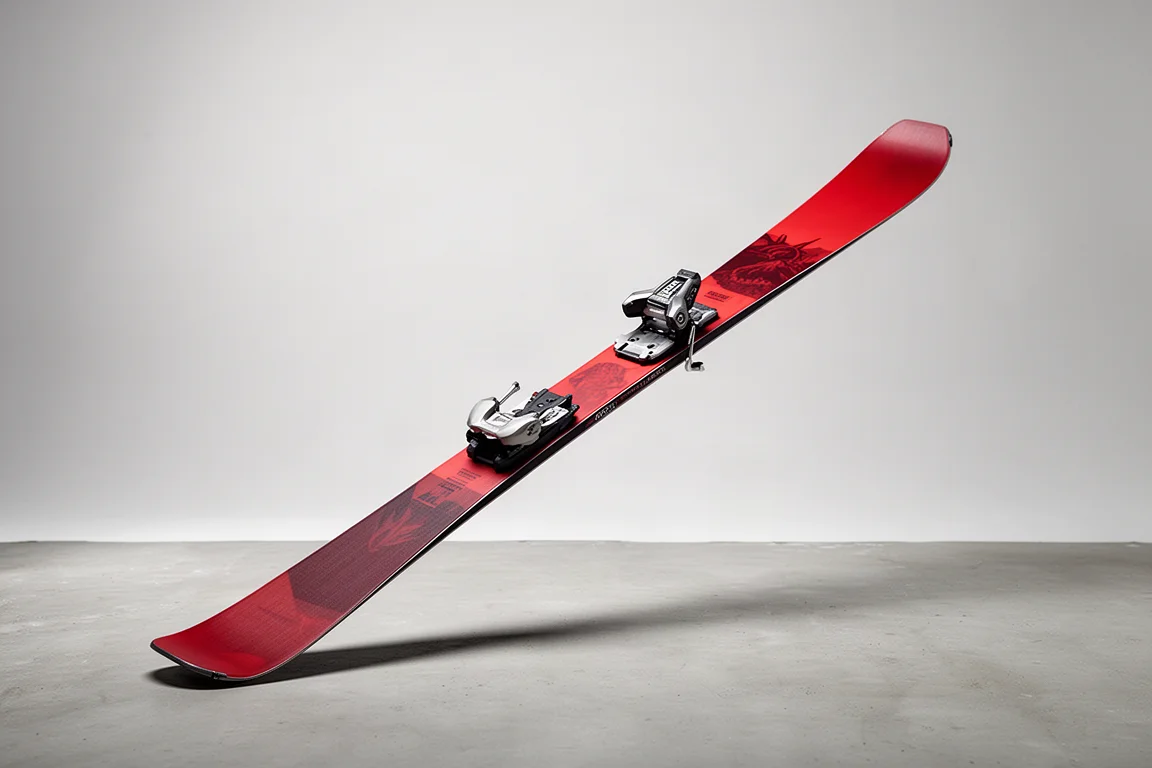
The Dancer 89 is the non-titanal half of Faction’s newly split Dancer line for 2027, sharing its shape with the Dancer 89 TI but dropping the metal for a livelier feel. Around 1,750 grams at 179cm, it is not stiff but stays supportive, with generous tip rocker transitioning into cap construction for a supple, smooth feel in soft snow.
It sits right next to the Soul 92 in character but has a bit more bite, with an 18-meter radius and good tail response. This is a low floor, high ceiling ski: an intermediate can choose it confidently and grow into it. If you can, try it against the TI version, since metal is not automatically better.
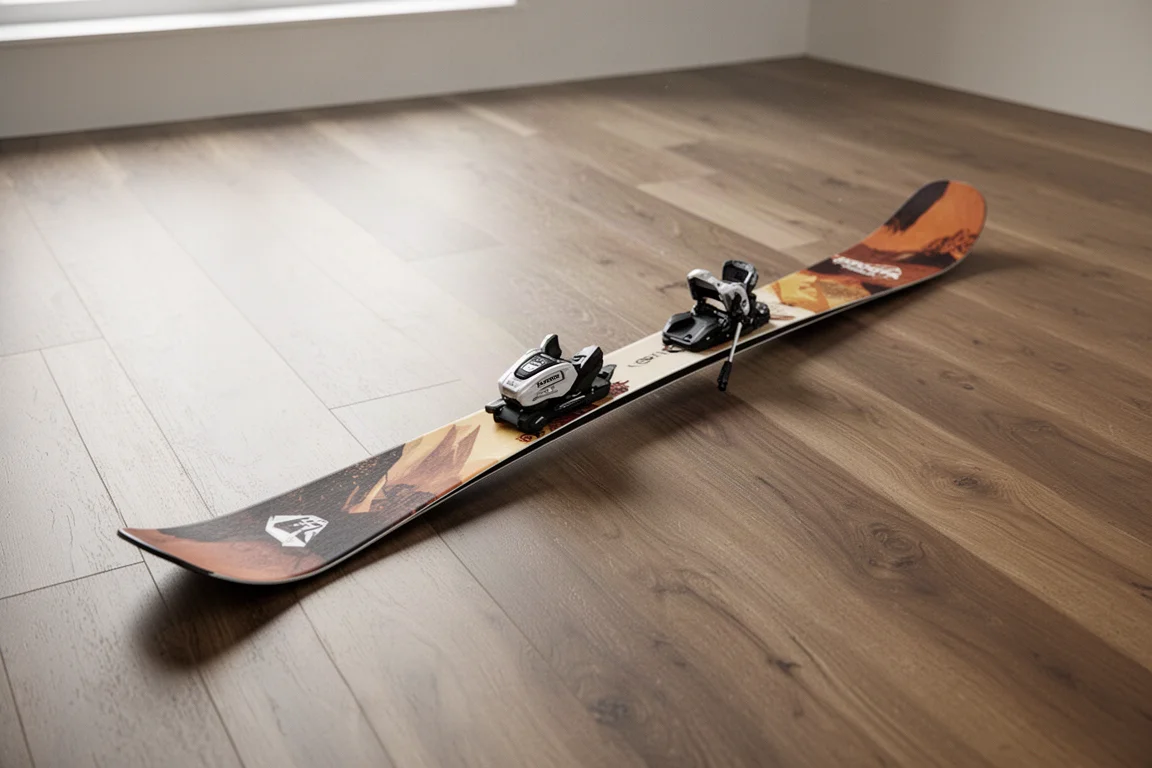
Liberty Radian 92
The Radian 92 packs a lot into its build: a new bamboo, poplar and ash core mix, carbon stringers, and a variable metal laminate underfoot that tapers toward the tip and tail. Around 1,770 grams at 179cm is light for a metal ski, and the bamboo adds a quiet, high-quality feel without sapping energy.
Early taper in the shovel makes this one of the more soft-snow-focused skis on the wall, swivelly in technical terrain, yet the flatter, less tapered tail finishes turns with real pop. It can make genuinely impressive carves if your initiation is delicate. It is intuitive, easy to figure out quickly, and arguably among the best skis Liberty has made in some time.
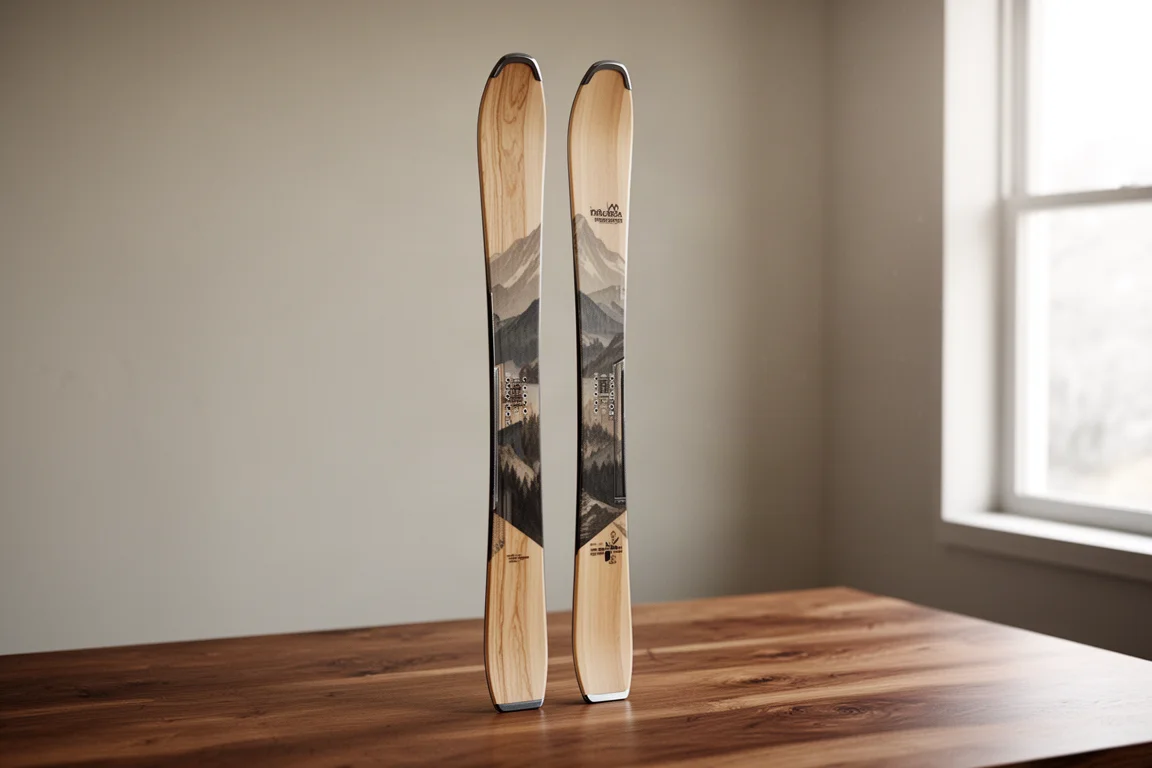
Line Optic 88
The Optic 88 closes the wall with a distinctive recipe: an aspen core plus a big, chunky sheet of Gas Pedal Metal Overdrive that has been cut and shaped so heavily it barely reads as a sheet of metal. Around 1,770 grams at 177cm, with softer tips and tails than the underfoot zone, it is stiff but not punishing.
For an 88mm ski it has quite a bit of tip rocker, low-rise camber, and really long tail rocker, making it a freeride-style twin tip rather than a park twin. It blends all-mountain skiing with freeride and freestyle influence in a way that is hard to find elsewhere, and as a metal twin tip at this width it has essentially no direct competition. It is a pick that rewards moguls, carving, trees, creativity and everyday versatility in equal measure.
Buying Advice
The first question to ask yourself is how much time you actually spend in the park. If park performance is the priority, the Revolt 90, ARV 88, Bent Decode, Nightstick 90, Studio 1, Omen 90 and Optic 88 sit on the most park-focused end of this wall, with the Playmaker 91, Pandora 92, Bent 90 and Prodigy 1 offering more all-mountain versatility within that group.
If you lean directional, the choice comes down to feel. The Ripstick 88, Antimatter 88, Dancer 89 and Radian 92 are the responsive, lighter-touch options, while the Captis, Mindbender 90 and Soul 92 trade some sparkle for stability and ease. The Mirus Cor stands alone as a technique-dependent carving specialist. Heavier, more aggressive skiers should skew toward the stiffer, more supportive builds, since the lightest skis here will show their limits early.
Conclusion
This 90mm freeride group is a bit of a strange category, split between twin tips and directional skis, but that variety is exactly what makes it worth shopping carefully. Match the ski to how you actually spend your day, whether that is the park, the trees, the bumps or long carved turns, and there is a genuinely strong option on this wall for almost any skier.
Further reading
Related Reviews
Ski Reviews
Armada Antimatter 108 Review: A Freeride Ski Built for Speed and Deeper Snow
The Armada Antimatter 108 carries over the beloved Declivity X 108 shape with new construction that adds compliance in soft snow and composure in crud, aimed squarely at strong, aggressive skiers.
Ski Reviews
Armada Antimatter 92 vs Invictus 92: Two All-Mountain Skis Compared
A closer look at two Armada all-mountain skis, one playful and nimble, the other composed and smooth, to help you pick the right one for your skiing.
Ski Reviews
Armada Antimatter 92W Review: A Smoother Take on a Proven All-Mountain Footprint
The Antimatter 92W keeps the trusted Reliance 92Ti footprint but softens the ride with a new metal construction, making it more versatile in softer snow without losing on-trail grip.