Ski Reviews
Best 90mm All-Mountain Skis 2027: 19 Directional Skis Ranked from Approachable to Demanding
A full lineup of directional 88 to 92mm all-mountain skis, ordered from the most easygoing to the most demanding, with strengths, trade-offs, and buying advice for each.
Introduction
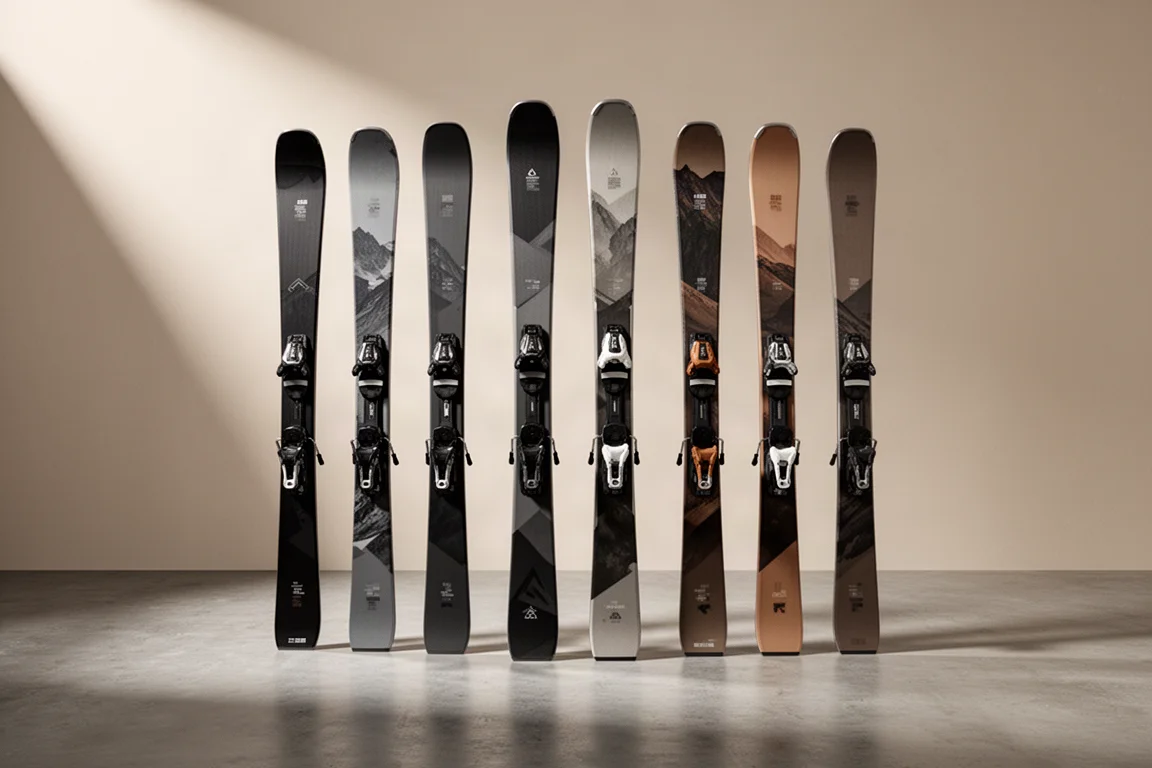
The 88 to 92mm all-mountain category is one of the most crowded in skiing, and this year’s directional-focused lineup is a genuinely strong one. Unlike the freeride side of the 90mm class, which mixes twin tips and directional skis, this wall is 100 percent directional, and the performance gap between the most approachable and most demanding skis is narrower than you might expect.
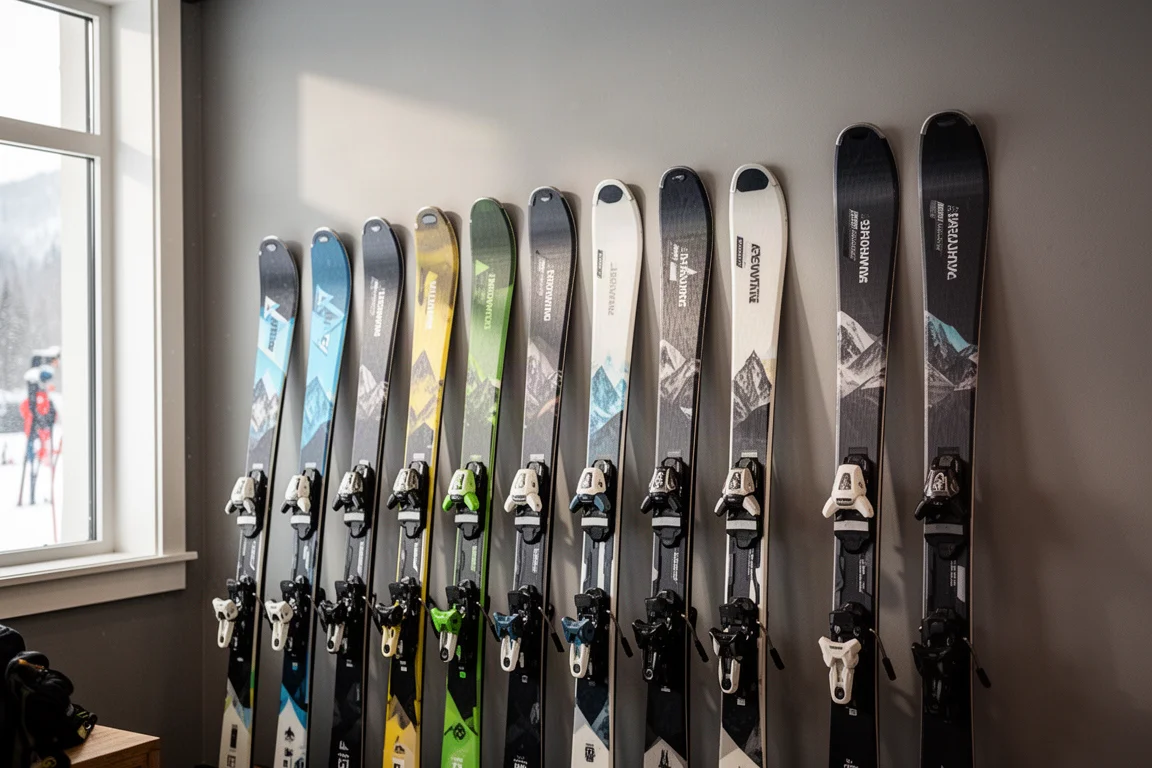
This roundup is ordered from most approachable to most demanding. A useful way to think about any ski here is the floor-to-ceiling question: how easy is it to get on with on an average day, and how much will an expert-level skier get out of it when pushing hard? Some skis, like the Elan Ripstick 88 Black Edition, cover a surprisingly wide range on both ends. Others demand technique, strength, and honesty about your own ability.
Elan Ripstick 88 Black Edition
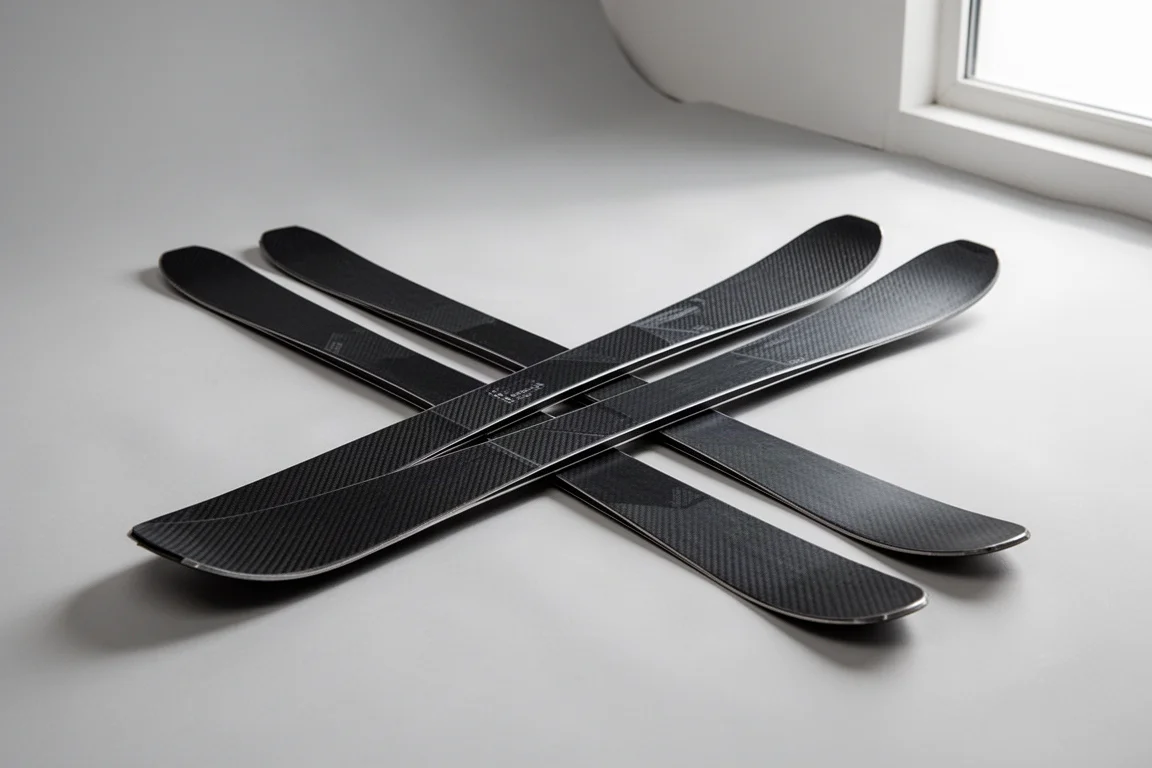
New for 2027, the Ripstick 88 Black Edition follows the recipe of the wider Black Edition skis: a two-layer light wood core, four carbon rods instead of two, and a carbon frame that adds an upper carbon layer on top of the familiar carbon deck construction. The result is a ski that is noticeably stronger and more stable than the standard Ripstick 88 while keeping the family feel.
On the scale it is the lightest ski on this wall at 1,610g in the 182. It is stiffer than the normal Ripstick 88 but not dramatically so, and the tip remains softer than the rest of the ski. That means lighter and bigger skiers may find limits in overall stability, and it can be deflected more easily than heavier, more metal-clad skis. The playful Ripstick shape carries over, with a generous spoony tip, a decent amount of tail rocker, a 16.8m turn radius, and left and right specific skis. It makes dynamic carving turns with very little effort and ranks among the most versatile skis here. The performance step up from the non-Black Edition 88 is bigger than on the 96 or 102, because there is simply more carbon crammed into a narrower platform. Expect a premium price tag.
Atomic Maverick 88 CTI
The Maverick 88 CTI gets a new topsheet this year but returns structurally unchanged. At just over 1,730g in the 179, it is one of the three lightest skis here, with a poplar and ash wood core plus metal and carbon.
The tip shape is the story. With full cap construction just behind the shovel, Horizon Tech, taper, and rocker, the ski turns before you think it will, which makes it exceptional in moguls and tight trees. There is a higher ceiling than the easy tip suggests, with plenty of rebound and energy through the middle and tail. The trade-off is precision over forgiveness: there is real bite in the tail, longer carves require a centered stance and delicate input, and stuffing the tip at speed can leave the ski wandering. With a 16m radius in the 179 and a lean toward softer snow, it is one of the most versatile and approachable skis on this wall.
Black Crows Serpo
The Serpo is almost aggressively normal, in the best possible way. A thick poplar wood core, no metal, and a straightforward shape make it a stout, traditional directional all-mountain ski at 1,850g.
There is tip rocker, but not much until you decamber the ski, alongside a huge amount of high-rise camber and a relatively flat, low-play tail. The stated 17m radius actually feels quicker in use because the tip hooks up early and brings you to the apex fast, and it can be pushed into shorter turns than the number implies. It is a groomer-focused ski in this company: quick, responsive, and rewarding for skiers who like to use camber for bounce in shorter turns, but it will not smear or drift sideways easily, which limits its appeal off piste. Notably, it tops out at 179.3cm, and we would not expect a longer length to add much for a ski built around 17m turns.
Dynastar M-Cross 88
The M-Cross 88 pairs an innovative core with an easy tip and a demanding tail. Dynastar presses three layers of poplar together through friction, eliminating adhesive in the core, and pairs that with polyurethane sidewalls and an H-shaped metal laminate underfoot. The hybrid core construction is now used across most of the brand’s lineup and has proven itself at blending smoothness with performance while keeping weight low: 1,753g in the 176.
The tip is among the most rockered and tapered here, making engagement genuinely effortless. From the midpoint back, the ski stiffens up and delivers a long camber profile with very little tail splay and a rearward mount point, so the harder you ski it and the more edge angle you create, the more power it pushes back into the next turn. With a 14m radius, it rewards clean carving and works beautifully for a technical skier progressing into expert territory, while still being approachable enough for an improving intermediate.
Liberty Super Radian
The Super Radian is a new addition to Liberty’s Radiant collection and the most groomer-focused ski the Colorado brand makes. It uses a poplar, ash, and bamboo core with a longer metal laminate than the rest of the line, which is where the Super designation comes from. It ticks up the power but stays well short of the strongest skis on this wall.
With a spoony tip, a 15.5m radius in the 179, a long rockered tip and more tail rocker than most here, it is a turny ski that breaks free from a carve more willingly than most of this category. That shape gives it real versatility, and it slightly outperforms the skis ahead of it on this list from a carving perspective, though it stops short of true premium carving performance. On a firm groomer you will find yourself backing off a little rather than being encouraged to go faster, and it is easier to ski than much of this wall thanks to the tip shape and shorter radius.
DPS Pagoda Works 89
New for 2027, the Pagoda Works 89 is what happens when an Olympic champion designs a carving ski in Utah. It uses horizontal wood laminates, oak on the bottom and poplar on top, with two full sheets of high-modulus carbon plus a carbon power plate underfoot. That combination produces a paradoxical mix of smoothness and energy that normally does not go together, and it is what justifies a price that sits in a different stratosphere than the rest of this category, starting with a two and making $1,700 skis look ordinary.
The shape is where it gets interesting: longer rocker than you would expect, a precise Kaizen-style shovel, and an almost twin-tip amount of tail rocker. That tail unlocks versatility and ease of use you do not expect from a Works ski. It carves on groomers, holds up on firm snow with serious grip, and the round, supportive-but-bendable flex makes it one of the best mogul skis in this class for a wide range of skiers. It handles aggressive, powerful, loose skiing rather than demanding only perfect precision, which makes it one of the most impressive skis in this entire category. Claimed weight is around 1,800g.
Faction Dancer 89 TI
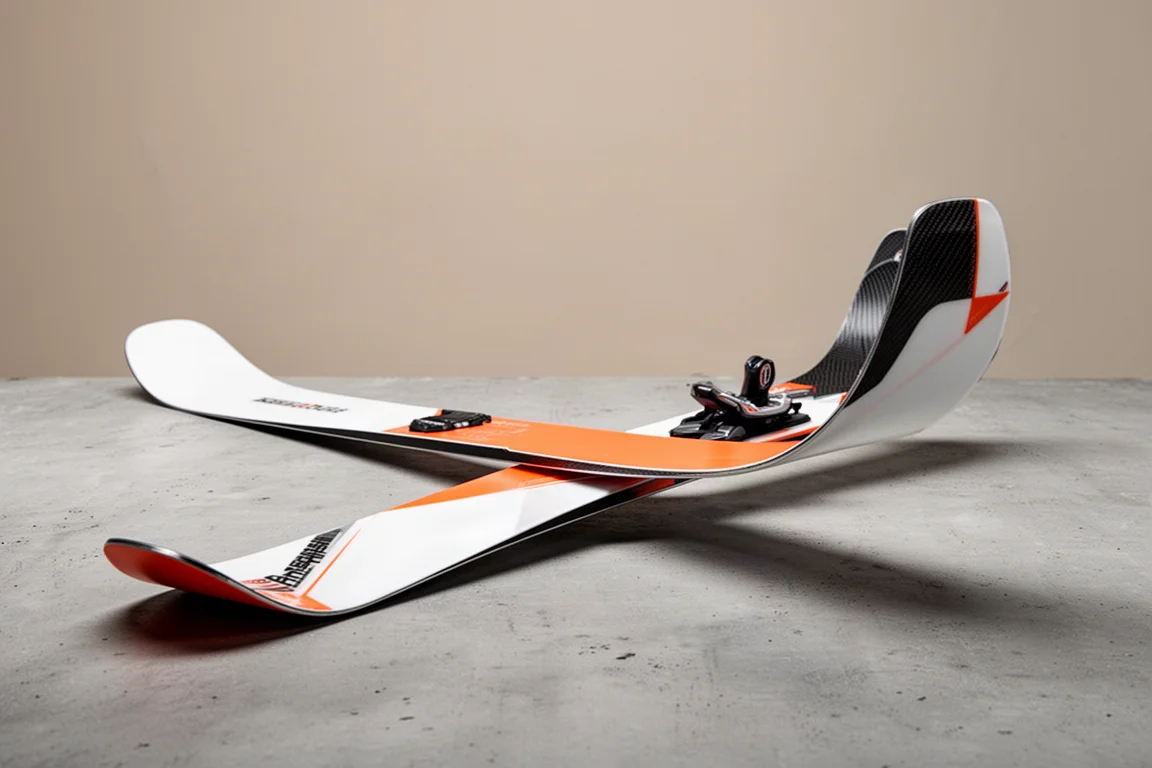
Part of a redeveloped Dancer line, the Dancer 89 TI has a more carving-focused feel than the 99 and can genuinely hang with the heavy hitters of this category while staying lighter-hearted and more forgiving. A poplar core with two thin sheets of titanal comes in at 1,810g, not heavy for the class.
Cap construction in the tips and tails reduces torsional stiffness where the ski is rockered, and there is a lot of tip rocker here. Unlike the straight-cut 99 shovel, the 89 TI bows out with more extended sidecut, pulling you into carving turns with real enthusiasm. The cap tail releases from turns more easily than flat, squared-off tails with vertical sidewalls, and the 18m radius feels quicker in use, letting you control speed through linked carves without running away. It is intuitive, comfortable, and satisfying for the vast majority of skiers, and there is even a non-TI version for those who want more forgiveness and accessibility.
Fischer Ranger 90
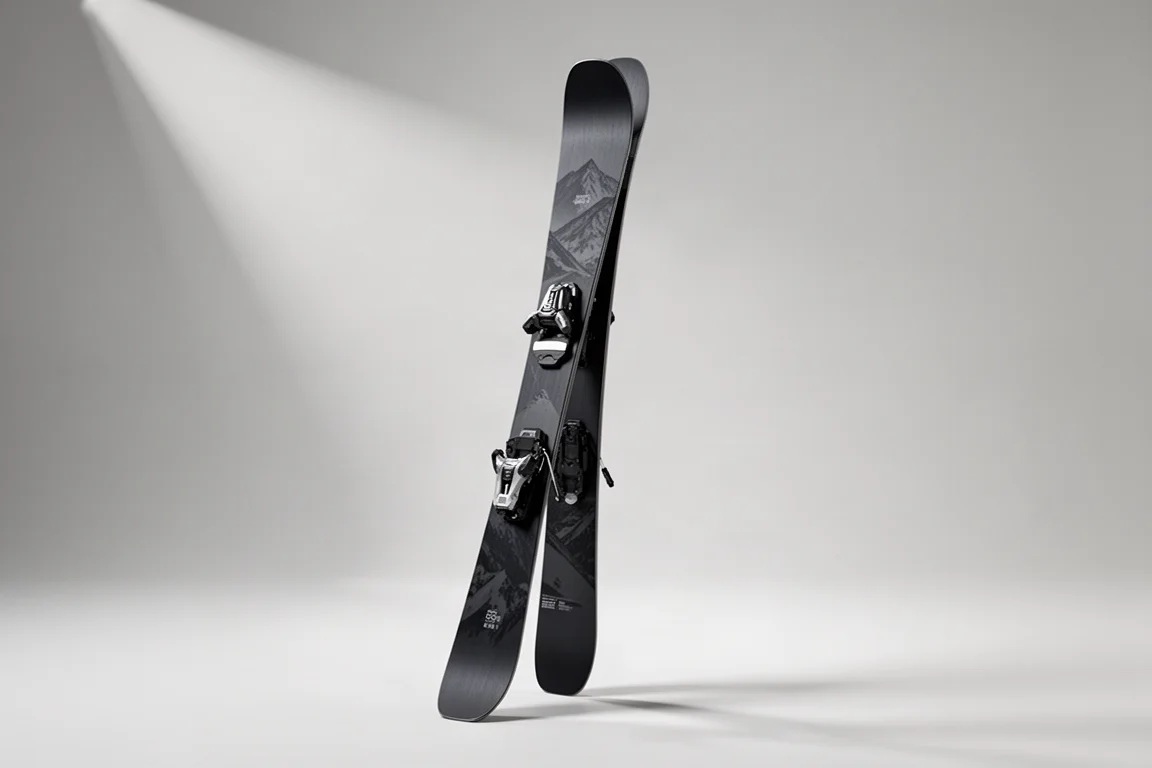
The Ranger 90 is the ski that checks a ton of boxes without excelling in any single zone. It uses a thick poplar core with a shaped titanal laminate that is noticeably shorter than the metal in the wider Rangers, and that shows up on snow: this ski feels different from every other Ranger, stout, solid, and stronger than its siblings.
At 1,883g in the 177, it is no lightweight, but the ease of use is still there and you can genuinely stand on the metal at high edge angles. It has a long, blunt, blocky nose rather than heavy taper, which keeps the ski up in softer snow, and there is only a small gap between the rocker contact point and the start of the metal, which is what sets it apart from the other Rangers. The result is a distinct on-piste-versus-off-piste split in its design, with decent tail rocker keeping it connected as power builds through the turn. For an advanced skier moving into the expert realm who wants one 90mm ski to handle groomers, bumps, and trees without thinking about it, this is the pick.
View more details for Fischer Ranger 90
Armada Antimatter 92
The Antimatter 92 keeps the excellent Declivity 92 shape and swaps in updated construction: a poplar core, now with a central strip of Speed Metal rather than the old full-width articulated titanal banding. Some skiers worried that less metal means less ski. In practice, it is a slightly softer, more supple ski that delivers a different performance rather than a drop in it.
At 1,850g in the 180 with a 17.5m radius it truly achieves, this is a phenomenal turner. Little tip rocker with smooth early taper, good camber underfoot, modest tail rocker, and no aggressive tail taper give it a clean, controlled finish to every turn. It works considerably better in softer snow than the Declivity, drifting along happily instead of cutting or bouncing through everything, while still carrying serious power and stability when pushed hard on steep terrain. It accomplishes the same things as the Declivity but feels different doing it, with a more approachable, forgiving character.
K2 Mindbender 88
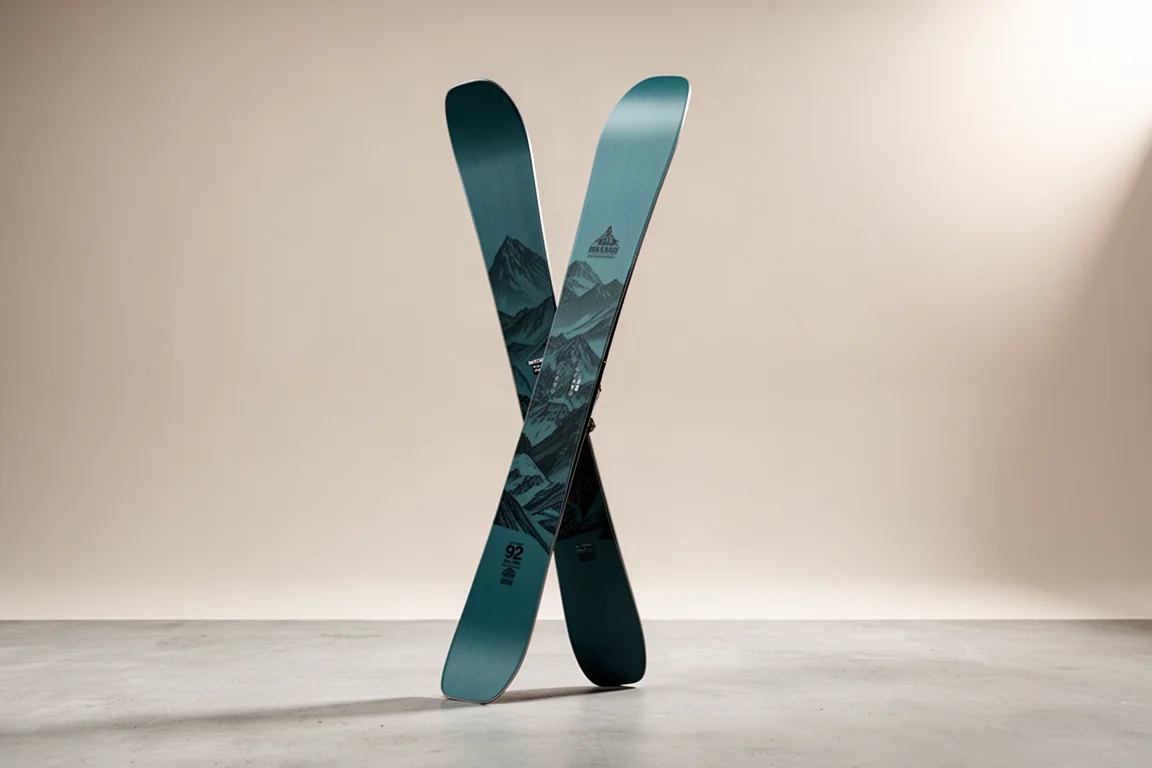
Entirely new, the Mindbender 88 takes over the slot the 89 left off with a different feel. An aspen and paulownia core pairs with a Titanal I-Beam running through the middle of the ski, replacing the Y-Beam of the old 89, plus K2’s Dark Matter Damping elastomer in the forebody and tail to counter vibration.
The result skis more like a narrow freeride ski with the power of metal: long, low tip rocker with little splay, standard tail rocker, and a strong resemblance in shape and feel to the new Mindbender 101. It is drifty and smeary at lower edge angles, quick edge to edge, and genuinely fun in bumps, trees, and deeper snow, with a nice floating 88mm feel and an even, solid flex. It can hold its own on firm snow, but its preference is playful rather than raw carving power. One thing to understand: within the new Mindbender line, the 96 is the most different ski from the rest, so choosing between the 88 and 96 is a far bigger decision than 8mm of width suggests.
Stöckli Stormrider 88
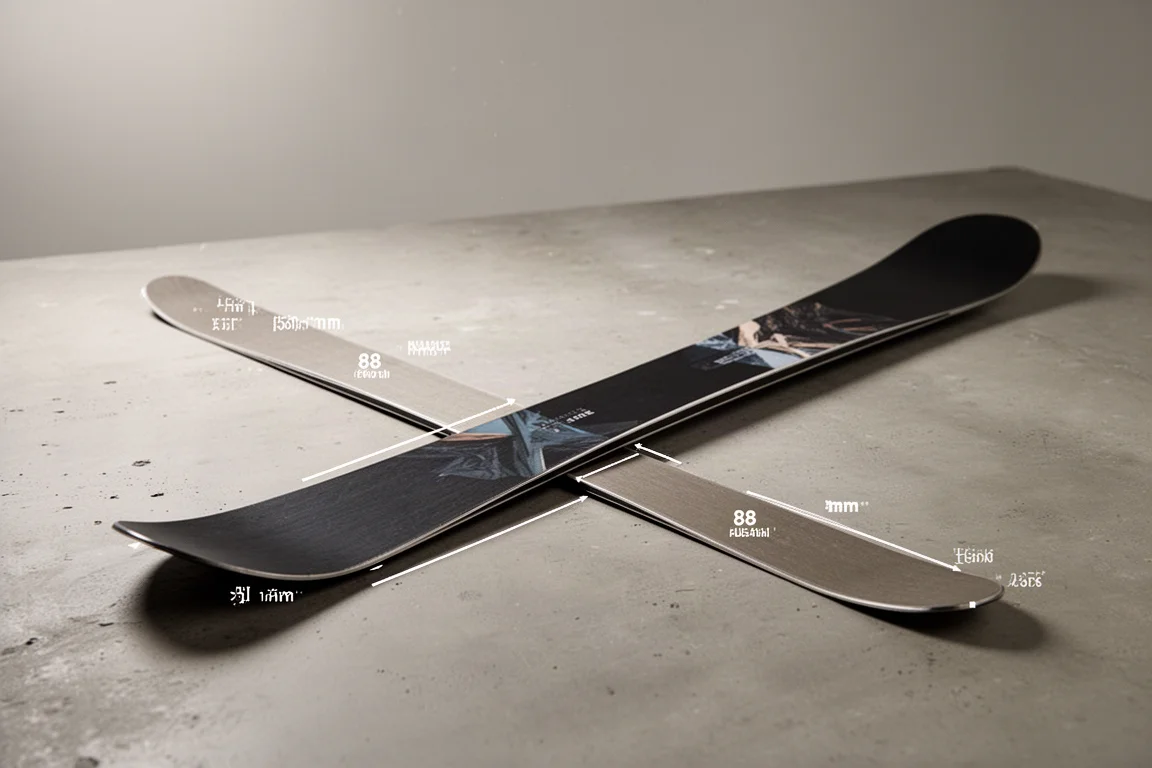
The Stormrider 88 is a study in technical precision. A three-wood core of poplar, beech, and paulownia pairs with a sheet of metal plus a titanal topsheet, an efficient two-sheet-of-metal approach that keeps weight down: this comes in just under 1,800g in the 179, one of the lighter skis here despite looking the part. Rubber dampening adds vibration control, and at around $1,700 the price is steep, but it is justified by what the ski achieves at this weight, particularly the level of damping.
There is essentially no tip rocker, good camber underfoot, and a flat, squared-off tail. That flex pattern combined with that shape makes it a very technical tool with an 18.3m radius that will happily run if you let it. It is approachable for technically minded skiers with solid technique, and light enough that it does not fatigue you, but a loose, fast, aggressive skiing style will find it demanding. Off piste and in bumps it is fine if you ski with care, but it lacks the looseness many skiers want, and the wider Stormriders gain far more versatility. Knifelike is the word.
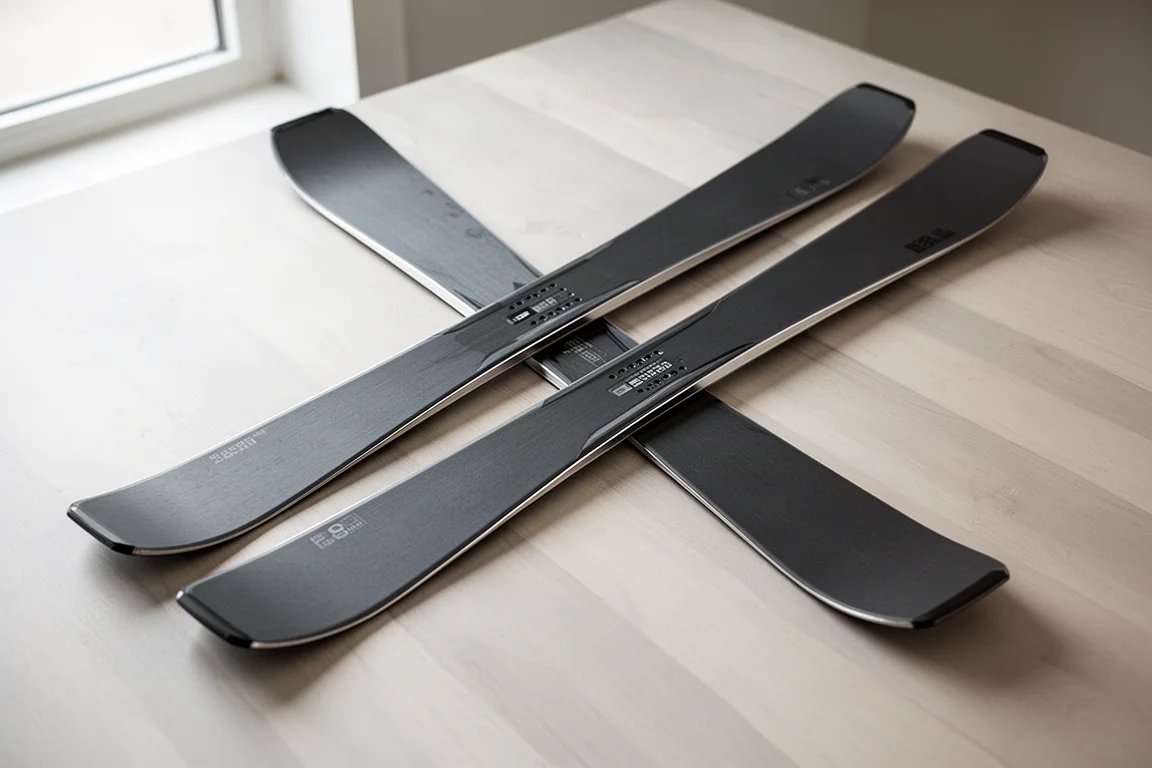
Head Kore 88 Ti
The Kore 88 Ti gets a new graphic and, for the second year of the metal-equipped Kores, no carbon talk is needed. It blends karuba and beech in the core, adds two sheets of metal and a hybrid flax topsheet with more damping layers than any carbon Kore before it, and keeps the karuba and graphene for energy.
The camber is the headline. This ski has a huge amount of high, stiff camber, which is where its energy and rebound come from. On trail it is superb: load it up and it snaps out of turns with flowing, snappy quickness, and it is far damper and easier to wrangle than the older carbon-core Kore. Off trail, that camber pushes back against you constantly and makes the tail harder to release, which is what makes it more demanding in softer snow, bumps, and trees. With a 16m radius in the 177 and 1,900g on the scale, it does not love long, fast arcs, but it reminds us of a first-generation Enforcer 88 with two sheets of metal, and like the rest of the Kore line, you can pick your width and expect similar character up to 100mm.
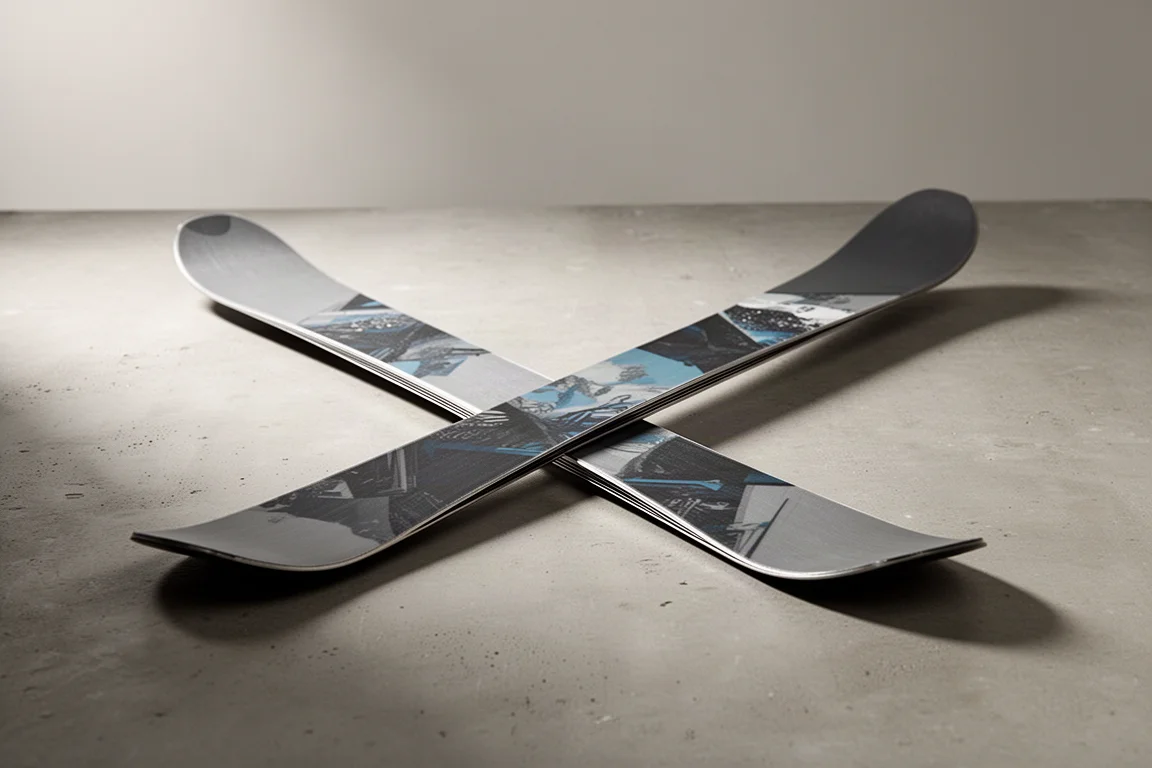
Salomon Stance Pro 90
The Stance Pro 90 is getting long in the tooth and has been somewhat overshadowed by the QST line, but its abilities have not diminished. A poplar and karuba core pairs with two sheets of metal in a TI Frame construction with a basalt-filled window cutout, shedding weight: 1,850g in the 182 is commendable for a two-sheet ski.
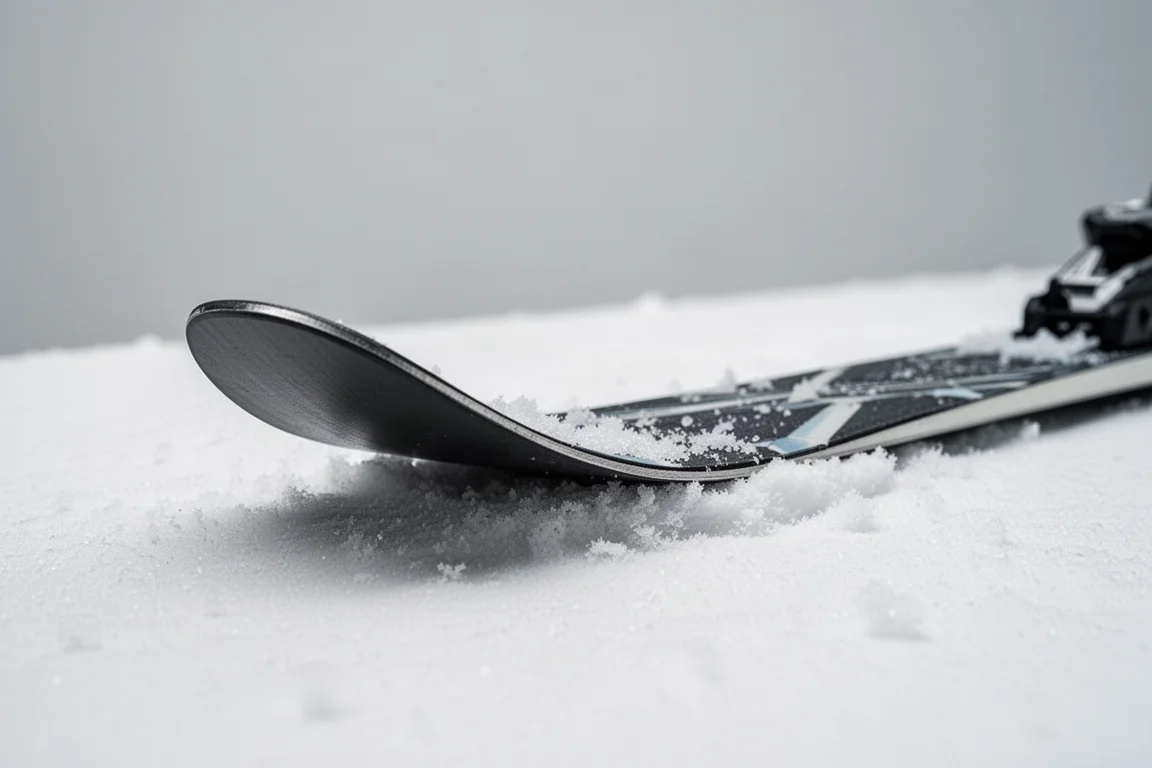
It is stiff and supportive without being punishing, with more freeride influence than anything that follows it on this list, including plenty of tip and tail rocker. The 19m radius feels honest and pretty straight. This is a skier’s ski in the classic sense: it does nothing for you and suggests nothing, requiring real input and creativity, which is why it can be overlooked. But add everything up and it is highly capable, one of the better skis here in soft snow, a genuinely good bump ski thanks to a straighter cut that does not wander, and a strong choice for skiers who want to stay in control and do not own many pairs of skis.
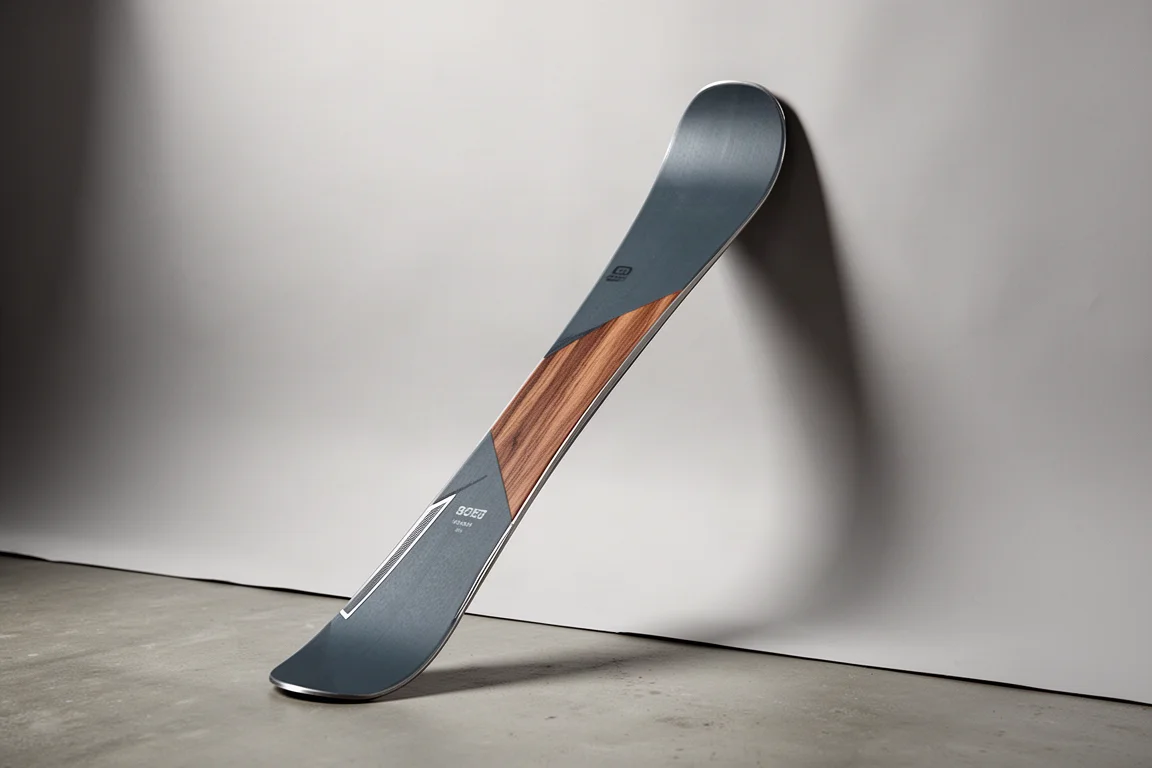
Kästle Sublime 88
The Sublime 88 is a new ski designed to capture the 88mm crowd without putting them through the full MX88 experience. Kästle’s new twin core uses macro blocks of poplar and beech with two sheets of metal and Hollowtech to take vibration out and lighten swing weight in the tip. We would recommend buying it flat and mounting your own binding rather than using a system binding.
The differences from the MX88 come mainly from shape and profile: a thinner core profile up front makes the ski easier to engage, there is marginally more tail rocker and a rounder shape, and the shovel hooks up and pulls you into turns almost Ripstick-esque efficiently, making clean, short, round turns genuinely easy. In the 180 with an 18.5m radius, this is a quality, craftsmanship-driven ski that lets you relax when you want to, and it performed remarkably well in outright putrid conditions of firm frozen snow under fresh. If you want Kästle precision and power but not all the time, this is a very good place to be.
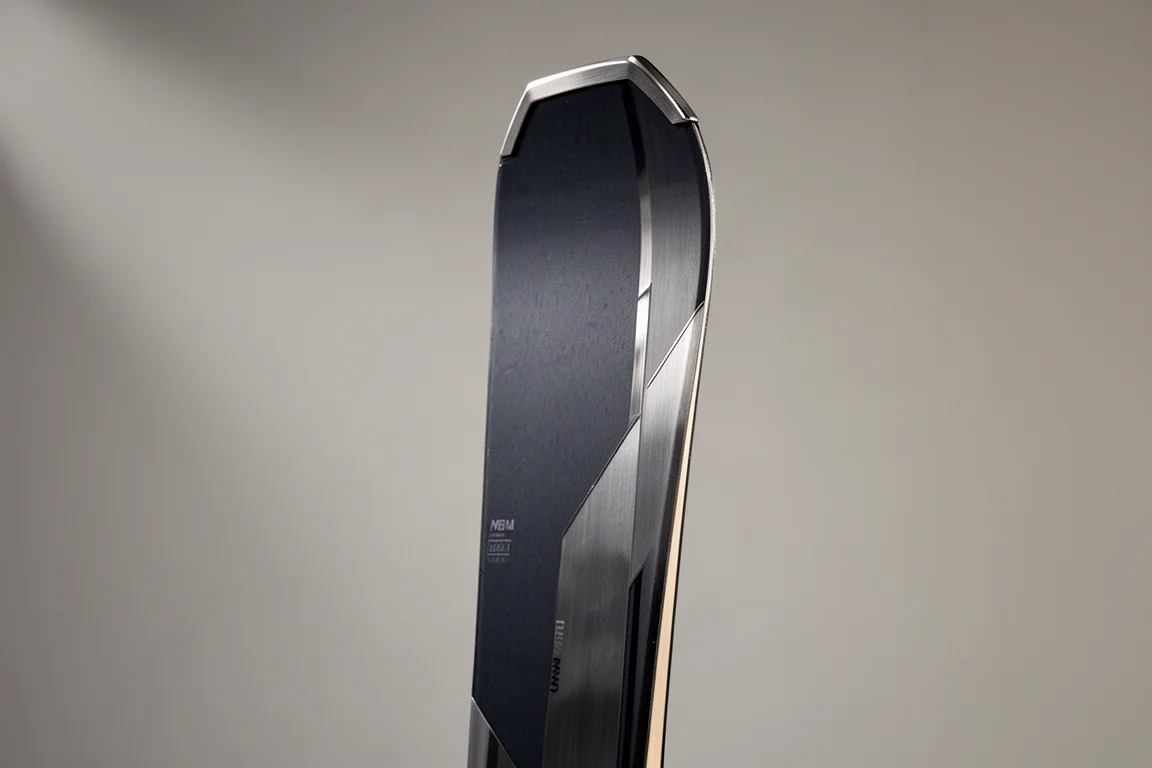
Blizzard Anomaly 88
The Anomaly 88 carries Blizzard’s legacy as the maker of one of the strongest, most powerful skis in this category, once embodied by the Brahma. The TrueBlend wood core and Flux Form metal construction, a full sheet under the core plus a top sheet of metal cut into three longitudinal pieces with fiberglass woven between, make it a bit more supple, more forgiving, and much more versatile than the Brahma ever was, while keeping a very high ceiling.
At 2,100g in the 182, it is firmly in the heavy class, and it is still quite stiff, so it is a big, hefty ski you feel on your feet. But it skis lighter when engaged, you can absolutely charge on it, and the subtle increase in tip and tail rocker with some early taper opens up genuine versatility off trail, staying playful on top of the snow rather than just tracking to the hardest surface available. It achieves the 18m radius easily and can even feel shorter. One practical note: many skiers, including us, prefer sizing down to a 176 for more responsiveness in carving and an easier time in moguls and short turns. Hands down one of the favorite skis on this wall.
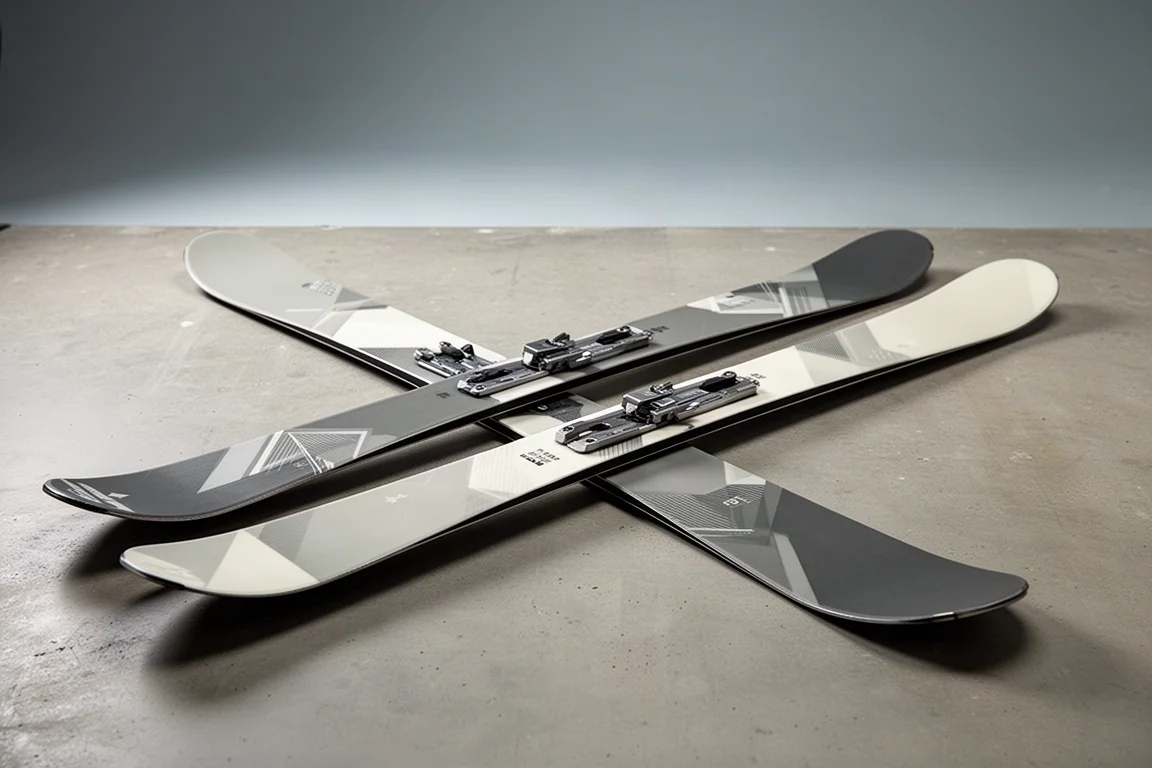
Völkl Mantra 88
The Mantra 88 is the ski that wants to find the first hardest thing beneath whatever surface you are on, and it does that extremely well. Unchanged other than graphics, it uses a poplar and beech blend with beech placed along the sides, where the Tailored Titanal Frame also lives, alongside Tailored Carbon Tips that keep swing weight low and allow metal to be pushed back from the shovel.
The rocker-camber profile defies easy description: a very flat overall feel in the middle with a tiny bit of camber, and long, low, kinked rocker in tips and tails. The multi-radius sidecut, including a 29m radius in the forebody, allows easier, more predictable engagement at speed into GS-shaped turns, and lets you feather turn shape even within a single turn. It is energetic without much camber, drawing that from construction and sidecut, and it is probably the most technologically advanced ski on this wall. The precision rewards you enormously, but it also comes back to get you if you do not want to make a turn, and like the Salomon, user input is essential. For technical skiers, instructors, and anyone whose ideal day is hours of ripping groomers, few skis are better.
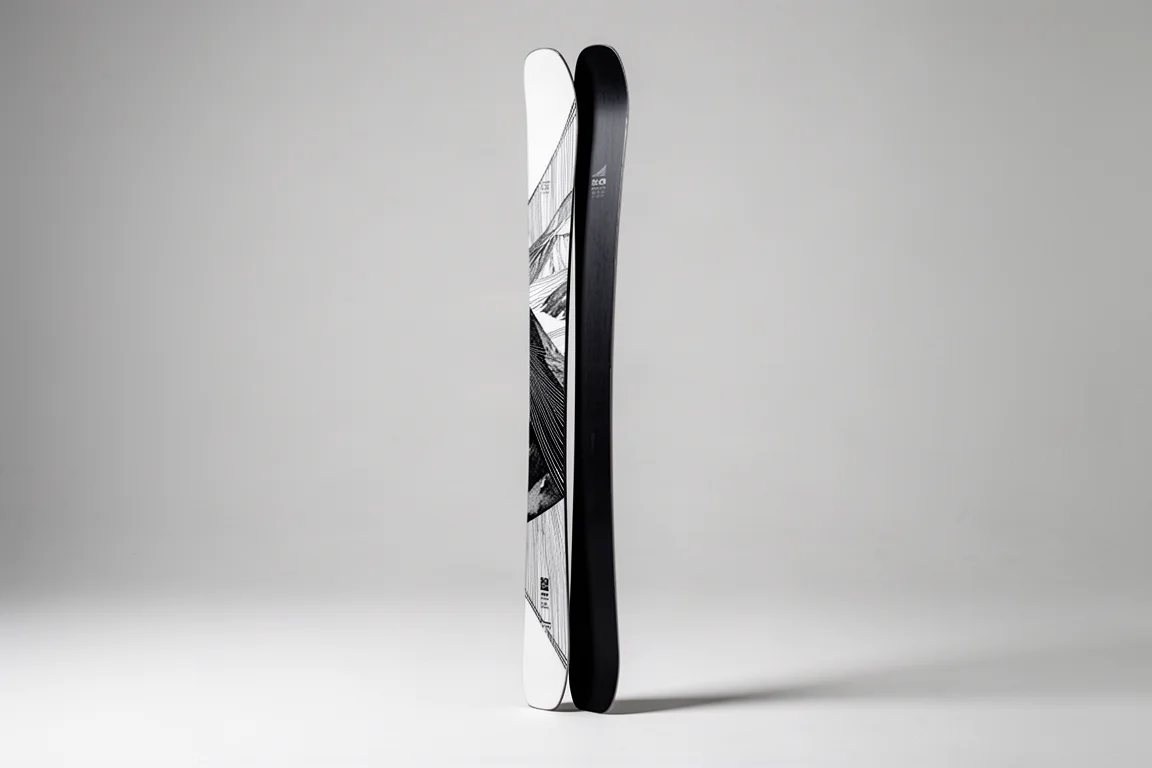
Nordica Enforcer 89
No changes for 2027 beyond a new graphic, the Enforcer 89 pairs a poplar and beech core with two sheets of metal and an elastomer layer, coming in just under 2,000g. It remains the pinnacle of raw power on this wall, stronger even than the two skis that follow it, and if you want to ski really fast on a 90mm-class all-mountain ski, this is still the best option.
It is crazy stiff, stiffer than the previous generation, with a larger sweet spot than the old Enforcer 88 and a feel that genuinely requires speed to come alive. There is a lot of camber for a ski this stiff, the classic relatively long, rockered Enforcer tip, and enough tail rocker to round things out; a flat squared-off tail on a ski this stiff would be punishing. The further you tip it on edge, the longer the effective edge becomes, so the harder you ski it, the stronger it feels. It carves phenomenally and lays over into amazing turns, but it is somewhat one-dimensional: every run makes you want to carve and go faster. It can be skied off trail with real skill and willingness, but most skiers should self-assess honestly before choosing it.
Kästle MX88
What keeps the MX88 firmly on the demanding side of this wall is the back half of the ski, which is essentially a wide race ski. Infinor technology runs impossibly thin stringers of poplar and beech, paired with two sheets of race-thickness metal. It is not the thickest wood core, but it feels incredibly dense, hovering just over 2,200g in the 181.
Classically shaped with minimal tip rocker, zero taper, long camber underfoot, and super blocky, squared-off, flat tails, it is incredibly demanding, super precise, and very powerful. The 18.8m radius feels right, with the shovel possibly shortening the initiation phase slightly. We put solid days on it early this winter and were reminded why it sits here: high octane, with a ton of horsepower that likes to rev. The most demanding part is the finish of the turn, because it holds and holds and holds, and you need the core strength and athleticism to accept that energy and transition into the next turn. Strong boots, good technique, and a race mentality are prerequisites. It is wonderful, but not built for off-piste work, which is a big part of why the Sublime exists.
Rossignol Arcade 88
The Arcade 88 ends this list as the most demanding ski here, and it is worth understanding exactly what it does before choosing it. A poplar core with two full sheets of metal and Rossignol’s vibration absorption system comes in around 2,250g in the 178, and the flex pattern is absurd: it barely bends, and it is by quite a margin the stiffest ski on this wall.
With a 15m radius, it does not want to deviate from that arc. On the right-pitch groomer it is tremendous fun, snappy race-inspired carving turns on tap, and on flatter terrain it is almost Masterful, tip it on edge and it goes across the fall line. But as terrain steepens and the day lengthens, it gets more and more tiring, because the ski holds so well on steep slopes that gravity and the ski are fighting each other and your body does the work. It is edge-angle dependent: an intermediate at lower edge angles may never even reach its demanding side, while better skiers will find serious horsepower and an incredibly high ceiling. Off piste, there is little appeal, and the Arcade 94’s softer tips and tails are a better answer there. When you find the carve on this ski, linking turns feels genuinely magical, and it may well be the best carving ski on this wall.
View more details for Rossignol Arcade 88
Overall Buying Advice
If budget were unlimited and you simply wanted the most impressive ski here, the DPS Pagoda Works 89 and Stöckli Stormrider 88 justify their premium pricing with materials and damping you cannot find elsewhere at their weight. For a typical ski consumer’s budget, the Faction Dancer 89 TI delivers an astonishing amount of performance and versatility for the money, enough that you could buy several of them for the price of one Pagoda.
If you want one ski for the whole year without thinking about it, the Blizzard Anomaly 88 is the sweet spot for skiers who like weight, metal feel, and versatility, and the Elan Ripstick 88 Black Edition and Atomic Maverick 88 CTI are the two most versatile skis here for those who prioritize an easy, energetic feel. If you want the ski that makes you feel like the best skier you can be, it comes down to the Anomaly 88 in a 176 or the Armada Antimatter 92 in a 180, with the Black Crows Serpo as a strong third for skiers who love quick, responsive, traditional carvers.
The single most important step is honest self-assessment. The last several skis on this list are excellent, but they require serious technique, strength, and in some cases athleticism, and there is no reason to buy one just because you feel like you are supposed to. Buy the ski that works best for how you actually ski.
Conclusion
The directional 88 to 92mm all-mountain category in 2027 is deep and increasingly nuanced, from featherweight, easy-turning skis like the Ripstick 88 Black Edition and Maverick 88 CTI through the innovative middle of the wall with the Pagoda Works 89 and Dancer 89 TI, up to the technical precision of the Stormrider 88, Mantra 88, and the raw power of the Enforcer 89, MX88, and Arcade 88. Match the ski to your technique, your terrain, and your honesty about both, and there is a genuinely great option here for nearly every advanced skier.
Further reading
Related Reviews
Ski Reviews
Armada Antimatter 108 Review: A Freeride Ski Built for Speed and Deeper Snow
The Armada Antimatter 108 carries over the beloved Declivity X 108 shape with new construction that adds compliance in soft snow and composure in crud, aimed squarely at strong, aggressive skiers.
Ski Reviews
Armada Antimatter 92 vs Invictus 92: Two All-Mountain Skis Compared
A closer look at two Armada all-mountain skis, one playful and nimble, the other composed and smooth, to help you pick the right one for your skiing.
Ski Reviews
Armada Antimatter 92W Review: A Smoother Take on a Proven All-Mountain Footprint
The Antimatter 92W keeps the trusted Reliance 92Ti footprint but softens the ride with a new metal construction, making it more versatile in softer snow without losing on-trail grip.