Hand Tools
Best 7-Inch Rafter Squares Compared: Seven Framing Squares Worth a Look
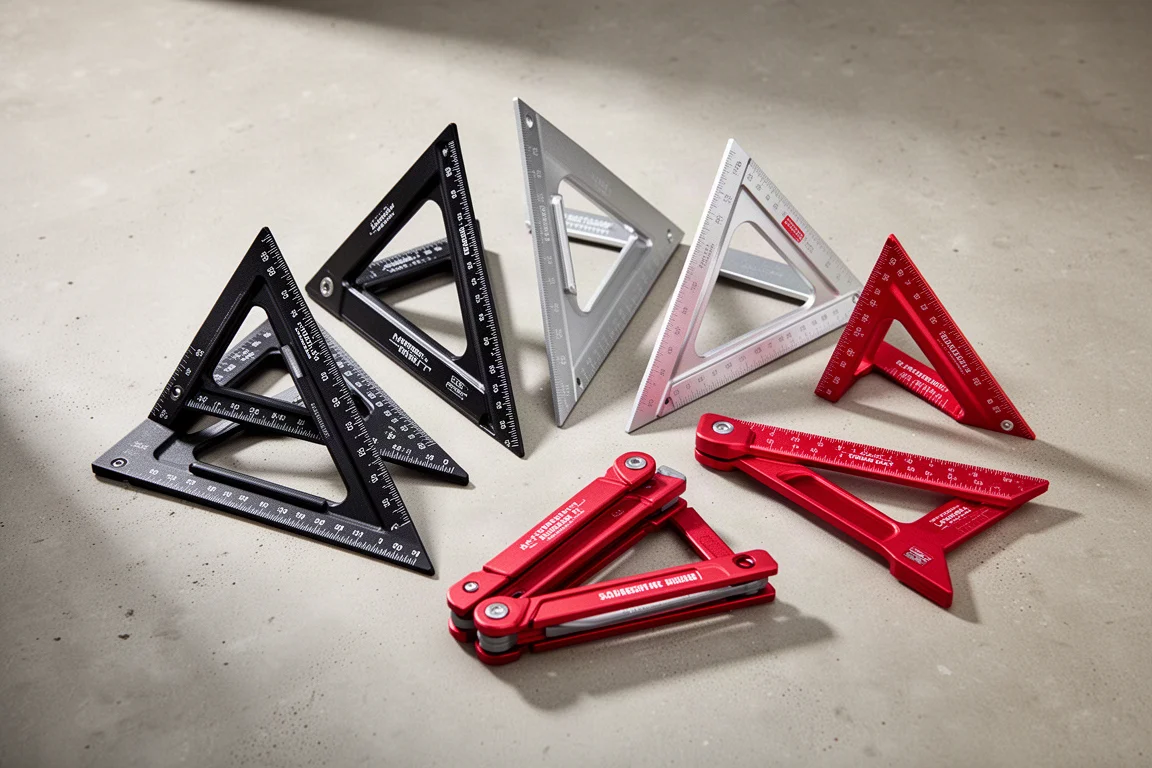
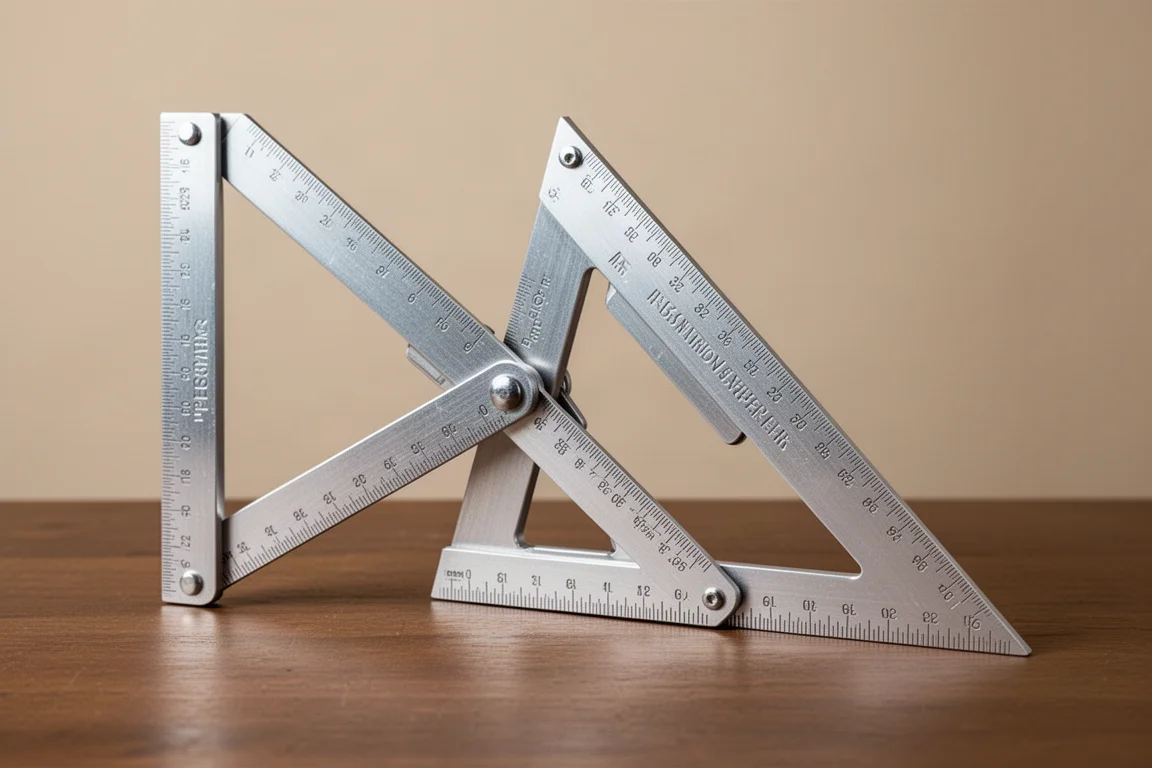
Seven 7-inch rafter squares put side by side, from the original Swanson Speed Square Pro to rotating-fence and extendable alternatives.
Introduction
Every carpenter keeps one square close at hand, and the 7-inch rafter square has earned that spot more than any other layout tool. The category largely exists because of the original Speed Square, invented by Albert Swanson in 1925, whose company still produces it a century later. Plenty of competitors have followed, so we rounded up seven 7-inch rafter squares and compared them for marking quality, ergonomics, and any features that make framing work faster.
Swanson Speed Square Pro
The Swanson Speed Square Pro is a USA-made update to the classic Speed Square most of us have used at some point. The die-cast aluminum finish offers good contrast against the deep black filled molded-in markings, and the scribe bar is twice as long as the original, which makes layout on 2x6 material easier. There are no sharp edges, and the scribe and marking edges are beveled for more accurate marking on a workpiece.
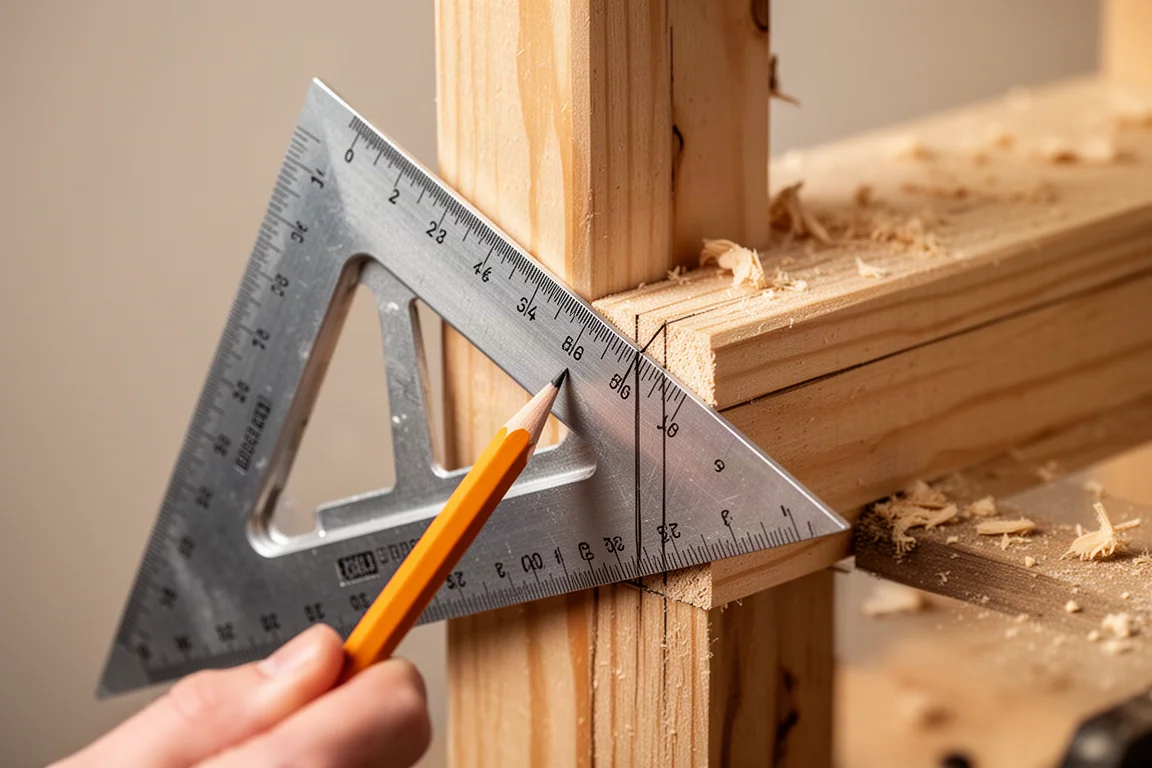
At about $15, it also comes with the Swanson Speed Square Blue Book, one of the handiest pocket guides to framing you can get. For a classic, proven design with a modern refresh, this is an easy recommendation.
Smart Square Tools Smart Square
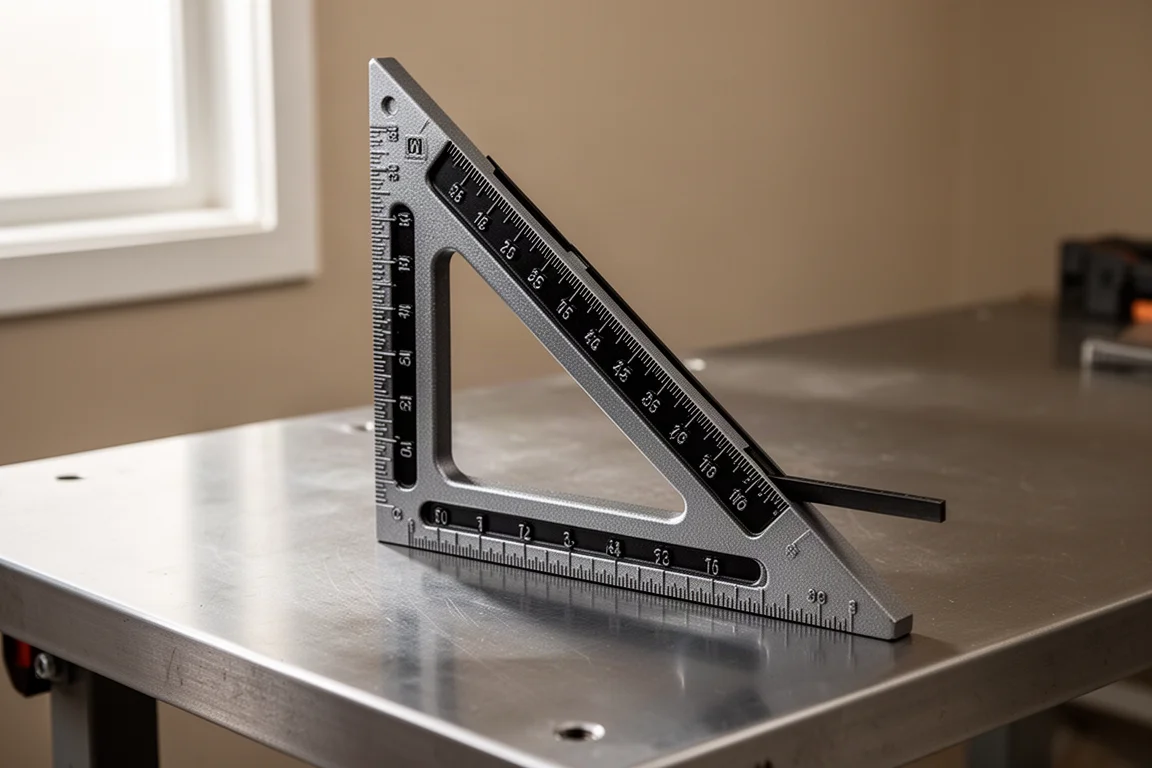
One long-standing frustration with the original Speed Square is that when you work on a flat surface, the heel or fence edge is always in the way. Smart Square Tools solves that with a unique rotating edge fence that locks into three different positions, so flat-surface work is no problem.
The tool also includes a removable aluminum jig that can lock in an angle or measurement so it can be repeated accurately across multiple workpieces, and our sample added built-in bubble level vials for checking plumb and level with a single tool. It is USA-made from 1/4-inch machined anodized aluminum with white laser-etched markings, priced between $99 and $139 depending on the model. That price puts it firmly in the specialist category, but the functionality is genuinely different from anything else here.
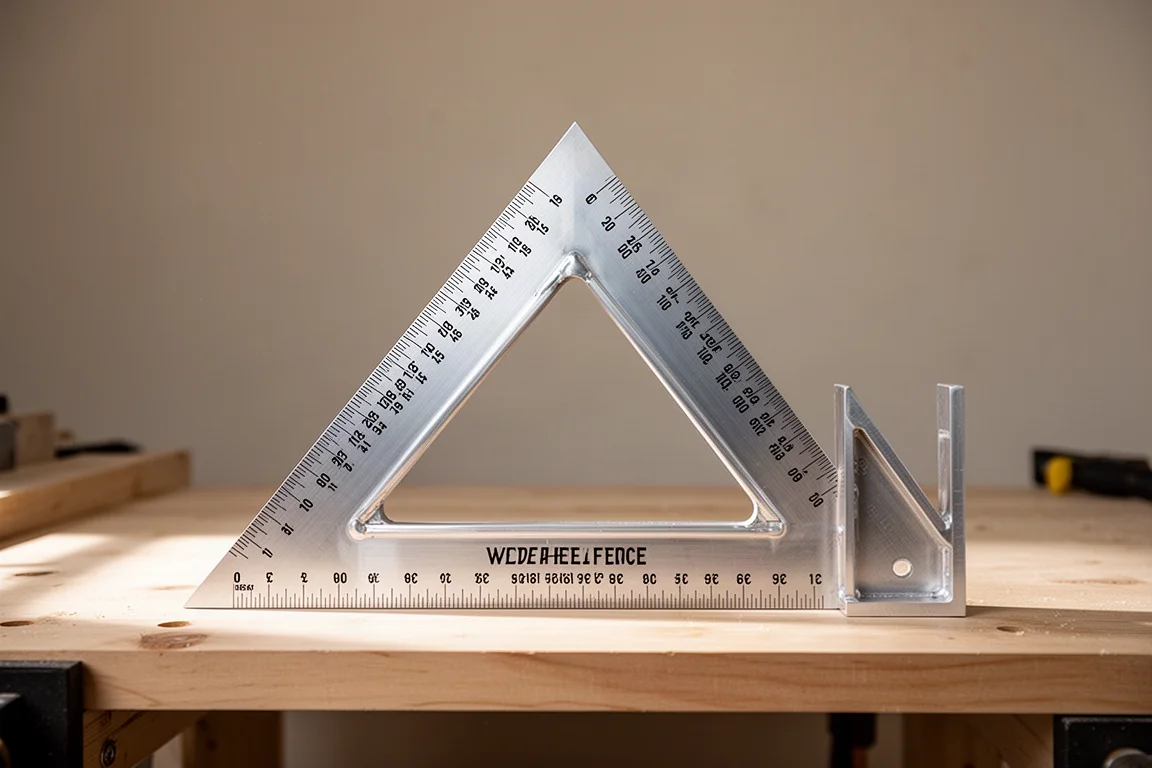
Empire 7-Inch Laser Etch Aluminum Rafter Square
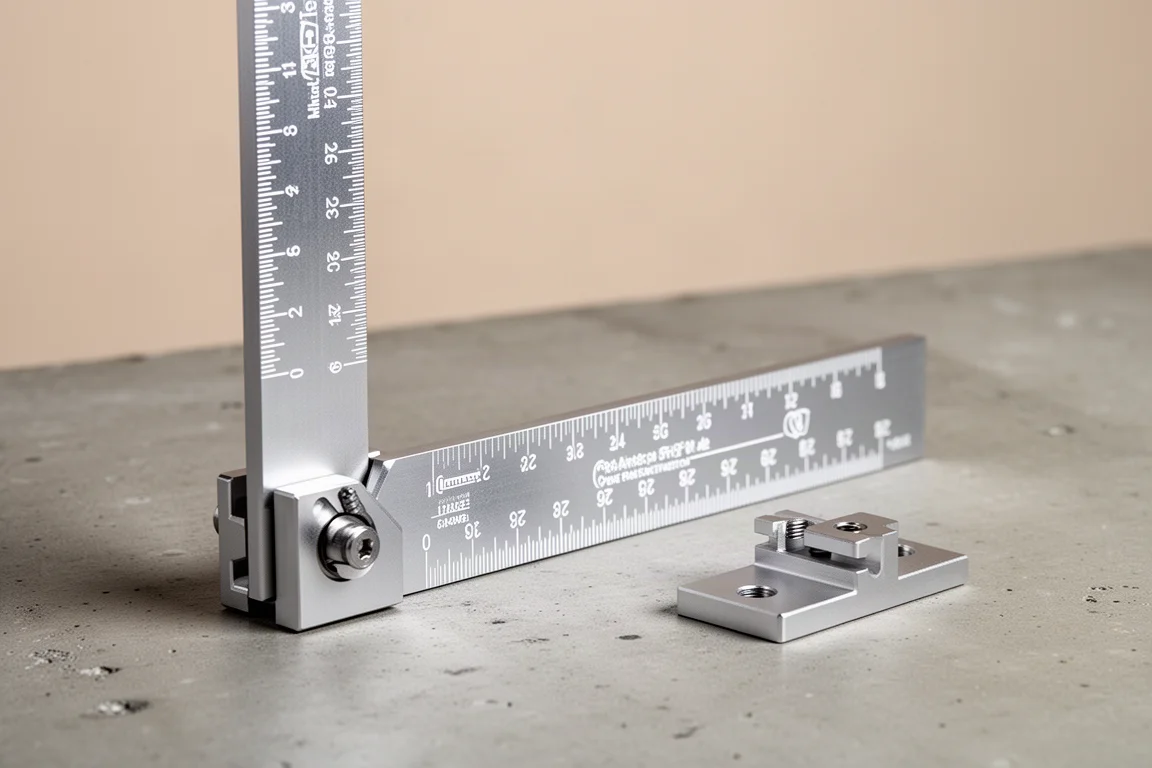
The Empire 7-inch rafter square is USA-made from extruded and anodized aluminum with laser-etched markings. Color contrast is acceptable, though some competitors are a little more striking. Where it stands out is the fence: it is wider than most, giving a more secure hold on the edges of jobsite materials.
There is also a handy conversion table engraved on the surface showing inch rise per foot to degree measurements, and a QR code that leads to a 48-page user manual for getting started on framing projects involving angles. At around $14, it is one of the most affordable options in the roundup.
Rapid Rafter
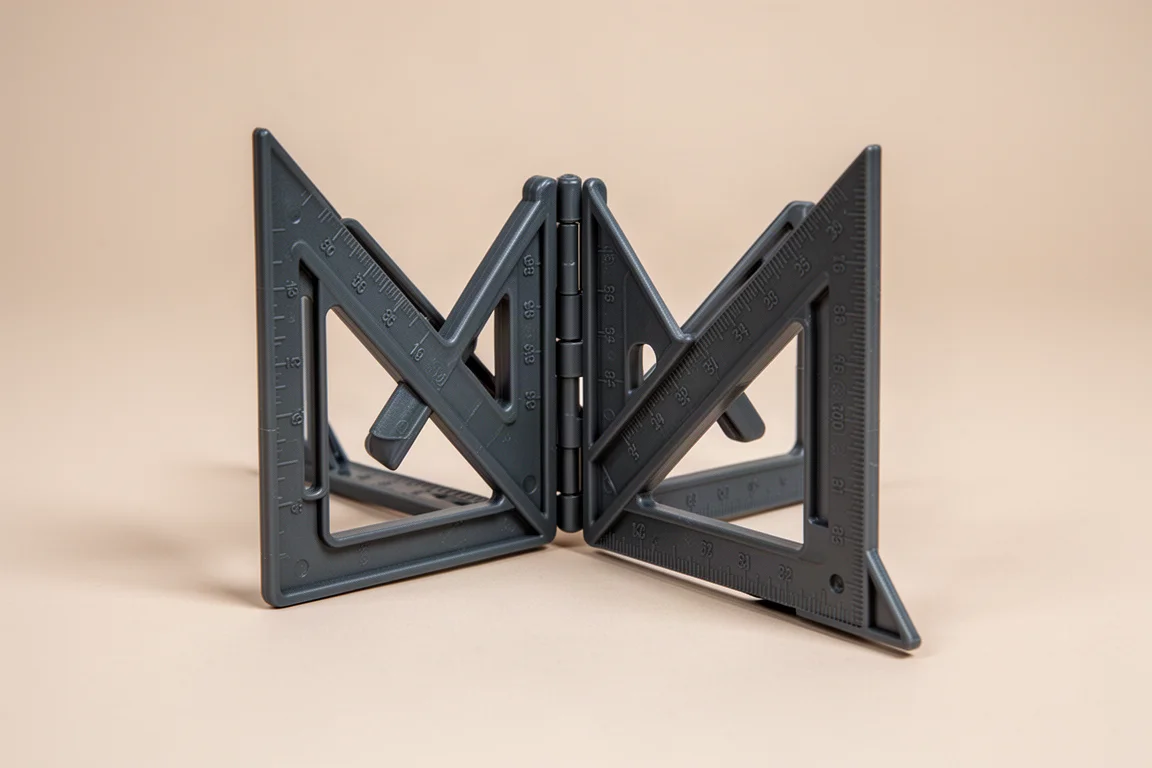
The Rapid Rafter is the only plastic tool in this roundup, which gave us pause at first glance, but using it changed our minds. While framing 14-foot-high walls and marking blocking between the studs, it became the go-to tool: you can mark both sides of a stud with one placement, without resetting the tool the way you would with a regular square.
The simple folding design functions like a familiar regular square, and when you butterfly it open, you can reach around framing members and mark each side with ease. The one drawback is that the molded-in markings are not filled or colored, so contrast suffers. It is available online for around $25.
Johnson Johnny Square Mach 1
The Johnson Johnny Square Mach 1 is a black anodized aluminum square with high-contrast white laser-etched markings. Right away, the level vial embedded in the fence stands out: integrating a level into a square you already carry means one less thing in the tool belt and simpler tasks.
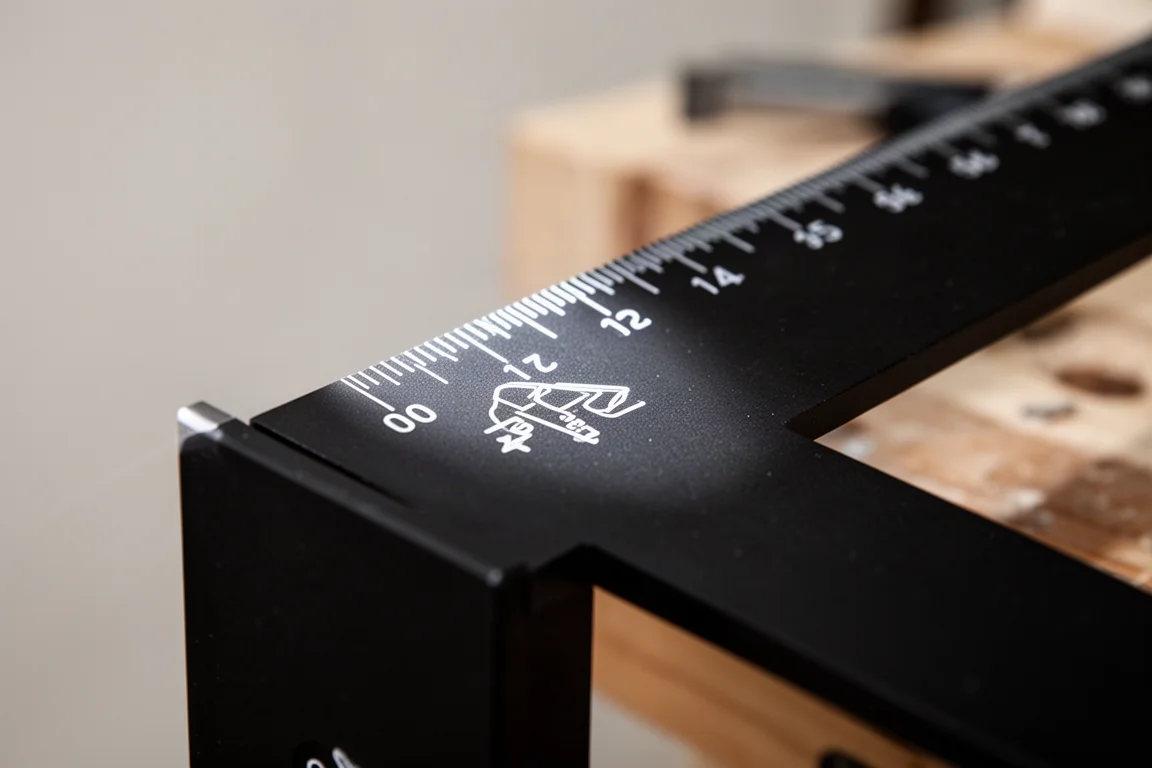
There are smart mark cutouts for quick marking and identifying angles for common cuts, and markings on the bottom and sides of the fence make setting table saw depth straightforward. This is a brand-new model expected to be available soon wherever Johnson tools are sold, with no price confirmed yet. With the highest contrast markings of the group, the smart notches, and the embedded vial, this one earns our pick as the new favorite.

Crescent EX6 2-in-1 Extendable Layout Tool
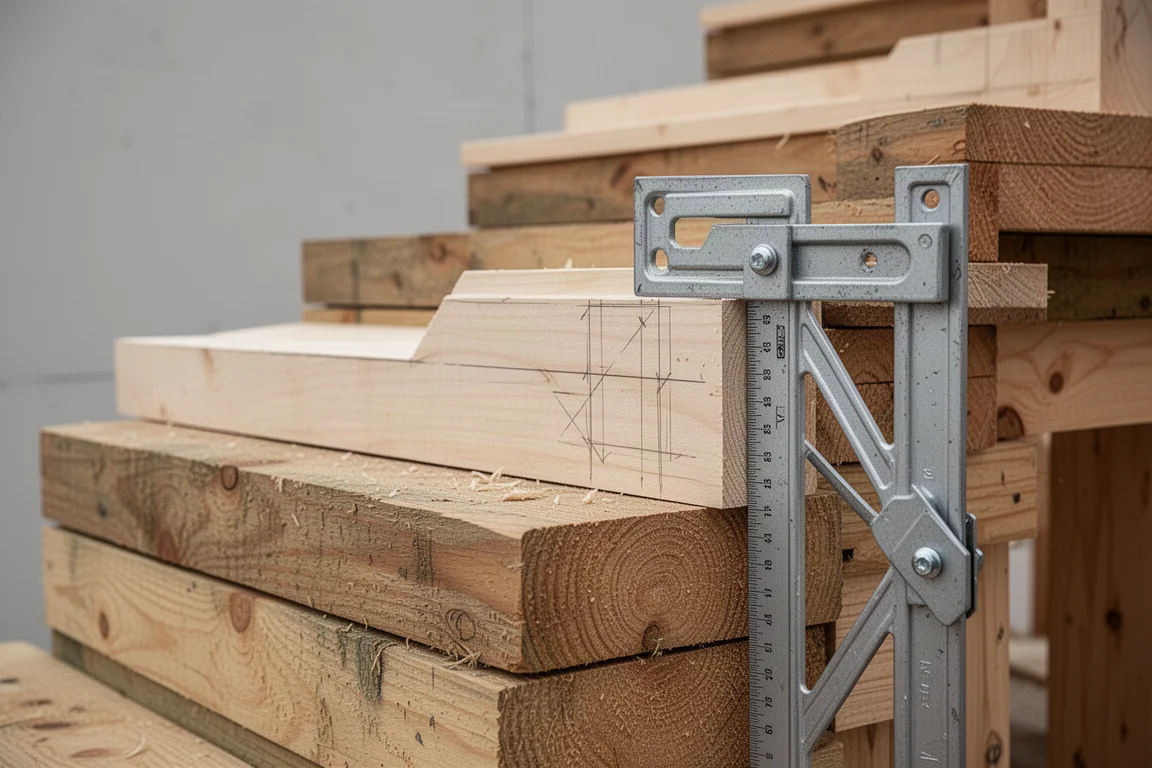
Sometimes you need more than the 6 or 7 inches of layout distance a compact framing square provides, such as when laying out stairs. The Crescent EX6 2-in-1 extendable layout tool addresses this with a folding extension arm that reaches just over 12 inches.
Built from aluminum with laser-etched markings, it works as a normal framing square, and flipping out the extension gives you the versatility of a 12-inch framing square. The folding arm hinge feels very sturdy, and the arm stays closed until needed thanks to spring-loaded ball detents hidden in the folding arm end. It sells for around $20.
Milwaukee 7-Inch Rafter Square
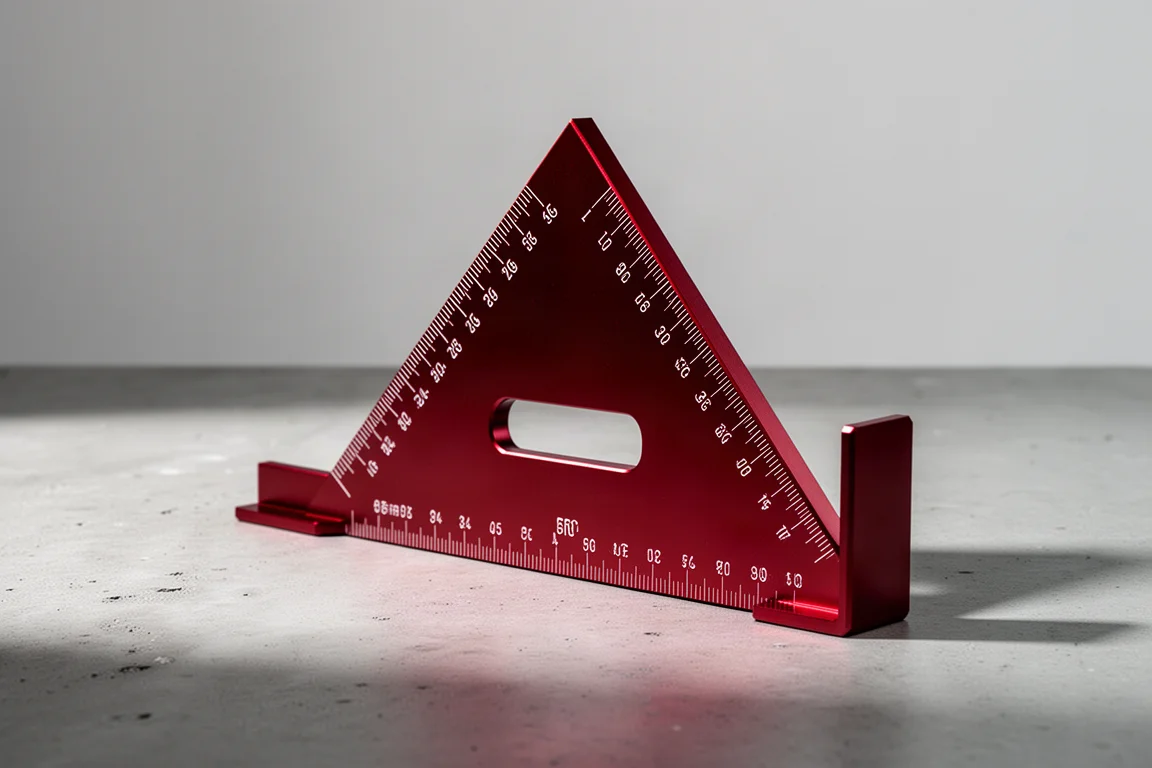
The Milwaukee 7-inch rafter square is USA-made from extruded aluminum anodized in Milwaukee red. The laser-etched markings offer excellent high contrast, making measurements easy to read. Setting it apart from other rafter squares is a 1-inch cut in the middle of the square that can be used as a pipe propping point.
The heel fence is also a bit wider than most at an inch and an eighth, giving better purchase on the edge of materials. At around $19, it is a solid value with a few thoughtful touches you won’t find everywhere.
Which One Should You Buy?
If you want the classic with modern refinements, the Swanson Speed Square Pro at about $15 remains a dependable default. The Smart Square is the pick for anyone who values its rotating fence and repeatable-angle jig, as long as the $99 to $139 price fits the budget. Budget-focused buyers have strong options in the Empire at around $14 and the Milwaukee at around $19, while the Rapid Rafter at $25 is the one to consider if marking both sides of studs matters to your workflow. The Crescent EX6 earns its $20 price for stair layout and other jobs needing extra reach. And for the best all-around marking experience, the Johnson Johnny Square Mach 1 stands out, though you will need to wait for its release.
Conclusion
Seven squares, seven different takes on a century-old design. All of them handle basic layout work, but the details matter: contrast of markings, fence grip, extra features like level vials, and the ability to reach further or mark faster. Think about the framing work you actually do, match it to the features above, and pick the square that fits.
Further reading
Related Reviews
Hand Tools
Best Diagonal Cutters 2026: 16 Pliers Tested for Cutting Power and Durability
We put 16 diagonal cutters through nail, screw, drill bit, and hex key tests to find the best value picks for your toolbox.
Hand Tools
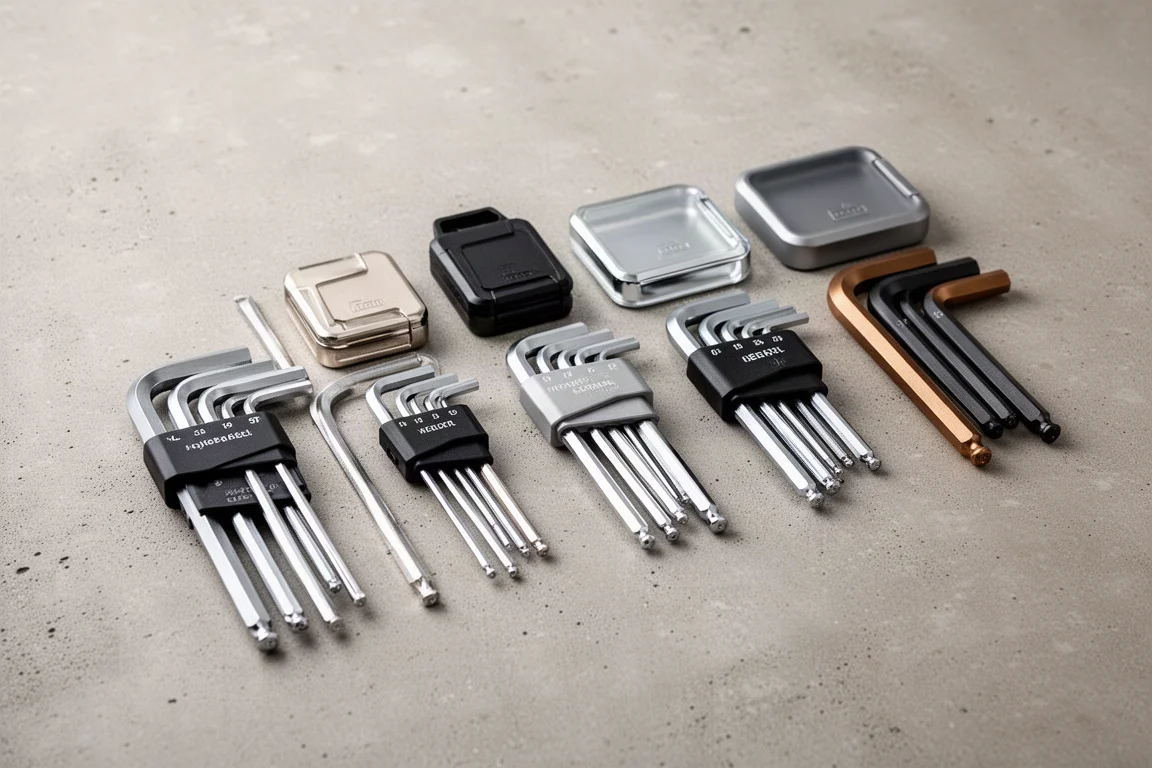
Best Hex L Key Sets 2026: Nine Sets Tested for Real-World Torque
Nine hex L key sets from budget to premium, tested for torque, fit, and durability. See which sets deliver real performance and which ones to skip.
Hand Tools
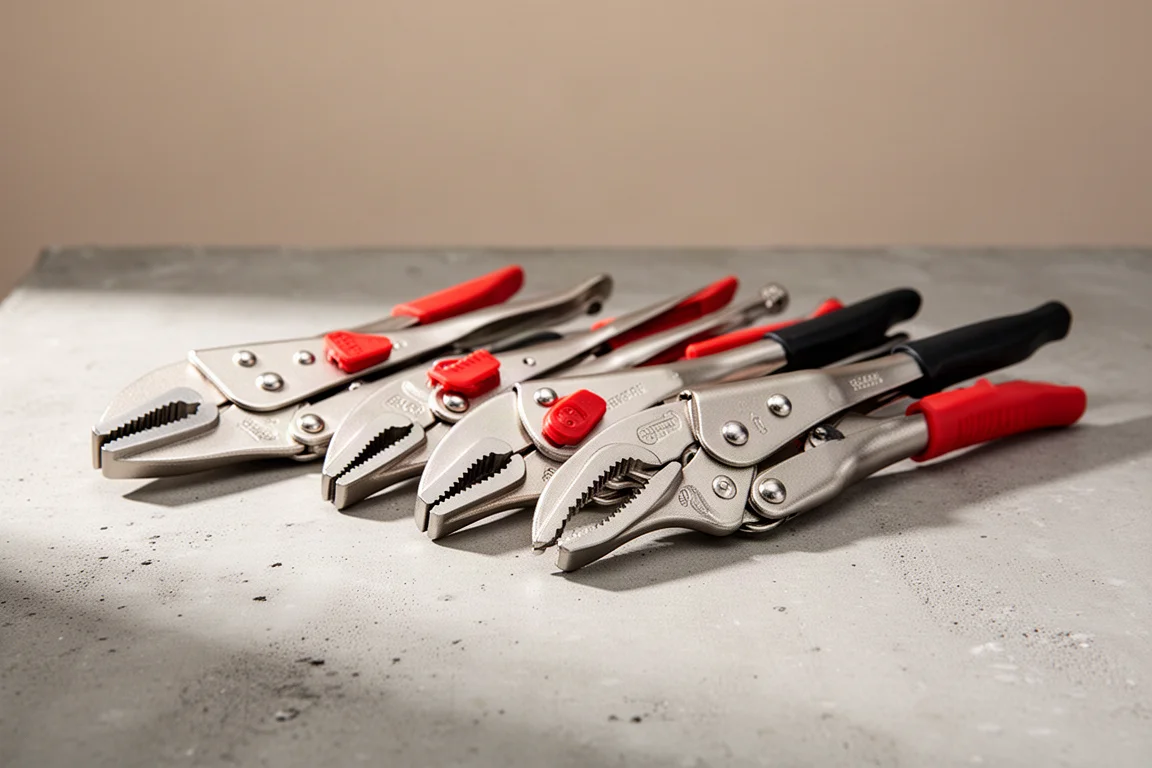
Best Locking Pliers 2026: Top Picks Tested for Grip and Durability
We tested 18 brands of 10-inch locking pliers for grip strength, jaw bite, build quality, and ease of release to find the best options for tough jobs.