Hand Tools
Best 7-Inch Lineman Pliers: Four Options Compared
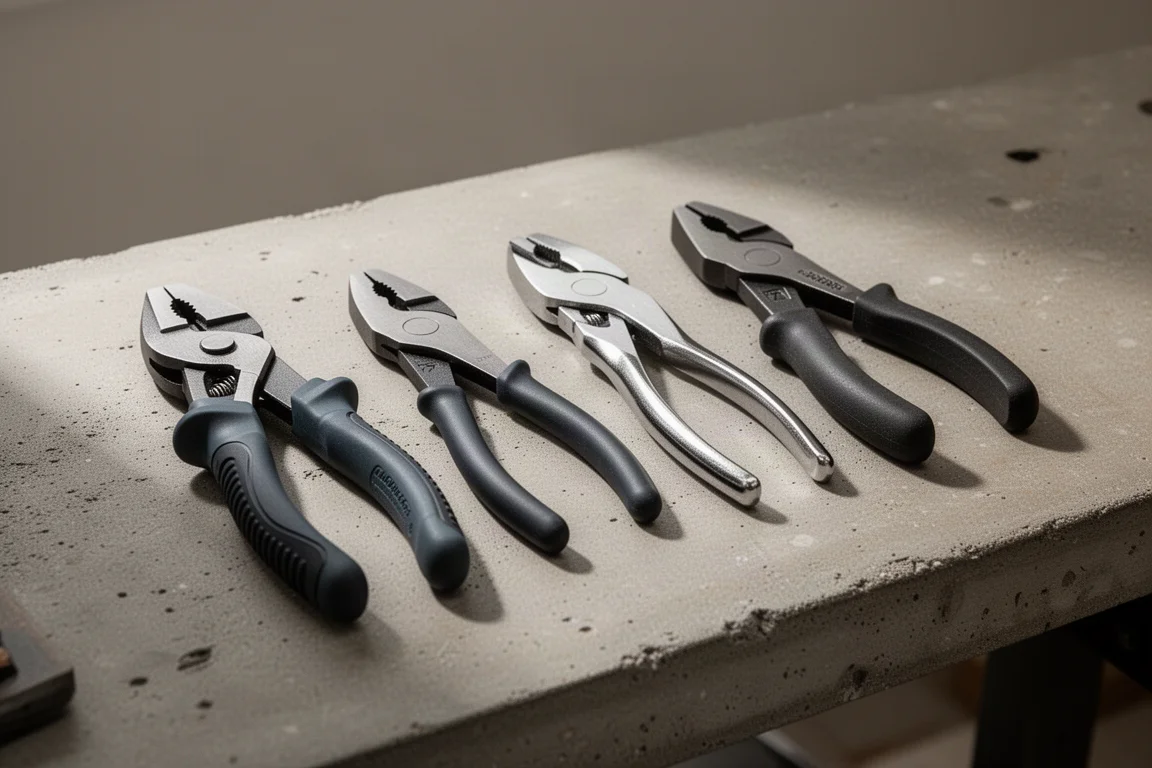
Small lineman pliers keep the full-size feature set in a lighter, more maneuverable package. Here are four worth a look, from premium to entry level.
Introduction
Full-size lineman pliers are a must-have, but there is a case to be made for the smaller versions. The 7-inch class, usually just a touch over 7 inches in overall length, keeps the core characteristics of a full-size lineman plier while shrinking the whole package down. The trade-off is leverage, but what you gain in lighter handling and maneuverability, especially in confined areas, is substantial.
They are also not all priced alike. Premium options can exceed 50 dollars, and one professional-grade version is asking over 82 dollars. If you are not sure a small lineman plier belongs in your kit, there is an entry-level route that costs around 15 dollars. This guide covers four options across that range.
What Makes a Lineman Plier Different
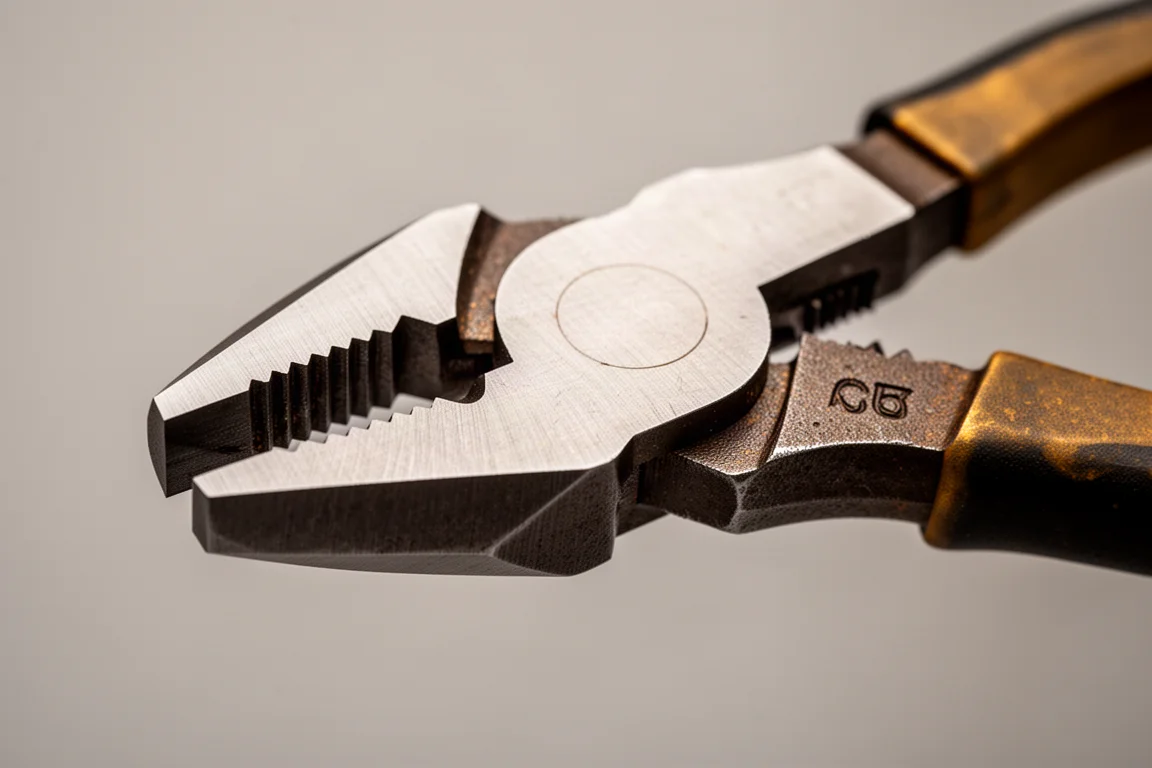
A lineman plier is not a combination plier. It is defined by three features. First, an aggressive, large set of grabbing jaws at the front end. Second, a pretty substantial, strong, high-leverage knife that cuts through wire easily. Third, a surface below the jaws that in the old days was used to smash the insulation on wires so it could be stripped off, typically cross-hatched for grip.
That is what separates this tool style from the general-purpose combination pliers most people already own. If the tool you are looking at lacks those three zones, it is not a lineman plier.
Cutting Performance
Cutting tests with 12-gauge Romex, squeezing one-handed near the bottom of the handle, showed real differences. The dipped-handle Klein required noticeable effort: not something you want to do all day, but it certainly snaps the conductors. The comfort-grip Klein cut about the same.
The Snap-On was the standout. Drop the conductor in and it just snips right off, a cut you could comfortably repeat all day long. Naturally, it commands roughly twice the price of the Klein.
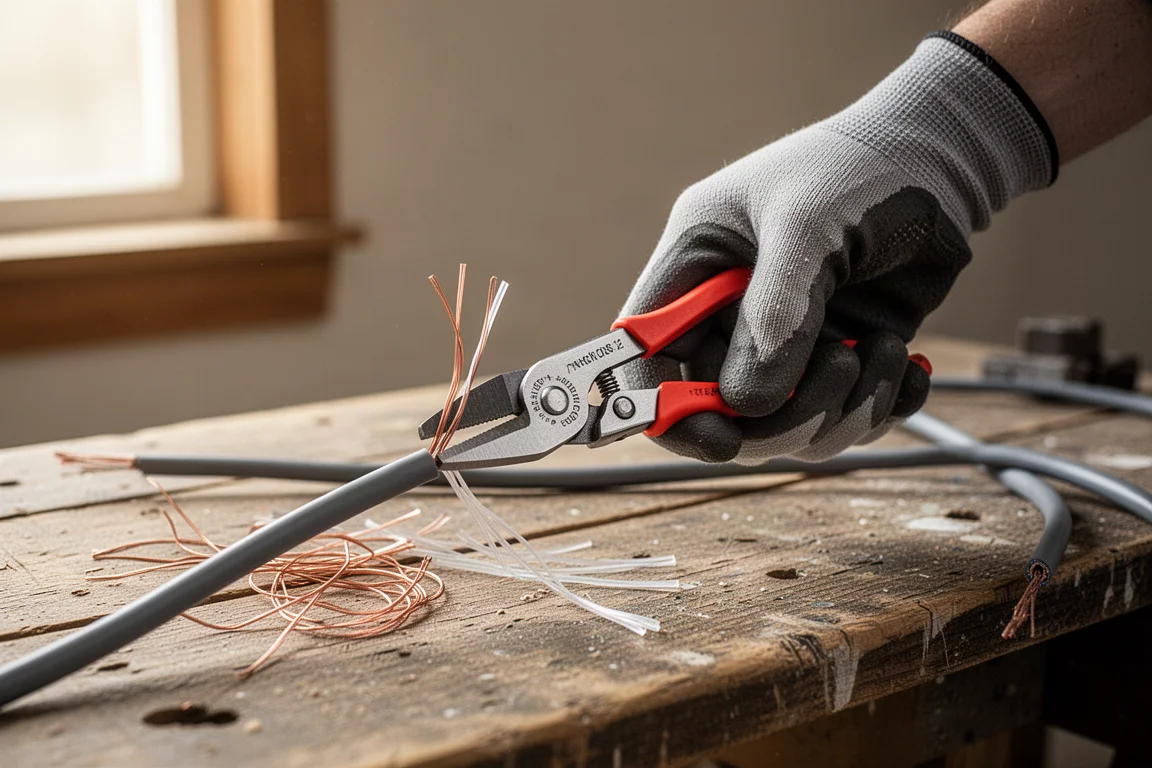
The Cobalt initially did not quite complete the cut in the test, though on a second pass it did, likely from not seating the wire fully in the jaw. It can cut Romex one-handed, but it is clearly not a tool built for doing that repeatedly. For context, a great big full-size pair makes the same cut feel effortless.
Klein 7-Inch with Comfort Grip Handle
This is the premium small lineman in the group, with a molded comfort grip that changes the feel in the hand slightly while delivering about the same cutting performance as the dipped version. In the 7-inch size, this one can exceed 50 dollars, so it is an investment, though it sits below the Snap-On in price.
Choose this version if you want the nicer handle and are ready to commit to the small lineman style. The 7-inch class offers noticeably lighter mass and different balance in the hand compared to full-size pliers, which matters for long-term use and confined work.
Klein Dipped-Handle Version
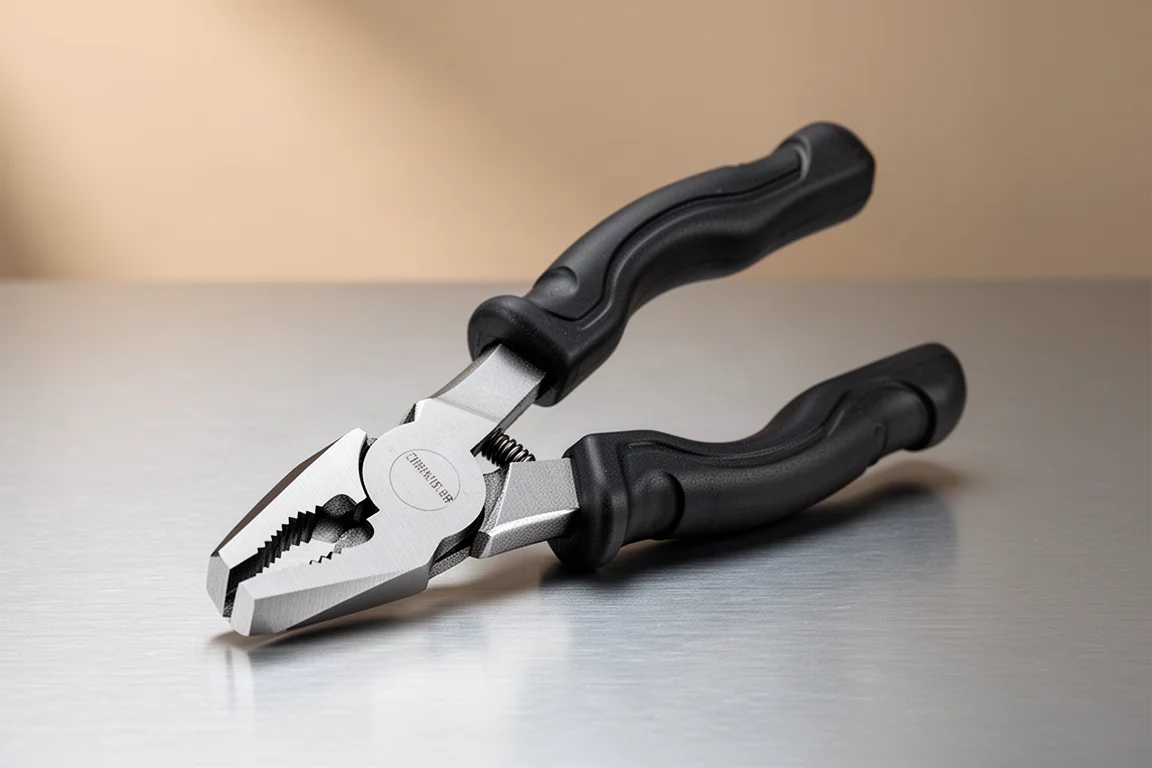
The dipped-handle Klein delivers the same core design at a lower price, generally in the 30 to 40 dollar range. The handle is simpler than the comfort grip, and the one-handed Romex cut took a bit more effort than the Snap-On, but it is a fully functional small lineman plier with all three defining features intact.
This is the sensible middle option: same tool family, same jaw design, friendlier price. If you want a well-made small lineman plier without paying for the upgraded grip, this is it.
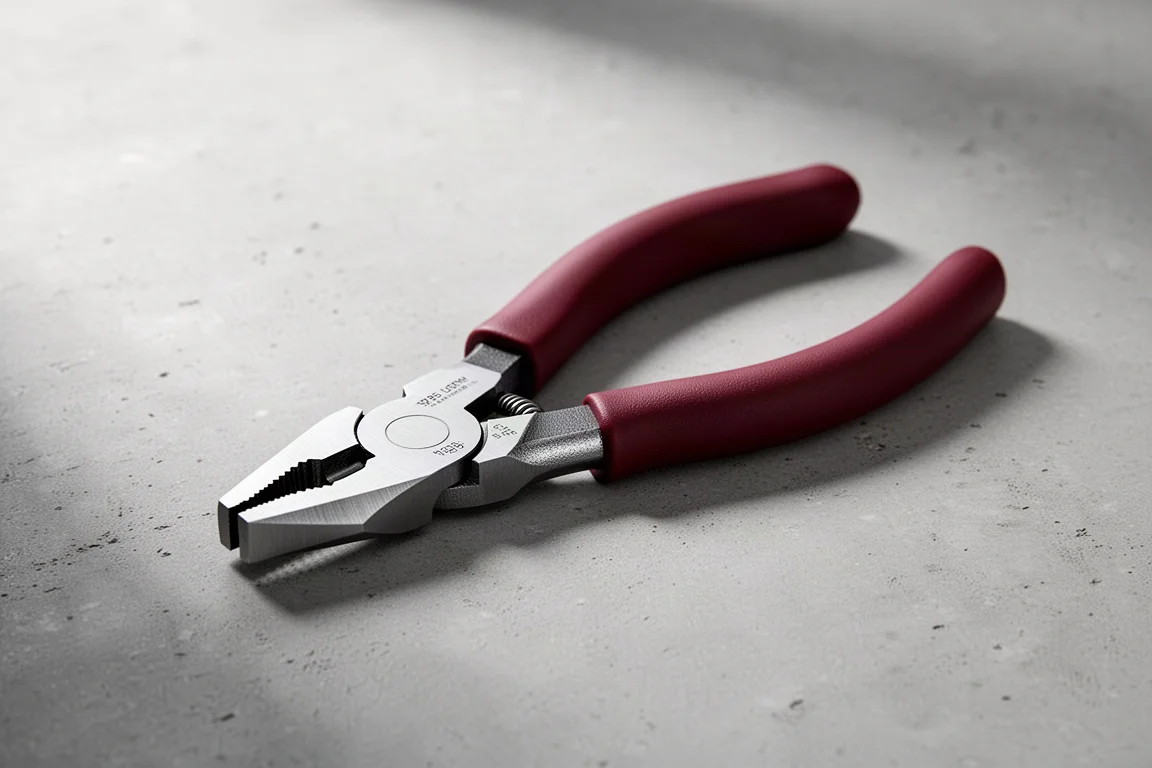
Snap-On 57AHLP
The Snap-On 57AHLP is the professional-grade pick, an older-style version that actually says lineman on it. At over 82 dollars, it is roughly twice the price of the Klein, but the cutting performance backs it up: conductors snip off cleanly with almost no resistance, and the striking surface below the jaws is cross-hatched very aggressively.
The trade-off beyond price is a known one: some professional-grade pliers seem to be notorious for rusting, so expect to maintain it. If you cut wire for a living and want the small lineman that feels effortless, this is the one.
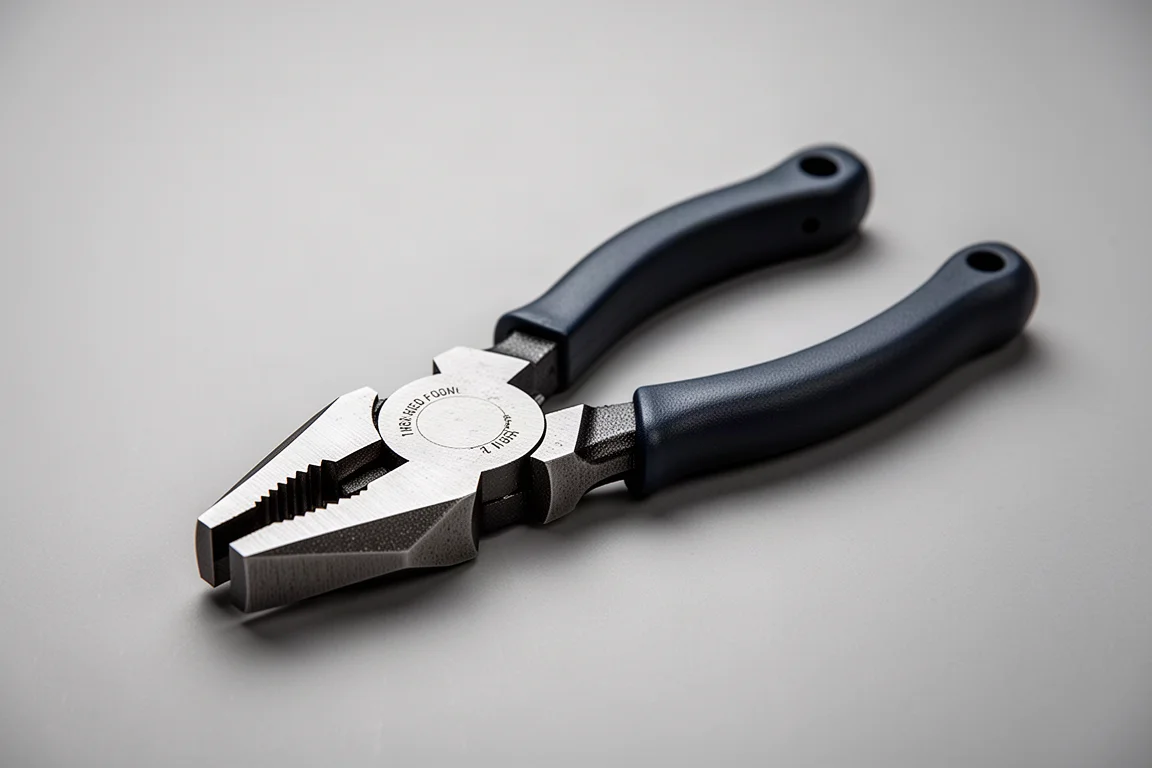
Cobalt 7-Inch Lineman Pliers: The Entry-Level Option
The Cobalt, part number 2564354, is the training-wheels pick, in the spirit of an inexpensive way to find out whether a small lineman plier is for you before committing serious money. It runs about 15 dollars and is available off the shelf at Lowe’s, with a lifetime warranty like other Cobalt tools. It is made in China rather than the USA, and it is just a hair longer than the Klein.
Its quirks are visible. The handles are hefty, arguably a little overkill, as if a handle from a large plier was fitted on. The gripping surface is a single hatch pattern, and the machining shows a small facet on the jaw corner where it intersected the grinding process. It is slightly louder in use than the Snap-On’s dampened feel. Longevity and rust resistance are open questions, as is edge hardness.
Still, it keeps the defining features: heavy grabbing jaws up front, a set of knives, and a cross-hatched insulation surface. In a blind comparison of cuts, most people might not be able to tell the difference between it and the dipped Klein. If you are unsure whether you need the leverage of a big plier or will benefit from the lighter, more maneuverable small format, this is a low-risk way to find out. And if it does not work for you, you can always return it.
Buying Advice
The right choice depends on how you answer one question: do you already know you want a small lineman plier? Full-size lineman pliers are a no-brainer for any kit, but the 7-inch class earns its place through noticeably lighter mass, better balance, and easier manipulation in tight spaces.
If you are curious and budget-conscious, start with the Cobalt. If you want a proven design at a reasonable price, the dipped-handle Klein is the sensible pick. If you want the nicer grip, step up to the comfort-grip Klein. And if cutting wire all day is part of your job, the Snap-On’s effortless cut justifies the premium, with some rust-prevention care in return.
Conclusion
Small lineman pliers stay in their wheelhouse and work just fine there. The three-zone design survives the size reduction, and even the entry-level option performs the core tasks credibly. Match your budget and certainty level to the tool: try-before-you-commit at 15 dollars, buy once in the 30 to 50 dollar range from Klein, or pay the professional premium for the easiest cut of the lot.
Further reading
Related Reviews
Hand Tools
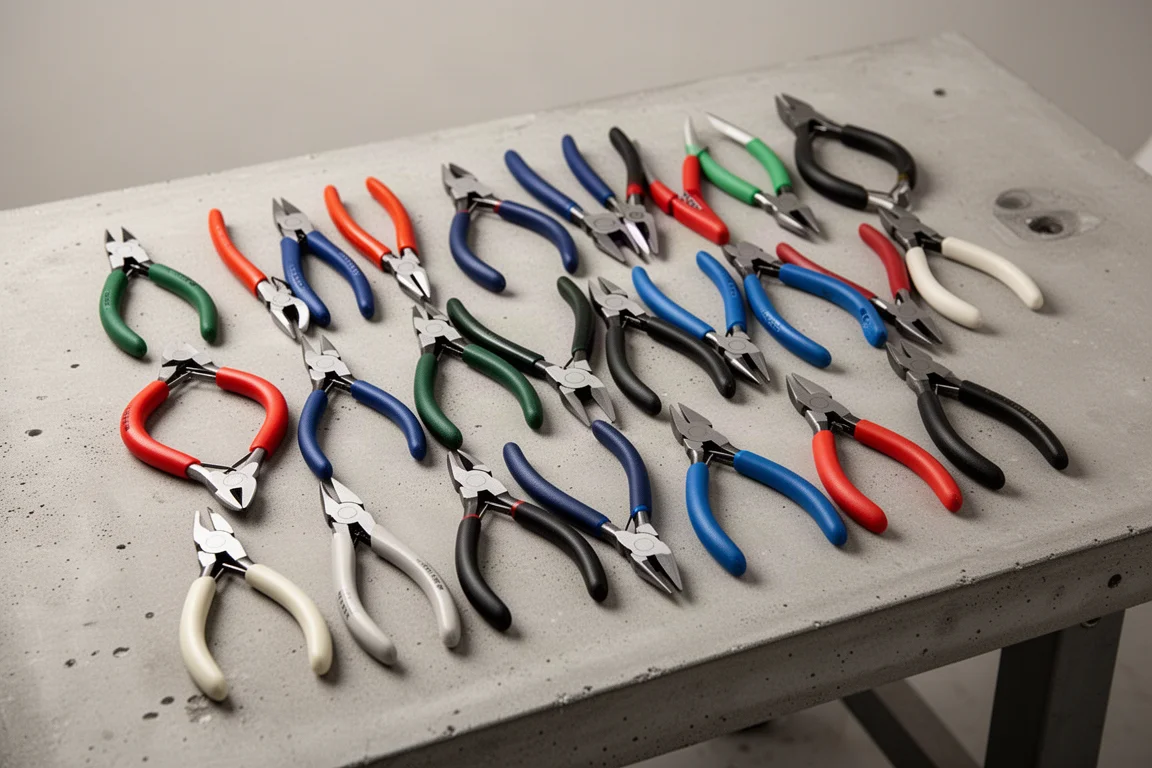
Best Diagonal Cutters 2026: 16 Pliers Tested for Cutting Power and Durability
We put 16 diagonal cutters through nail, screw, drill bit, and hex key tests to find the best value picks for your toolbox.
Hand Tools
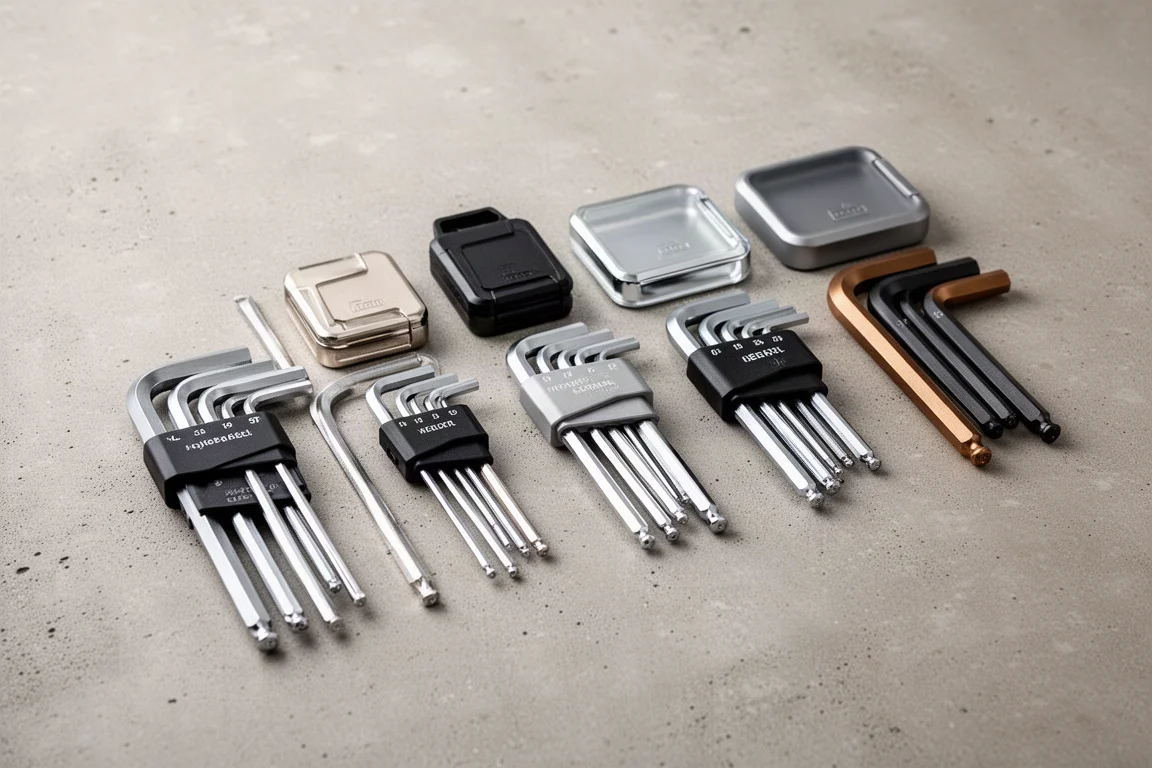
Best Hex L Key Sets 2026: Nine Sets Tested for Real-World Torque
Nine hex L key sets from budget to premium, tested for torque, fit, and durability. See which sets deliver real performance and which ones to skip.
Hand Tools
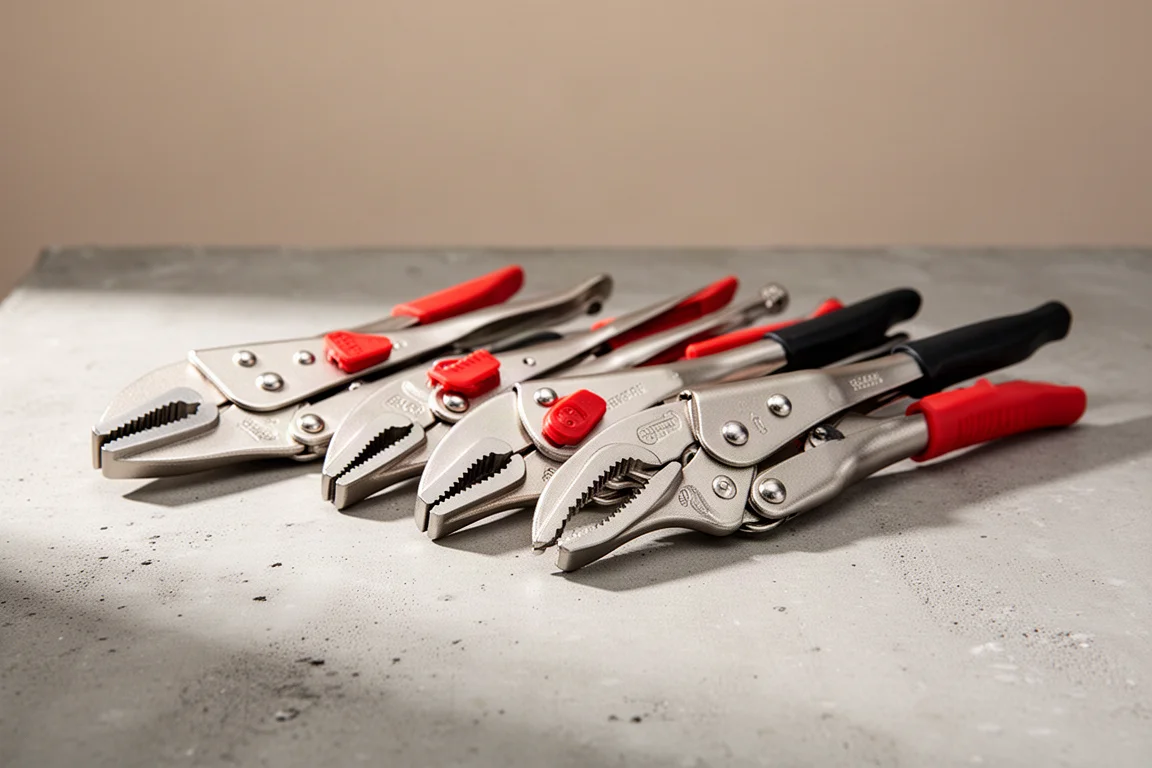
Best Locking Pliers 2026: Top Picks Tested for Grip and Durability
We tested 18 brands of 10-inch locking pliers for grip strength, jaw bite, build quality, and ease of release to find the best options for tough jobs.