Hand Tools
Best 4-Inch Adjustable Wrenches Compared: Five EDC-Sized Wrenches Under $20
Five 4-inch adjustable wrenches tested side by side for smoothness of adjustment, jaw grip, and the little design details that separate a keeper from a drawer-filler.
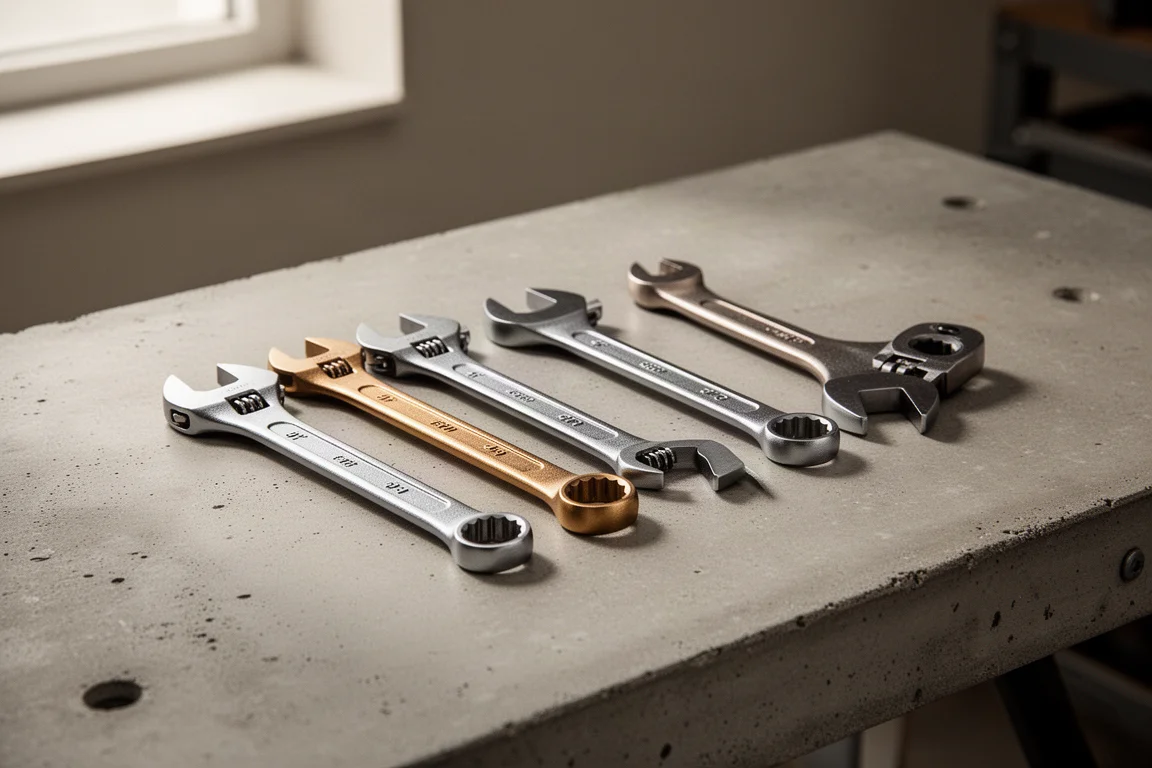
Introduction
The 6-inch adjustable wrench is a classic staple, but the 4-inch version, the EDC-sized little brother, is worth a closer look. After handling five different 4-inch adjustable wrenches side by side, each priced under $20, some genuinely interesting differences emerged, and one design detail that seems to have quietly disappeared from most modern versions.
Why the Small Adjustable Wrench Deserves a Spot in Your Kit
The core advantage of the adjustable wrench over plier-style tools comes down to independence. With pliers or cobra-style grips, adjusting and squeezing the tool is part of how you hold it. With an adjustable wrench, those two actions are separated. You can hang onto the handle and turn the adjustment screw with two fingers of your other hand, or even while keeping your grip, which matters enormously when you are reaching into a tight space blind. That separation of grip and adjustment is exactly what makes the 4-inch size such a good everyday carry tool.
How the Wrenches Were Evaluated
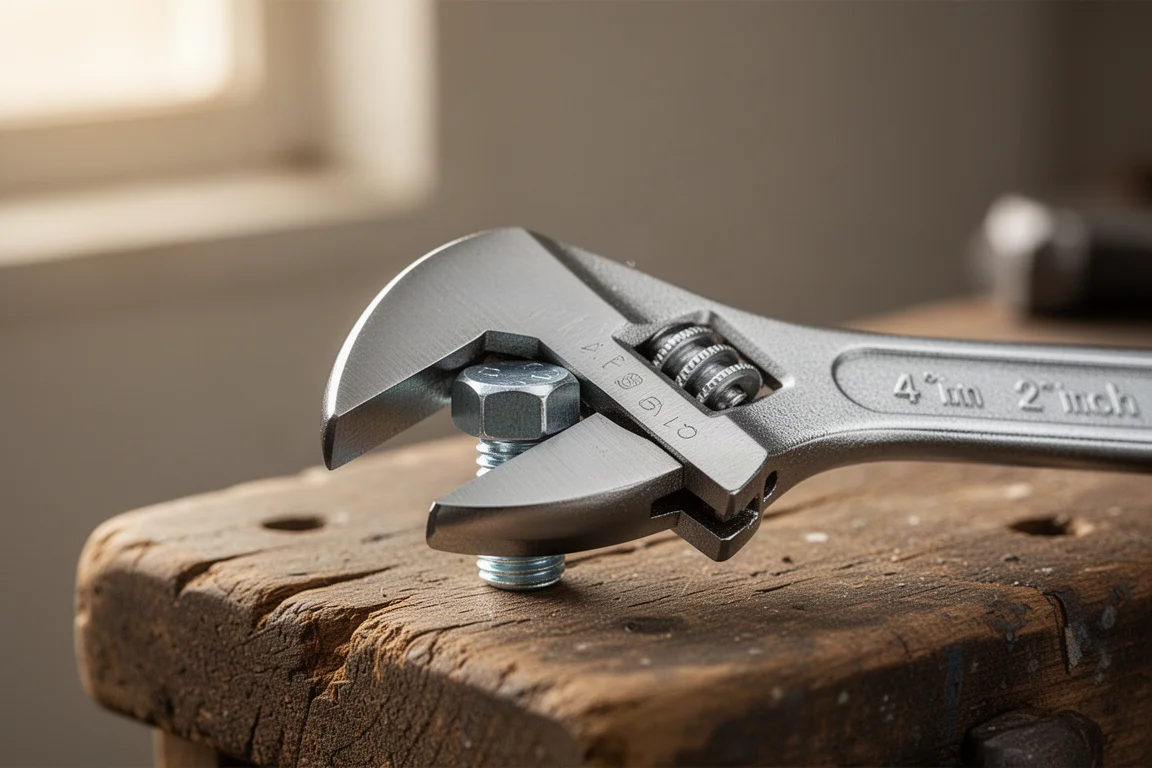
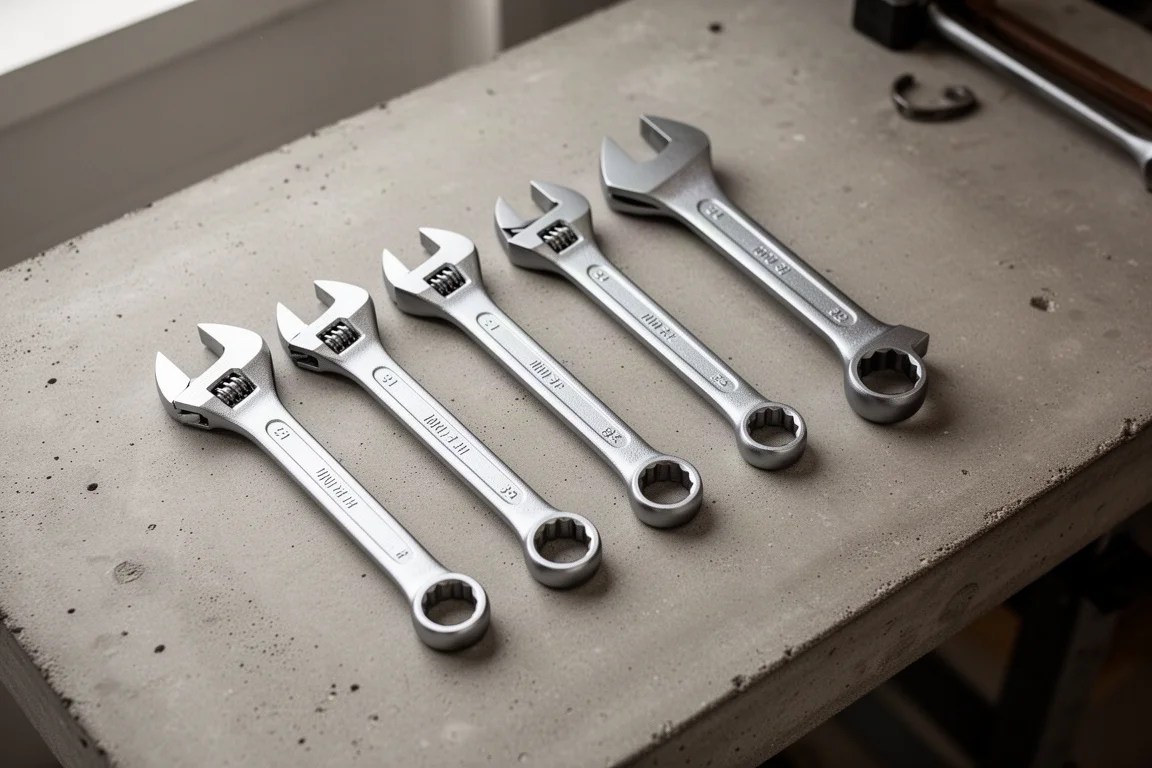
Five wrenches were compared, all bought for under $20. The criteria came down to a handful of practical tests: how easily the adjustment screw spins, how much usable texture your thumb and finger get on the screw, jaw capacity (all of them easily reach half an inch), overall finish quality, and a wiggle test, cinching the jaws onto a fastener and checking whether the wrench stays attached or slides off.
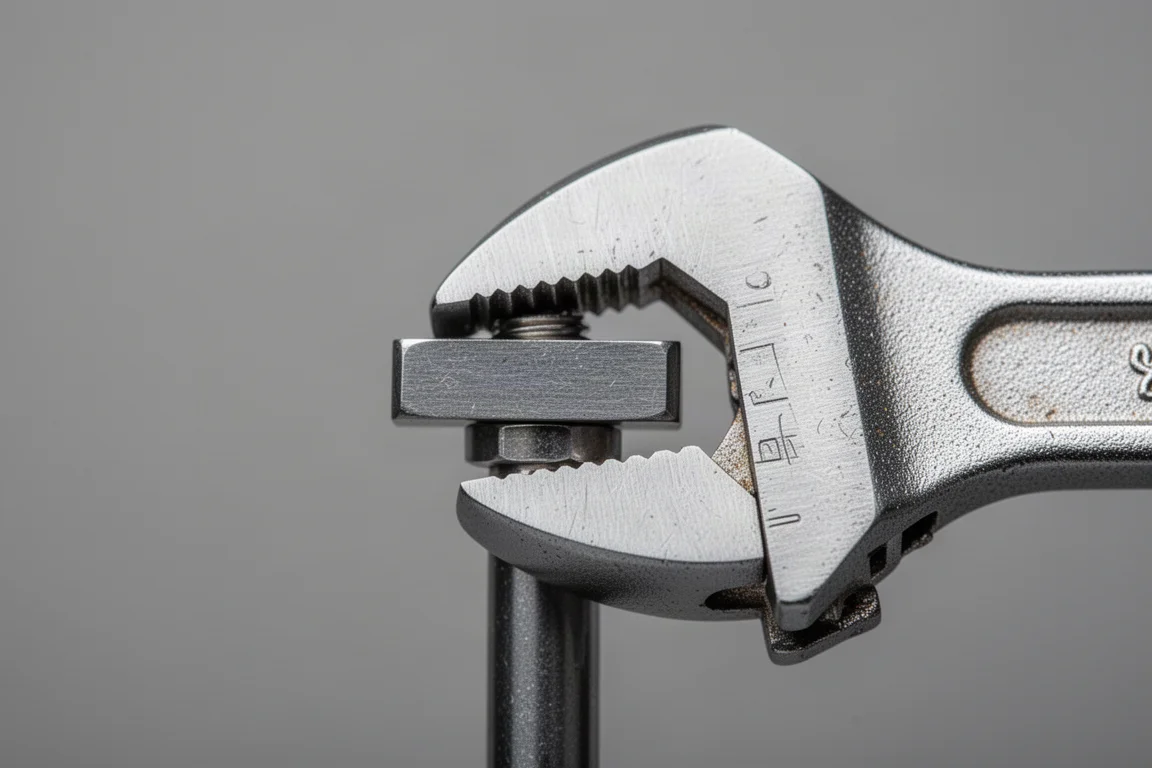
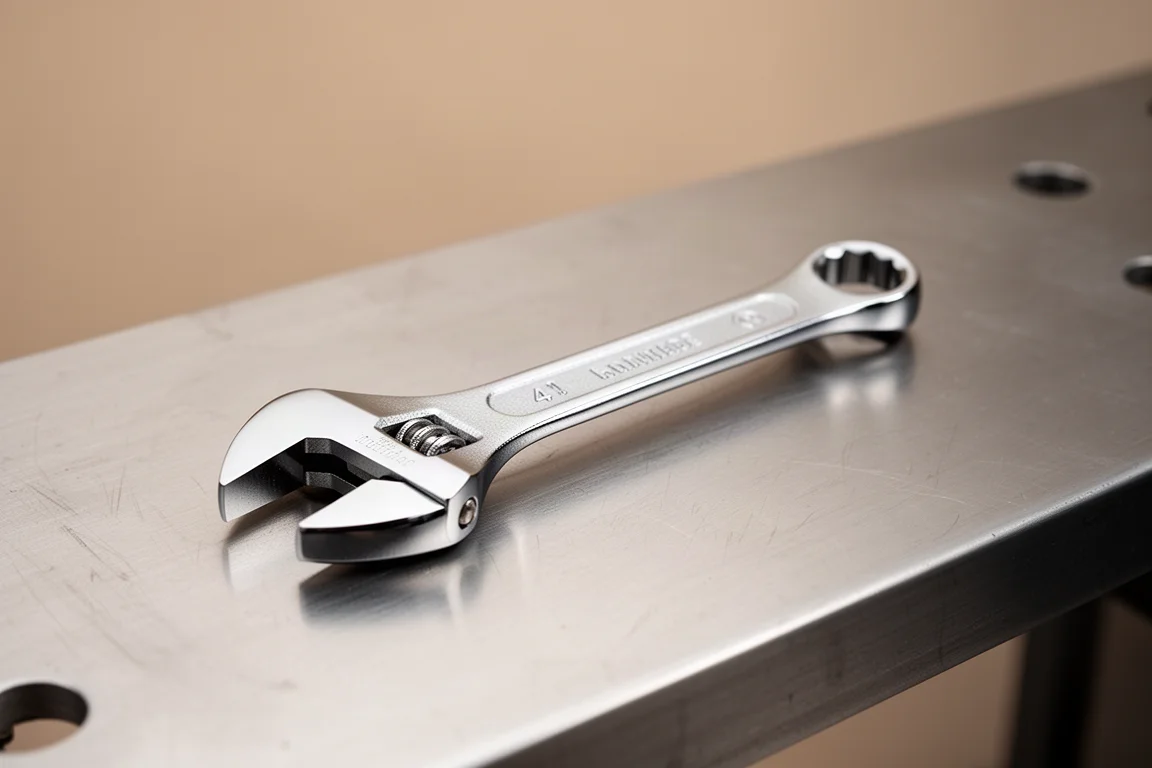
One interesting quirk: on some wrenches the jaw tips pinch together slightly at the far ends, so once cinched down, the wrench grips and holds onto the fastener. On others the jaws are perfectly parallel, which means the wrench can slide on and off a properly sized fastener while still holding it firmly. Both approaches have merit, and the difference turned out to matter more than expected.
The Adjustment Mechanism: Smoothness and Grip Texture
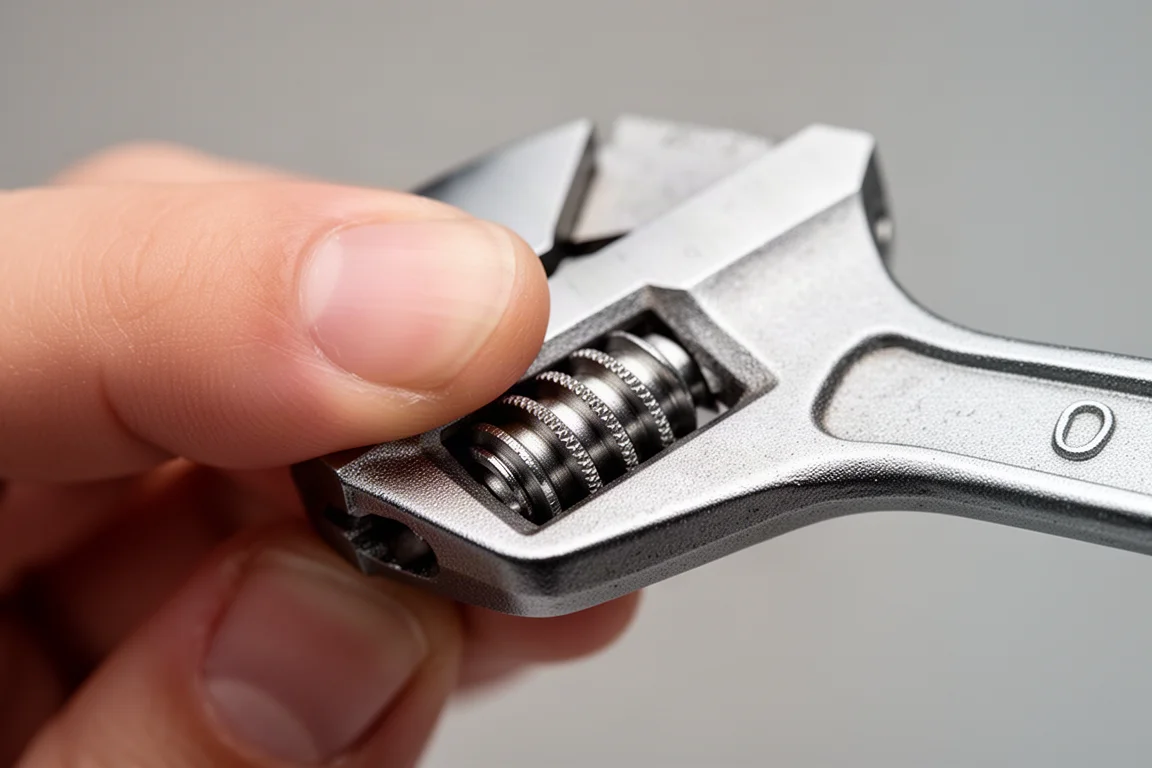
The spinning area of the adjustment screw is where the biggest quality gaps show up. Some of the wrenches tested are polished almost too smooth in a spot where texture would actually help, and there just is not much surface for your fingers to grab. Others offer a well-dialed feel where the screw spins easily under thumb pressure but still offers enough purchase to turn confidently.
On one wrench, a noticeable bulge on one side of the screw seemed to be positioned on the wrong side for a right-handed grip, raising the question of whether that was manufacturing slop or a deliberate design choice. It is a small thing, but when you are adjusting a fastener one-handed, where that bulge sits changes how much purchase your thumb gets.
Crescent 4-Inch Adjustable Wrench
The classic Crescent name has long been associated with a silky-smooth adjustment mechanism, and the older USA-made versions deliver exactly that. However, a newer Crescent bought recently felt crunchy by comparison and had no country of origin marked on it. The company confirmed the difference: overseas-made examples are not always as smooth, and USA-marked versions are the ones to look for. If you buy one, check that it says USA on it.
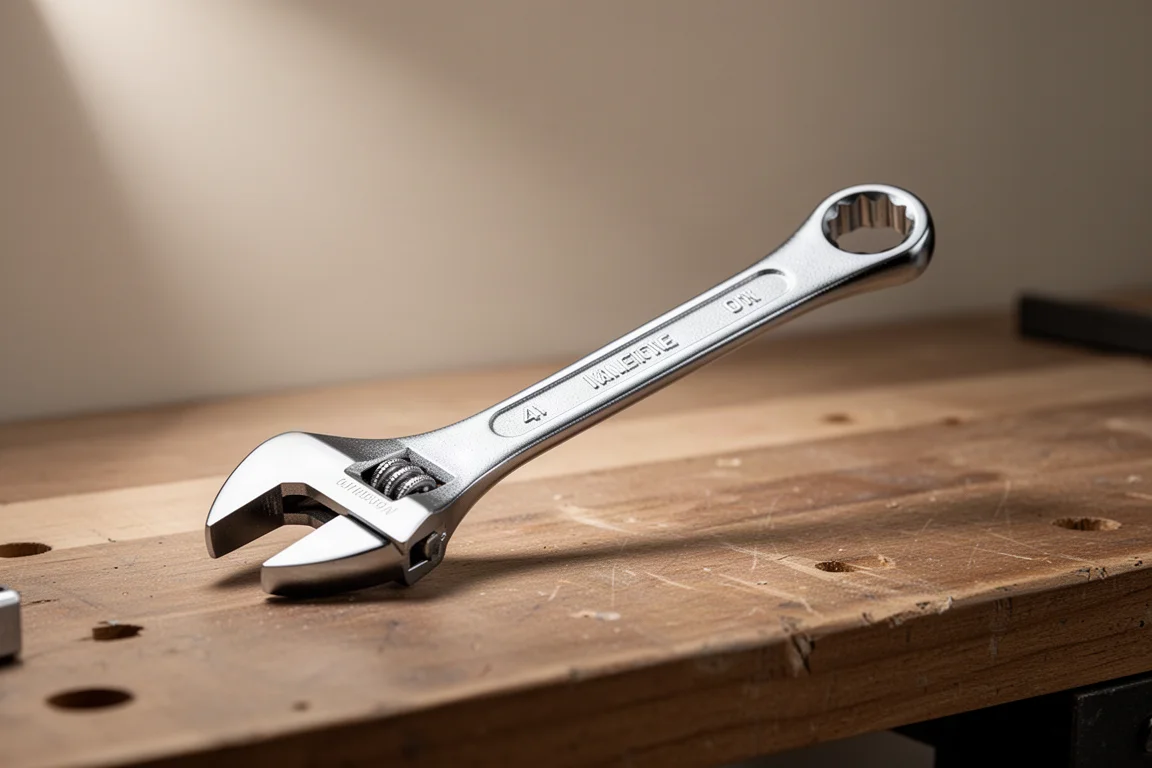
Blue Point 4-Inch Adjustable Wrench
Bought years ago for $18, the Blue Point still performs well, with a smooth adjustment mechanism and good finger purchase on the screw. Current online pricing sits around $28 to $29, which puts it above the under-$20 bar for this comparison, but as a used or older find it remains a strong performer.
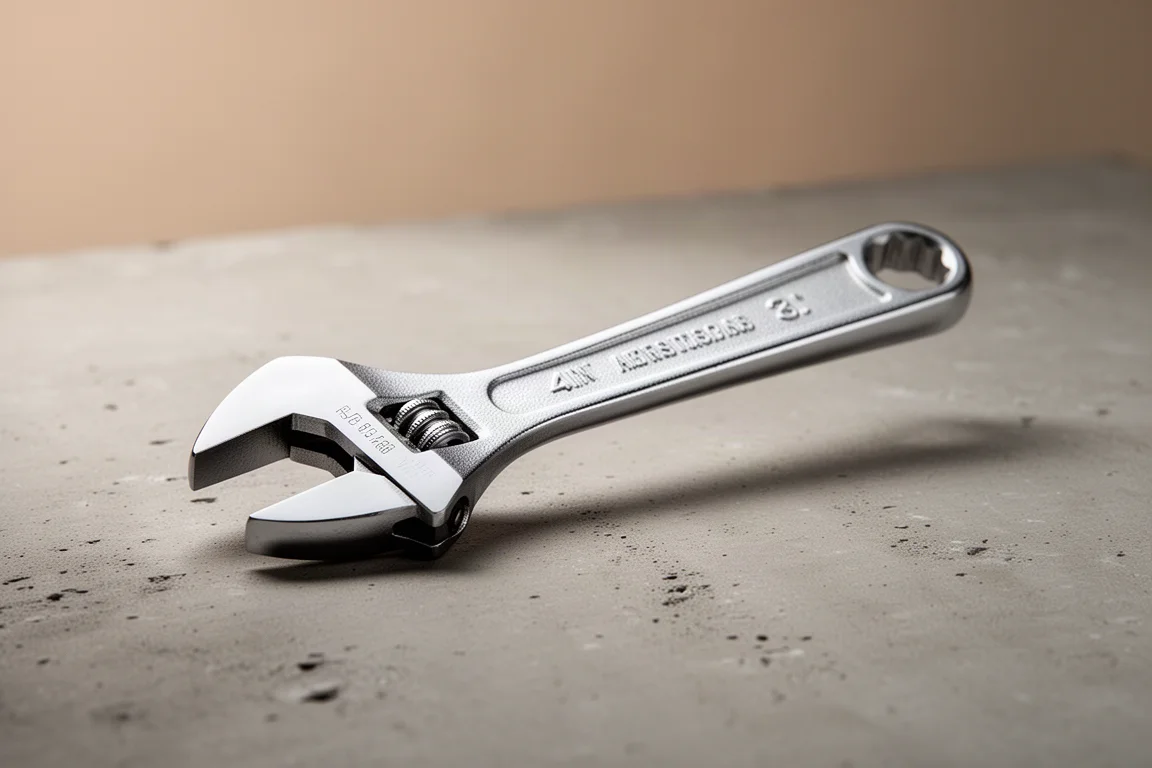
Tekton 4-Inch Adjustable Wrench
The Tekton is the one with the odd bulge on the adjustment screw, positioned opposite to where a right-handed thumb would naturally sit. The mechanism itself works, but the asymmetric detail makes one-handed adjustment slightly awkward in the standard grip. It is a puzzling design choice, and worth checking in person if you are particular about how your wrench feels in hand.
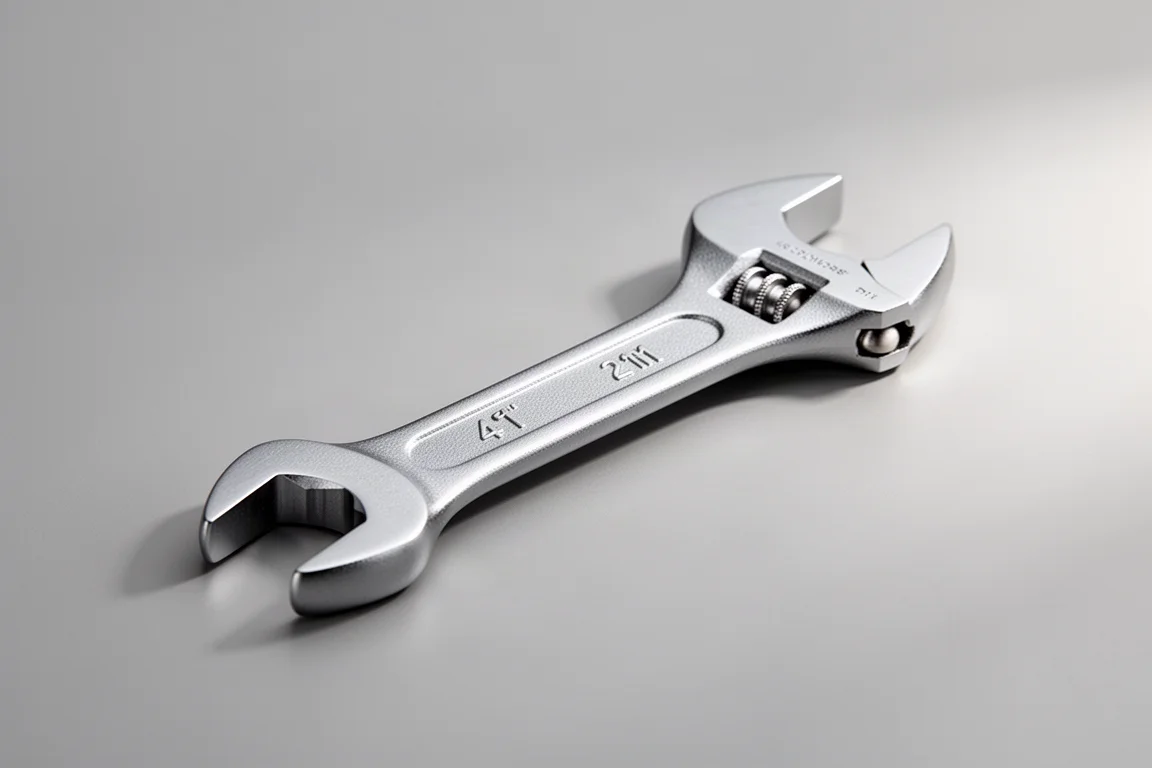
Performance Tool W374 4-Inch Adjustable Wrench
At around $10, the Performance Tool W374 is the budget pick, and it is honest about it. The finish is rough, the handle has a wide I-beam profile, it is marked SAE and Metric, and it is made in China. Yet it is oddly smooth in the adjustment and can be turned from both sides. More importantly, it is the one wrench in the group with parallel jaws that cinch down and still let you slide the wrench on and off a fastener without loosening it, a feature that seems to have vanished from the more expensive options. Rough around the edges, but genuinely useful.
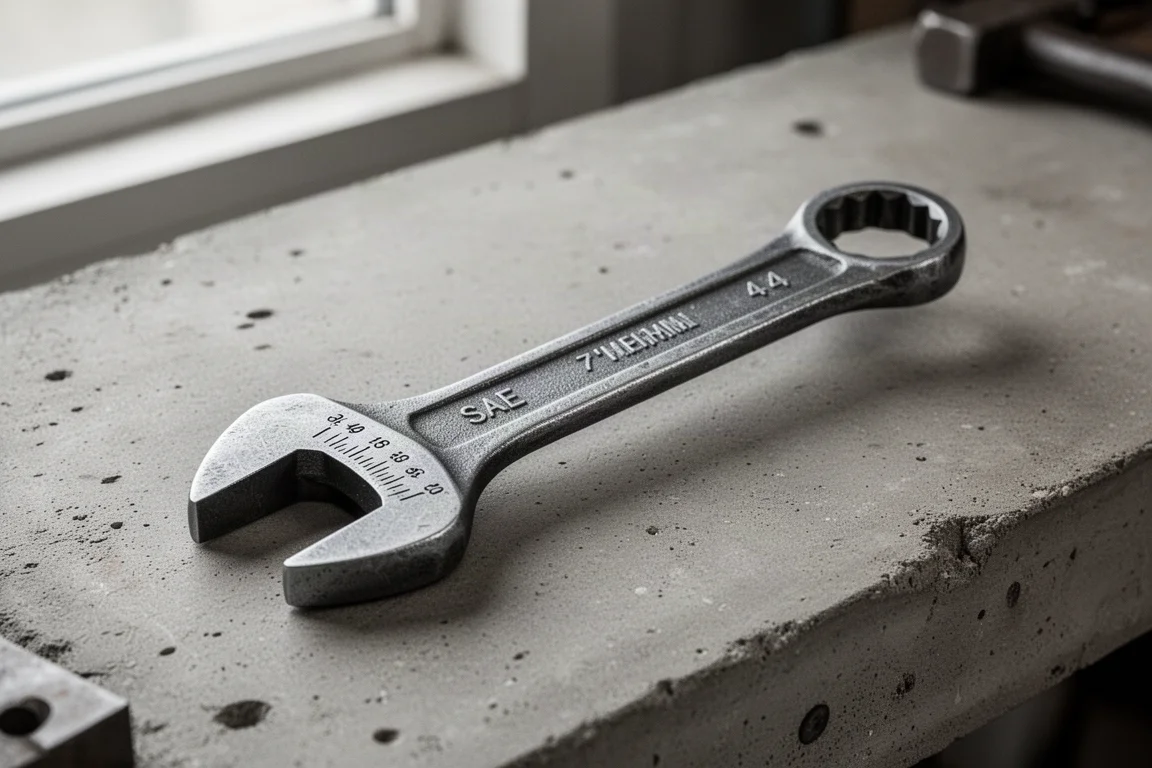
Great Neck 4-Inch Adjustable Wrench
The Great Neck performed well in the adjustment test, with a reasonably good feel on the screw, though some polished-down parts could benefit from more texture. Its design closely mirrors the Snap-on style, which brings the same strengths and the same slightly slippery polished surfaces. A solid all-rounder that does nothing badly.
Buying Advice: Which One Should You Pick
All five wrenches are honest 4-inch tools with about half an inch of jaw capacity, and the jaw angles are close enough across the board that it is not a deciding factor. The real differences are in feel and small design details. If you want the classic silky adjustment, a USA-made Crescent is the safest bet, but check the marking before you buy. If budget rules, the Performance Tool W374 delivers surprisingly good adjustment and a genuinely useful parallel-jaw feature for around $10. The Blue Point is excellent if you can find it at a reasonable price, and the Great Neck and Tekton are competent but have small quirks worth knowing about.
Conclusion
Small adjustable wrenches are more different than they look. The best pick depends on what you value most: the smoothest classic adjustment, the lowest price, or the practical ability to slide the wrench onto a fastener without loosening the jaws first. Whichever you choose, a 4-inch adjustable wrench earns its place as an everyday carry tool precisely because gripping the tool and adjusting it are two independent actions, and that is something no plier-style alternative quite replicates.
Further reading
Related Reviews
Hand Tools
Best Diagonal Cutters 2026: 16 Pliers Tested for Cutting Power and Durability
We put 16 diagonal cutters through nail, screw, drill bit, and hex key tests to find the best value picks for your toolbox.
Hand Tools
Best Hex L Key Sets 2026: Nine Sets Tested for Real-World Torque
Nine hex L key sets from budget to premium, tested for torque, fit, and durability. See which sets deliver real performance and which ones to skip.
Hand Tools
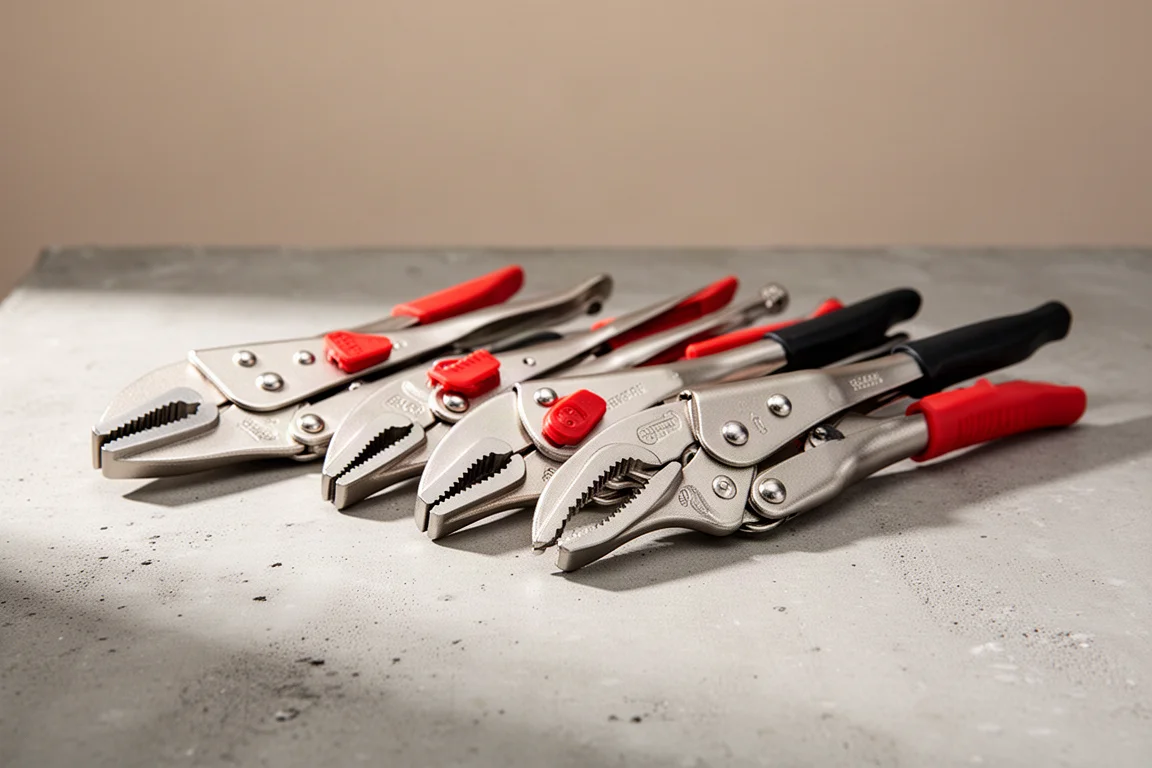
Best Locking Pliers 2026: Top Picks Tested for Grip and Durability
We tested 18 brands of 10-inch locking pliers for grip strength, jaw bite, build quality, and ease of release to find the best options for tough jobs.