Hand Tools
Best 3/8 Inch Flex Head Ratchets Compared: Snap-on, Capri, and WorkPro
Three 3/8 inch flex head ratchets tested for balance, back drag, head thickness, and value, with clear advice on which one to buy and which to skip.
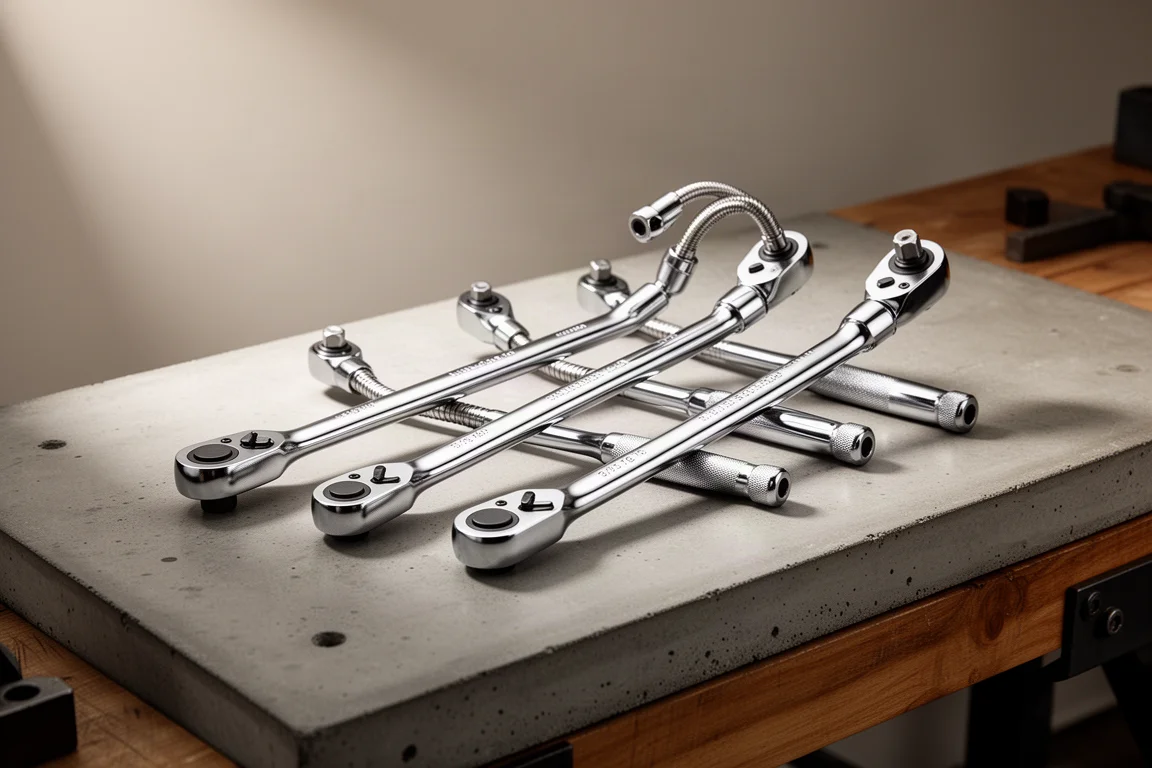
Introduction
Flex head ratchets earn their spot in the toolbox because the pivoting head reaches fasteners that a straight ratchet simply cannot. This comparison looks at three 3/8 inch flex head models: a premium Snap-on, a budget-friendly Capri, and the very affordable WorkPro. Each was assessed on balance, back drag, head thickness, socket fit, and overall feel, with practical recommendations on which to buy and which to leave at the store.
Snap-on 3/8 Inch Flex Head Ratchet
The Snap-on is the benchmark here. A newly purchased example sits alongside a 20-year-old identical ratchet that has performed flawlessly for two decades, with back drag that remains almost the same apart from being a little noisier. It is made in the USA, carries a lifetime warranty, and lists at around $175.
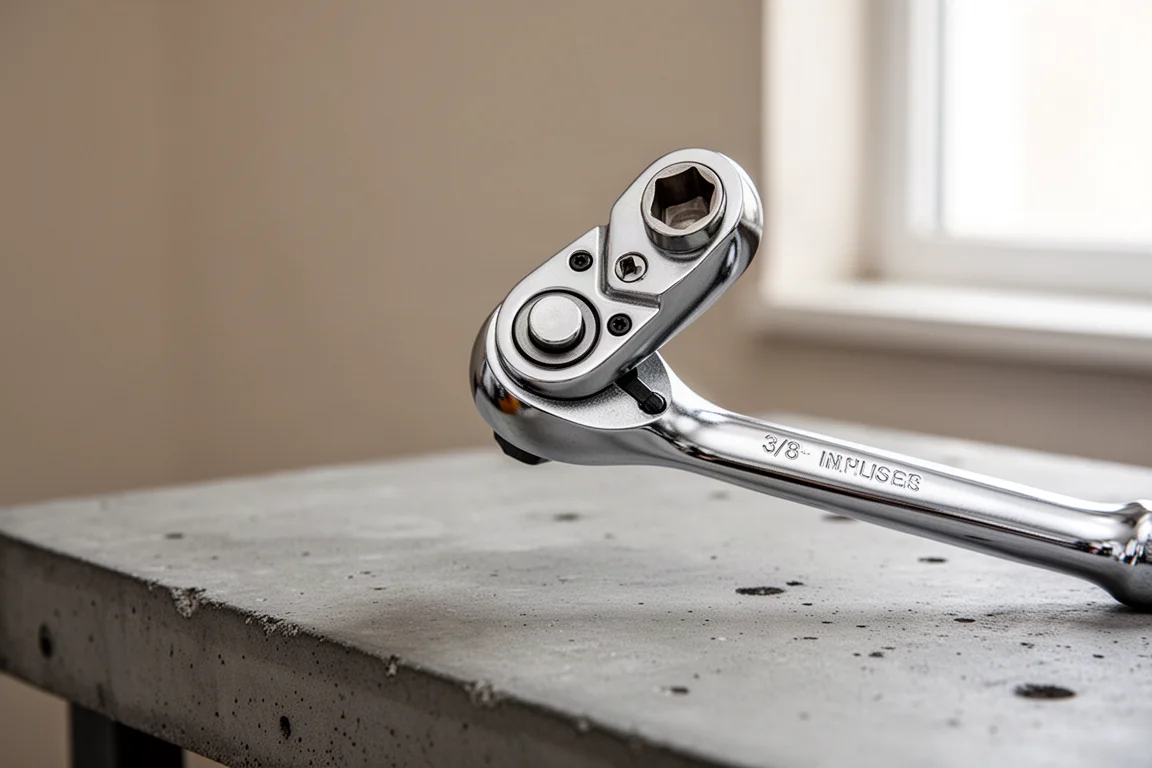
In the hand, this is where the Snap-on pulls away. It weighs 16 ounces, roughly a pound, and the balance is excellent, making it a tool you actively want to pick up and use. The finish is beautiful, the build quality is superb, and long-term durability is clearly proven.
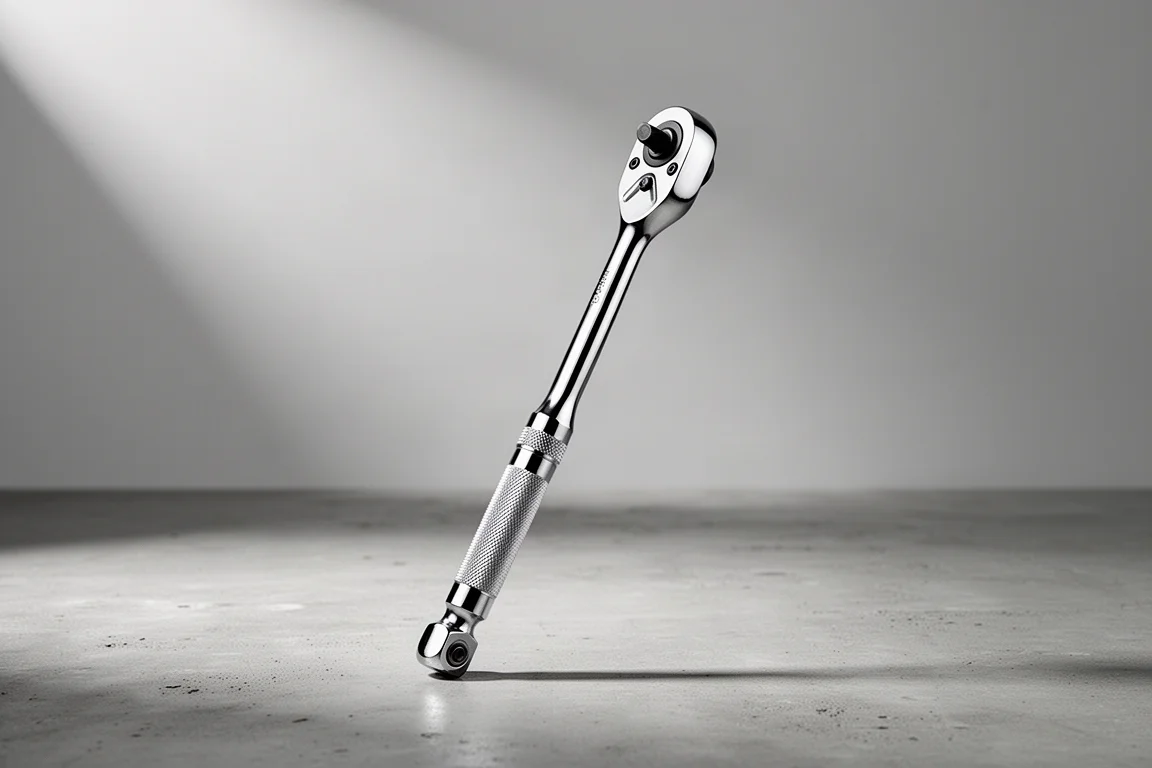
Capri 72-Tooth Flex Head Ratchet
The Capri is the value story of this comparison. It was picked up for around $27 on a good deal, though it usually costs a bit more. It uses a 72-tooth mechanism, weighs 14 ounces, and carries a lifetime warranty. Capri also sells higher-end ratchets with a locking flex head, but this non-locking version works well as long as the pivot tension feels right.
Balance is very good, though not quite as refined as the Snap-on: the head carries slightly more weight than the handle. Head thickness is very similar to the Snap-on, and it is clearly designed as a close copy, a job it does well. The chrome and cosmetics are nice, the switch is good, and access into the head uses a snap ring rather than Torx fasteners. Socket fit is slightly looser than the Snap-on, though part of that came down to the socket used in testing. For the price, it is genuinely hard to beat.
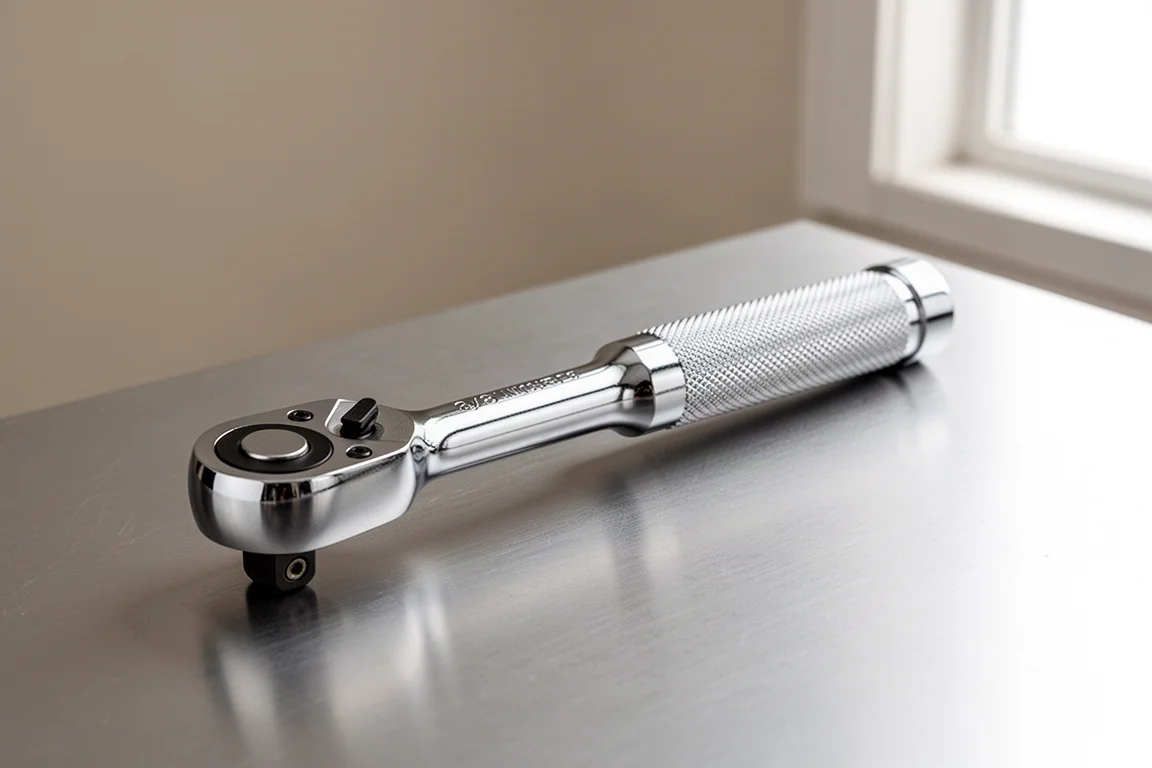
WorkPro Flex Head Ratchet
The WorkPro is the cheapest of the three at around $15, and it delivers one genuine surprise: the back drag is extremely light. Unfortunately, most other aspects disappoint. The head is very thick, the weight is 17 ounces despite being a shorter ratchet, and the balance feels off, making it somewhat clumsy to use.
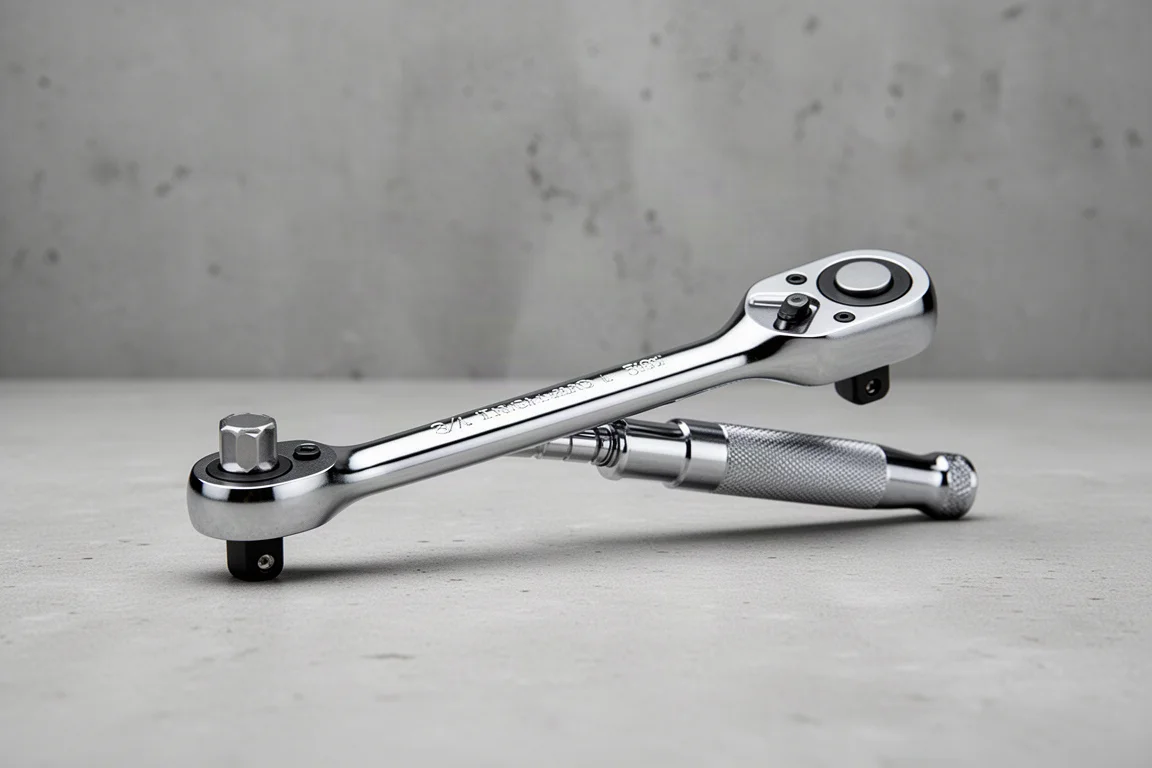
It is a serviceable tool that you could make do with, and the price is attractive, but the Capri is a much better ratchet for not a lot more money. For that reason, the WorkPro is unlikely to rank well against stronger competition.
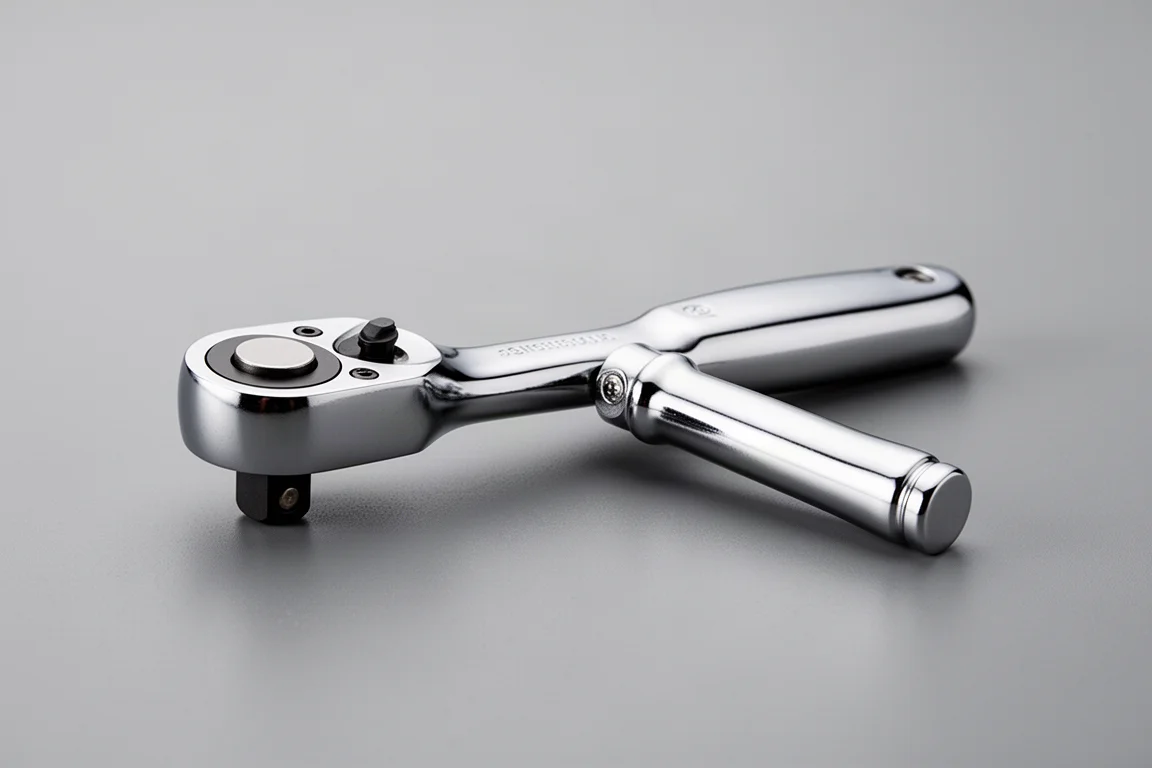
Socket Fit and Strength Considerations
Socket fitment testing showed the Snap-on gripping noticeably tighter, with the Capri slightly looser, though some of that was attributed to the socket itself. Both were still considered very usable and serviceable.
On strength, none of these flex head ratchets are intended for extreme torque. Realistic use sits around 50 to 75 ft-lbs, perhaps 100 in a stretch. If the head and yoke can handle 150 to 175 ft-lbs, that is roughly twice what they will ever see in normal service, which is plenty. The Capri’s yoke looks about as strong as the Snap-on’s.
Buying Advice: Which Ratchet Makes Sense for You
If budget is no object and you want the best feel and proven longevity, the Snap-on justifies its price. For most buyers, though, the Capri at 72 teeth is the smart purchase: strong balance, good cosmetics, a lifetime warranty, and performance close to the premium option at a fraction of the cost. The WorkPro only makes sense if the absolute lowest price matters more than feel and finish; stepping up to the Capri is worth the small difference.
Conclusion
The Snap-on remains the premium standard with decades of proven durability, the Capri is the standout value pick with very few compromises, and the WorkPro offers a light back drag but too many trade-offs to recommend over its rivals. Match the tool to your budget and how often you will reach for it, and you will not go wrong.
Further reading
Related Reviews
Hand Tools
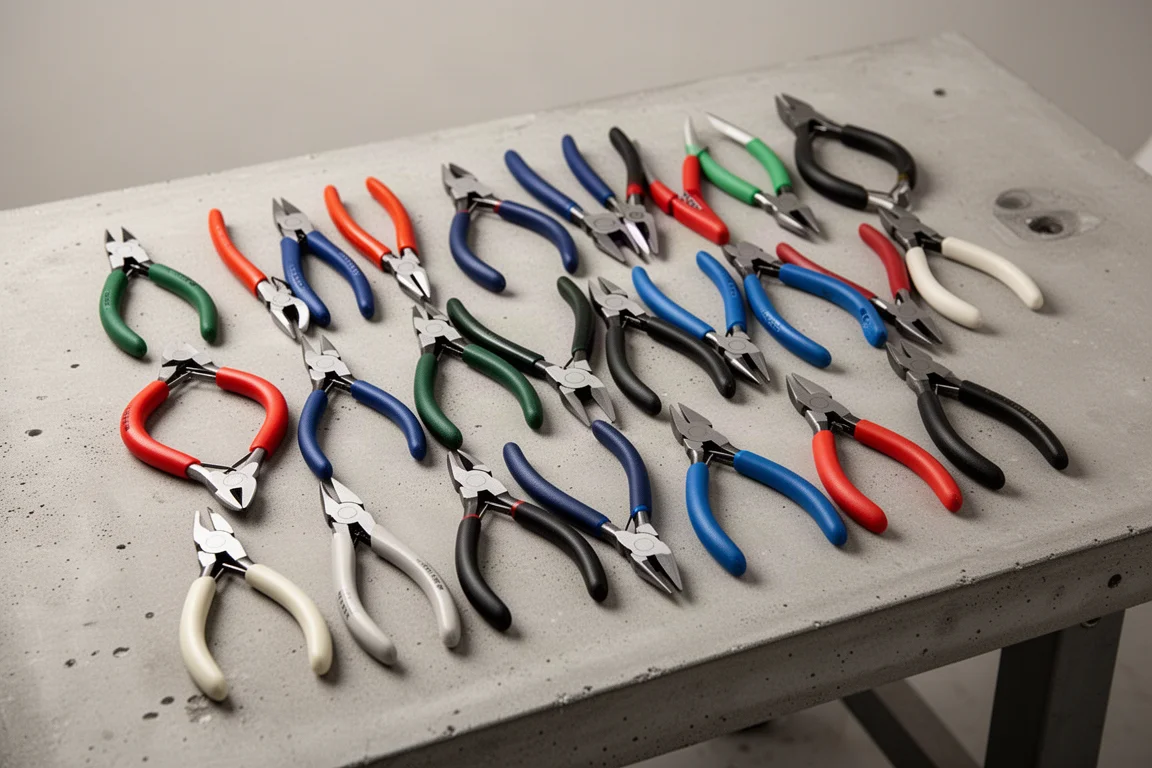
Best Diagonal Cutters 2026: 16 Pliers Tested for Cutting Power and Durability
We put 16 diagonal cutters through nail, screw, drill bit, and hex key tests to find the best value picks for your toolbox.
Hand Tools
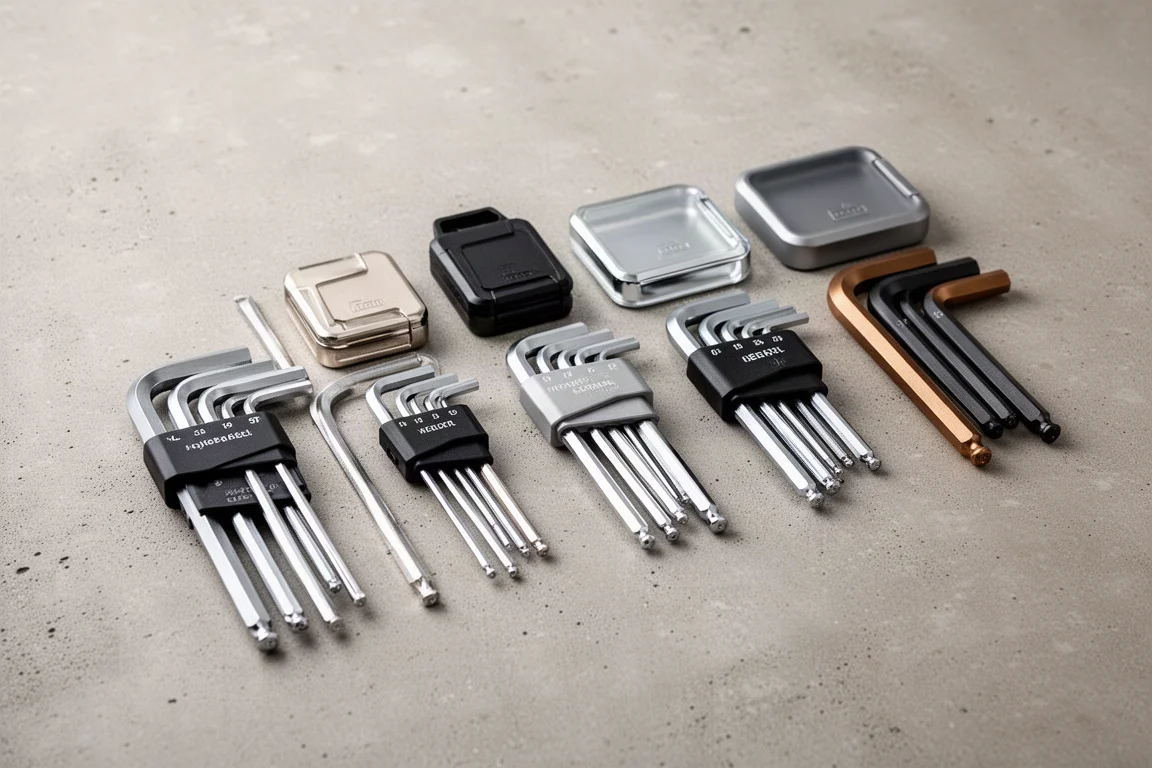
Best Hex L Key Sets 2026: Nine Sets Tested for Real-World Torque
Nine hex L key sets from budget to premium, tested for torque, fit, and durability. See which sets deliver real performance and which ones to skip.
Hand Tools
Best Locking Pliers 2026: Top Picks Tested for Grip and Durability
We tested 18 brands of 10-inch locking pliers for grip strength, jaw bite, build quality, and ease of release to find the best options for tough jobs.