Power Tools
Best 3/4-Inch Impact Wrenches: Snap-On MG1250 vs Harbor Freight Earthquake EQ 34 GMXT vs DeWalt DCF964
Three heavy-hitting 3/4-inch impact wrenches face off, with a surprising $1,000 price gap between the air-powered contenders and the top cordless option.
Introduction
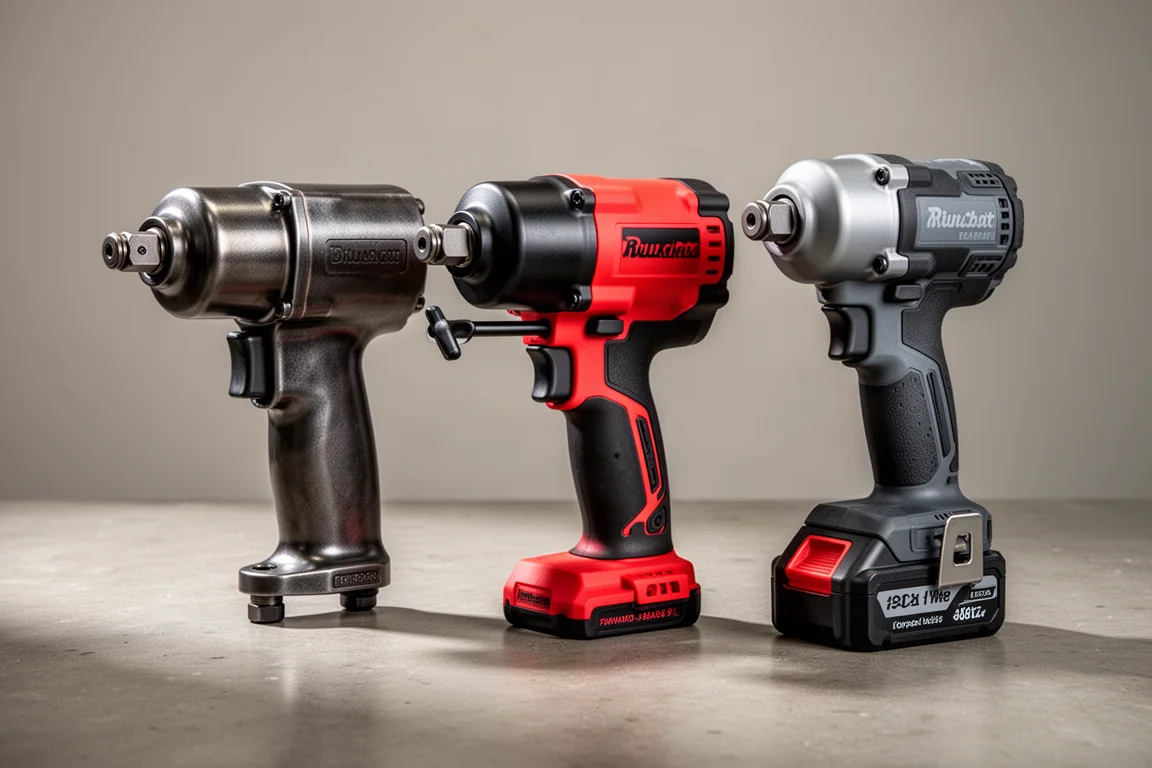
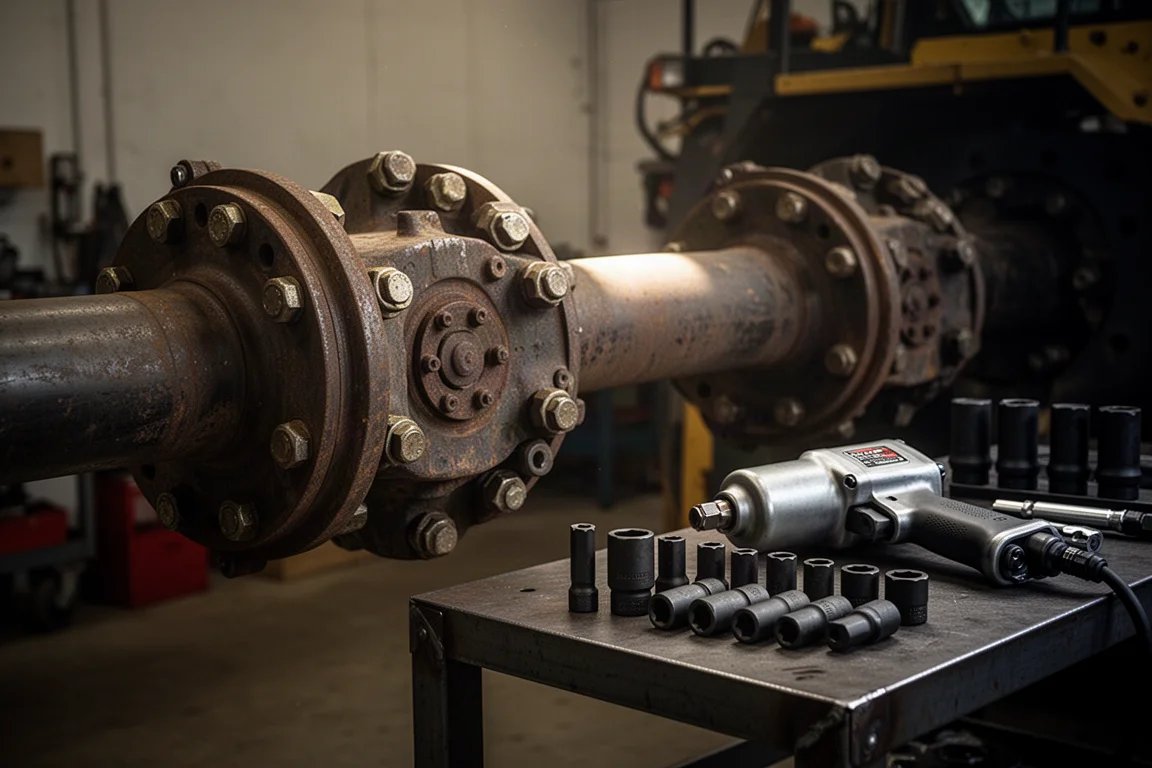
The 3/4-inch drive class has quietly become one of the most interesting segments in the impact wrench world. These are not the 1/2-inch guns most home garages use; they are purpose-built machines for large and very large fasteners, from heavy equipment axles to the stuckest of stuck bolts. We recently put three of the strongest contenders head to head: Snap-On’s MG1250 air impact, Harbor Freight’s brand-new Earthquake EQ 34 GMXT air impact, and DeWalt’s DCF964 cordless.
The hook? A $1,250 price tag versus a $250 price tag. And when the results came in, the cheap one did not embarrass itself.
The Contenders at a Glance
The Snap-On MG1250 is rated at 1,350 foot-pounds of bolt breakaway torque and 1,250 foot-pounds of max tightening torque. The Harbor Freight Earthquake EQ 34 GMXT, Harbor Freight’s most powerful pistol impact wrench to date, is rated at 1,800 foot-pounds bolt breakaway and 1,100 to 1,300 foot-pounds max tightening torque. Notably, Harbor Freight now publishes 10-second and 30-second test runs, a welcome bit of transparency in a category where long test standards are fuzzy and many tools hang up partway through.
Both are old-fashioned air-powered twin-hammer impacts, built from the ground up as larger, heavier tools rather than cordless platforms with a different anvil swapped in. The Snap-On measures 8.14 inches long and weighs 8 lb 2 oz. The Earthquake runs around 8.5 inches long and comes in at 7 lb 15 oz, so the two are nearly identical in heft. The Snap-On is made in the US and carries a warranty; the Earthquake is made in Taiwan and sold without a standard warranty, which is worth pricing in.
Bench Test Results: Torque in the Real World
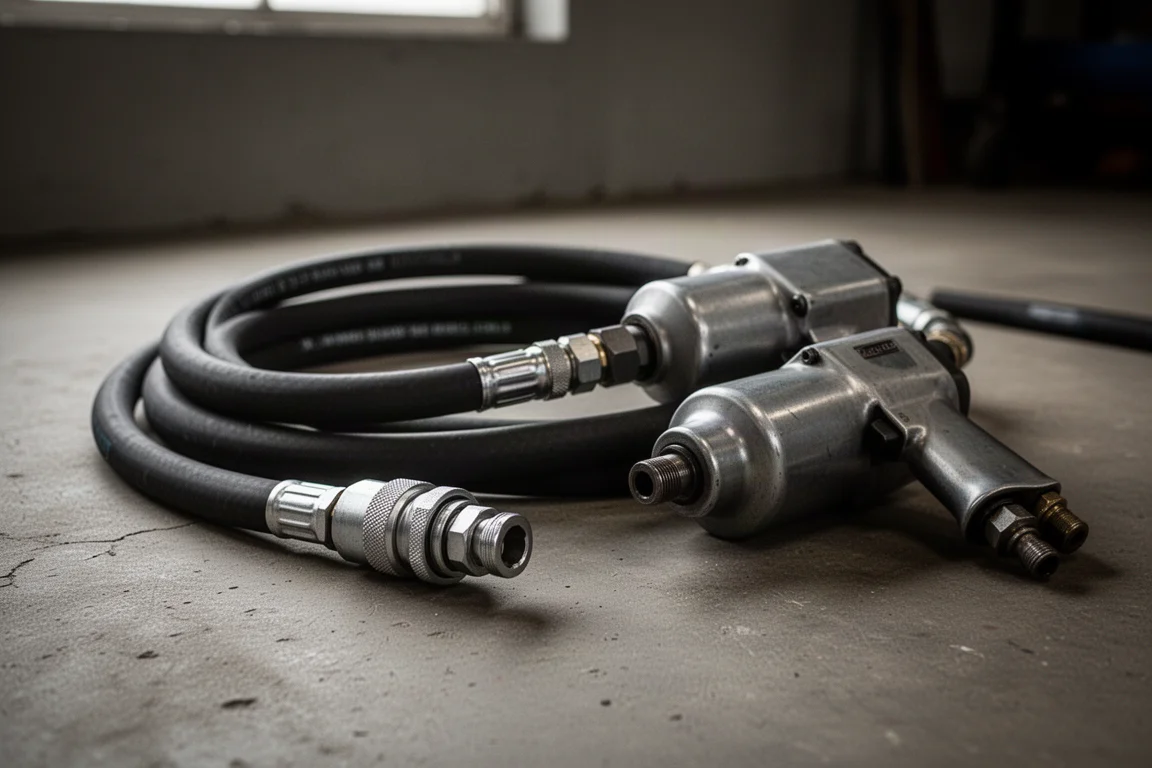
In a 5-second working torque test at 90 PSI working pressure, the Snap-On MG1250 delivered 739 foot-pounds, the highest result recorded to date for any one-hand-wieldable pistol impact. The Earthquake then outdid it with 767 foot-pounds, a new record in this class, at a quarter of the price.
Cordless options trailed in this test. The DeWalt DCF964, arguably the top 3/4-inch cordless on the market, hit 673 foot-pounds, while the Milwaukee M18 3/4-inch high-torque (a Gen 2 with a different anvil, still awaiting a refresh) managed 587.
In a 10-second reverse max torque test at standard pressure, the Snap-On posted 793 and the Earthquake 775, with both air tools showing a curious similarity in how and when they make power. The DeWalt, however, has a party trick: it kicks into a much higher power mode a few seconds into a reverse pull.
High-Pressure Performance
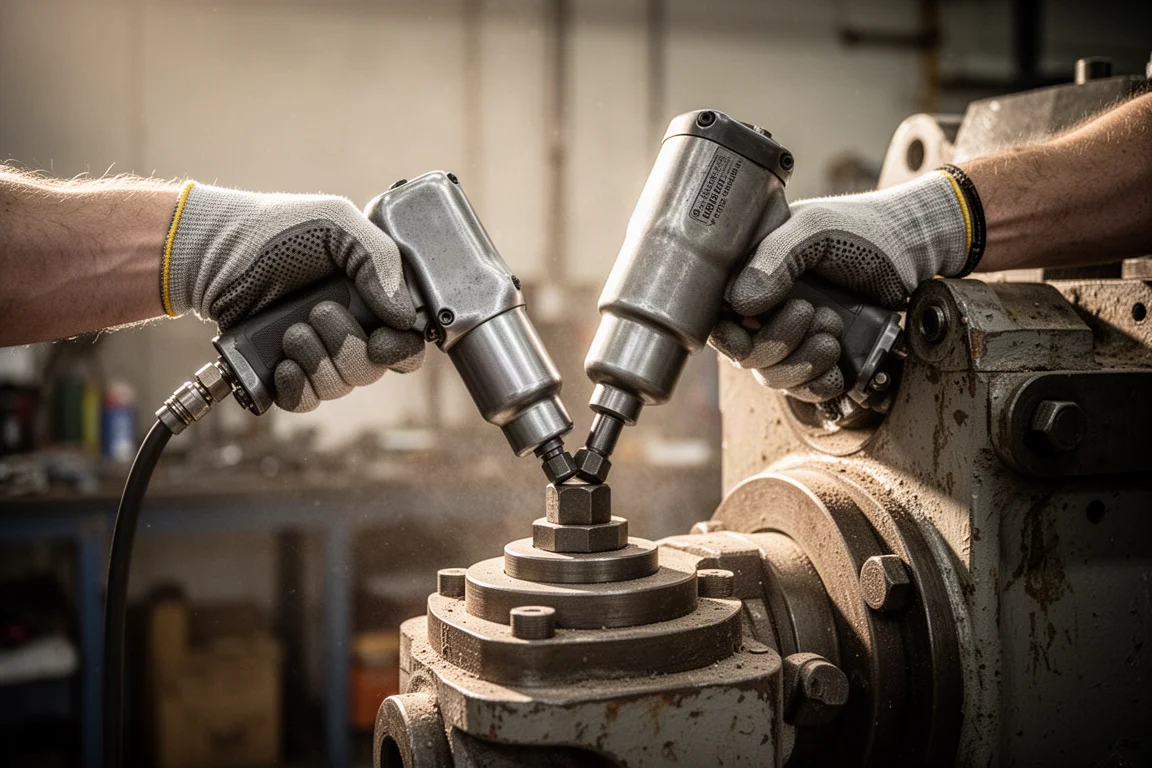
Cranking static line pressure to 150 PSI is where air tools really stretch their legs. Under these conditions, the Snap-On crested into quadruple digits and ultimately posted 1,197 foot-pounds in a forward run, holding a gain over the DeWalt’s best curve for the entire test. The Earthquake responded with a massive 1,253 foot-pounds, pulling ahead of the Snap-On past the 10-second mark at high pressure.
For context, 1,000 foot-pounds is the benchmark for a modern, powerful 3/4-inch impact. Both air tools clear it comfortably, and the Earthquake’s result approaches what a 1-inch M18 two-handle tool produced before the introduction of its current high-output battery packs.
Inside the Tools: Build and Teardown Notes
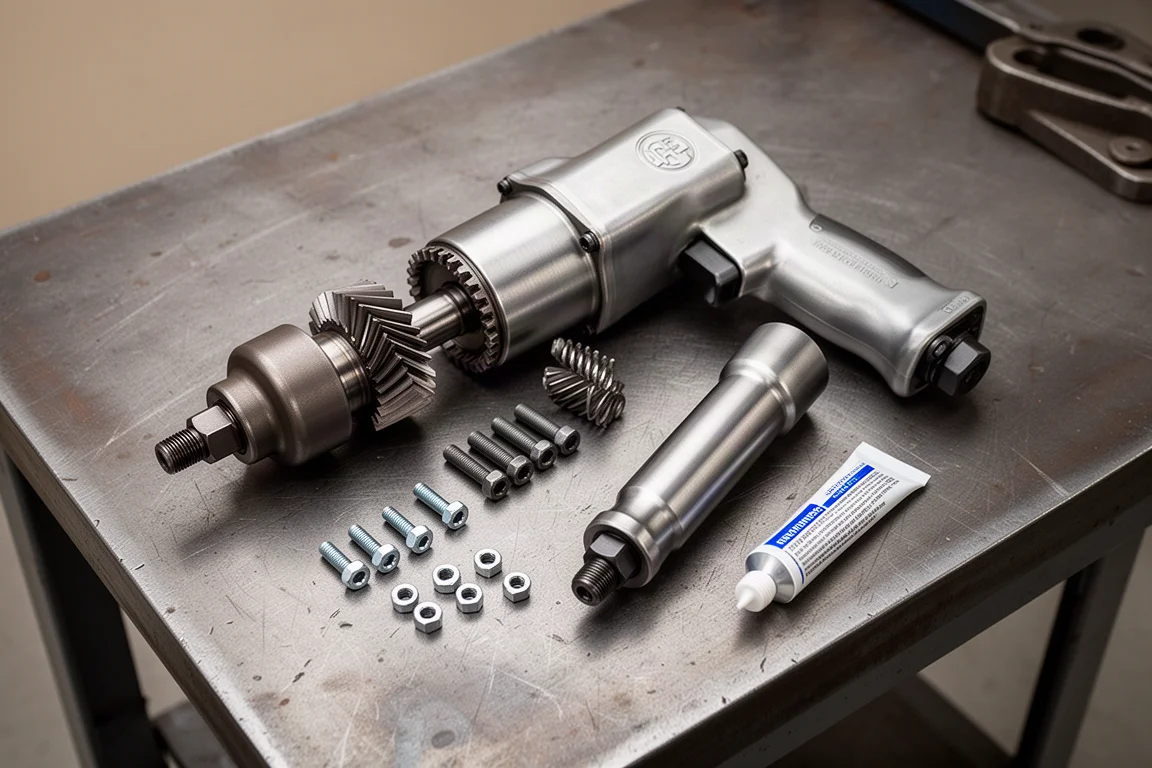
Both use a twin-hammer mechanism, with hammer assemblies around 2.75 pounds, nearly a pound heavier than a typical 1/2-inch high-power air tool. The Earthquake’s air motor uses six rotor fins, deliberately mirroring the MG1250’s six-count motor, and its eccentrically machined cylinder clocking makes clear Harbor Freight was targeting the Snap-On’s performance profile.
Opening them up is a different story. The Snap-On’s housing screws are slathered in thread locker to the point an impact driver won’t budge some of them, and the assembly is pressed in tight. The Harbor Freight is far easier to service: case screws come out with a basic driver, and the internals are easy to access, regrease, and reassemble, which is a genuine maintenance advantage for a shop tool.
Air vs Cordless: The Stuck-Fastener Problem
Anyone who works on heavy fasteners regularly knows the frustration of a cordless impact getting into a rhythm where it vibrates but never gains purchase on a badly stuck bolt. This happens more often with cordless tools, the DeWalt included, and even a gun with enough torque on paper can get trapped in that loop.
Air twin-hammer tools hit less often but with bigger impacts, and in practice they avoid this feedback loop far more often. For heavy equipment, diesel, and large fastener work, having an air-powered backup plan alongside a cordless setup is a bigger advantage than it first appears.
Which One Should You Buy?
By the numbers, the Harbor Freight Earthquake EQ 34 GMXT earned a new first place in its class, and it even holds roughly a 10-point advantage over the Snap-On before price is factored in. Factoring cost, the gap becomes enormous: around 526 points for the Snap-On versus nearly 578 for the Earthquake. The Snap-On, rated 1,250 foot-pounds max torque, measured about 96% of spec, and Harbor Freight’s 1,100 to 1,300 range was fully confirmed.
The Snap-On still has merits: US manufacturing, a warranty, and proven long-term pedigree. But the Earthquake improves on two quality-of-life details too. Its forward-reverse bar does not nudge into neutral or low power as easily, and it offers much better trigger modulation, with several distinct throttle zones useful for threading fasteners down by hand, where the Snap-On offers almost no trigger control in high.
Conclusion
If you already have a serious air system, the Harbor Freight Earthquake EQ 34 GMXT is hard to argue with: class-leading measured torque, easy servicing, sensible ergonomics, and a price that leaves $1,000 in your pocket compared to the Snap-On MG1250. The Snap-On remains the premium pick for those who want US-made hardware and warranty backing, while the DeWalt DCF964 is the best choice when battery power and air-supply independence matter most. For pure value in the 3/4-inch class, the new Earthquake is the headline act.
Product link
View more details for Snap-On MG1250
This product is mentioned in the review. Check the specifications, options, and compatibility before buying.
View more details for Snap-On MG1250Further reading
Related Reviews
Power Tools
Best 1-Inch Pistol Impact Wrenches: Three Heavy-Duty Options Compared
We compare three 1-inch pistol impact wrenches, from a budget-friendly Harbor Freight model to a premium Caterpillar unit, to help you choose the right one.
Power Tools
Best 3/4-Inch Impact Wrenches 2026: Five Contenders Compared
We compare five 3/4-inch impact wrenches across price and performance, from a budget Amazon option to Snap-on's most powerful model yet.
Power Tools
Best Budget Cordless Tools 2026: Walmart Finds That Punch Above Their Price
We tested five cordless tools from Walmart, including a high-torque impact wrench that trades blows with Milwaukee and a $35 duster that outperforms its price class.