Power Tools
Best 3-Inch Cutoff Tools Compared: Four Cordless Contenders Tested
We compare four 3-inch cordless cutoff tools from Bauer, Ryobi, Ridgid, and DeWalt on sustained power, RPM under load, and real-world usability.
Introduction
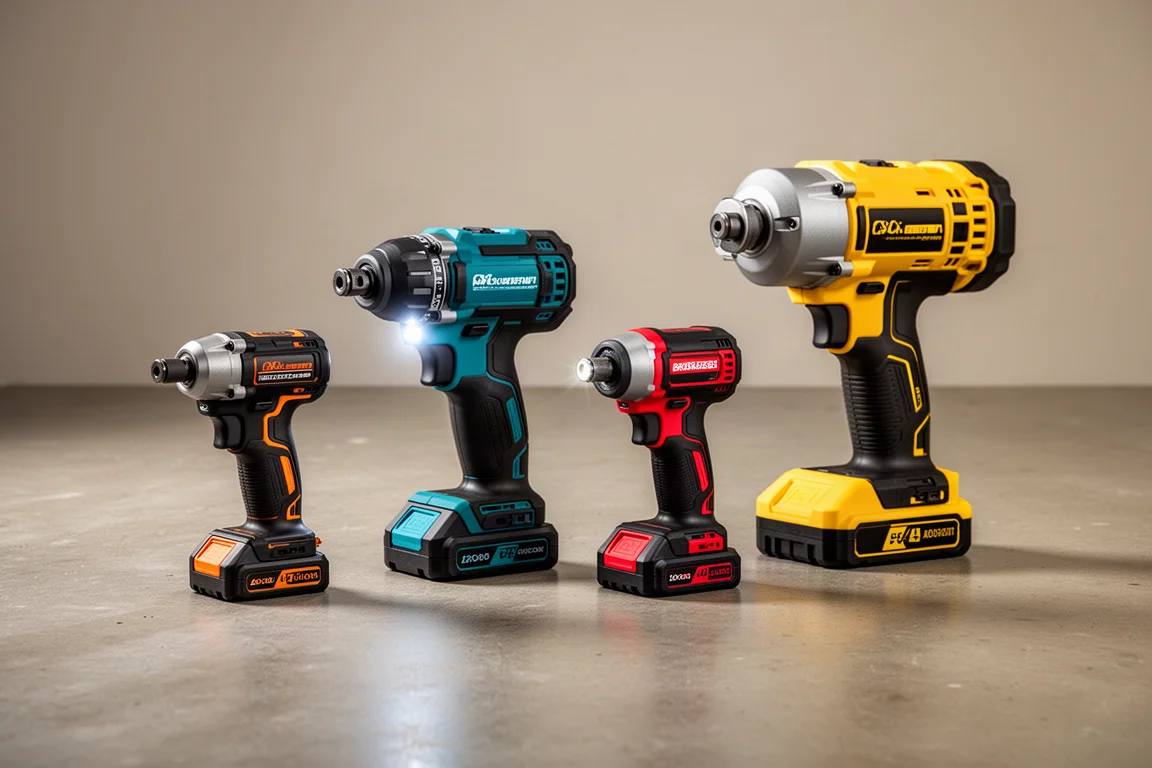
Three-inch cutoff tools are the kind of tool you end up using on just about everything around a shop or garage, so sustained cutting power matters more than headline specs. This comparison puts four cordless contenders head to head: the budget-focused Bauer 20V, the mid-priced Ryobi PSB CS02, the Ridgid sub-compact brushless, and the established DeWalt benchmark. Each was measured for RPM under load and sustained power output, which tells you far more about real cutting performance than marketing ever will.
How We Compared Them
The testing focused on two things: how fast each tool spins under a moderate 130-watt load, and how many watts it can sustain before thermal management cuts it back. Cutoff tools are essentially a motor with a trigger, so voltage and battery pairing play a big role, and battery choice changed results dramatically for several of these tools.
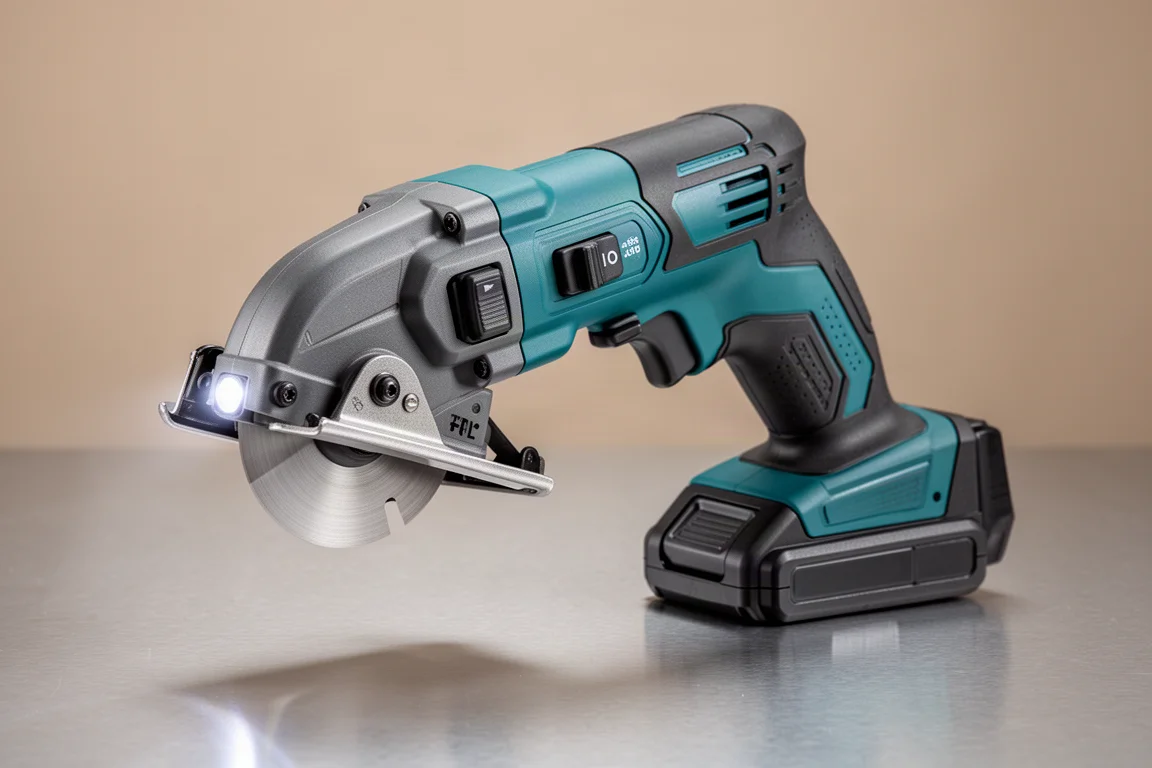
Bauer 269C-B 20V Cutoff Tool
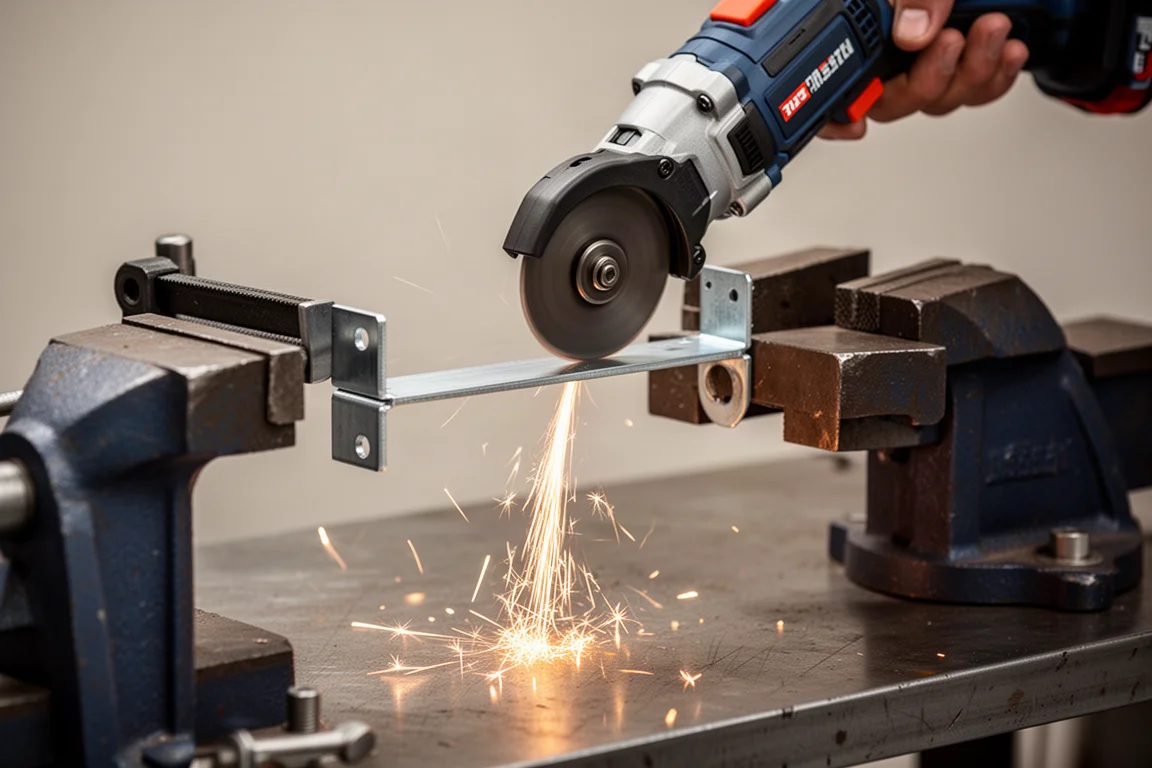
The Bauer 269C-B from Harbor Freight is as close to a bare motor with a trigger as you can get. There is no forward and reverse switch, no variable throttle, and no bells and whistles, which is fair enough at its roughly $50 price tag. It is also cheaper than a comparable air tool setup, so it starts out ahead on value.
Performance tells a more complicated story. With a 2Ah battery it managed about 11,400 RPM under a 130-watt load and did not want to go beyond that baseline, cutting out at 140 watts. The larger 5Ah pack improved things considerably, reaching 14,550 RPM and sustaining around 160 to 170 watts, roughly 0.23 horsepower. That is less than some smaller competitors manage, and it can cut out at inconvenient moments during small tasks. It is crude, cheap, and occasionally frustrating.
Ryobi PSB CS02
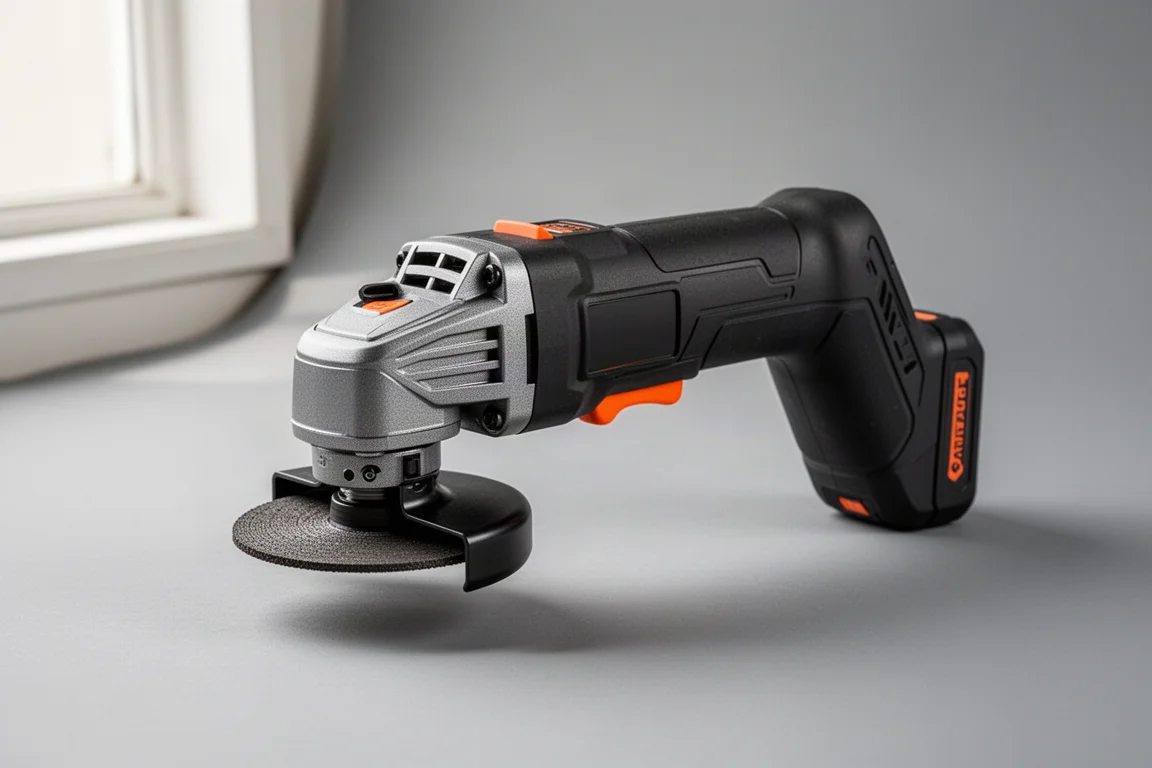
The Ryobi PSB CS02 retails for about $99, roughly double the Bauer, and brings a jump in everything: size, features, and power. It is physically larger by displacement, measuring 1,275cc with a 3Ah battery and 1,375cc with a bigger pack, but it adds an LED light, a forward and reverse switch, and an easily adjustable guard and cut depth.
The power numbers are genuinely impressive. With the 3Ah P195 battery it spun at 16,900 RPM under load, an excellent figure, and sustained up to 310 watts with peaks at 330. Interestingly, the larger 4Ah high-performance pack did slightly worse, sustaining around 280 watts, which reinforces a pattern seen across these tools: the older 21700-cell packs often beat the newest high-performance options. At about 0.44 horsepower, this performs like a half-horsepower air tool while remaining cordless.
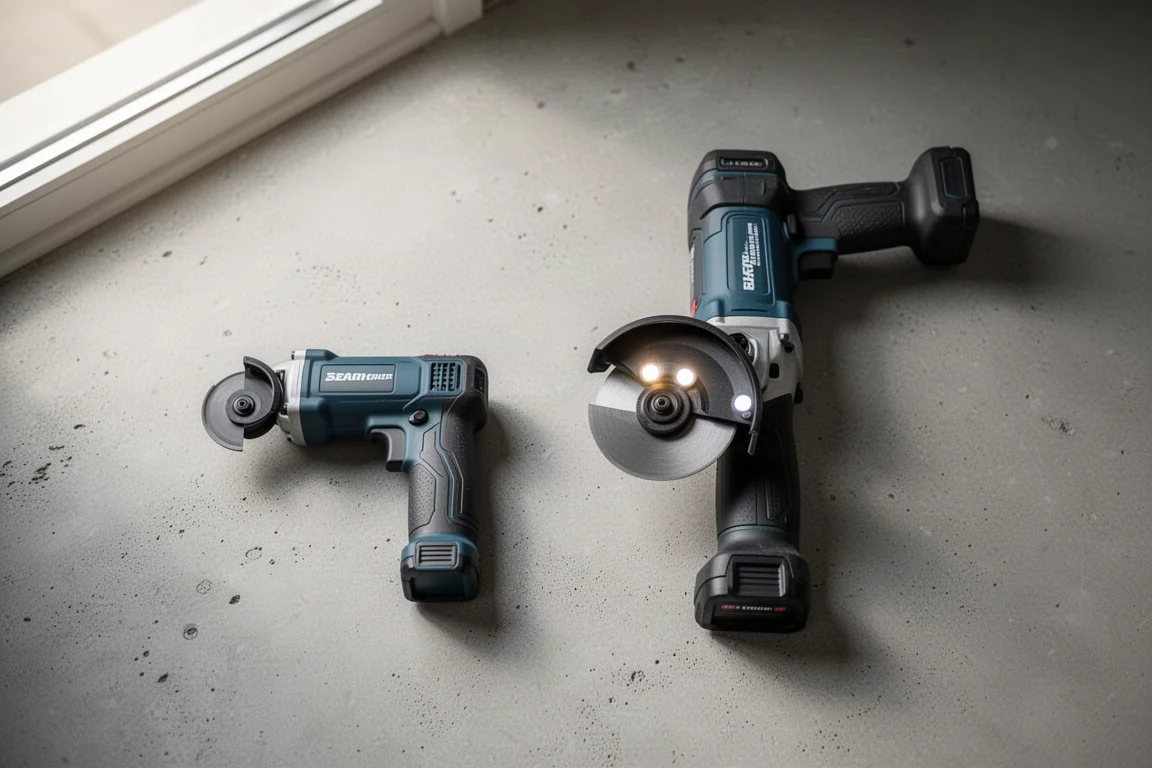
If you want air-tool-level cutting without the compressor, this is a strong pick, provided the battery platform suits you.
Ridgid Sub-Compact Brushless Cutoff Tool
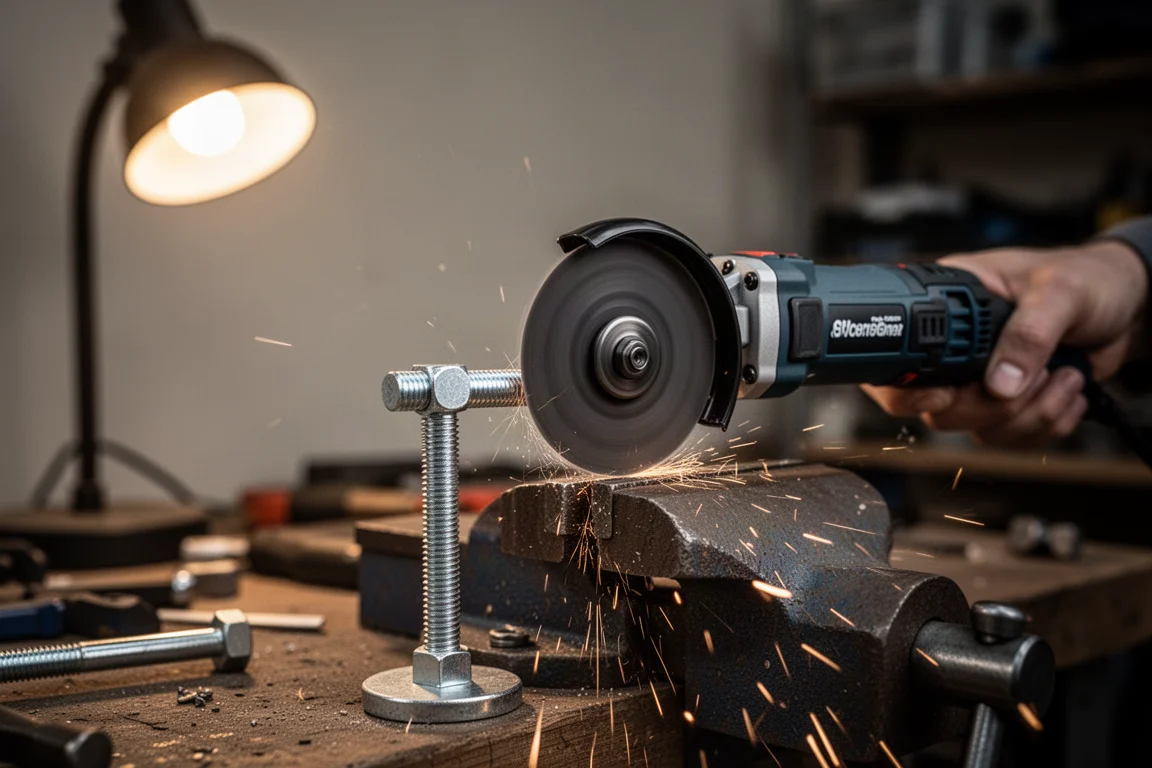
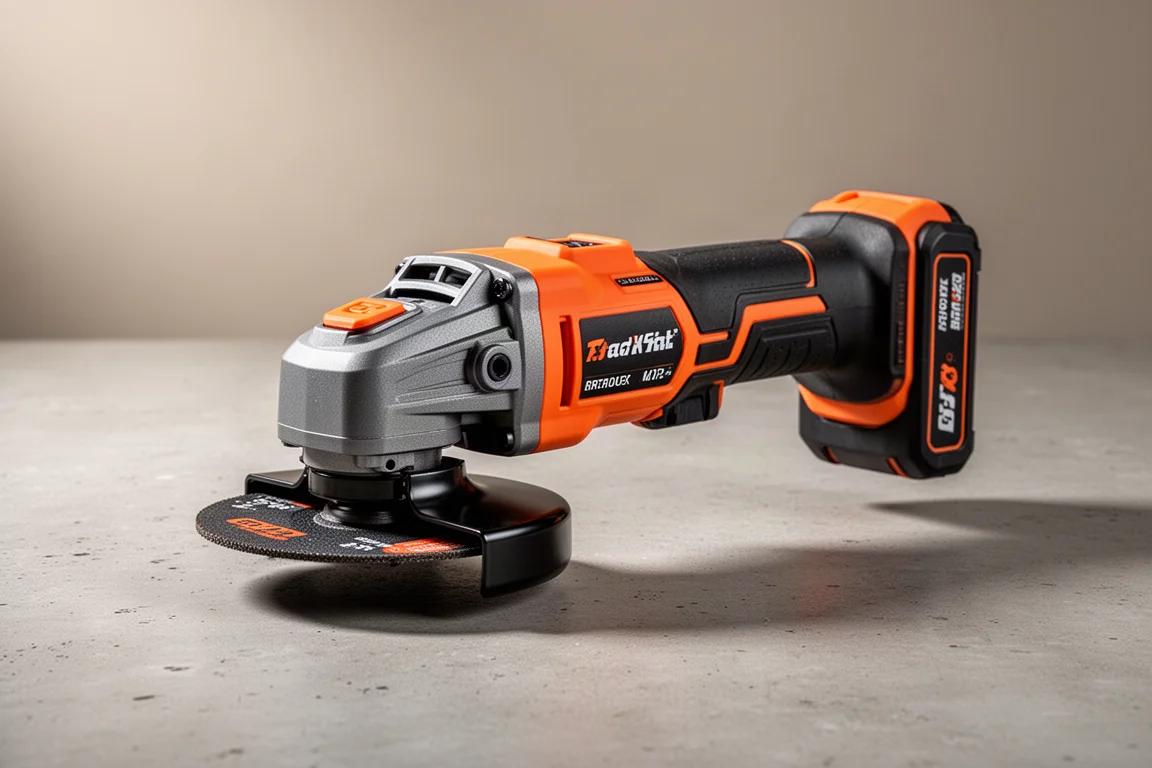
At around $120, with prices that fluctuate a lot, the Ridgid sub-compact brushless is the surprise of this group. Made by the same parent company as Ryobi, it is a very different tool thanks to its sub-compact brushless motor architecture, with a motor that is smaller in every dimension than its sibling.
This thing spins. It reached 19,000 RPM under load with a 3Ah 21700-cell Octane battery, and it needed a second load tester on the bench to find its ceiling, surpassing the Ryobi on the way there. Combined readings showed around 460 watts sustained with peaks beyond that, about 0.6 horsepower, more than the DeWalt manages with its largest packs. The catch is thermal management: it cuts out quickly when pushed hard, sometimes dropping to 400 to 410 watts after extended use. With the common batteries these tools ship with, it is arguably first in class, and by the numbers it delivers roughly twice the output of some smaller competitors for less money.
DeWalt Cutoff Tool
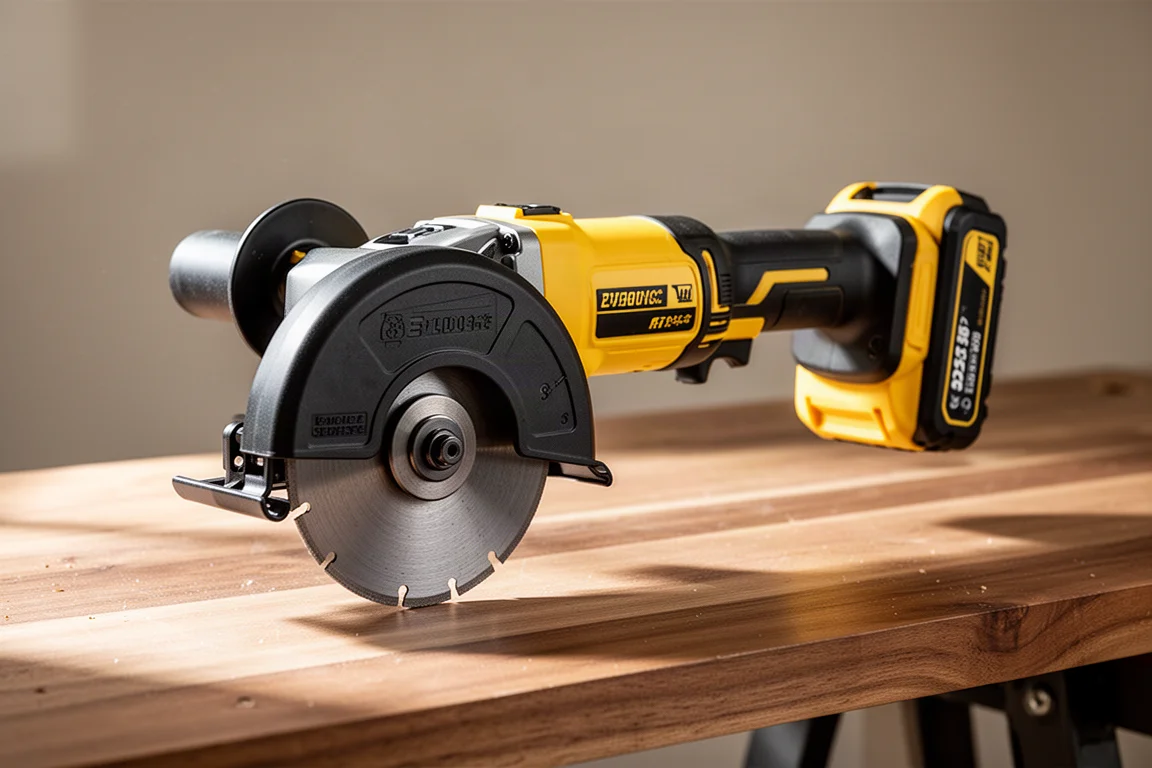
The DeWalt remains the beast of the category and the benchmark the others were measured against. It sustains around 430 watts with a 5Ah battery or a compact power stack pack, and it does so with less intrusive thermal management: you can push on it and it just digs in, where the TTI-built tools get hotter and cut back sooner.
Bigger batteries keep paying off with the DeWalt, which makes it the tool of choice if you already own its battery platform and want consistent, forgiving cutting performance. It does not post the highest peak numbers here, but its willingness to keep working under sustained load is exactly what many users want from a cutoff tool.
Overall Buying Advice
On the higher end of the power spectrum, the pattern is clear: the TTI-built tools from Ryobi, Milwaukee, and Ridgid tend to run hotter and trip their protection sooner, while the DeWalt simply does not care as much and keeps cutting. Battery selection matters enormously, and older 21700-cell packs frequently outperform newer high-performance ones on these tools.
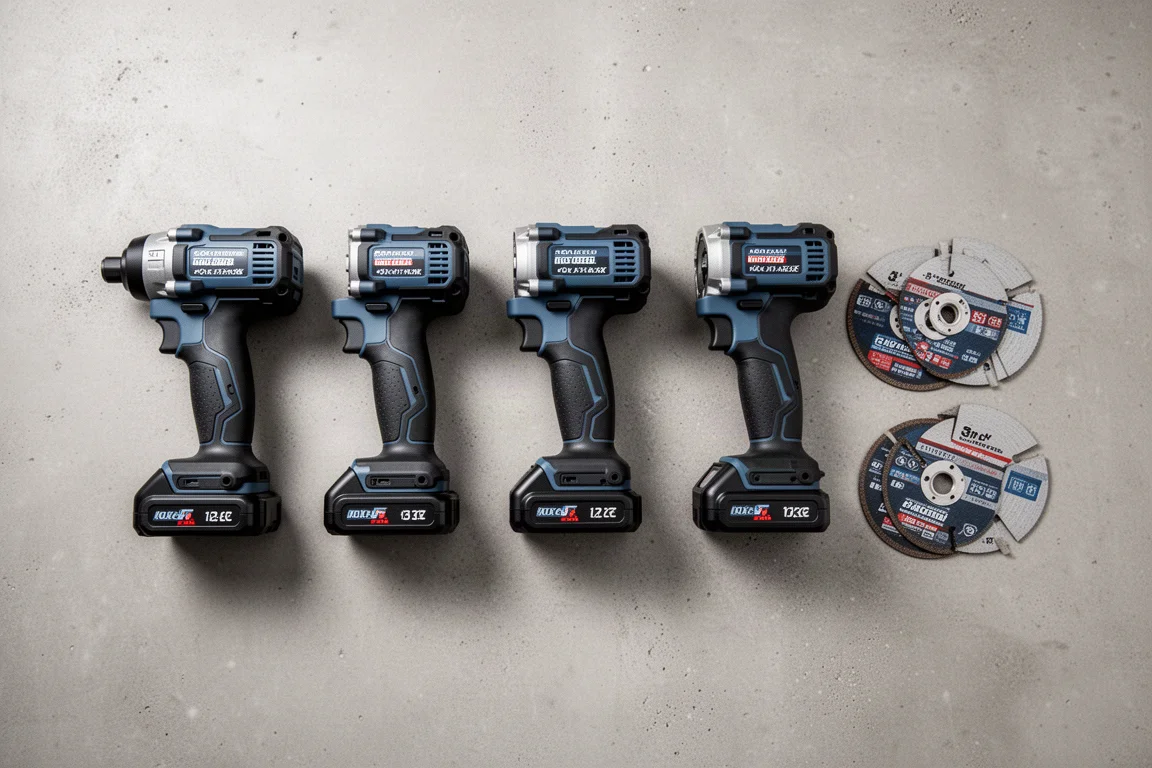
For sheer value per watt, the Ridgid sub-compact brushless is the standout, delivering around 0.6 horsepower with common batteries despite an artificial thermal ceiling. The Ryobi is a solid air-tool alternative with useful features. The DeWalt is the dependable premium option for existing platform owners. The Bauer is the cheapest way in, but its sustained output is the weakest here.
Conclusion
Match the tool to your battery platform and your patience for thermal cutbacks. The Ridgid delivers the most surprising power for the money, the Ryobi balances features and output well, the DeWalt remains the consistent benchmark, and the Bauer proves that cheap can still cut, just not for long at high loads.
Further reading
Related Reviews
Power Tools
Best 1-Inch Pistol Impact Wrenches: Three Heavy-Duty Options Compared
We compare three 1-inch pistol impact wrenches, from a budget-friendly Harbor Freight model to a premium Caterpillar unit, to help you choose the right one.
Power Tools
Best 3/4-Inch Impact Wrenches 2026: Five Contenders Compared
We compare five 3/4-inch impact wrenches across price and performance, from a budget Amazon option to Snap-on's most powerful model yet.
Power Tools
Best Budget Cordless Tools 2026: Walmart Finds That Punch Above Their Price
We tested five cordless tools from Walmart, including a high-torque impact wrench that trades blows with Milwaukee and a $35 duster that outperforms its price class.