Flashlights
Best High-Lumen Flashlights Tested: What $100 Really Buys You
Six high-output flashlights go through real lumen measurements, runtime curves, and drop testing to find out which ones live up to the numbers on the box.
Introduction
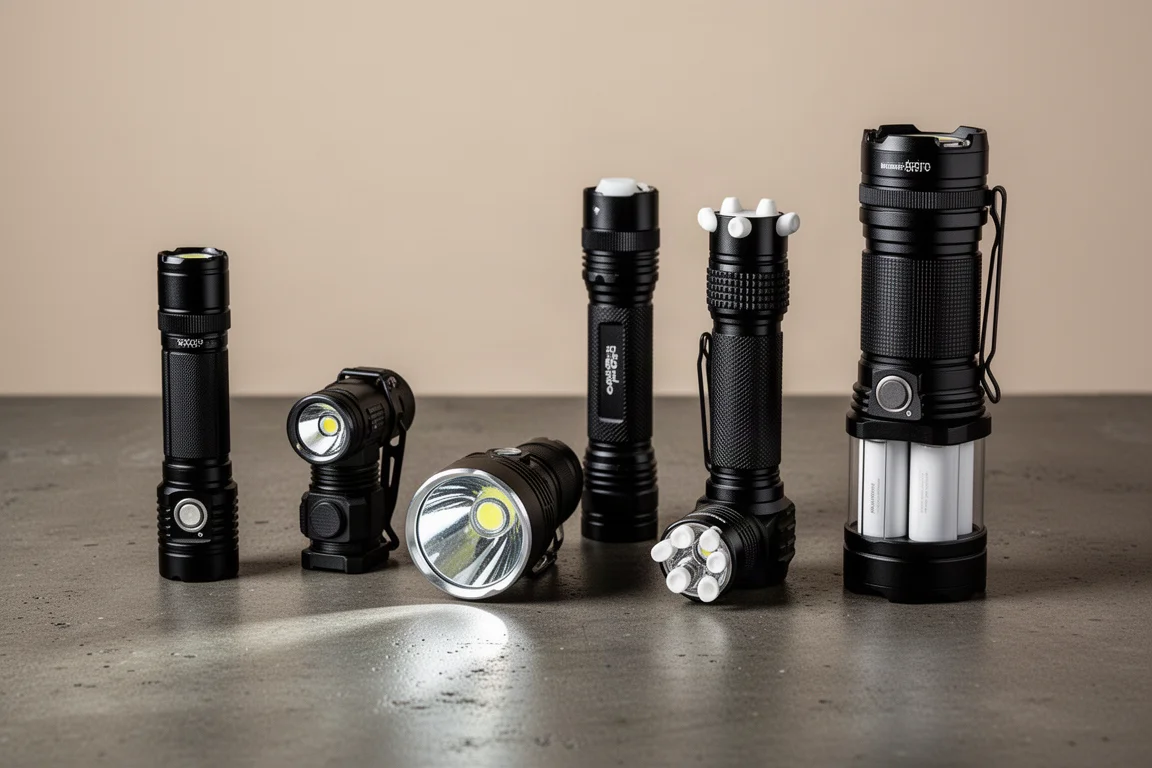
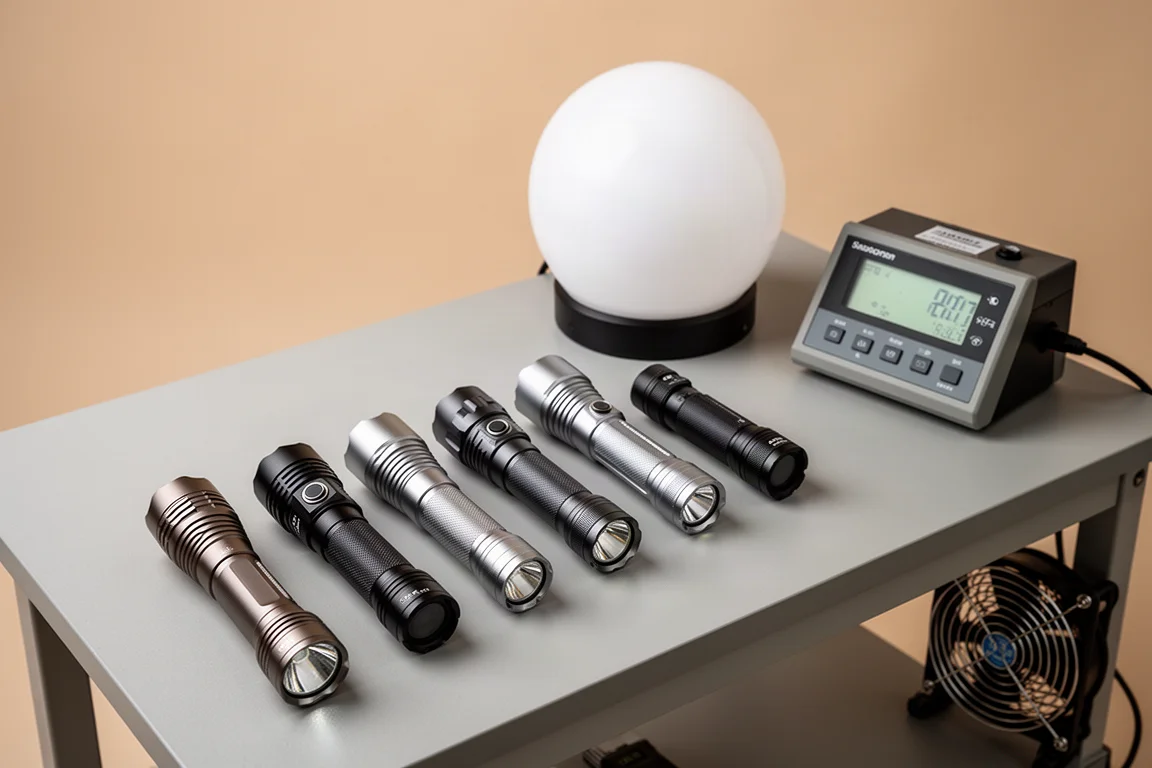
A $100 flashlight claim is easy to make and hard to verify. This comparison puts one benchmark light, the Milwaukee 2161-21 2000 lumen flashlight, against five alternatives that either cost less, claim more, or both. Every light was measured for real lumen output, candela (beam intensity), runtime, charge time, and durability on pavement, because brands can look great on paper until they see concrete.
How We Measured
Output numbers come from a purpose-built integrating sphere, calibrated against a lab-verified reference light, with readings taken after the standard 30-second ANFL1 wait time. Candela was measured from 1 meter away using a remote sensor. Each light was then run down on a fixed mode to record how output decays over time, charged from empty, and finally dropped from increasing heights starting at 3 feet.
The Benchmark: Milwaukee 2161-21 2000 Lumen Flashlight
Milwaukee’s latest and brightest handheld flashlight costs about $100 and uses swappable proprietary batteries charged over USB. In testing it delivered about 2,150 lumens in Turbo, right on top of its claim, with a very even light cone and true-view color rendering that works well for automotive inspection. The wide, even cast with no crisp edge falloff makes it genuinely useful for close-up mechanical work.
The Budget Surprise: Braun 1800 Lumen Tactical Flashlight
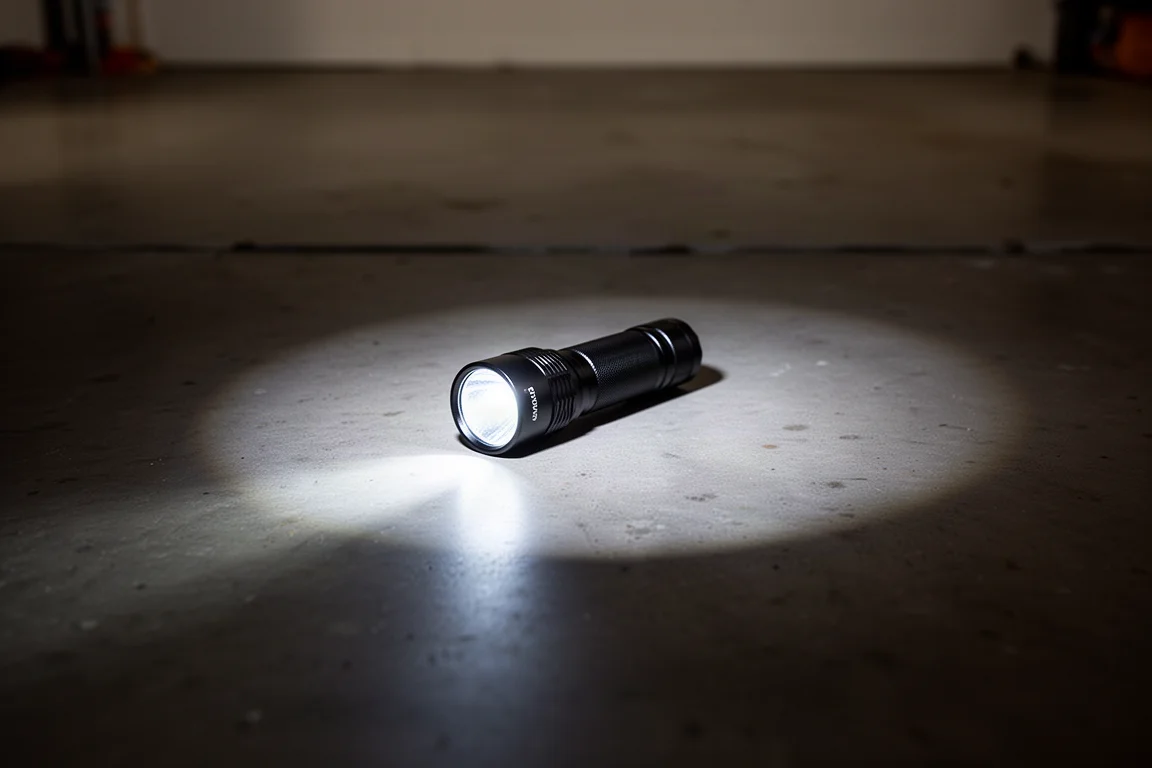
At $30, Harbor Freight’s Braun 59282 massively undercuts the field. It delivered around 1,870 lumens, 104% of its advertised figure, with a light spread similar to the Milwaukee. The trade-offs are real though: micro USB instead of USB-C, a smaller 2,200 mAh battery, an audible buzz and visible flicker from the driver, and a cheap-feeling clicky button. The numbers hold up; the experience is rougher.
The Wide-Cast Value Pick: Coast XP11R
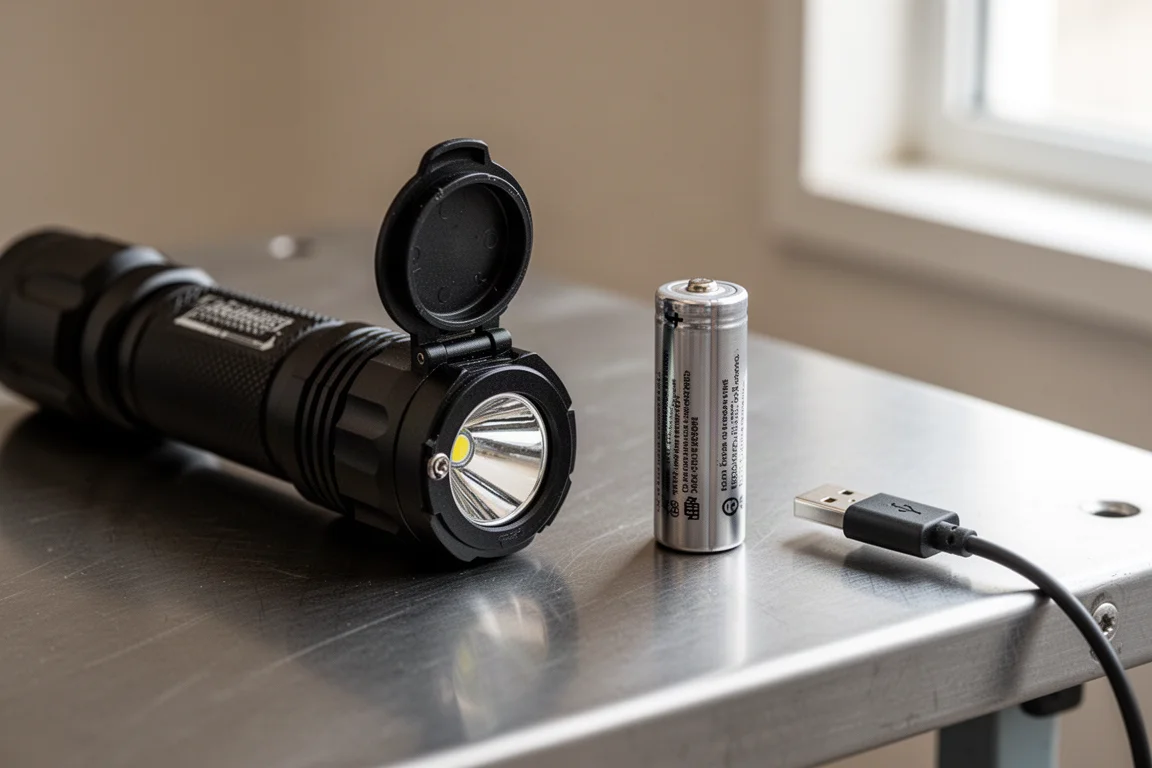
The Coast XP11R claims 2,100 lumens and cost $55. It delivered around 2,300 lumens, 110% of claim, and casts the widest beam of the group thanks to a more spherical lens, which helps in engine bays. It runs a larger 21700 cell and charges over USB-C. Its 1,400 candela was the lowest of the day, so it spreads light rather than throwing it. Fit and finish details, like rough un-anodized threads that left shavings on first opening, hold it back from top marks. Runtime is exceptional though: around seven hours at roughly 130 lumens against a claimed five.
The Simple One: Streamlight ProTac 2.0
The Streamlight ProTac 2.0 runs about $100 to $105 and takes a different approach: it is a true thrower with a hot center spot and an even ring around it. It measured around 2,600 lumens, 130% of advertised, and about 15,500 candela, throwing far further than any wide-cast light here. The best part is its simplicity: one click and you are at its 2,000-lumen high, with no turbo to fall out of. It held roughly 1,400 to 1,500 lumens through its full battery life, ran about 3 hours 10 minutes on high, and survived drops to 14 feet for a 7 out of 10 durability score. Charging is slow at under 1 amp.
The Beast: Nitecore P23i
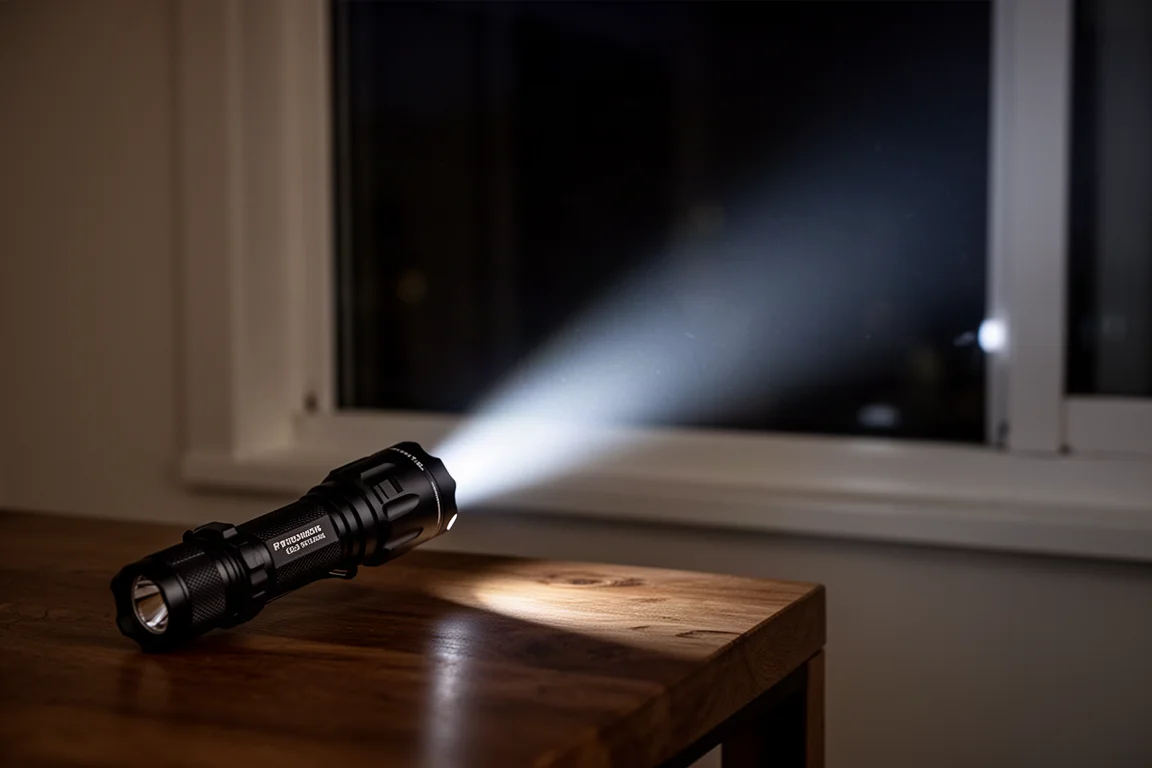
The Nitecore P23i claims 3,000 lumens for about $100 and delivers around 2,800 after the 30-second wait, peaking at 3,300 right out of the gate before heat pulls it down. Its headline number is candela: around 46,000, an intensely focused spot beam that feels like it could cook meat. It runs hot, reaching around 130-140 degrees in Turbo, and its 5,000 mAh 21700 battery is proprietary. It survived drops to 10 feet for a 5 out of 10.
The Curveball: Braun 7000 Lumen Flashlight
Harbor Freight’s biggest flashlight, the Braun 7000, costs just $70 and runs a double stack of 26650 cells for 10,000 mAh total. It measured around 6,900 lumens, an even cast, and a surprising 4,250 candela. Uniquely, it needs to heat up to max output, growing from about 6,000 lumens. It ran about 3 hours 14 minutes, and its size and weight earned an impressive 8 out of 10 in drop testing, surviving 16 feet. It buzzes slightly like its smaller sibling, but far less.
Buying Advice
Runtime totaled up this way: about 7 hours for the Coast (in its low mode), 3.7 for the small Braun, 8 for the Milwaukee on high, 9.9 for the Streamlight, 12.2 for the Nitecore, and 17.7 for the big Braun 7K. The small Braun is the weakest value in runtime because of its small battery, though you can swap in a different 18650.
Drop scores: Coast 10/10 (only its glass broke, from deliberately spiking it), big Braun 8/10, Streamlight 7/10, Milwaukee 6/10, small Braun 6/10, Nitecore 5/10.
Our top pick is the Streamlight ProTac 2.0: 130% of advertised lumens, strong throw, honest runtime, and simple operation. The Milwaukee earns a recommendation as an up-close mechanics inspection light with excellent color and even spread. The Coast XP11R is a strong value at $55 and nearly indestructible, and the Braun 7000 is a lot of light for $70 if you want raw output on a budget.
Conclusion
This was the cleanest round of claims we have measured, with nearly every light meeting or beating its advertised numbers. Match the beam shape to your use: even wide cast for inspection work, throwers for distance, and raw lumens for sheer brightness, and the price tiers here make the choice straightforward.
Product link
View more details for Milwaukee 2161-21 2000 Lumen Flashlight
This product is mentioned in the review. Check the specifications, options, and compatibility before buying.
View more details for Milwaukee 2161-21 2000 Lumen FlashlightFurther reading
Related Reviews
Flashlights
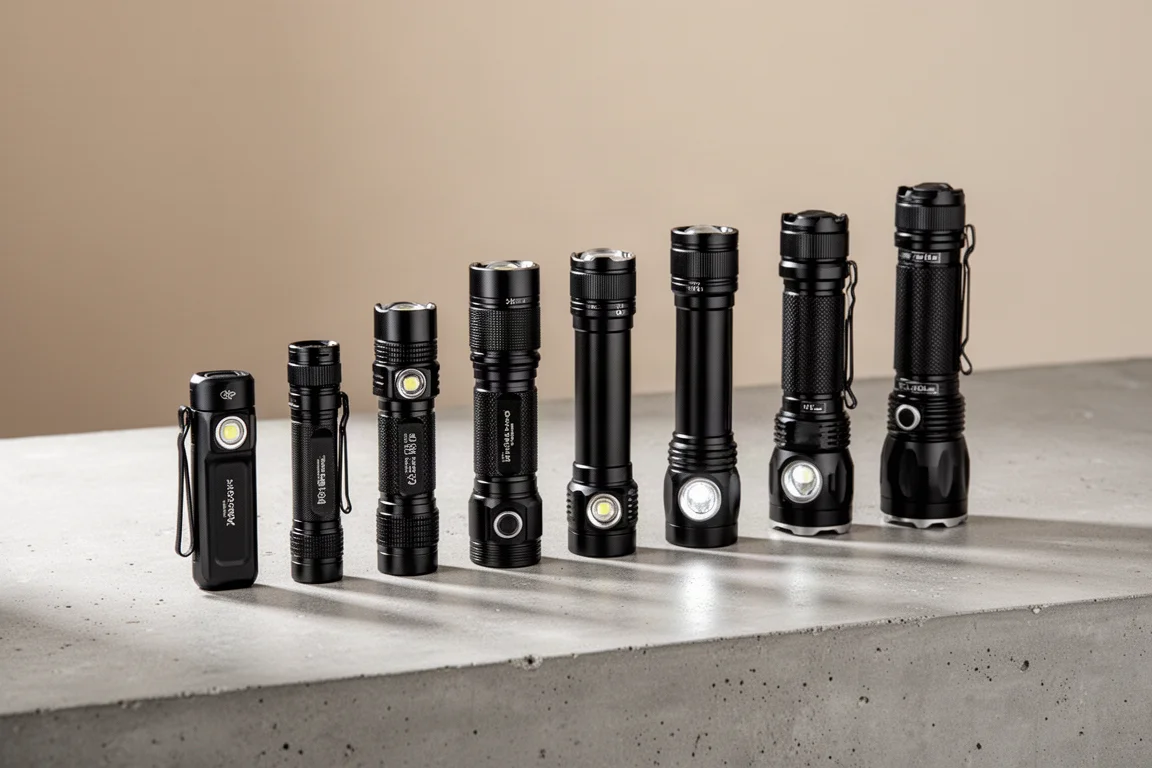
Best Flashlights 2026: Brightness, Battery, and Value Compared
We tested 18 flashlights across a wide price range to find the best performers in brightness, battery life, and durability.
Flashlights
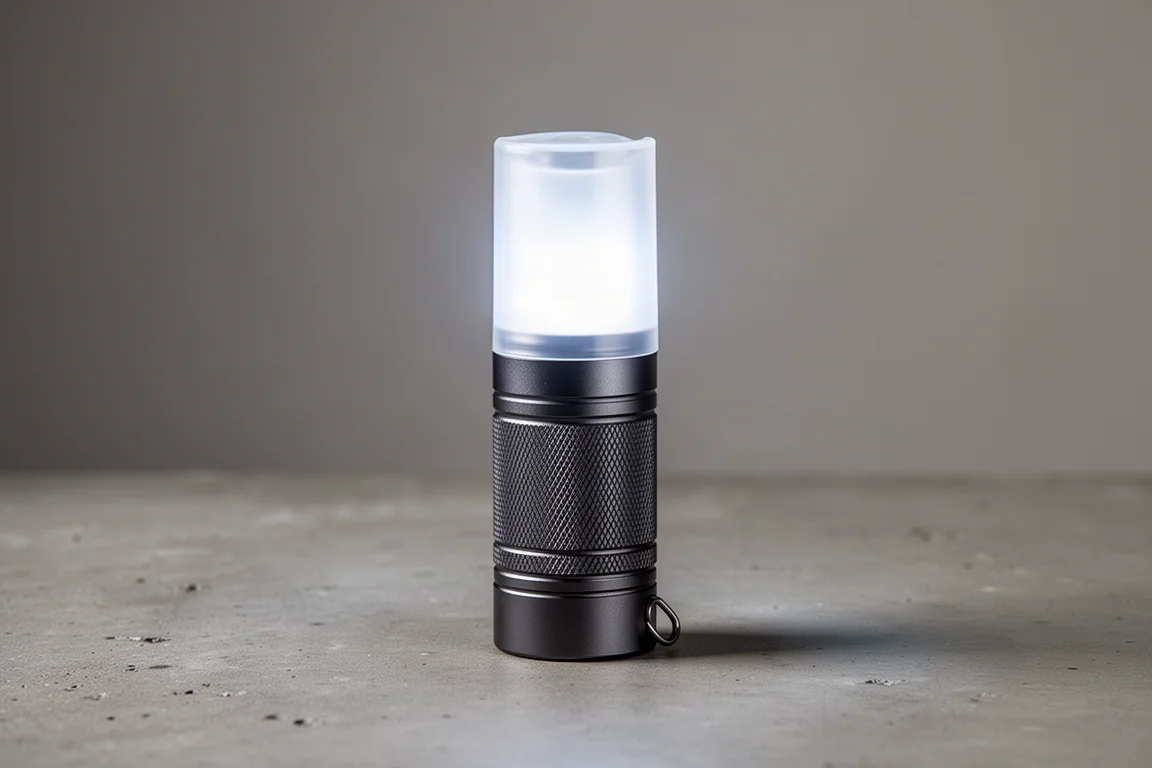
Nitecore LA10 Review: A Tiny 2-in-1 Lantern That Nails the Basics
The Nitecore LA10 pairs a pocket-sized lantern with a single AA battery, a magnetic tail cap and a five-year warranty. Here is where it shines and where it struggles.
Flashlights
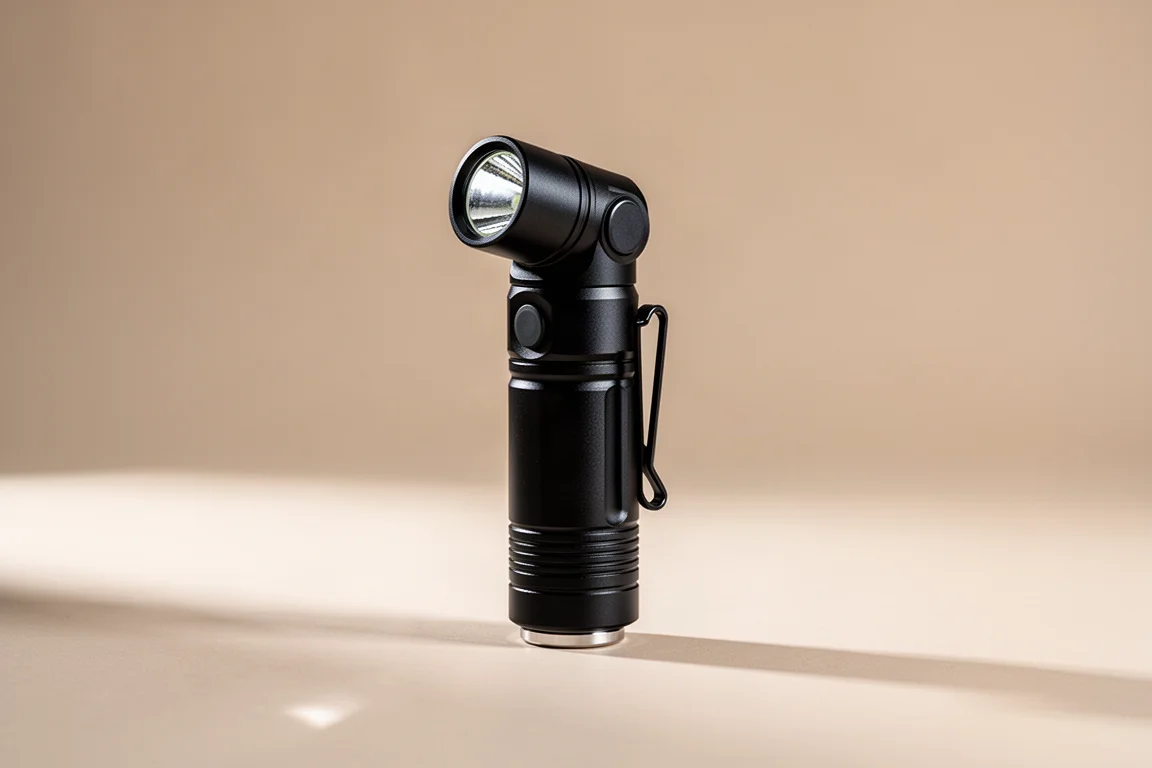
Wuben G5 Review: A Compact Everyday Carry Flashlight
The Wuben G5 is a small, rechargeable flashlight with a pivoting head, magnetic base, and color modes. Here is how it performs as an everyday carry light.