Power Tools
18-24V Cordless Tools Ranked: From Budget DIY to the S-Tier
A full tier-list style ranking of the major 18-24 volt cordless power tool brands, from entry-level DIY lines to the elite ecosystems built for pros.
Introduction
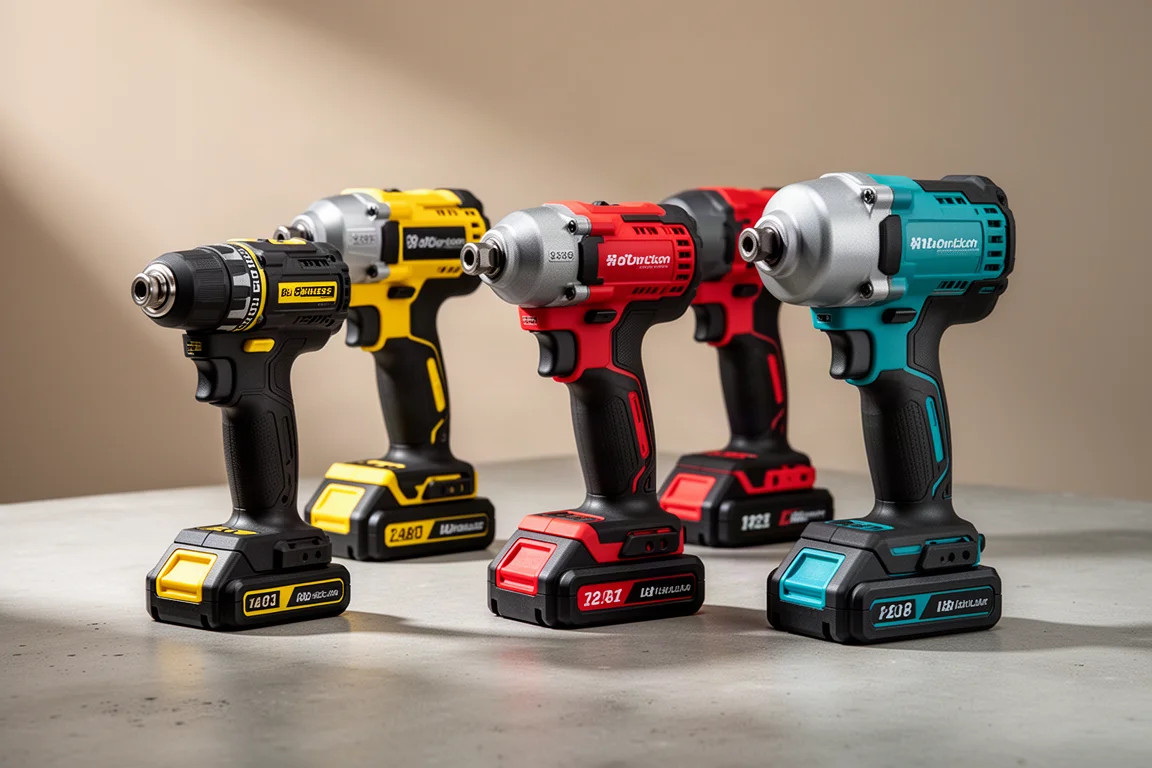
Ranking every major cordless tool brand in the 18 to 24 volt class is a tall order, but sorting them into tiers makes the picture much clearer. The idea is simple: most brands fall into the familiar A through F grading range, while a select few rise above everything else into an S-tier reserved for superior overall packages.
The framework used here splits the market into entry-level DIY, consumer, prosumer, value pro, and full professional grades. Where a brand lands depends on performance, line breadth, battery system support, warranty, and how well the whole ecosystem holds together. Keep in mind that some of these placements are snapshots in time: brands with thin lineups can climb quickly as they expand.
How the Tiers Work
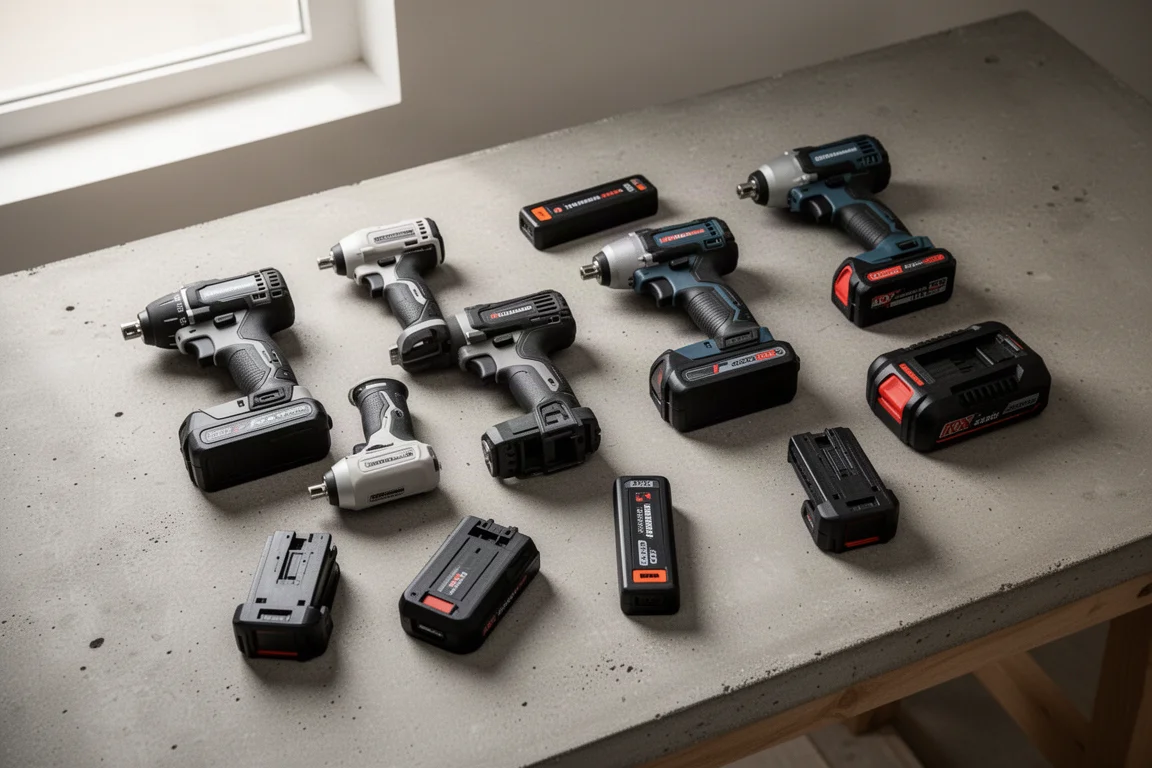
Entry-level DIY tools (the F and D zones) are built to a price, perfect for weekend projects and occasional use. Prosumer tools (the C zone) offer genuinely strong performance and features for serious homeowners and light trades. Value Pro is the sweet spot: tools that perform at or near professional level while undercutting the premium brands on price. The A tier belongs to established professional-grade systems, and the S tier is reserved for brands where the tools, ecosystem, and support together form something greater than the sum of their parts.
The Value Pro Sweet Spot
Kobalt XTR
Kobalt has long been a reference point in the prosumer space, with a broad 24 volt, fully brushless lineup that punches well above its price. XTR steps up from there into value pro territory, and existing XTR owners are almost universally enthusiastic about the line. The main frustration is scope: Lowe’s owns the brand and simply has not expanded the XTR range enough. More XTR tools would cement its place even higher.
Hercules Brushless
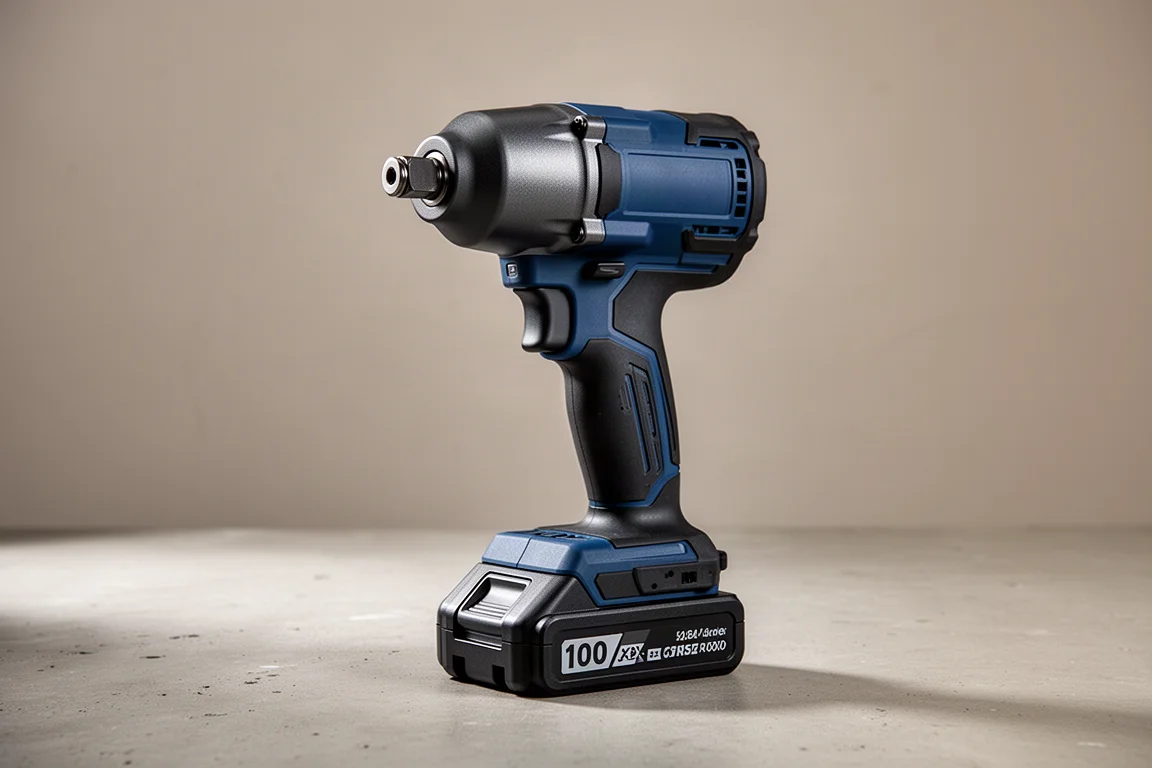
Harbor Freight’s Hercules brushed tools are among the best-made brushed tools on the market, solid enough that some pros run them, which puts the line in value pro territory. The newer brushless tools take things further: the impact wrench goes toe to toe with Milwaukee, and the impact driver beats nearly everything in its class. The lineup needs to grow, but at these prices it may be the best bang-for-the-buck platform available right now. A warranty upgrade from the standard 90 days would complete the picture.
Flex
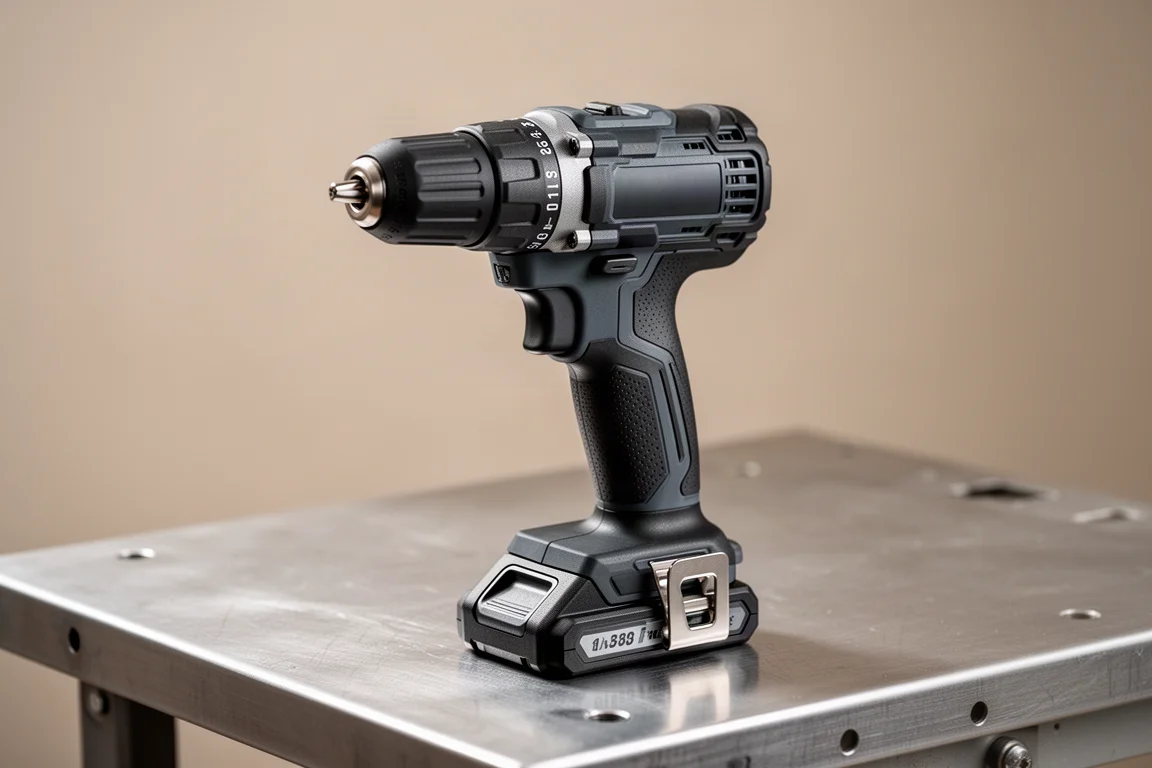
Flex arrived with marketing that some found over the top, but the tools backed it up. They are top performers in many categories, including a reciprocating saw that many contractors consider the best they have used. Flex earns its value pro placement by delivering near-flagship performance at a lower cost, trading away a few top-line features while keeping a lifetime warranty that has now run three years running. A new compact line makes the brand even stronger.
Ryobi HP Brushless
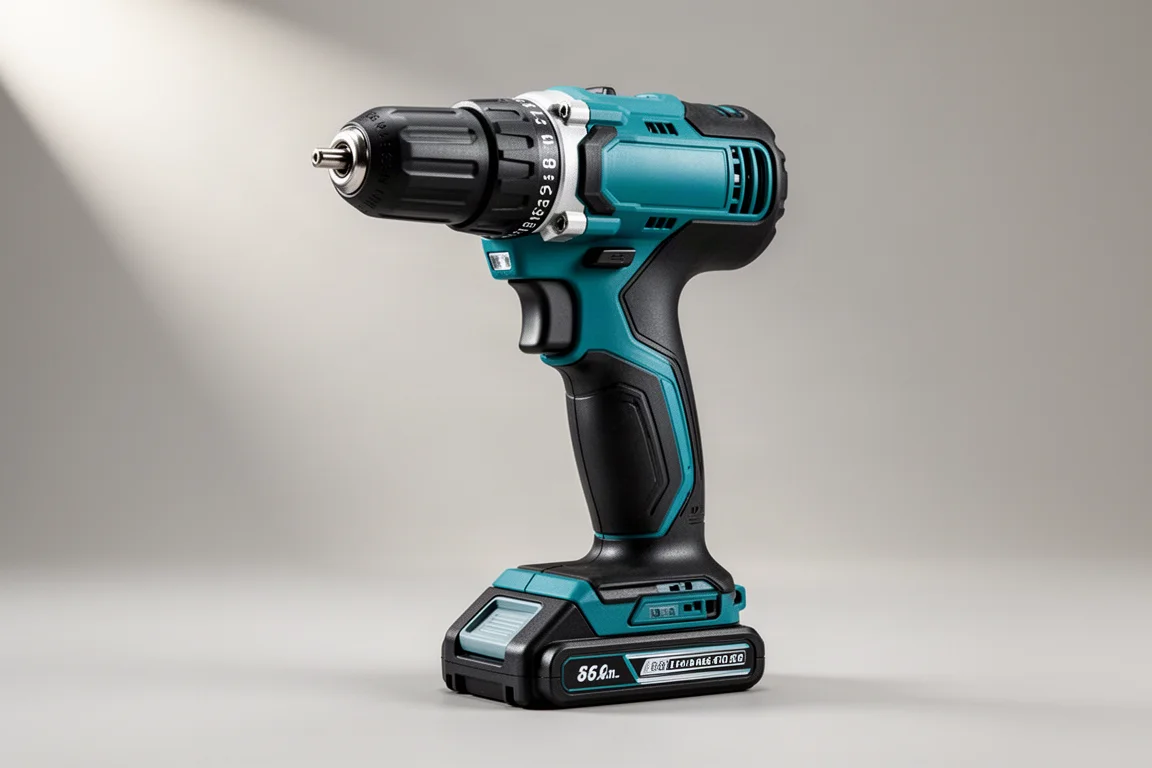
Ryobi built its reputation on solid consumer-grade tools, and the HP brushless line jumps straight past prosumer into value pro level. The performance genuinely justifies it. The one persistent complaint is the battery platform design, which is unlikely to change, but the tools themselves are good enough that value pro is the fair ranking.
Top-Tier Performers: Milwaukee and DeWalt
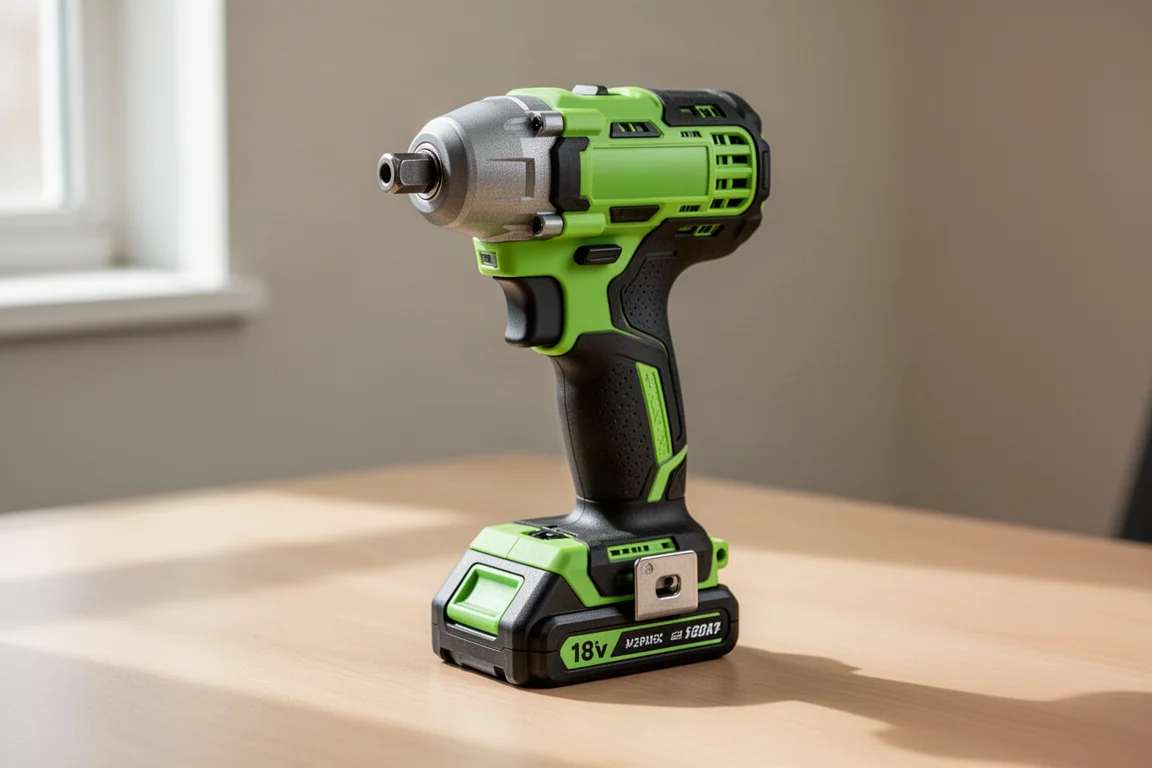
Milwaukee’s M18 Fuel system sits firmly in the A tier. It is a fantastic, top-tier tool platform that pros have trusted for years, and when a tool has fallen short in recent years the company has pulled it back and made it right. Even the brushed Milwaukee line is good enough to rank at value pro. The mid-tier brushless line is harder to place: it mostly surfaces around the holidays and, on balance, fits better as a prosumer-grade option than value pro.
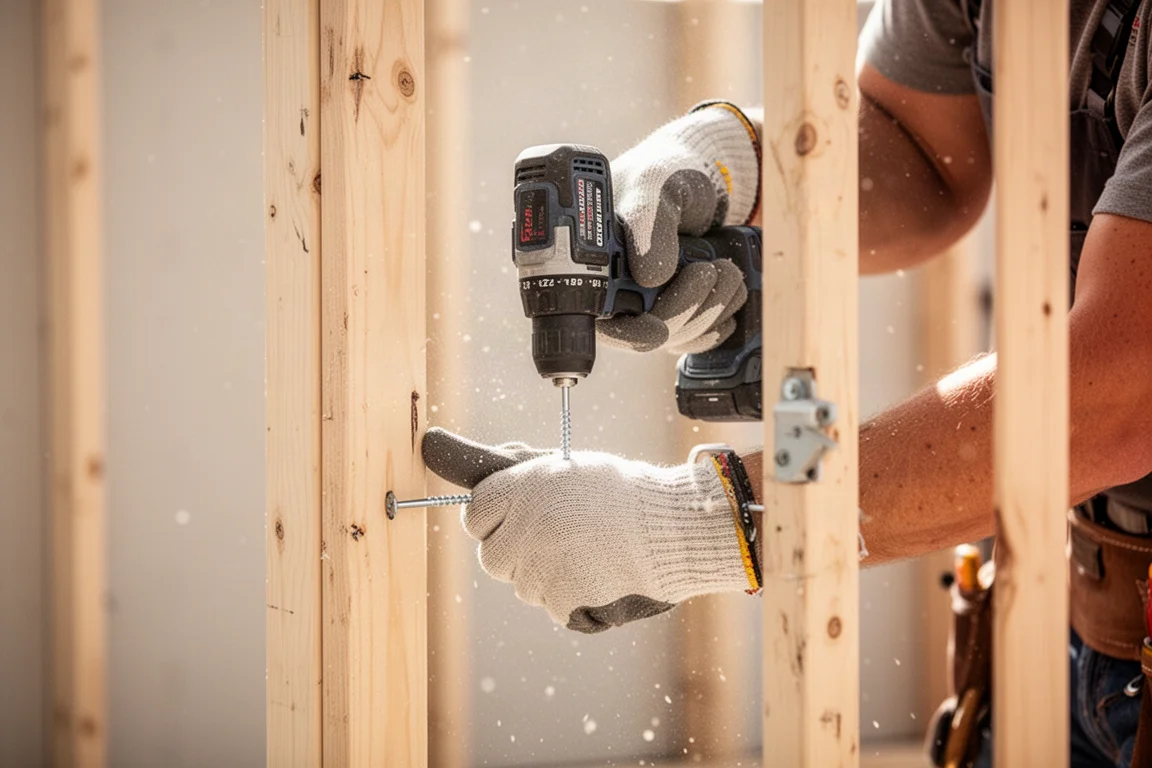
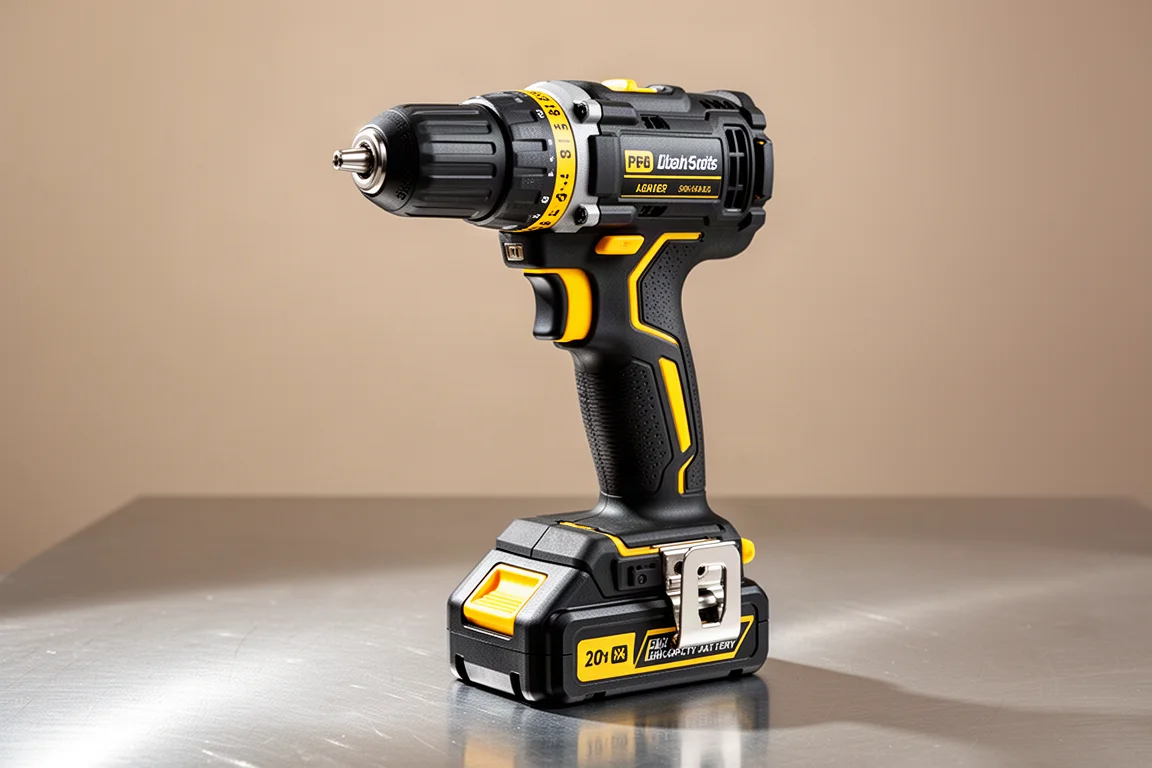
DeWalt was famously asleep at the wheel for years, but the last year and a half has been a run of home runs as the brand revamped its system. The XR line now goes toe to toe with Milwaukee and Flex, and earns its A-tier placement. The brushed DeWalt line is the opposite story: not updated in years, overpriced for what it delivers, and bundled with substandard batteries and a substandard charger, so it lands at the bottom of the list. The standard brushless line, sold mainly during holiday promotions, is a solid prosumer pick rather than value pro, partly because its three-year warranty does not match the five-year or lifetime terms offered elsewhere in that tier.
The Rest of the Field
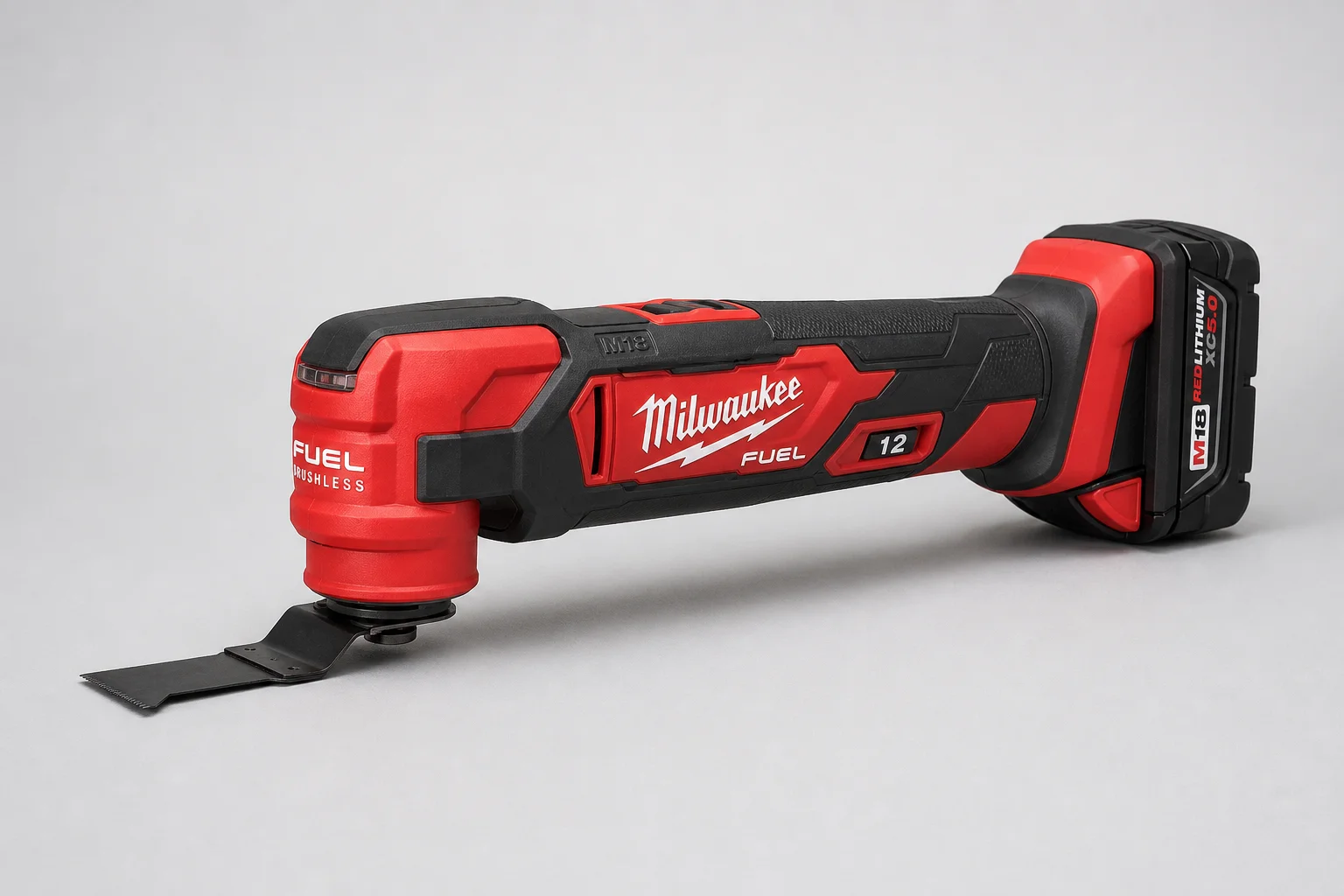
There is a long middle of the pack worth knowing about. Greenworks runs a 24 volt system that leans brushless, with decent performance but a small tool lineup, leaving it at entry-level DIY. Denali, Amazon’s house brand, is effectively re-badged Skil: it uses Skil batteries and the same design, sold at aggressive prices with a good warranty, placing it firmly in entry-level DIY alongside Skil itself. Skil’s brushless line, however, climbs into solid prosumer territory and only needs a bigger catalog.
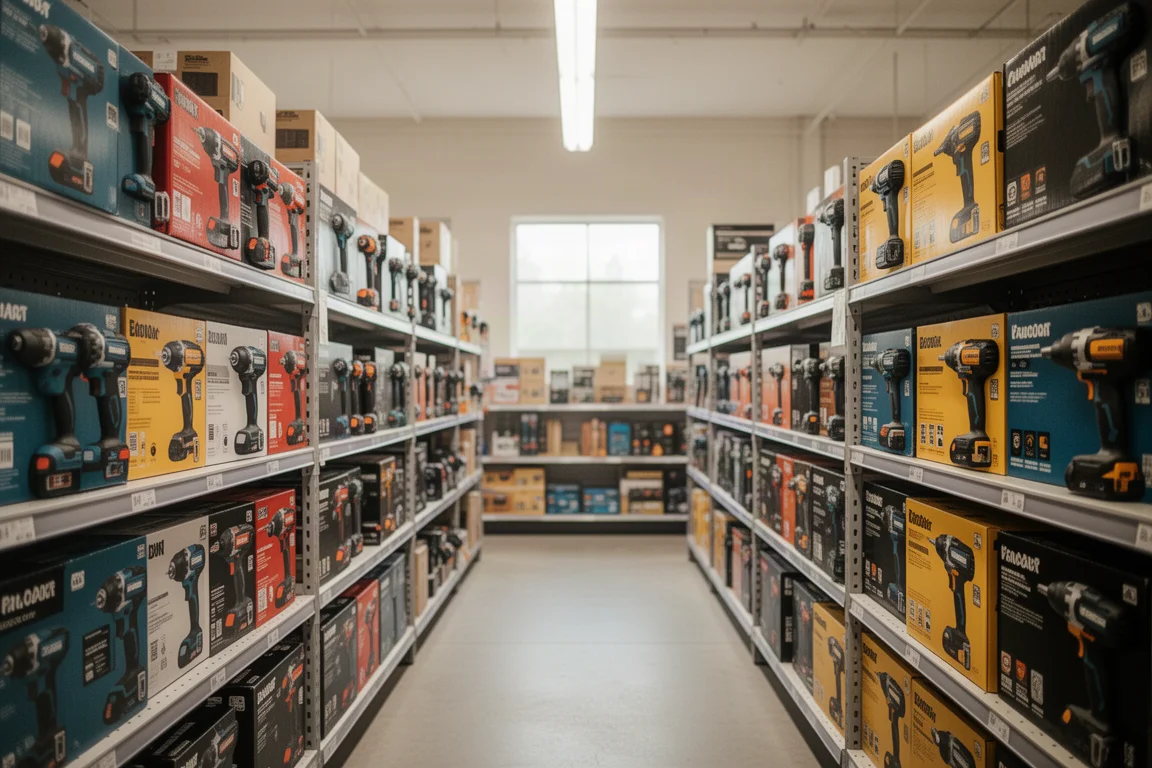
Harbor Freight’s Warrior line is disposable-grade entry-level gear, fine for a job or two if money is tight. The standard Bauer line is a well-established DIY homeowner platform with a huge 20 volt catalog, and its newer brushless tools perform fantastically, though the 90-day warranty keeps them at prosumer rather than higher. WORX’s brushed tools stay at entry level, and the new Nitro line impressed in testing but feels like top-tier consumer rather than prosumer, held back by a thin, internet-only lineup. Positec’s CAT professional line looks like it belongs in value pro but lands at prosumer for now until the range is broader.
TTI’s Hart is a great budget DIY line, especially handy for RV owners thanks to Walmart availability, though its brushless tools remain high-end DIY rather than prosumer. Ridgid’s subcompact line fills the full-power compact role in TTI’s portfolio and earns value pro placement, while Ridgid’s broader brushless line sits at prosumer given the thin catalog and questions around follow-through on the lifetime service agreement. Black and Decker has essentially abandoned its brand and is best avoided. Porter-Cable survived being sidelined in favor of Craftsman: the brushed line is entry-level DIY, and the brushless line is only slightly better, held back by a limited battery range, paid premium charging, and limited availability.
Craftsman’s V20 brushless tools are genuinely good and rank at prosumer, though the battery and accessory system let the line down, and at the asking price Kobalt offers equal or better. Metabo HPT’s brushed tools are solidly DIY level, but the brushless line jumps straight to value pro with a lifetime warranty on its lithium tools, where lifetime means for as long as the tool is produced. Both the brushed and brushless Metabo lines rank in the A tier as tools designed and built for the professional market.
Tool truck brands mostly cluster high. Mac Tools shares batteries and chargers with DeWalt but is built to a higher standard with oil- and chemical-resistant plastics and coatings, putting both its brushed and brushless lines in the A tier. Matco also lands in the A tier with solid, well-supported tools, though its power tool line appears to be dwindling. Ingersoll Rand makes excellent, robust tools that belong in the A tier as well; they simply need a larger lineup and the fuller ecosystem support the top two brands enjoy. Snap-on ranks in the A tier too, known especially for impact wrenches, though the warranty and ecosystem do not reach the very top.
The S-Tier: Ecosystem and Service
Hilti takes an S-tier spot not because the tools alone outperform the A tier, though the build quality is arguably slightly better, but because of everything around them. Buying Hilti often means buying an entire environmental solution: the company will drive out to collect a tool for service, and much of the market is rental and fleet-oriented, where tools are rented per job rather than purchased outright. That level of support is unmatched.
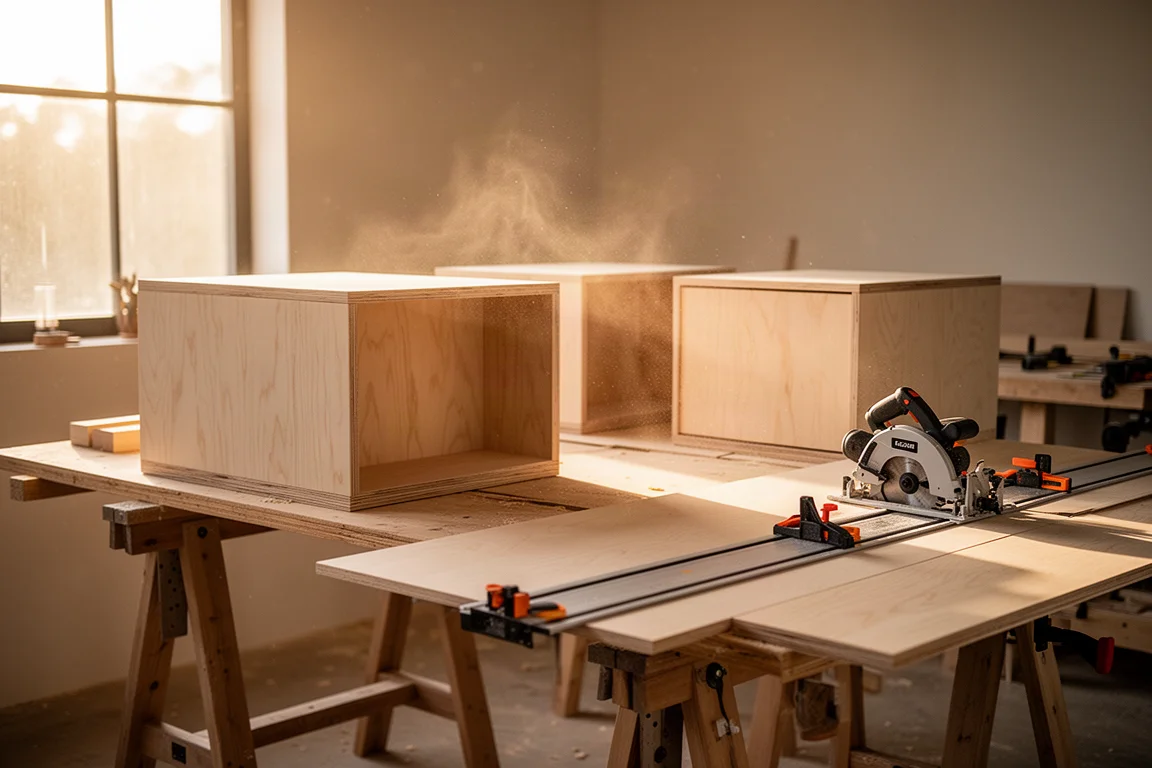
Festool joins it, and anyone who has used the products understands why. These are specific tools made for a specific category. General DIYers and even many professionals will never need them, but for high-end custom woodworking, cabinet installers, and cabinet manufacturers doing built-in work, Festool is the tool of choice for a reason.
Buying Advice
The tier you should shop in depends entirely on how you work. Weekend DIYers get genuine value from the entry-level and consumer lines, especially where sales make them cheap. Serious homeowners and light trades should aim at the prosumer tier, where the broadest catalogs and best everyday prices live. For anyone who uses tools hard and often, value pro is the sweet spot: flagship-level performance without flagship pricing, as seen with Kobalt XTR, Hercules brushless, Flex, Ryobi HP, and Metabo HPT brushless.
For full-time pros, the A tier is where reliability, battery ecosystem depth, and dealer support matter most, and Milwaukee M18 Fuel and DeWalt XR are the benchmarks. If your trade demands total support and fleet logistics, the S-tier ecosystems justify their cost in ways raw specs cannot capture.
Conclusion
The 18-24V cordless market has never been deeper, and a tier-list view makes it navigable: entry-level brands for occasional use, prosumer lines for serious homeowners, value pro platforms for the best performance per dollar, and the professional and S-tier systems for those whose livelihood depends on their tools. Match the tier to your real workload and you will rarely overspend or under-buy.
Further reading
Related Reviews
Power Tools
Best 1-Inch Pistol Impact Wrenches: Three Heavy-Duty Options Compared
We compare three 1-inch pistol impact wrenches, from a budget-friendly Harbor Freight model to a premium Caterpillar unit, to help you choose the right one.
Power Tools
Best 3/4-Inch Impact Wrenches 2026: Five Contenders Compared
We compare five 3/4-inch impact wrenches across price and performance, from a budget Amazon option to Snap-on's most powerful model yet.
Power Tools
Best Budget Cordless Tools 2026: Walmart Finds That Punch Above Their Price
We tested five cordless tools from Walmart, including a high-torque impact wrench that trades blows with Milwaukee and a $35 duster that outperforms its price class.