Hand Tools
Best 1/4-Inch Ratchets Compared: 16 Ratchets Tested for Swing, Back-Drag and Strength
Sixteen 1/4-inch ratchets, from a $14 Duratech to a $221 Snap-on, tested for working arc swing, back-drag, head size, switching effort and failure load.
Introduction
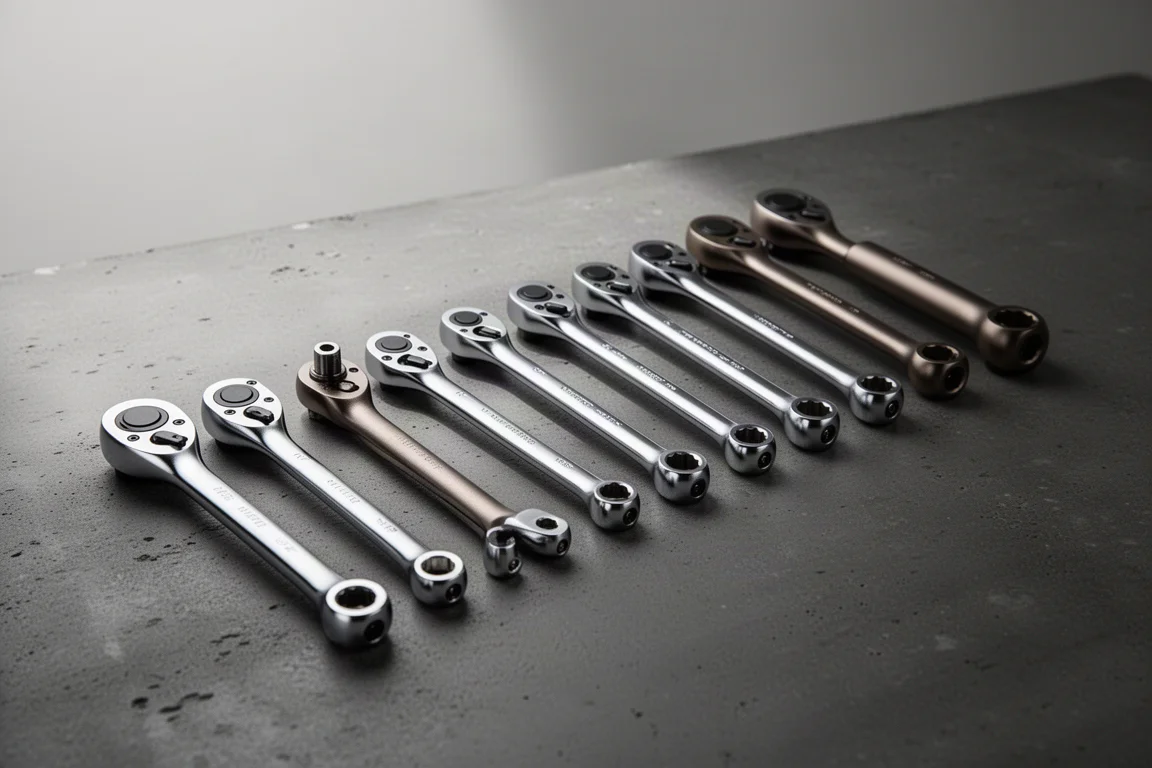
Ratchet makers love to advertise arc swing and tooth count, but those numbers do not always predict how a tool actually performs in a tight space. To separate marketing from reality, sixteen 1/4-inch ratchets were put through the same battery of tests: working arc swing in a 30-degree space, back-drag pressure, head profile, direction-switching effort and ultimate failure load.
The lineup ranges from a $14 Duratech to a $221 Snap-on, and includes strong showings from Germany, Japan, Taiwan and the United States. The results contain some genuine surprises, including a budget tool that beats tools costing many times more.
How the Ratchets Were Tested
Three headline measurements matter most for real-world use:
- Working arc swing: how many right-to-left back-and-forth passes it takes to complete one full 360-degree rotation while working within a 30-degree space. Gear slop, tooth count and handle width all play a role.
- Back-drag: the resistance the mechanism creates when dragging the socket back for the next swing, measured in grams of force using a socket, fishing line and a scale. High back-drag makes ratcheting in tight spots harder.
- Failure load: how much torque each ratchet withstands before something inside gives way, measured on a torque wrench tester accurate to a tenth of a foot-pound.
Head height, head width and the force needed to flip the direction switch were also measured.
Budget Contenders: Duratech, Crescent and Capri Tools
The least expensive ratchet tested is the Duratech, at $14. It is a 90-tooth design made from premium chrome alloy with a claimed 4-degree arc swing and a freely moving forward-reverse switch. It is made in China and weighs 323 grams. In practice it manages about 14.5 degrees of progress per pass, which points to noticeable slop in the mechanism, and it needs 24.5 passes for a full rotation. Back-drag is reasonable at 397 grams, and it survived 243.3 foot-pounds before the drive broke, with only minor gear damage.
At the same $14 price, the Crescent claims 72 teeth, a 5-degree arc swing and a flush-mounted on/off switch for better access. It is a product of Taiwan, finished in China, and weighs 303.6 grams. Despite having fewer teeth than the Duratech, it does better in use: roughly 15 degrees per pass and 24 passes for a full rotation. Back-drag drops to 293 grams, the switch takes just 217 grams to flip, and it is the strongest of the budget trio at 262.2 foot-pounds with the gear and pawl undamaged. It also has one of the most compact head profiles at 12.54 mm front to back.
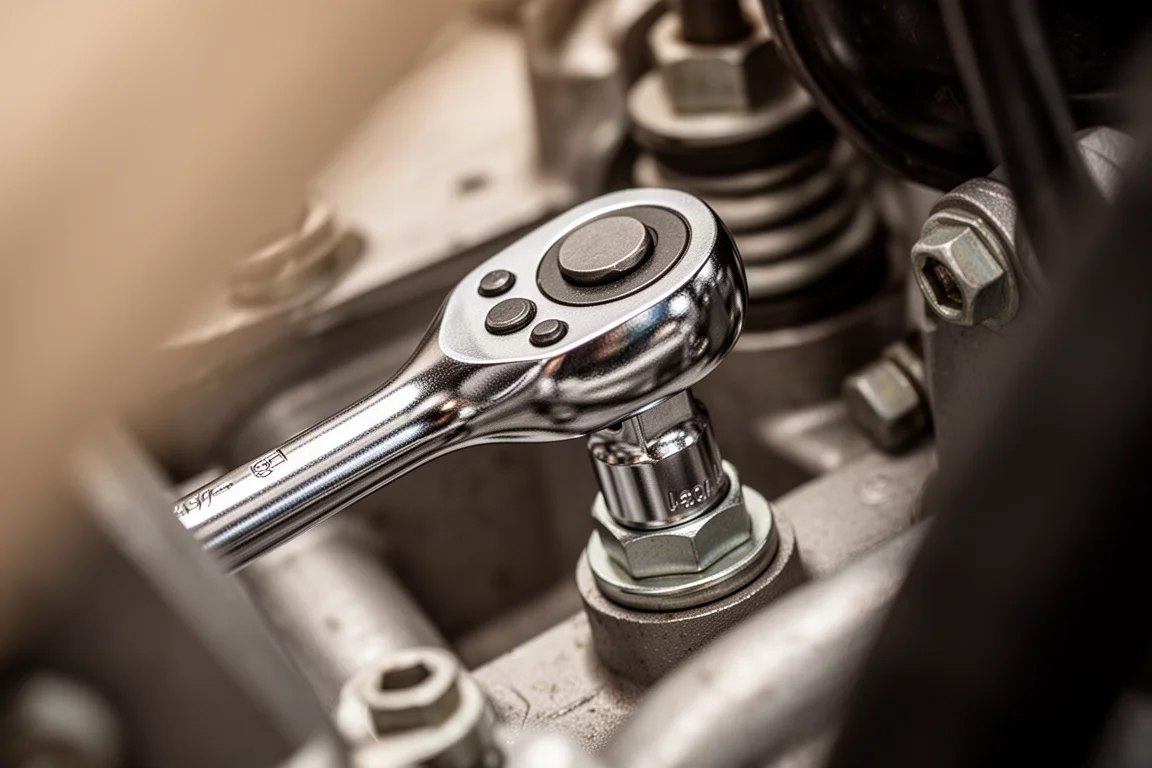
The Capri Tools, at $17, has 72 teeth, a claimed 5-degree arc swing, a true single-pawl gear and a low-profile head. It is made in Taiwan and weighs 279.9 grams. Here it struggles: only about 10 degrees of progress per pass and 35.7 passes for a full rotation, with a lot of dead space between the pawl advancing from one gear tooth to the next. Back-drag is a decent 366 grams, but it gave up early in the strength test at 212.9 foot-pounds with significant drive gear damage.
Mid-Priced Contenders: Craftsman, Gedore and Koken
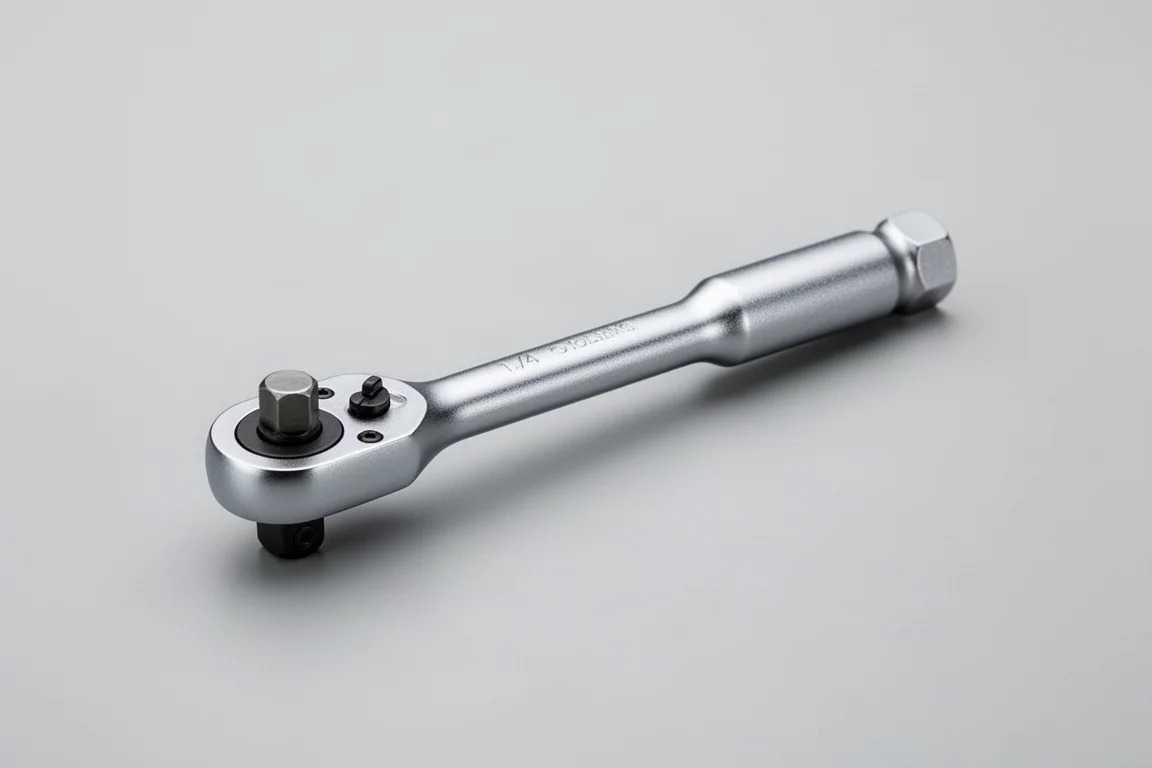
At $34, the Craftsman has 120 teeth, claimed superior rust protection from a gunmetal chrome finish and a quick-release feature. It is made in Taiwan and weighs 344.9 grams, one of the heaviest in the lineup. Despite the high tooth count it only manages 14.5 degrees per pass, and there is too much slop in the mechanism to work efficiently. It ties for second on arc swing at 24.5 passes, matches Capri Tools on back-drag at 372 grams, and reaches 252.4 foot-pounds before the drive fails.
The Gedore, at $37, is made in Germany from first-class materials with a medium tooth mechanism. Instead of a lever, you push the square coupler through to reverse direction. At 250.4 grams it is one of the lightest tested, but its large handle works against it in tight spaces: 36.5 passes for a full rotation, the worst arc swing result. Back-drag is extremely stiff at 598 grams, and pressing the coupler through takes over 4,000 grams, roughly 8.8 pounds of force. The square drive is soft and twisted noticeably when it gave up early at 208.7 foot-pounds.
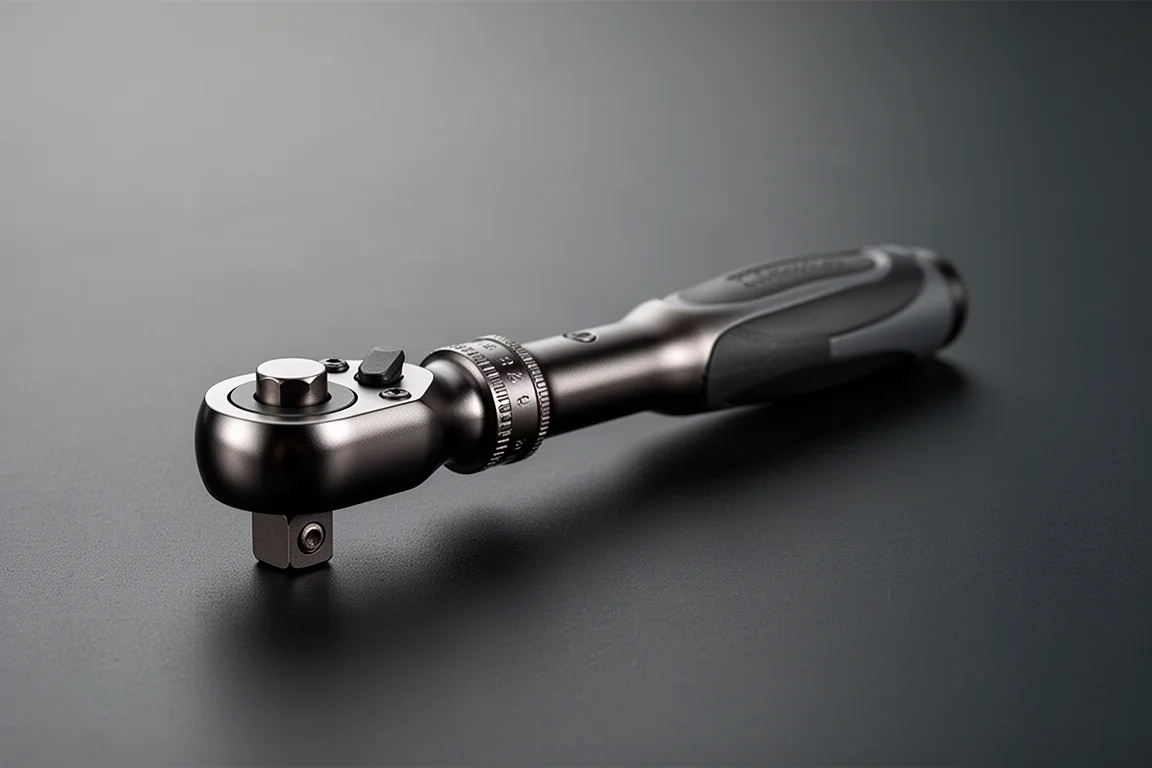
The Koken, at $42, is made in Japan with 72 teeth and claimed very low backlash and small head sizes, designed for high torque ranges. It weighs 235.9 grams with a slightly larger than average handle. The mechanism is very well designed: 24.2 passes for a full rotation, good enough for second place on arc swing at the time it ran. Back-drag is an excellent 224 grams, and it held up very well for its compact size at 260.1 foot-pounds with no visible damage. Its head is also the narrowest side to side at 27.9 mm.
European and Japanese Contenders: Gedore, Koken, Facom and GearWrench
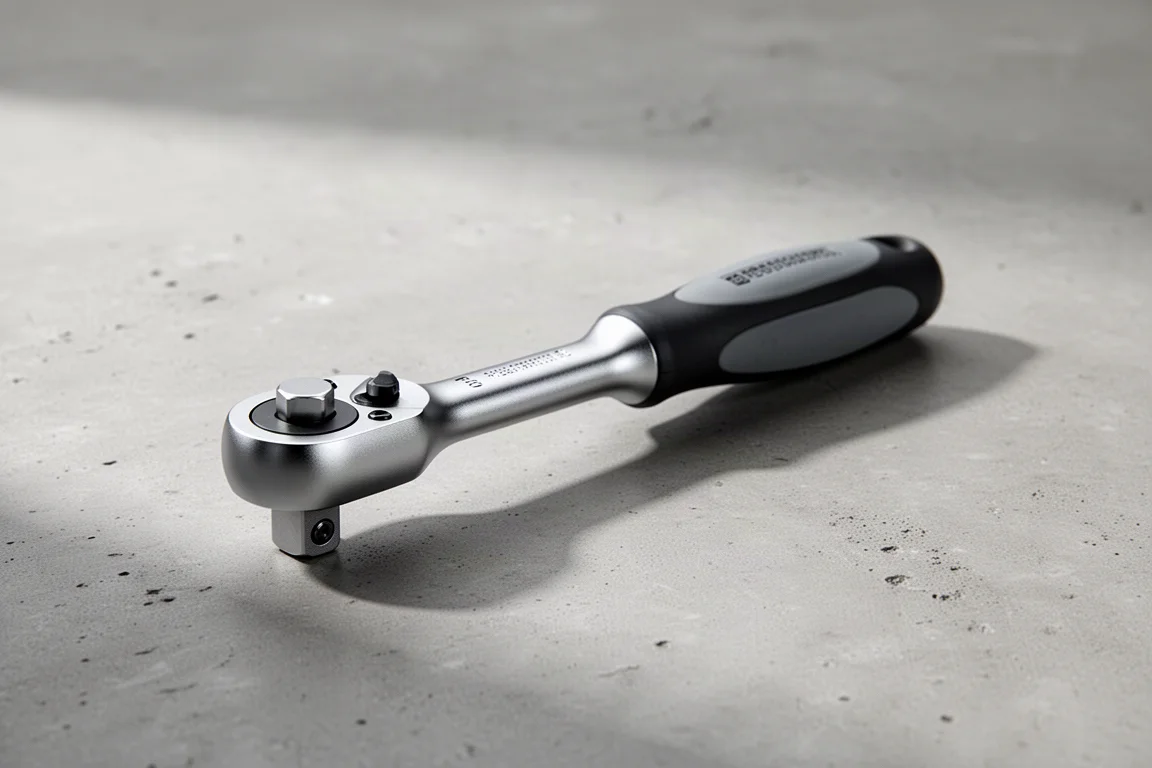
The Facom, at $49, advertises a lightweight body, compact head, dustproof maintenance-free mechanism with 5-degree increments and easy reversal even with gloved or greasy hands. The packaging does not state where it is made, and it weighs about 248 grams. Performance is strong: around 15 degrees per pass and 24 passes for a full rotation, tying the Crescent. Back-drag is higher than most at 443 grams, but the switch takes only 171 grams, the best result of the entire test. In the strength test it was the leader at the time, breaking at 286.2 foot-pounds.
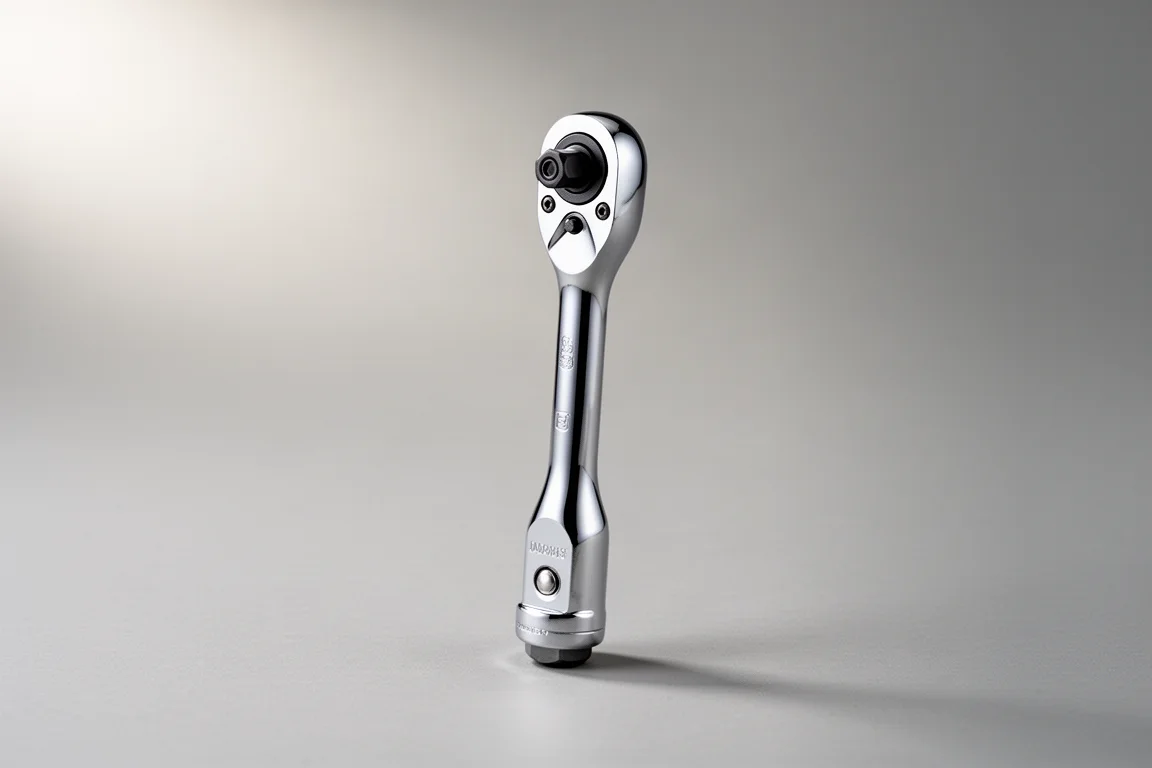
The GearWrench 120XP, at $50, uses a double-stacked pawl design where two paws alternately engage 60 gear teeth for 120 contact points, with a claimed 3-degree arc swing and a teardrop low-profile head. It is made in Taiwan and weighs 331.3 grams. It took the arc swing lead at 22.6 passes, but the dual-pawl design produces a lot of slop, and back-drag suffers badly at 515 grams. On the switch it is excellent at 190 grams. Strength is a highlight: at 295.8 foot-pounds it made very good use of its size, with no visible damage to the paws or drive gear.
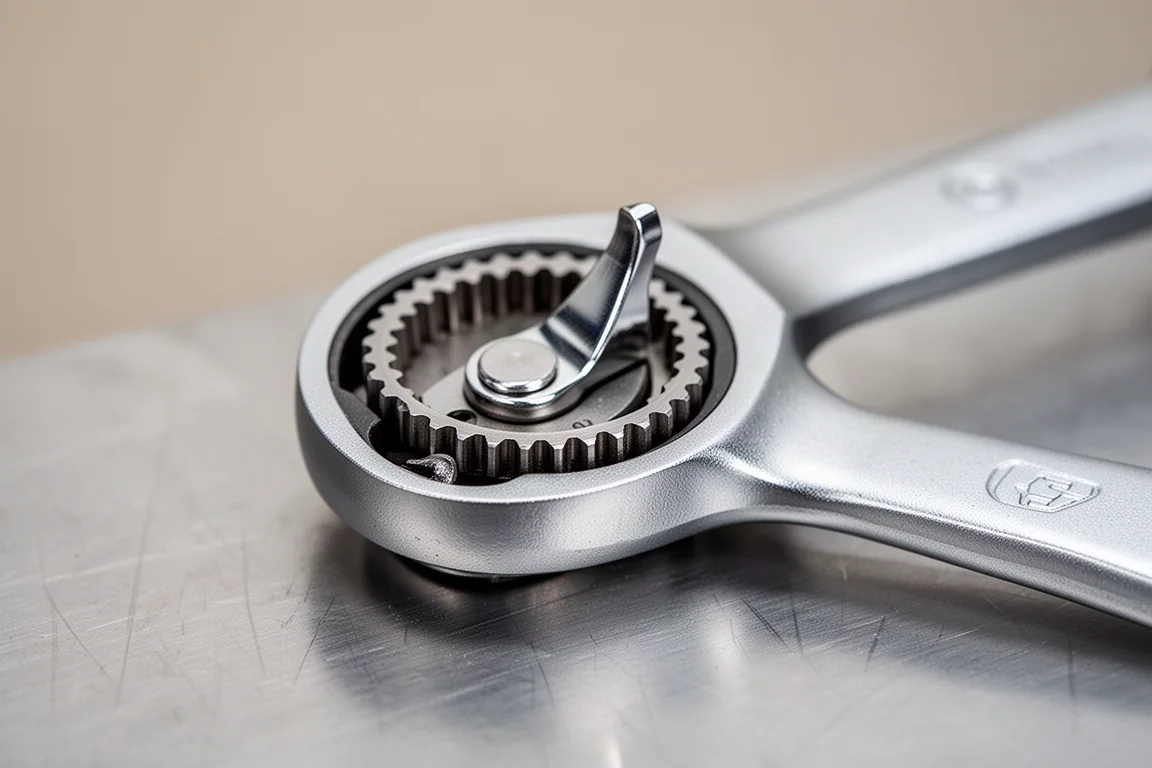
The Hazet, at $51, is made in Germany, claims 90 teeth, a 4-degree arc swing and a locking switch, and is rated for up to 400 newton meters, about 295 foot-pounds. It weighs 259.6 grams. Despite a fairly thick handle, it edges out the GearWrench at 22.5 passes. Back-drag is 456 grams and the switch takes 475 grams. In the strength test it was the strongest yet at the time: 303.2 foot-pounds, with the paws and drive gear still in great condition.
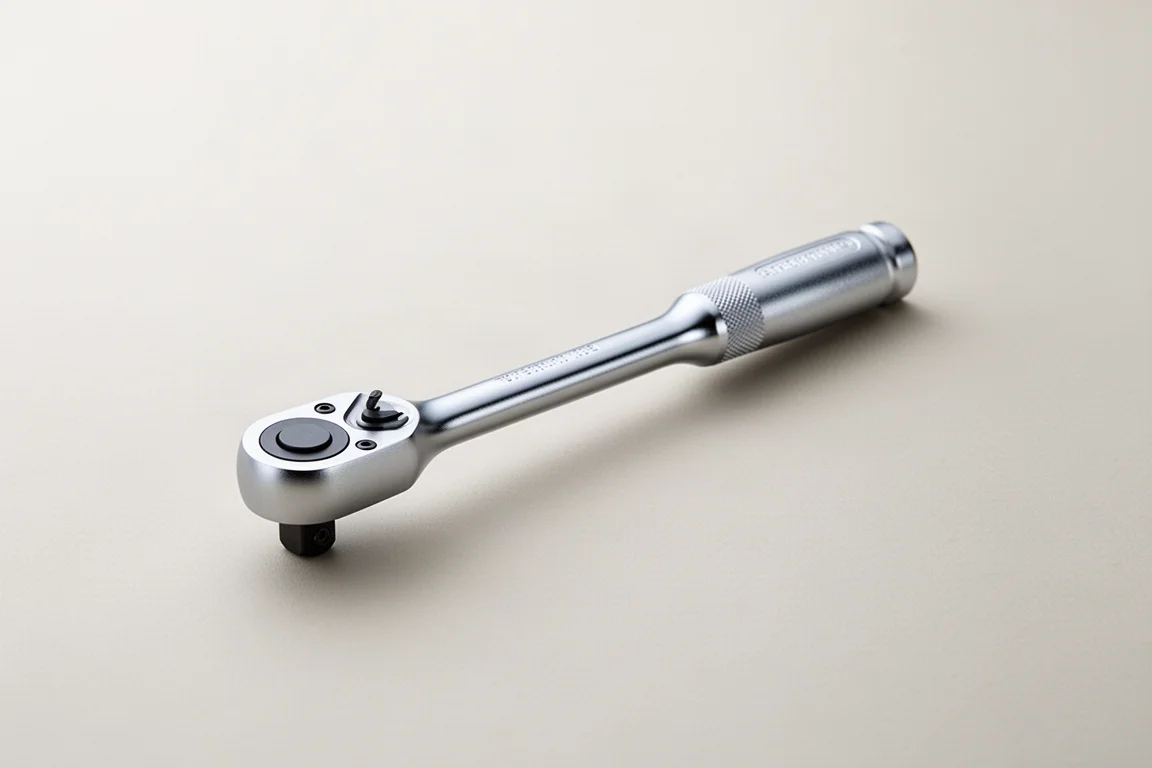
The Asahi, at $52, is made in Japan and is extremely lightweight at just 176.9 grams over a 7-inch length, with 72 teeth. It makes about 15 degrees per pass and completes a rotation in 24 passes, tying the Crescent and Facom. Back-drag is by far the best of the geared ratchets at 170 grams, and the switch takes an average 345 grams. But it is a light tool for a reason: it gave up early at 186.6 foot-pounds, with one of its two pawls losing all of its teeth.
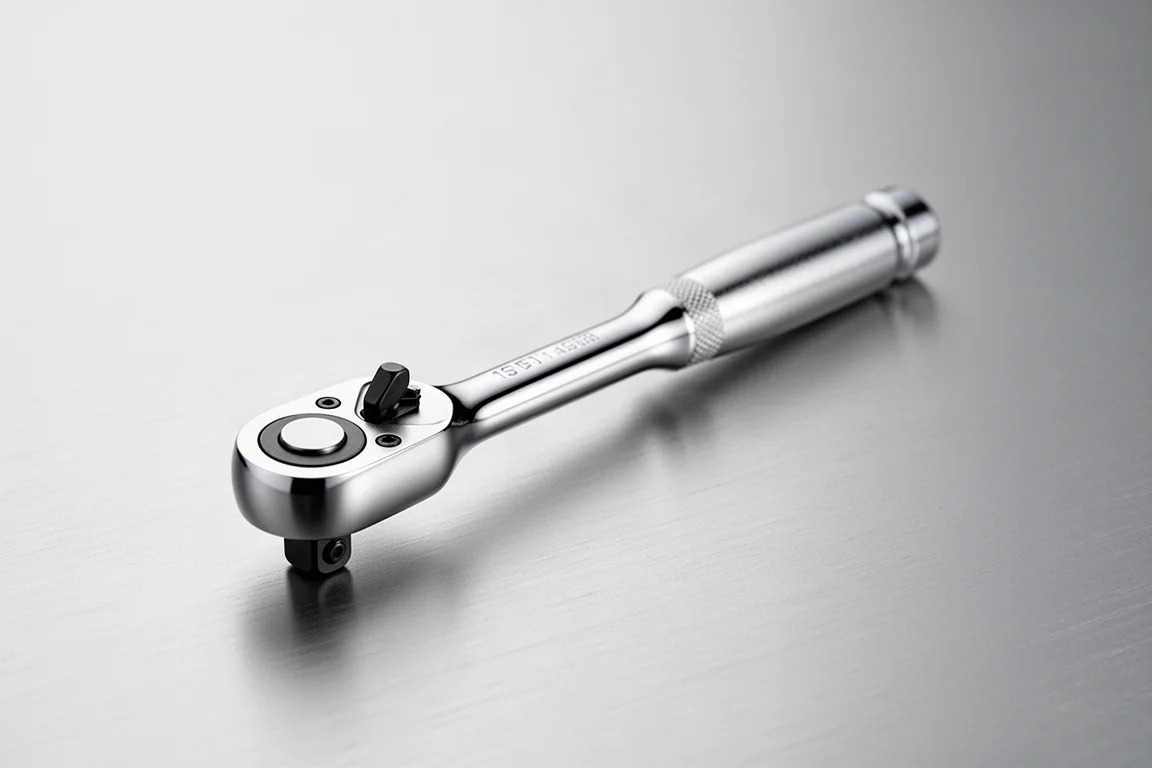
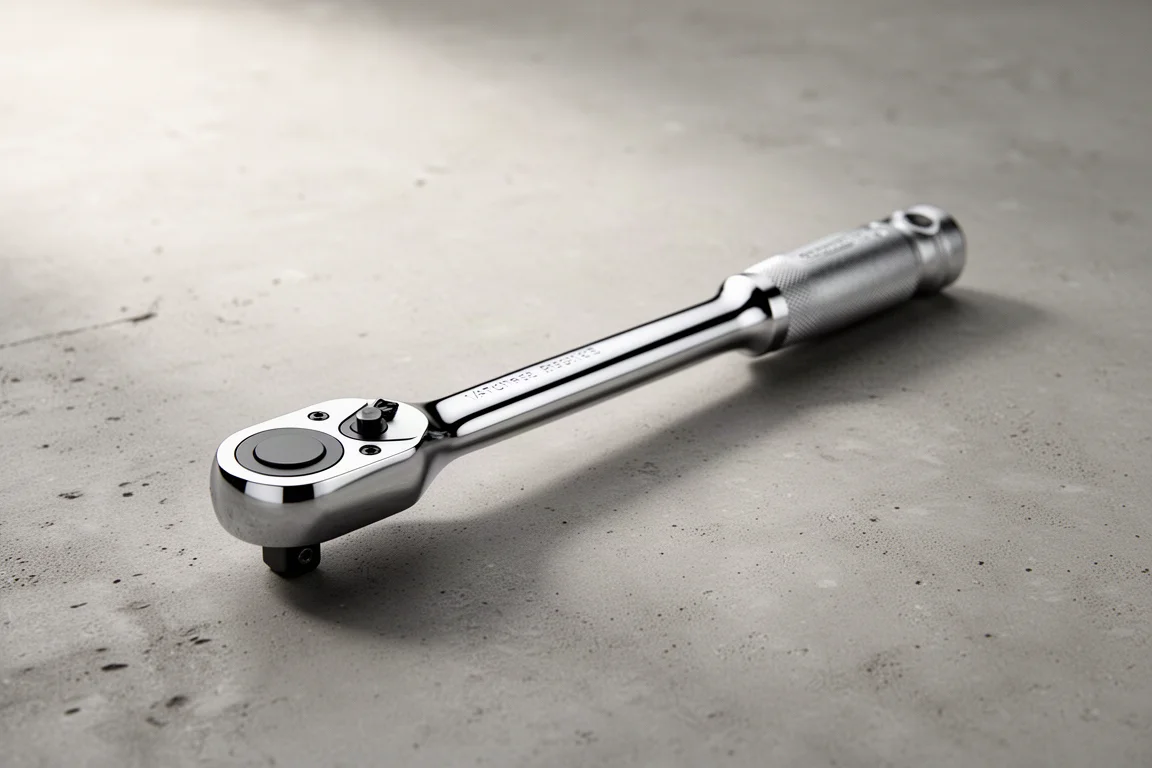
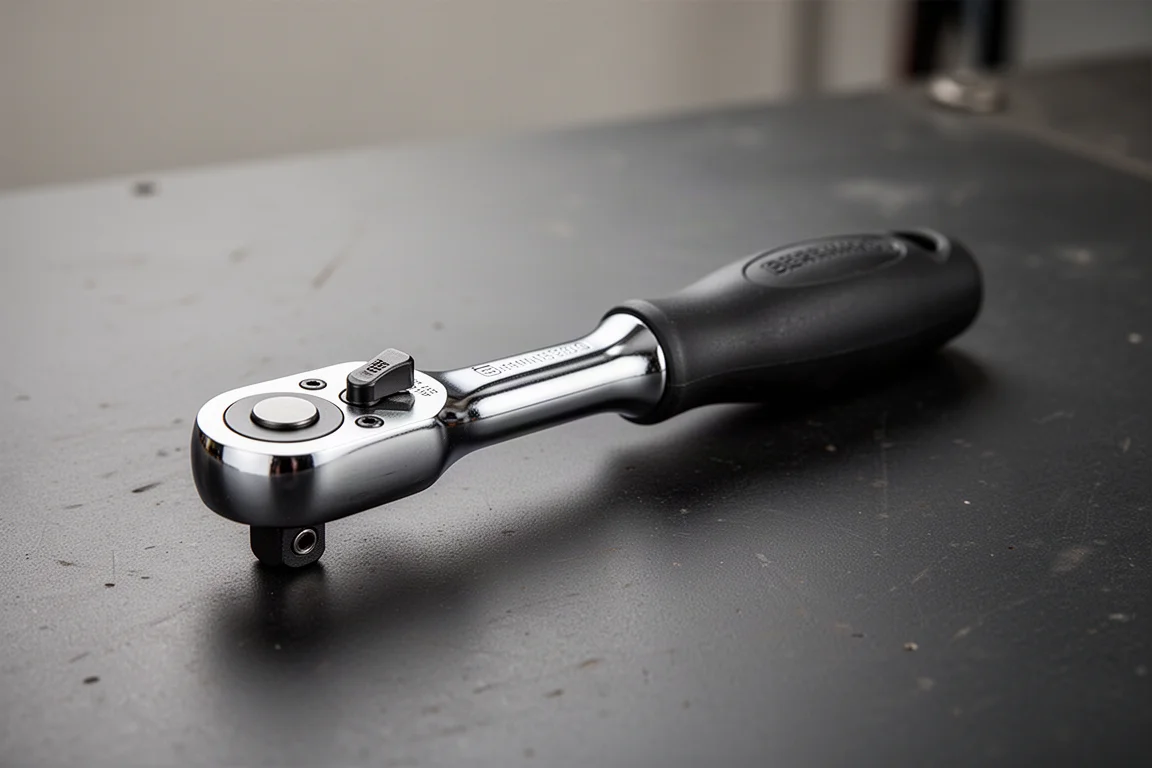
More Contenders: Tang Tools, Matco and Stahlwille
The Tang Tools, at around $56, has 72 teeth giving a claimed 5-degree arc swing, a slim head designed for confined spaces, and multiple teeth engaging at once for strength. The packaging does not state where it is made, and it weighs 263 grams. With a very large diameter handle it really struggled: 35.5 passes for a full rotation, nearly matching the Capri Tools. Back-drag is by far the worst of the test at 833 grams, almost two pounds, and the switch takes 521 grams. Strength is its one bright spot at 267.5 foot-pounds with all internals in good condition.
The Matco, at $116, has an 88-tooth mechanism for just over 4 degrees of arc swing, a slim profile for tight areas and a set-shift lever to prevent accidental shifting. It is made and assembled in the USA and weighs 274.6 grams. It is the arc swing winner by a wide margin: just over 20 degrees of progress per pass and only 17.6 passes for a full rotation, with the pawl advancing with minimal rotation. Back-drag is about average at 388 grams, and the switch takes 371 grams. Its head is the shortest front to back of any ratchet tested at 12.2 mm. Despite the compact size it held on to 280 foot-pounds with no visible damage.
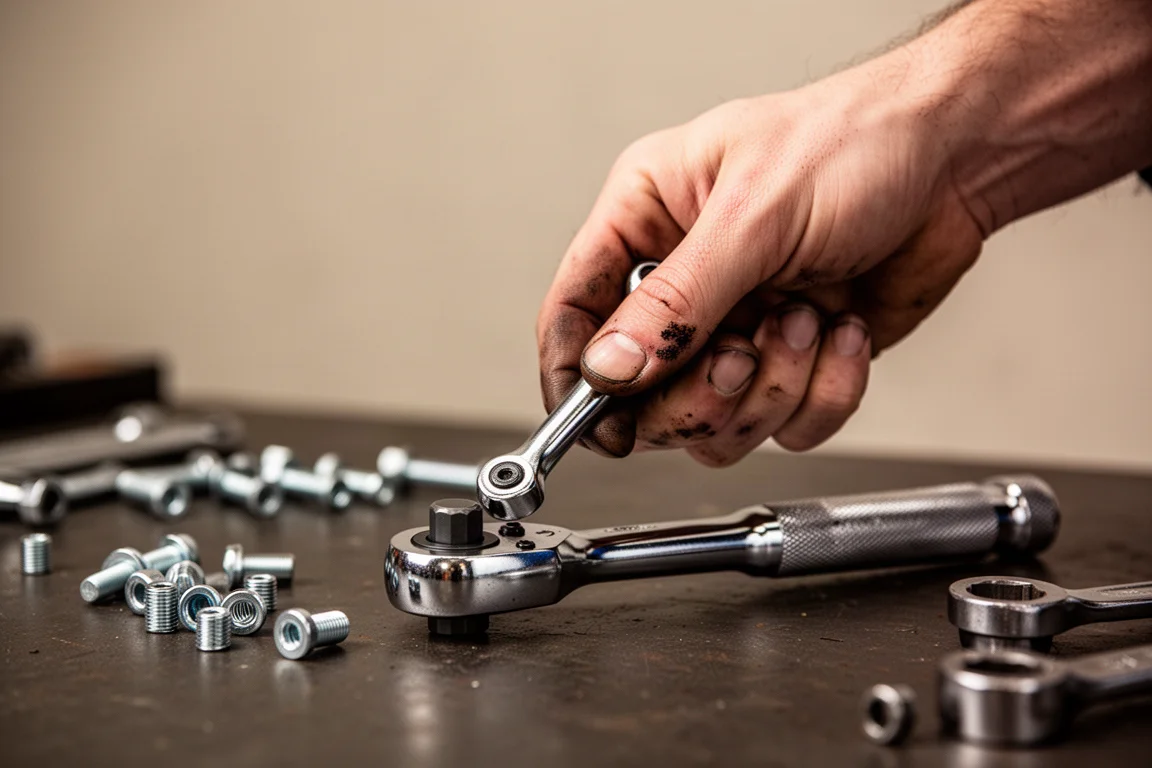
The Stahlwille, at $121, is made in Germany, comes with repair instructions, has an 80-tooth mechanism with a 4.5-degree arc swing, is built without screws to prevent foreign object damage, and includes a quick-release safety lock. It weighs 275.2 grams. In theory most other brands should beat it, but its mechanism makes about 18 degrees per pass and completed a rotation in 20 passes, second at the time it ran. Back-drag is very good at 283 grams and the switch takes 271 grams. However, it is not built for maximum torque: the drive gear broke at 254.3 foot-pounds.
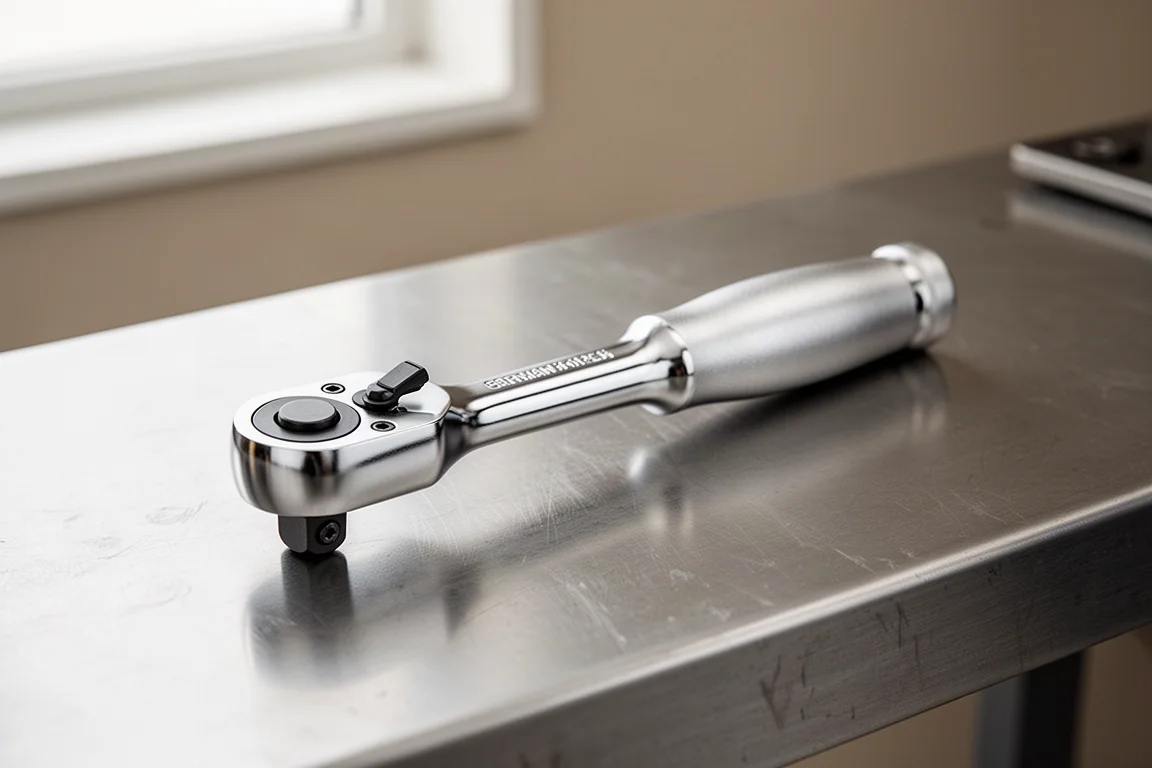
Premium Contenders: Nepros, Stanley Proto and Snap-on
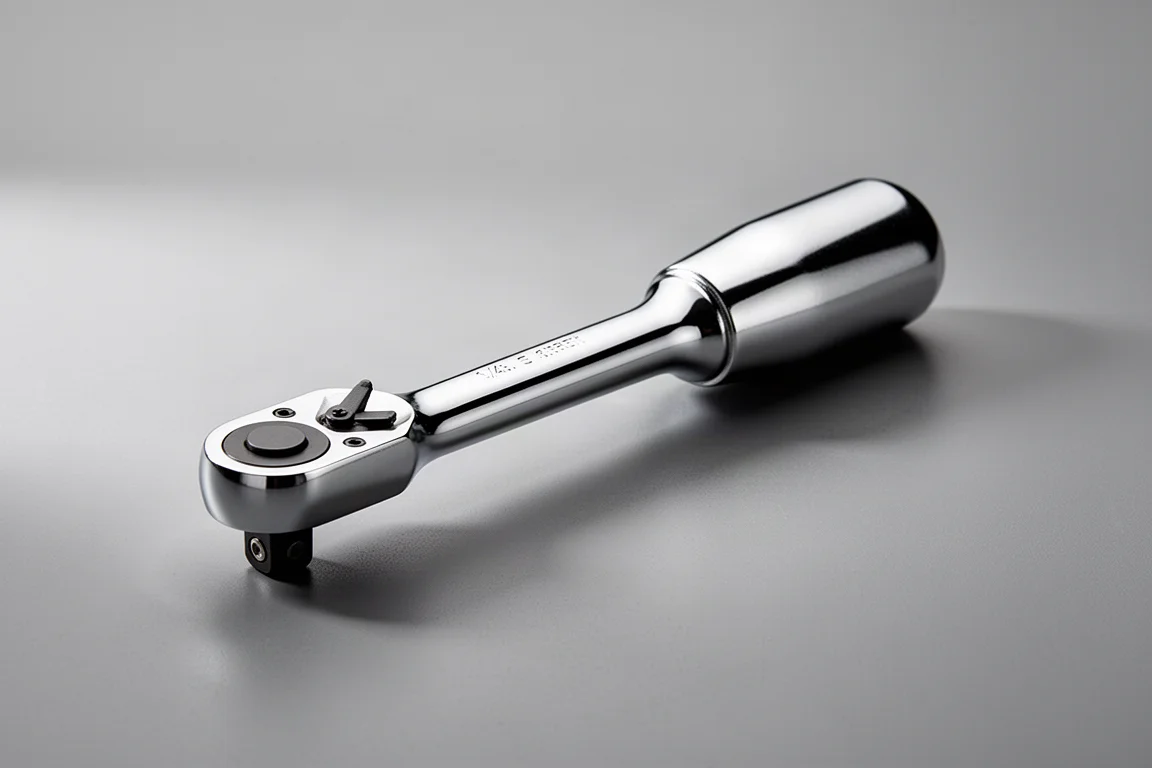
The Nepros, straight from Japan at $139, is a 90-tooth ratchet with a seven-step claw, quick release and a reliable switch lever with positive action. It weighs 412.3 grams. It performs even better than the Stahlwille at over 19 degrees per pass, completing a full rotation in 18.6 passes. Back-drag barely edges out the Stahlwille at 277 grams, though the switch is stiff at 596 grams. Despite a long handle for leverage, it is not built for abuse: the drive gear broke at 229.7 foot-pounds.
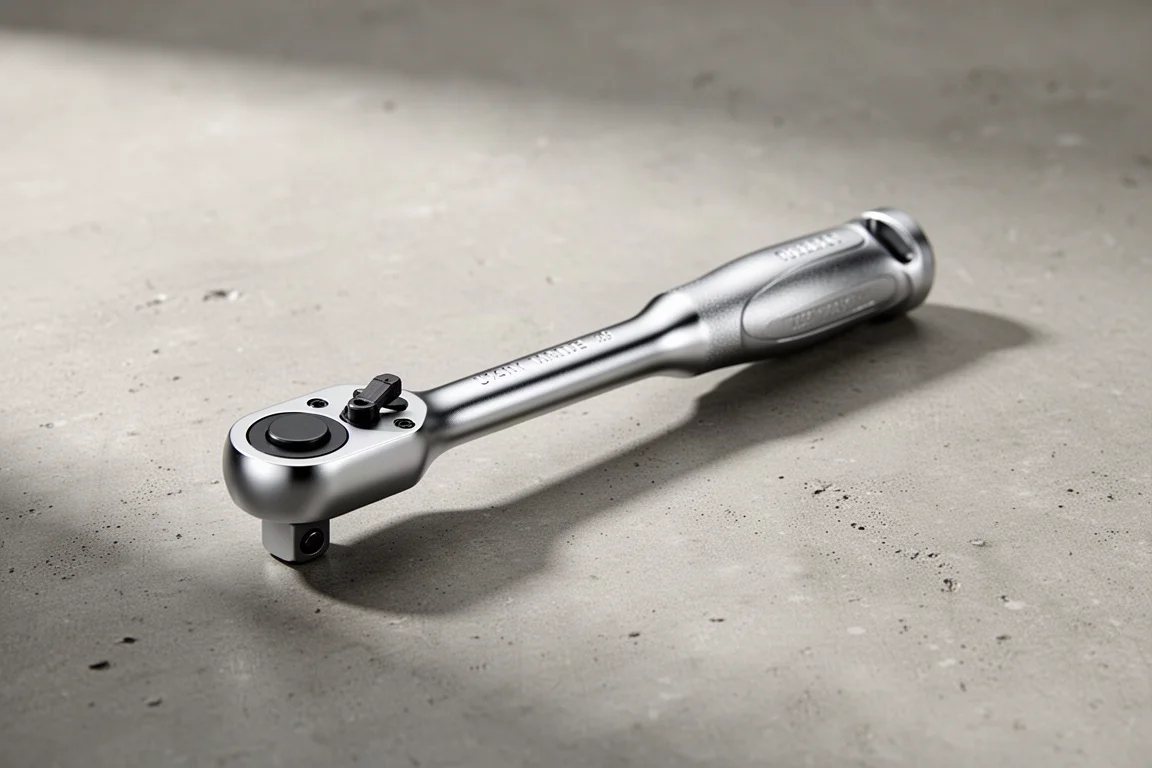
The Stanley Proto, at $171, has a 92-tooth count allowing a 4-degree arc swing, a small pear head for tight work areas, a low-profile reversing lever and knurled bands for grip. It is made in the USA and weighs 423.8 grams. It performs very close to the Nepros, making about 20 degrees per pass with 18 passes for a full rotation, good enough for second place behind the Matco. Back-drag matches the Matco at 364 grams, but the switch is stiff at 647 grams. Despite its extra-long handle, it gave up early at 186.6 foot-pounds with considerable damage to the drive gear teeth and pawl.
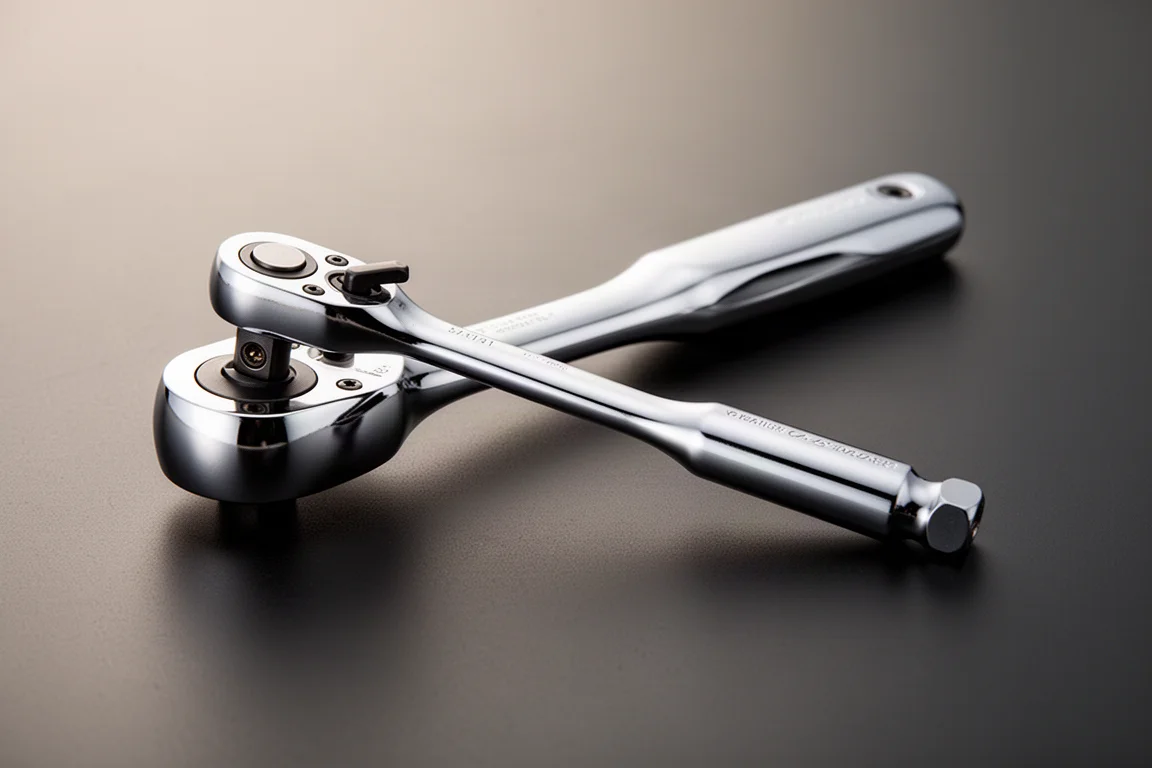
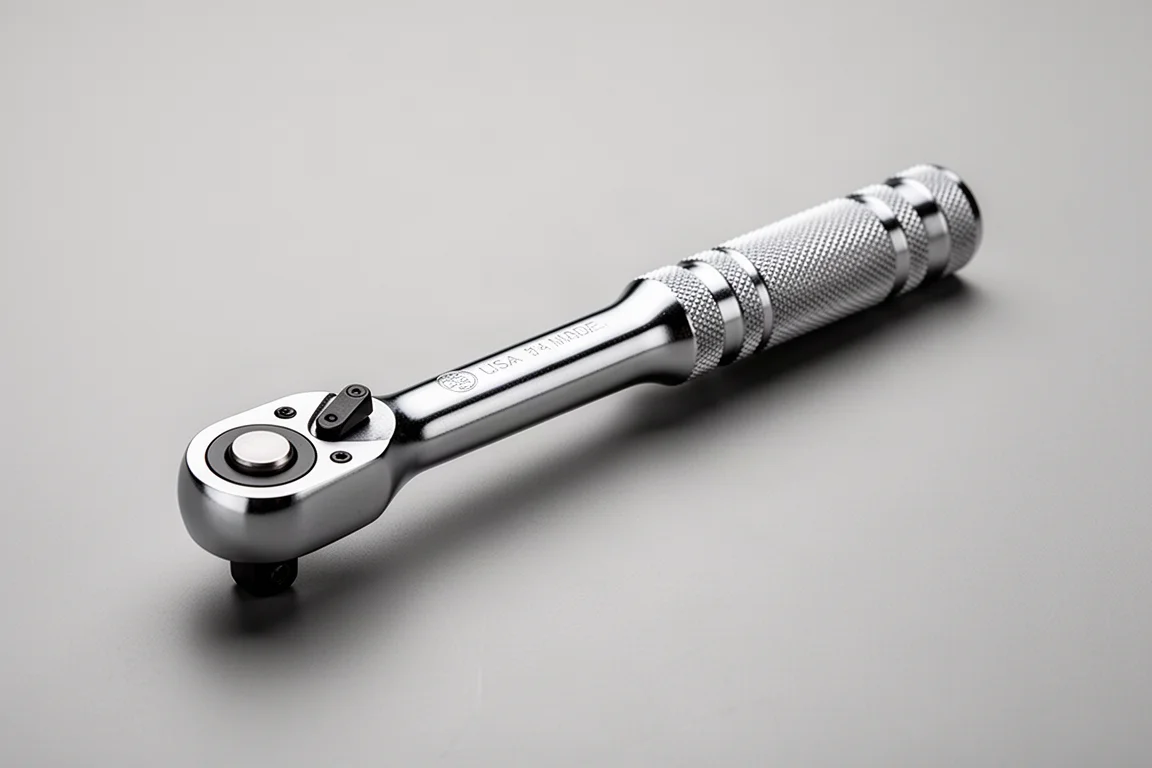
The Snap-on, at $221, is the most expensive ratchet tested and works differently from everything else: it has no gears and no clicking sounds, and claims a zero-degree arc swing. It is made in the USA and weighs 305.8 grams, with a handle slightly wider than average at 18 mm. Despite the zero-degree claim, it manages 22 passes for a full rotation, good enough for fifth place. Where it dominates is back-drag: just 89 grams, by far the best. The switch, however, takes real effort at 1,356 grams, about three pounds. In the strength test it withstood more torque than anticipated, and when it finally let go at 310.8 foot-pounds it essentially exploded, sending parts across the shop. Still, it is the strongest of the entire test.
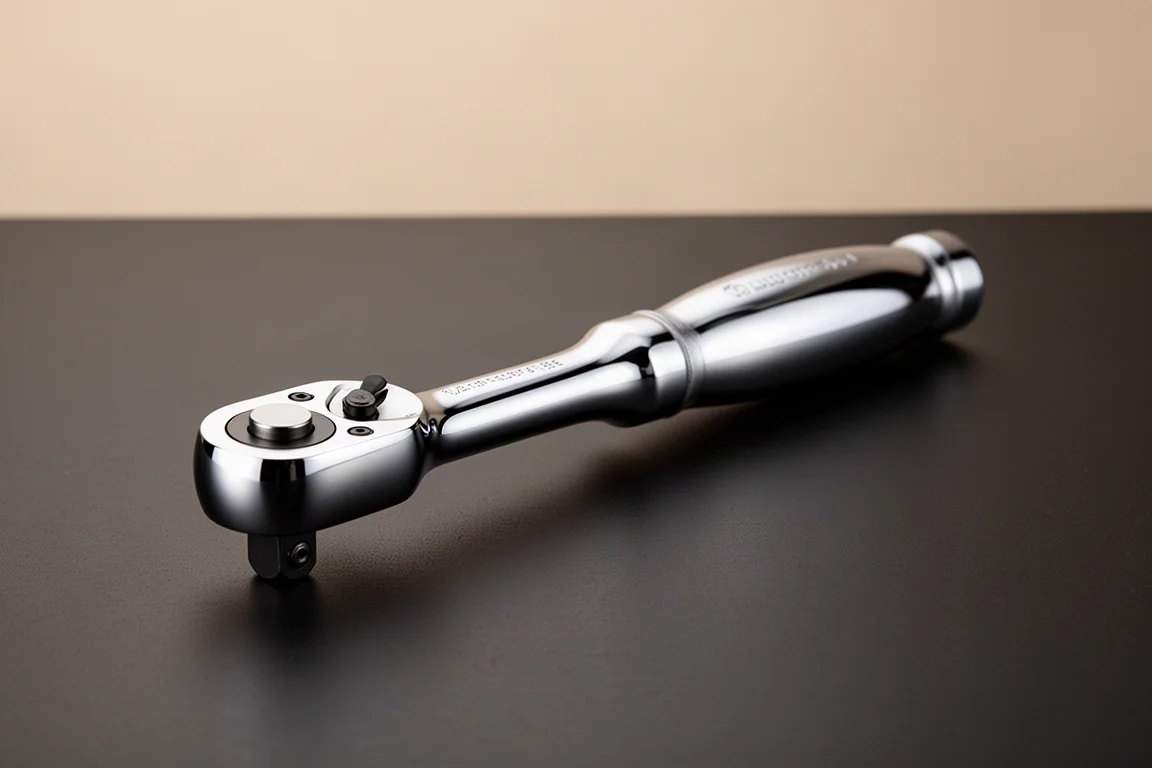
Strength: Failure Load Results
For anyone who needs a ratchet that can handle high torque loads, the failure test is the one that counts. The Snap-on came out on top at 310.8 foot-pounds, followed by the Hazet at 303.2, the GearWrench 120XP at 295.8, the Facom at 286.2 and the Matco at 280.
At the other end, the Asahi and Stanley Proto both gave up at 186.6 foot-pounds, the Gedore at 208.7, and the Capri Tools at 212.9. Notably, the compact Matco and Facom prove that a small head profile does not have to mean a weak mechanism.
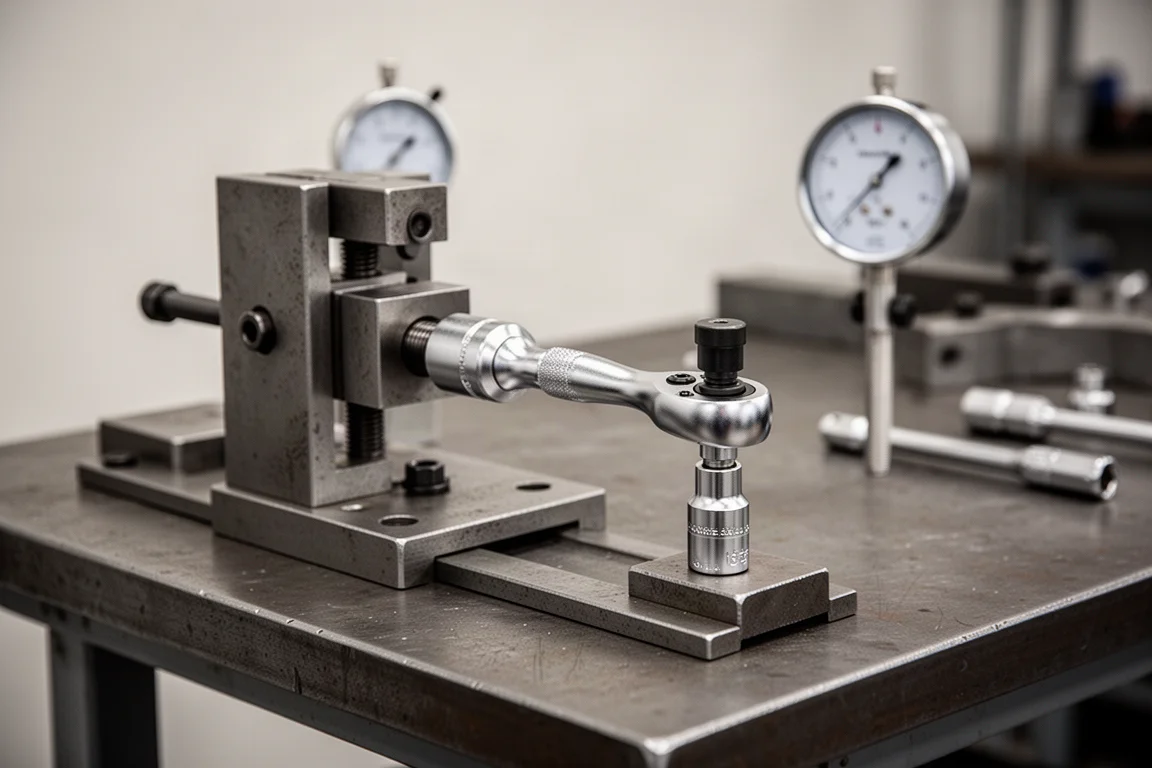
Combining the arc swing and back-drag rankings, the perfect all-round performers were the Snap-on with an average third-place finish, the Nepros at 3.5, the Stanley Proto and Stahlwille at 4.5, and the Asahi averaging fifth place.
Switching Effort Under Greasy Hands
When hands are greasy, a stiff directional lever becomes a real annoyance. The Facom leads here at 171 grams, followed by the GearWrench at 190, the Crescent at 217 and the Stahlwille at 271. The Duratech, Capri Tools, Gedore and Snap-on all demand significant effort, with the Snap-on needing about three pounds of force to change direction. For most people this is a minor issue, but it is worth knowing before you buy.
Head Size and Access in Tight Spaces
Head profile makes a big difference when accessing fasteners in confined areas. The Matco has the shortest front-to-back profile at 12.2 mm, followed by the Crescent at 12.54, the GearWrench at 13.6, the Asahi at 13.7 and the Koken at 14.3 mm.
Side to side, the narrowest head belongs to the Koken at 27.9 mm, with the Facom at 29.3, the Stanley Proto at 29.56, the Nepros at 29.78 and the Craftsman at 29.94 mm.
Which Ratchet Should You Buy?
If value is the priority, the Crescent is the clear winner. At only $14 it delivers genuinely good performance: strong arc swing for its class, low back-drag, an easy-switching lever, one of the most compact heads and one of the best failure loads of the budget group. It cannot match the top brands on working arc swing, but it performed well in every other category.
If it is all about performance, the Matco is expensive but performs well across the board, winning the working arc swing test outright with the most compact head profile and a strong 280 foot-pound failure load. The Stahlwille is also expensive but performed well in every category, combining excellent arc swing and back-drag with solid build quality.
Worth remembering: the previous 90-tooth GearWrench 1/4-inch ratchet won its own showdown, and considering its very affordable price it would still be the overall choice over every ratchet tested here. The 120XP, despite the impressive claimed 3-degree arc swing, does not perform as well as its less expensive sibling.
All of these brands claim strong warranties, which is worth checking before you commit.
Conclusion
Sixteen ratchets produced sixteen very different profiles. The Matco wins on working arc swing, the Snap-on on back-drag and raw strength, the Asahi on lightweight finesse, and the Crescent on value, beating tools that cost ten times as much in most categories. Match the tool to what you actually do: budget-conscious buyers should start with the Crescent, tight-space specialists should look at the Matco, and anyone who wants the quietest, smoothest drag with maximum strength should consider the Snap-on.
Further reading
Related Reviews
Hand Tools
Best Diagonal Cutters 2026: 16 Pliers Tested for Cutting Power and Durability
We put 16 diagonal cutters through nail, screw, drill bit, and hex key tests to find the best value picks for your toolbox.
Hand Tools
Best Hex L Key Sets 2026: Nine Sets Tested for Real-World Torque
Nine hex L key sets from budget to premium, tested for torque, fit, and durability. See which sets deliver real performance and which ones to skip.
Hand Tools
Best Locking Pliers 2026: Top Picks Tested for Grip and Durability
We tested 18 brands of 10-inch locking pliers for grip strength, jaw bite, build quality, and ease of release to find the best options for tough jobs.