Power Tool Accessories
Best 14-Inch Metal Cutting Chop Saw Blades: 10 Blades Tested
Ten 14-inch metal cutting blades, from a $43 budget option to a $135 premium pick, compared on speed, cut quality, heat, noise, dust, and durability.
Introduction
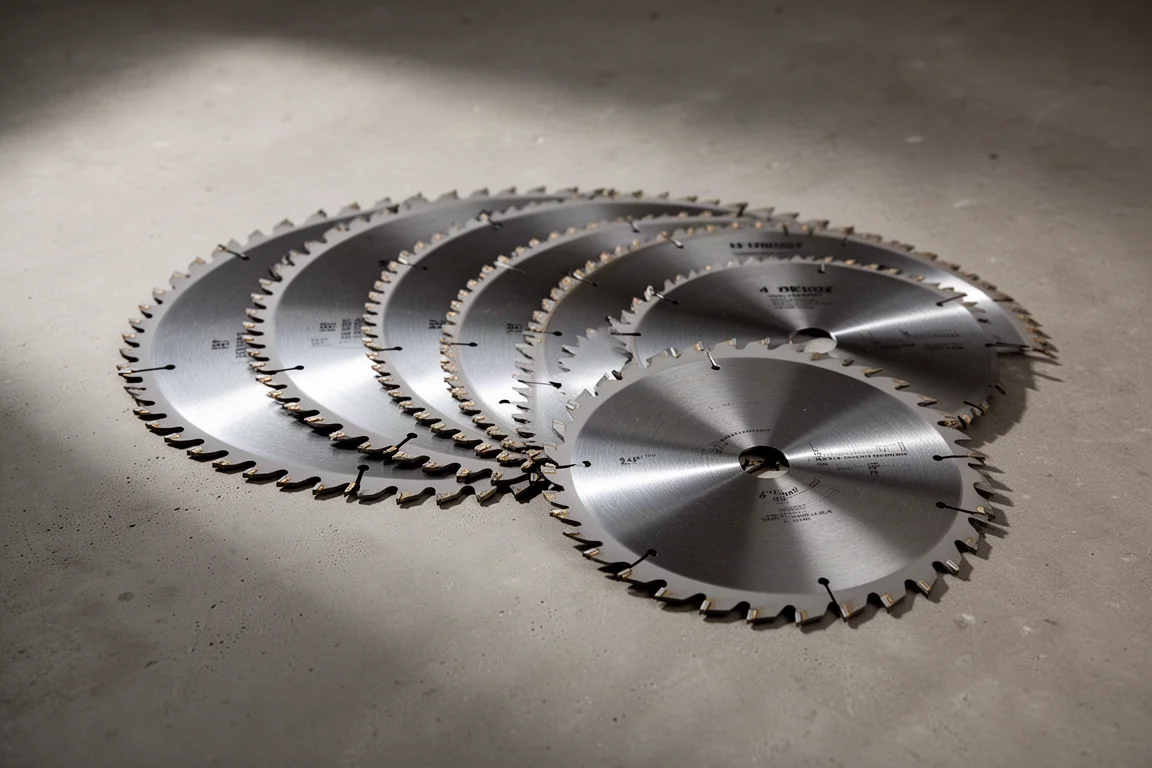
Metal cutting chop saw blades cost anywhere from $40 to $140, so it is fair to ask whether the cheapest blade is really much worse than the most expensive. To find out, ten 14-inch blades went head to head on speed, cut quality, heat build-up, noise, dust, and durability, including a brutal pass through hardened 4140 and AR400 steel.
How the Blades Were Tested
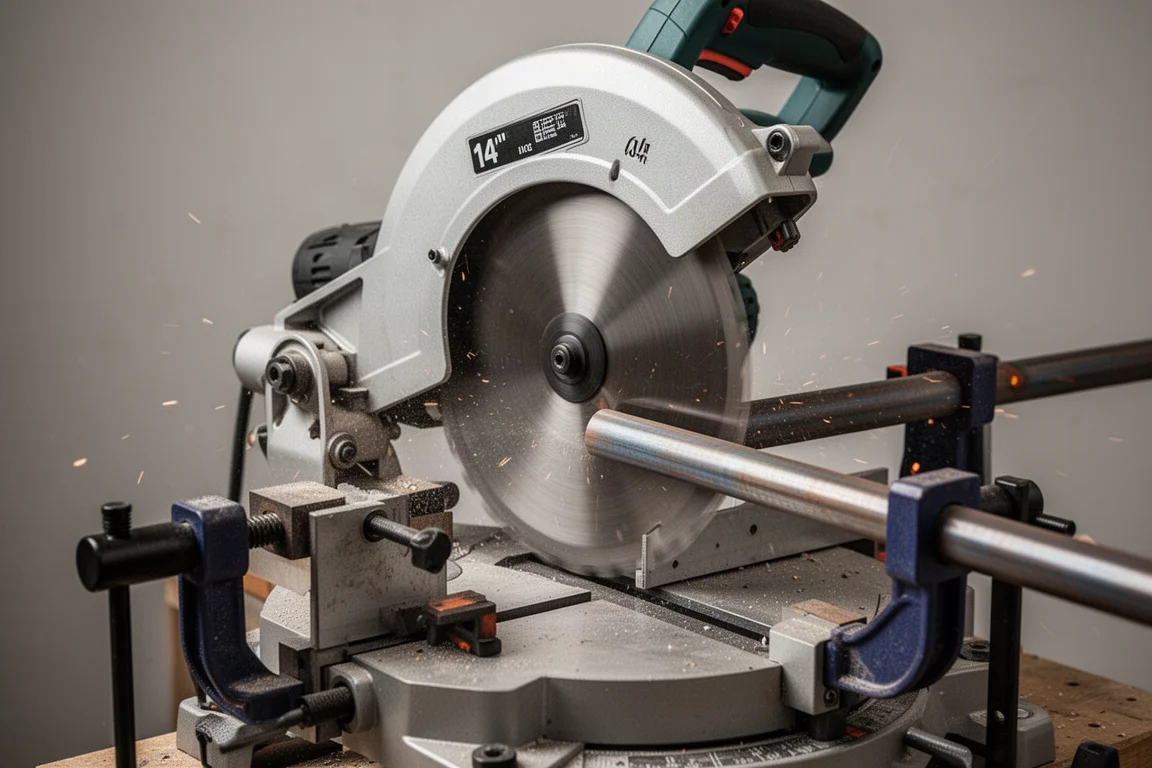
All blades ran on a new Evolution S380 chop saw with a maximum RPM of 1,450, so every blade operated within its limits. A lever arm was added to the saw to control downward pressure, where 2.5 lb on the lever arm corresponds to roughly 5 lb of pressure on the blade. Tests included mild steel tubing, 3/16 by 1.5-inch angle iron, a single pass through 1/4 by 2-inch 4140 steel, and finally AR400 armor plate. A sound meter and particle counter sat four feet from the saw to track noise and airborne dust.
Meet the Contenders
SATC 14-Inch Metal Cutting Blade
At $43, the SATC is the least expensive blade tested. It has 72 high-density carbide teeth, laser-cut vents to reduce noise and vibration, and is rated for wood, plastic, steel, ferrous metals, and composites. It weighs 3.58 lb and is made in China.
Wen 14-Inch Metal Cutting Blade
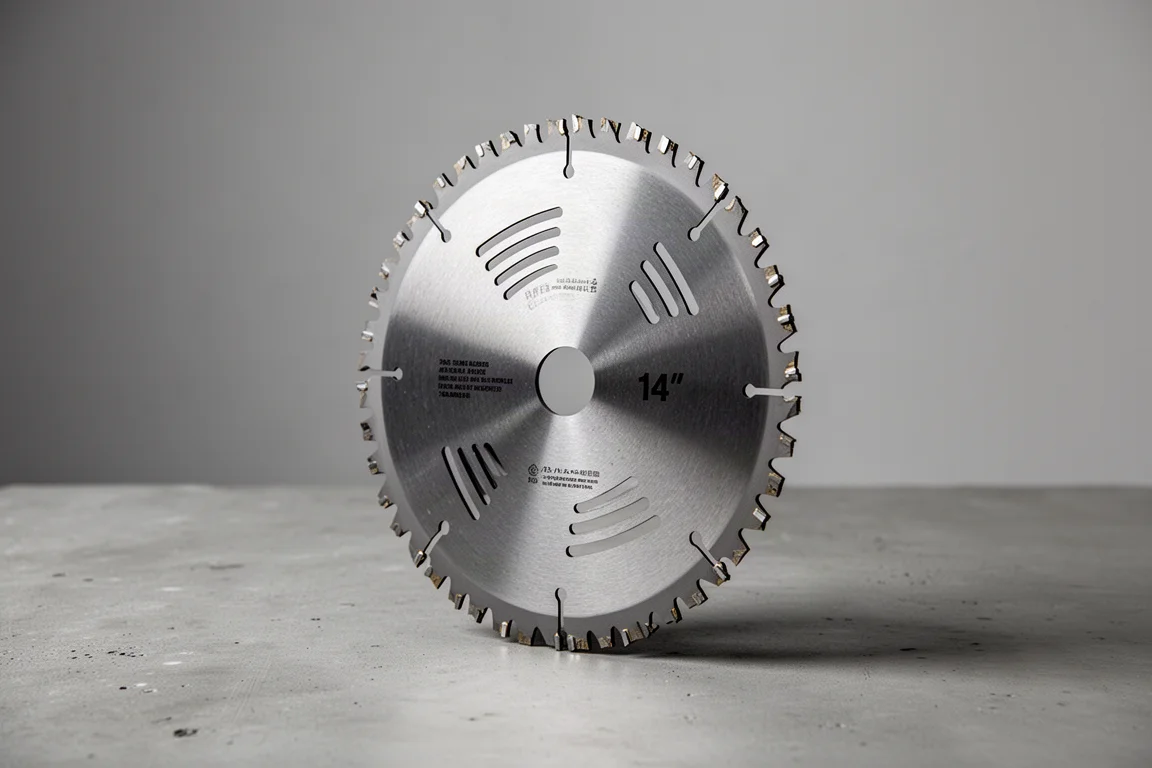
The Wen costs $48, just $5 more than the SATC, and immediately proved far more capable. It has 66 teeth on an ultra-thin 2.4 mm plate for clean, efficient cuts in dry steel, weighs 3.27 lb, and is made in Thailand.
Irwin 14-Inch Metal Cutting Blade
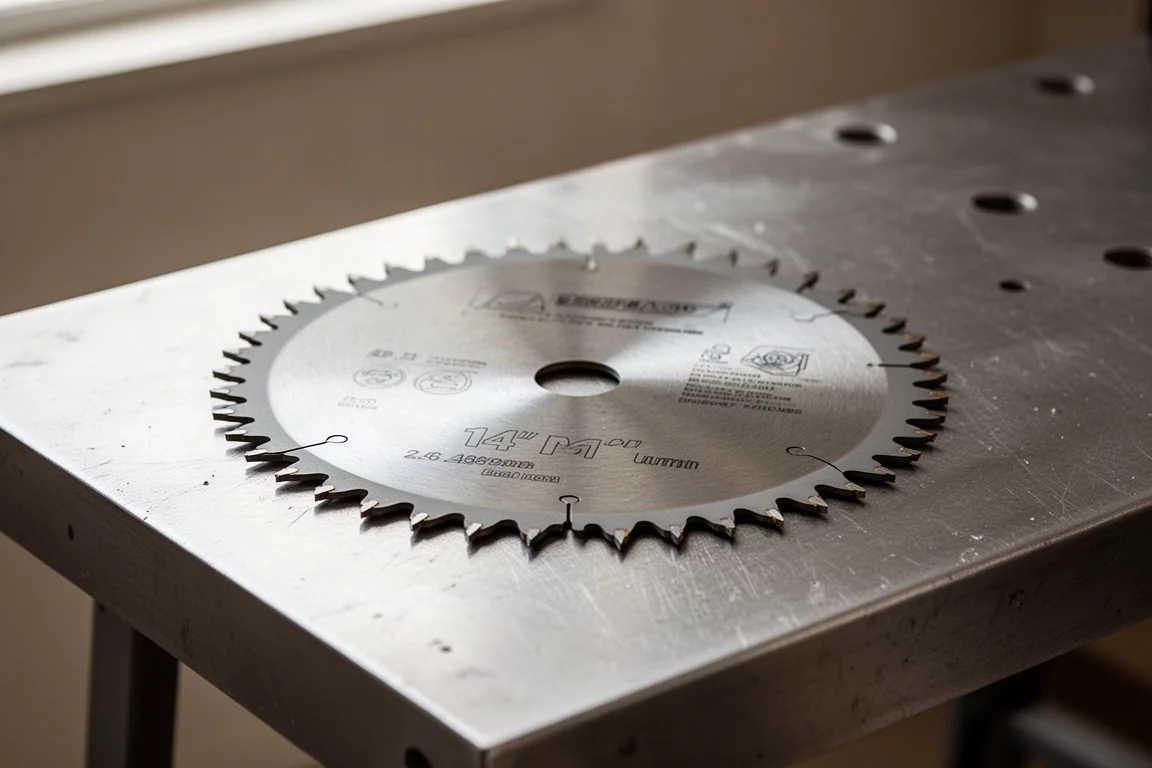
At $68, the Irwin steps up to 80 teeth with metal-cutting-grade carbide, anti-vibration vents, and an anti-kickback tooth shoulder that reduces dust and sparks. It is designed for steel pipe, threaded rod, angle iron, and metal studs, weighs 4.03 lb, and is made in China.
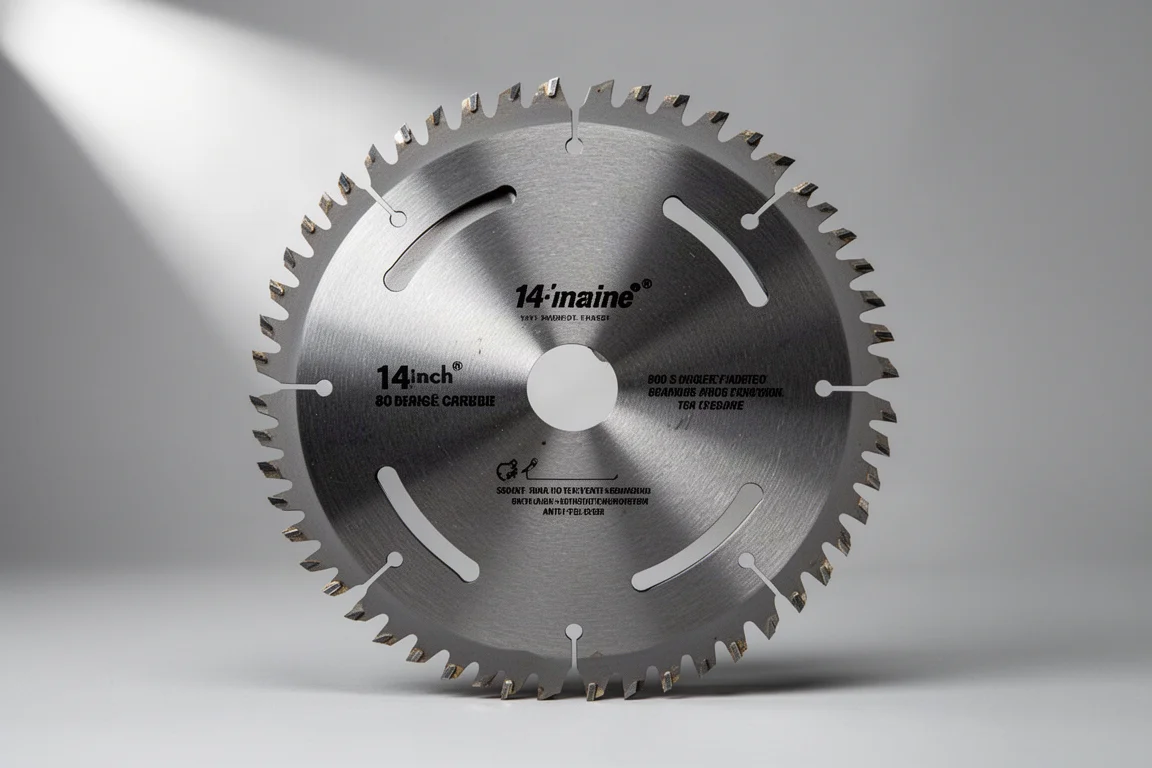
Diablo 14-Inch Metal Cutting Blade
The Diablo costs $82 and uses a cermet tooth blend instead of regular carbide, claimed to resist impact and last up to five times longer. It has 72 teeth, laser-cut stabilizer vents, weighs just 2.93 lb, and is made in Italy.
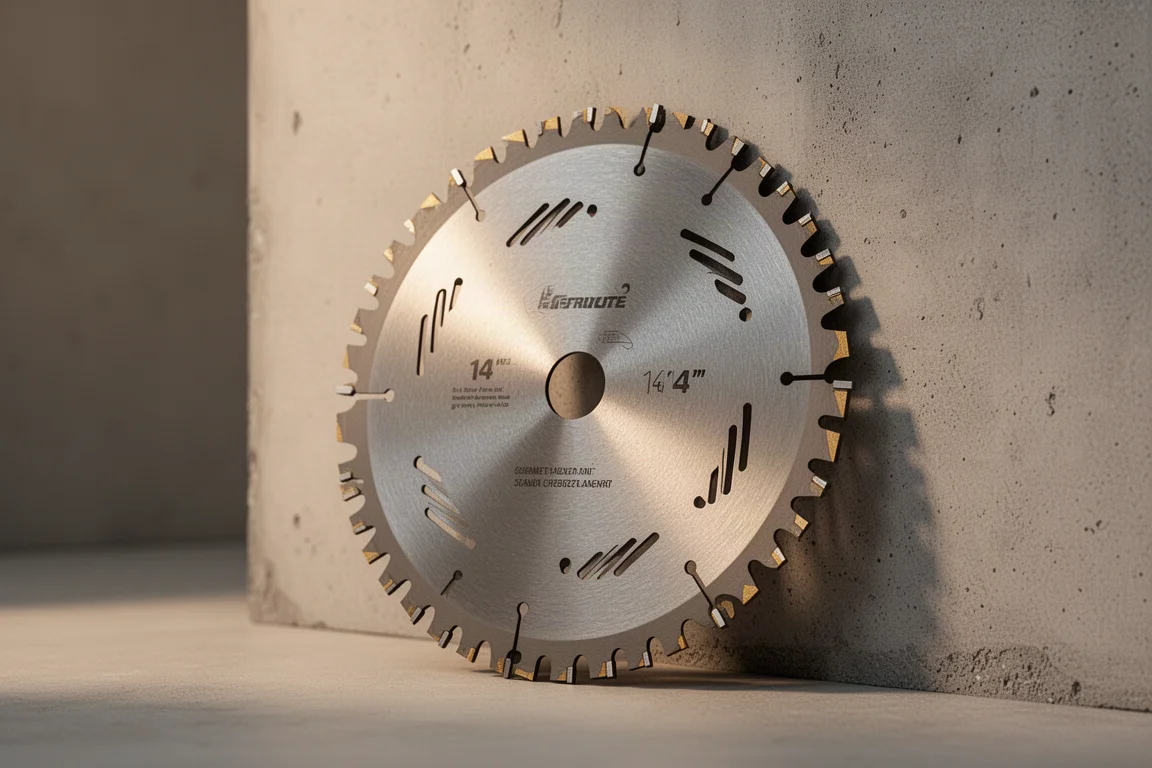
Lenox Diamond Metal Cutting Blade
At $85, the Lenox uses diamonds instead of carbide, claimed to deliver a thousand or more cuts and roughly 30 times longer life than bonded blades while keeping its original diameter. It cuts steel, stainless, rebar, cast iron, and aluminum, weighs about 3 lb, and is made in Vietnam.
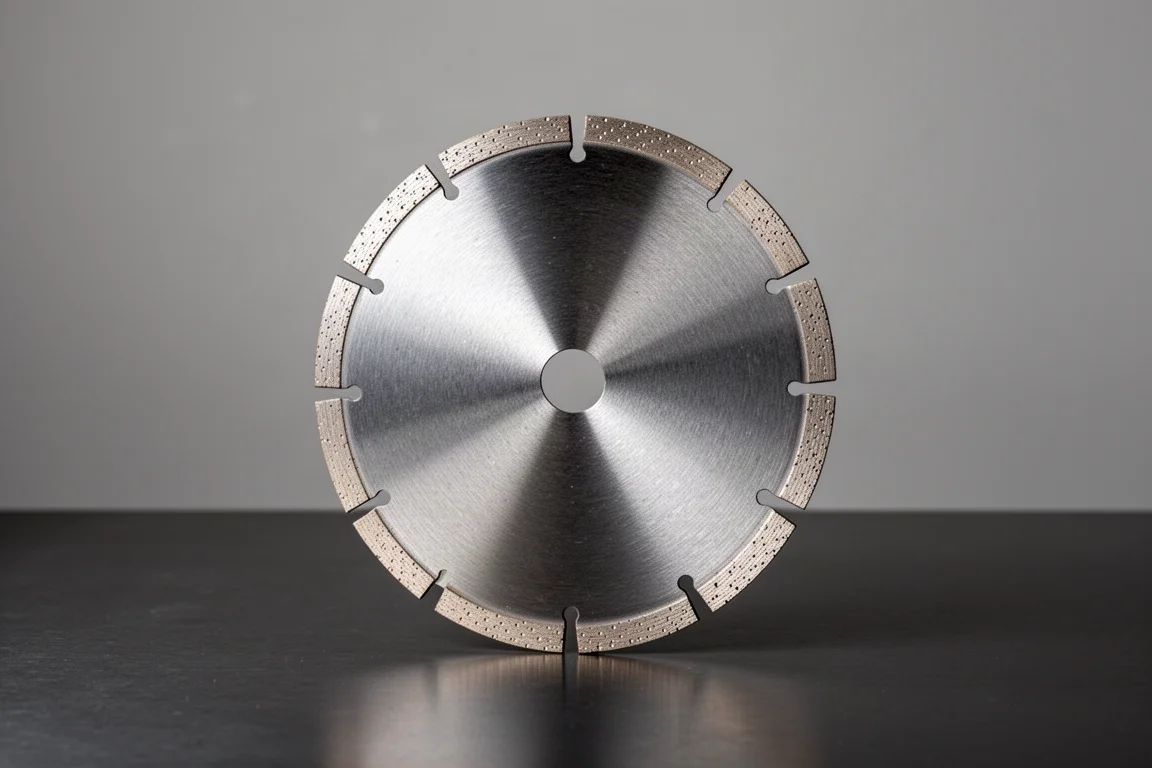
Evolution 14-Inch Metal Cutting Blade
The Evolution costs $87, has 66 high-grade carbide teeth on a hardened steel body, and is designed specifically for steel. It weighs 3.25 lb and is made in Japan.
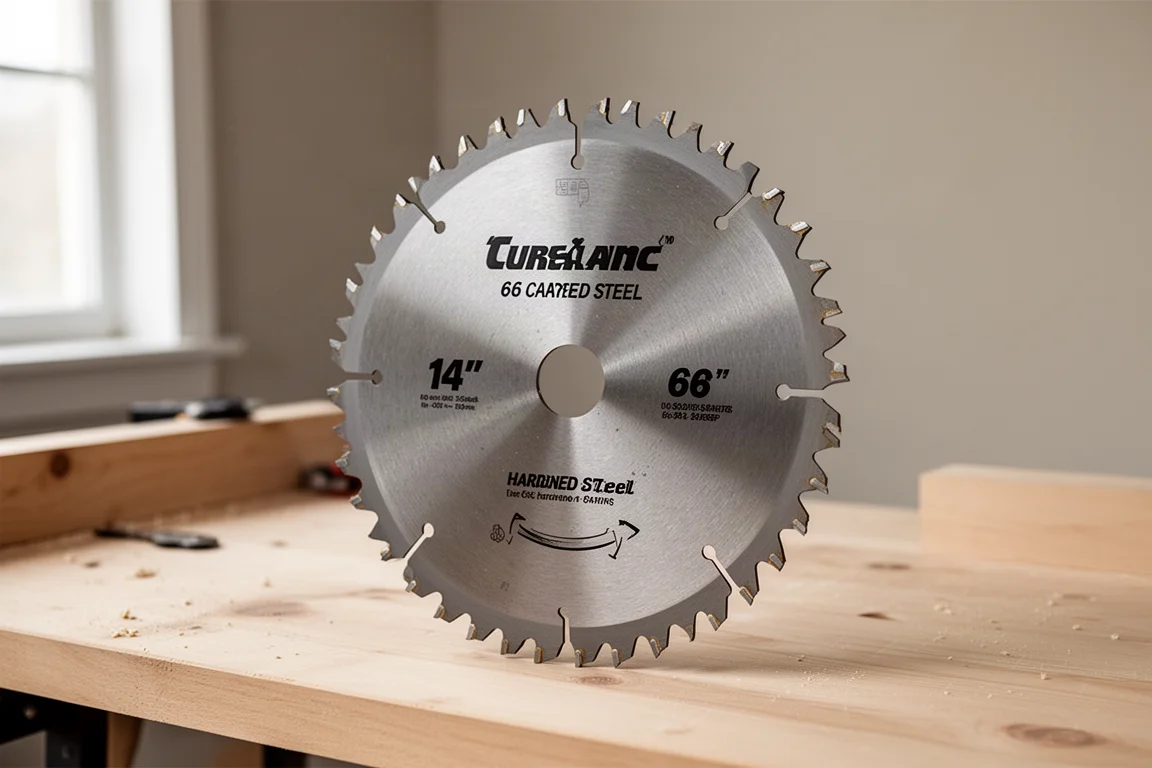
Oshlun 14-Inch Metal Cutting Blade
At $92, the Oshlun carries 80 teeth made from C6 micrograin carbide with titanium for long life and burr-free cuts, plus laser-cut expansion slots. It weighs 4.02 lb and is made in China.
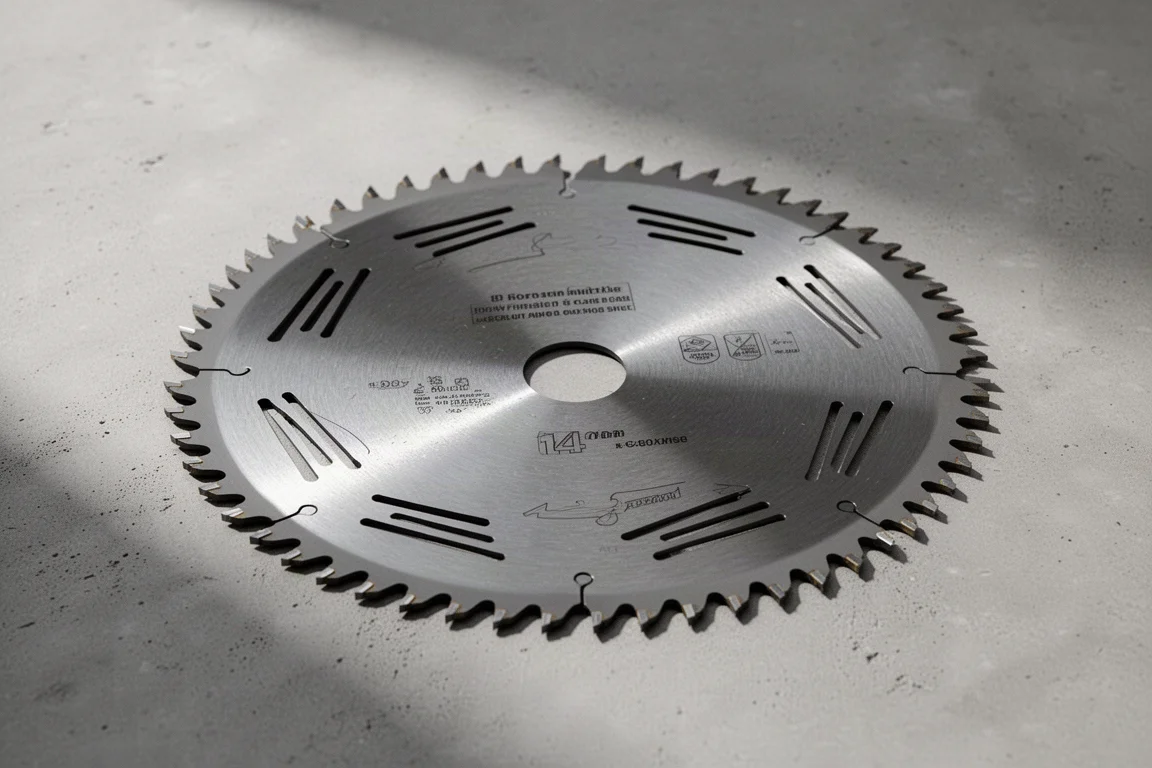
Makita 14-Inch Metal Cutting Blade
The Makita costs $127 and uses a 72 carbide-tip tooth design for cleaner cuts and longer life in tubing, angle iron, channel, and non-copper pipe. It weighs 3.05 lb and is made in China.
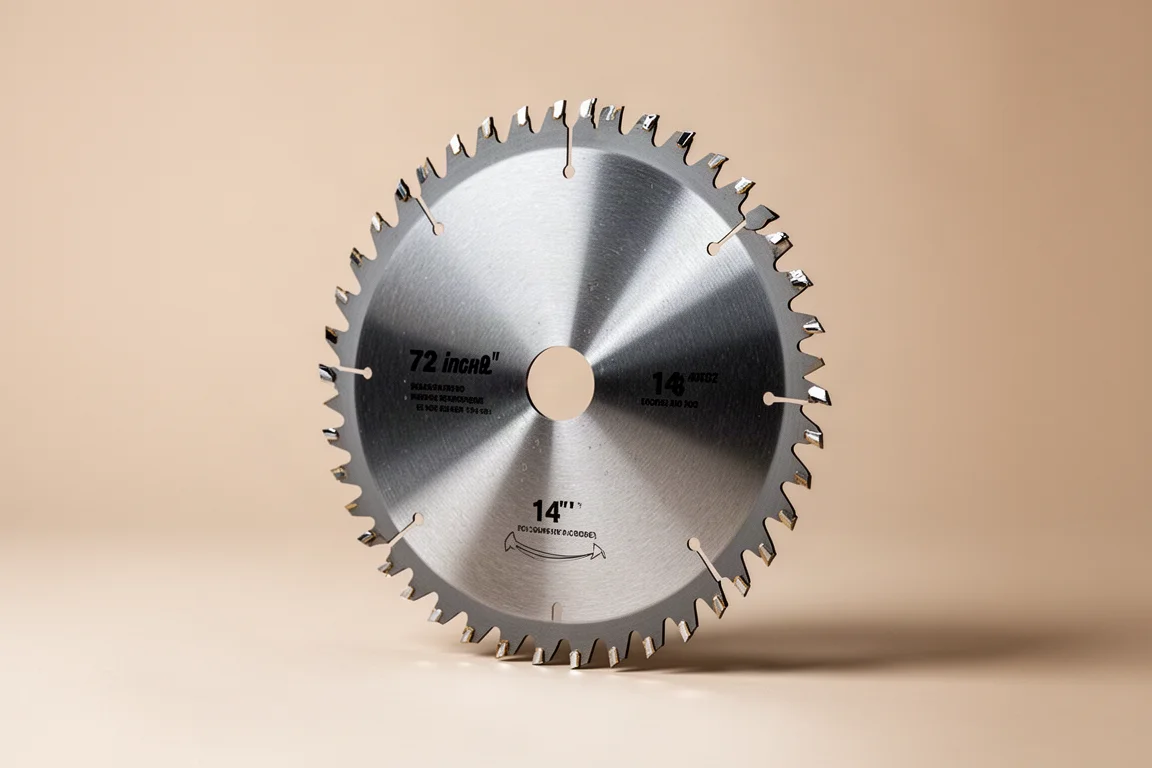
DeWalt 14-Inch Metal Cutting Blade
At $135, the DeWalt is the most expensive blade tested. It has 66 teeth crafted with 12% titanium carbide, precise tip placement for longer life, a stiff plate design that minimizes runout, and a claimed 50% longer life. It weighs 3.22 lb and is made in China.
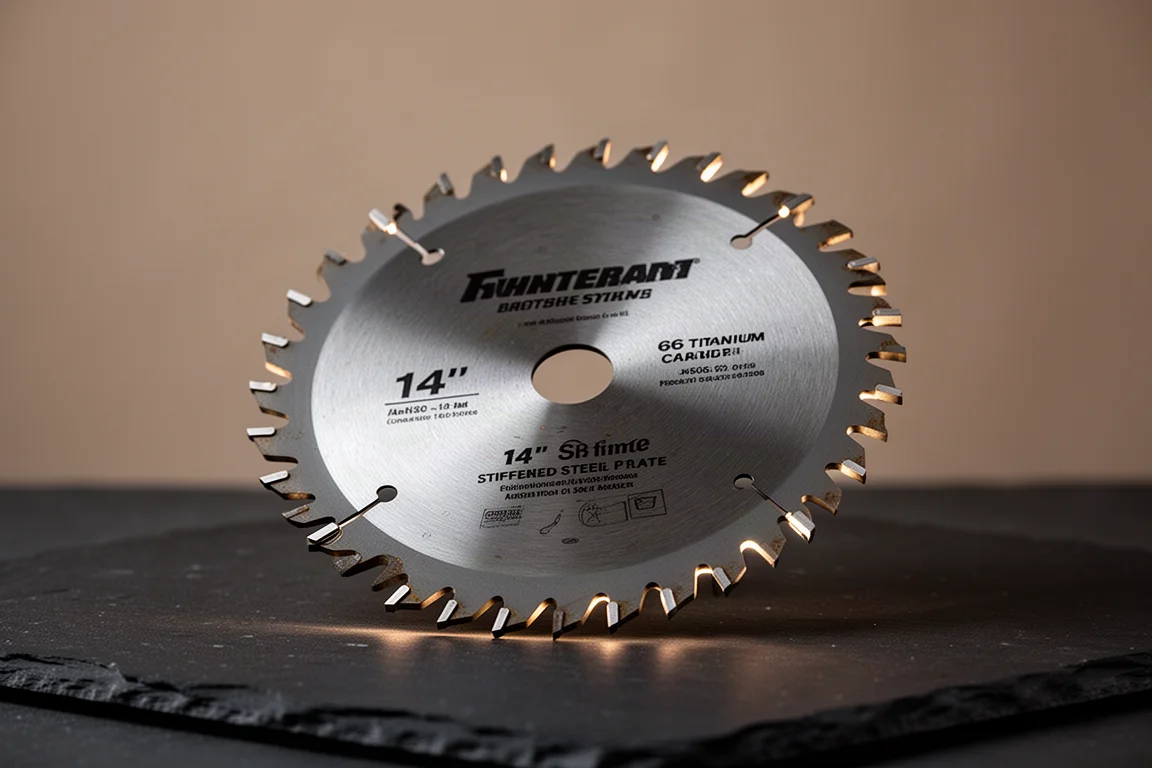
DeWalt Abrasive Cut-Off Wheel
Why not just buy an abrasive wheel? At $32 for a four-pack, or $8 each, the DeWalt cut-off wheel uses high-performance aluminum oxide grain with two sheets of fiberglass for durability and safety. It weighs only 1.32 lb and is made in Canada.
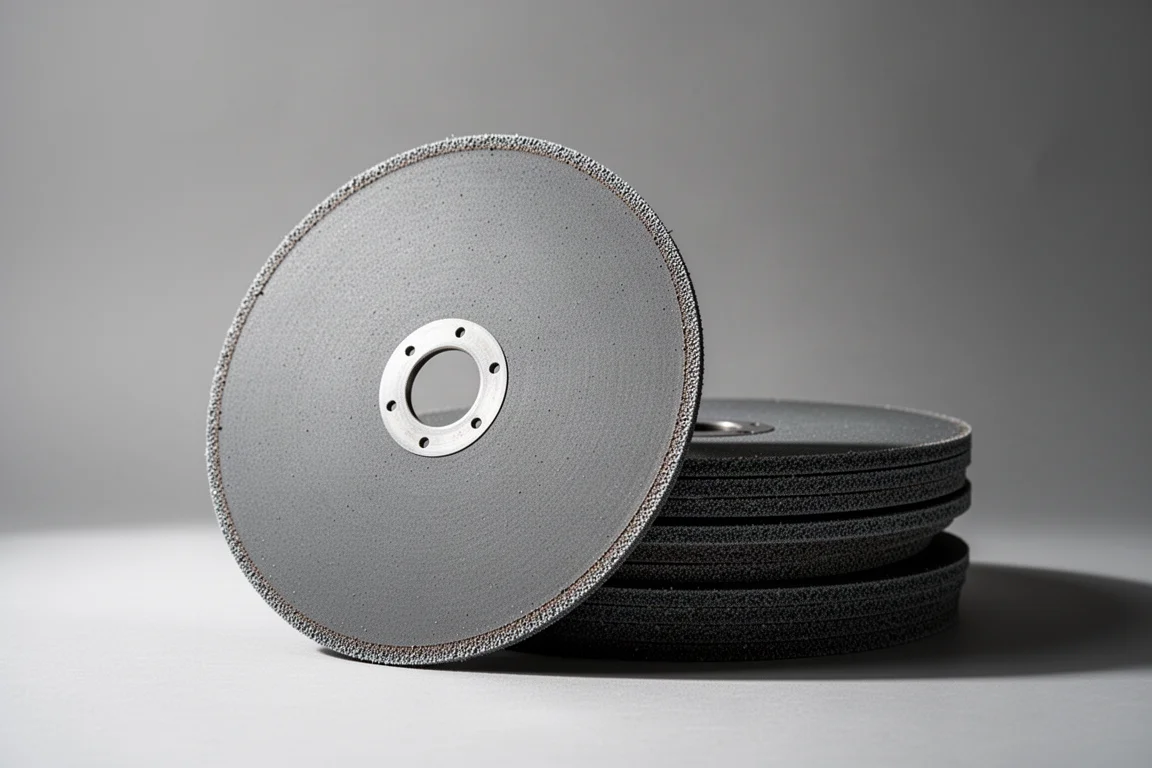
Speed and Cut Quality
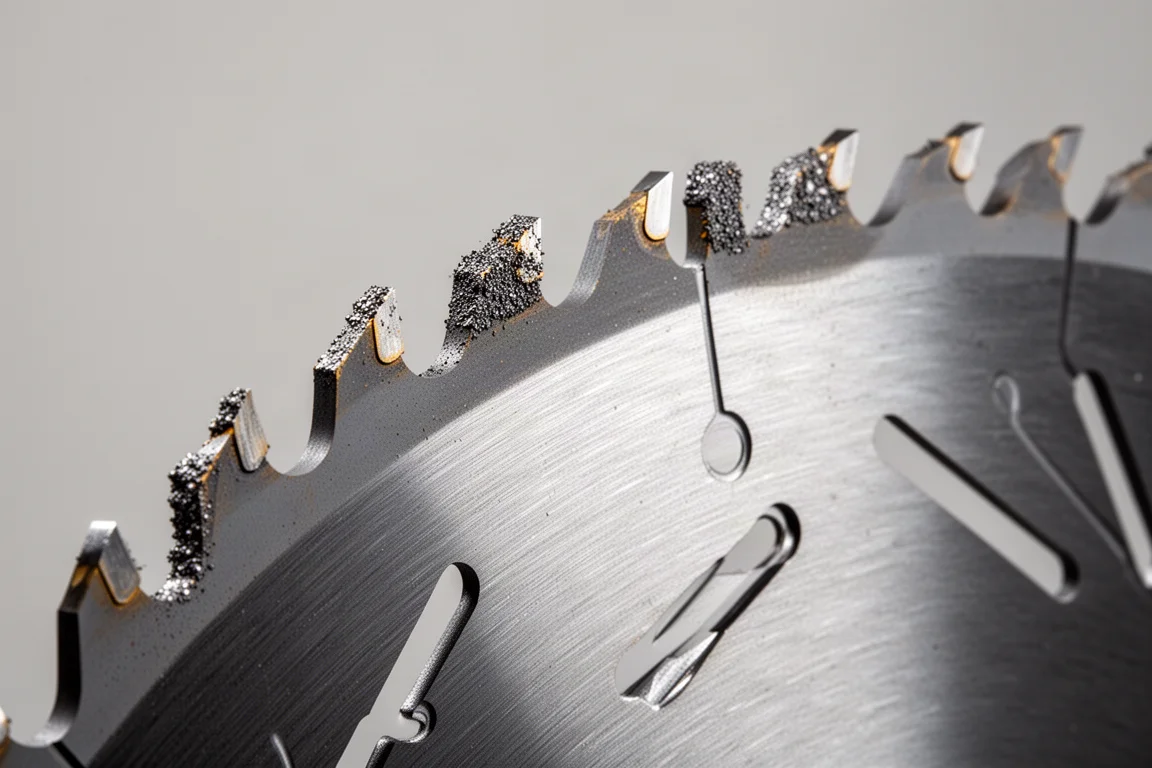
On the opening mild steel tubing test, the Makita was fastest at 0.6 seconds, followed by the Evolution at 0.75, the Wen at 0.85, and the Oshlun and DeWalt tied at 0.95. The Diablo and Irwin followed at 1.36 and 2.02 seconds. The Lenox diamond blade needed 13 seconds, while the SATC struggled badly and required 16.5 seconds even with extra pressure. The DeWalt abrasive wheel needed 52 seconds with light pressure and left a rough, burr-heavy cut.
On angle iron, the Oshlun averaged 2.9 seconds over three cuts, the best of the round. DeWalt averaged 3.3 seconds, Makita 3.4, and Wen and Evolution tied at 3.8. The Diablo averaged 5.8 seconds, the Irwin 5.5. The SATC needed 89 seconds, and the Lenox needed 11 seconds even with 7.5 lb of pressure. The abrasive wheel cut in 8 seconds with 7.5 lb.
Cut Quality, Noise, and Dust
The Irwin produced the least dust of any blade at 366 small particles, with the Makita at 414, DeWalt at 444, Evolution at 497, and Wen at 521 close behind. The abrasive wheel was by far the dustiest at 2,857 small particles and over 500 large ones.
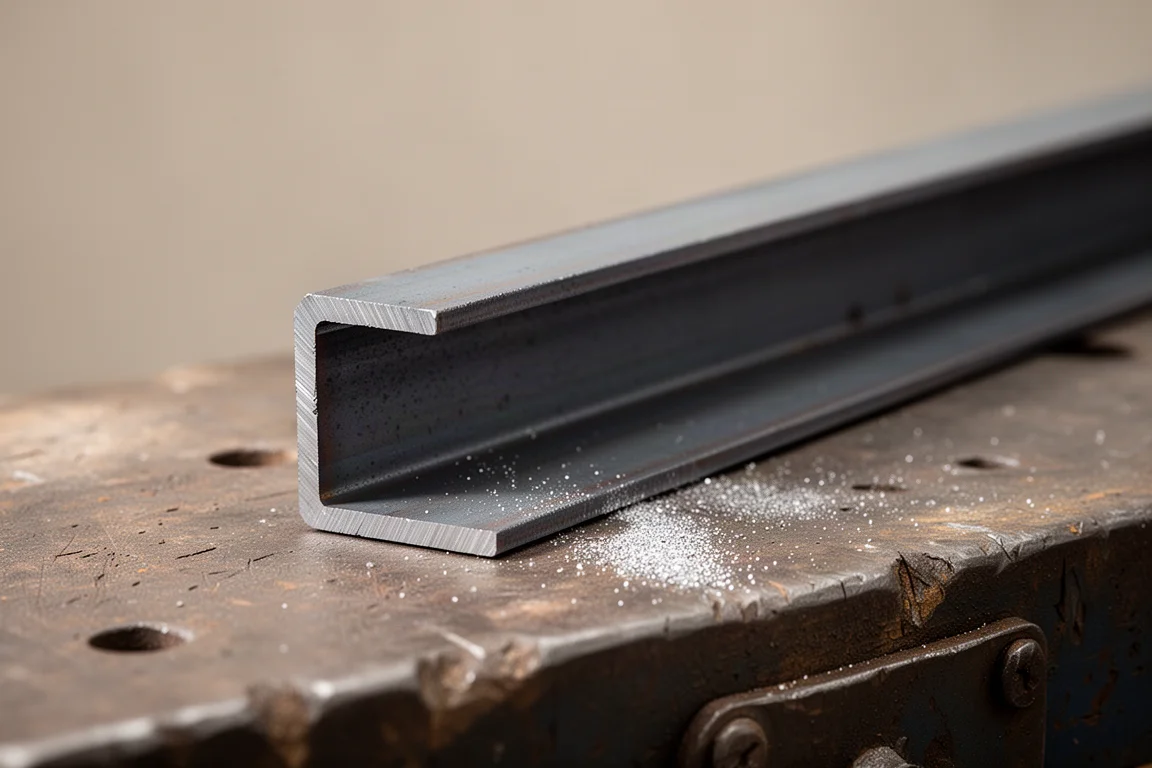
On noise, the Diablo was quietest at 103.4 decibels, with the Oshlun at 105.4 and the abrasive wheel at 103.7 also strong. The SATC was the loudest at 118.6 decibels, with the Lenox at 115.7 and DeWalt at 115.3. Cut quality told a similar story: the carbide blades generally left smooth, clean edges, while the SATC, Lenox, and abrasive wheel left messy cuts needing deburring.
Heat and Hardened Steel
In a single pass through 4140 steel, the Oshlun was fastest at 4.76 seconds, followed by the Makita at 5.26 and Evolution at 5.77. The Evolution and Makita ran coolest at 97.5°F, with the Oshlun at 102°F. The Diablo held 109.9°F and its teeth looked nearly new. The Lenox diamond pushed the metal to about 214°F, and the abrasive wheel went past 200°F, both melting the thermometer tape. Every carbide-toothed blade kept the metal relatively cool.
Durability After Hardened Steel
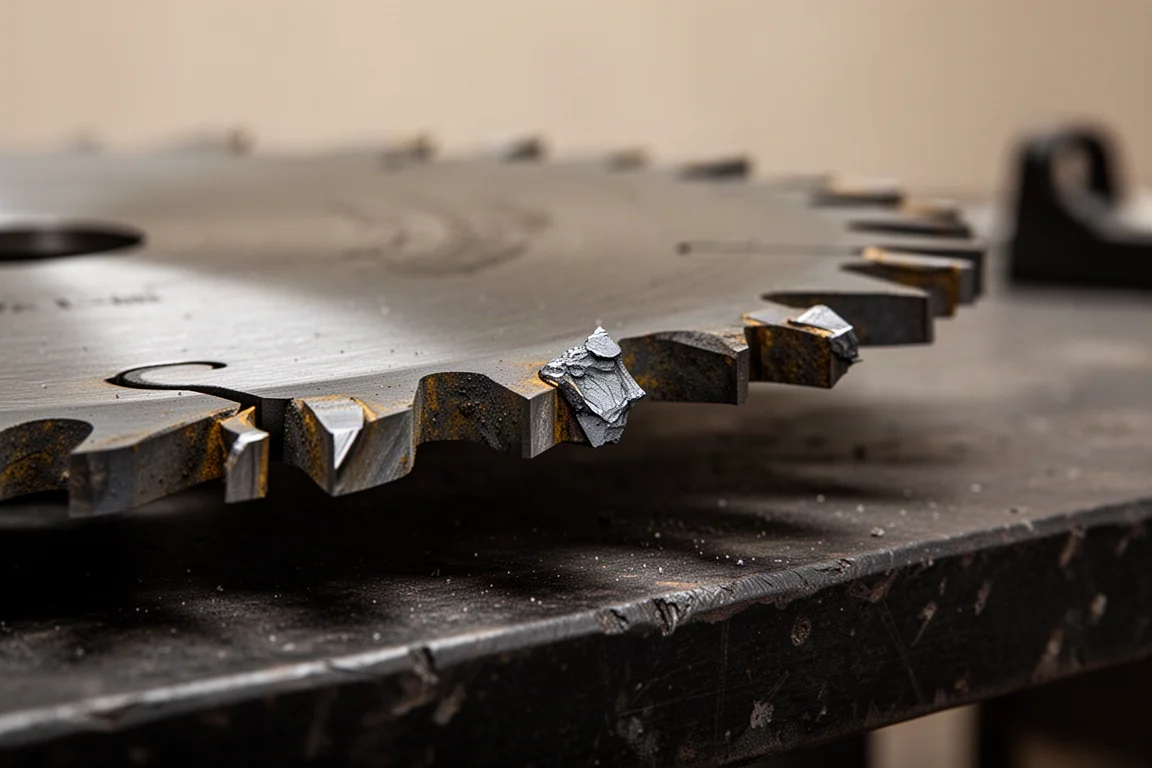
Re-testing on angle iron after the 4140 pass showed clear differences. The Diablo needed only 3.1% longer, the Irwin 9.6%, and the Makita 10%, showing minimal damage. The Wen took twice as long and later gave up entirely, its blade ruined. The Oshlun and DeWalt each needed 51% more time, and the Evolution 30%.
On AR400 armor plate, the Oshlun was fastest at 13.89 seconds, with the Irwin at 17.18 and Diablo at 17.39 close behind. A final angle-iron re-test crowned the Oshlun again at 11.35 seconds, with the Irwin at 12.57, Lenox at 13.79, and Diablo at 15.72. Notably, the Lenox diamond and the abrasive wheel showed no significant performance change after all the abuse, and the abrasive wheel consumed only about a quarter inch of wheel through every test.
Which Blade Should You Buy?
For mild steel and occasional medium-hardness steel, the Makita performed best overall, but at $127 it is expensive. The Irwin and Diablo, both under $100, delivered excellent all-around performance and held up to real abuse. The Lenox diamond is extremely durable, though its cuts are messier and it runs hot. If you regularly cut high carbon steel, none of these carbide blades are designed for it, and an abrasive wheel remains the sensible tool for that job.
Conclusion
The Makita is the strongest all-round pick if budget is not a constraint, while the Irwin and Diablo offer the best value for most metalworking shops. The Oshlun proved the fastest and toughest after heavy abuse, making it a great choice for demanding work, and the DeWalt abrasive wheel remains a cheap, useful fallback for the hardest steels.
Further reading
Related Reviews

Power Tool Accessories
Best Drill Attachments 2026: Three DeWalt Tools Worth Buying
A practical look at three DeWalt drill attachments that deliver real value, plus the sketchy options you should skip.

Power Tool Accessories
Best Drill Bits 2026: 14 Sets Tested on Mild Steel, Spring Steel, and AR500 Armor
We tested 14 drill bit sets across mild steel, spring steel, and AR500 armor plating to find the best value, speed, and durability.

Power Tool Accessories
Best Right Angle Impact Adapters 2026: Five Options Tested for Speed, Torque, and Durability
We tested five right angle impact adapters from DeWalt, Milwaukee, Warrior, Titan, and Milescraft to see which ones deliver real performance without failing early.