Power Tools
Best 12V Power Tool Platforms Ranked: 16 Brands From S Tier to D Tier
We rank 16 compact cordless tool platforms on selection, power, build quality, warranty, and price to help you pick the right 12V system to invest in.
Introduction
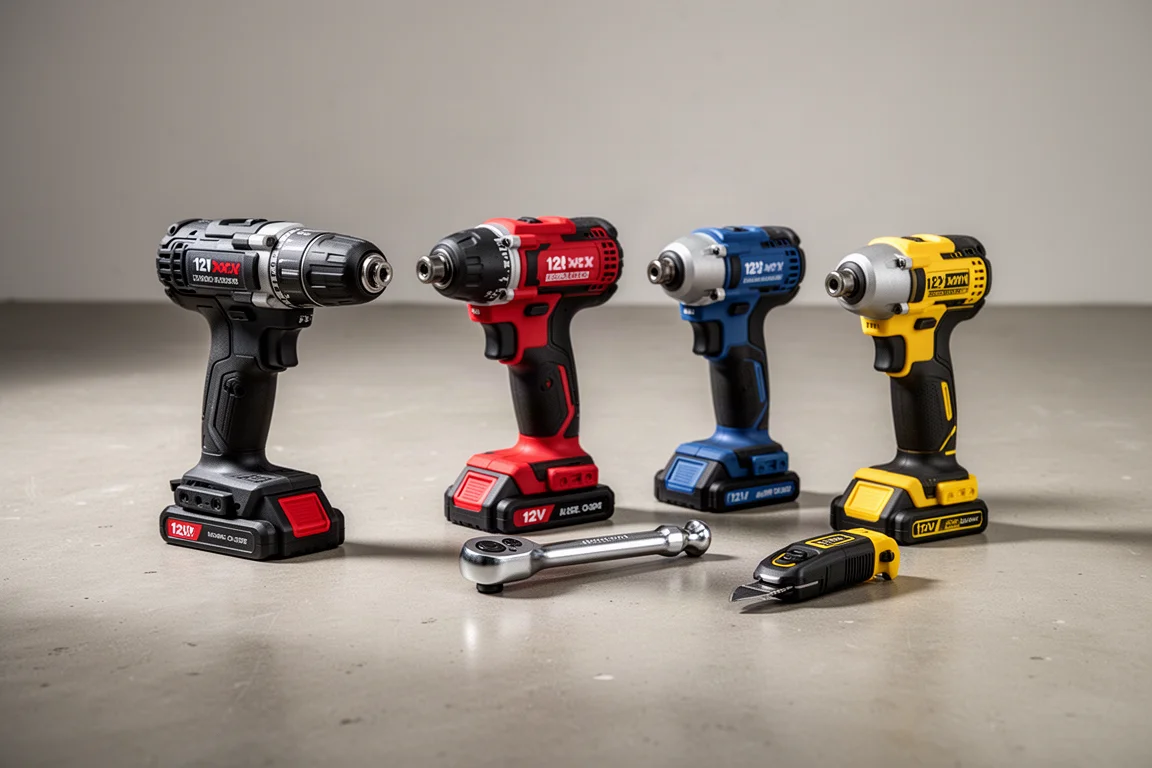
Compact 12V tool platforms have quietly become the sweet spot for a lot of buyers: light enough for overhead work, cheap enough to expand, and often powerful enough to replace bigger tools for everyday tasks. The catch is that a 12V purchase is really a platform purchase. You are buying into a battery system, and the value depends on how many tools the platform offers, how good they are, and how easy they are to find.
This ranking covers 16 brands and grades the platforms themselves rather than individual tools. Selection, power, build quality, warranty, and price all factor in, so a fantastic drill attached to a two-tool lineup cannot score the same as a deep, well-supported system.
S Tier: Milwaukee M12 Fuel
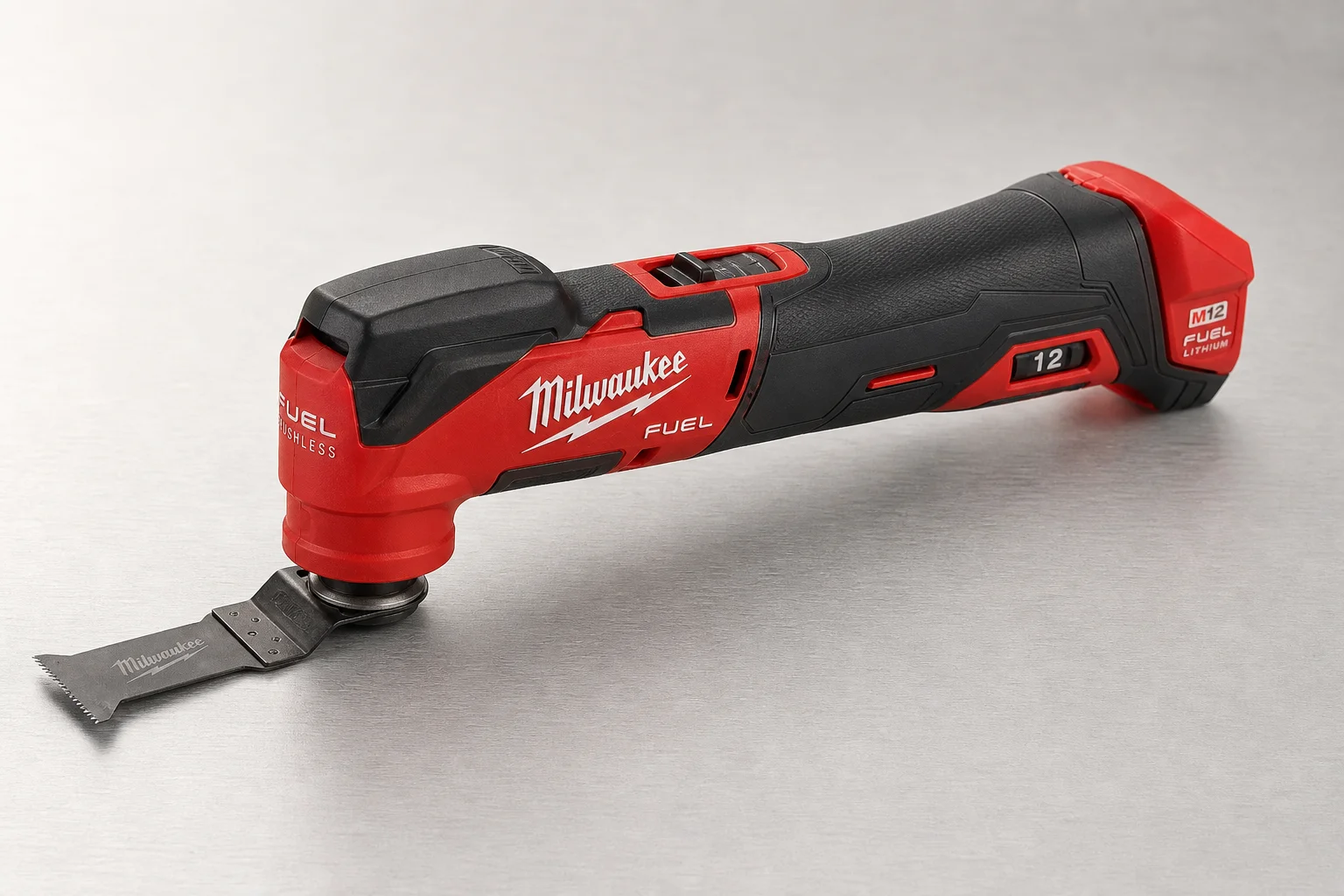
Milwaukee takes the top spot without much argument. The M12 lineup offers both brushed and brushless Fuel options, a five-year warranty, and a huge selection of tools. Most importantly for pros, Milwaukee keeps releasing specialty tools for niche trades like HVAC and electrical work, which no other 12V platform really matches.
If you are investing in a compact system for professional or semi-professional use, this is the platform with the most momentum and the fewest compromises.
A Tier: Bosch 12V
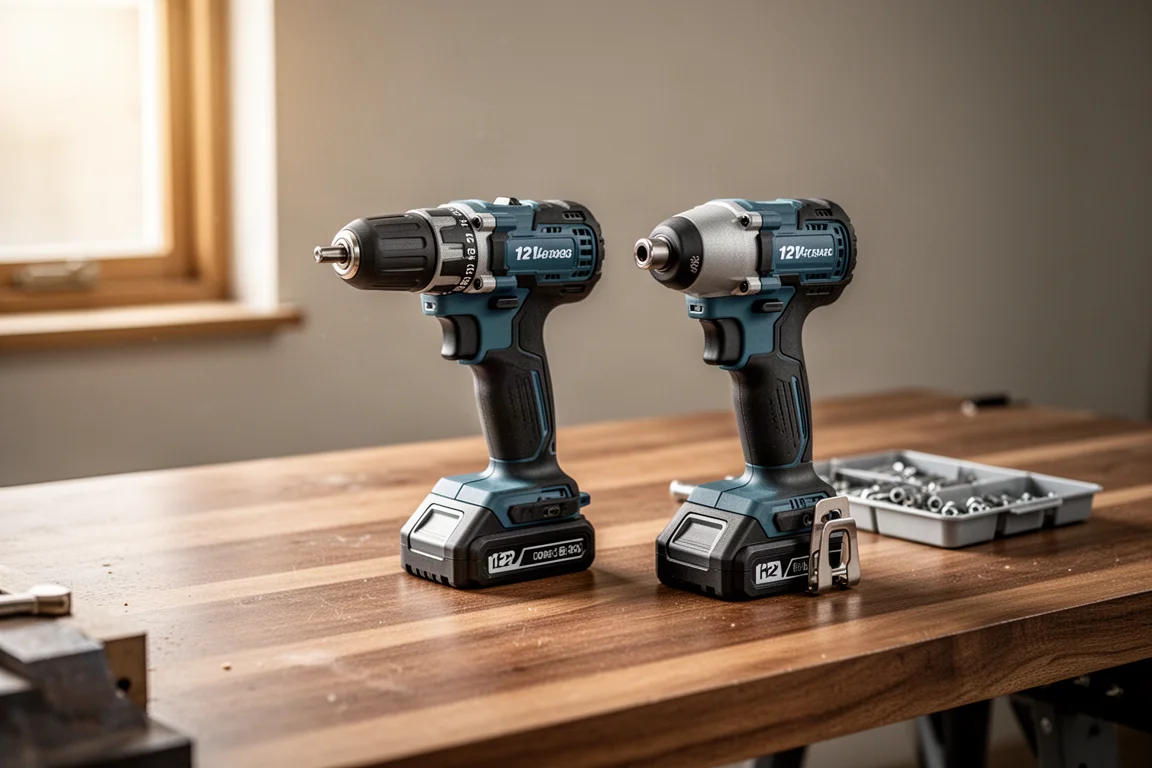
Bosch is one of the most underrated 12V platforms. The lineup is bigger than most people realize, quality is consistently good, and sales are frequent. What holds it back from S tier is power that falls short of Milwaukee even in brushless form, no five-year warranty, and the fact that the more specialized tools can be hard to find beyond the basics.
A Tier: Makita CXT
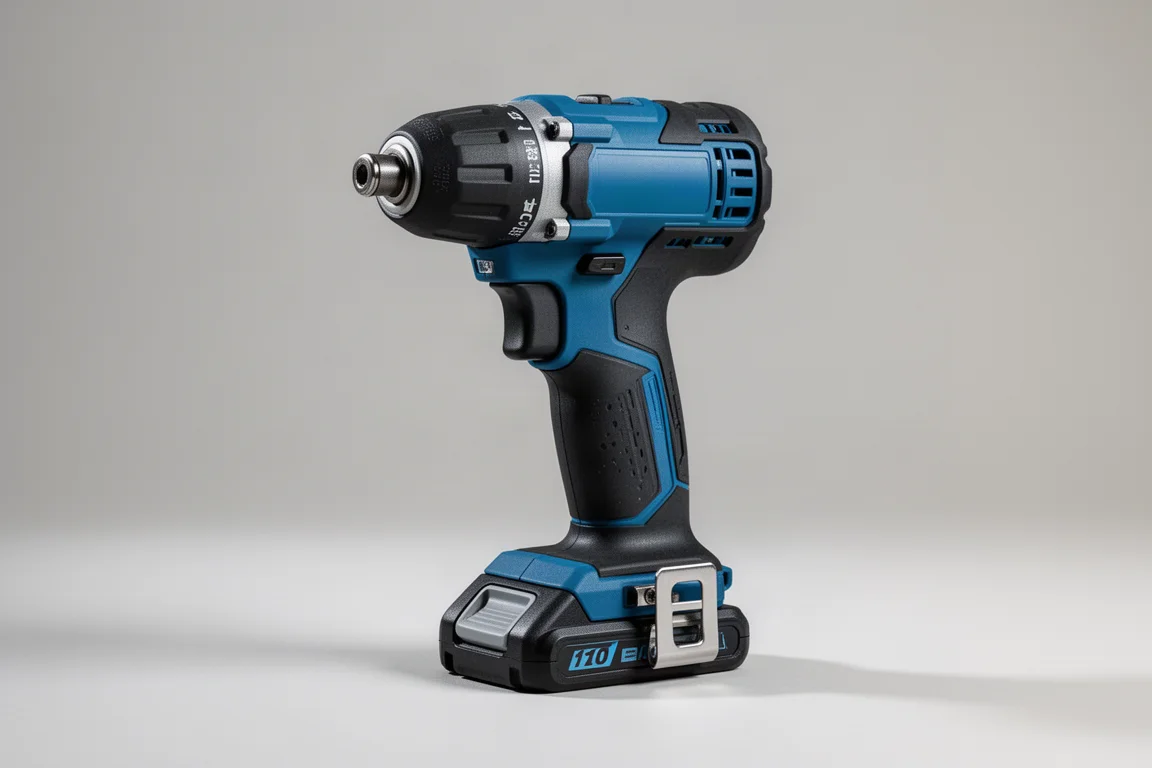
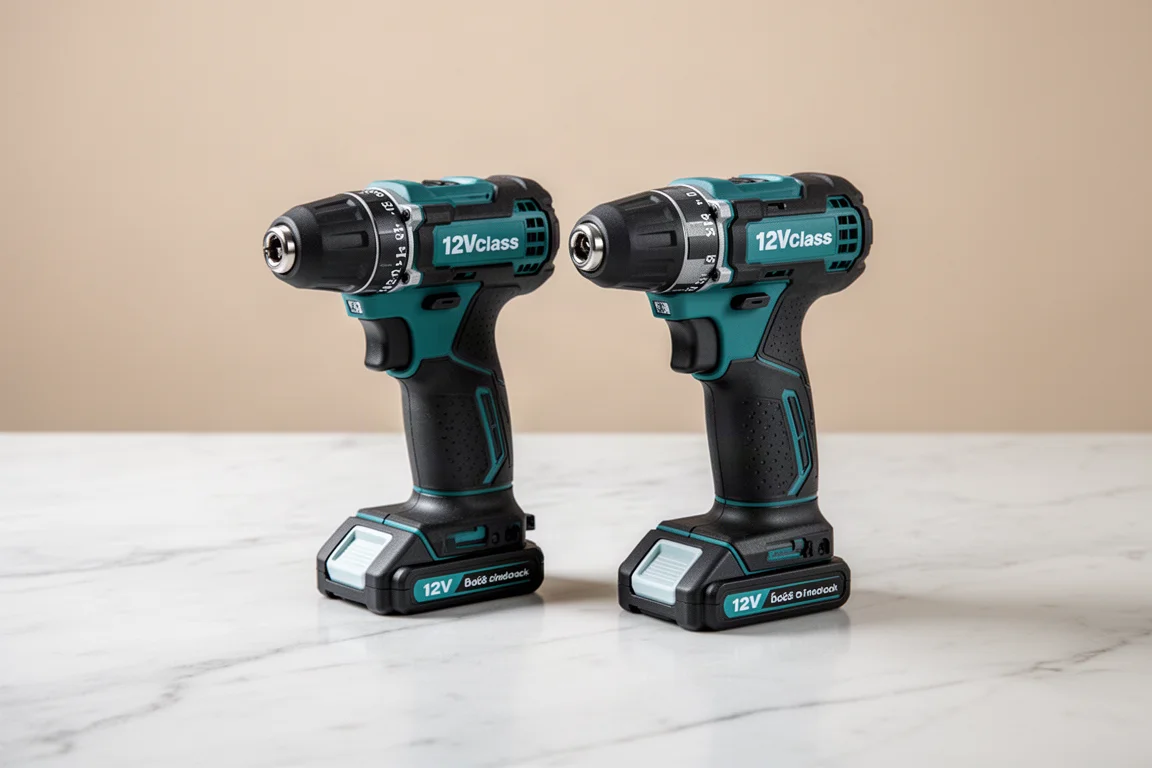
Makita’s CXT line is a close companion to Bosch in the rankings. It offers one of the largest 12V selections available, and the flat slide-in battery format lets tools sit upright on a bench instead of standing on an in-handle pack. The tools are genuinely great, but availability is a recurring complaint, and the platform lacks both the power of Milwaukee and the longer warranty. Still, if you value selection above all, CXT is an easy recommendation.
A Tier: Skil 12V Brushless
Skil, made by Chervon, is the value standout of the entire ranking. Every 12V tool in the line is brushless, backed by a five-year warranty, and paired with well-made batteries and chargers. Many of the batteries even include a USB port so they double as a power bank.
The real argument for Skil is the sale pricing. A nine-tool set has been seen for around $150, which is remarkable for an all-brushless lineup. For DIYers and prosumers, this is close to a must-buy when the discounts hit.
B Tier: DeWalt Xtreme 12V
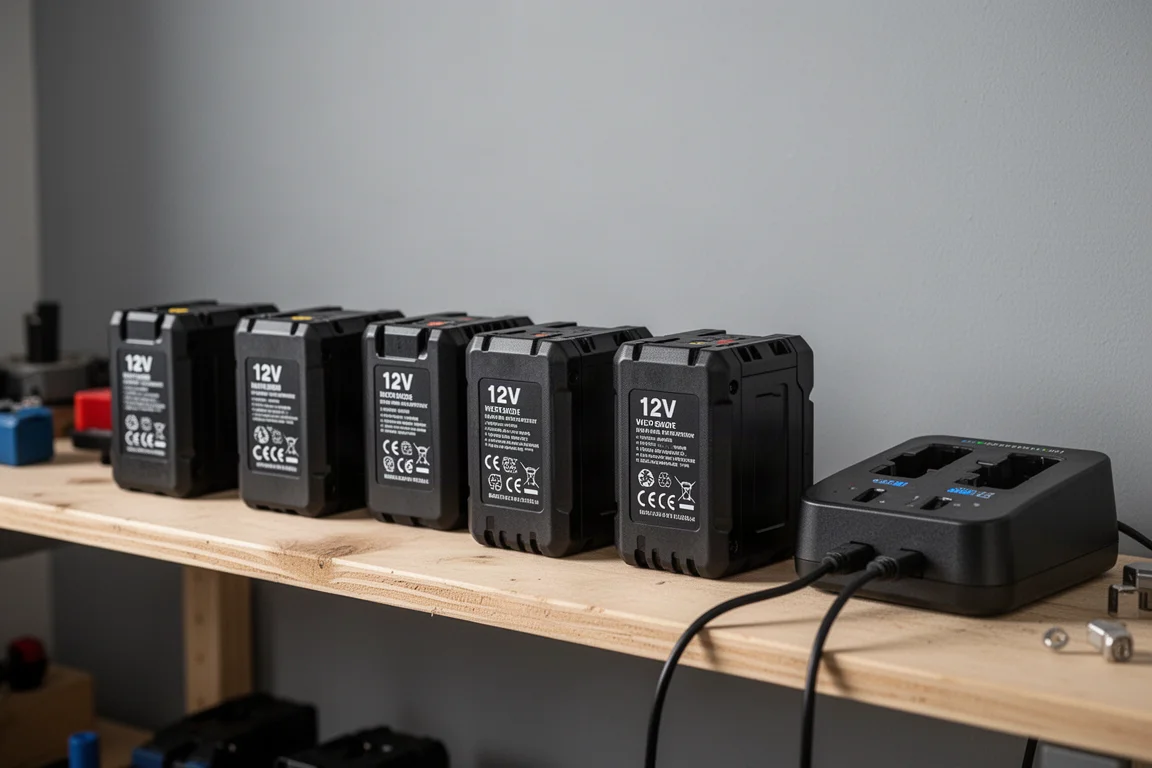
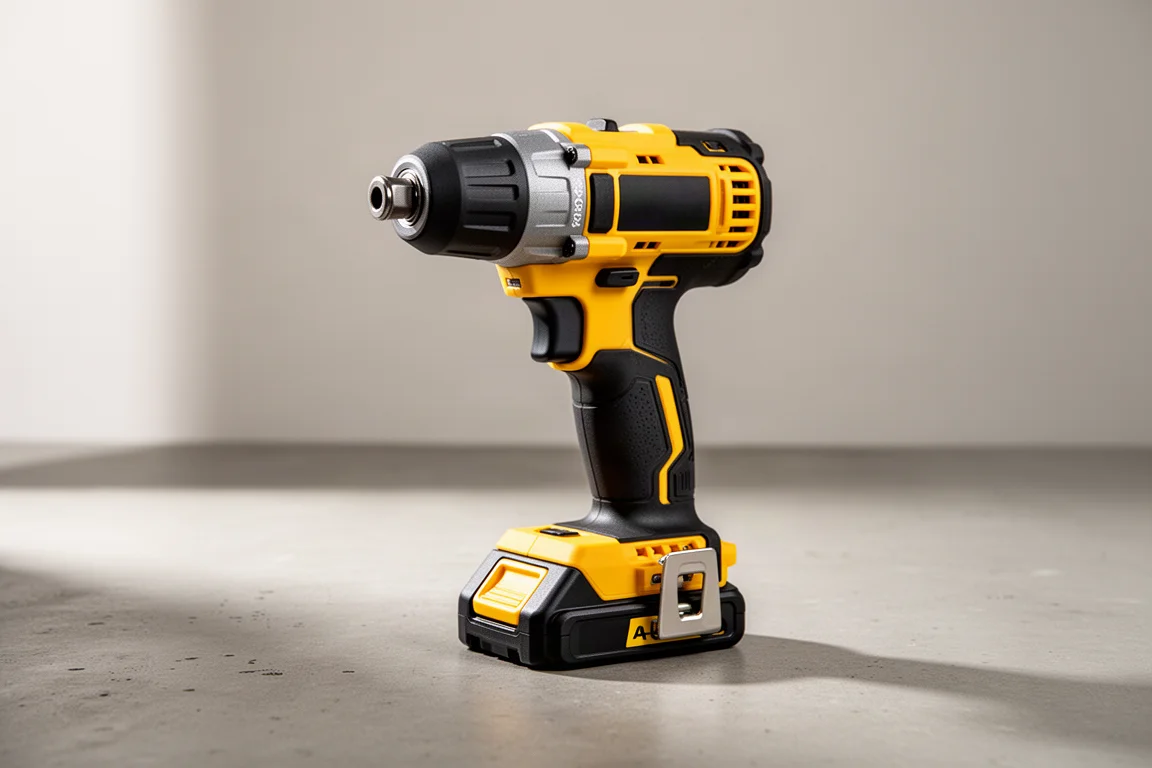
DeWalt’s older 12V system was forgettable, but the Xtreme line is a genuine step up: all brushless, punchy for their size, and pleasant to use. The problem is simple. There are not enough tools. The lineup is thin, and DeWalt still sells the old brushed versions alongside it. Great tools on a small platform land it in B tier, though it could climb with a deeper catalog.
B Tier: Snap-on 14.4V Compact
A technicality to start: this is a 14.4V platform, not 12V, but it fills the same compact role so it belongs in the conversation. The tools are good, but the price is hard to defend, with kits running $300 or more. Despite the brand’s image, these tools are made in China, not the USA, which undercuts part of the usual pitch. Combined with a modest selection, that puts the compact line in B tier rather than the top spot many expect.
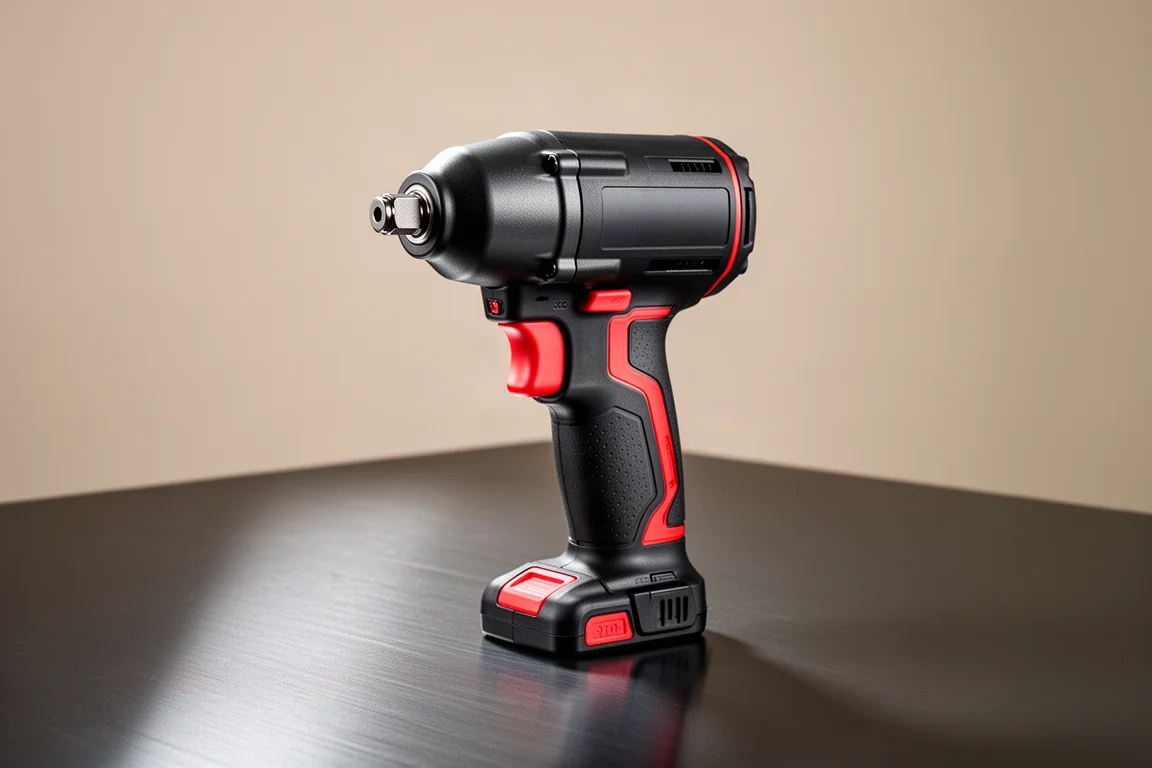
B Tier: Mac Tools 12V
Mac Tools has a solid 12V line that looks strikingly familiar, which makes sense because both Mac and DeWalt fall under Stanley Black & Decker. The selection is okay, the tools are competent, but nothing here pushes it higher. B tier is a fair landing spot.
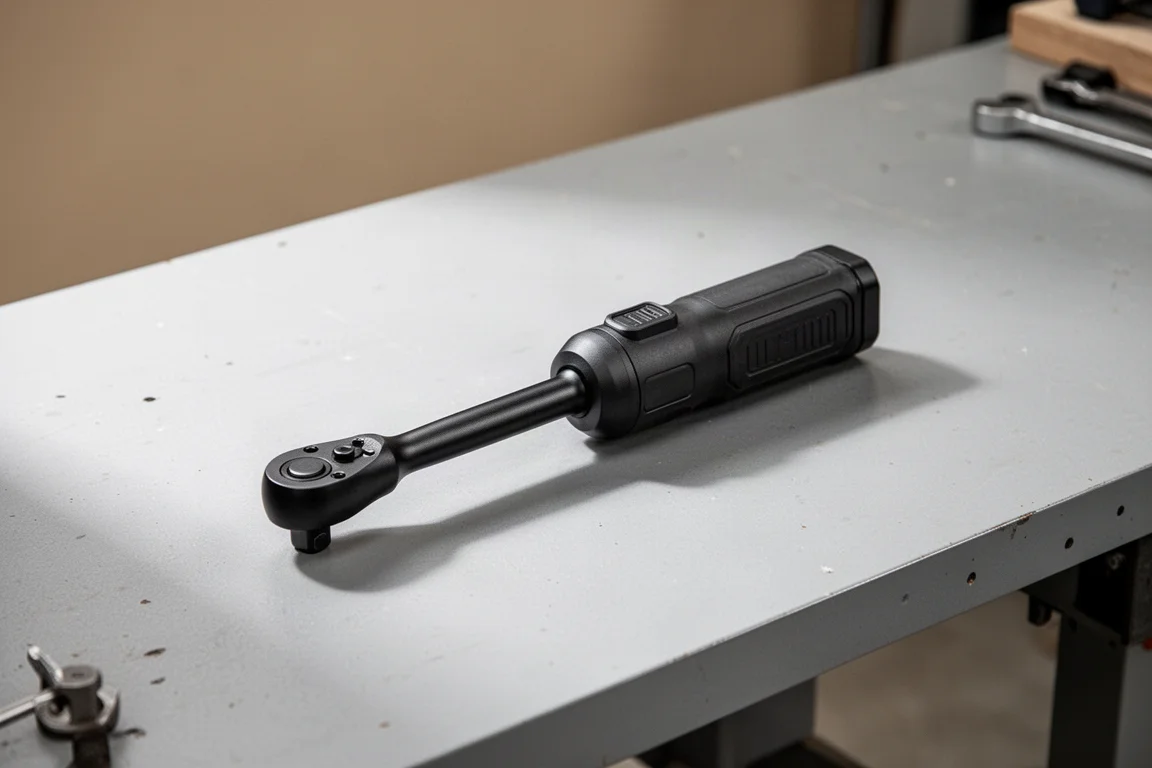
B Tier: Hilti 12V
Hilti’s 12V line is newer to the consumer market, and it shows. The tools carry the brand’s build reputation, but availability is difficult, the selection is limited, and pricing is high for what the platform currently offers. If Hilti expands the line and improves distribution, this is one to watch. For now, B tier.
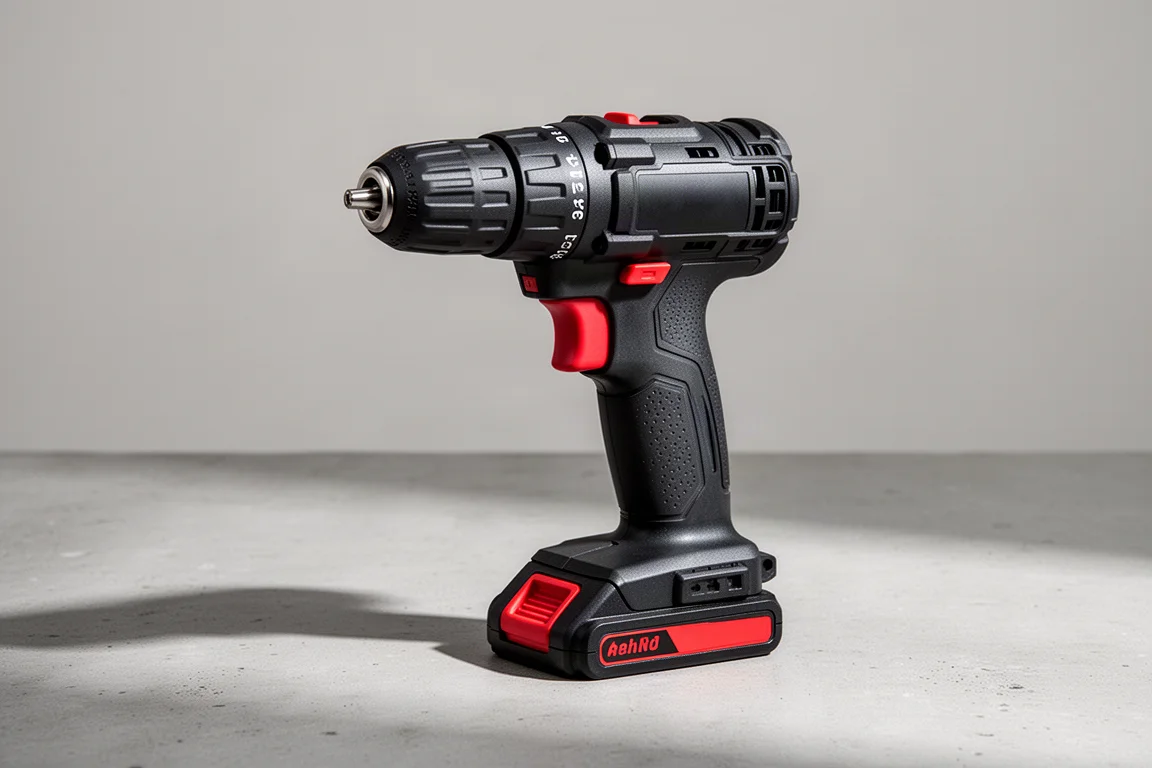
B Tier: Harbor Freight Hercules 12V
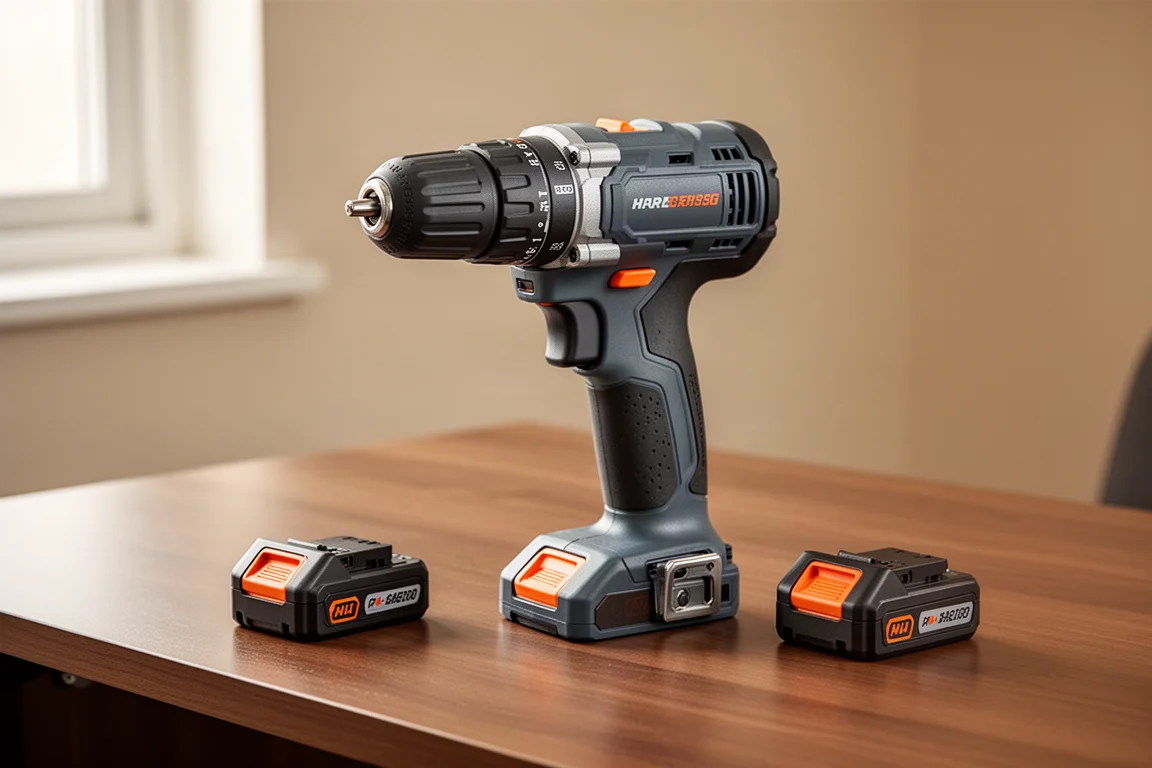
Hercules has a lot going for it at the price, and the 12V ratchets in particular are genuinely well liked. The problem is that most of the 12V tools are brushed and the platform has been around long enough that a brushless refresh feels overdue. The selection also needs to grow. If Harbor Freight adds brushless tools and rounds out the catalog, Hercules could easily jump to A tier. At today’s selection and tech, B tier is right.
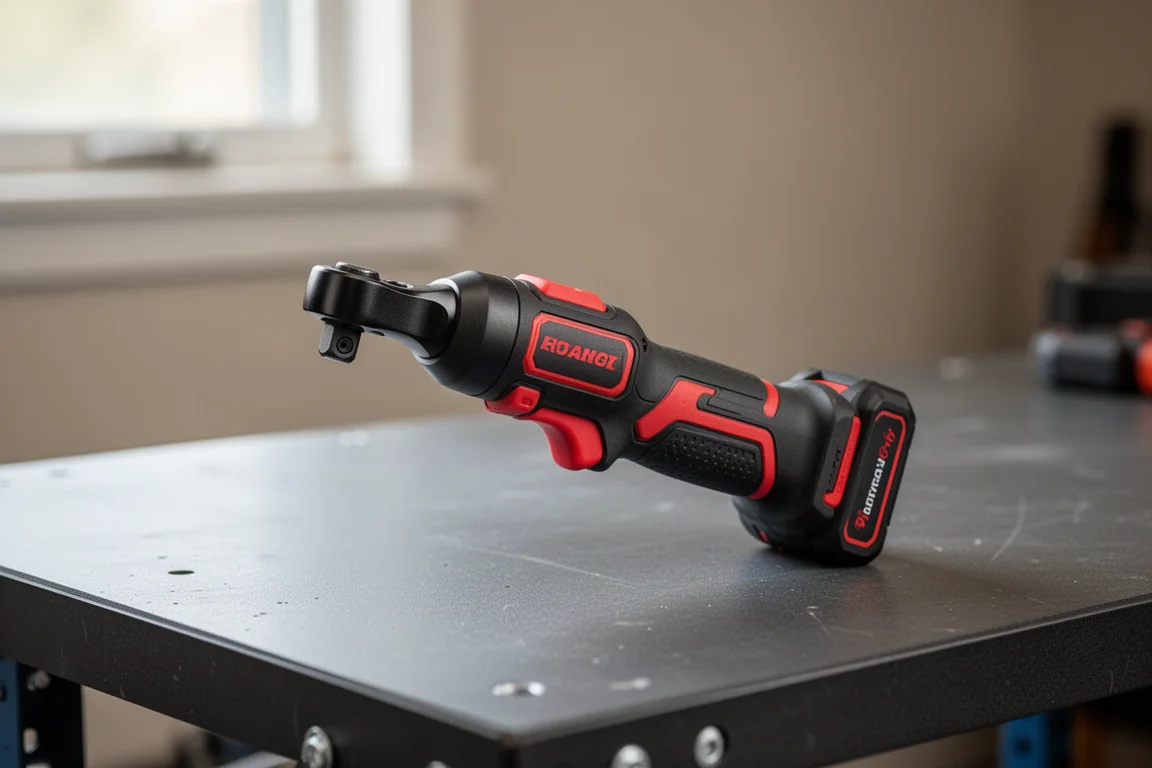
B Tier: Hyper Tough 12V
Hyper Tough’s 20V line has earned a reputation for surprising performance, and while the 12V line does not quite reach that level, the tools are solid. The selection is decent, batteries and accessories are easy to find, and prices are very low, especially on sale. It is clearly better than Harbor Freight’s Warrior line, which is enough to slide it into the top of B tier.
B Tier: WorkPro 12V
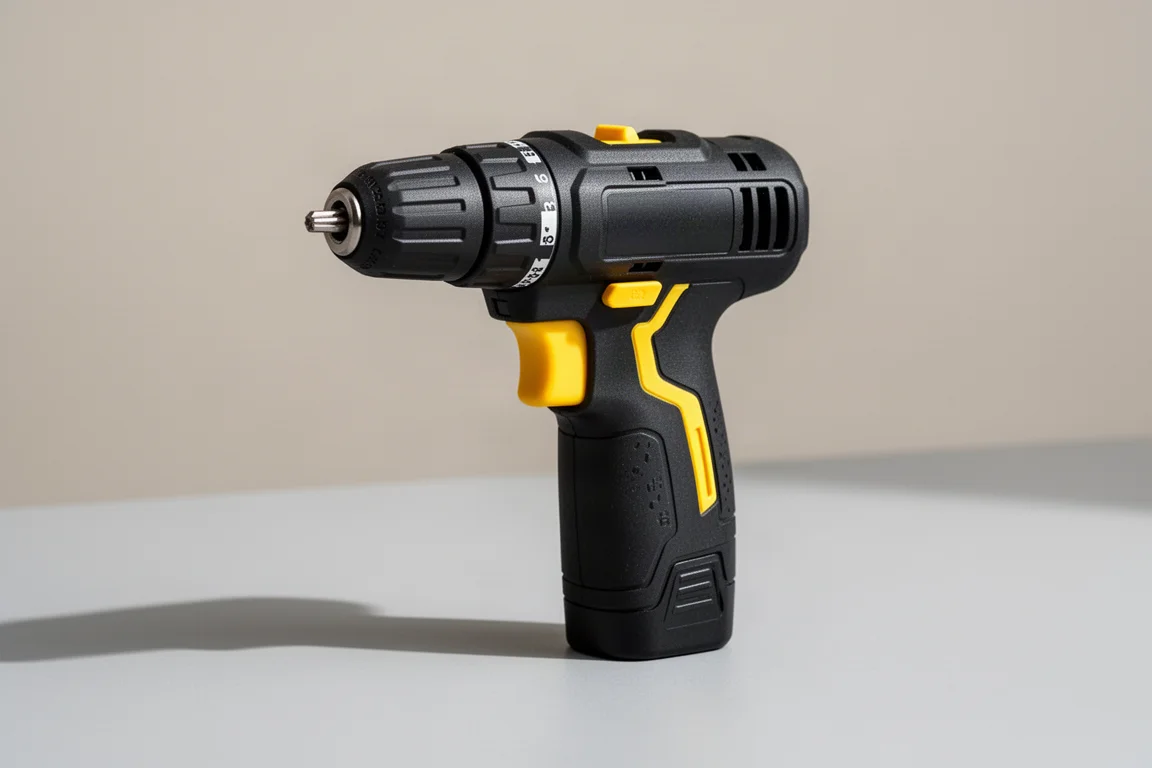
WorkPro took a while to find its footing, but the 12V line now spans around nine or ten tools plus batteries and accessories. Build quality feels a step above Hyper Tough, though so does the price. The convenience factor is real too: the line is available online with fast home delivery. It lands in B tier on par with the other budget-competent platforms.
C Tier: Harbor Freight Warrior 12V
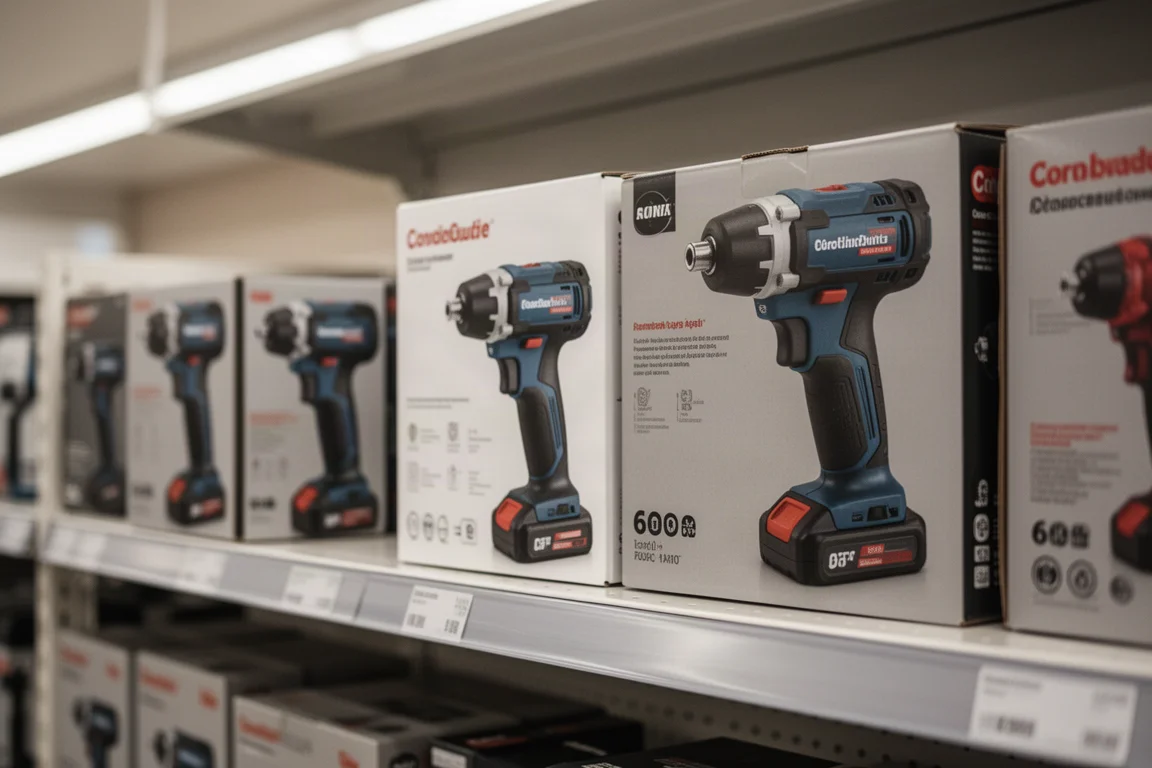
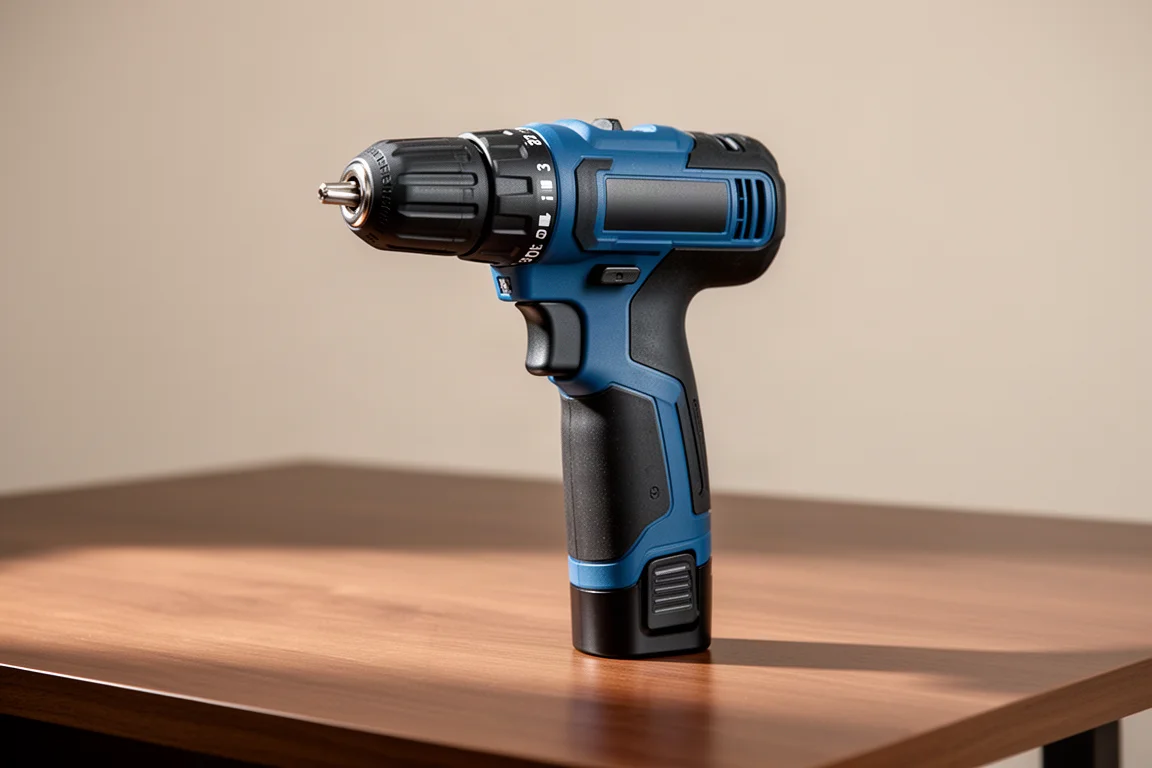
The price is the argument for Warrior, and honestly it is hard to argue with. What you can argue with is everything else: weak power, modest build quality, and a thin selection of 12V tools. It is easier to find than Black & Decker, which saves it from the bottom, but it sits at the lower edge of C tier.
C Tier: Festool CXS
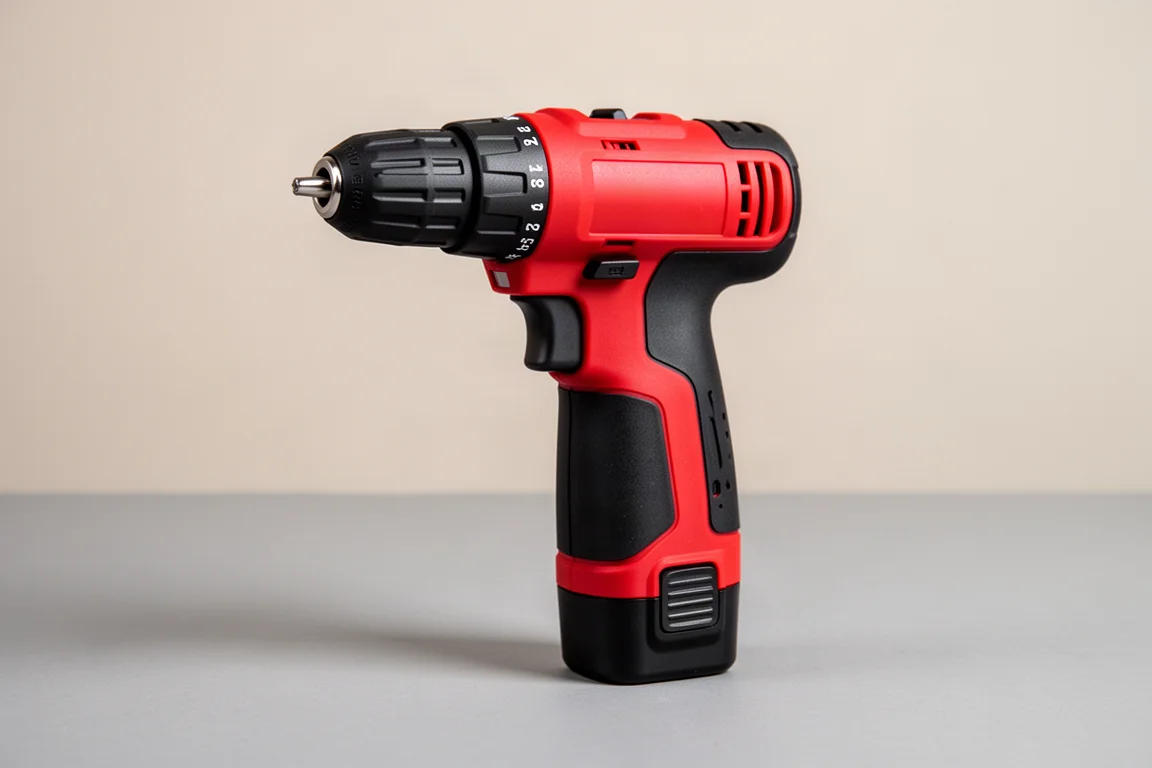
Festool’s 12V line, the CXS family, is a pleasure to use. The tools are smooth, refined, and beautifully made. But the selection is tiny, availability is poor, and the pricing is steep for a platform with only a handful of tools. Quality alone cannot carry a platform this limited, so C tier it is.
C Tier: Matco 12V
Matco’s 12V line feels stale. There are ratchets and a small impact ratchet, but no drill and large gaps elsewhere in the catalog. The line has not been updated in years, and it would not be surprising if the brand eventually replaces it with someone else’s tools. For the price and the thin selection, C tier.
C Tier: Pluto 12V
Pluto is one of those small brands that appears, vanishes, and reappears, but it has stuck around for a few years now, which earns it a place here. The selection is small, warranty support could be tricky, but the performance of the tools tested was genuinely good, and build quality seems better than Harbor Freight’s Warrior. That puts Pluto as a solid C, maybe even C plus.
D Tier: Black & Decker 12V
Black & Decker is still technically out there, but the 12V line has declined steadily. Power is weak, build quality is lacking, availability is spotty in stores, and the selection keeps shrinking. There is little reason to invest in this platform today, which makes D tier an easy call.
Buying Advice
If you want the deepest professional platform, Milwaukee M12 Fuel is the clear pick. If you want the best value per dollar, watch for Skil sales and buy a multi-tool kit when the price drops. Bosch and Makita are excellent middle paths with big selections if you can find the tools locally. Budget buyers should compare Hyper Tough and WorkPro before settling, and avoid the Black & Decker 12V line entirely. Before buying any platform, check the current tool catalog and make sure the specific tools you will actually use are available.
Conclusion
The 12V market rewards patience and platform thinking. Milwaukee earns S tier on selection, warranty, and specialty tools, while Skil steals the value crown with an all-brushless lineup at sale prices. Bosch and Makita round out A tier with deep catalogs and fewer compromises than their availability suggests. Everything else depends on your needs: budget buyers have real options, but a few legacy platforms no longer justify the investment. Match the platform to the tools you will actually use, and a 12V system can cover far more work than its size implies.
Further reading
Related Reviews

Power Tools
Best 1-Inch Pistol Impact Wrenches: Three Heavy-Duty Options Compared
We compare three 1-inch pistol impact wrenches, from a budget-friendly Harbor Freight model to a premium Caterpillar unit, to help you choose the right one.

Power Tools
Best 3/4-Inch Impact Wrenches 2026: Five Contenders Compared
We compare five 3/4-inch impact wrenches across price and performance, from a budget Amazon option to Snap-on's most powerful model yet.

Power Tools
Best Budget Cordless Tools 2026: Walmart Finds That Punch Above Their Price
We tested five cordless tools from Walmart, including a high-torque impact wrench that trades blows with Milwaukee and a $35 duster that outperforms its price class.