Hand Tools
Best 1/2 to 3/8 Drive Adapters: Which Brands Survive the Most Torque
We ranked 1/2 to 3/8 square drive adapters by how much twisting force they survive, from Harbor Freight budget picks to Snap-On and vintage USA-made steel.
Introduction
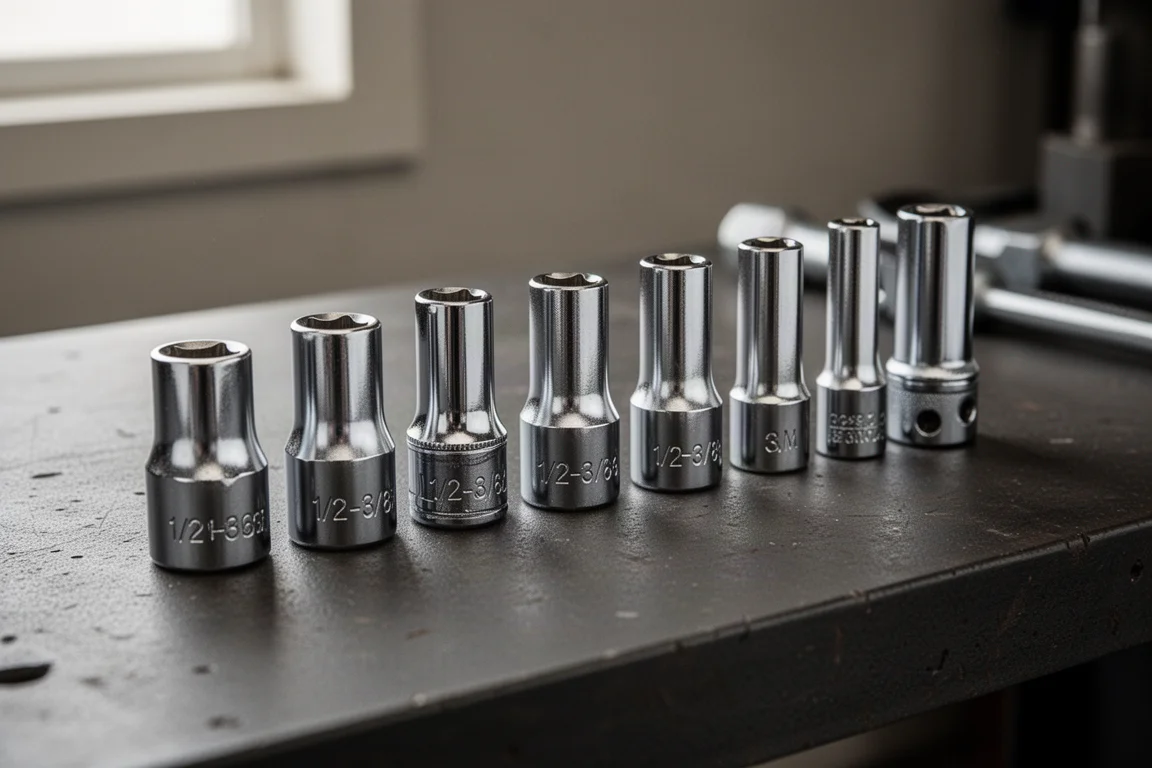
The humble 1/2 to 3/8 square drive adapter is one of those tools almost everyone eventually kills. It is also, oddly, one of the fairest strength contests in the tool world: every brand exposes the same simple 3/8-inch square cross-section of its chosen steel, and the strongest design and material simply wins. That makes it a surprisingly honest way to compare steel quality across brands, from budget house labels to premium German and American makers.
This roundup ranks adapters by how much twisting force they survived before failing, and it includes a running theme readers keep asking about: old USA-made steel versus what brands sell today.
Why Test Adapters for Strength?
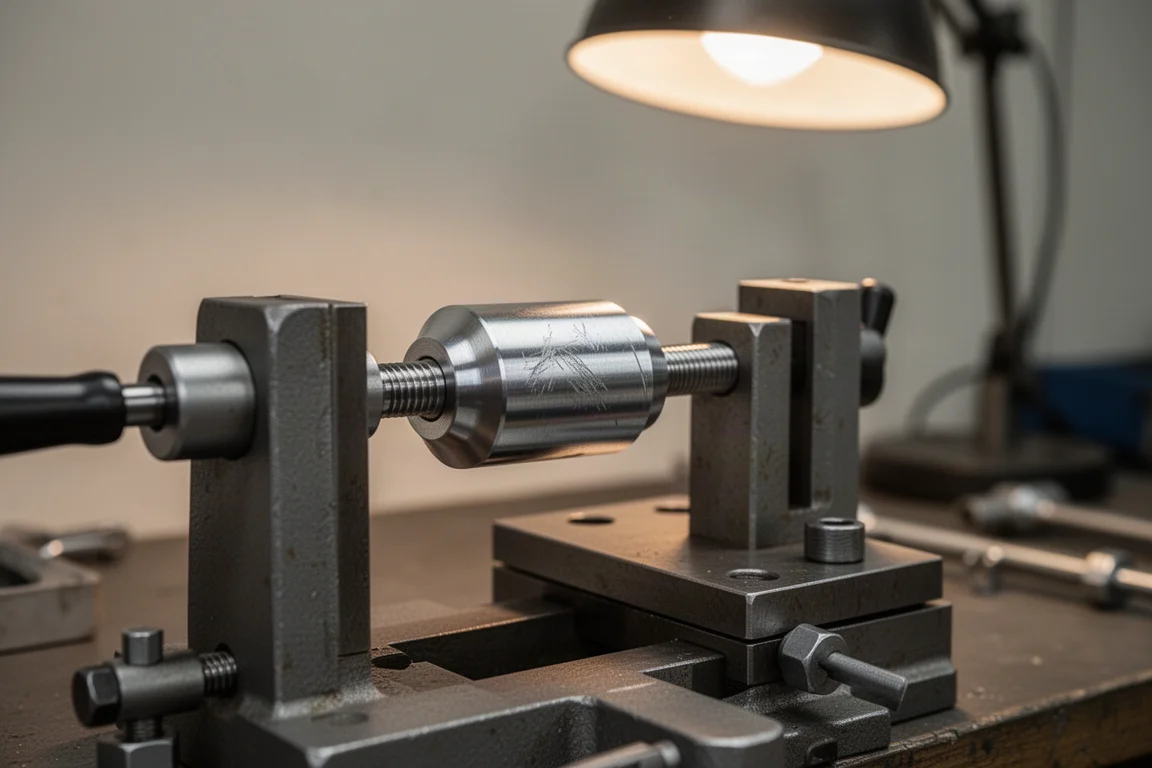
Nobody should be running an adapter at extreme loads daily, and these pieces are best treated as occasional-use tools. But because there is very little design trickery possible in an adapter, the material and heat treatment show through. Hardness readings collected alongside the torque results help explain the ranking too: most of the strong performers landed in the upper 40s on the Rockwell C scale, which is roughly the sweet spot for a twisting-loaded hand tool.
Snap-On GSAF1F: The Clear Benchmark
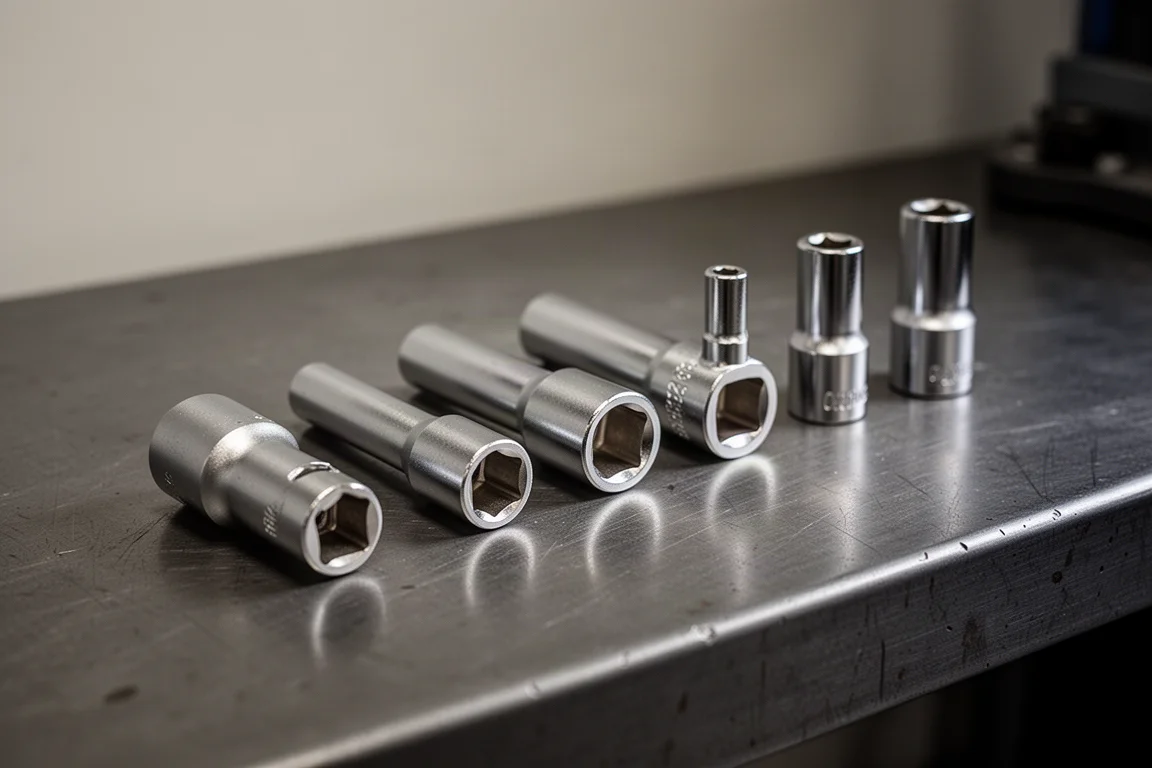
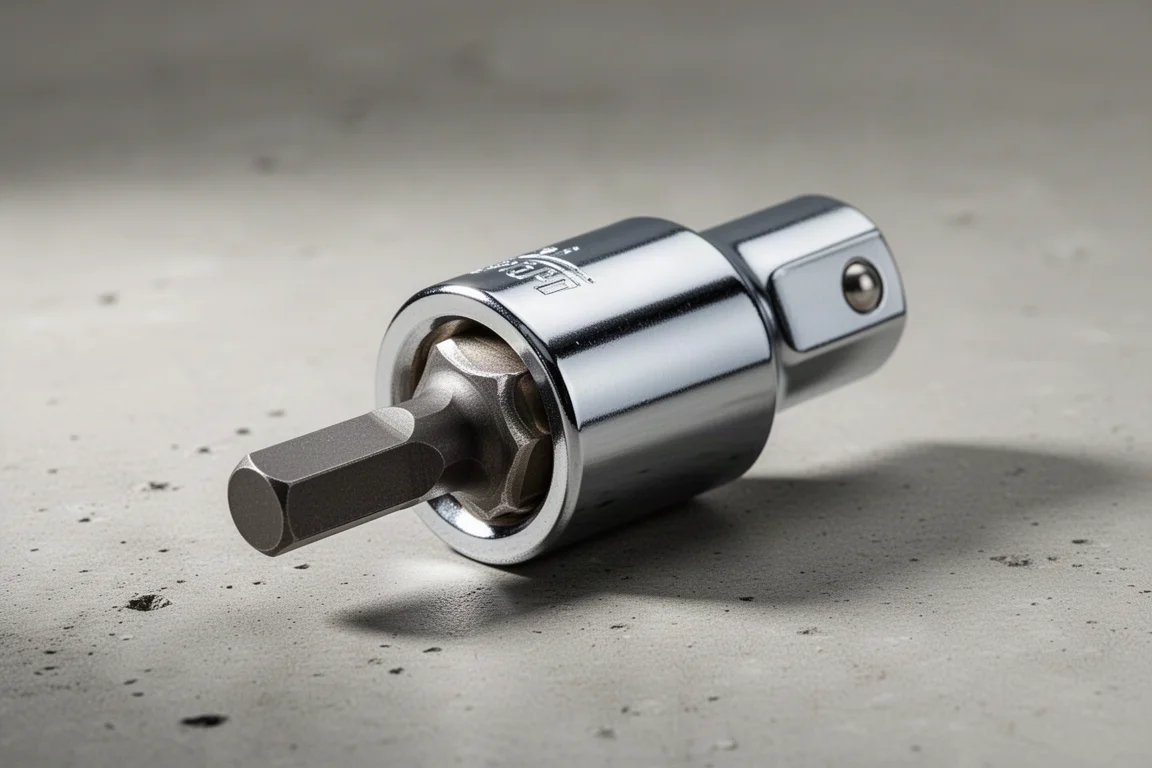
The current Snap-On two-piece adapter is the most expensive piece in the test at around $27, and it is stamped with a 2,000 in-lb (167 ft-lb) rating for non-impact use. In testing it beat that written rating by a massive margin, surviving roughly 395 Nm, about 291 ft-lb, before a clean break at the opening of its socket half. It is also the only adapter on the list with a replaceable square drive end, so the wear-prone part can be swapped under warranty rather than replacing the whole tool. The replaceable post measured very hard, around 51 Rockwell C, while the socket end sat at a soft 35.7.
Snap-On SVA4: The Discontinued One-Piece Classic
The older one-piece Snap-On SVA4 is no longer made, but it matters because the current two-piece design is the only adapter tested that actually improved on its predecessor while keeping the same US origin. If you find an SVA4 secondhand, it is a piece of the old standard. For a buyable option today, the GSAF1F above is the one to get.
Craftsman USA Reducer Socket: Vintage Steel at Its Best
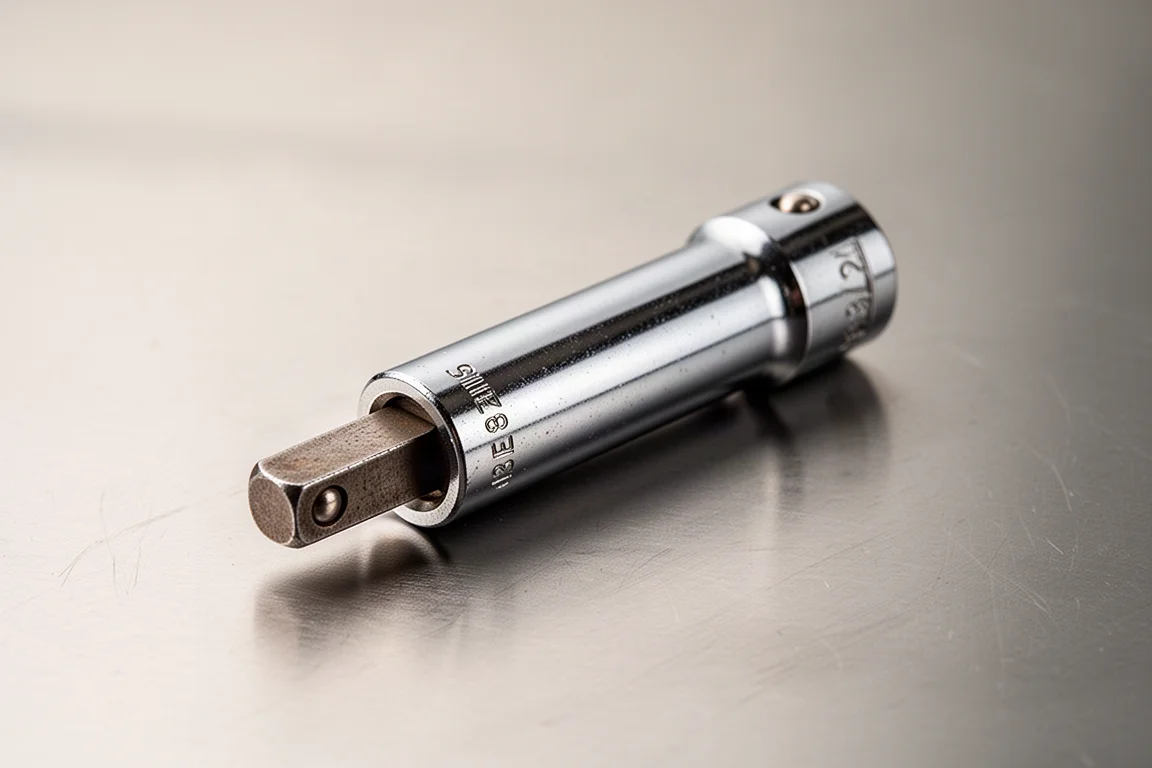
The vintage Sears-era USA-made Craftsman 1/2 to 3/8 reducer socket posted roughly 293 Nm, about 216 ft-lb, which puts it near the very top of everything ever tested and effectively tied with the best USA-made pieces on record. It also measured about 53 Rockwell C, more than 10 points harder than its modern counterpart. The modern Lowe’s-era, Stanley-owned Craftsman, made in Taiwan, landed around 199 ft-lb, serviceable but firmly mid-pack.
Stahlwille: German Engineering Holds Up
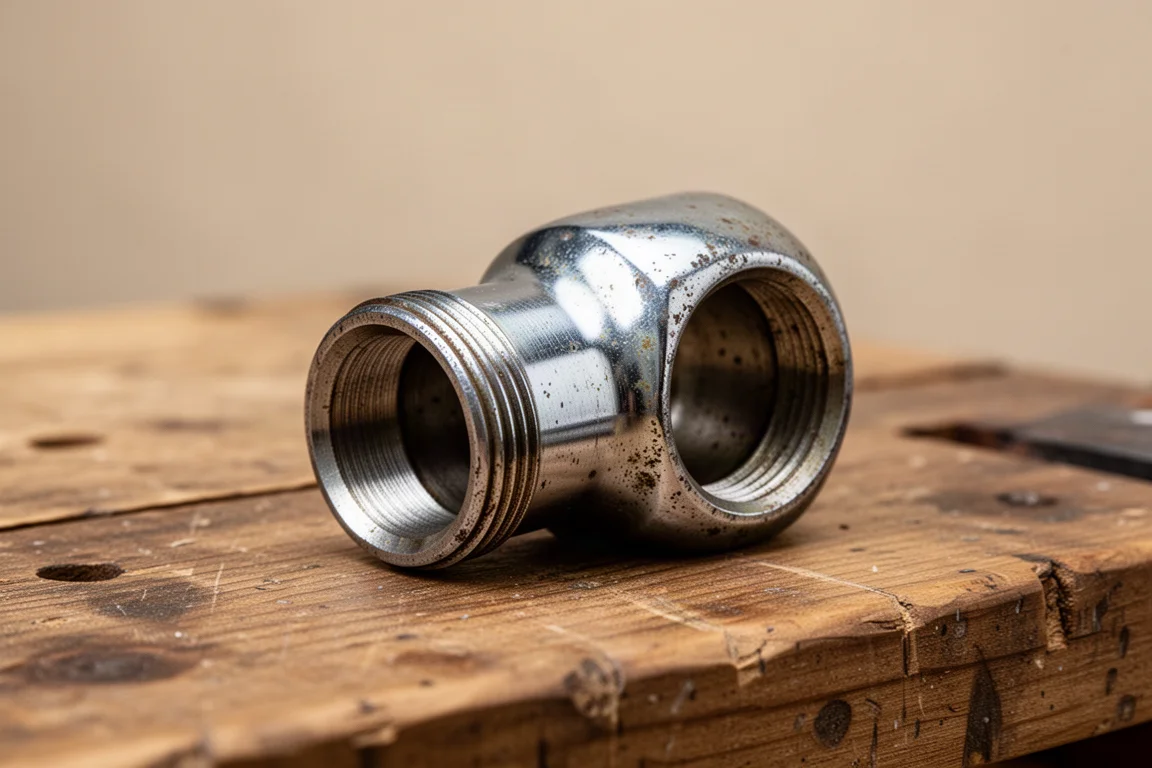
The Stahlwille adapter, around $18, keeps the classic matte chrome finish and knurling you expect from a German hand tool maker, and crucially it is still made in Germany rather than contracted out. It survived about 292 Nm, roughly 215 ft-lb, placing it among the strongest results recorded. If you want a new, currently produced premium option outside the US market, this is the standout.
Milwaukee: Stout and Surprising
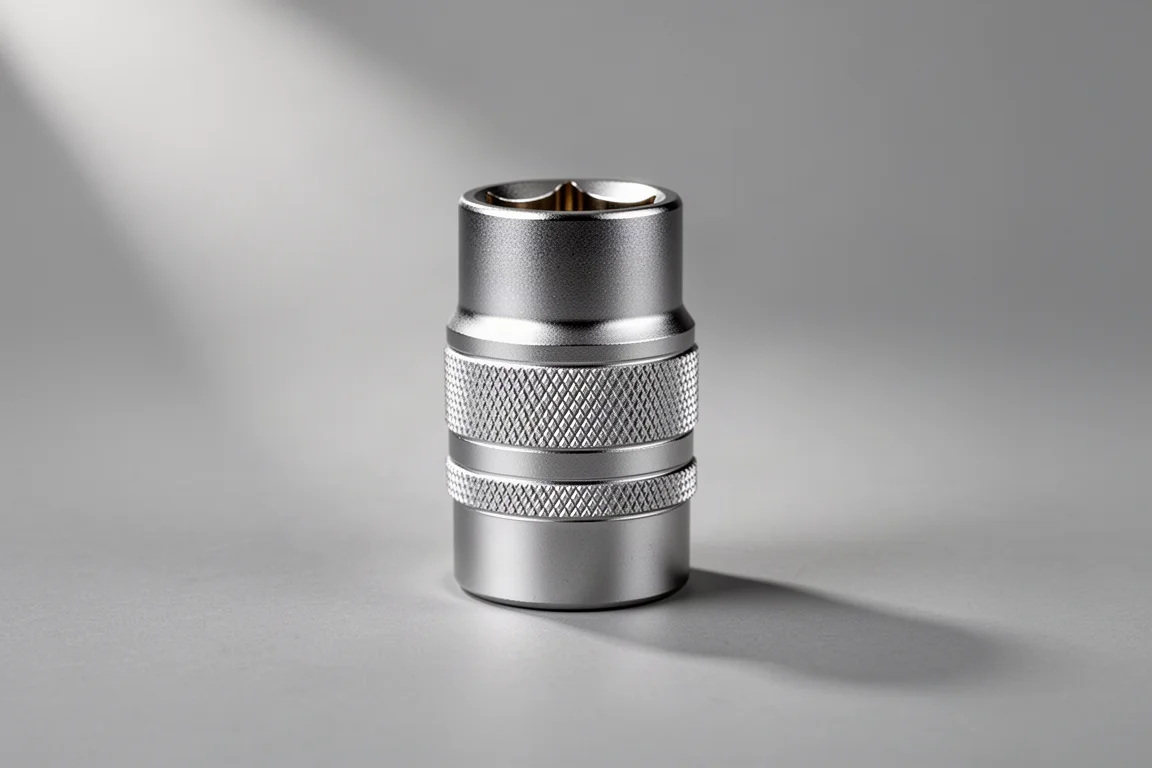
Milwaukee’s adapter benefits from the brand’s signature anti-roll square flats on the socket body, which make sense on a job site even if they add bulk in tight engine bays. Performance-wise it is very stout, just shy of 300 Nm at around 215 ft-lb, matching vintage USA Craftsman territory. Notably, China has little traditional domestic chromoly supply, so this is likely excellent heat-treated chrome vanadium at about 48.5 Rockwell C, right in the target zone for a tool like this.
Old vs New: Are Tools Getting Weaker?
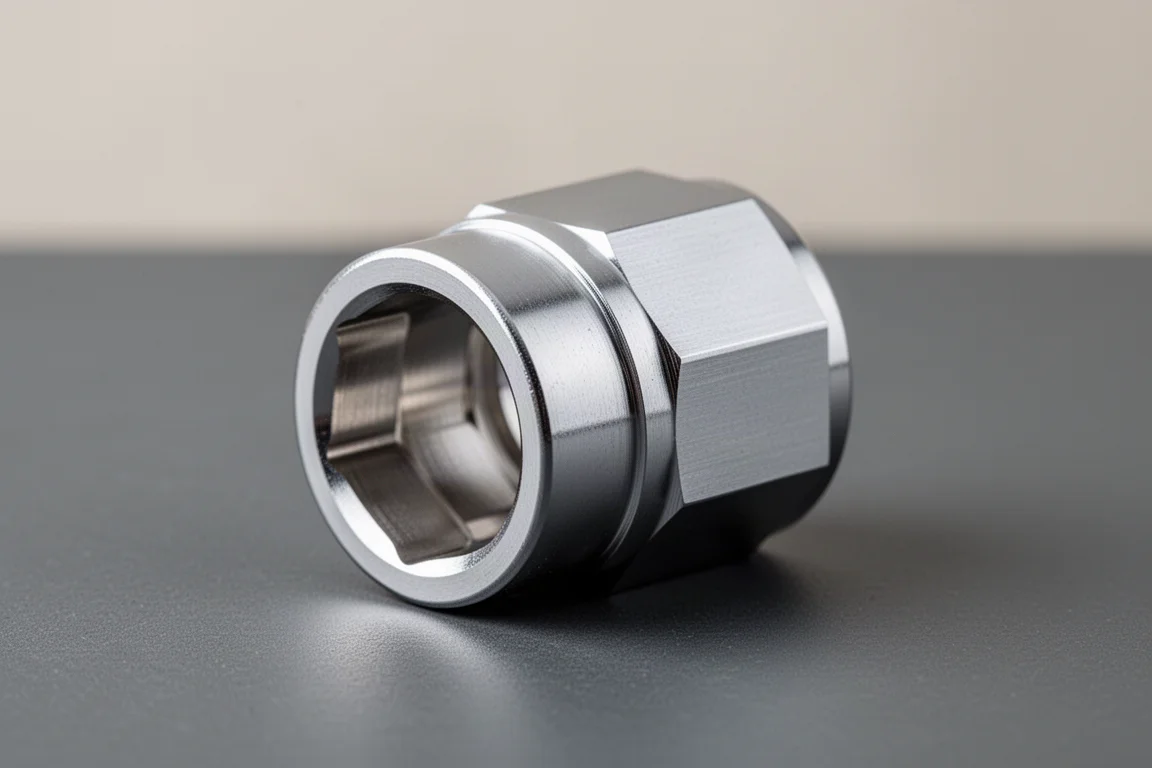
The pattern repeats across brands. The vintage USA-made Husky adapter hit about 281 Nm, 207 ft-lb, and an unusually high 52.7 Rockwell C, roughly 6 percent stronger than the modern Home Depot Husky, which managed about 266 Nm or 196 ft-lb. Crescent tells a similar story: the recent Taiwan-made version reached about 290 Nm, 214 ft-lb, some of the best seen from anything except Japanese, German, and US-made pieces, while the newer Vietnam-finished-in-China version dropped to about 275 Nm, 203 ft-lb. Even the vintage Bonnie, a defunct US brand, still managed about 269 Nm despite comparatively soft steel.
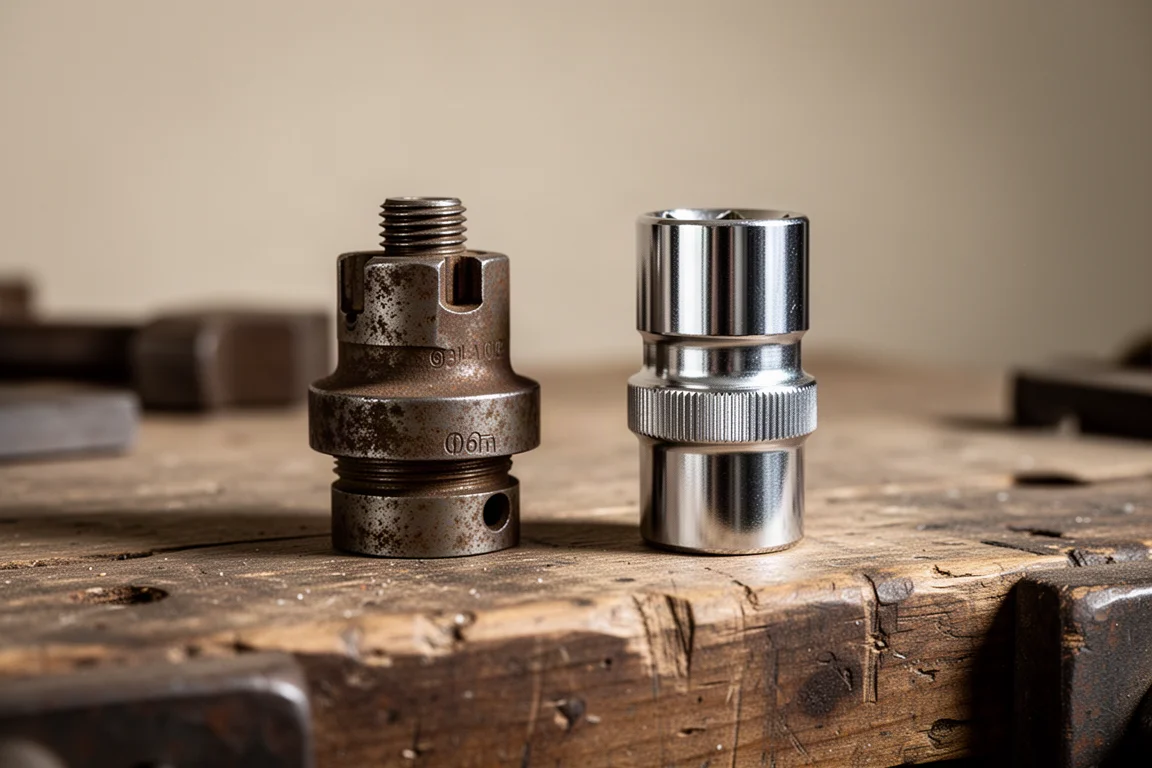
The takeaway is not an absolute rule, but as a trend, average tools seem to be getting somewhat less durable as brands chase lower prices. Some makers, including Snap-On and Stahlwille, have avoided that slide.
The Budget Shelf: Pittsburgh and a No-Name Wildcard
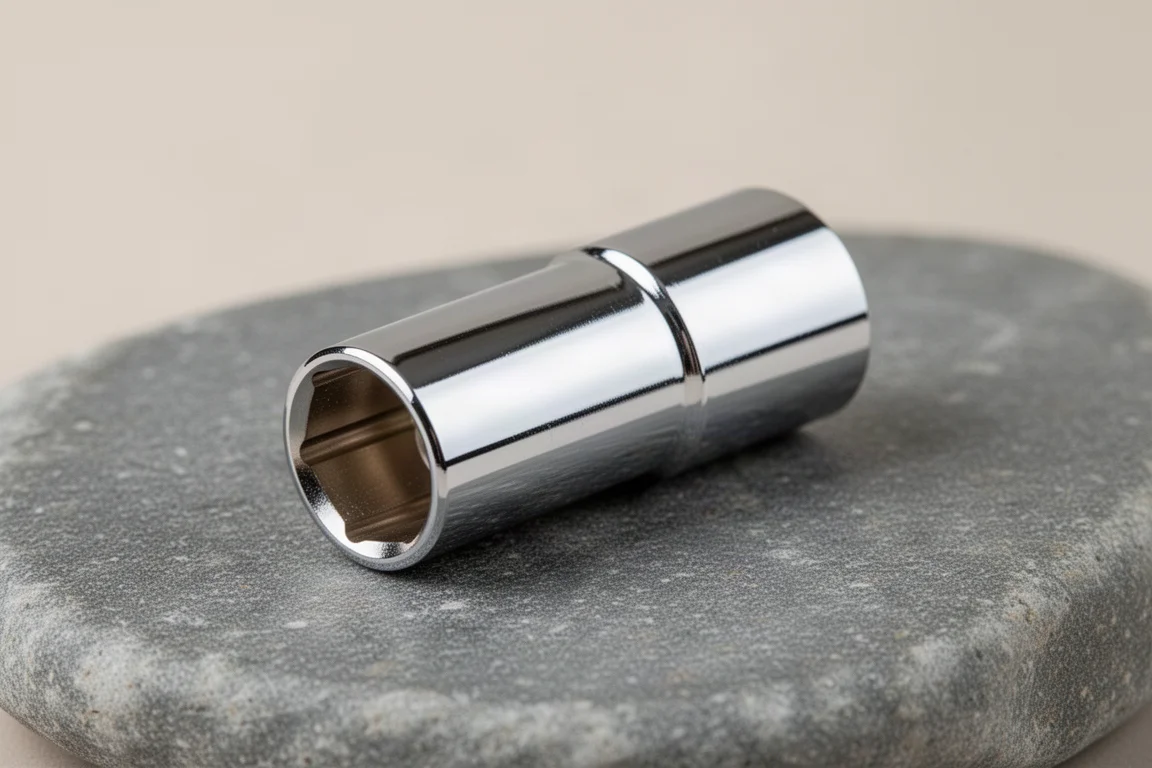
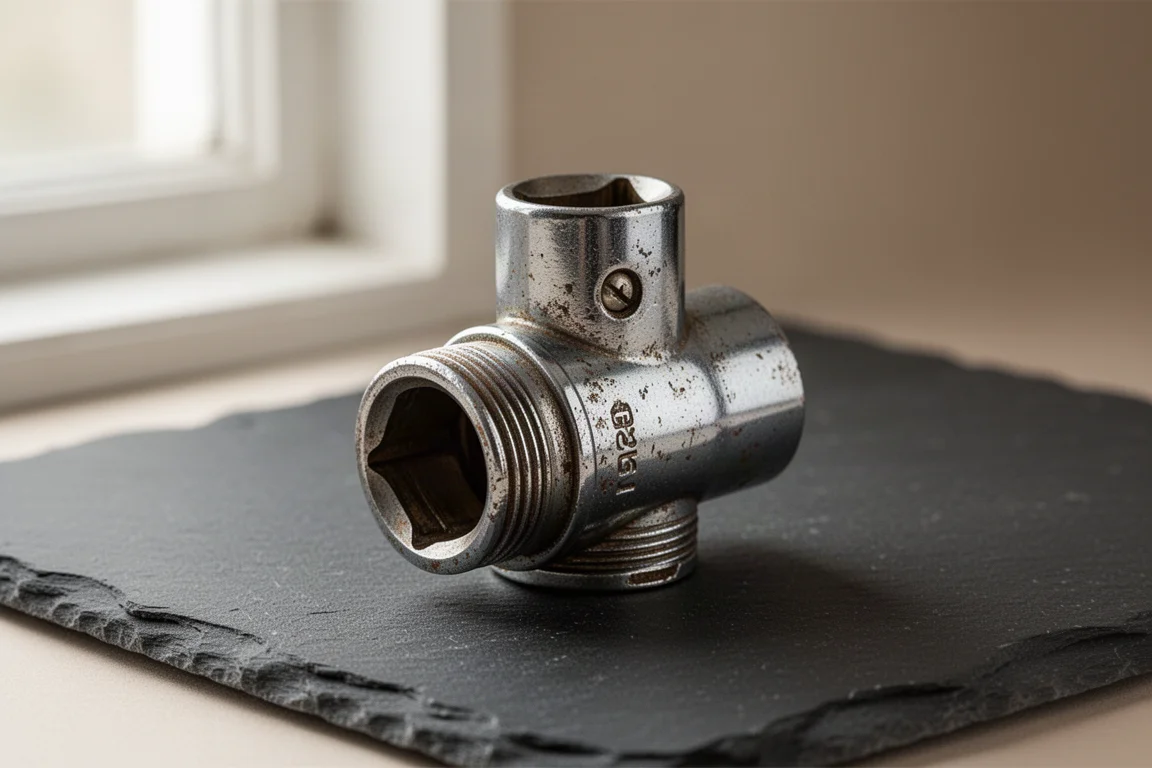
Pittsburgh, Harbor Freight’s budget line made in China, survived about 201 ft-lb with a slow, drama-free twist-off, a clear step down from its Taiwan-made Icon sibling, which sits far higher in the overall ranking. Performance Tool and Aries, both made in Taiwan, landed essentially in the same neighborhood at 199 and 200 ft-lb respectively, all marked CRV steel.
The genuine wildcard was the cheapest piece tested: an unbranded, no-name chrome vanadium adapter set bought for about $6 on Amazon, roughly $1.50 per piece. It survived about 277 Nm, around 205 ft-lb, and a second set confirmed the result at nearly the same figure, with hardness around 48.7. As a tool with no brand behind it, there is little to lean on for long-term support, but as a data point it beat several household names.
How to Choose the Right Adapter
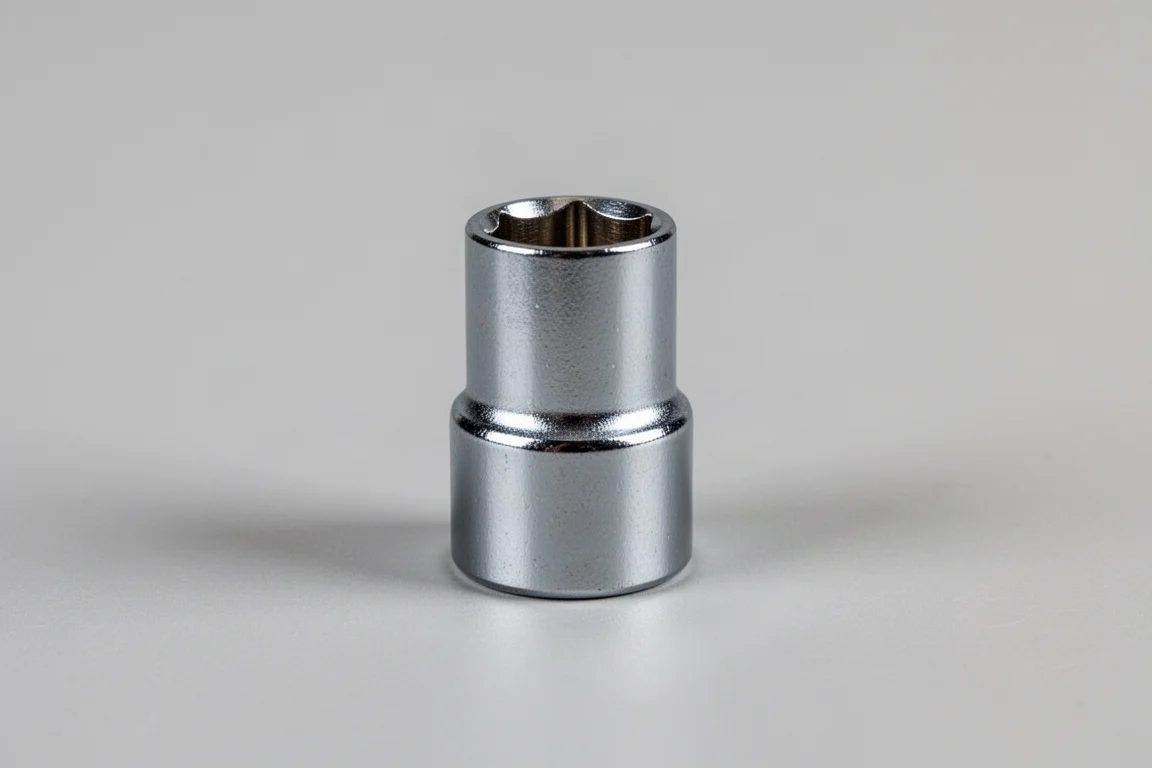
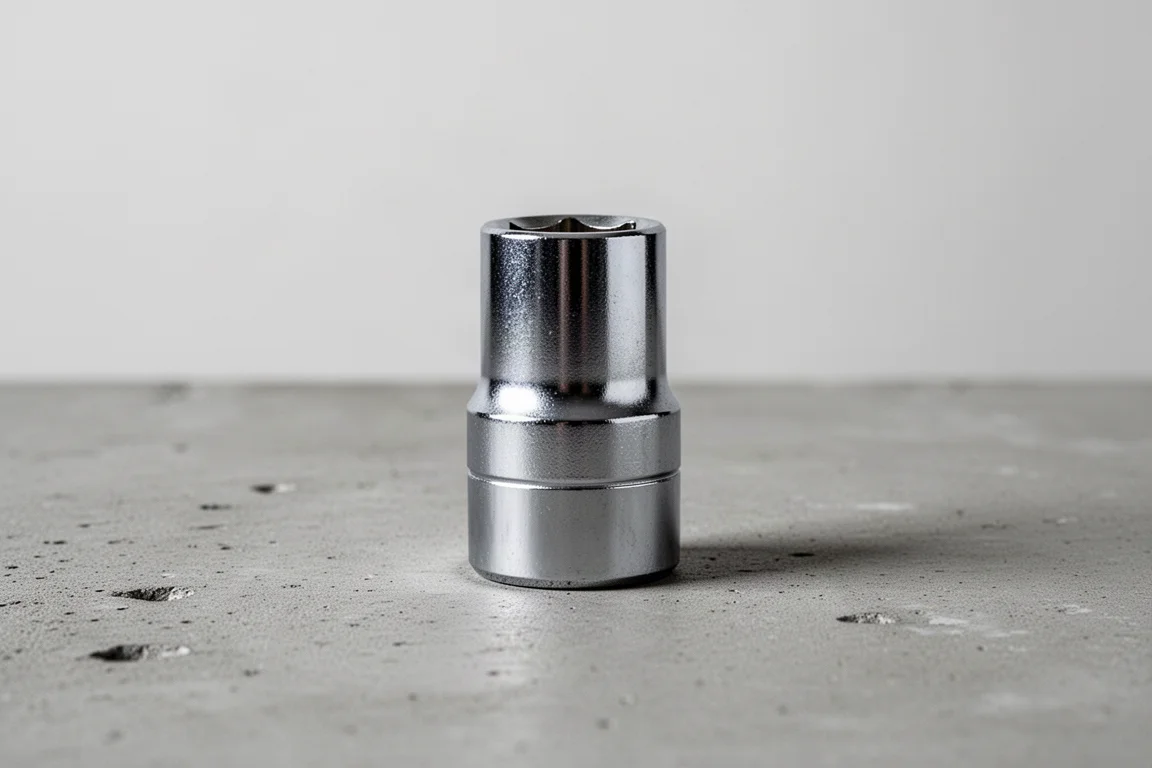
Match the adapter to your real use. For occasional, careful use on a budget, the mid-200 ft-lb performers are honestly more than enough. If you want the strongest currently produced piece, the Snap-On two-piece design is in a class of its own, and its replaceable drive end makes long-term ownership cheaper than the sticker suggests. German-built Stahlwille and Milwaukee’s stout CRV piece are strong middle-premium picks, while vintage USA Craftsman remains a flea-market trophy worth grabbing when you see one.
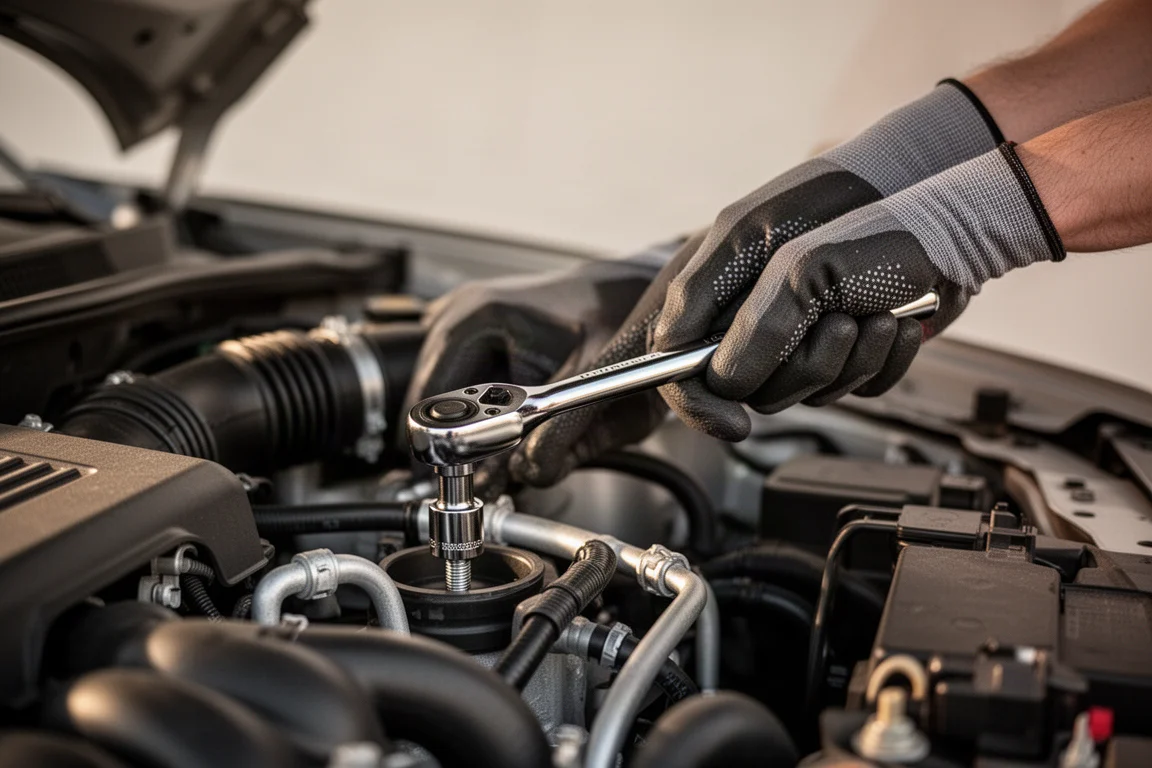
Buying variety matters too: supporting several genuinely durable brands is what keeps competition, and competition keeps the top-tier tools existing at all.
Conclusion
Strength testing strips an adapter down to raw material and heat treatment, and the results are clear. Snap-On’s current two-piece adapter is the outright benchmark, vintage USA Craftsman and Husky prove older steel still has an edge, and Stahlwille and Milwaukee show that excellent new options exist outside the vintage market. Budget pieces from Pittsburgh and even a no-name import are fine for light duty, but if durability is the goal, patronize the brands that still invest in it.
Further reading
Related Reviews
Hand Tools
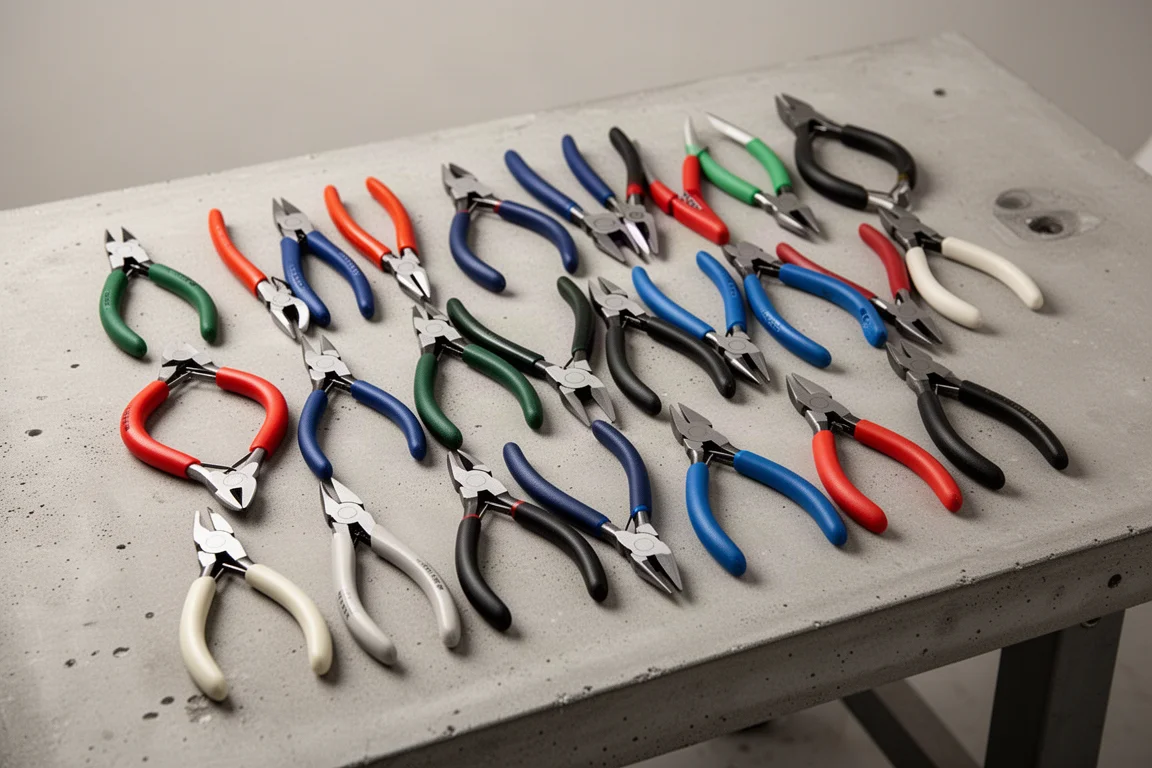
Best Diagonal Cutters 2026: 16 Pliers Tested for Cutting Power and Durability
We put 16 diagonal cutters through nail, screw, drill bit, and hex key tests to find the best value picks for your toolbox.
Hand Tools
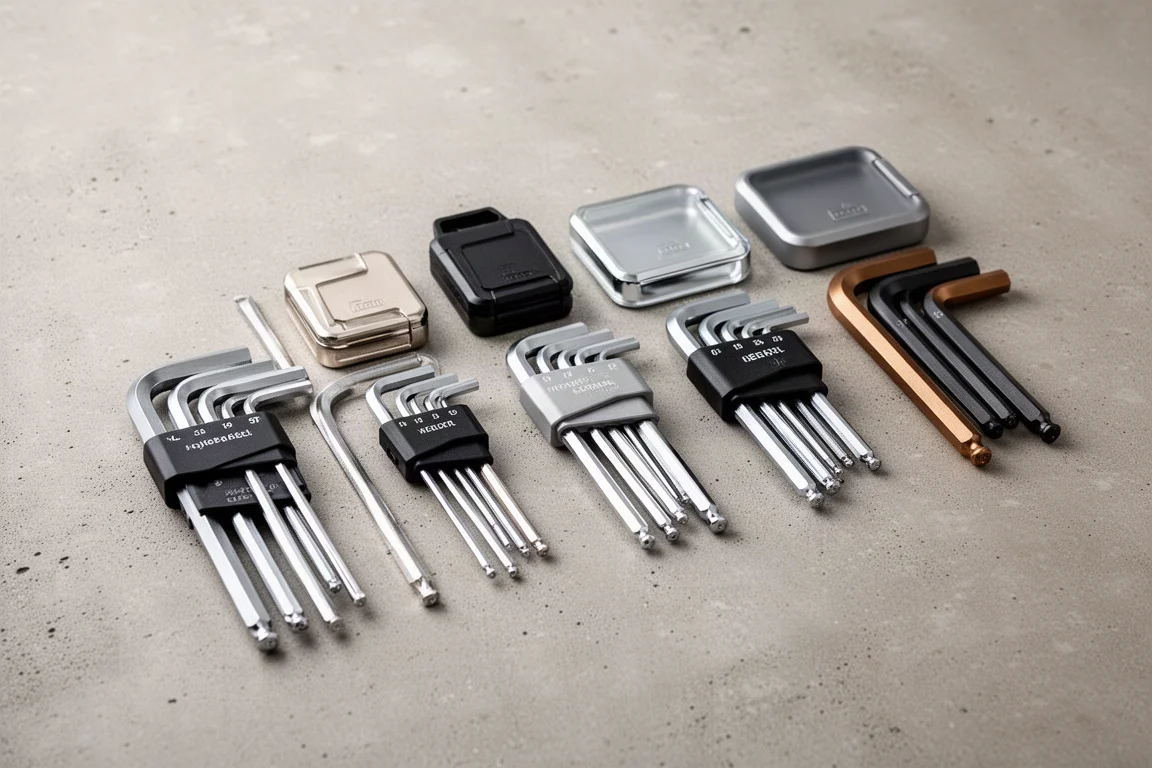
Best Hex L Key Sets 2026: Nine Sets Tested for Real-World Torque
Nine hex L key sets from budget to premium, tested for torque, fit, and durability. See which sets deliver real performance and which ones to skip.
Hand Tools
Best Locking Pliers 2026: Top Picks Tested for Grip and Durability
We tested 18 brands of 10-inch locking pliers for grip strength, jaw bite, build quality, and ease of release to find the best options for tough jobs.