Hand Tools
Best 10-Inch Adjustable Wrenches: Nine Brands Put to the Test
Nine 10-inch adjustable wrenches, from $15 budget picks to a $50 USA-made bud wrench, compared on jaw slop, slip resistance, and how much abuse they survive.
Introduction
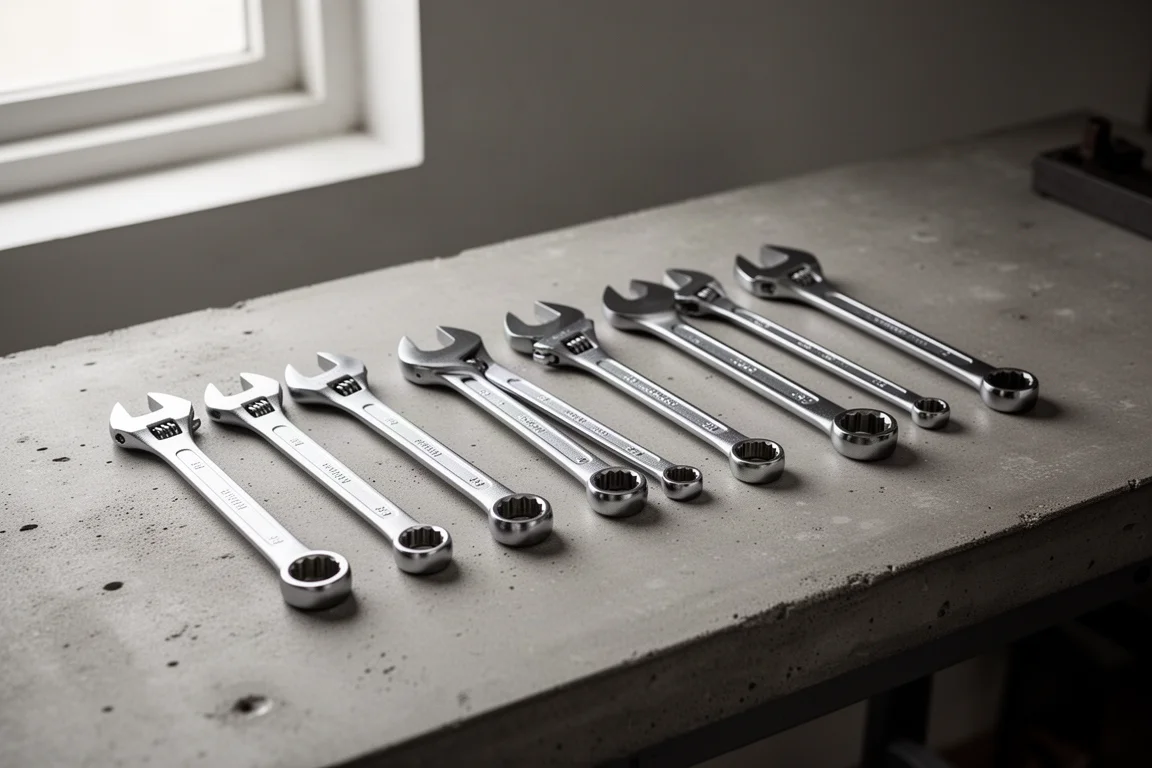
Adjustable wrenches are one of those tools everyone owns and few people think about until the jaws slip mid-turn and your knuckles pay for it. To find out which ones are actually worth your money, nine 10-inch adjustable wrenches went through the same series of tests: how much the jaws wiggle and creep open during use, how much torque each takes on realistic fastener sizes before slipping, and how much abuse each can survive on progressively larger and harder hardware before failing.
The benchmark is the ASME design standard for this class of tool, which expects a 10-inch adjustable wrench to exceed 58 Nm (375 ft-lb) before breaking. In practice, that number matters less than slip resistance, because most real-world use involves thinner, softer, or less-than-perfect fasteners like brass fittings, malleable iron, black pipe, and tie rods. A wrench that slips later is simply less likely to round off a fastener or skin your knuckles.
How We Evaluated These Wrenches
Three things separated the winners from the losers:
- Jaw slop and creep: how far the jaws open past your setting during use. A wrench that shimmys open while you work is the most annoying kind.
- Slip resistance on a 17 mm hex: a realistic, softer-grade fastener size where slipping first shows up.
- Durability on oversized, hardened hardware: progressively larger hexes until wrenches round, freeze, or break.
Jaw width was also noted, with overly chunky or unusually slim jaws dinged or credited relative to the class average.
WorkPro 10-Inch Adjustable Wrench
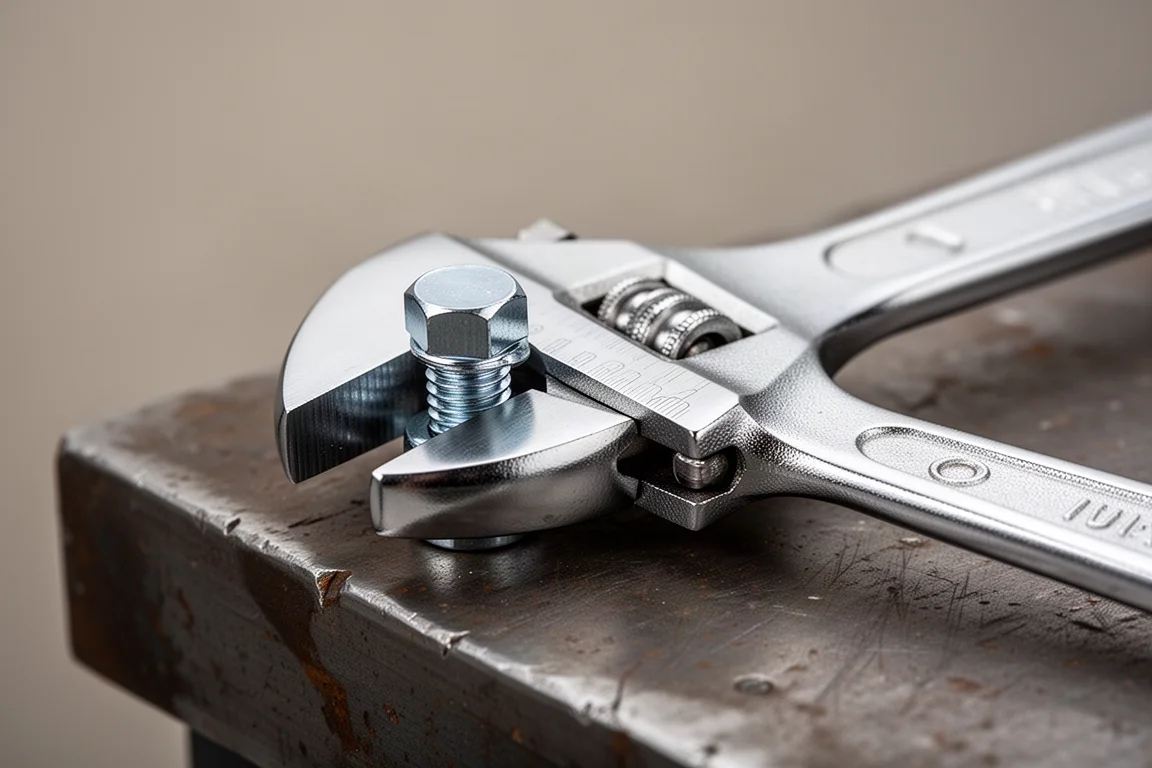
Starting at the bottom of the price list, the $15 WorkPro is the cheapest of the bunch. Out of the box it feels better than the worst offenders on jaw wiggle, opening only about 0.38 mm past the setting, but it still does not feel all that solid in the hand.
On the 17 mm slip test it managed 21.9 Nm, about 40% of the ASME standard before rounding off. Where it surprised was the durability rounds: it climbed to 70% on the larger hex and then improved again to 74% on the hardened 19 mm, all while staying in one piece and still adjustable. If it has to advertise “Chrome Vanadium” on the side, that usually says something about the reputation category, but the results here are respectable for the money.
Crescent 10-Inch Adjustable Wrench
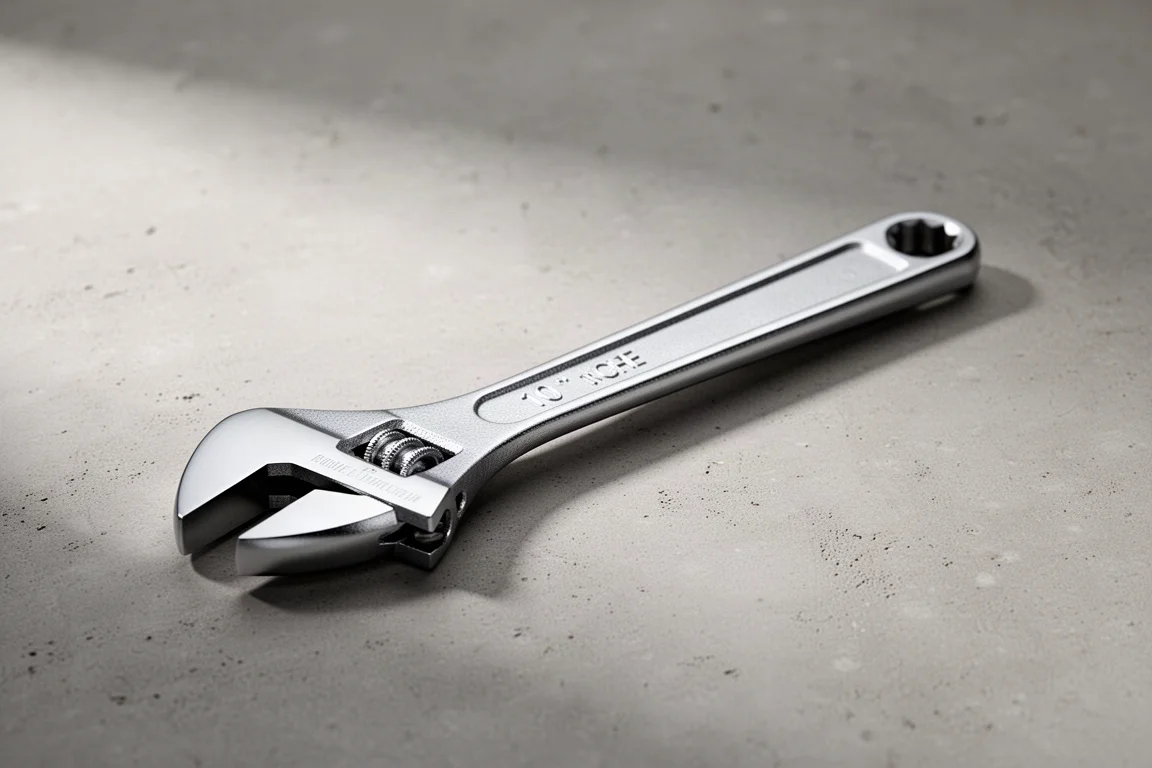
The Apex Tool Group-owned Crescent, made in Vietnam, sets the low bar for jaw creep. Snugged onto a 19 mm hex and worked the same amount as every other wrench, it opened up 0.85 mm past the setting. That is bad: aim for 19 mm and you effectively end up on 19.85 mm in short order.
Slip resistance landed around the same mark as the WorkPro at roughly 40% of the standard. If you have ever used an adjustable wrench that will not stay at the size you set, this is that experience.
SATA 10-Inch Adjustable Wrench
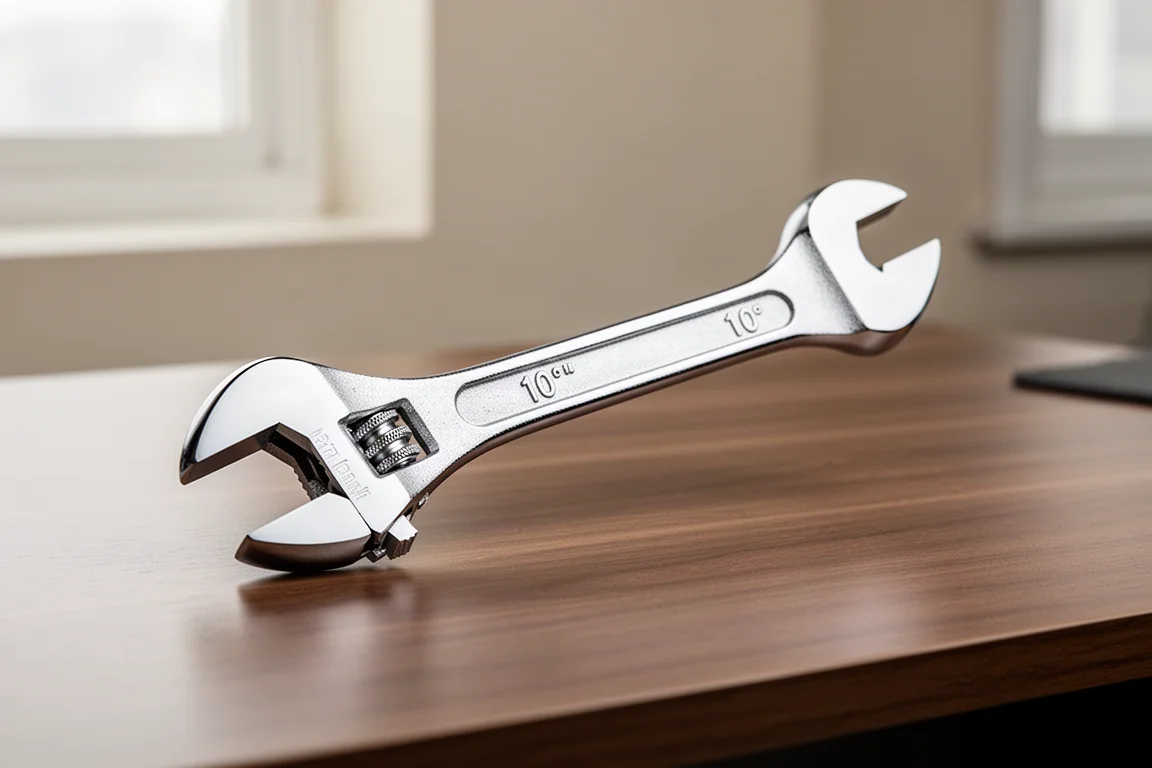
At $17, the SATA is another Apex-owned brand, though in person it looks quite different from Crescent. The fit and finish leaves something to be desired: moisture trapped in the paper backing caused rust on the ground handle finish, and the jaws felt loose out of the box, opening 0.47 mm past the setting.
Performance on the slip test was the worst of the day at just 27% of the standard. On the bigger, harder fasteners it did claw back to about 71%, matching the WorkPro, but the similar-jaw design meant both Apex tools bowed out of the final round, with jaws too marred to adjust afterward.
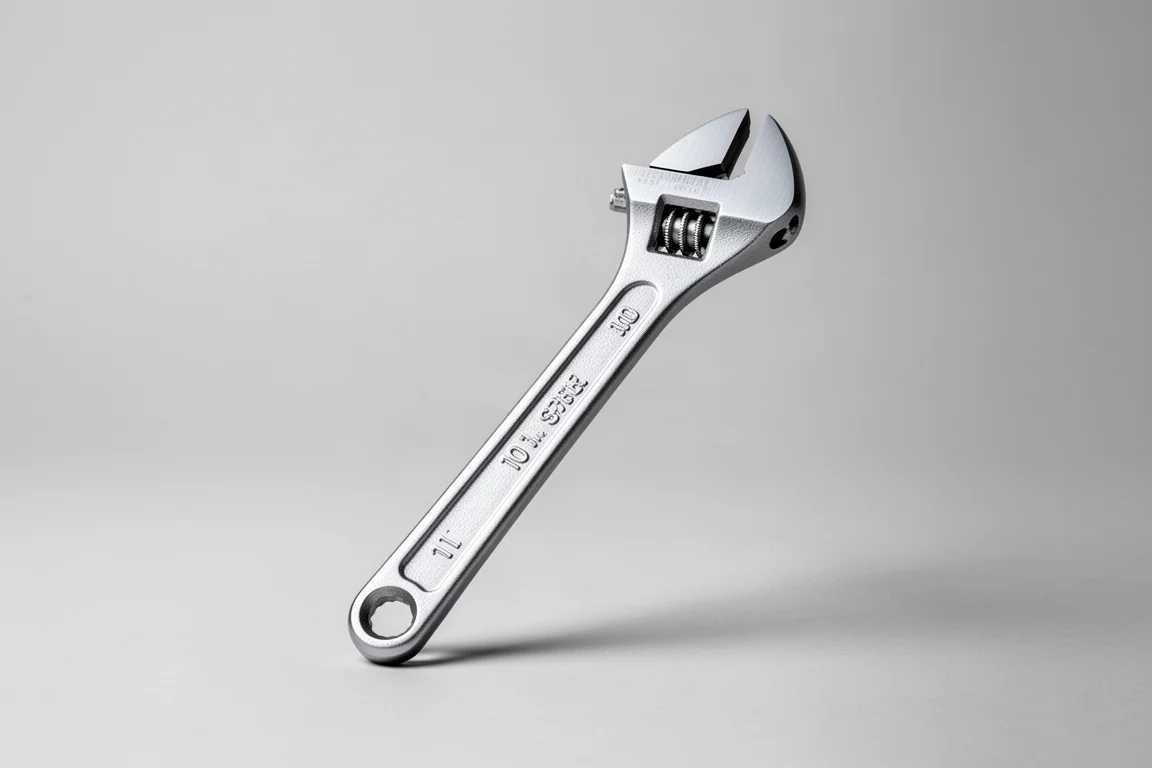
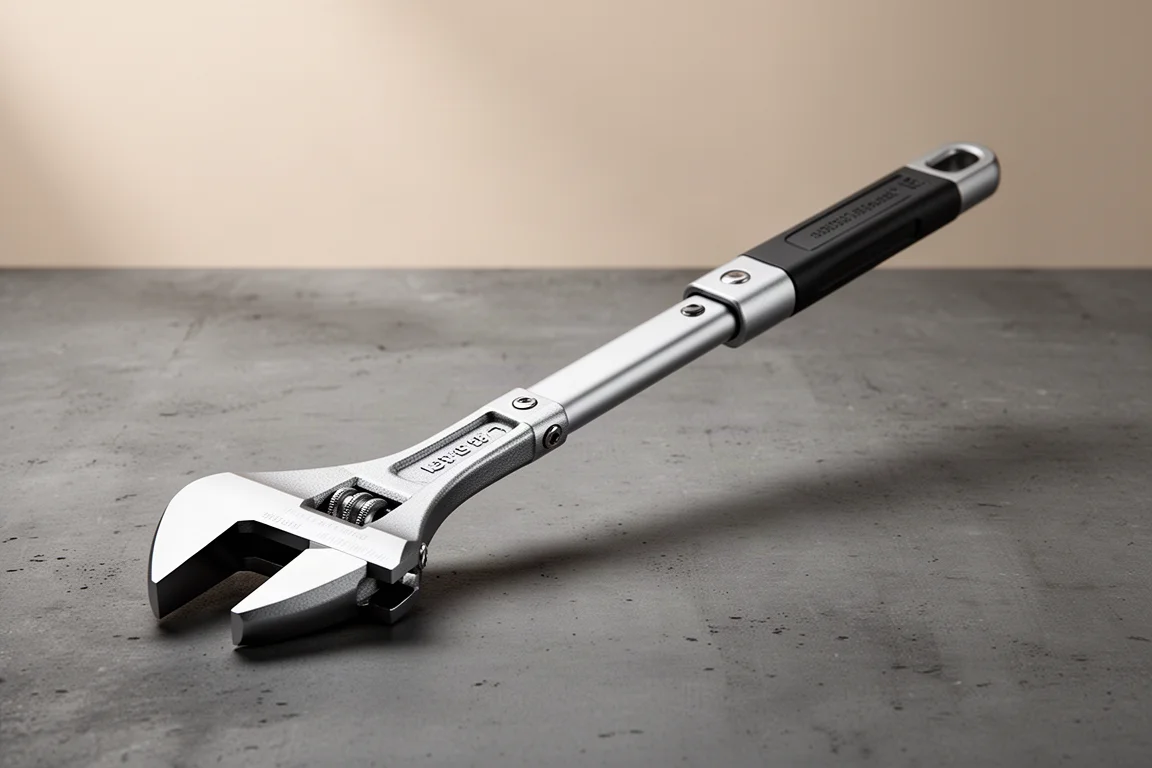
Pittsburgh Extensible Adjustable Wrench
At $18, the Pittsburgh extensible is not really a 10-inch wrench. It is more like a 10, 12, 14, or 16-inch wrench, and its jaws run 22% fatter than the class average, so this is not a clean apples-to-apples comparison. The jaw slop measures around 0.21 mm over, suggesting some potential.
On the larger fasteners, the bigger head did exactly what you would hope: 527 Nm, about 85% of the standard, and the tool kept working and never broke. For $18 there is a lot of utility here if your fasteners run 3/4-inch and up. It did not, however, earn a spot on the strict 10-inch ranking for obvious reasons.
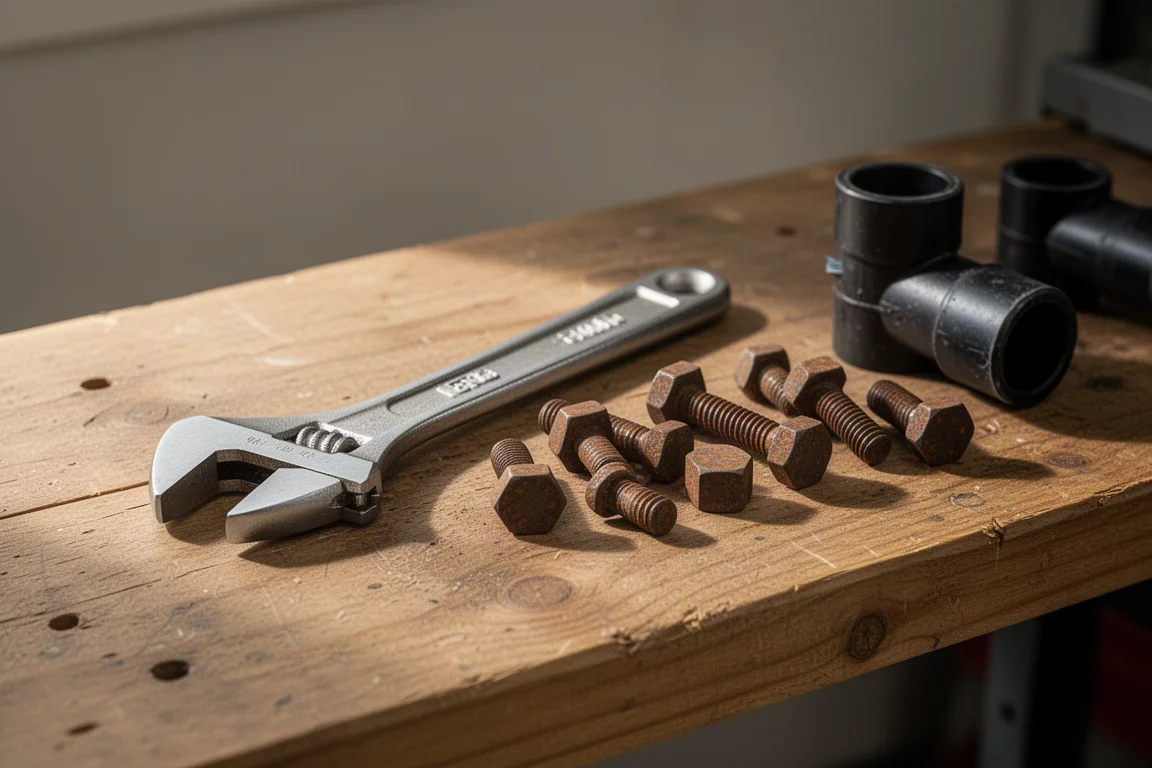
SK Adjustable Wrench
The SK is now owned by Great Star out of China rather than its classic USA operation, and most of the online grumbling about this wrench centers on exactly that. Its shape is reminiscent of the x-frame wrenches, and while it has some jaw movement, it does not feel as loose as several competitors, opening just 0.56 mm past the setting.
It put up 23.7 Nm on the 17 mm slip test, matching the WorkPro’s 40%, then matched or slightly beat its peak on the hardened hex at about 85% of the standard. It was one of the few wrenches still working normally at the end of testing. If the jaw fitment gets tightened up, this could genuinely compete higher in the rankings.
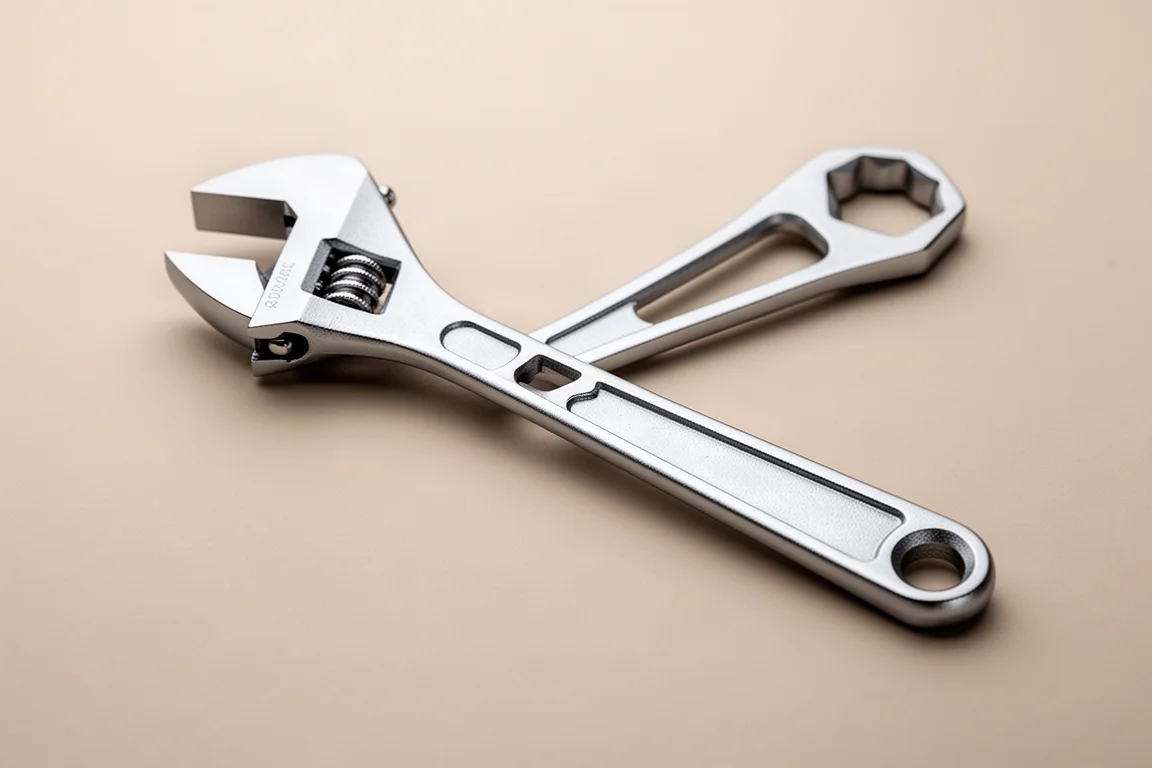
Tekton 10-Inch Adjustable Wrench
At $25, Tekton sits in the upper half on price among the made-in-China options. It feels like a solid piece, and the jaw slop of just 0.16 mm was the best of the purchases up to that point. It also takes a fair amount of turning to round over a grade 5-type hex.
On the slip test it scored 21.5 Nm, about 42% of the standard. The durability rounds were less kind: at 373 Nm it became the first wrench to retire, seizing up and refusing to adjust either way. Not a bad result, but it cut its own run short.
Craftsman 44604 Adjustable Wrench
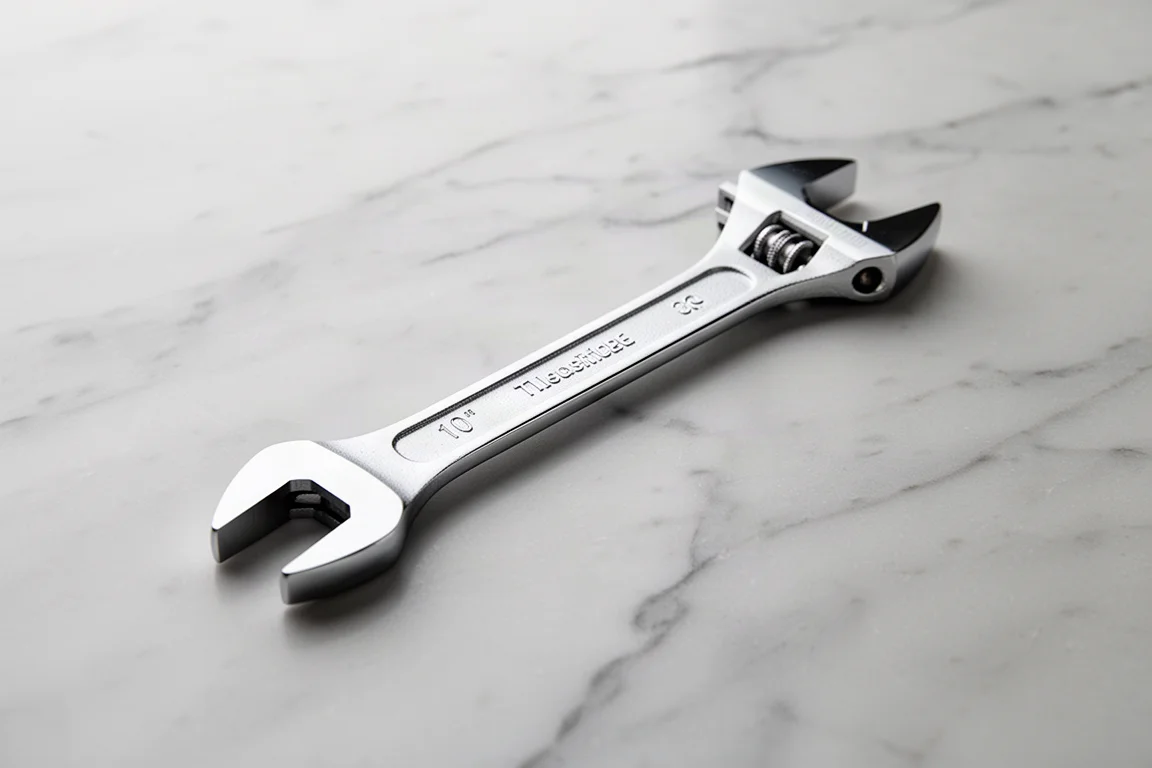
You can no longer buy a new USA-made Craftsman adjustable wrench, but the classic 44604 10-inch model is the most requested comparison, so a vintage example took the test. Adjusted for inflation it would cost roughly $29 today.
The old USA Craftsman barely opens at all during use: 0.06 mm of creep, essentially zero. On the 17 mm slip test it led the field at 22.9 Nm, about 44% of the standard. Unfortunately it met an early demise on the oversized hex at 332.6 Nm when the adjustable jaw broke clean off down a spine that measures about 20% thinner than most others here. A fond farewell to a tool that clearly came to play.
Klein Tools Adjustable Bud Wrench
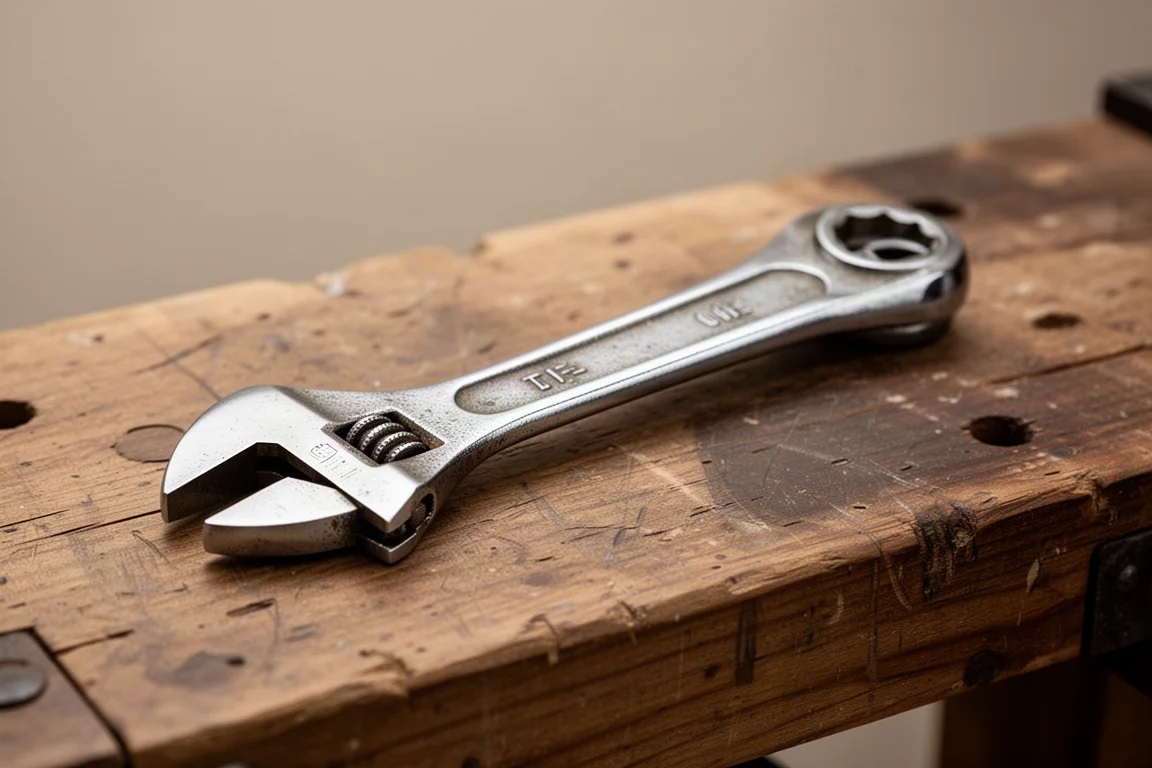
At $50, the made-in-USA Klein bud wrench is a different breed. The tapered handle normally means a smaller head per handle size, but Klein made the head larger to match a full 10-inch class, going slightly overboard: the jaws measure 20% thicker than the average of everything tested, which costs it a few points on fit in tight spots.
The design rewards that bulk elsewhere. The tapered handle takes a cheater pipe easily, there is a through-hole for a lanyard, and the jaws held at just 0.05 mm of creep, matching the Craftsman for best of the day. On the big hex it posted the largest numbers of any 10-inch wrench at 431 Nm, about 84%, and on the super-hardened 19 mm it became the first 10-inch adjustable to exceed 100% of the ASME standard, maxing out the test equipment past 552 Nm. It finished the day completely unphased and still operating normally.
Bahco 10-Inch Adjustable Wrench
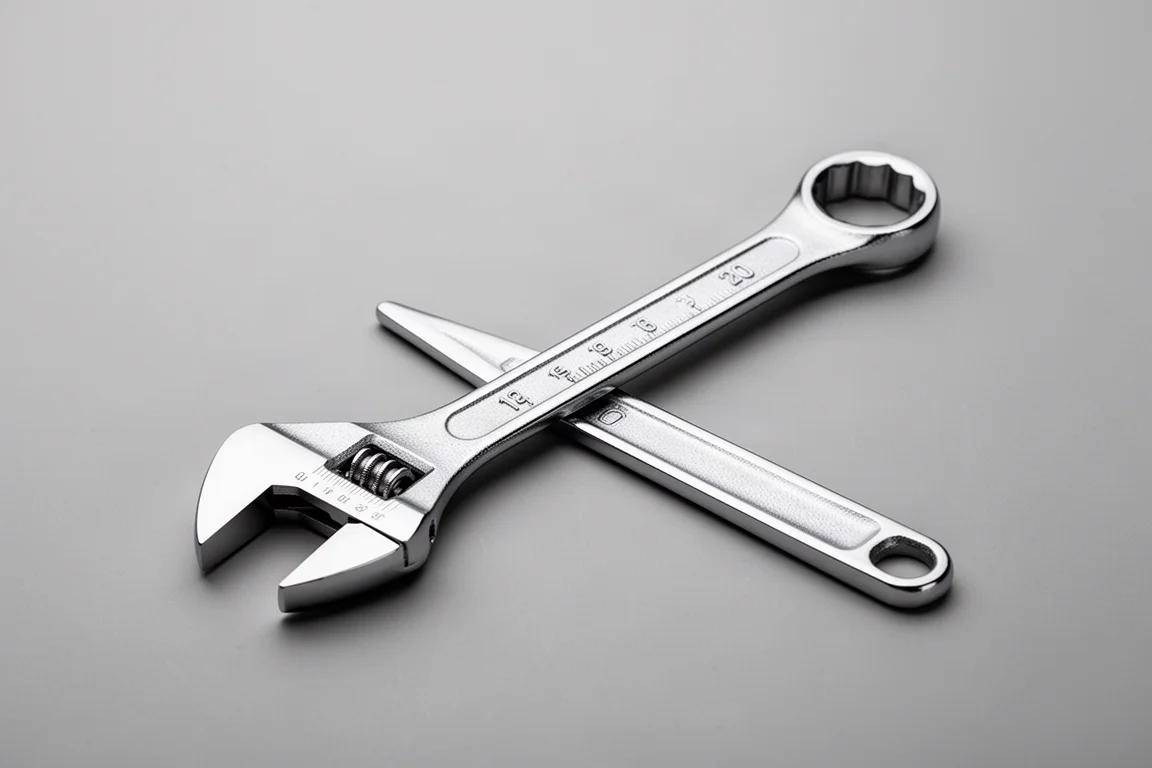
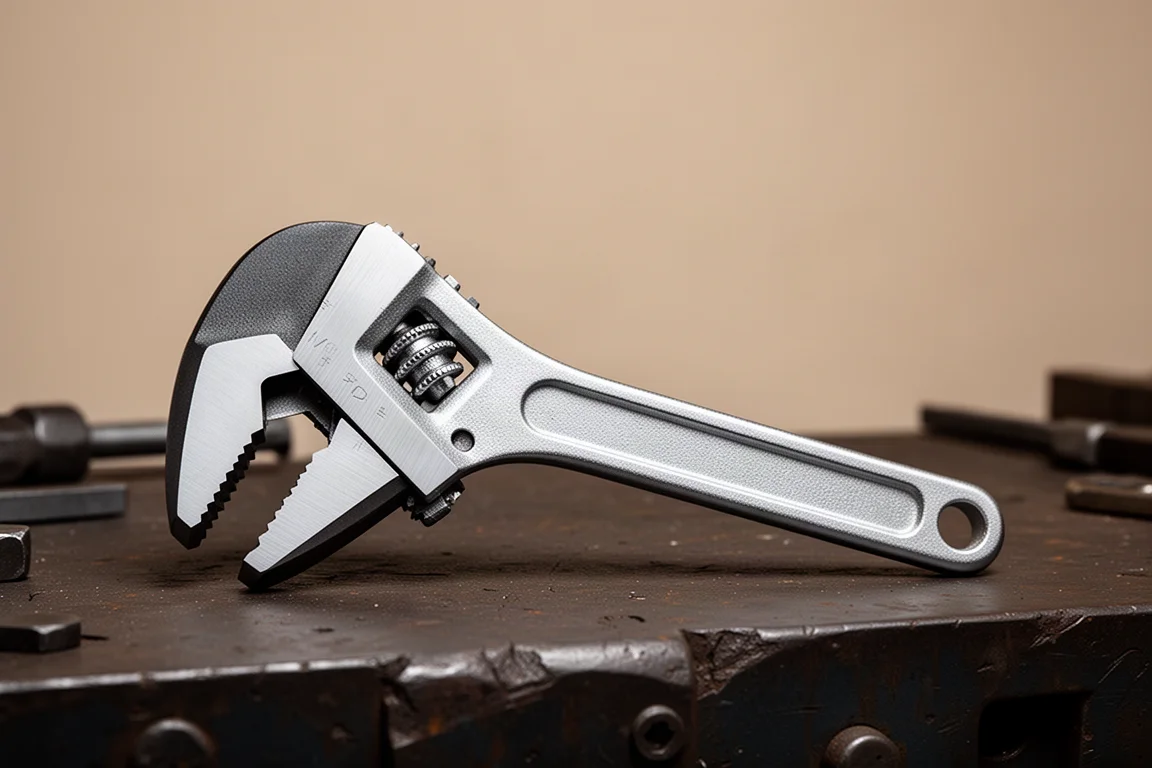
Bahco, the brand credited with inventing the adjustable wrench, needed redemption after a rough showing previously. No Swedish-made examples could be found for sale, so the most expensive option available, a $56 foreign-market model bought from Japan, took the test. It still says made in Spain, and its scale is metric-only with a blank reverse side.
It feels very nice in the hand, with jaws that taper narrower but start wider at the bottom, keeping it within the overall average jaw width. Jaw creep measured about 0.27 mm over, and the slip test netted 201 Nm, about 40% of the standard. It stepped out of the durability race a bit early, but it performed well all around, including on smaller fasteners, and comfortably outperformed the rougher Bahco 872 R model.
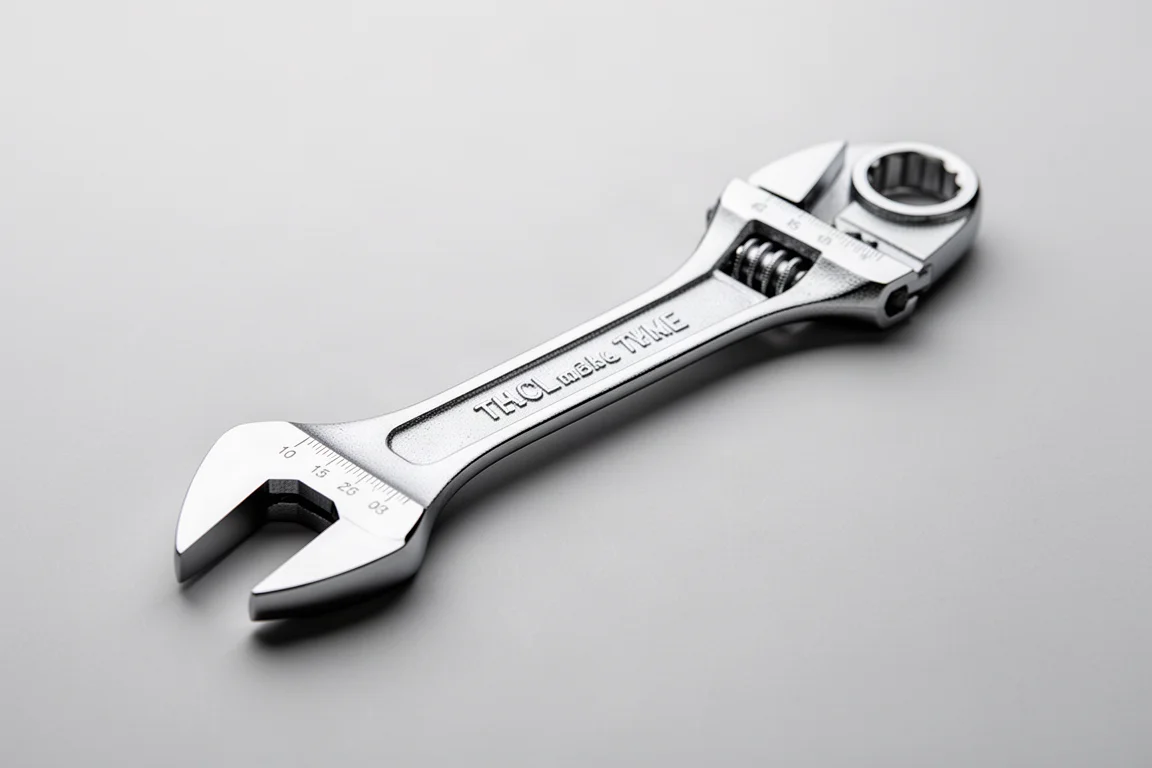
Overall Ranking and Buying Advice
Tallying performance across every round as percentages of the ASME standard, the Klein bud wrench takes first place, with the Bahco not far behind after a strong all-around showing. The Pittsburgh scores well numerically thanks to its oversized build, and the SK’s 85% peak while still working at the end of the day was the surprise of the test. The Tekton’s early retirement cost it, the vintage Craftsman never got a full shot at the big hexes before its jaw snapped, and the Apex-made SATA and Crescent trailed the field.
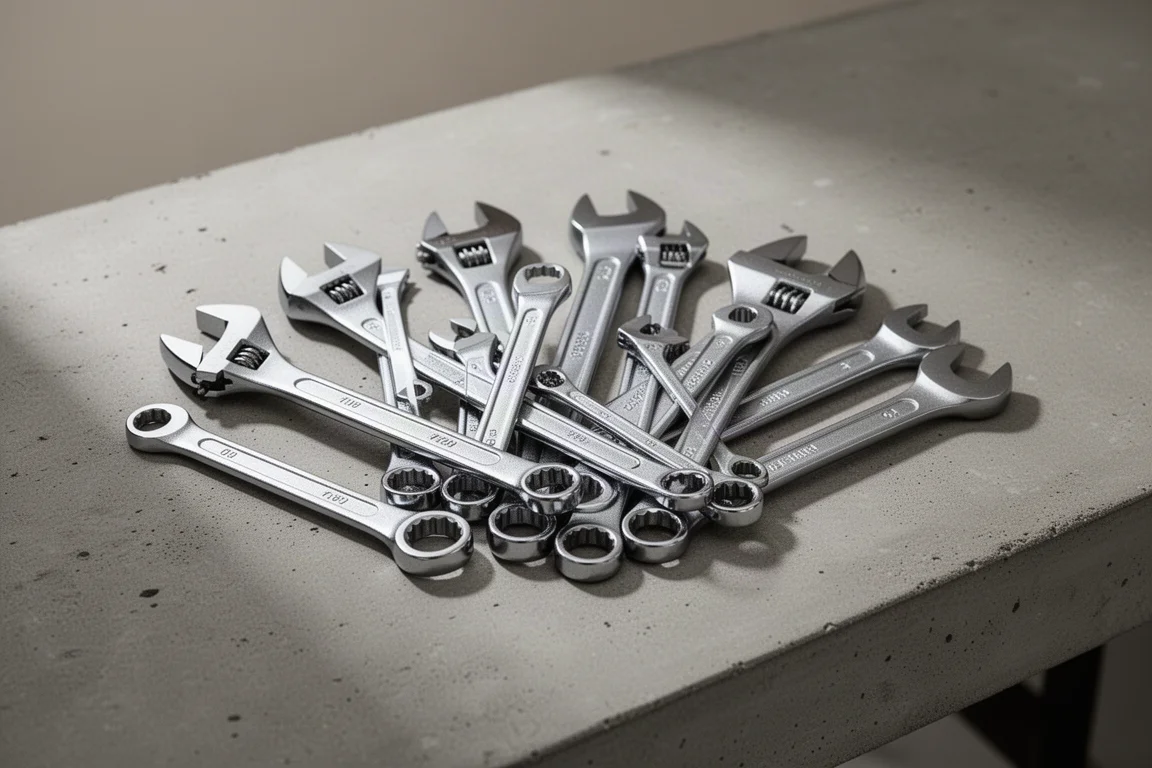
The practical takeaway: pick the attribute that matters most to you. If you want the wrench that resists slipping and shrugs off abuse on stubborn hardware, the Klein is the clear standout, and it is especially useful on air and hydraulic lines. If you want the best balance of feel and all-around performance, the Bahco is the refined choice. On a tight budget, the WorkPro and the SK both overdeliver for their price, while the Pittsburgh earns its keep if your fasteners run large. The consistent lesson from every wrench here is that jaw creep is the enemy: the tighter the jaws stay where you set them, the less likely you are to round a fastener or lose skin over a bolt head.
Conclusion
A 10-inch adjustable wrench is a small purchase with a big effect on how pleasant your work is. The Klein bud wrench set the benchmark on durability and slip resistance, the Bahco delivered the most polished all-around experience, and the budget field proved that cheap does not automatically mean useless, with the WorkPro and SK both surviving everything thrown at them. Whichever you choose, prioritize low jaw creep first; your knuckles will thank you.
Further reading
Related Reviews
Hand Tools
Best Diagonal Cutters 2026: 16 Pliers Tested for Cutting Power and Durability
We put 16 diagonal cutters through nail, screw, drill bit, and hex key tests to find the best value picks for your toolbox.
Hand Tools
Best Hex L Key Sets 2026: Nine Sets Tested for Real-World Torque
Nine hex L key sets from budget to premium, tested for torque, fit, and durability. See which sets deliver real performance and which ones to skip.
Hand Tools
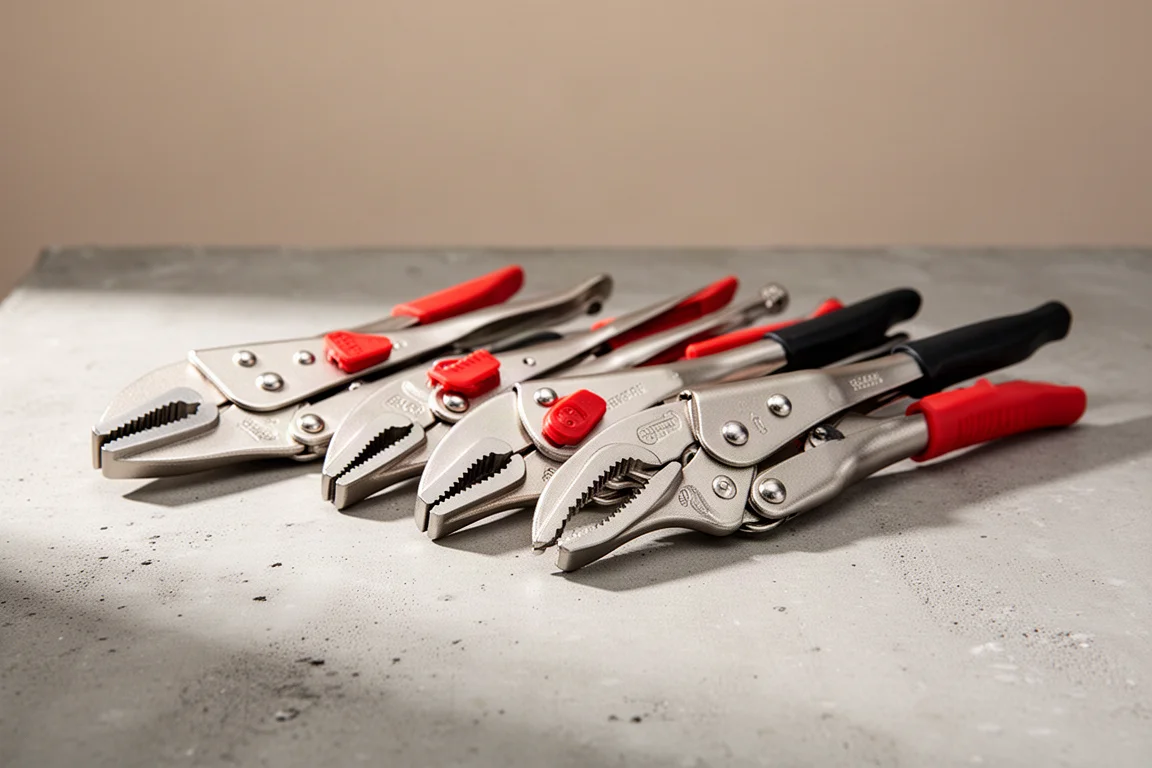
Best Locking Pliers 2026: Top Picks Tested for Grip and Durability
We tested 18 brands of 10-inch locking pliers for grip strength, jaw bite, build quality, and ease of release to find the best options for tough jobs.