Hand Tools
Best 1/2-Inch Drive Ratchets Compared: From Budget Buys to Premium Pro Tools
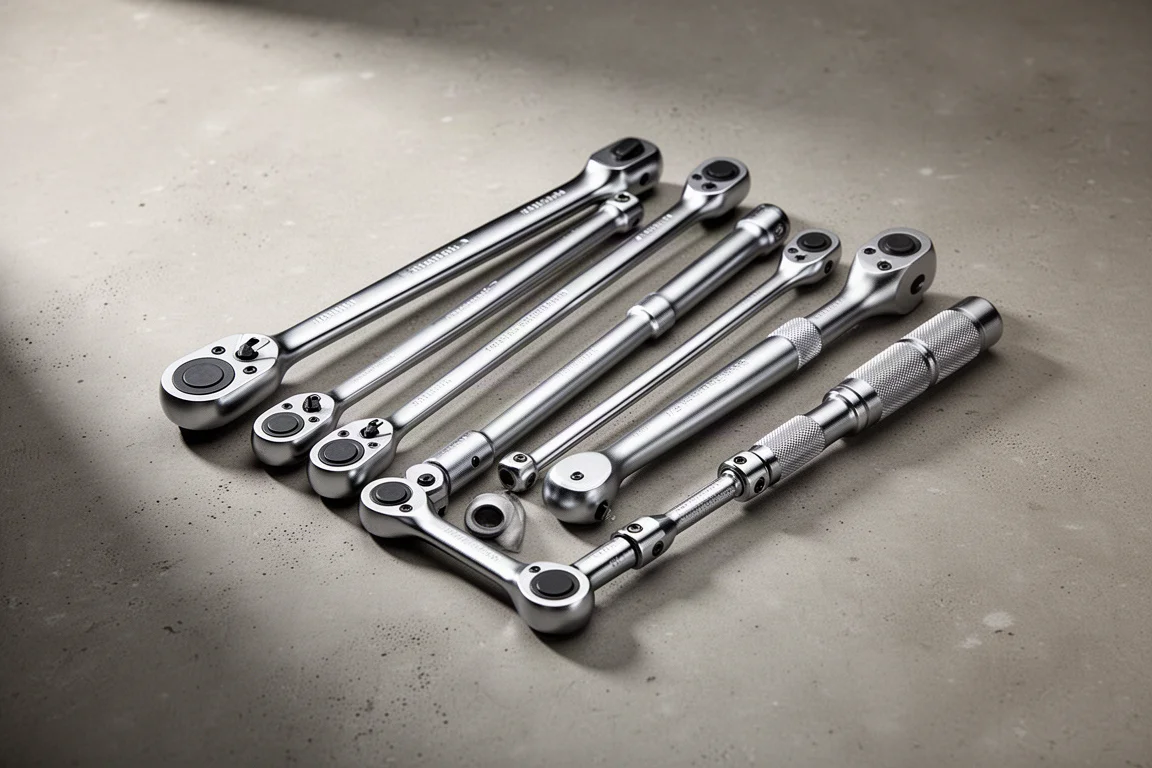
Thirteen 1/2-inch drive ratchets tested head to head for working arc swing, back-drag, directional switching, and raw strength. The results upset some price expectations.
Introduction
It is always a good day when affordable tools outperform more expensive ones, so the question is simple: when it comes to 1/2-inch drive ratchets, is a budget ratchet just as good as a premium one? To find out, thirteen ratchets were compared across working arc swing, back-drag, directional switching force, and raw failure strength. The price gap is enormous, from budget options under twenty dollars to professional ratchets well over two hundred dollars delivered, and the test results did not follow the price tags.
How We Tested
The comparison focused on four practical measures. First, working arc swing: how many right-to-left passes it takes to complete one full 360-degree rotation of a fastener within a tight 30-degree space, where gear slop, tooth count, and tolerances all matter. Second, back-drag, measured by lifting the ratchet with a socket and scale until the gear set advances, which shows how much effort is wasted before each stroke. Third, the force required to flip the directional lever, which matters when hands are oily or gloved. Finally, a destructive load test using a hydraulic press setup to find each ratchet’s failure point, converted to torque figures that account for handle length.
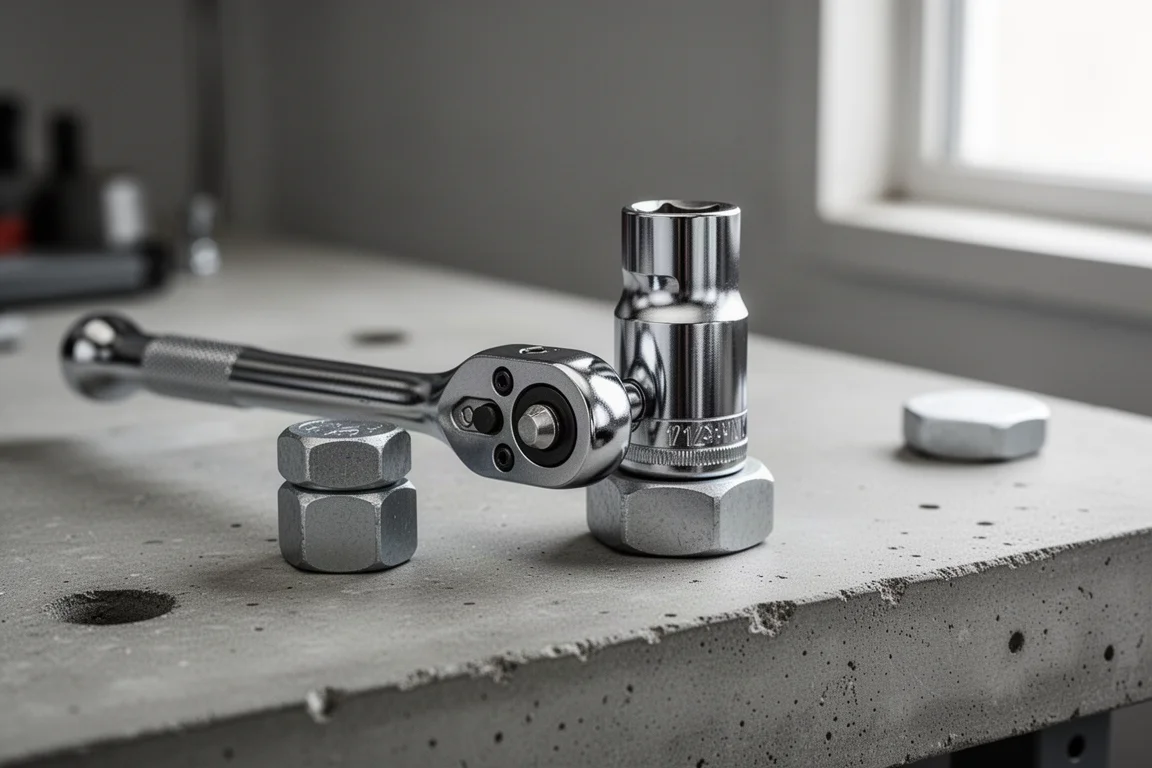
Marketing claims about arc swing and tooth count are everywhere, but the measured results tell a more honest story. Several advertised high tooth counts delivered sloppy real-world performance, while some modest 72-tooth designs punched well above their price.
Budget Picks Under $20
Pittsburgh: Cheap, but the Gear Set Lets It Down
At only $15, the Pittsburgh from Harbor Freight is a 72-tooth ratchet with a claimed 5-degree arc swing, carbon steel construction, and chrome plating, made in China. It weighs 629 g, but its head is not designed for tight spaces at over 40 mm front to back and 42.85 mm side to side. The ratcheting mechanism is extremely loose and sloppy, with the pawl and main gear not working efficiently together, and it took 37 passes for one rotation, easily the worst result. It broke at 676 lb, and a retest failed at just 65 lb, with visible damage to the main gear and pawl. Its low back-drag design is conceptually sound, but the sloppy gearbox hurts both working arc swing and durability.
WorkPro: A Stronger Budget Option
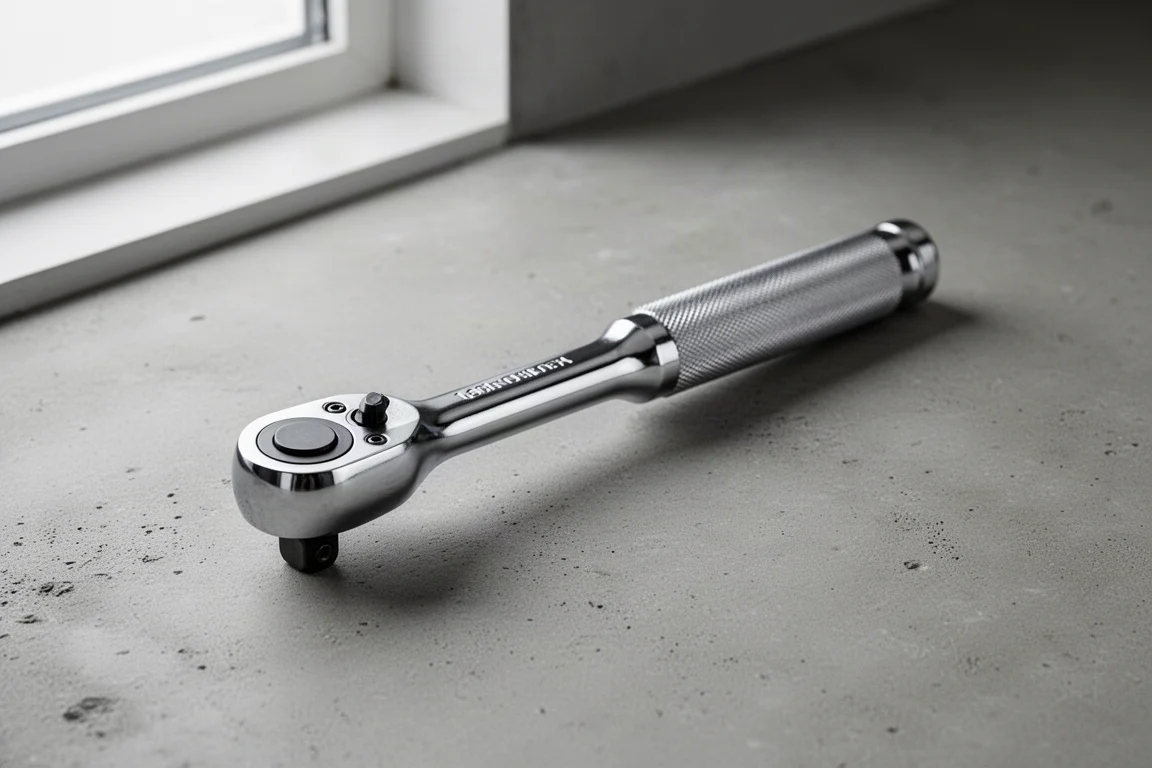
The $17 WorkPro is also a 72-tooth ratchet with a claimed 5-degree arc swing, made in China, weighing 632 g with a slightly better front-to-back head profile than the Pittsburgh at 38.34 mm. Its gear set seems more refined, and it held an early lead in the working arc swing standings before stronger contenders arrived. Back-drag is its weak point at 990 g, the worst in the lineup, and it takes 638 g of force to change directions.
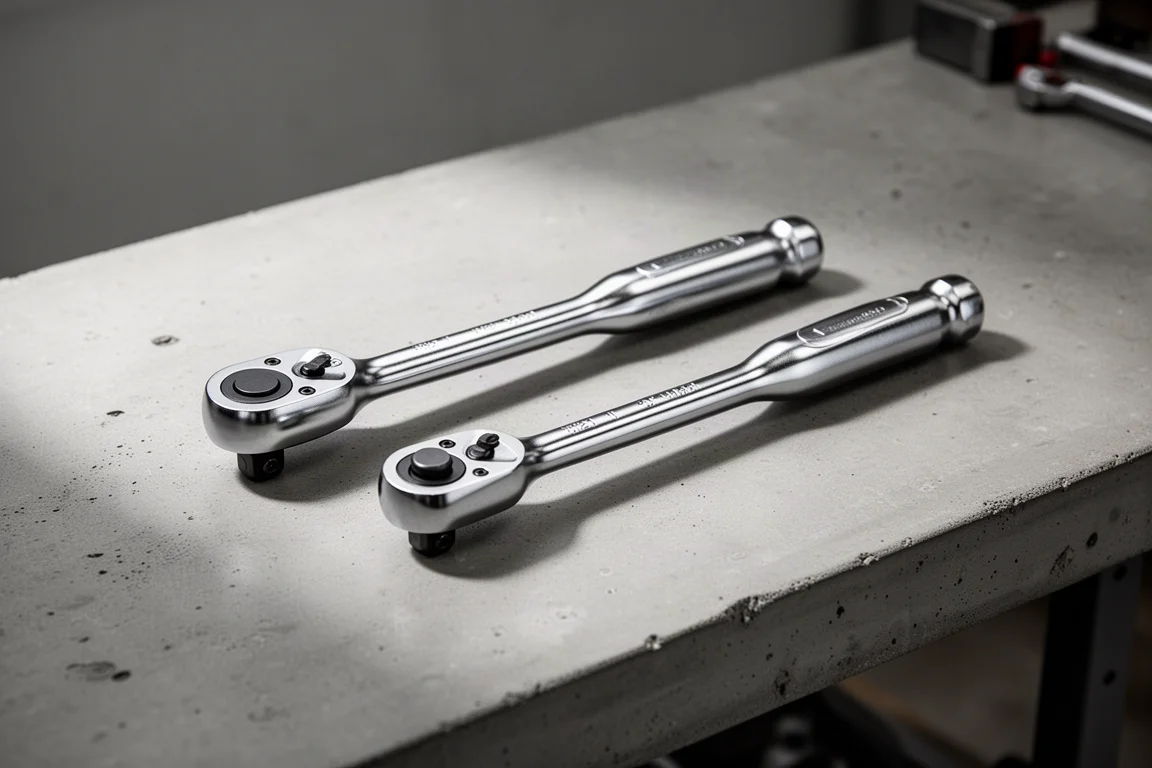
Under the destructive load test the WorkPro stopped working at 765 lb, and its internals use a different gear set layout than the previous budget ratchets. For occasional home use it is serviceable, but the heavy back-drag makes it tiring to work with over long sessions.
Solid Mid-Range Contenders
DeWalt: The Most Compact Head in the Test
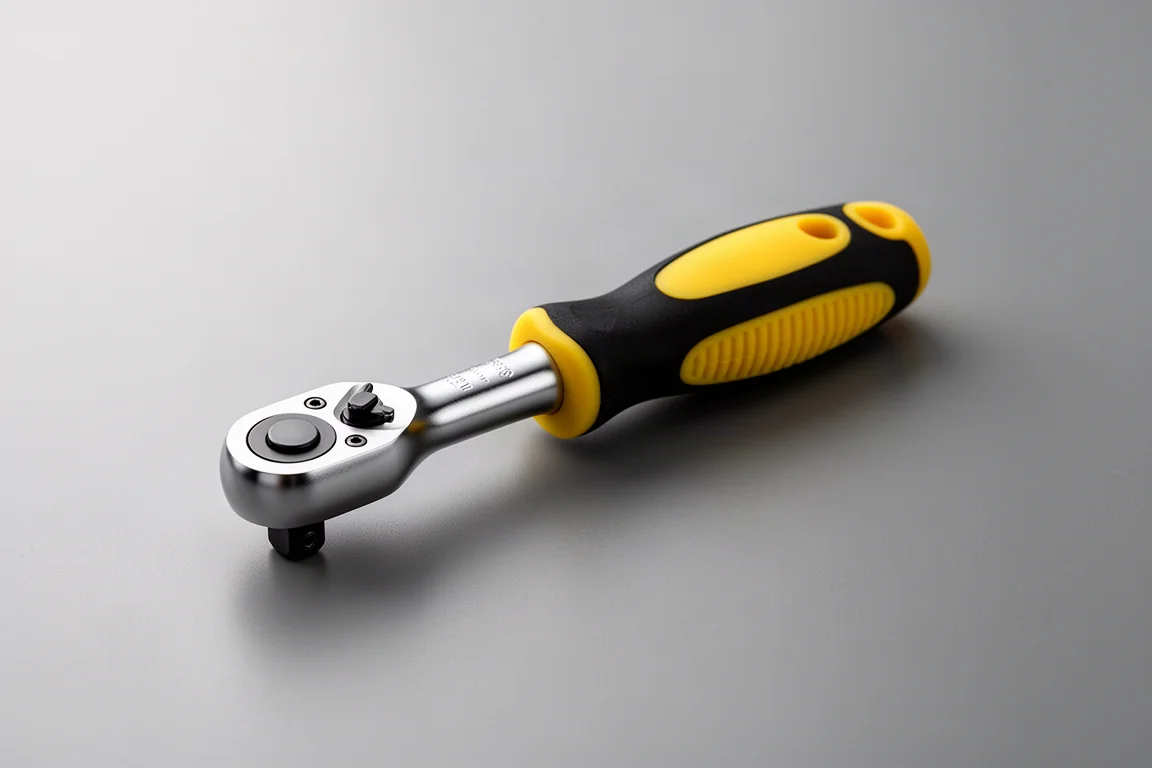
At $22, the DeWalt is a 72-tooth ratchet with a claimed 5-degree arc swing, a contoured anti-slip handle, and a low-profile directional lever, made in Taiwan. At 572 g it is the lightest tested, and it has by far the most compact head overall, which makes it a genuinely good choice for tight engine bays. It needed 23.5 passes for a full rotation and delivered average back-drag at 390 g, with 442 g of force to change directions. It withstood 857 lb before the drive failed, though the main gear took damage in the process.
Klein Tools: Easy to Live With
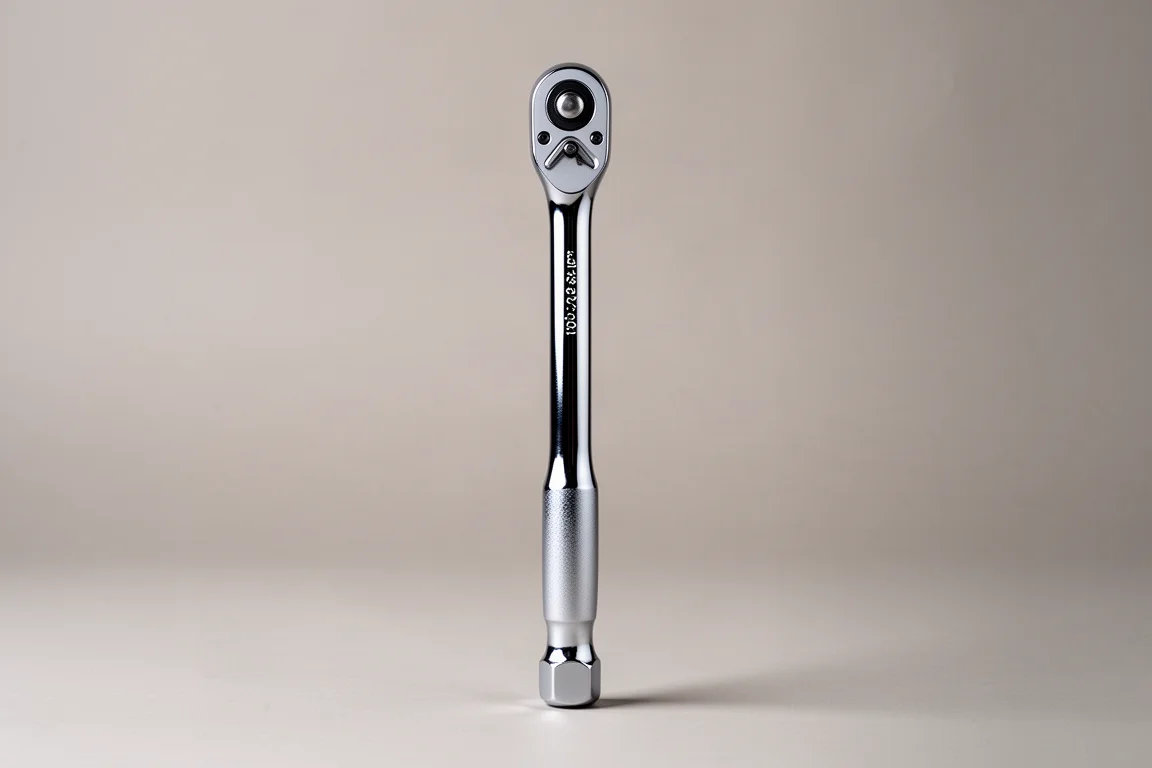
The $25 Klein Tools ratchet is claimed to be forged from high-quality alloy steel, 10 inches in length, with a durable chrome finish. No tooth count is advertised, which is unusual. Made in Taiwan and weighing 627 g, it has a fairly large head at 39.4 by 49.7 mm and needed 23.5 passes for a rotation. Its back-drag of 330 g is better than average, and switching directions takes just under 400 g of force, one of the easier levers to use. It failed at 787 lb at the drive, though the main gear was damaged even though both pawls held up fine.
Craftsman: Big Tooth Count, Sloppy Delivery
At $43, the Craftsman advertises a 120-tooth dual-pawl mechanism with a 3-degree working arc swing and rust-resistant gunmetal chrome, made in Taiwan at 594 g. On paper that sounds excellent, and its compact 37 by 37 mm head helps access, but the gear set feels sloppy and inefficient. It took 22 passes for a rotation, and the teardown suggests a 60-tooth main gear with two alternating pawls rather than a true high-count gear set. Back-drag at 454 g is a little too high for efficient work, and it broke at 780 lb with heavy damage to the gear and pawls. Advertising tooth counts sells ratchets, but it does not speed up the job.
Icon: The Raw Strength Champion
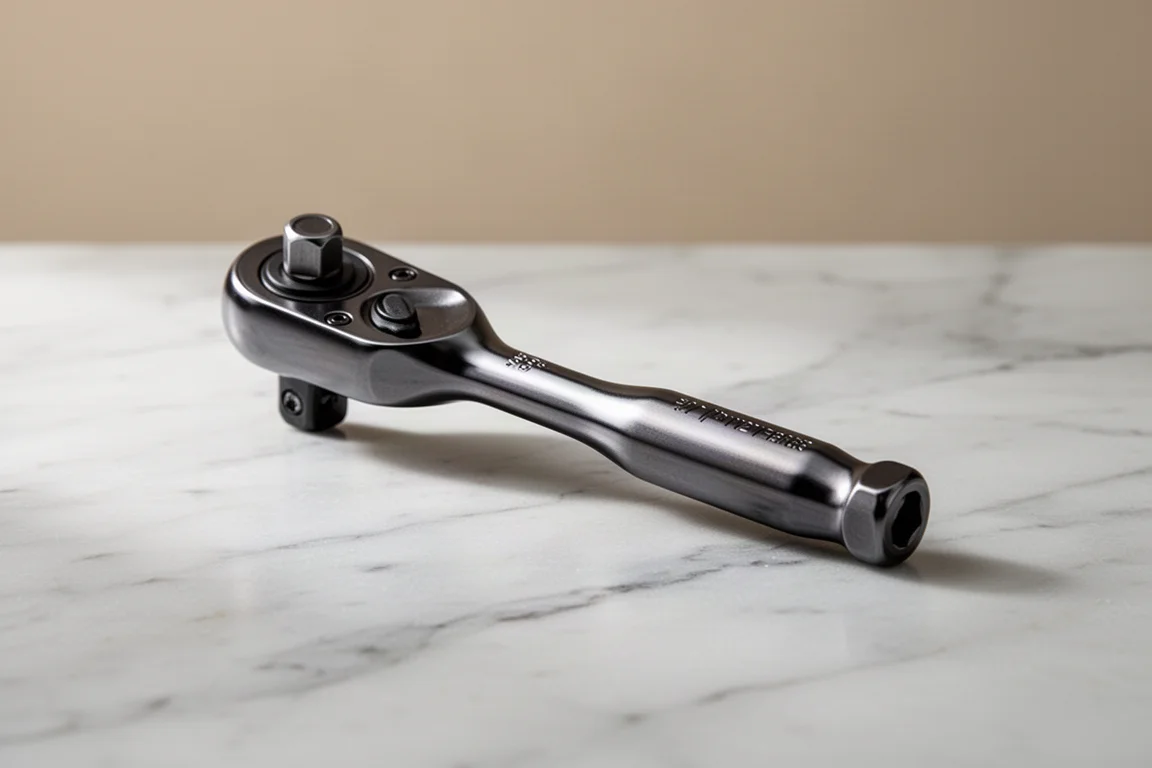
The $45 Icon from Harbor Freight uses a 90-tooth gear-to-gear mechanism with a claimed 4-degree arc swing and a low-profile head, made in Taiwan at 587 g. Its 33.7 mm front-to-back profile is genuinely low, though the 45.6 mm side-to-side width is substantial. It managed 21 passes and 346 g of force to change directions. The destructive test is where it shines: with the comfort-grip handle bending excessively, the shortened 8-inch effective length still allowed over 1,100 lb of raw force, the highest of any ratchet tested. The main gear is built to withstand serious abuse and both the gear and pawls were still in very good condition afterward.
Williams: Traditional USA Build Quality
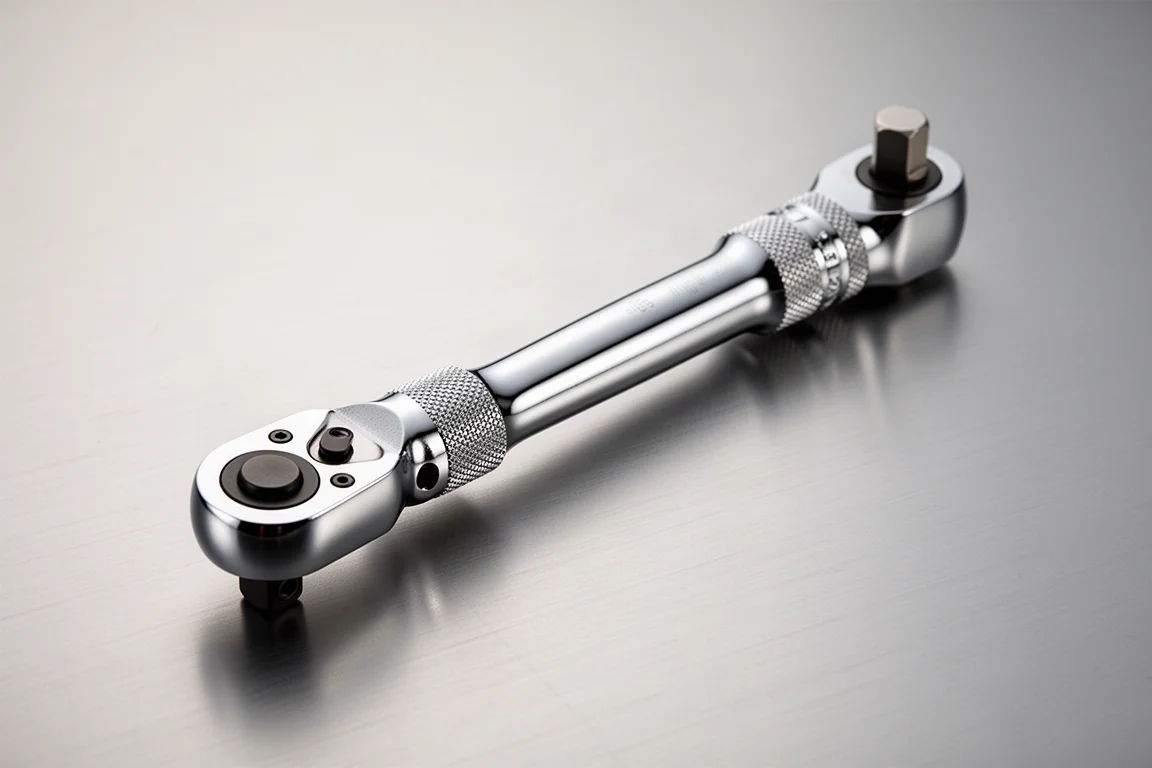
At $53, the Williams has a double-pawl design with 72 teeth and a 5-degree ratcheting angle, made in the USA, and at 709 g it is the heaviest ratchet of the mid-range group. Its 40.4 by 43.8 mm head is not designed for tight spaces, and the 72-tooth count puts it at a disadvantage in swing arc, finishing at 21.9 passes. The gear set does feel tight and dependable, and back-drag of 738 g is on the high side. Direction changes require rotating a dial rather than flicking a lever, taking about 1,256 g of force, so it is an apples-to-oranges comparison there. In the destructive test the main drive failed, but the main gear and pawl remained in very good condition. This is a genuinely durable, heavy-duty ratchet.
Wera: Refined Gears, Handle in the Way
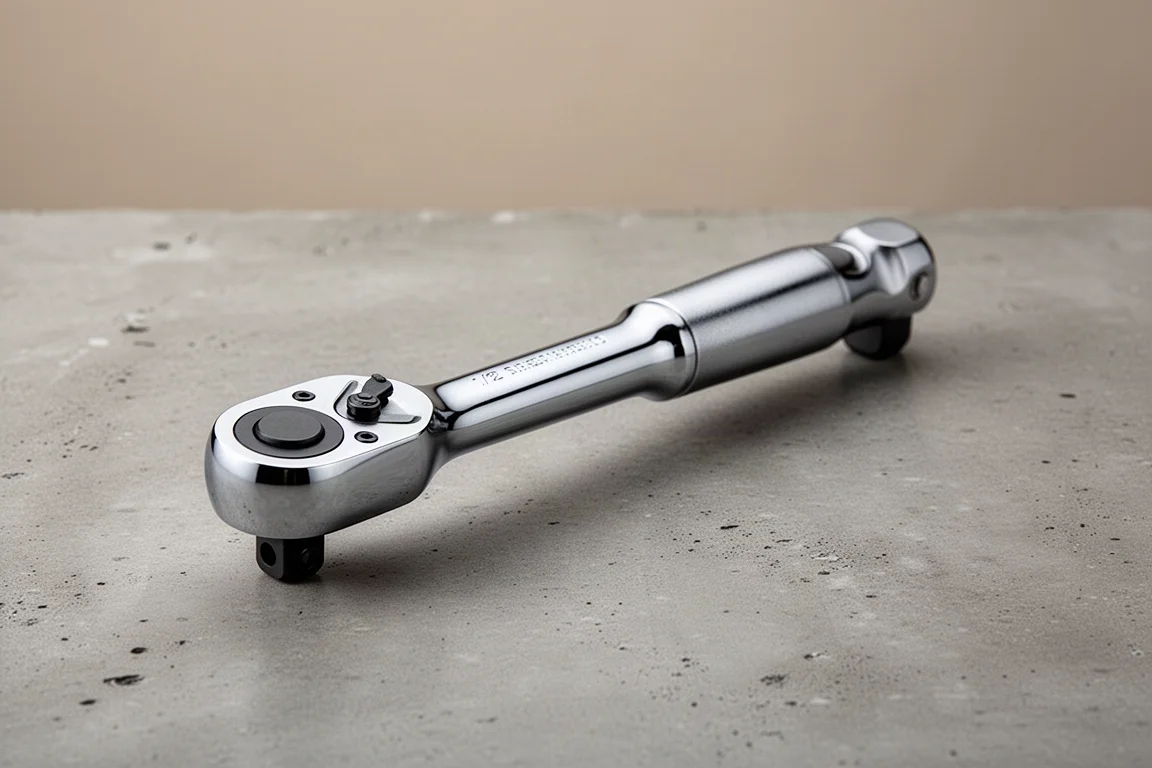
The $53 Wera has a 72-tooth mechanism with a claimed 5-degree return angle, described as very robust with no restrictions on torque, made in the Czech Republic at 699 g. Its head is ideal for tight spaces at 33.8 by 37.6 mm, but the handle design gets in the way, holding it back to 23.9 passes. Back-drag of 464 g is about average, while direction changes are easy at 362 g. It reached a peak of 797 lb before the drive failed, and the main gear and pawl held up with no visible damage, which supports the robustness claim even if the swing arc disappoints.
GearWrench 120XP: The Overall Winner
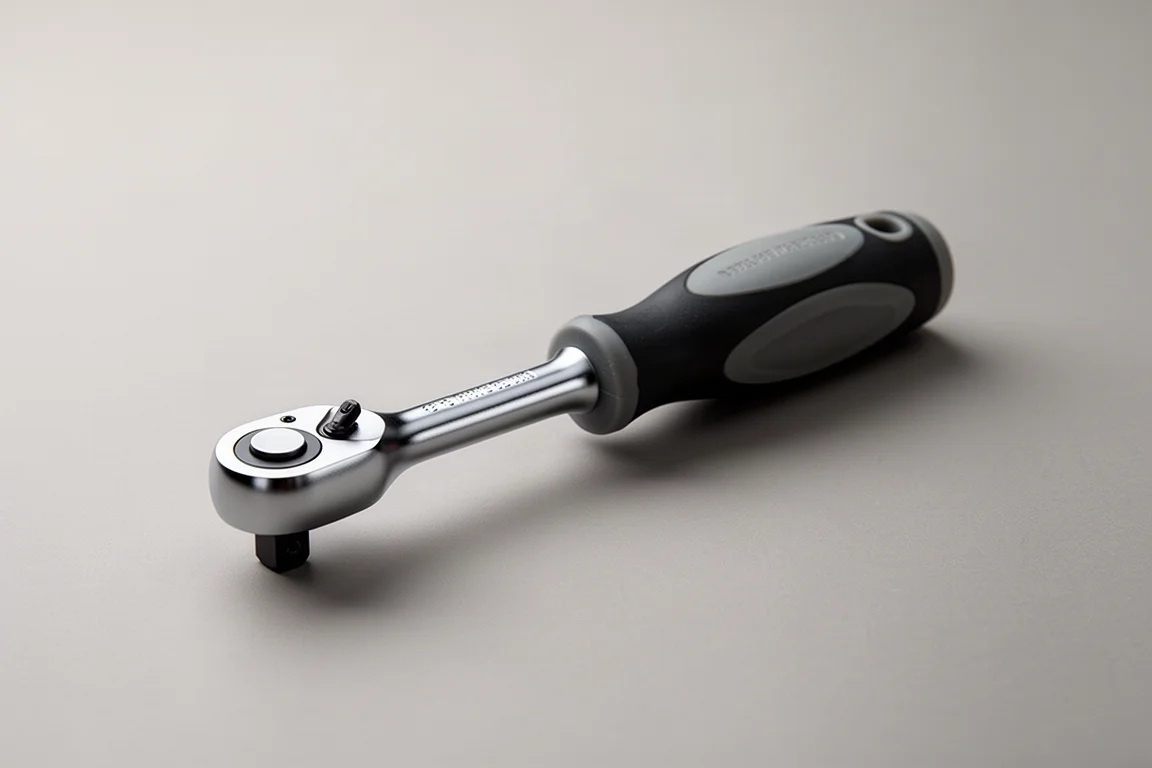
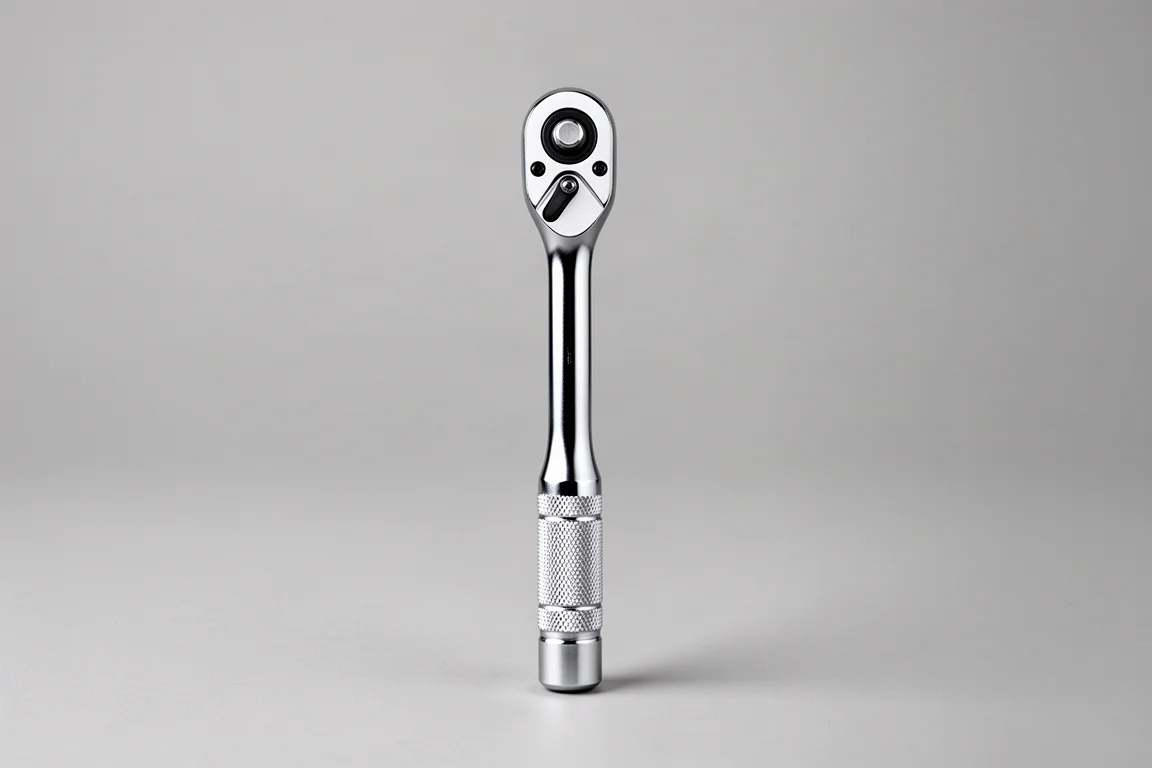
At $59, the GearWrench with a 120-tooth mechanism and claimed 3-degree arc swing is designed for heavy-duty use, made in Taiwan, and at 740 g it is even heavier than the Williams. Despite that, it is nearly as compact as the Wera at 34.2 by 37.2 mm. Expectations were high given GearWrench’s ratchet reputation, and the tool delivered: nearly 20 degrees of progress per pass at 19.1 passes, second-best back-drag at 300 g, and the friendliest directional switch at just 264 g of force.
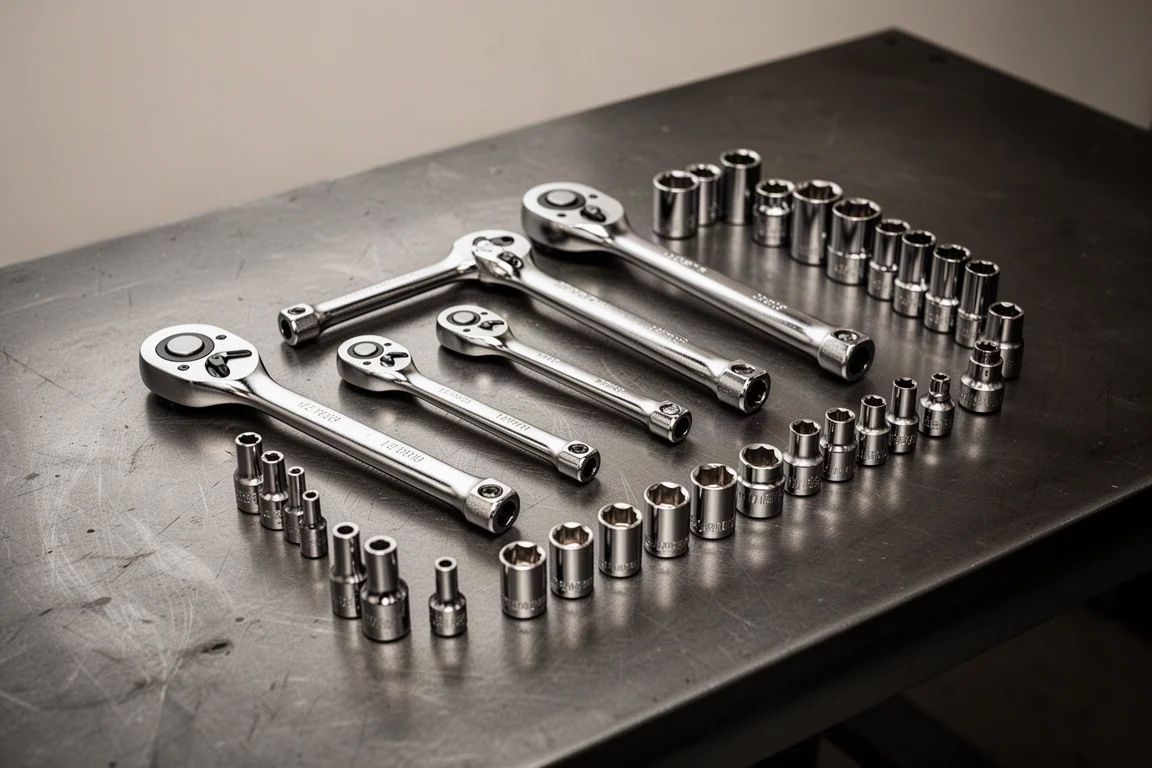
The destructive test sealed it. The main drive finally let go at 943 lb, which works out to over 800 ft-lb of torque after adjusting for handle length, the best adjusted figure of the entire showdown, and the gear set was still working properly with no visible damage. Across every category it finished near the top, with an average rank of 1.7, which is remarkably rare for any ratchet.
Premium and Professional Grades
Stahlwille: German Refinement at a Price
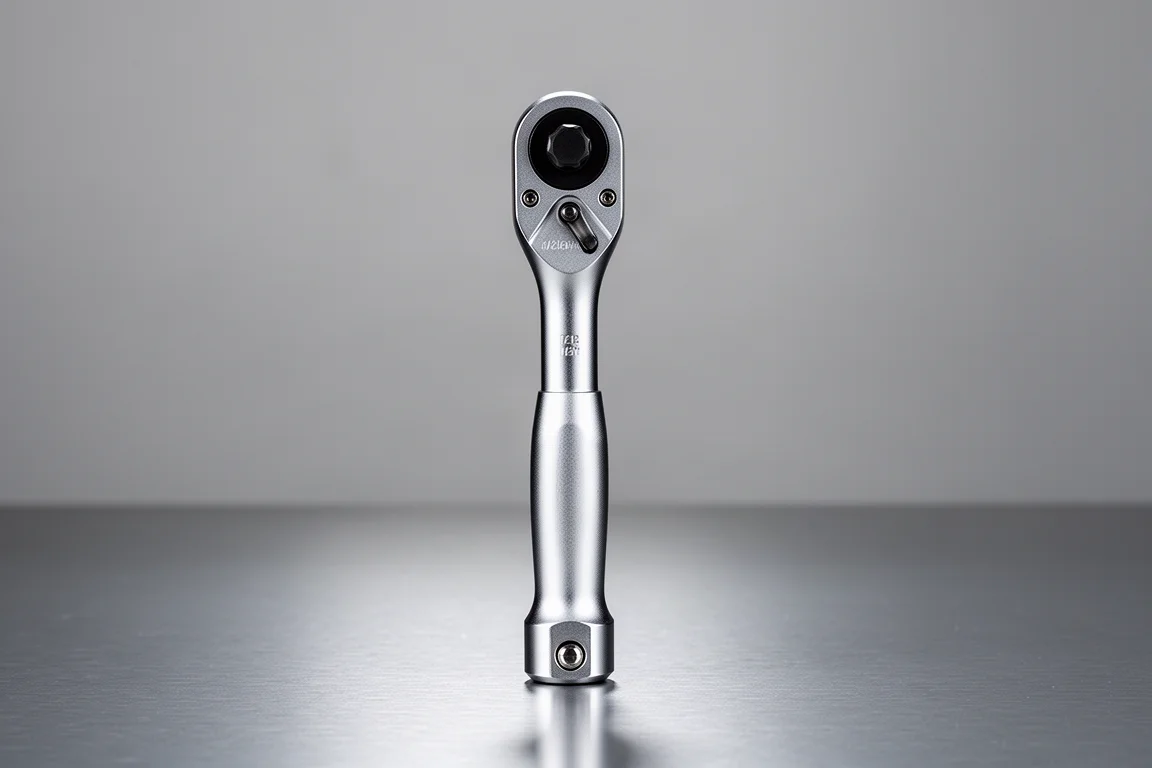
At $118, the Stahlwille is an 80-tooth fine-tooth ratchet with around a 4.5-degree arc swing and a steel handle designed for confined spaces, made in Germany at 655 g. Its head is about average in size, and while 80 teeth sounds modest next to 120-tooth rivals, the gear set feels refined and efficient, finishing at 20.2 passes. Back-drag of 718 g is high enough to get in the way, and it needs to loosen up with use. It broke at 819 lb, then just over 800 lb on the retry, with damage to the drive, a pawl, and the main gear.
SK: Two Versions, One Clear Lesson
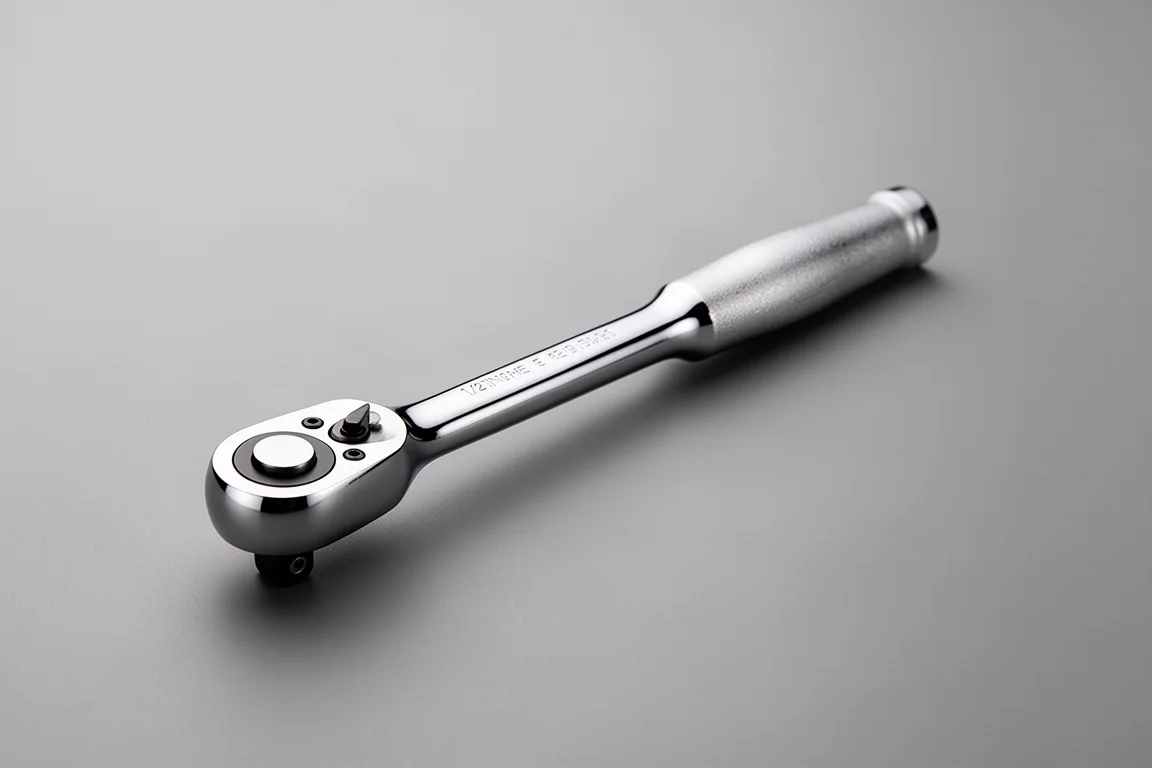
Two SK ratchets were tested. The USA-made version at $157 is a 90-tooth ratchet with a claimed 4-degree arc swing, a sealed head to keep out contaminants, and a lower-profile head for tight access, weighing 742 g. It posted the second-best working arc swing at 18.4 passes, better-than-average 400 g back-drag, and 448 g to change directions, and it broke at a huge 1,042 lb, roughly 782 ft-lb adjusted for handle length, with the main gear and pawls still in very good condition. The China-made variant at $36 shares the same 90-tooth 4-degree specification, weighs 641 g, and has the best front-to-back head profile of the whole test at under 33 mm, with a solid 20.2 passes. Its back-drag at 958 g and stiff 820 g directional switch need a design revisit, but it broke at over 900 lb. At roughly a quarter of the price, the cheaper SK is the smarter buy for most people.
Mac Tools: A Tank With Trade-Offs
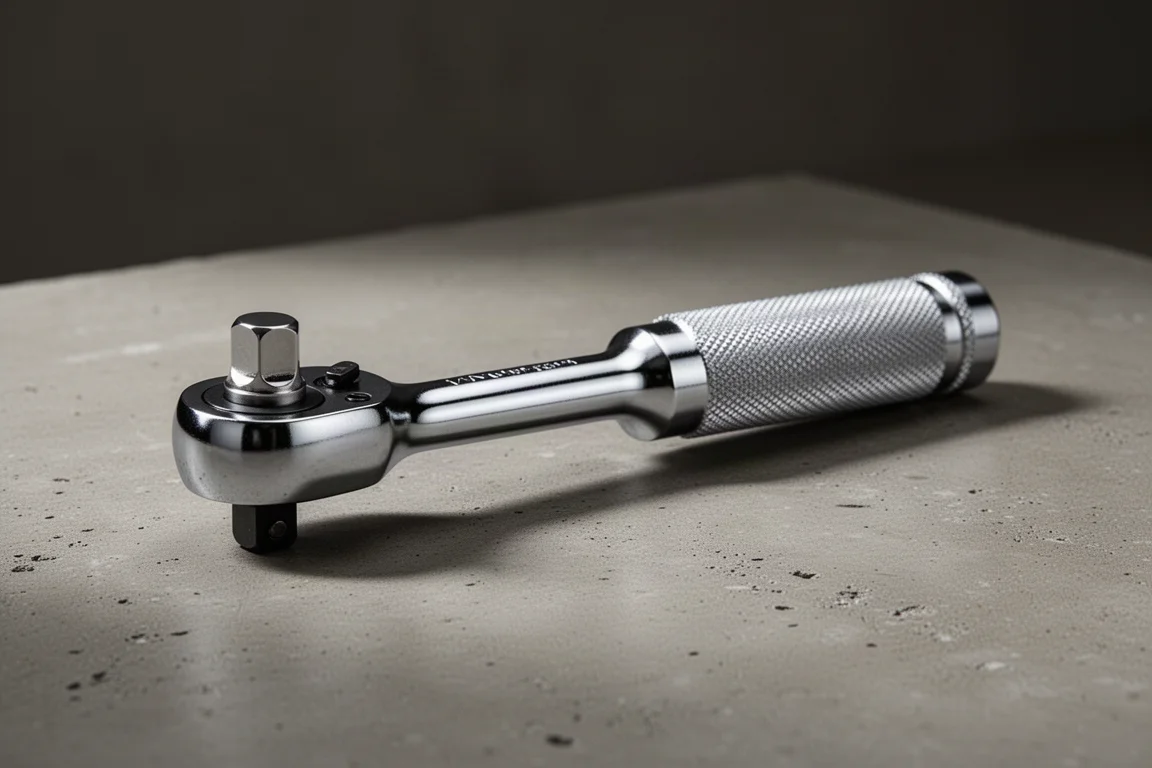
At $185, the Mac Tools ratchet is a 90-tooth design with a claimed 4-degree arc swing and a compact pear-shaped head, made in the USA. At 793 g it is the heaviest ratchet in the lineup, and at 35.7 by 42.9 mm the head is a little larger than average. It needed 22.5 passes for a rotation and carries 840 g of back-drag, too much to work efficiently. The directional switch is a real problem if you wear gloves or have greasy hands, requiring 1,372 g of force. It broke at 927 lb, about 773 ft-lb adjusted, and the internals looked as good as new, so the build quality is clearly there.
Snap-on: Premium Price, Middle Results
The Snap-on features Dual 80 technology with 80 gear teeth and seven teeth in contact for strength, a sealed head to keep lubricant in and contaminants out, and durable nickel-chrome plating with a mirror finish, made in the USA at 741 g. Listed at roughly $246 with shipping, handling, and tax, it is compact at 33.6 mm front to back and matched the Stahlwille’s efficiency at 20 passes for a full rotation. Back-drag of 678 g is too high for a premium ratchet, and the directional switch takes 876 g of force, though its tall profile makes it easy to find. It reached 931 lb before the drive failed, with the main gear in good shape and one pawl showing some damage. The dual-pawl design is proven and robust, but the measured performance does not justify the price gap.
Final Rankings
Converting raw failure force to torque using each ratchet’s handle length, the GearWrench came out on top at roughly 845 ft-lb, followed by the USA-made SK at 782 ft-lb and the Mac Tools at 773 ft-lb. On working arc swing, the USA-made SK finished second and the GearWrench third among the featured lineup. On back-drag, the GearWrench led the featured group at 300 g, with Klein Tools close behind at 330 g. The overall standings, averaged across all categories, put the $59 GearWrench first with an average finish of 1.7, a dominant all-around result, and the $157 USA-made SK second at 4.7, strong in arc swing, back-drag, and failure load, though its head is large and the directional switch needs more force than some rivals.
Buying Advice
If you want the single best all-around 1/2-inch drive ratchet, the GearWrench 120XP is the standout: excellent arc swing, low back-drag, the easiest direction switch, and the best adjusted torque-to-failure figure, all at a mid-range price. If you want professional-grade toughness and are willing to pay for it, the USA-made SK delivered the second-best overall score and survived a massive 1,042 lb load.
For tight spaces, the DeWalt offers the most compact overall head at a very friendly price, while the Icon is the pick if raw strength matters most, having survived over 1,100 lb of force. On a strict budget, the WorkPro is usable, but skip the Pittsburgh: its sloppy gear set cost it both performance and durability. Premium buyers should look hard at the numbers before paying Snap-on money, because in this comparison the mid-range tools simply outperformed them.
Conclusion
Price does not predict performance with 1/2-inch drive ratchets. The GearWrench dominated nearly every category at a fraction of the cost of the professional brands, the USA-made SK justified its premium with strength and refinement, and several budget and mid-range options delivered results that embarrassed tools costing four or five times as much. Match the ratchet to your actual working conditions, and your money will go a long way.
Further reading
Related Reviews
Hand Tools
Best Diagonal Cutters 2026: 16 Pliers Tested for Cutting Power and Durability
We put 16 diagonal cutters through nail, screw, drill bit, and hex key tests to find the best value picks for your toolbox.
Hand Tools
Best Hex L Key Sets 2026: Nine Sets Tested for Real-World Torque
Nine hex L key sets from budget to premium, tested for torque, fit, and durability. See which sets deliver real performance and which ones to skip.
Hand Tools
Best Locking Pliers 2026: Top Picks Tested for Grip and Durability
We tested 18 brands of 10-inch locking pliers for grip strength, jaw bite, build quality, and ease of release to find the best options for tough jobs.