Everyday Carry
Benchmade S90V vs Stanley Folding Knife: What a $250 Price Difference Actually Buys
Two folding knives with nearly identical designs sit at opposite ends of the price spectrum. Here is what separates a Nakamura-designed Benchmade from a budget Stanley.
Introduction
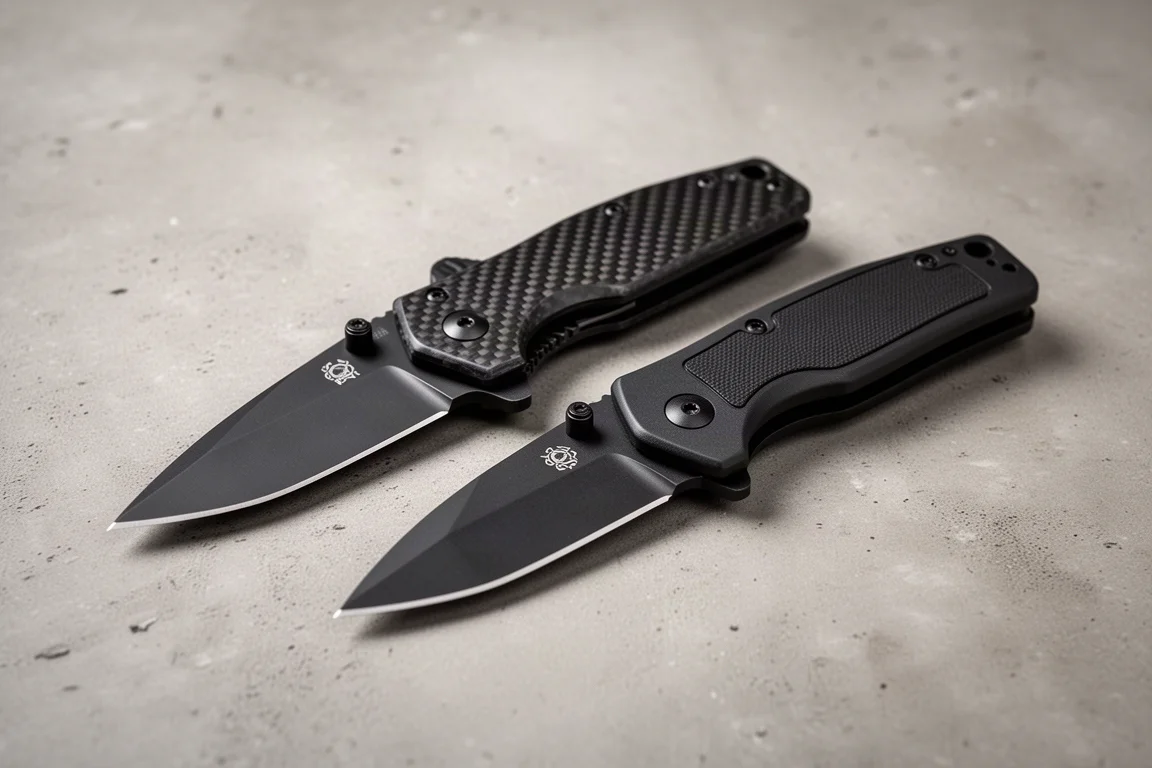
Few questions come up more often in everyday carry circles than this one: is an expensive folding knife actually worth it, or are you paying for a name? We put two knives side by side that make the comparison unusually clean. Both share a near-identical silhouette, a black handle, and a similar intended purpose, yet one costs around $270 to $350 on the used market while the other typically sells for $12 to $13 new, with used discontinued examples available for $10 to $20.
The answer turns out to be more nuanced than either camp would have you believe.
Shared Design Language: More Similar Than the Price Suggests
Open both knives and the family resemblance is striking. Both use a pass-through handle design that is easy to clean, a modified drop point blade with an unsharpened swedge, and a thumb stud as the primary deployment method. Both have black handles, standouts along the spine for stability beyond the pivot, and a Torx screw pivot that lets you adjust blade tension.
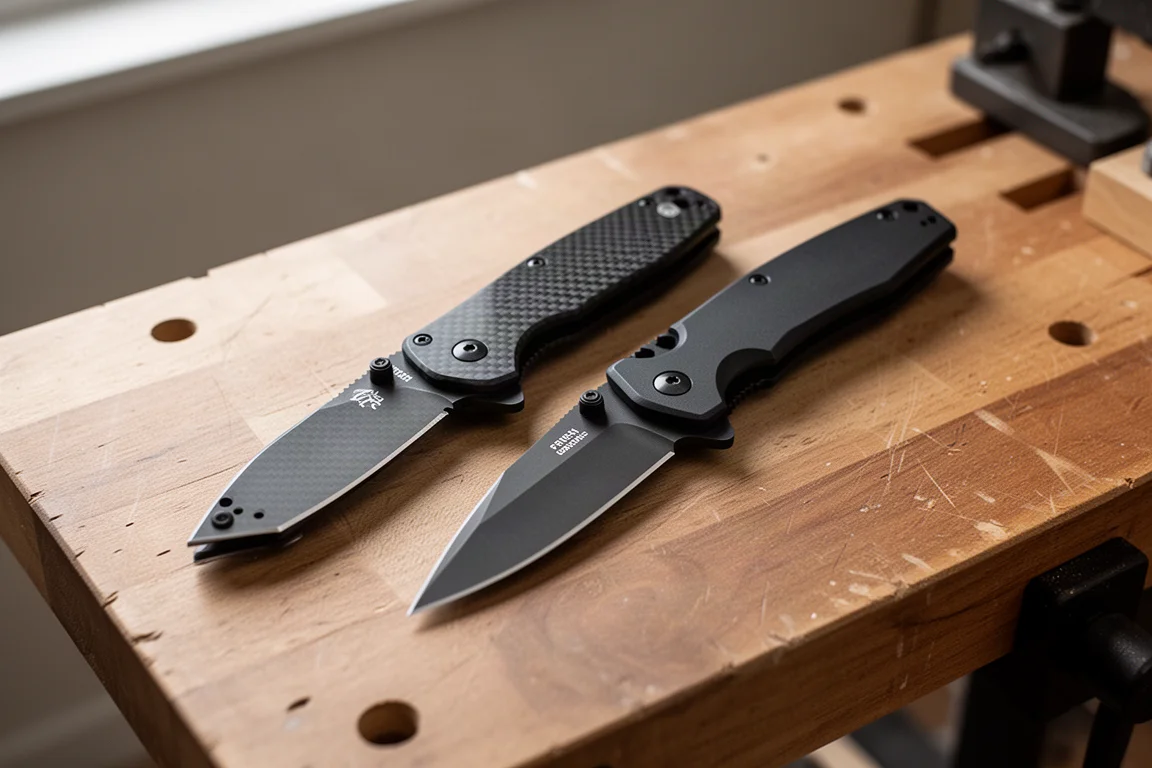
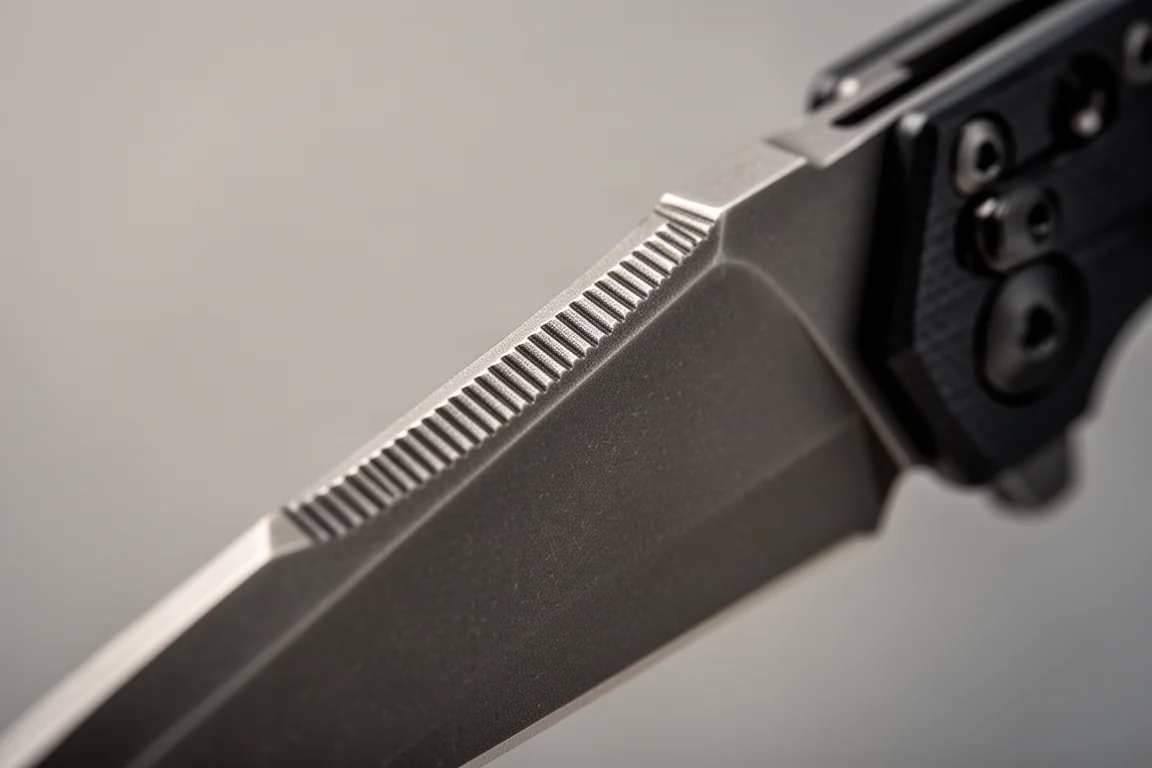
That unsharpened swedge matters more than it looks. Keep the upper edge dull and the knife stays legal in many jurisdictions; sharpen it and you have effectively created a dagger, which can cause legal problems depending on where you carry. Both knives make the same conservative choice here.
The handles also share a functional DNA. Each has a melded thumb ramp running from the handle directly into the blade, with jimping for grip. The texture is coarser on one and finer on the other, a small but noticeable difference in feel.
Blades, Locks, and Steel
The Stanley runs on a liner lock, one of the strongest conventional lock types available. For the lock to fail, the steel liner itself would have to bend or deform under force, whereas a lockback can pop free from a small indentation. It is a serious, reliable mechanism on a budget knife.
The Benchmade uses the AXIS lock, a proprietary design and a long-time favorite among folding knife fans. It also adds a second deployment option: release the blade tension with the lock and flick, and the blade launches open. The Stanley offers only the thumb stud.
On steel, the gap widens. The Stanley almost certainly uses 440 or 420 stainless, a common, workmanlike steel whose performance depends heavily on heat treatment. The Benchmade carries S90V, a Crucible super steel designed specifically for knife blades, at the upper end of the super steel category. It holds an edge longer and can reach a sharper, more refined edge than the budget steel.
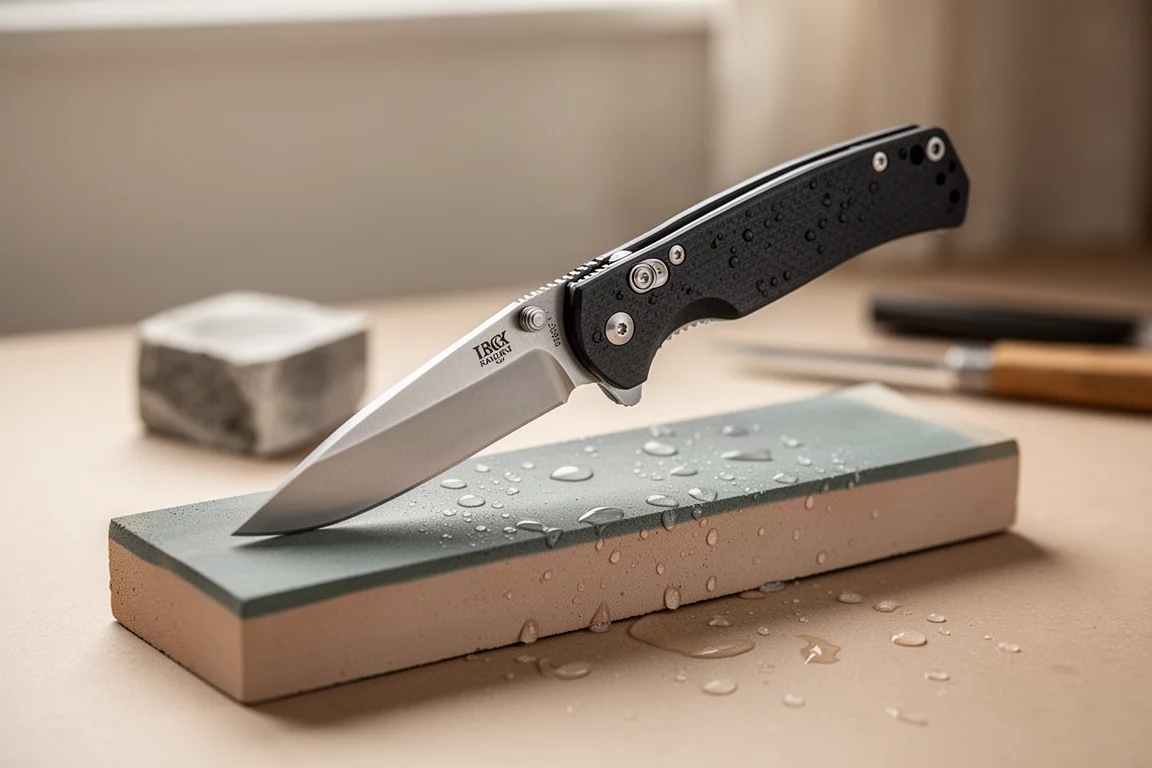
One design nitpick on the Stanley: a slight recurve in the blade profile makes it harder to sharpen and slightly less pleasant to use, and the blade dips where the Benchmade stays straight all the way to the drop point. Minor, but real.
Build Quality and Origin
Fit and finish tell the rest of the story. The Stanley closes with the blade slamming against the edge of the handle, a sign that assembly-line tolerances are “close enough” rather than perfect. The Benchmade lines up dead straight down the middle, and if it does not, the company will adjust it. That consistency costs time and money.
The Benchmade was made in Oregon in the United States, carries the name of knife designer Nakamura, and pays royalties for both the design and the premium steel. It features a carbon fiber grip with finger index points, steel liners inside, an additional standout toward the rear that adds a slight cushion at the end of the spine, and removable thumb studs. The Stanley traces only as far as China, with a basic plastic bolted-on handle and a rubbery texture that does the job without fanfare.
What the Extra $250 Buys
Here is the honest verdict: both knives cut. The Stanley can be sharpened to paper-cutting, hair-popping sharpness. It will not hold that edge as long as the Benchmade, it will not reach the same level of refinement, and it lacks the visible care in construction, but it is a genuinely solid tool. Modern budget stainless steel with a good liner lock covers nearly everything a working knife needs to do, and the remaining gap between the two is probably the last 15 to 20 percent of performance.
What the premium genuinely buys is materials, design provenance, build precision, and an object you enjoy owning. The Benchmade is pocket jewelry as much as a tool, and for people who notice those details, it makes them smile every time it leaves the pocket.
Which One Should You Buy?
If you want a working knife, there is nothing wrong with the Stanley. It is a capable, modern folder at a price where replacing it costs less than a nice dinner. If the Stanley’s recurve bothers you, note that many major brands share that trait, so it is not a disqualifier.
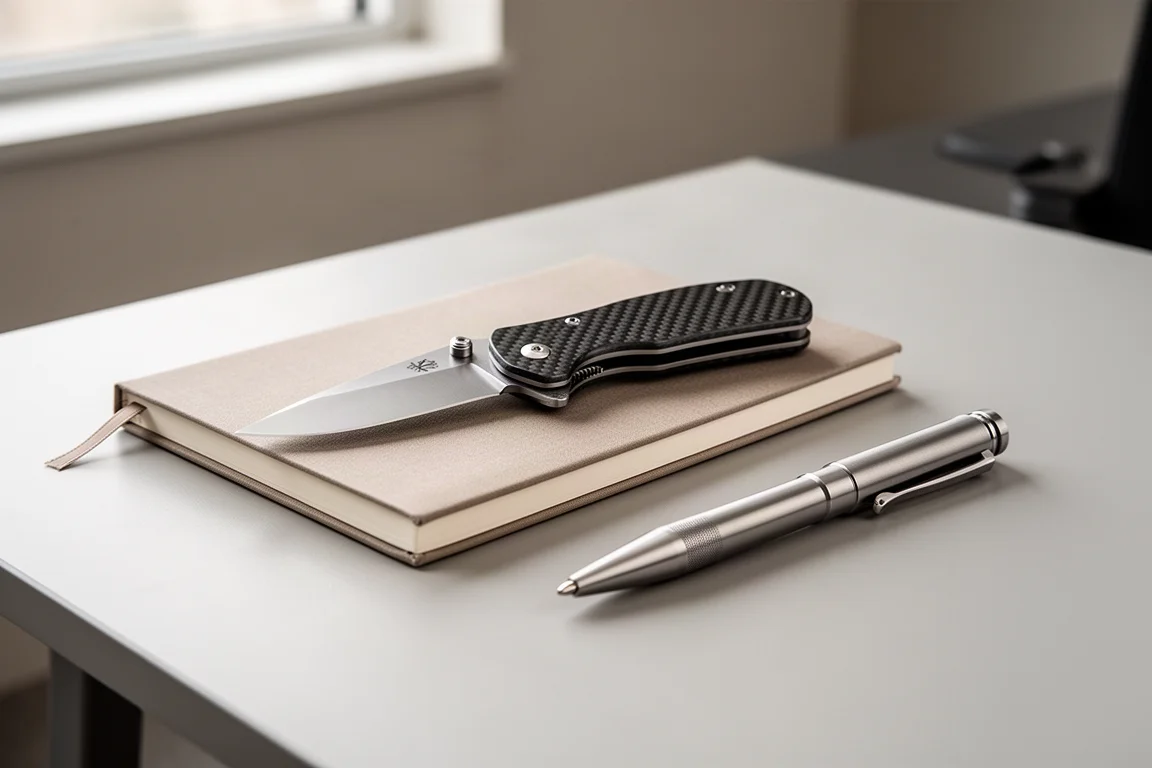
If you value a designer’s name on the blade, super steel, carbon fiber, and American assembly, the Benchmade delivers all of it, and used examples in good condition run roughly $275 to $350. Treat the premium purchase as a taste you develop over time; without knowing the small differences, the extra money can feel wasted. With them, it does not.
Conclusion
These two knives prove that a massive price gap does not mean the cheap option is bad, or that the expensive one is a scam. The Stanley is a solid working tool. The Benchmade is a working tool and a piece of craftsmanship. Know which one you are buying, and neither will disappoint.
Product link
View more details for Benchmade Nakamura S90V Folding Knife
This product is mentioned in the review. Check the specifications, options, and compatibility before buying.
View more details for Benchmade Nakamura S90V Folding KnifeFurther reading
Related Reviews

Everyday Carry
Everyday Gear That Deserved a Second Look
A roundup of solid everyday carry items: watches, pens, a pencil, a knife, and a smart ring that each earned a place on the table.

Everyday Carry
KORE Tactical Bifold Wallet Review: A Durable Everyday Carry Option
A close look at the KORE Tactical Bifold Wallet, a reinforced nylon wallet with magnetic closure and room for cards, cash, and IDs.

Everyday Carry
Krabby Wallet Review: A Slim, Simple Carry That Has Stood the Test of Time
A closer look at the Krabby Wallet, a slim canvas and elastic design with a loyal following and a simple, functional approach to everyday carry.