Everyday Carry Knives
Four Benchmade Knives Under Scrutiny: Where the Hits and Misses Are
The Mini Infidel, Infidel, Water Knife, and Bugout examined for what works, what frustrates, and what to weigh before buying.
Introduction
Benchmade has built a long reputation for producing good to great knives, and many of their designs hold up well under hard use. But not every release lands. A closer look at four notable models, the Mini Infidel, the Infidel, the Water Knife, and the Bugout, reveals a mixed picture: one established OTF benchmark, two clever designs with real caveats, and one tiny knife that has struggled to win people over.
Benchmade Mini Infidel: A Tiny OTF With Real Frustrations
The Mini Infidel is a very small out-the-front automatic knife released a little over a year ago to little enthusiasm. Early buyers did not take to it, and it went on a deep Black Friday sale at $99, down from well over $300. Even so, many units were returned after the holidays, and stock returned largely because of those returns rather than fresh demand.
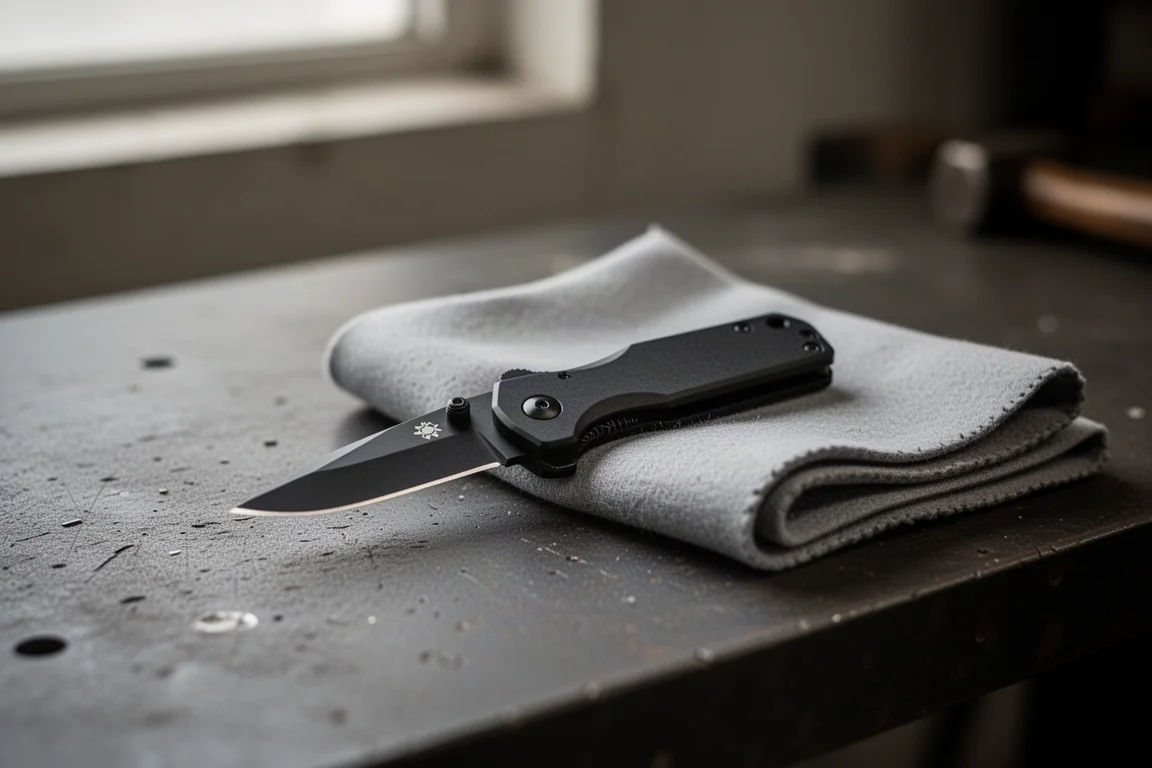
The core issues are operational. The blade launch requires finding a hard stop far out at the end of the slide and then pushing firmly a second time, so handing it to someone unfamiliar often results in a knife that simply will not open. The handle is also very slippery and tiny, making it hard to operate without an uncomfortable grip adjustment. More concerning, units have been reported jamming internally, closing fine but refusing to fire. At the current stabilized price of around $179, that is a lot of money for a tiny knife that fights back.
On the positive side, the S30V blade steel is a reasonable choice, especially in a thinner blade where that grade of steel genuinely matters. But with so many better alternatives available at similar or lower prices, the Mini Infidel is hard to recommend.
Benchmade Infidel: The Established OTF Benchmark
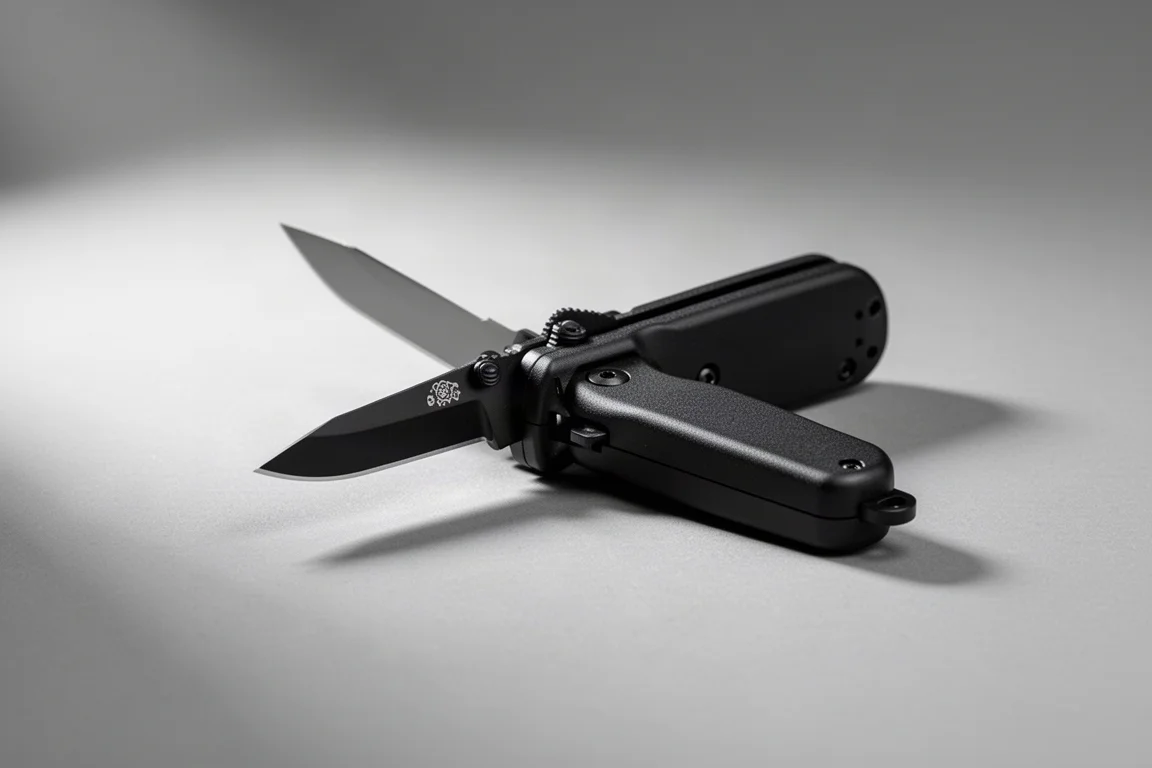
The full-size Infidel is the knife the Mini Infidel wants to be. It is a beefy conventional automatic out-the-front design that has essentially set the OTF standard. Operation is effortless: the firing mechanism works smoothly all day long, with no grip gymnastics required and none of the jamming problems seen in its smaller sibling.
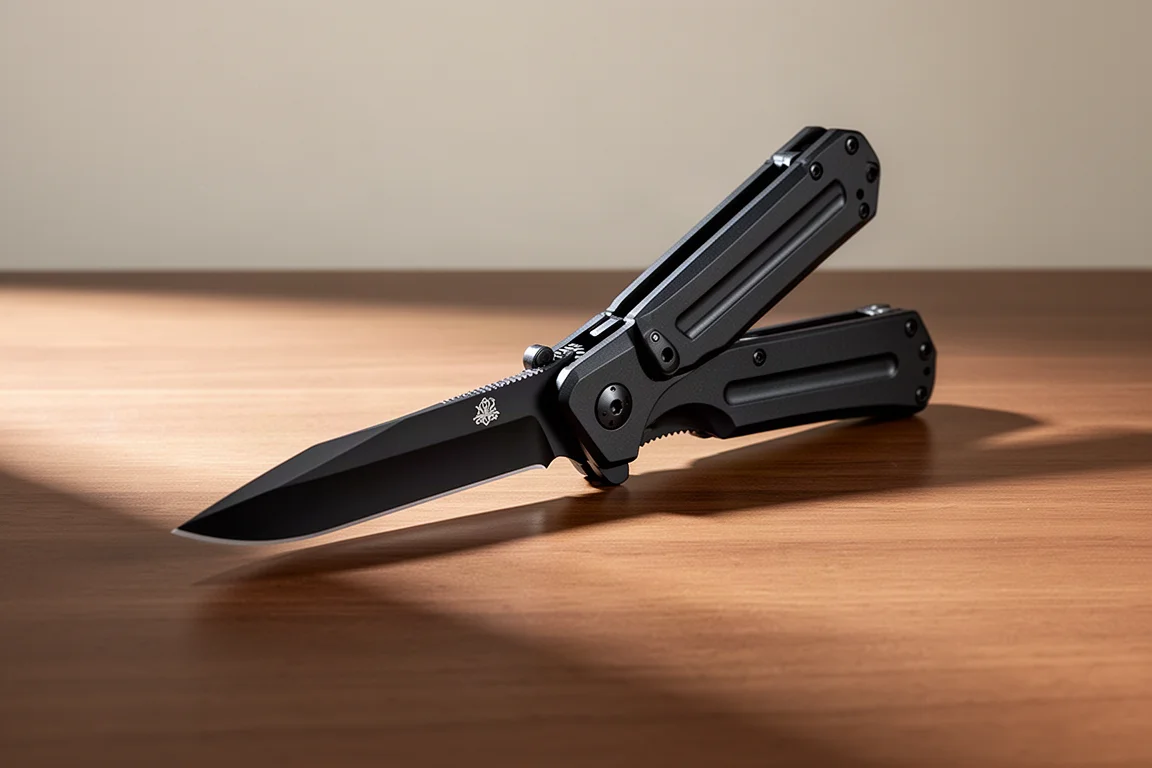
Like all OTF knives, it has inherent design limitations, but as far as operation goes, it remains an excellent design and a proven performer. If you want an out-the-front knife from Benchmade, this is the one with a long track record behind it.
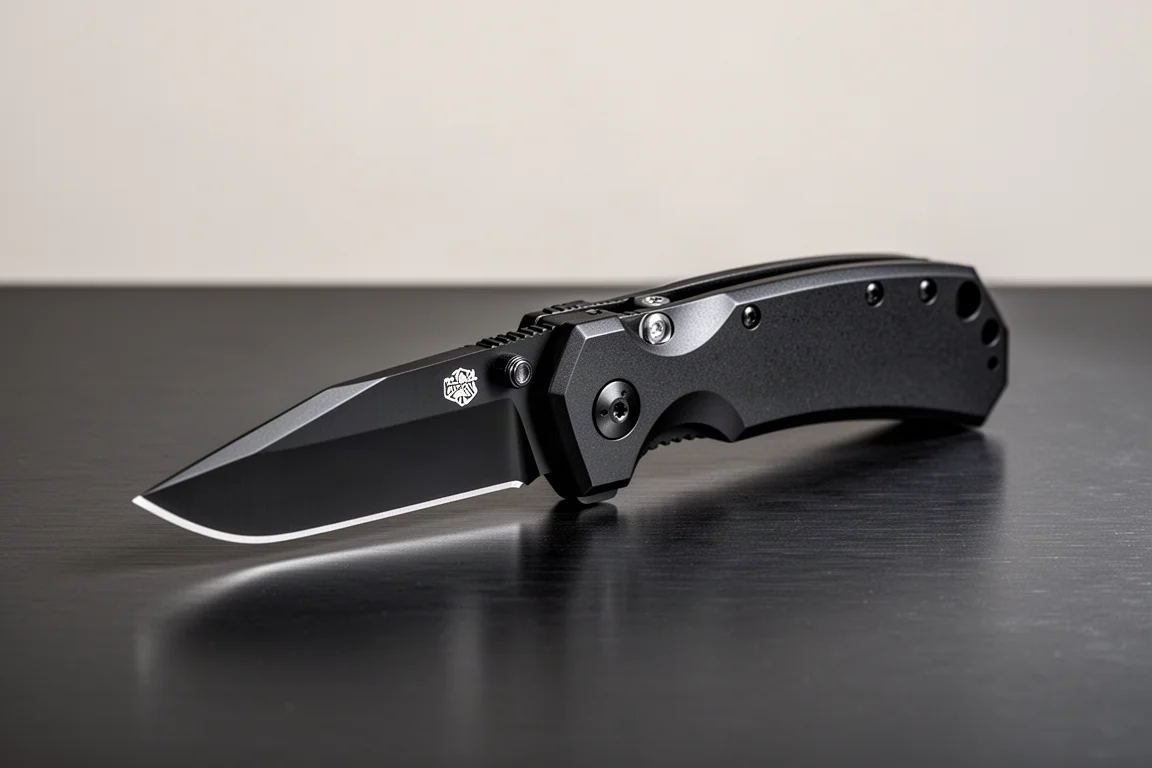
Benchmade Water Knife: Strong Blade, Weak Sheath
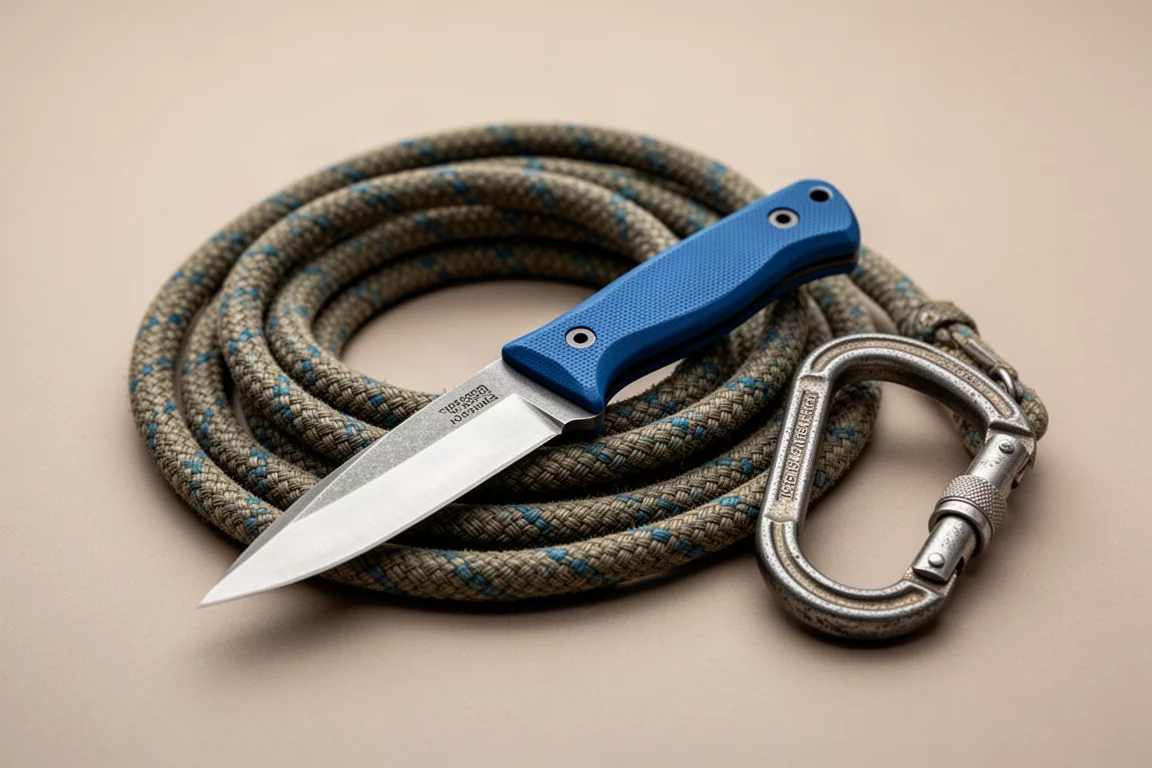
The Water Knife is a fixed blade aimed at water and rafting use, and the knife itself is well regarded. Benchmade’s fixed blades in this line have long carried a reputation for great blade designs, and the newer blue-handled water knives evolved from these earlier predecessors.
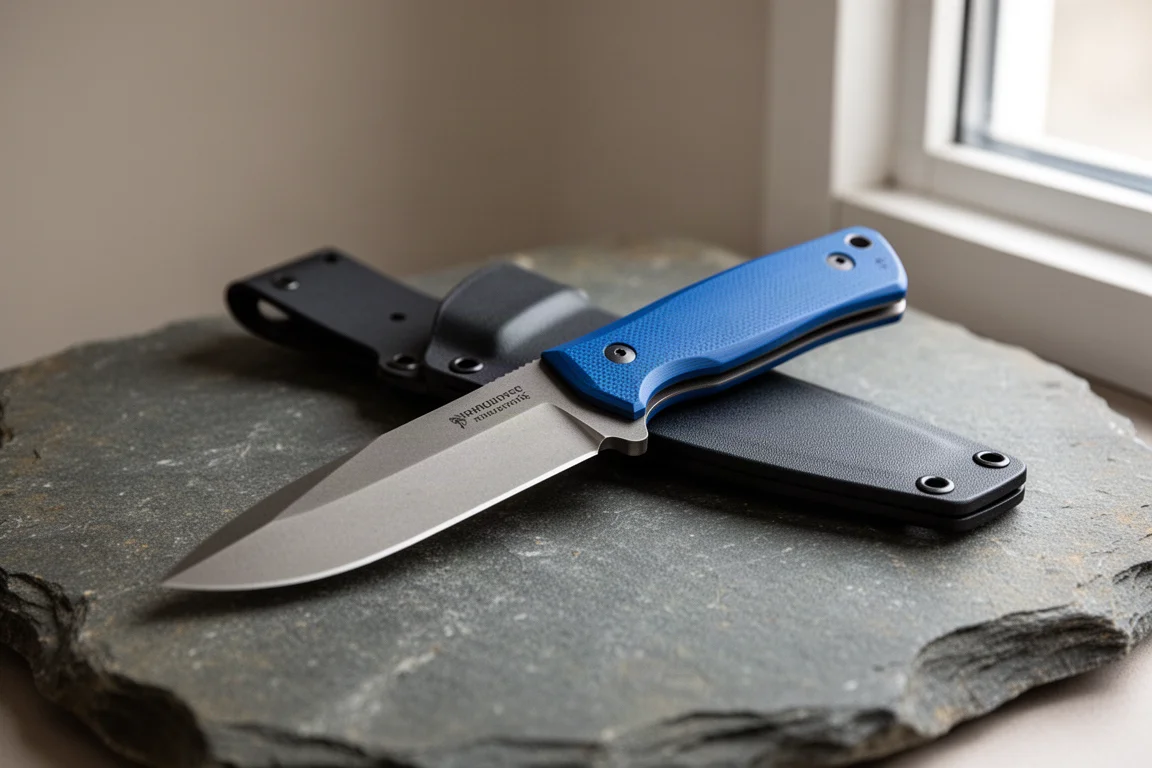
The sheath, however, has been a persistent weak point. Benchmade’s fixed-blade sheaths have long been a sore spot, and this model’s retention nub was expected to hook onto the plastic and keep the knife secure during rafting, but it wears out and risks losing the knife. The newer blue-handled versions have been gradually improved over time, so it is worth checking which revision you are buying.
The titanium-handled version also drew attention for its price of over $500. The M390 steel is outstanding, though it has been around since the 1980s, and some expected something more exotic on a knife at that level. Benchmade’s newer CPM Crucible steels exist, but the future of that supply is uncertain given Crucible’s reported bankruptcy filing.
Benchmade Bugout: Light and Thin, But Not Without Trade-offs
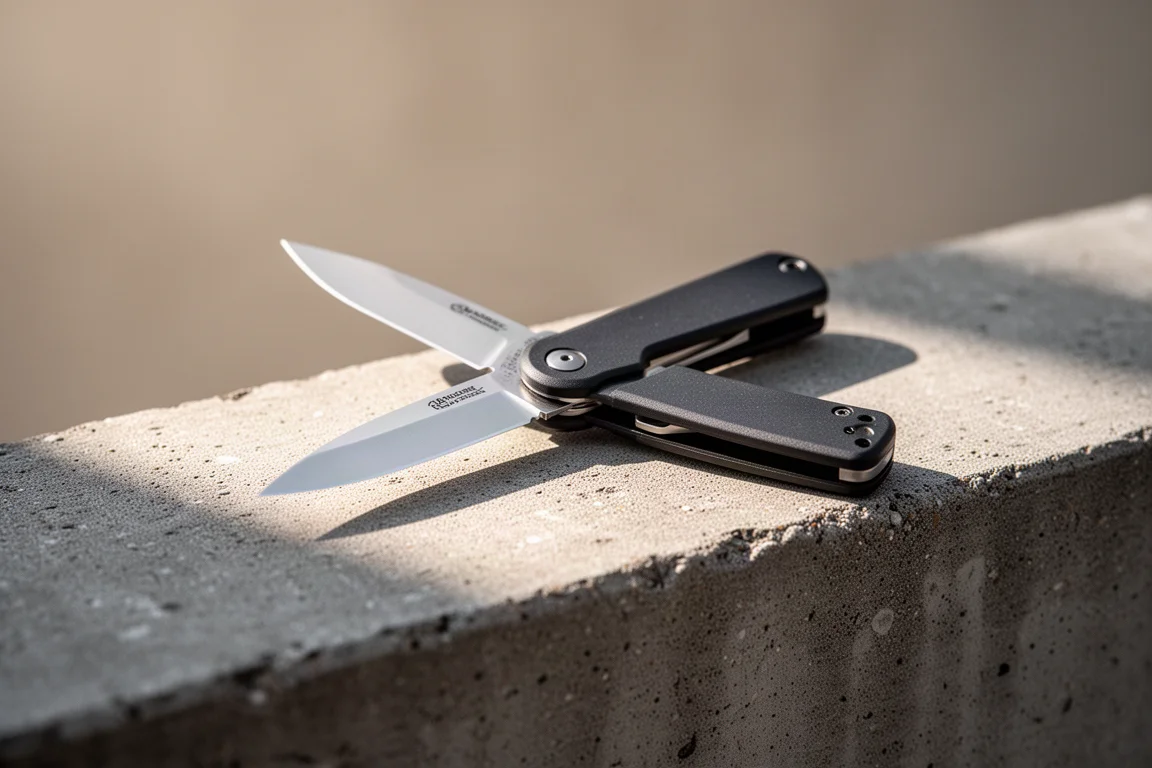
The Bugout remains one of Benchmade’s most talked-about folders. It is an ultra-light, fairly thin knife using partial liners, about a third to half liner, inside plastic handles, with S30V blade steel. That construction makes it easy to carry all day.
The controversy comes from expectations. At its price point, buyers found noticeable flex in the handle, not the blade, and some felt the famous “bugout” name promised something more rugged than a thin, flexy folder delivers. If you value minimal weight and low bulk, it still works well, but buyers should go in knowing the handle is not built for heavy prying or abuse.
One consistent bright spot across this lineup is Benchmade’s automatic mechanisms in general: earlier auto designs have proven durable over years of use, even if later revisions traded some of the snappy action for refinement.
Buying Advice
For an OTF, choose the full-size Infidel for reliable, effortless operation and skip the Mini Infidel unless you can handle it first and accept the grip and reliability risks. For a water fixed blade, prioritize the newer blue-handled revisions with improved sheaths. For a lightweight folder, the Bugout is fine as long as you accept handle flex. And whichever model you pick, test the action yourself before committing, because a knife you cannot confidently operate is no bargain at any price.
Conclusion
Benchmade’s best work here is undeniable: the Infidel remains the OTF standard and the Bugout is a genuinely light carry. But the Mini Infidel’s jamming and slippery grip at around $179, the Water Knife’s sheath troubles, and the Bugout’s handle flex show that even an experienced maker ships misses. Match the model to a real need, and buy with your eyes open.
Further reading
Related Reviews
Everyday Carry Knives
CJRB Pyrite Review: The Popular Budget Folder Goes Fully Customizable
A closer look at the CJRB Pyrite folding knife, its Kickstarter configurations, materials from G10 to S90V, and who each version makes sense for.
Everyday Carry Knives
CJRB Pyrite Steel Review: A Sub-$60 Button Lock That Almost Gets Everything Right
A new steel-handle variant of the CJRB Pyrite brings powder metallurgy steel, a button lock, and excellent fit and finish under $60. Here's how it compares to the Pyrite XL, Elementum 2, and Vosteed Corgi.
Everyday Carry Knives
Concept Knives Main Street Review: A Budget-Priced EDC That Feels Premium
A 3.41-inch Dirk Pinkerton flipper with 154CM steel, green Micarta, and a crossbar lock. Strong fit and finish, one notable clip shortcoming.