Everyday Carry
Beginner vs Enthusiast EDC: Building a Complete Everyday Carry Kit at Both Ends of the Budget
Ten practical picks for building an everyday carry kit, from budget-friendly starters to enthusiast-grade upgrades, with honest guidance on where the extra money actually goes.
Introduction
Everyday carry is an entire industry of knives, flashlights, bags, and accessories, and the most common question newcomers ask is simple: where do you even start? The second most common question, once people have been around a while, is the opposite one: is it ever worth paying four hundred dollars or more for a flashlight or a knife?
The answer to both is the same framework. Start small, spend little, and learn what each tool actually does for you. Then, if a category genuinely earns its place in your pockets, the enthusiast tier exists to squeeze out the last few percent of performance, materials, and design. This guide builds a complete kit from both ends of that spectrum.
Where to Start: The Beginner Framework
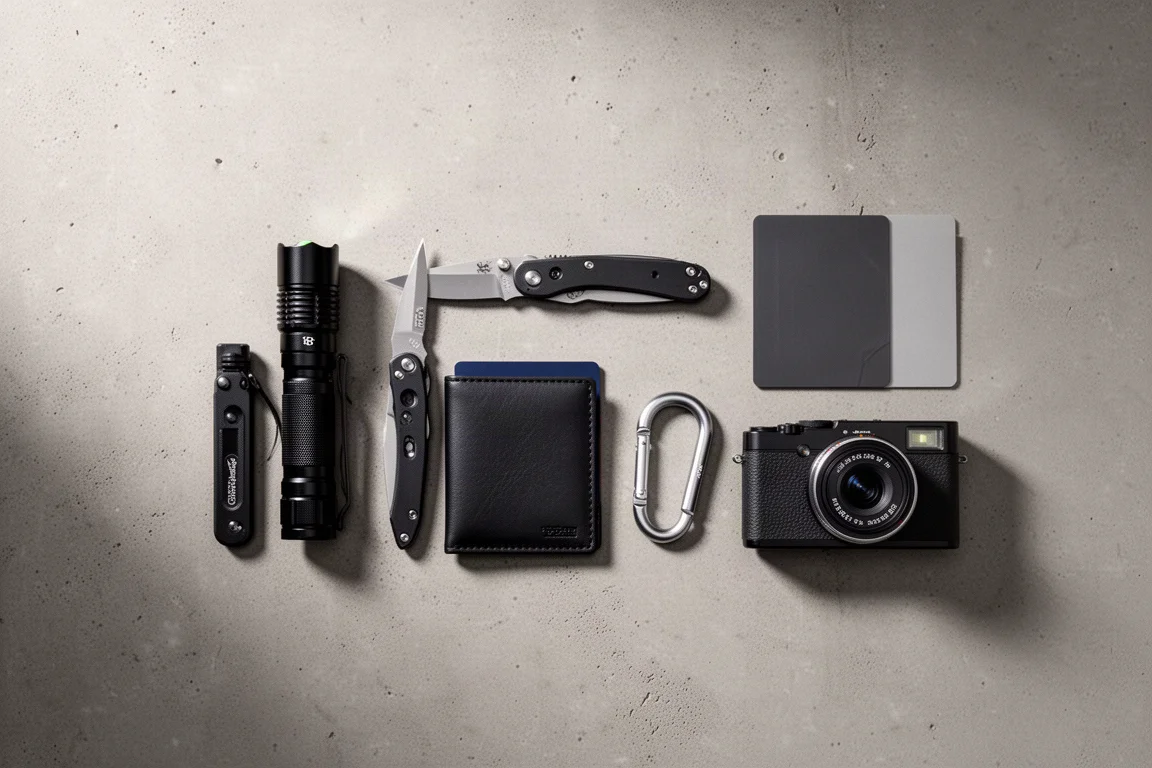
The classic starting point for everyday carry comes from an old idea: the things you cannot produce yourself are something to cut with, something to light things up with, and fire. Early EDC kits were built around a knife, a flashlight, and a lighter. For most modern users, the lighter is situational, and a pen often takes its place instead.
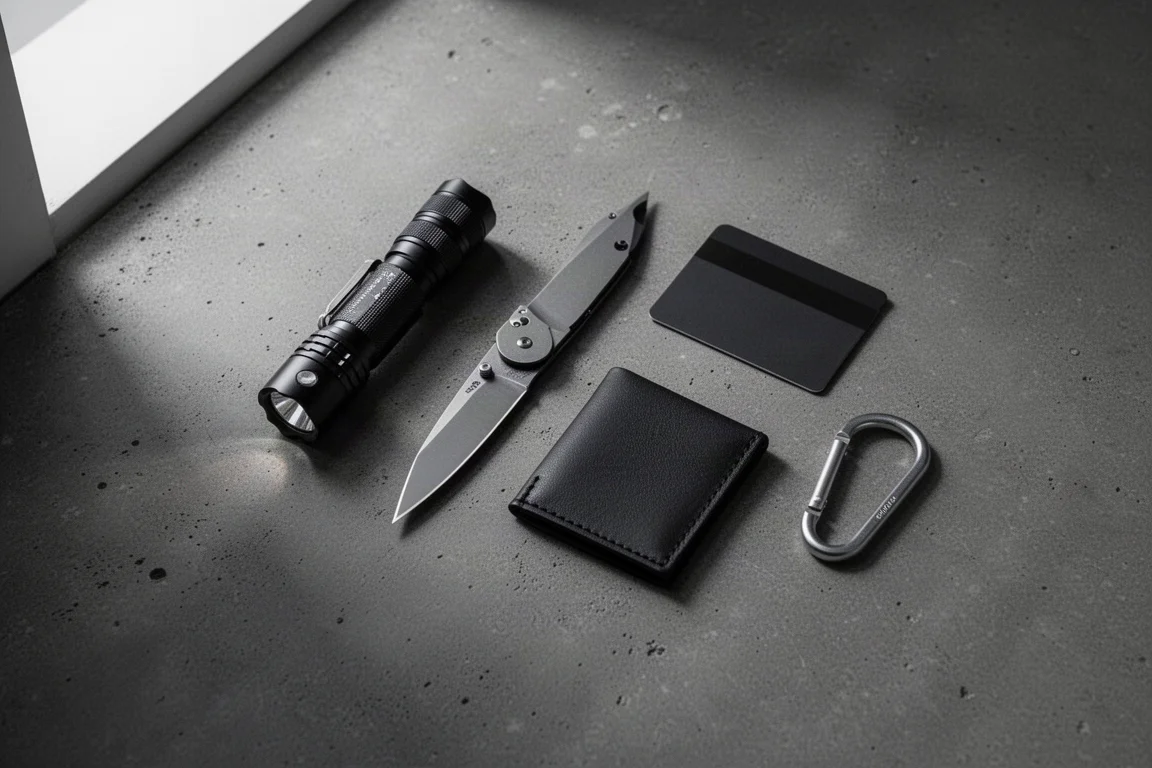
The other key principle is to start with actual use cases rather than preparing for everything. A minimalist approach gets you in the door: a small flashlight, a capable pocket knife, and small optimizations for the wallet and keys you already carry. That is enough to understand whether a category matters to you before you invest in it.
Beginner Flashlights
The goal for a first flashlight is not maximum output. It is finding one light that is more convenient to carry and easier to use than your phone’s flashlight, so that the pocket space it takes up is clearly justified.
Streamlight MicroStream USB
The Streamlight MicroStream USB hits nearly every box a first light needs. It comes in a familiar, compact penlight-style form factor, it is simple to operate, and it is rechargeable, which matters more than it used to. Older recommendations in this slot were bombproof AAA lights, but most people now simply expect rechargeability, and the MicroStream USB delivers that without complicating anything.
It is not the absolute cheapest light available, but as a value pick for portability, ease of use, and zero learning curve, it is the kind of light you can hand to a complete beginner and know they will actually use it.
Boruit V3
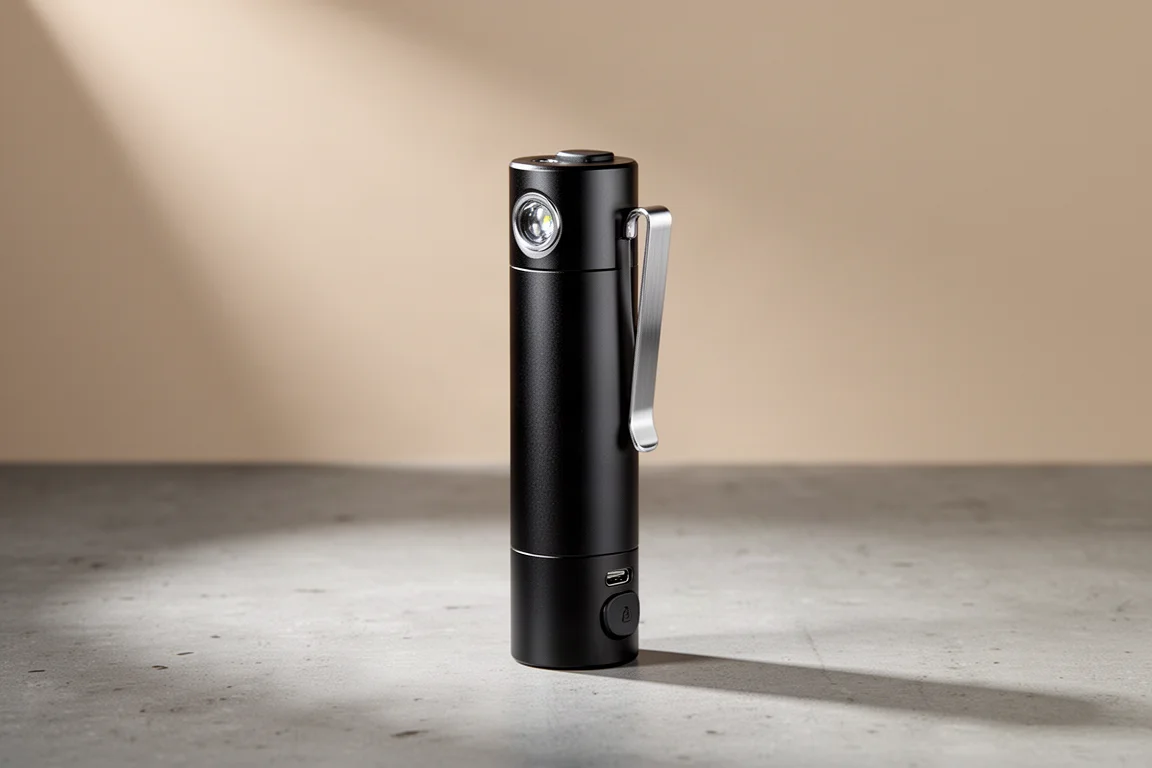
The Boruit V3 is the opposite personality: a plastic, double-headed, glow-in-the-dark, feature-packed light with a distinctly techy look. Enthusiasts, whether they lean budget or high-end, tend to think it is a cool light for around fifteen dollars, and the flashlight community actively works to maximize value in this price range rather than chase premium pricing.
The catch is that it is too complicated and unfamiliar to recommend as a very first light. If you already know you enjoy flashlights as a hobby, it is a fun, inexpensive experiment. If you are still figuring out whether you need a dedicated light at all, start simpler.
The Enthusiast Flashlight: Loop Gear LEP
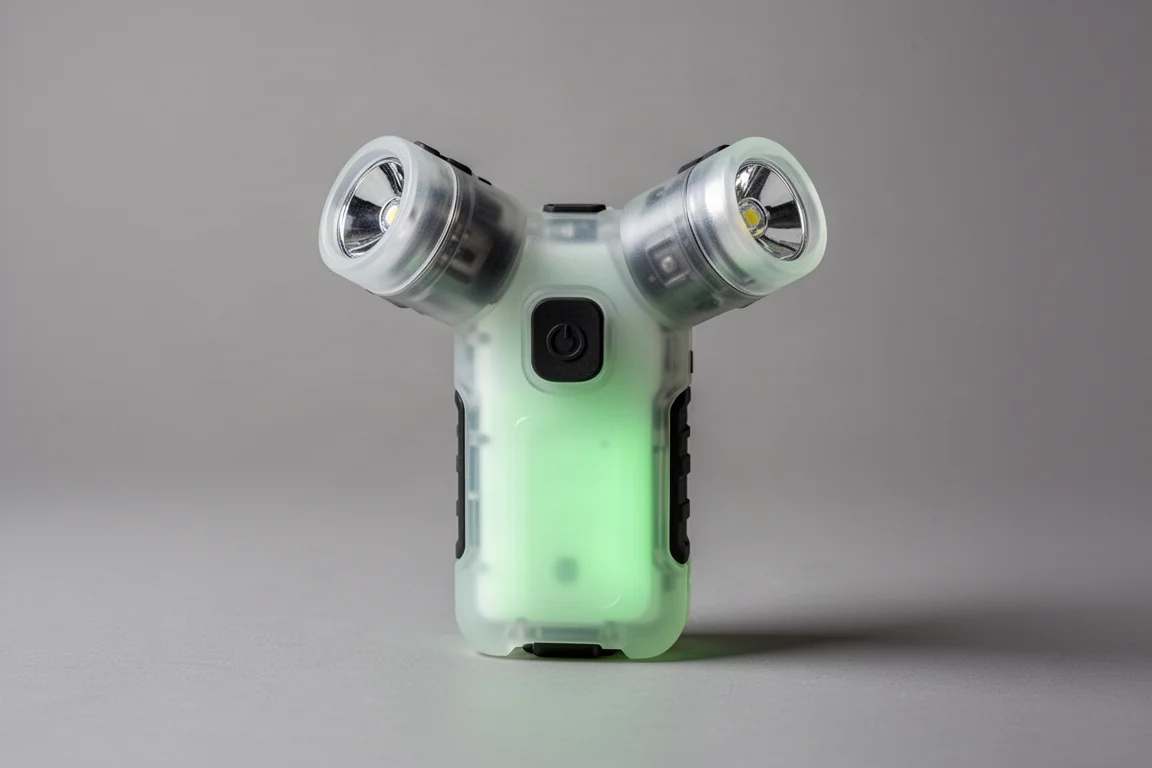
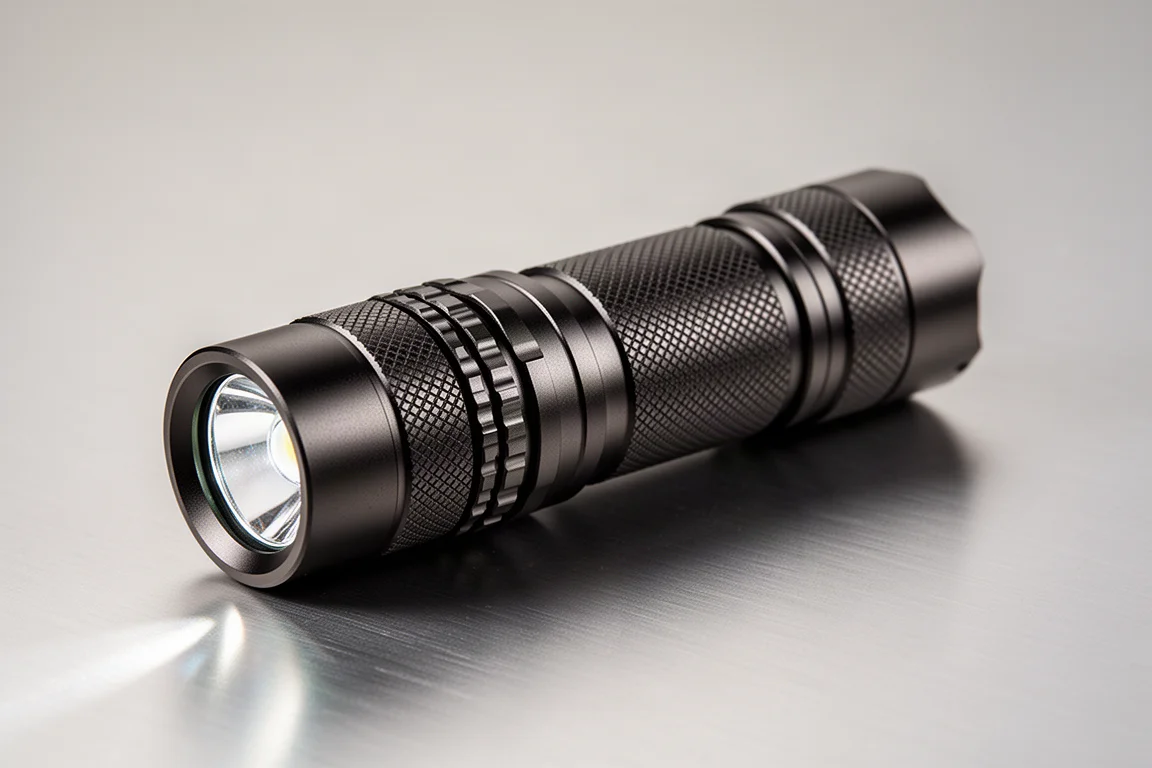
At the other end sits the Loop Gear LEP. The version carried here, with a niche LEP head rather than a standard LED, is expensive, and the full configurations run well over four hundred dollars. Two things drive that price: materials and craftsmanship. The body is black titanium, achieved through a physical vapor deposition process rather than simple paint, which adds protection as well as looks.
Titanium itself is a real performance argument: strength comparable to stainless steel at a significantly lower weight, though it is harder to machine, which adds manufacturing cost. Add fidget-friendly details like a lockout switch and spinning rings, and you have a light that is as much an object of enjoyment as a tool. Spec for spec, it will outperform a basic light without question, but whether you need that performance is a separate, more philosophical question.
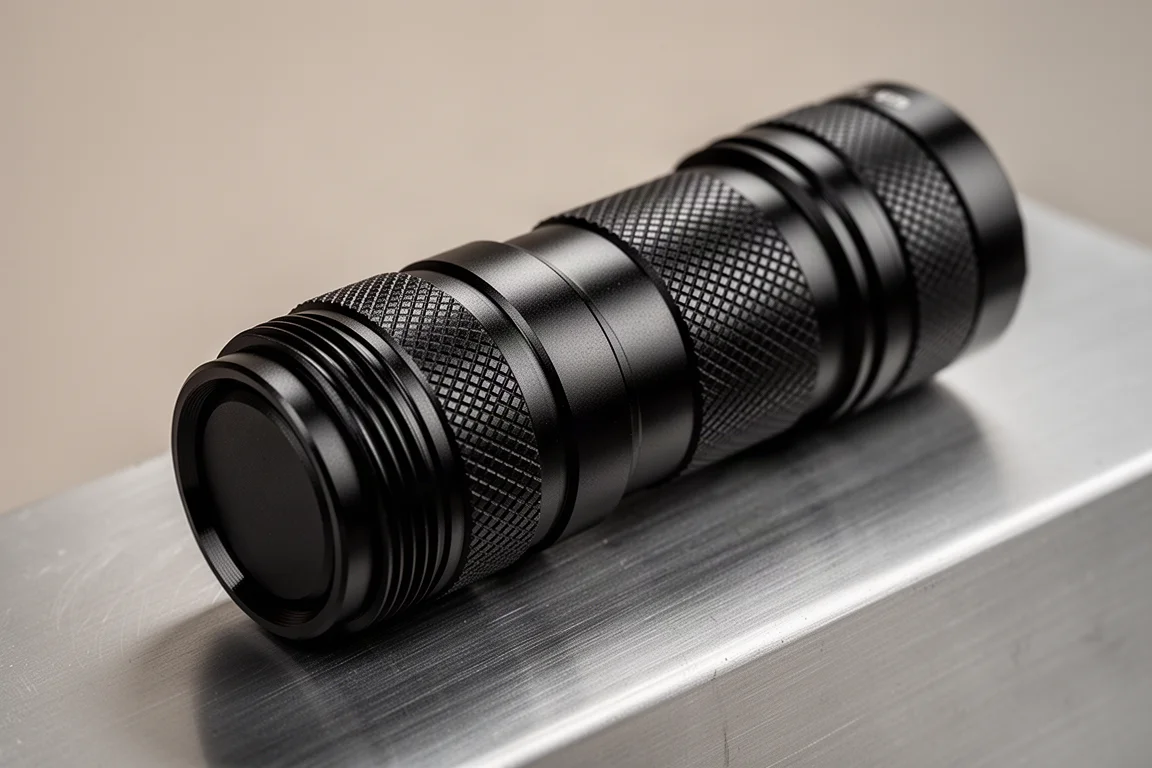
The honest test for anything this expensive is whether you understand and care about what makes it costly. If black titanium, PVD coatings, and machining difficulty mean nothing to you, a budget light will serve you just as well. If they do, the premium starts to make sense on its own terms.
Beginner Knives
A first pocket knife should remove as much friction as possible from actually using the thing. That means a pocket clip, a comfortable size, and quick one-handed deployment.
QSP Penguin
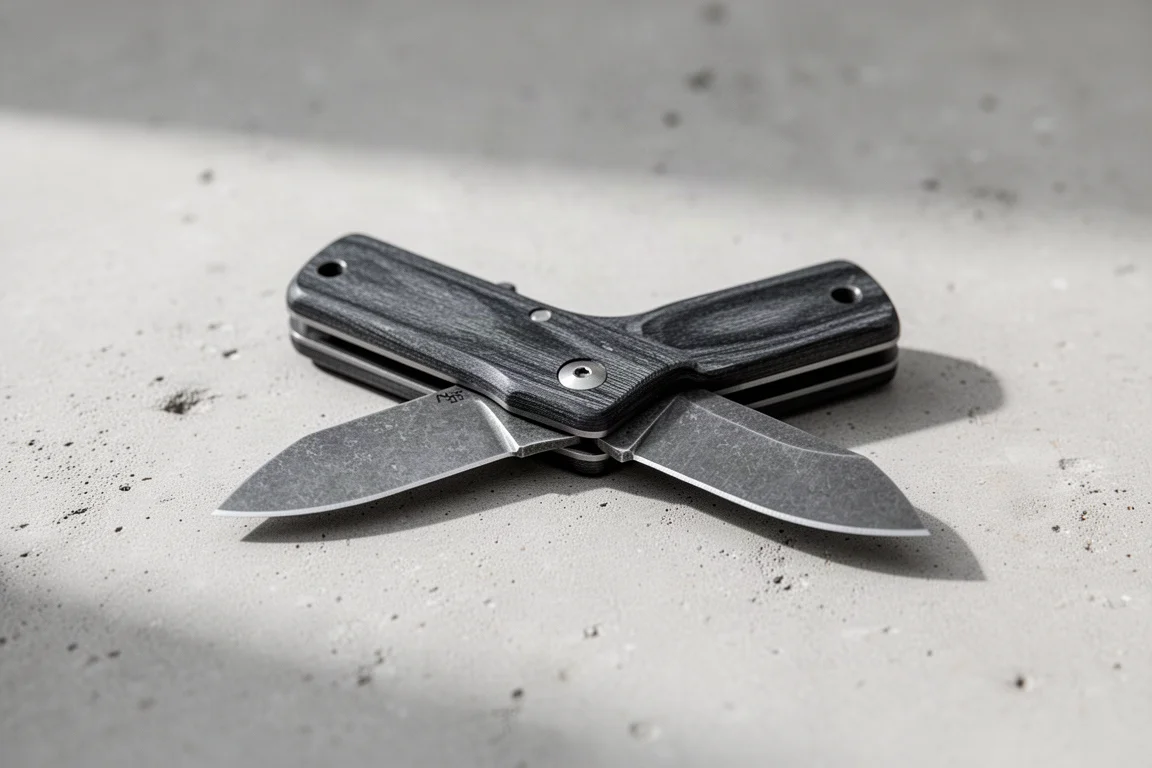
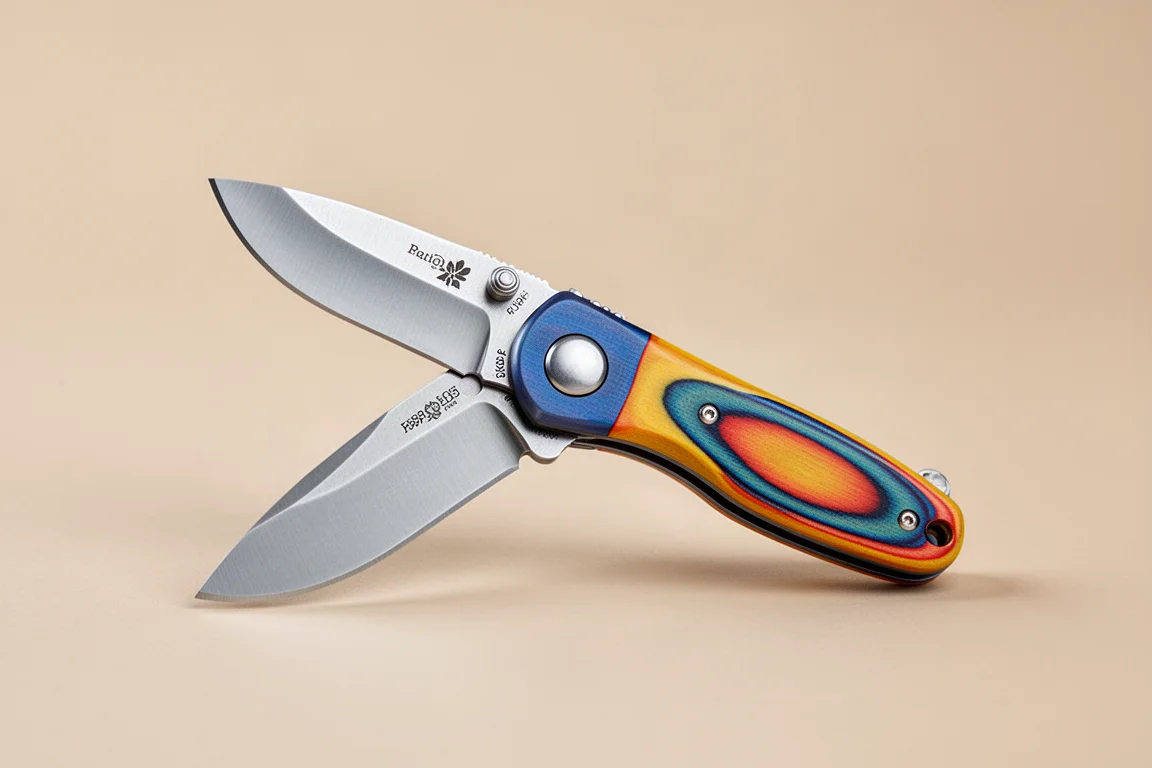
The QSP Penguin is the recommended budget pick because it represents what a modern EDC knife feels like. It is a thumb-stud flick opener with G10 handles, a modern composite material rather than wood or older metals, and a liner lock, which is a common and useful way to learn how knife locks work. It gives you the genuine experience of carrying a modern folding knife at a very accessible price.
Classic alternatives like a traditional slip joint were deliberately passed over here: they are wonderful, but without fast deployment or a locking blade they do not represent how far everyday carry has come. If flicking a thumb stud feels intimidating, the Civivi Elementum, a rear flipper, is a lower-learning-curve alternative, though it costs roughly double.
The Enthusiast Knife
Once you have used a few modern knives, you start noticing details: how a particular lock suits your hand, how a larger knife’s ergonomics treat your wrist. That is when the higher tiers begin to make sense, and the We Knife Solis is close to the extreme end of that progression.
We Knife Solis
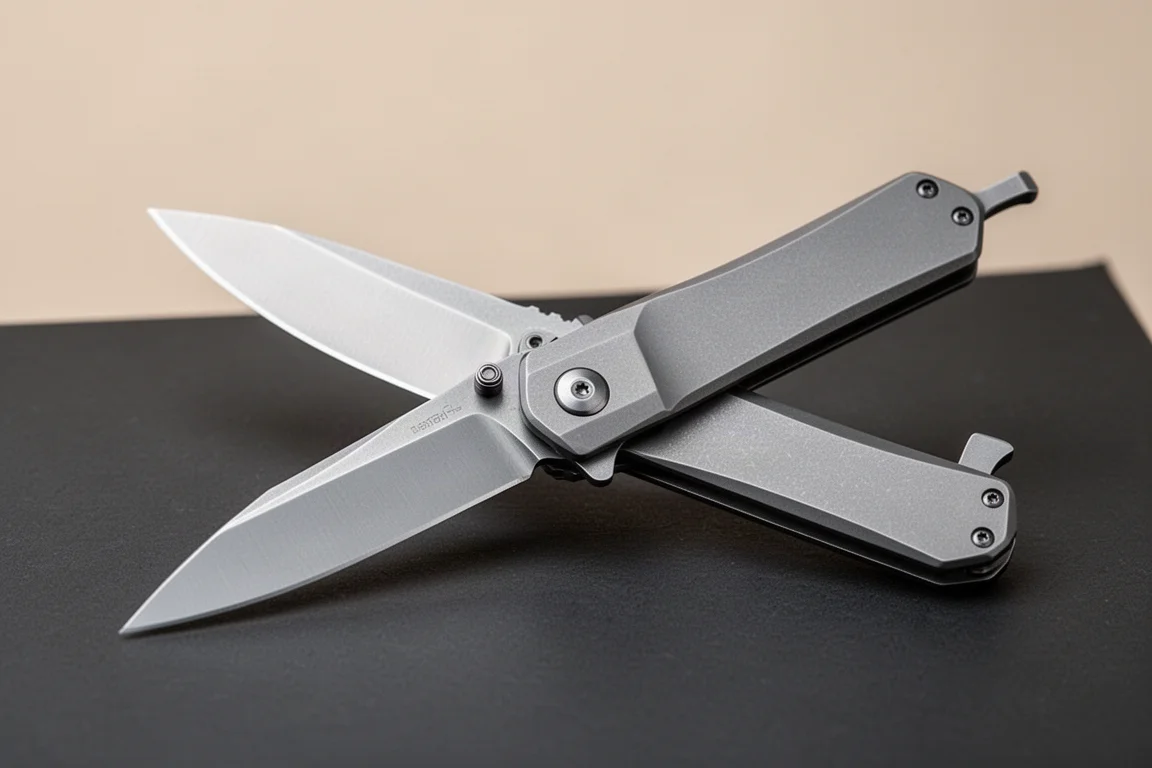
The We Knife Solis began as a custom design by Gustavo Cimini, an Italian custom maker known for geometrically complex, futuristic designs, and the production version keeps the signature details. The most distinctive is a spring-loaded flipper tab: normally the back of the knife is a clean line with nothing to snag in your pocket, but a small tab flips out to become the deployment mechanism.
The other standout is the integral frame lock. The handle is a single wraparound U-shaped piece of titanium with no division between sides, and machining it that slim while keeping the blade centered and packing in all that functionality demands serious design and manufacturing capability. That is what pushes the price to a $400 SRP, and the original customs it is based on start around $2,500. As a rough framing, a budget knife like the QSP Penguin gets you most of the practical experience; the remaining fraction accounts for a multiple of the price, paid in refinement and design value.
Vosteed Raccoon
Here is the twist: even people deep in the high-end world often land on an affordable knife as their daily favorite. The Vosteed Raccoon, at around sixty dollars, is exactly that for one longtime enthusiast: fully ambidextrous, with excellent ergonomics and a snappy, fun mechanism that makes it the most-used knife in the rotation.
This is a useful lesson for anyone building a kit. Higher price does not automatically mean a better fit for your hand and habits. EDC gear is one of the few areas where you genuinely have to try things yourself, because the difference between a knife that is okay and one that feels perfect only shows up in use.
Small Upgrades: Wallets and Keys
Most people already carry phone, wallet, and keys. Rather than adding new categories, some of the best beginner value comes from optimizing what is already in your pockets.
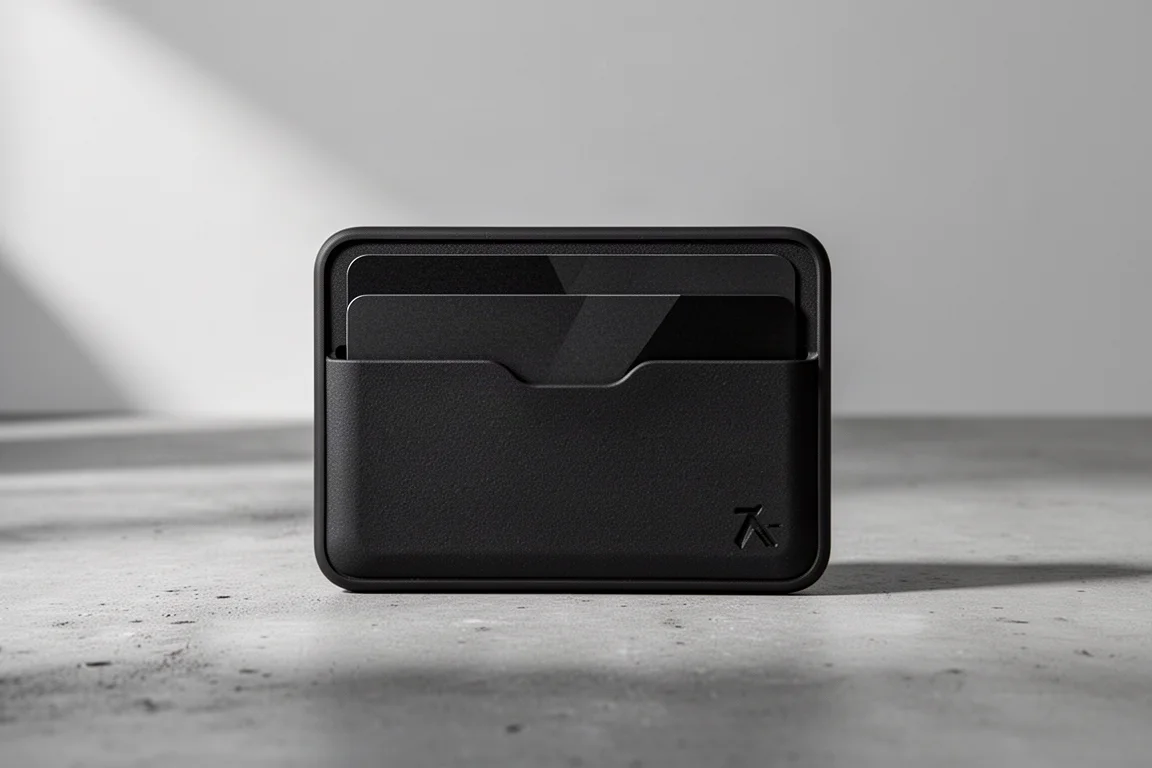
Magpul DAKA Card Wallet
The Magpul DAKA card wallet uses a soft shell technical material that is thin and flat, with simple slots for cards. There is essentially no learning curve: you already know how a card holder works. What you get is a significantly slimmer wallet and exposure to higher-end, more performant materials from a brand well known in the tactical and EDC space, all for roughly twenty dollars or less.
Maxpedition Card Wallet
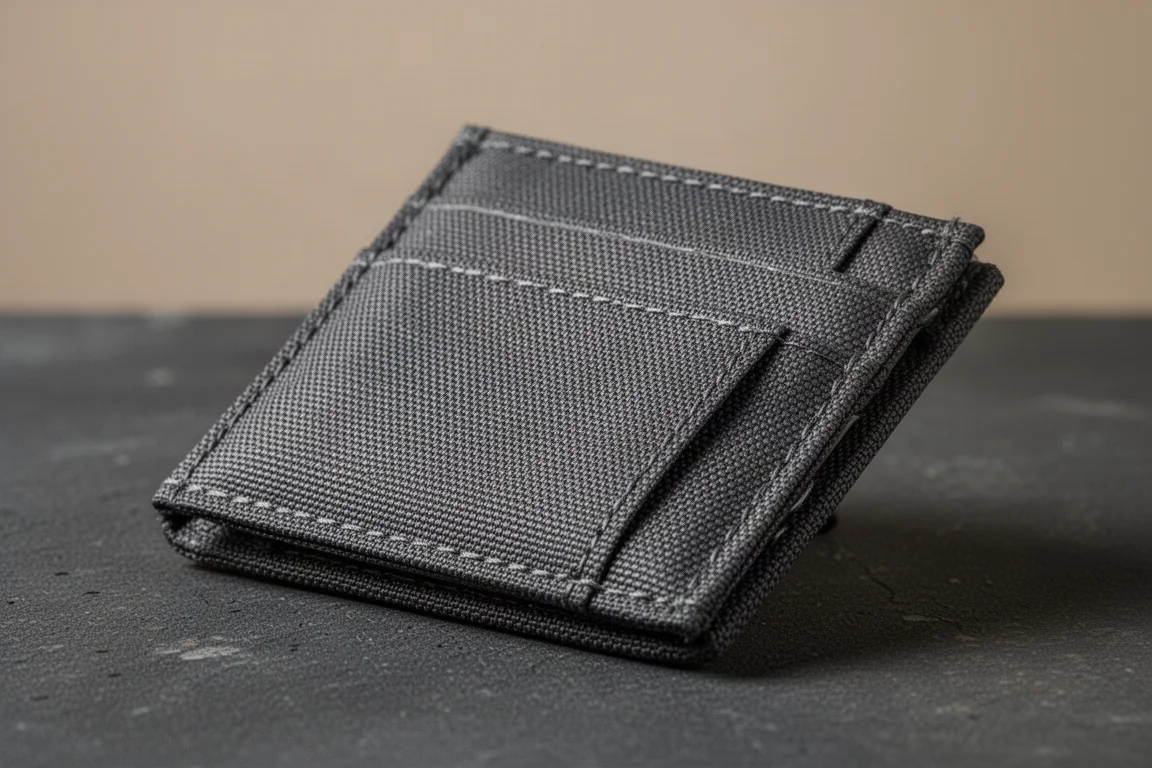
The Maxpedition card wallet covers the same function with a more tactical look, built from a high-denier nylon fabric of the kind Maxpedition uses on its backpacks and tactical pouches. If you prefer a sturdier, more rugged aesthetic over the DAKA’s softer technical shell, this is the alternative, and it lands in the same affordable price zone.
Both wallets do the same job a department store wallet does, just thinner and in genuinely better materials, which makes them a safe, satisfying first step into the category.
Nite Ize S-Biner
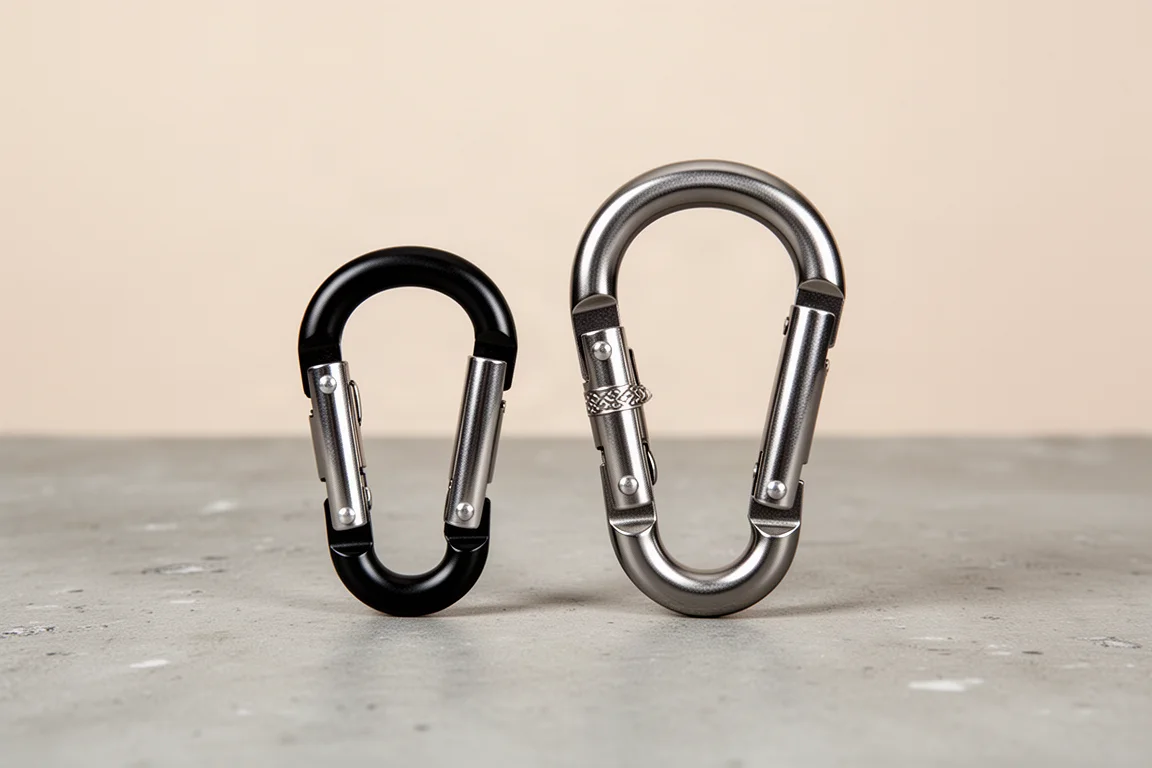
For keys, the Nite Ize S-Biner is a more thoughtful and useful take on the keychain carabiner clip. It is sturdy and modular, and while a beginner may not care much about modularity, it is accessible and simply works better than the run-of-the-mill gas station carabiner.
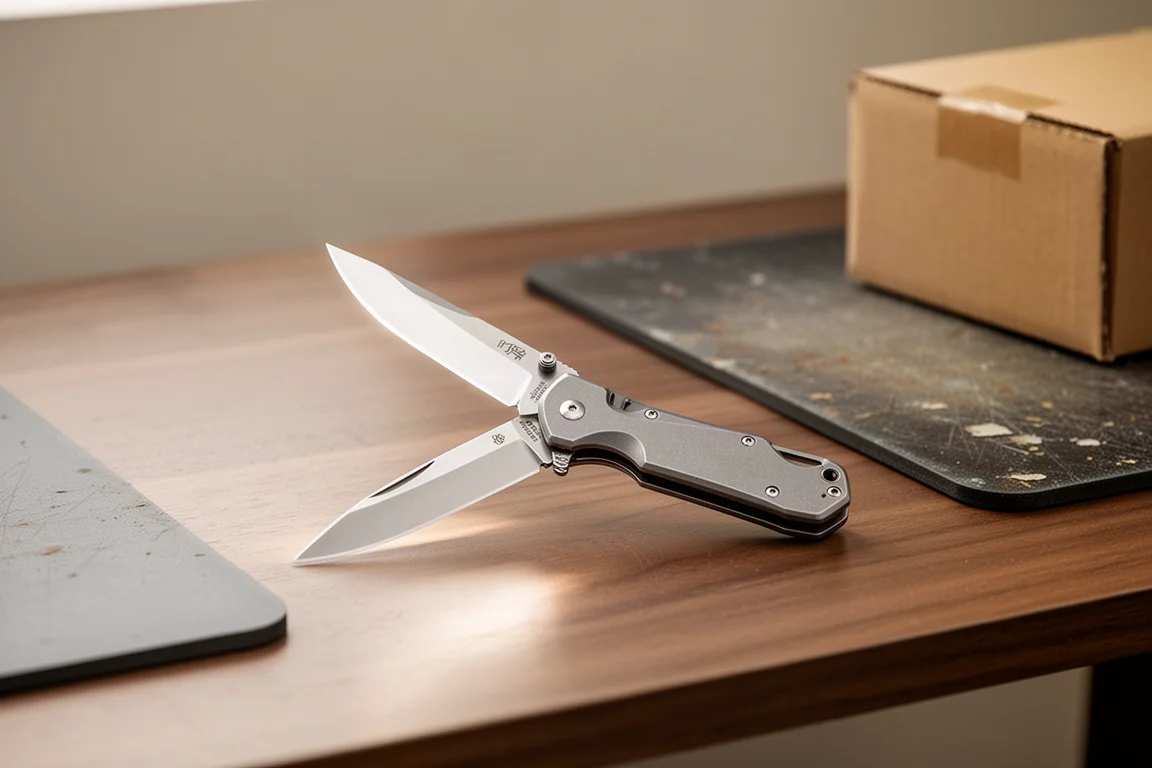
Small substitutions like this are the real spirit of everyday carry: you are not adding more to your pockets, you are replacing what is already there with something better.
The EDC Camera: Ricoh GR III
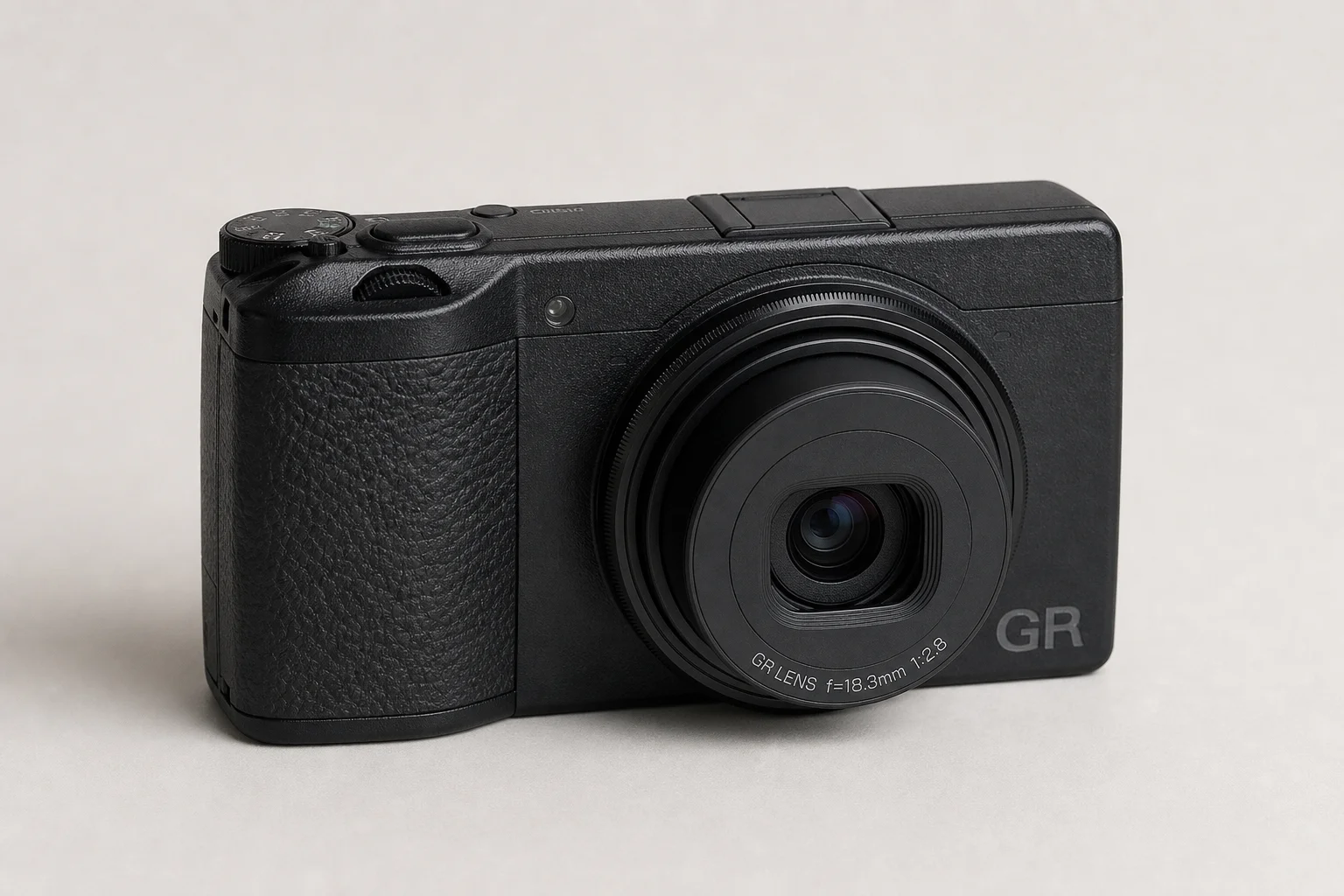
Everyday carry has also grown beyond knives and flashlights. Street photographers routinely call the Ricoh GR III an EDC camera or daily carry camera: it is a point-and-shoot, pocketable, and high performance for its size, and for many photographers it is simply the tool they use for their craft every day.
It is not a budget pick by any stretch, and it only makes sense if photography is a genuine part of your day. But it illustrates how far the everyday carry idea extends: the term describes an approach to the things you deem essential, not a fixed shopping list of blades and lights.
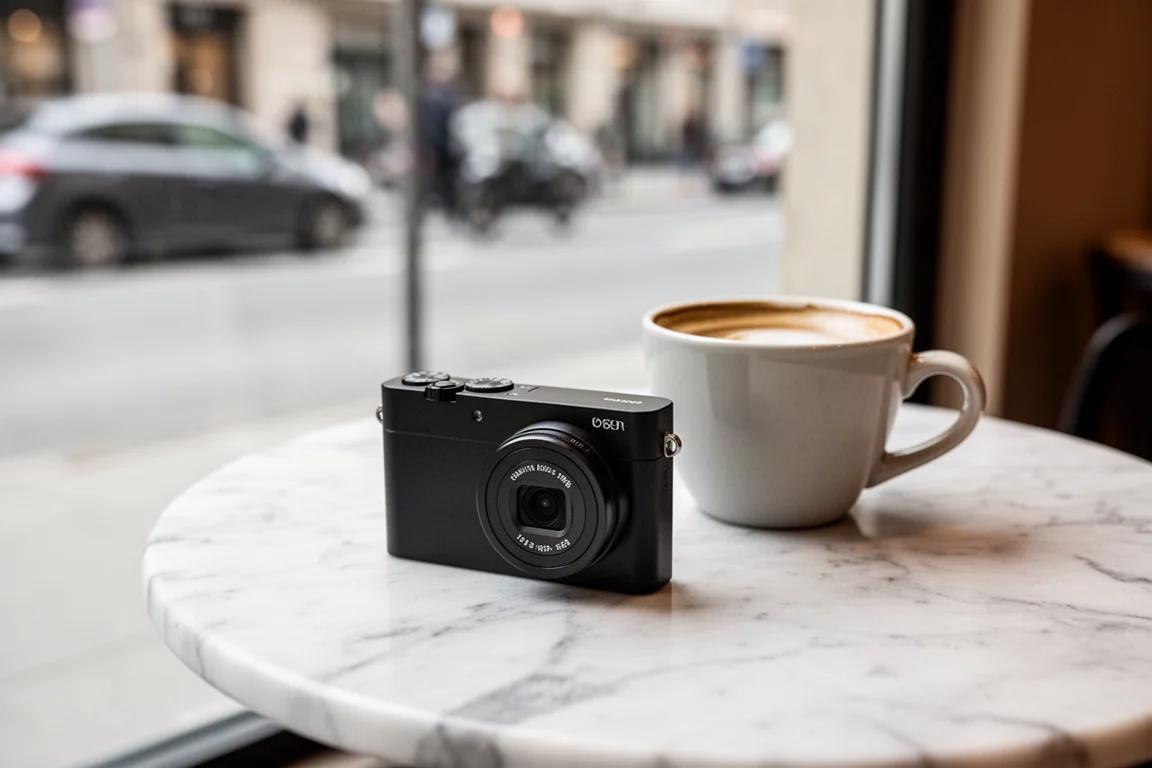
For anyone whose pockets are already well sorted, a pocketable camera like this is the kind of addition that changes what your carry can do rather than just how it looks.
Overall Buying Advice
Two principles tie this whole list together. First, when starting out, choose small, low-investment items on the budget end so you can learn what a tool actually does for you before committing. Second, enthusiast pricing is not about practicality. It is about refinement, better materials, signature design, and that feeling of something being made just for you. You cannot meaningfully appreciate the last ten percent until you understand the first ninety.
The practical path: start with a simple rechargeable flashlight, a modern budget folding knife, a slimmer card wallet, and a better keychain clip. Optimize first, expand later, and only spend enthusiast money on the categories that have genuinely earned it.
Conclusion
Everyday carry works at every budget. A complete beginner kit of a capable flashlight, a modern folding knife, a slim wallet, and a solid keychain clip costs a fraction of a single enthusiast flashlight, and it teaches you everything you need to know about what you actually use. From there, upgrading is a matter of chasing the last ten percent, and that pursuit, more than any single purchase, is what the hobby is about.
Further reading
Related Reviews

Everyday Carry
Everyday Gear That Deserved a Second Look
A roundup of solid everyday carry items: watches, pens, a pencil, a knife, and a smart ring that each earned a place on the table.

Everyday Carry
KORE Tactical Bifold Wallet Review: A Durable Everyday Carry Option
A close look at the KORE Tactical Bifold Wallet, a reinforced nylon wallet with magnetic closure and room for cards, cash, and IDs.

Everyday Carry
Krabby Wallet Review: A Slim, Simple Carry That Has Stood the Test of Time
A closer look at the Krabby Wallet, a slim canvas and elastic design with a loyal following and a simple, functional approach to everyday carry.