Hiking Gear
Beginner Hiking Gear Essentials: Three Practical Picks to Start With
A beginner-friendly look at three hiking essentials: merino wool socks, a 30 litre day pack, and a packable waterproof set that earns its place in the bag.
Introduction
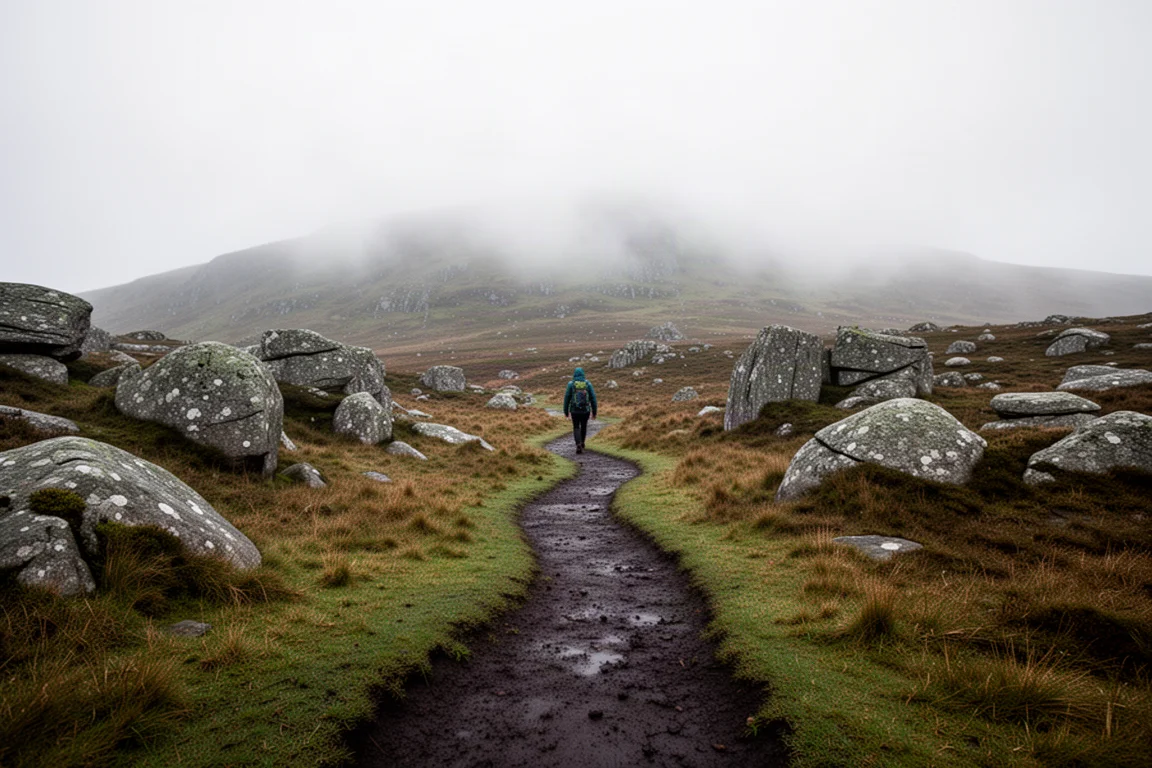
Starting out in hiking is less about buying everything at once and more about getting a small number of things right. On open moorland, conditions can change quickly, and the difference between a good day and a difficult one often comes down to whether your feet stayed dry and whether you had a layer to put on when the wind picked up.
Footwear comes first. Waterproof boots make sense for wet ground and rougher terrain, while lighter trainers can be enough on dry, well-made paths. From there the priorities are simple: comfortable socks, a breathable base layer, a pack that carries what you need, and a waterproof shell that lives in the bottom of that pack all year round.
These three picks cover that ground. None of them demands a large outlay, and each one solves a problem beginners run into early: cold, wet feet, nowhere sensible to carry your kit, and rain that arrives without warning.
How We Picked These Essentials
Gear for beginners should be judged on how well it handles the conditions you actually walk in, not on how technical it looks. A wicking t-shirt, a fleece and a lightweight insulated jacket cover most three-season walks, and each layer can be added or removed as the day warms up or the wind rises. Cotton is the one fabric to avoid against the skin, because it holds moisture instead of moving it away, and a cold, damp shirt is a genuine risk on an exposed hillside.
It is also worth remembering that you can spend as much or as little as you are comfortable with. Plenty of walkers start with inexpensive clothing from general outdoor retailers, then work out over a season or two where extra money genuinely makes a difference. The three items below were chosen on that basis: they are useful from the first walk, and they stay useful as experience grows.
Darn Tough Hiking Socks: Comfort Where It Counts
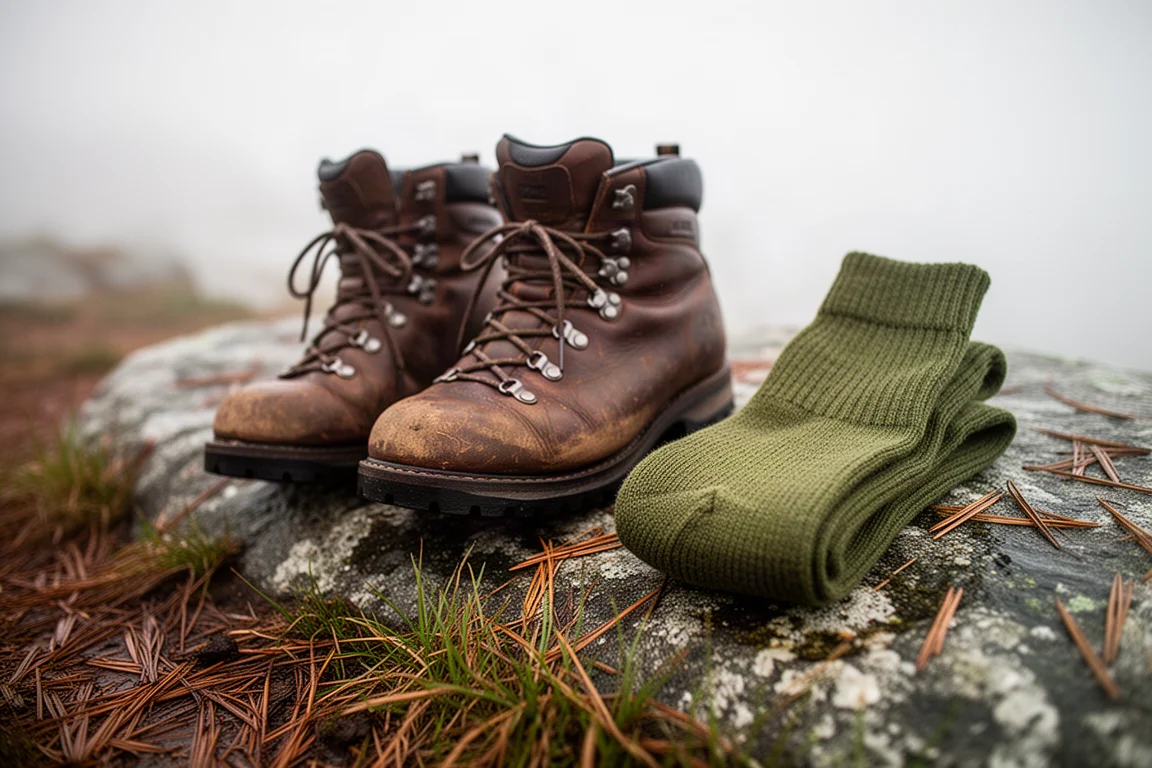
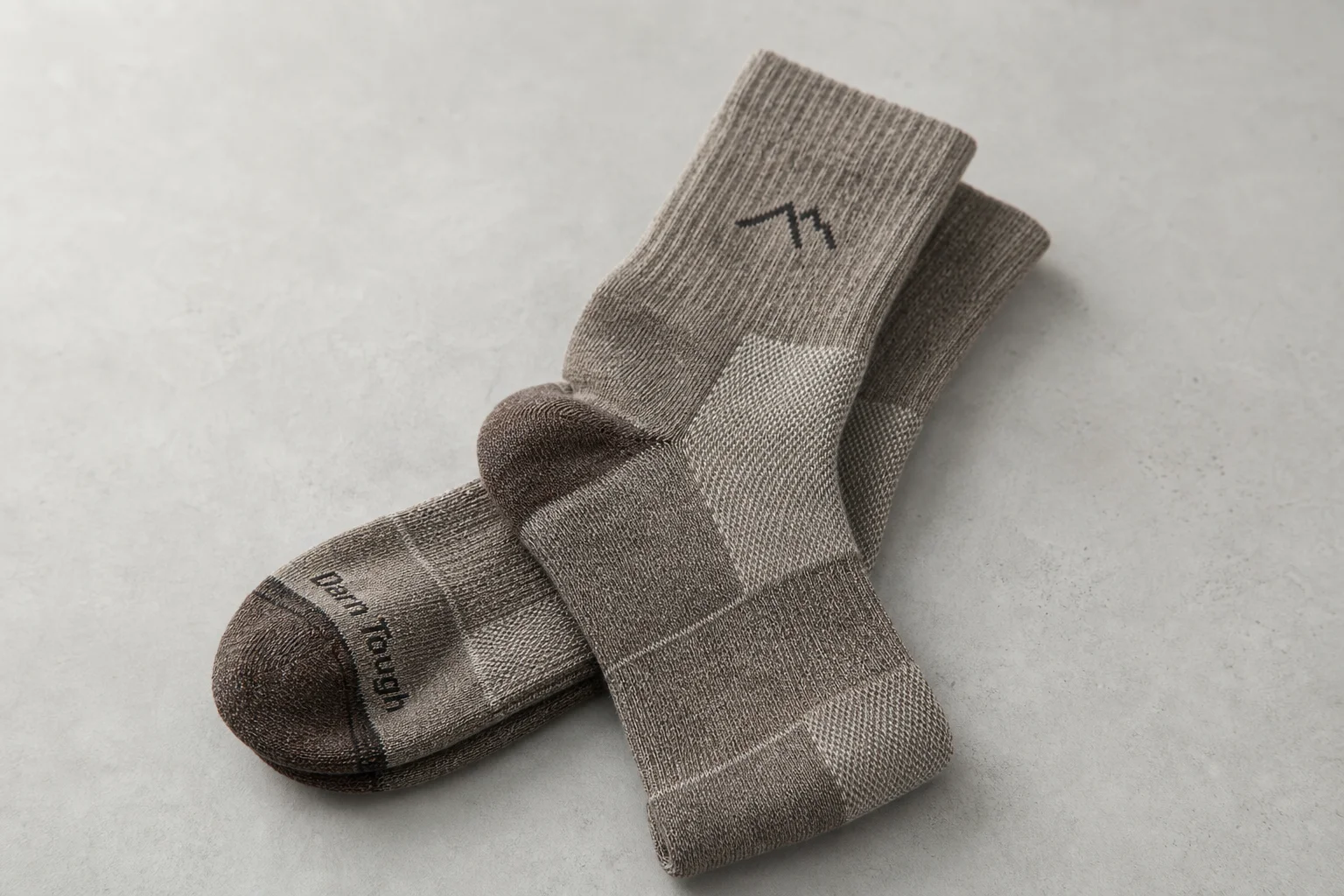
Socks are the item beginners most often skip, and they are one of the first upgrades worth making. A merino wool hiking sock sits close to the foot, stays warm when the temperature drops, and keeps its elastic shape so it does not bunch or slide down inside a boot over a long day.
Merino wool is the key detail here. It is comfortable against the skin, warm for its weight, and it works well alongside breathable footwear and the layering approach described above. Fit matters as much as the material: a sock that holds its shape keeps the foot settled inside the boot and reduces the chance of rubbing on longer descents.
These are not a first-day purchase for everyone. Many beginners start in ordinary socks and only appreciate the difference after a few longer routes. If you are building a kit gradually, socks are a sensible second or third buy after boots, and they tend to make more difference than people expect.
Karrimor Urban 30L Backpack: A Practical Day Pack
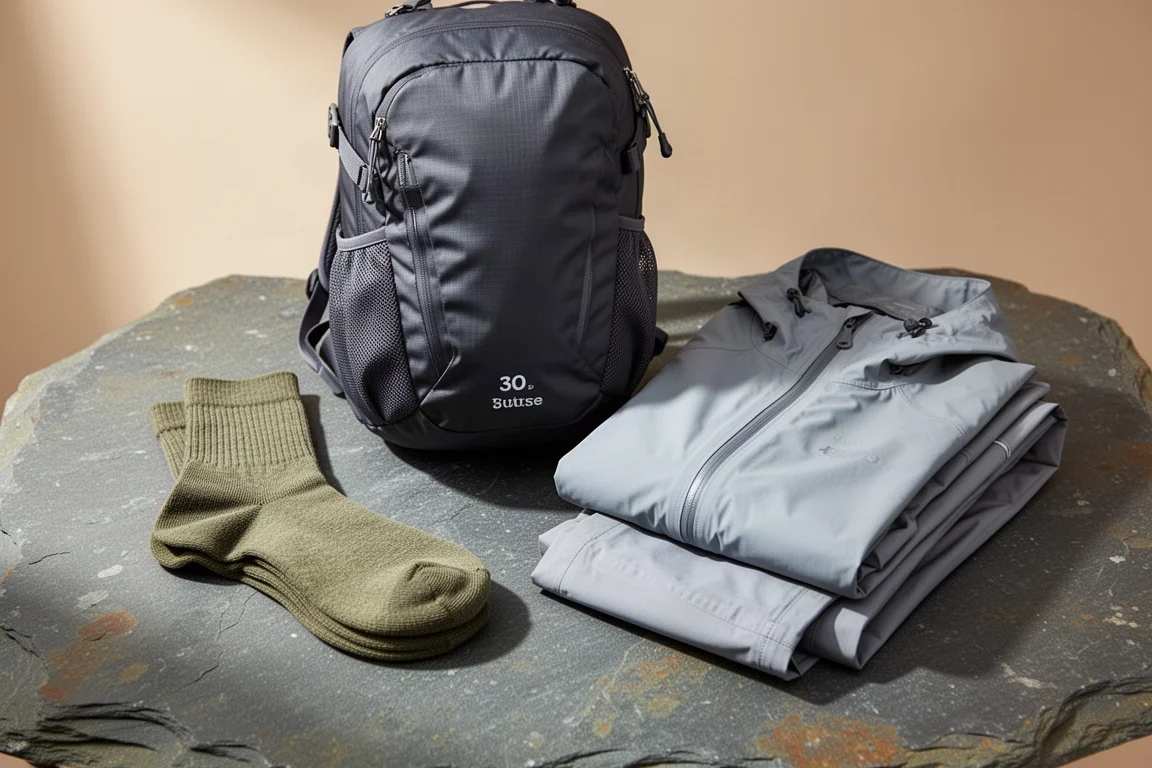
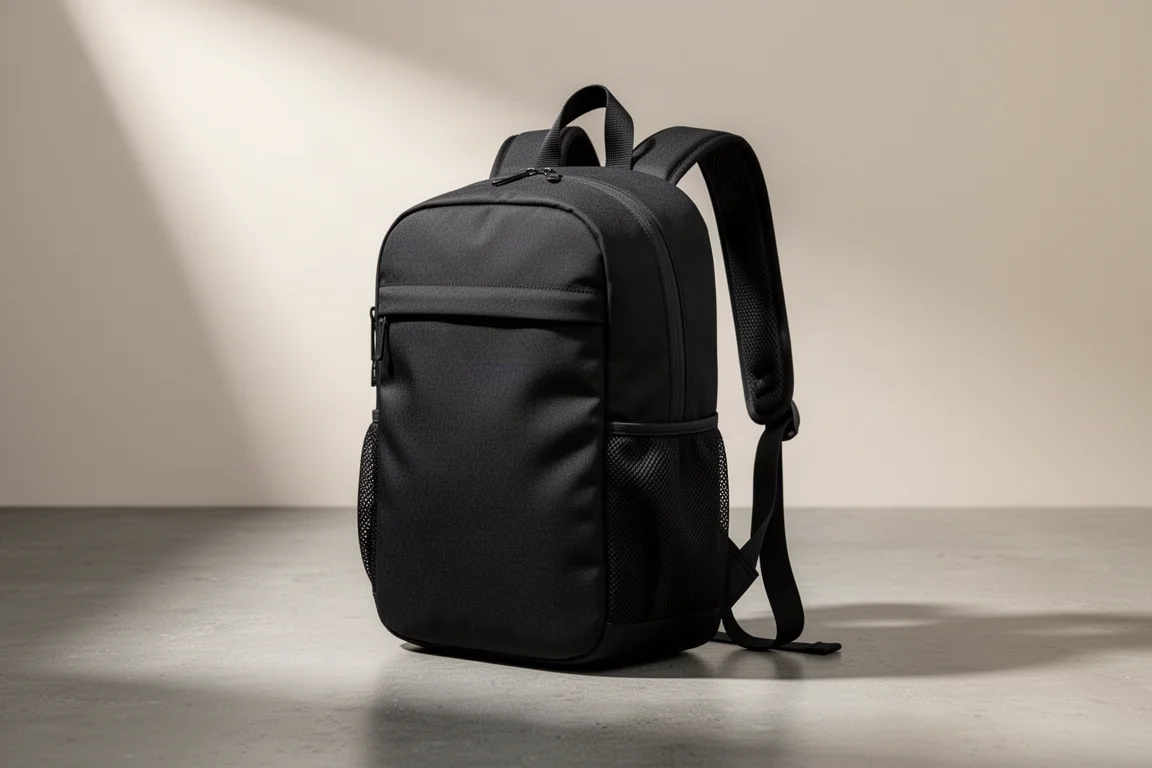
Thirty litres is a useful size for a day out. It is big enough for waterproofs, food, water, a first aid kit and a spare layer, and small enough that you are not tempted to overload it. The Karrimor Urban 30 litre pack is built around a generous set of compartments, which makes it easy to keep essentials separate and find them quickly when the weather turns. It is available from sports and outdoor retailers as well as online.
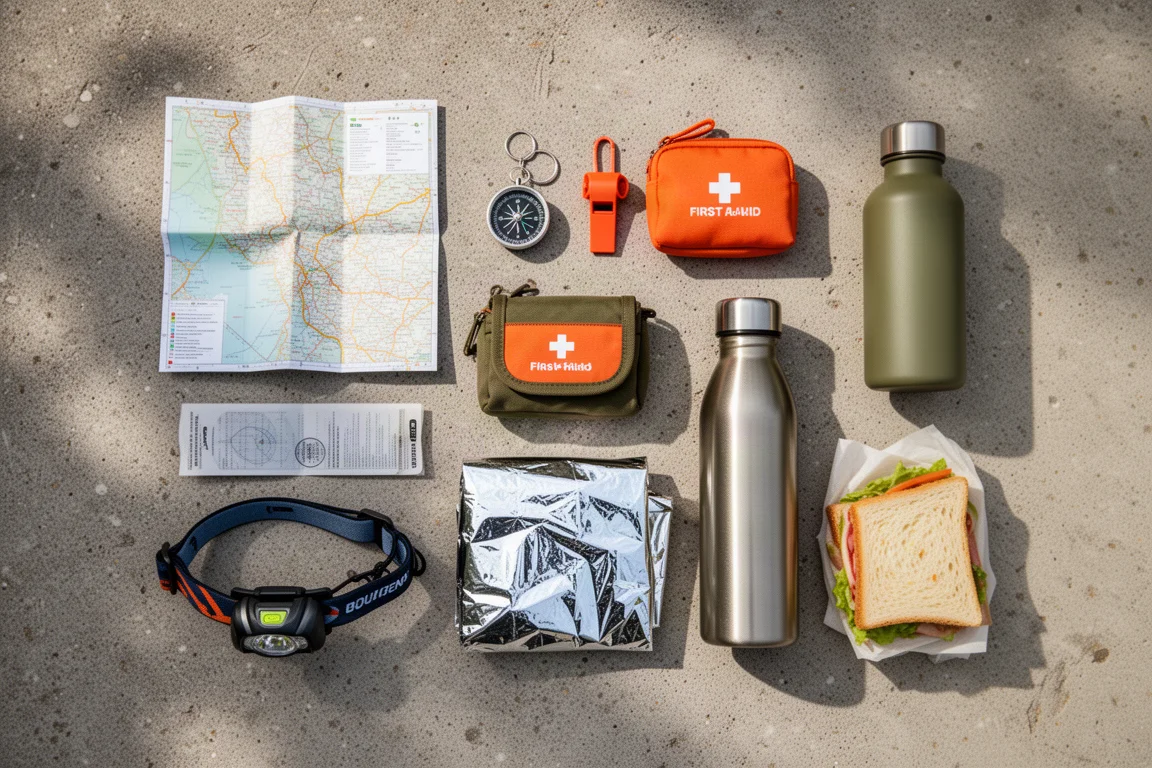
What goes in a day pack matters as much as the pack itself. A map and compass, an emergency whistle, a small first aid kit with bandages, plasters and scissors, tick removers, water purification tablets or a filter, a survival blanket and a USB-rechargeable headlamp cover the safety side. Add water, a lunch box and energy-dense food such as beef jerky or a fruit and nut trail mix, and you have a pack that covers a full day on the hill. Some walkers also add a small stove set, a pot of around 750 millilitres with a gas canister and burner inside it, so a hot drink is possible without relying on a flask that cools as the day goes on.
Mountain Warehouse Pak-a-Mak Set: Lightweight Weather Protection
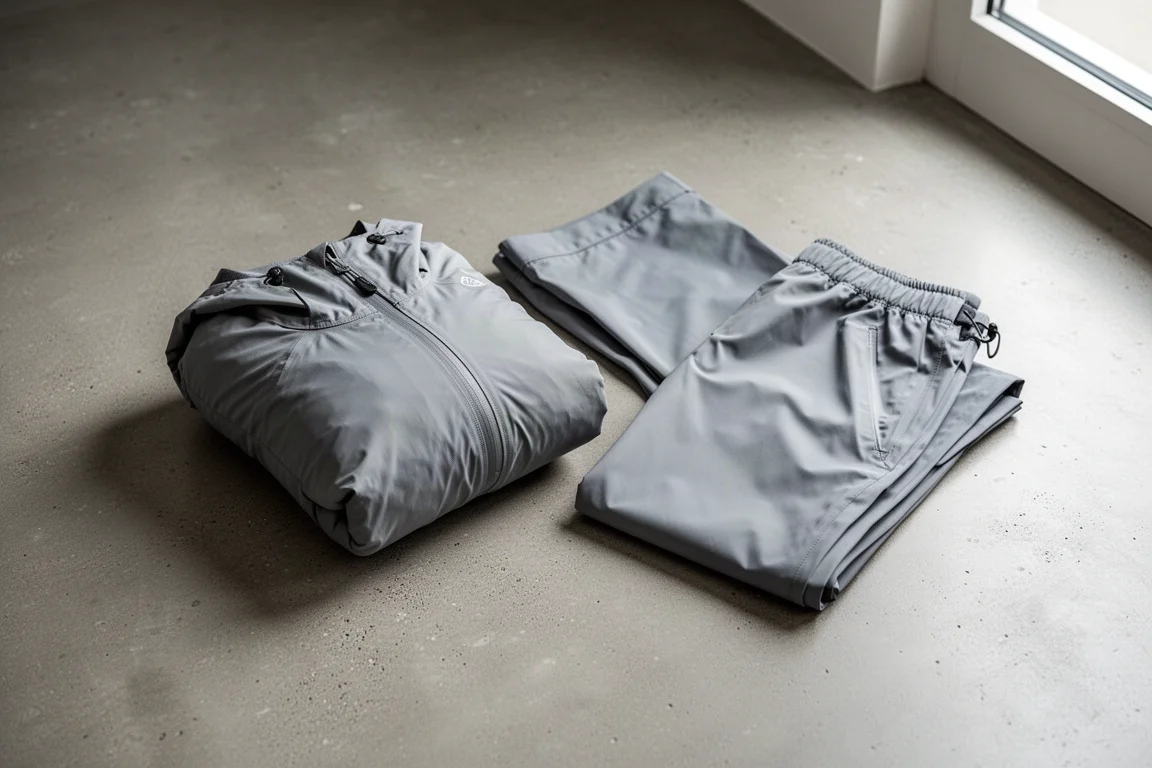
Waterproofs are the item you hope not to need and are always glad to have. A packable jacket and trouser set, often sold as a pak-a-mak, folds down small enough to live in the bottom of a day pack through the whole season, so a change in the forecast never catches you out on an exposed stretch of path.
Lightweight sets like this are best understood as a first waterproof layer. They are inexpensive, they take up very little room, and they keep the wind and rain off during a shower on a day walk. Many hikers buy a set like this early on and keep using it long after other parts of the kit have been upgraded, simply because it is always in the bag when it is needed.
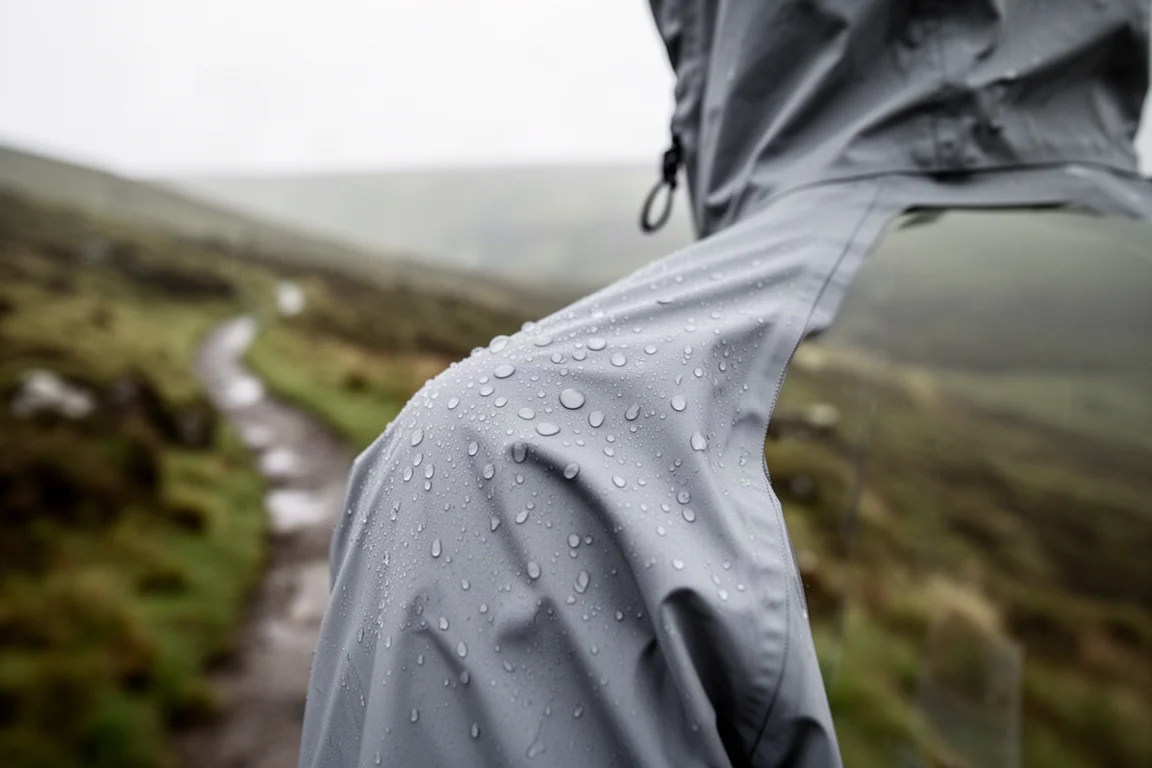
For beginners the practical value is straightforward: you stay dry, you stay warmer, and you finish the walk far more comfortably. Pair it with a breathable base layer and a fleece, and you have a layering system that handles most day walks in changeable weather.
Safety Habits That Matter More Than Gear
Navigation and judgement matter more than any single purchase. A map and compass are still the most reliable tools on open moorland, where cloud and rain can arrive quickly and make it easy to lose your bearings. If map reading is new to you, walking with someone experienced or staying on well-trodden paths is a sensible way to start.
Route planning apps on a phone are a helpful backup. Plotting a route at home and sending it to the phone makes it easy to follow on the day, and a charged phone alongside an emergency whistle adds another layer of reassurance. Tell someone where you are going and when you expect to be back, so that help knows where to look if something goes wrong.
Finally, start small. Choose routes that match your current fitness and build distance gradually as confidence grows. Building up slowly is the simplest way to avoid being caught out by a route that turns out to be longer or more exposed than expected.
Overall Buying Advice
Build the kit in order of impact. Footwear comes first, then socks and a breathable base layer, then a day pack that carries your safety essentials, then a packable waterproof set. Everything after that can wait until you know what you actually want from it.
Spend where it matters to you. Inexpensive kit gets people out on the hill, and experience is the best guide to what is worth upgrading. If a walk leaves you cold, wet or uncomfortable in a specific way, that is the signal to spend a little more on the item responsible.
Buy for the conditions you walk in most often rather than the worst case you can imagine. Waterproof boots for wet ground, lighter footwear for dry paths, and layers you can add or remove through the day will cover the majority of beginner walks comfortably.
Conclusion
Three items, three clear jobs: merino wool socks for warmer, more comfortable feet, a 30 litre day pack for carrying the essentials safely, and a packable waterproof set for weather that turns. Add a map, a compass and a charged phone, and you have everything you need for a confident first season of walking.
Further reading
Related Reviews
Hiking Gear
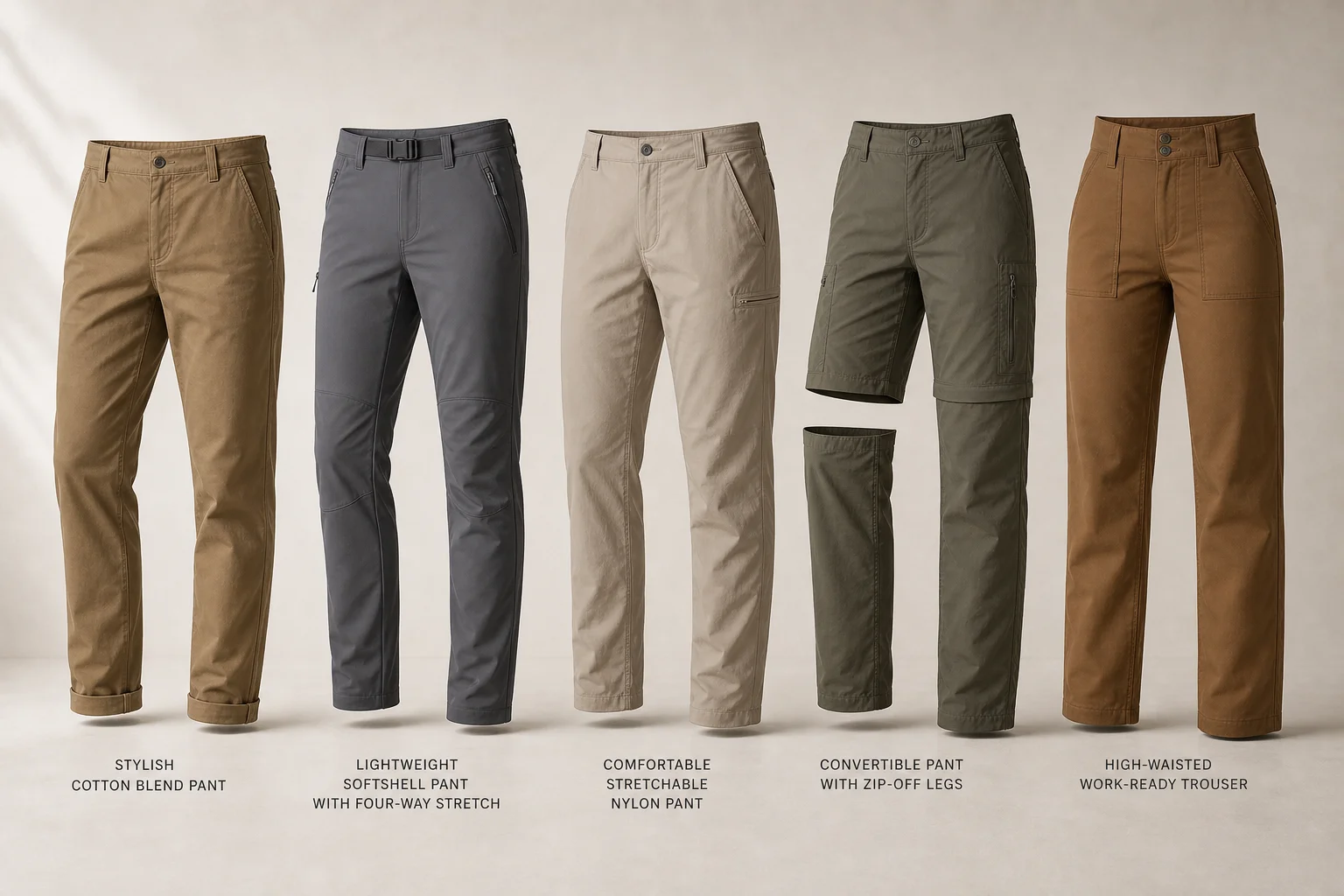
Best Hiking Pants on Amazon: Five Practical Options for Different Needs
A practical review of five hiking pants with clear strengths and trade-offs, from lightweight convertible styles to durable work-ready trousers.
Hiking Gear
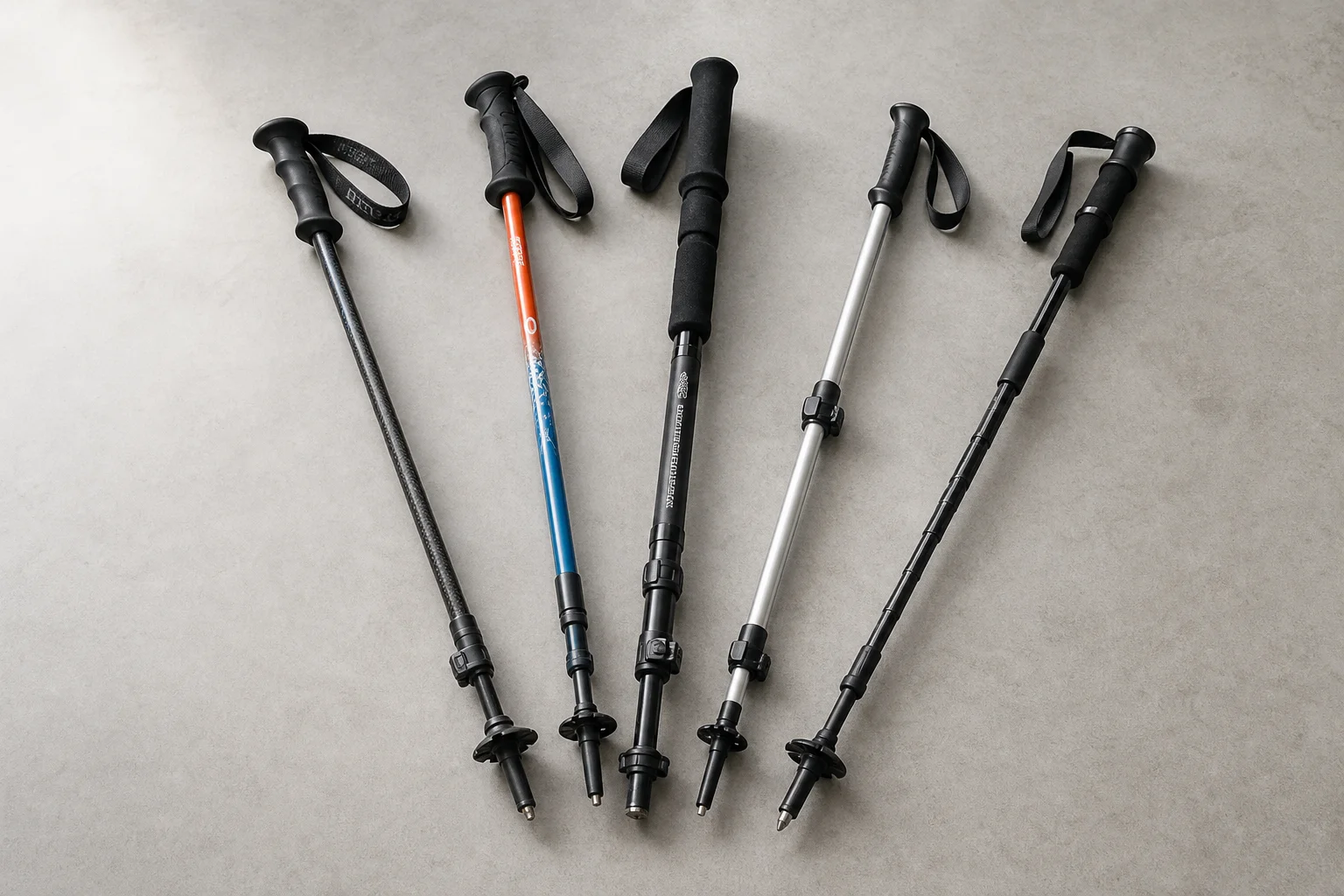
Best Hiking Poles 2026: Five Options for Different Trail Needs
A practical review of five hiking poles, from lightweight carbon designs to versatile all-terrain options, with clear strengths and trade-offs for each.
Hiking Gear
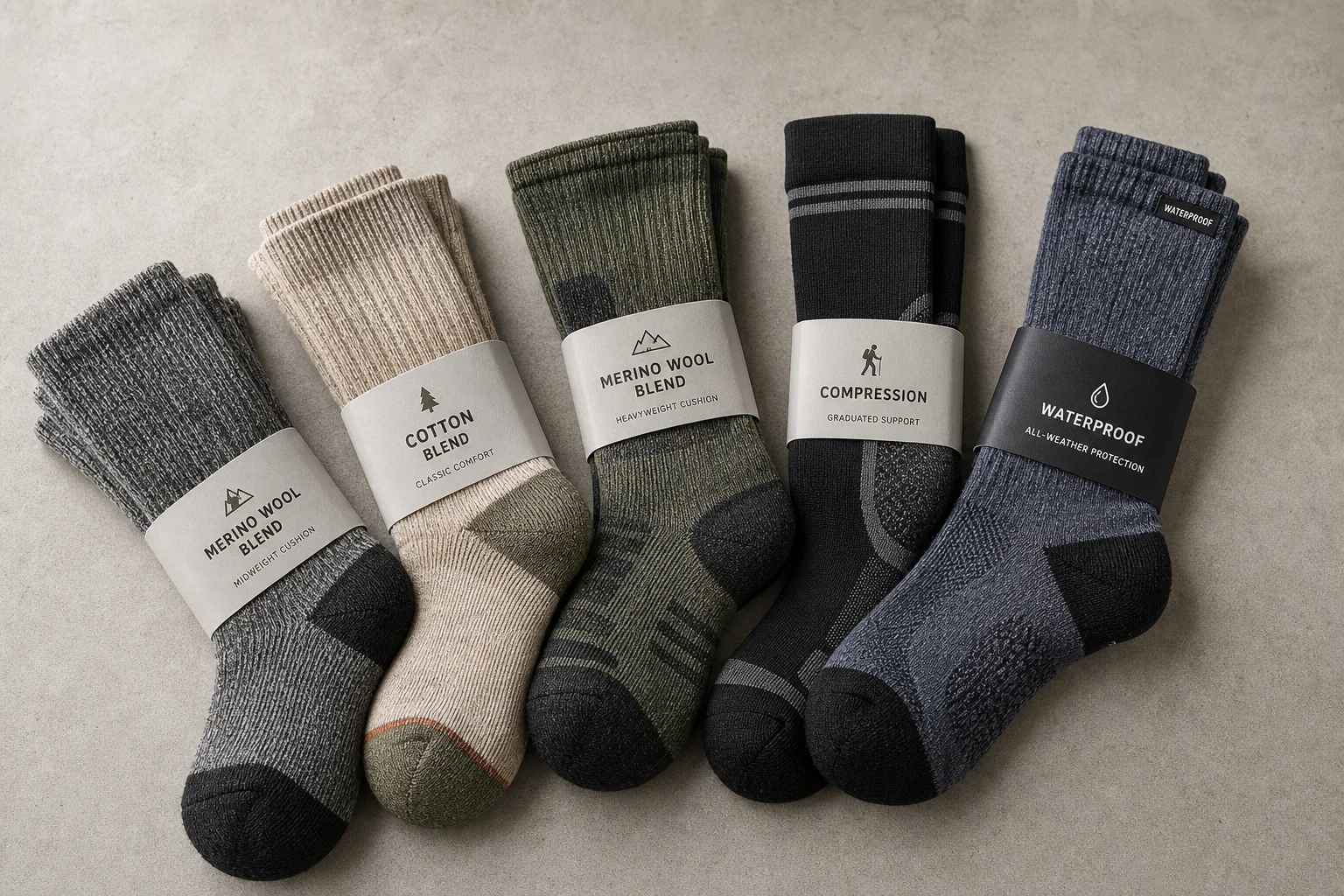
Best Hiking Socks 2026: Five Top Choices for Different Trail Needs
A practical roundup of five hiking socks, from lightweight merino options to heavy-duty compression styles, with clear guidance on which suits your outdoor activity.