Power Tools
Does More Expensive Mean More Torque? Three Impact Drivers Put to the Test
A $40 Bauer, a $90 Craftsman V20, and the Milwaukee M18 2853-20 went head to head on a dyno to see whether price actually buys performance.
Introduction
When it comes to impact drivers, the assumption is usually simple: more money means more performance. To test that theory, three drivers spanning very different price points went onto a dyno to measure actual torque output rather than trusting the specs on the box. The results upended a few expectations, including the idea that budget tools can’t punch hard.
The Contenders
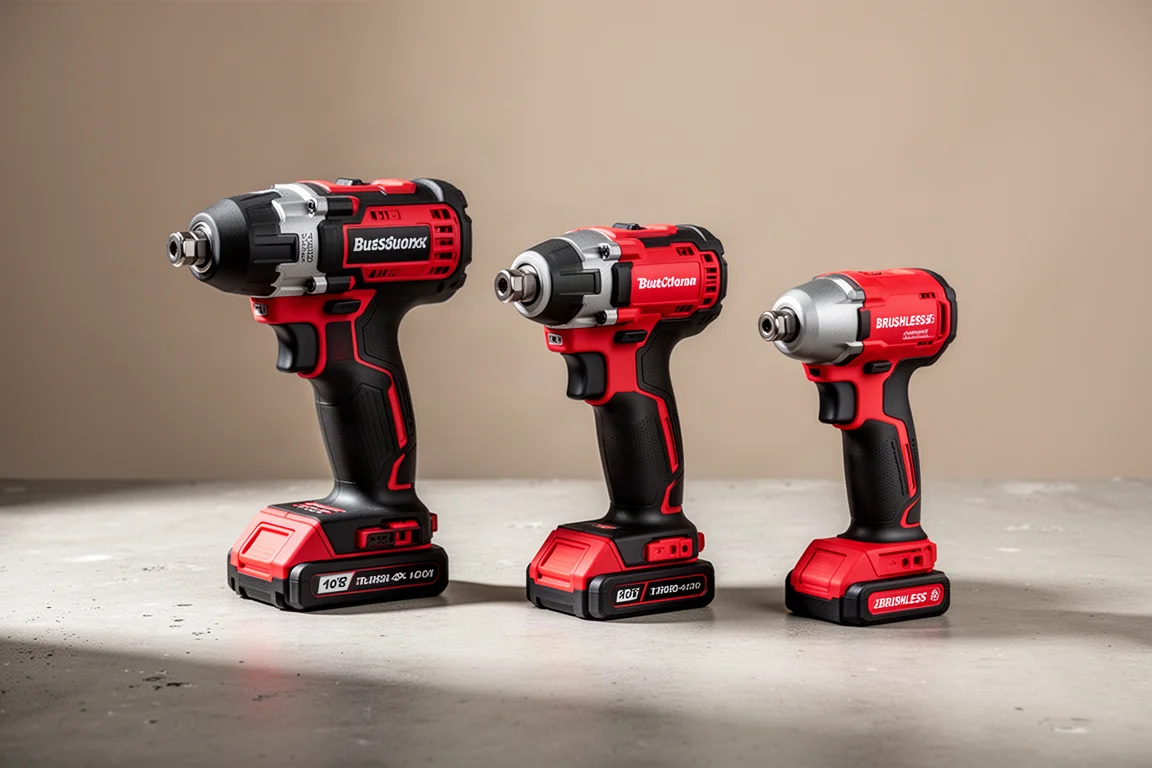
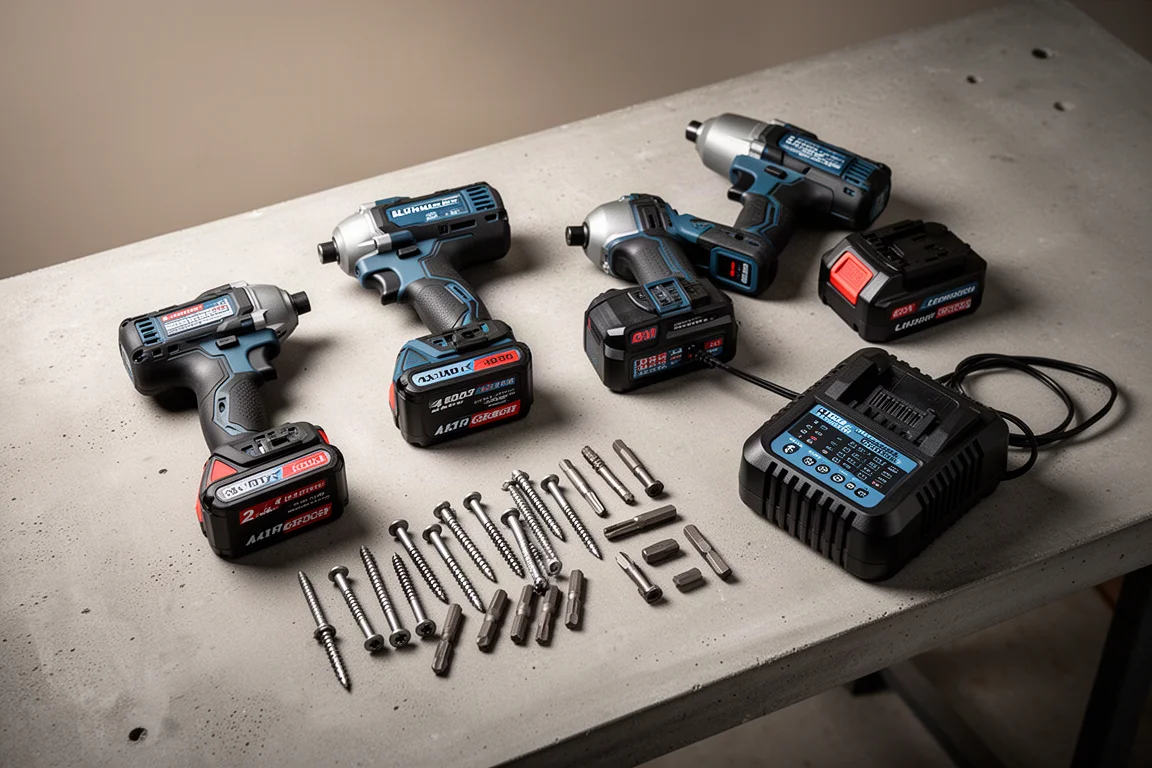
The lineup covers three price steps. At the bottom sits the Bauer 20V impact driver from Harbor Freight, a brushed-motor tool that sells for a flat $40, not a sale price and not a coupon deal. In the middle is the Craftsman V20 CMCF820B, a brushless model found at Lowe’s for around $90, though it is often listed at $100. At the top is the Milwaukee M18 2853-20, which typically sells between $125 and $130. That makes this about as close as you can get to three clean steps of impact driver pricing.
Size matters here too. The Milwaukee is already a snub-nosed tool, while the Bauer stretches past six inches thanks to its brushed motor. The Craftsman sits between them at five and a half inches, just one inch longer than the Milwaukee. All three were tested with comparable battery packs: the Bauer ran its largest 5 amp hour pack (the brand recommends 3.0 or higher), matched against Milwaukee’s XC 5.0.
Bauer 20V Impact Driver
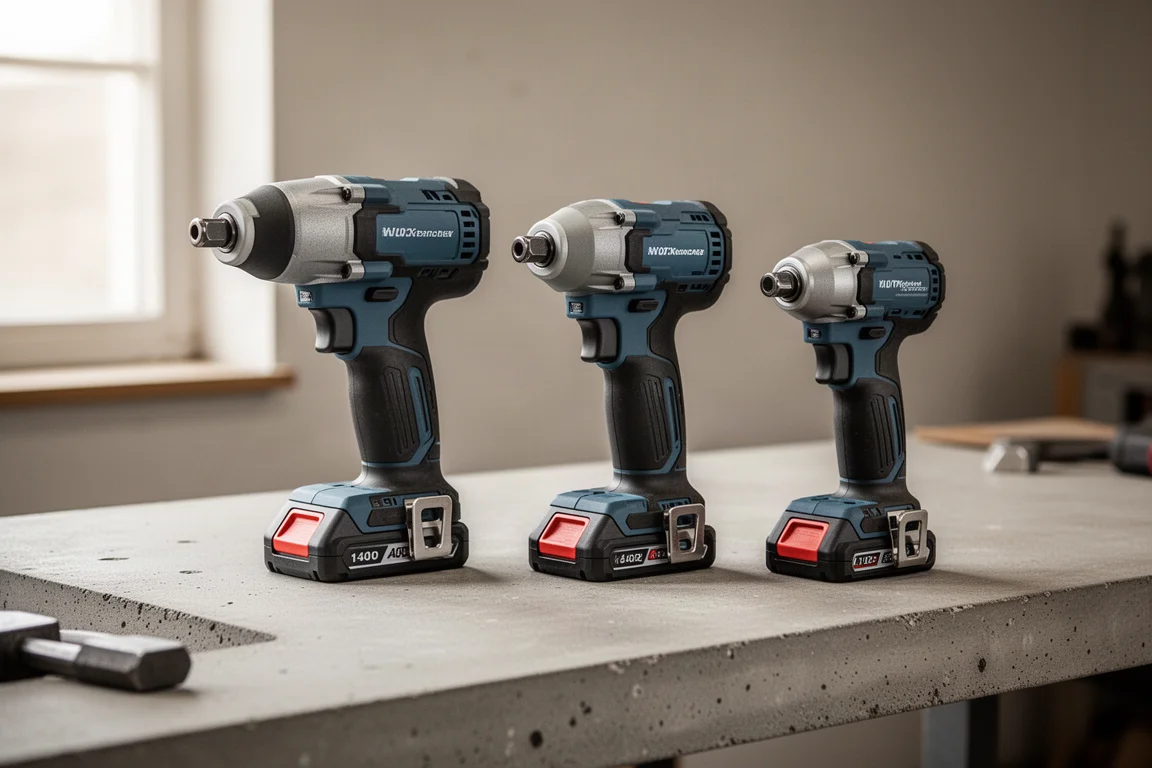
The Bauer claims just 1,300 inch pounds, or 108 foot pounds, the lowest advertised figure tested so far, lower than any of the Bosch Freak drivers. At six-plus inches long it won’t fit everywhere a compact driver will, but that extra length paid off on the dyno.
In working torque (five seconds, forward), it put down 122 foot pounds, beating its claim and even surpassing the more expensive Craftsman, all from a brushed motor. In max reverse torque it hit 160 foot pounds, nearly matching the Milwaukee. In max forward torque it reached 166 foot pounds, effectively earning extra credit. Its power runs scored 24, 32, and 33, and it tallied 248.2 total points with a standout 33.2 power-per-dollar figure. At $40, or $65 for a kit with battery and charger, it is hard to beat on value.
Craftsman V20 CMCF820B
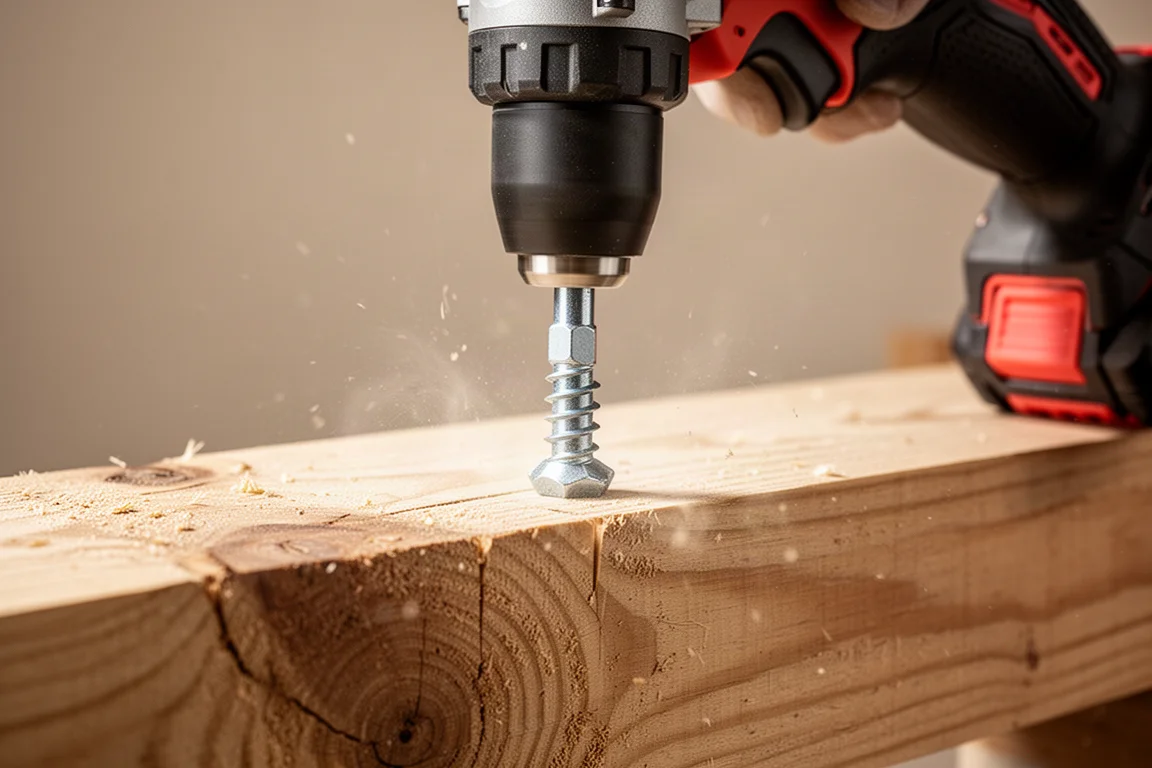
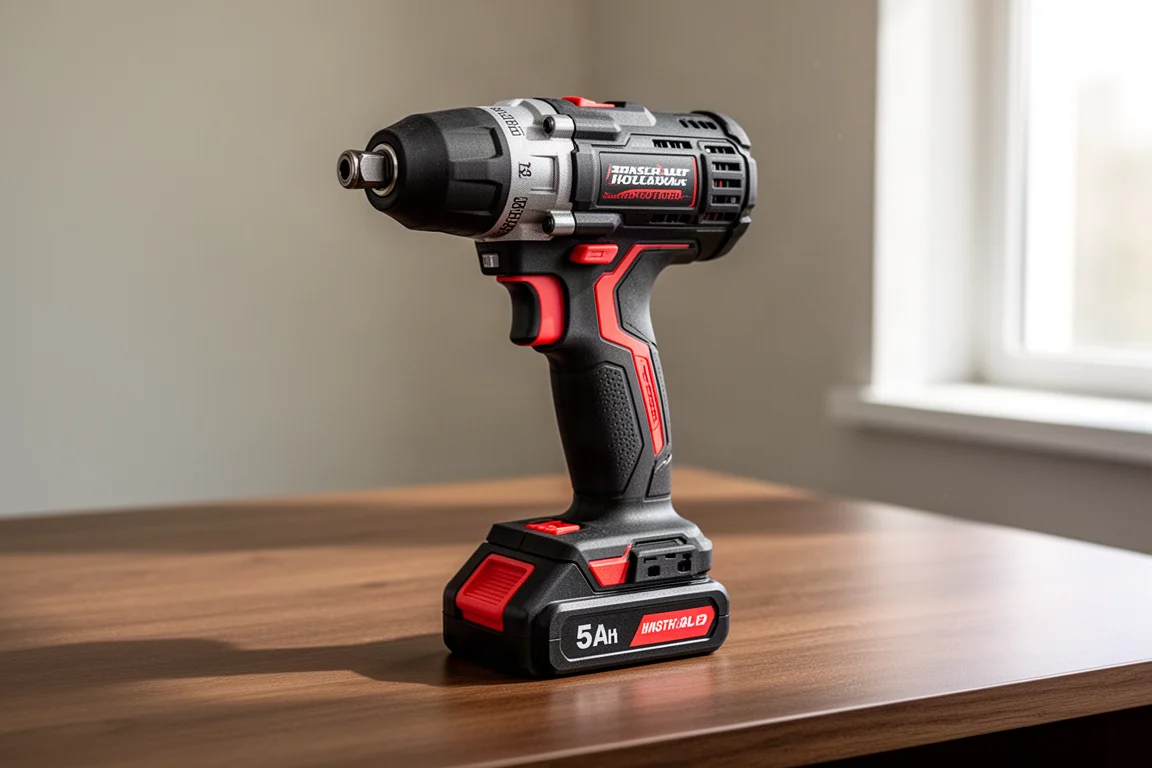
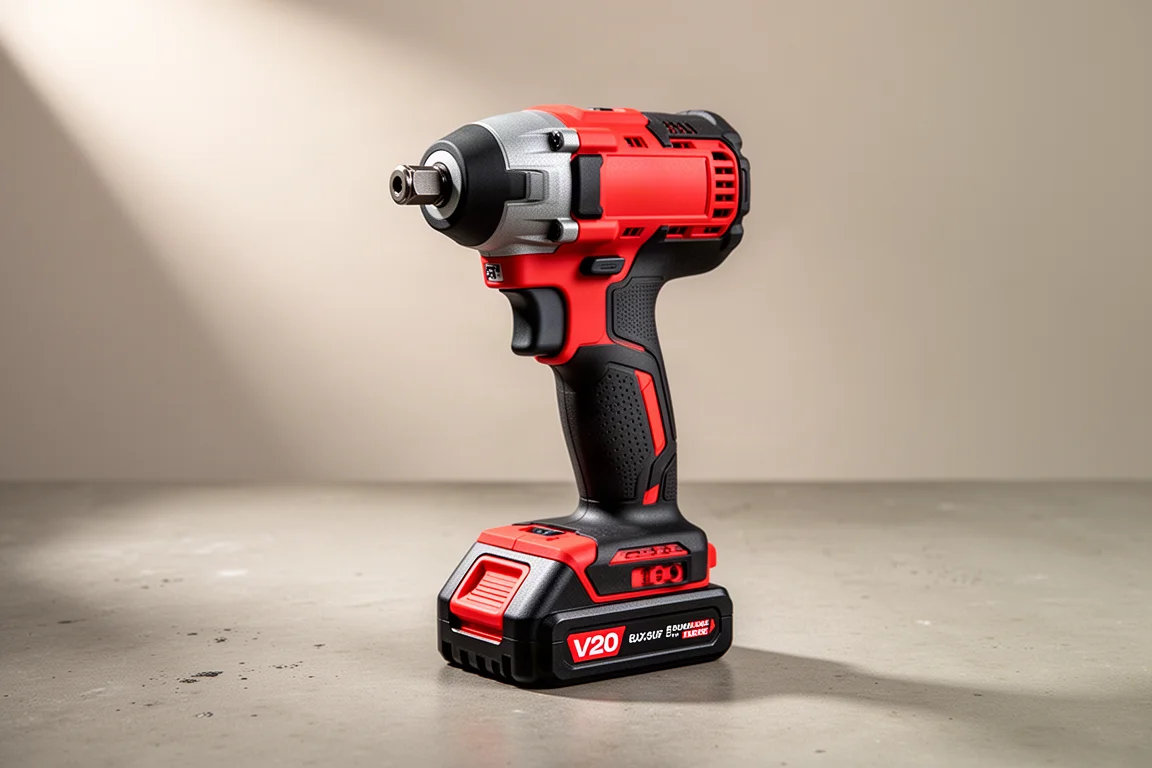
The Craftsman is the interesting middle child. It is brushless like the Milwaukee, and this specific CMCF820B model is the assembled-in-USA (with global materials) version, not the otherwise nearly identical $80 CMCF810B, which advertises a lower torque spec. The CMCF820B claims 1,700 inch pounds, or 142 foot pounds, a nice midpoint between the other two.
The dyno told a different story. In working torque it managed 115 foot pounds, short of its 142 claim. In max reverse torque it leveled off at 125 foot pounds, reaching that ceiling later and with less output than the Milwaukee. In max forward torque it improved to 136 foot pounds, but still fell short of its spec. Its power runs scored 23, 25, and 27, totaling 207.8 points with a 12.1 power-per-dollar figure. The shop’s previous Craftsman impact had performed like a mid-torque DeWalt in red clothing for less money, but this higher-dollar driver did not keep that streak alive.
Milwaukee M18 2853-20
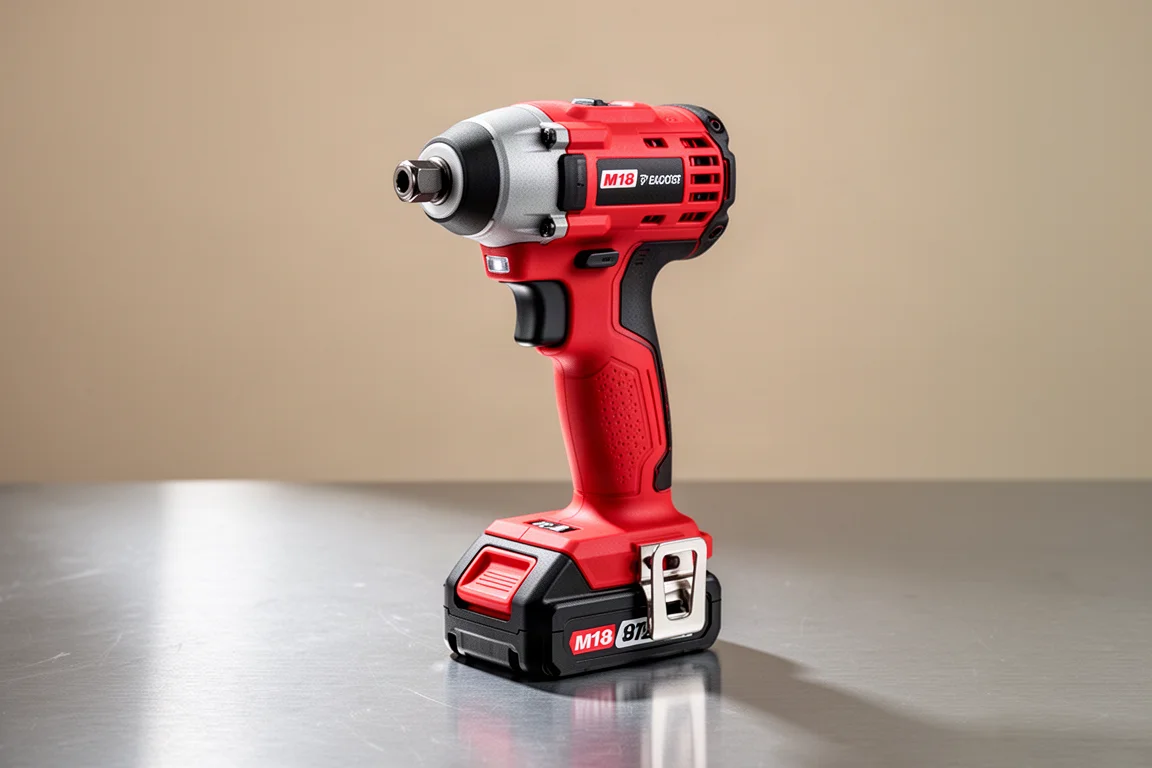
The Milwaukee went into testing rated at 2,000 inch pounds, or 167 foot pounds, and on the working torque test it delivered exactly that: 167 foot pounds. It was the only driver of the three to match its advertised torque right where the spec says it should. In max reverse torque it hit 125 foot pounds, leveling off quite a bit at the end.
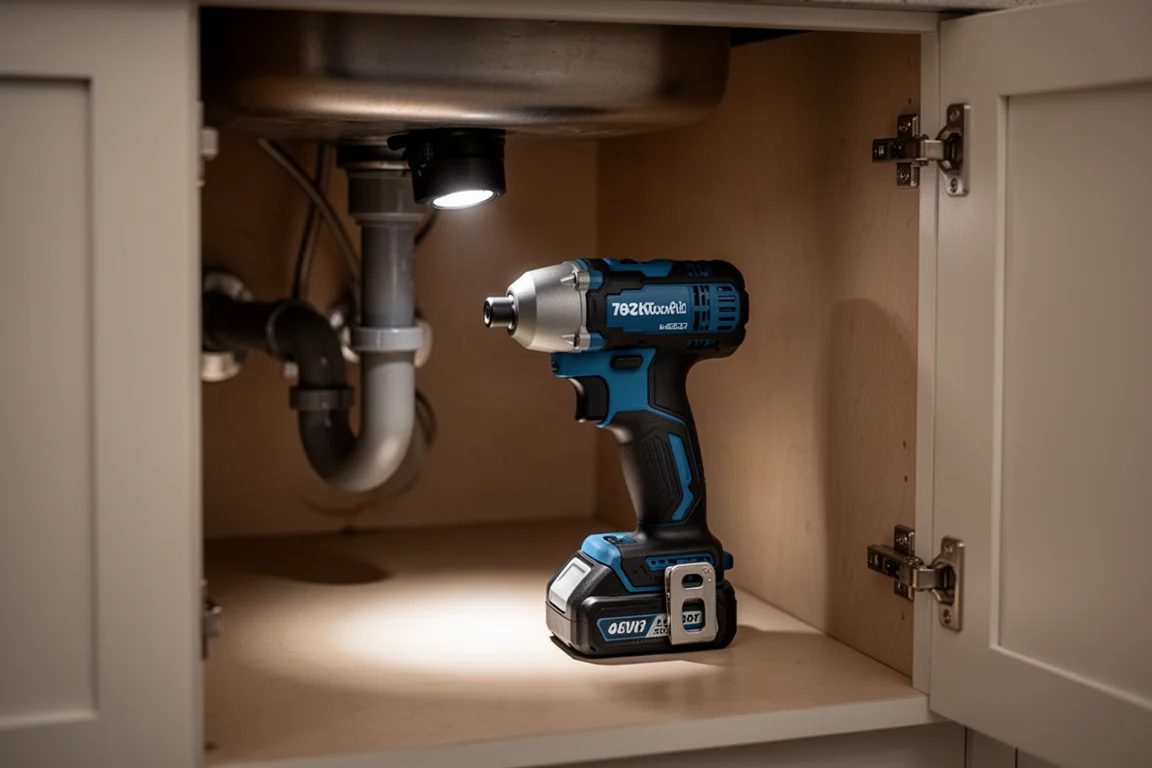
Beyond raw numbers, the M18’s snub-nosed, compact body remains its real advantage. If the goal is fitting the tool into small drawers, tight spaces, and under sinks, the Milwaukee is still hard to beat. It scored 96 points out of a possible 100 on the ranking chart, the strongest showing of the three, though it naturally loses ground in power-per-dollar terms against a $40 tool.
Which One Should You Buy?
The headline result: price does not directly buy torque here. The $40 Bauer beat the $90 Craftsman across the torque tests and came within a foot-pound or so of the Milwaukee’s max figures, while spending a fraction of the money. This is the first brushed Harbor Freight tool that earned a recommendation in this kind of testing. As a starter driver, a gift for someone without one, or a cheap backup, it gets the job done. For general woodworking and driving large lag bolts, it is worth a serious look.
The Craftsman is the one to be cautious about. It is short and comfortable, and the brand has a decent track record with impact tools, but this particular higher-dollar model failed to meet its torque claim and lost to a $40 tool on the dyno. Unless you specifically want the brand or the USA-assembled version, it may be one to skip.
The Milwaukee remains the pick for fit and finish. If tight-space access matters more than headline numbers, its compact body and spec-accurate output justify the premium. The chart scores made this plain: the Craftsman managed 96 points against the Bauer’s 100, and the Bauer’s power-per-dollar even sneaked under a powerful but pricey Makita.
Conclusion
This test proved that the cheapest tool in the room can outperform a mid-priced one. The Bauer 20V is a genuine value pick that exceeded its own torque claims, the Craftsman V20 CMCF820B fell short of expectations despite its brushless motor, and the Milwaukee M18 2853-20 stayed true to its spec and keeps its edge where compact size matters most. Match the tool to the job, not just the price tag.
Further reading
Related Reviews

Power Tools
Best 1-Inch Pistol Impact Wrenches: Three Heavy-Duty Options Compared
We compare three 1-inch pistol impact wrenches, from a budget-friendly Harbor Freight model to a premium Caterpillar unit, to help you choose the right one.

Power Tools
Best 3/4-Inch Impact Wrenches 2026: Five Contenders Compared
We compare five 3/4-inch impact wrenches across price and performance, from a budget Amazon option to Snap-on's most powerful model yet.

Power Tools
Best Budget Cordless Tools 2026: Walmart Finds That Punch Above Their Price
We tested five cordless tools from Walmart, including a high-torque impact wrench that trades blows with Milwaukee and a $35 duster that outperforms its price class.