Power Tools
Bauer Brushless Drill Shootout: New Brushless vs Brushed, Plus the 5Ah Battery Question
A head-to-head look at Bauer's new brushless drill, the outgoing brushed model on clearance, and whether stepping up to a 5Ah battery makes sense.
Introduction
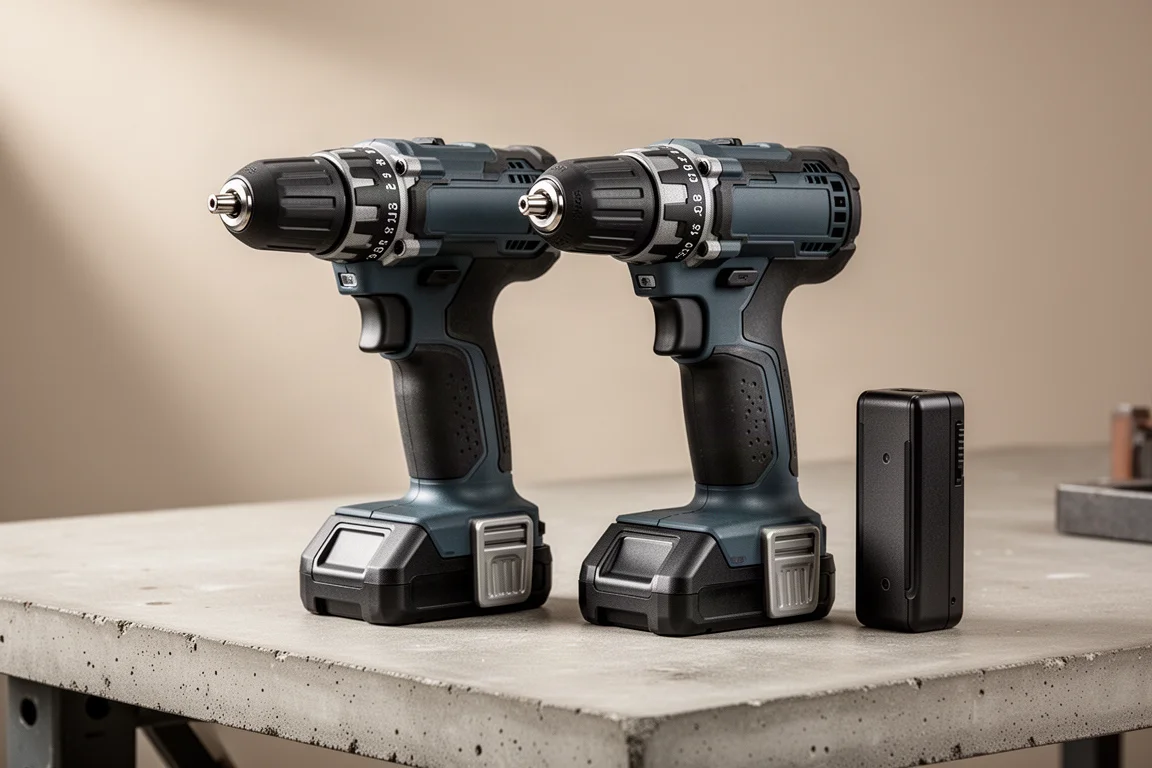
Bauer’s new brushless drill has finally landed, and it arrives alongside a new 5Ah battery. That raises three practical questions: how much faster is brushless than the old brushed drill, is the 5Ah battery worth the upgrade over the 3Ah, and what should you buy if you are starting from scratch?
The headline numbers are straightforward. The brushless drill sells for $50 tool-only, while the brushed model is on clearance at $33.97 as it appears to be phased out. That is a gap of about $16. Meanwhile, the 3Ah battery currently sells for $45 and the 5Ah for $60, a $15 jump in capacity. Here is how the testing shook out.
Brushless vs Brushed: Head-to-Head Drilling
In a best-case run with the 5Ah battery in both tools, the new brushless drill and the classic brushed drill finished remarkably close. There is a difference, but it is marginal. Even stepping up to the largest drill bit in a GearWrench set did not dramatically separate the two.
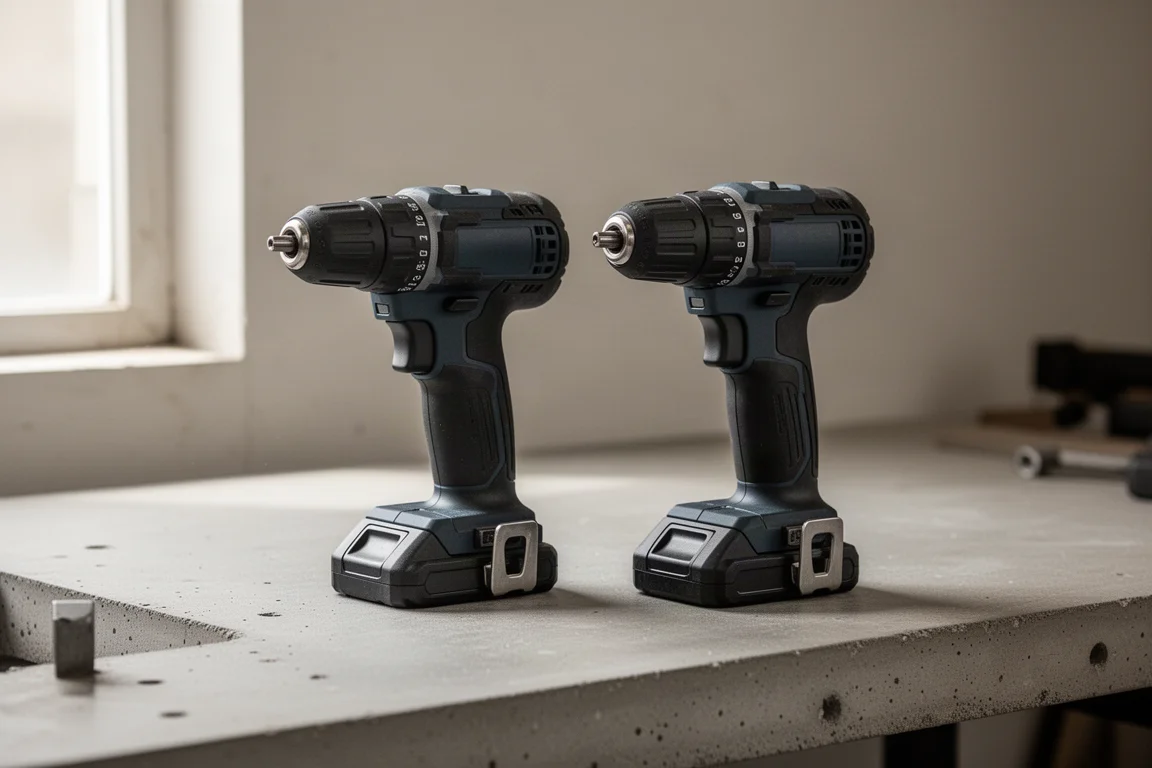
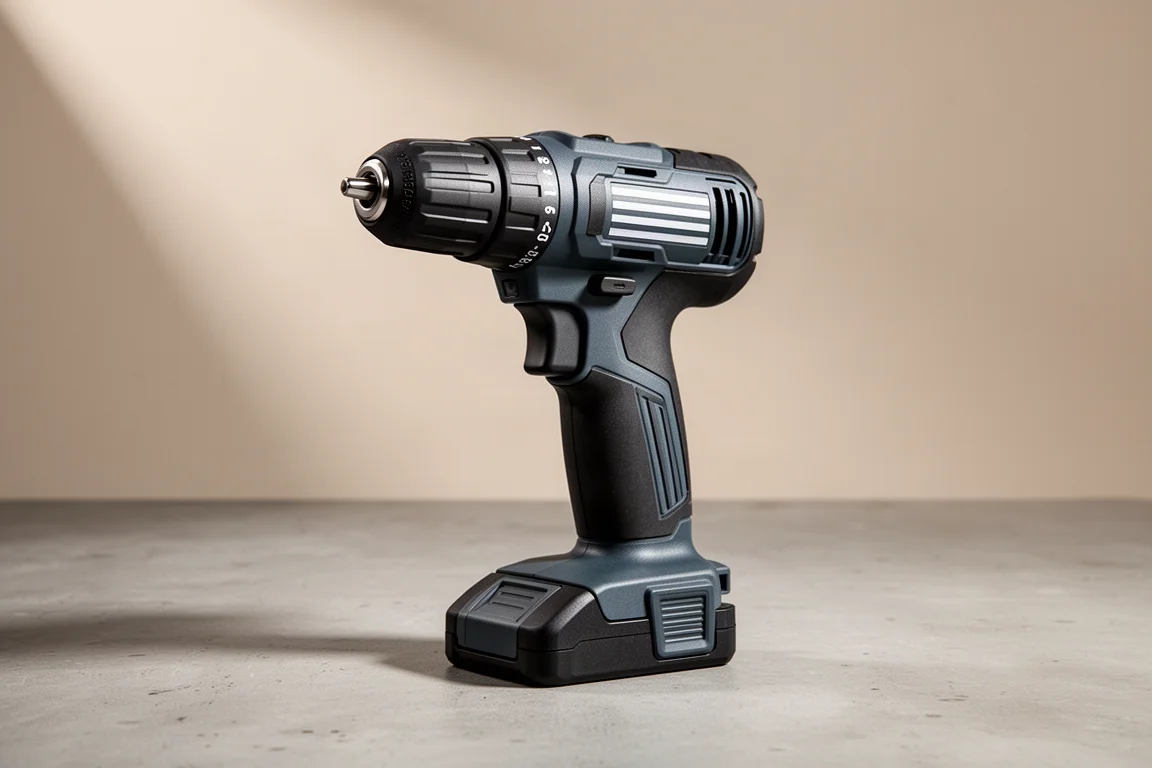
In terms of size and shape, the two drills are almost indiscernible. The brushless version has slightly different striping, a slightly larger base, a chuck that sits a little shallower, and it felt a touch more ergonomic in the hand. If you already own the brushed tool, there is arguably not enough here to justify switching on performance alone.
Does the 5Ah Battery Make a Difference?
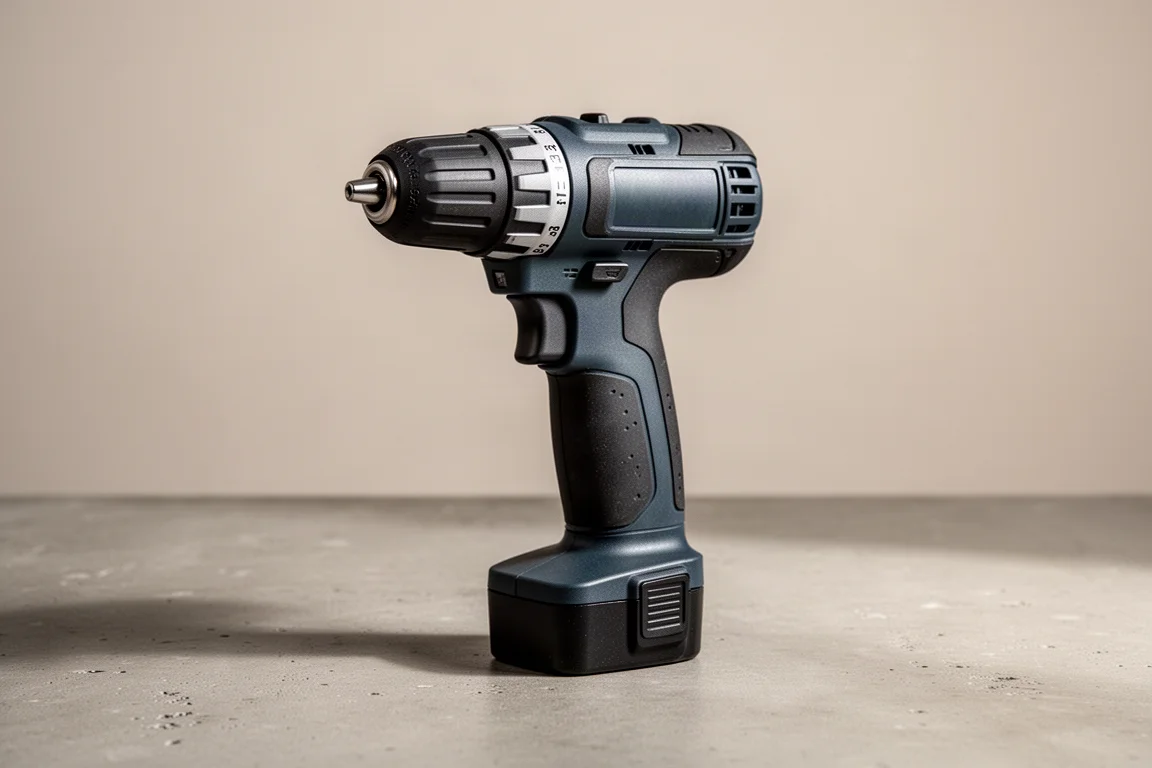
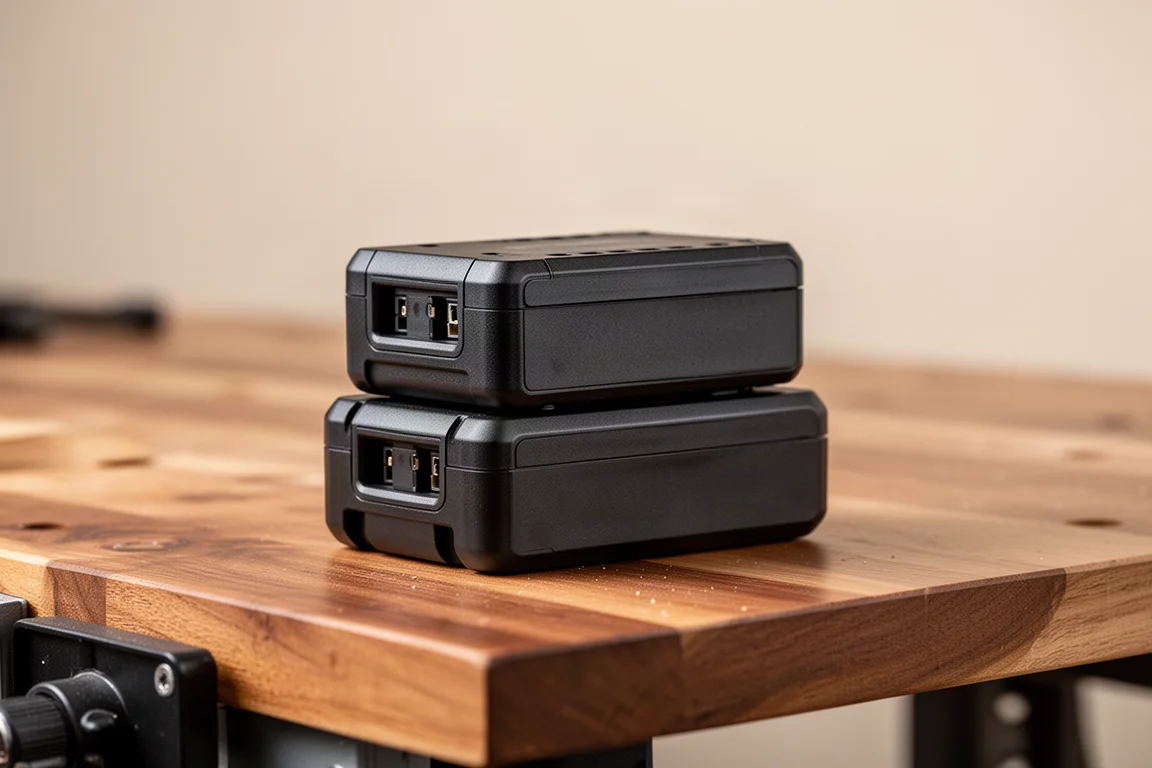
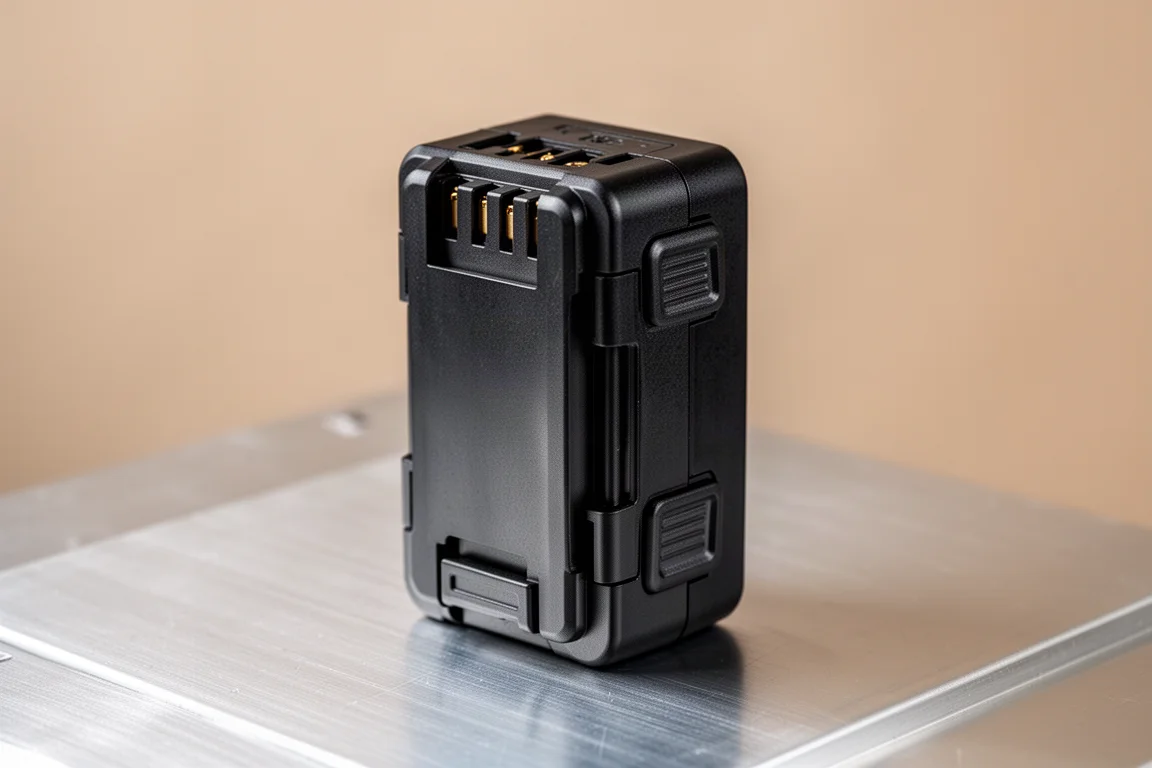
Swapping between the 3Ah and 5Ah battery in the brushless drill produced only a slight margin in the tested runs, so speed is not the main reason to step up.
The real argument for the bigger pack is runtime and battery longevity. A brushless tool draws less power, so a battery lasts longer on the job and accumulates fewer recharge cycles over its life, which helps the pack stay useful for longer. After using the 5Ah packs, going back to 3Ah batteries seems unlikely.
At $60 versus $45, the 5Ah costs $15 more. Whether that premium is necessary depends on how you work, but for higher-capacity jobs it is the more comfortable pick.
Where the Brushless Drill Actually Wins
The biggest win for the brushless model is not raw drilling speed. It is battery life. Less battery drain means more work per charge, fewer recharges, and a battery that stays healthy for more years. That makes the brushless tool worth having in the toolbox even if the performance gap is smaller than hoped.
What This Means for Bauer’s Lineup
With this release, Bauer now fields a genuinely broad brushless range: an impact driver, the drill driver, a grinder, a multi-tool, an SDS rotary hammer, a router, a one-handed reciprocating saw, a full reciprocating saw, a mud mixer, and an air compressor. Combined with its existing brushed tools, that adds up to a full, legitimate power tool lineup.
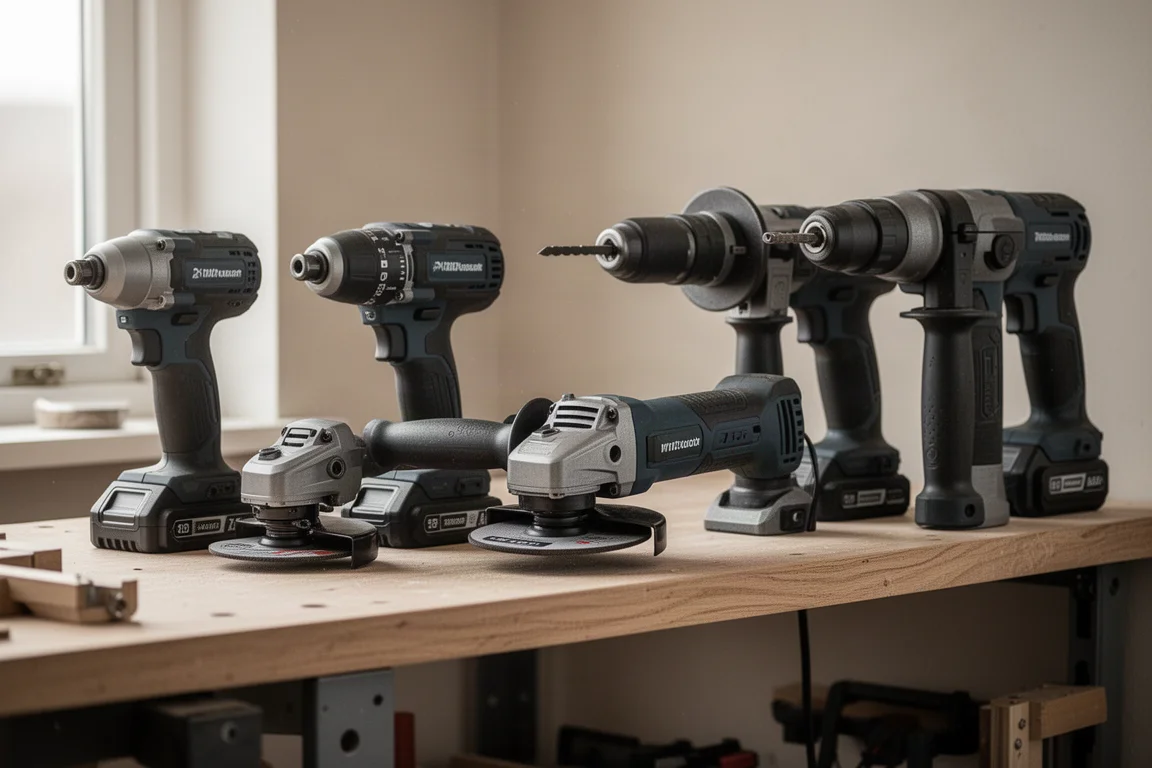
For the DIY to prosumer market, Bauer has been taking on the likes of Ryobi and challenging some of the bigger names. The brushless drill may not be the dramatic leap some hoped for, but the extended battery life alone makes it a worthwhile addition.
Buying Advice
If you already own the brushed drill, keep it. The performance difference is marginal and not worth switching on its own. If you are buying new and plan to use the tool heavily, the $50 brushless drill is the better long-term investment thanks to battery efficiency. The brushed model at $33.97 clearance remains a fine budget pick for lighter duty. On batteries, the 5Ah is the pack most people will be happy with over time, even if the 3Ah keeps up surprisingly well in short bursts.
Conclusion
The new Bauer brushless drill is less about raw speed and more about efficiency: longer runtime per charge, fewer recharges, and longer battery life. Paired with the 5Ah battery it is a comfortable everyday setup, while the clearance-priced brushed drill still represents solid value for occasional users.
Further reading
Related Reviews
Power Tools
Best 1-Inch Pistol Impact Wrenches: Three Heavy-Duty Options Compared
We compare three 1-inch pistol impact wrenches, from a budget-friendly Harbor Freight model to a premium Caterpillar unit, to help you choose the right one.
Power Tools
Best 3/4-Inch Impact Wrenches 2026: Five Contenders Compared
We compare five 3/4-inch impact wrenches across price and performance, from a budget Amazon option to Snap-on's most powerful model yet.
Power Tools
Best Budget Cordless Tools 2026: Walmart Finds That Punch Above Their Price
We tested five cordless tools from Walmart, including a high-torque impact wrench that trades blows with Milwaukee and a $35 duster that outperforms its price class.