Kitchen Knives
Battle of the Blades: 5 Japanese Santoku Knives Tested Head to Head
Five santoku knives go through tomato, onion, sweet potato, and green onion tests to find out which one earns the crown.
Introduction
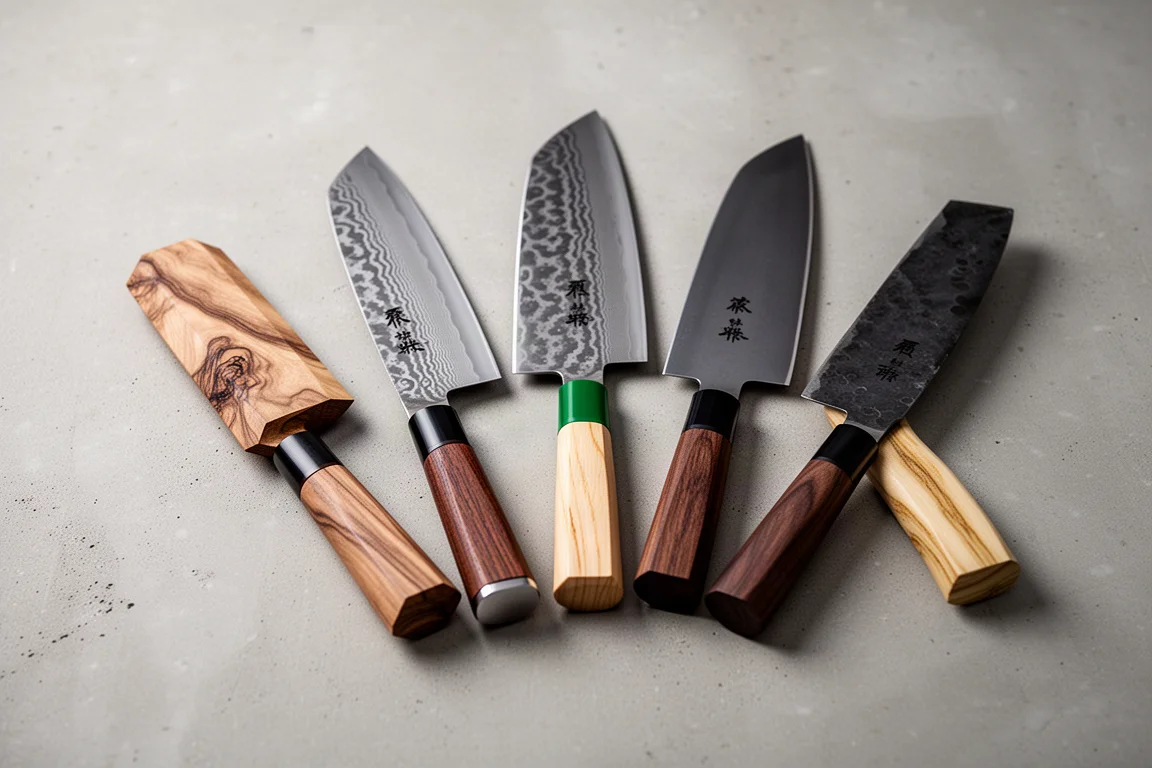
Five santoku knives, four vegetable tests, one winner. This roundup puts the 165mm Tosaichi Aogami Super, the 180mm Sunahisa Suchiime, the 165mm Kurugane Kuruchi, the 165mm Makoto Kurosaki Suchiime Damascus, and the 170mm Hatsukoro Ginsan through a practical gauntlet: tomato for out-of-the-box sharpness, onion for tip geometry, sweet potato for overall blade geometry, and green onion for rock chopping.
The result was one of the closest comparisons yet, with clear trade-offs around steel type, maintenance, handle style, and blade length rather than a single runaway favorite.
How We Tested
Each knife faced the same four ingredients in the same order. The tomato test reveals out-of-the-box sharpness, the onion test shows how the tip geometry handles fine work, the sweet potato test stresses overall blade geometry on a dense ingredient, and the green onion test evaluates the flat profile and rock chopping motion.
One important caveat: the Hatsukoro Ginsan arrives needing a quick touch-up, and it was sharpened before testing, so its tomato score reflects a shop-sharpened edge rather than a true factory edge. The other knives only received a light strop.
Tomato Test: Out-of-the-Box Sharpness
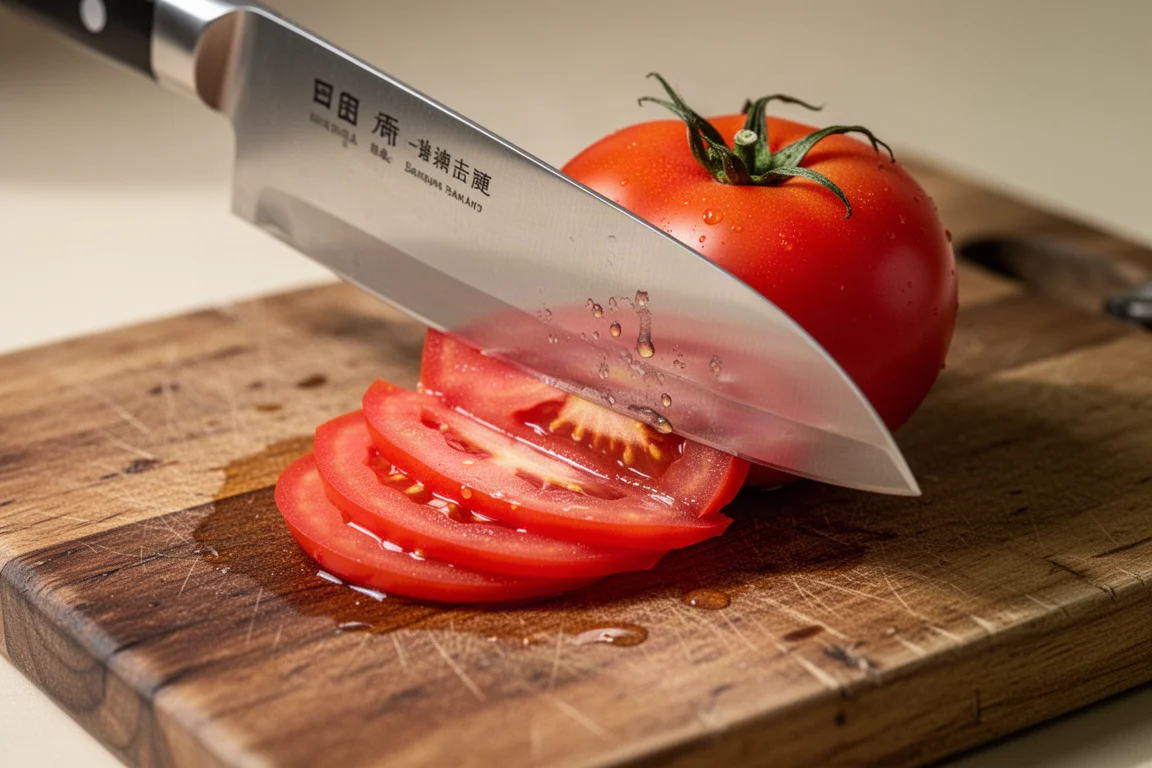
Three knives tied here: the Sunahisa, the Tosaichi, and the Makoto Kurosaki all sliced tomatoes cleanly with a genuinely sharp factory edge. The Ginsan performed great too, but since it was sharpened before the test, it could not fairly claim a tie.
The Kurugane was the only knife that was not consistently awesome, though it was still very good, with slightly rustic bevels that get a little meaty quickly.
Onion Test: Tip Geometry and Control
This test told the clearest story about tip geometry. The Ginsan was a standout: the blade tapers nicely toward the tip and cut through onions with surprising ease. The Sunahisa also performed fantastically, and the Makoto Kurosaki felt great despite being slightly thicker at the tip.
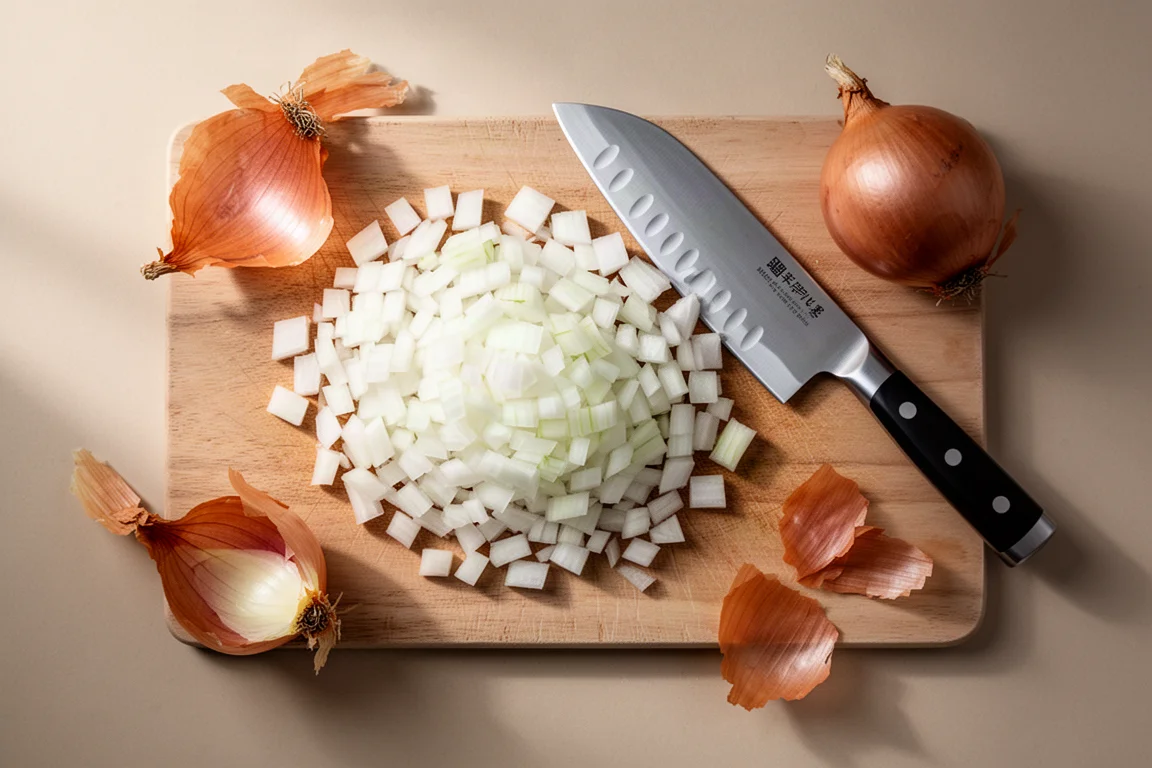
The Tosaichi and Kurugane both performed well, but the evaluator simply enjoyed the Ginsan, Sunahisa, and Makoto Kurosaki more, so those three tied for this round.
Sweet Potato Test: The Dense Ingredient Challenge
Dense ingredients are where shorter santoku knives struggle, and expectations were managed accordingly. The Ginsan did fine but never got exciting, with a little stickiness through the cuts. The Kurugane performed on par with the Ginsan, with thicker bevels that wedge slightly when cutting straight down, though that thickness does help food release.
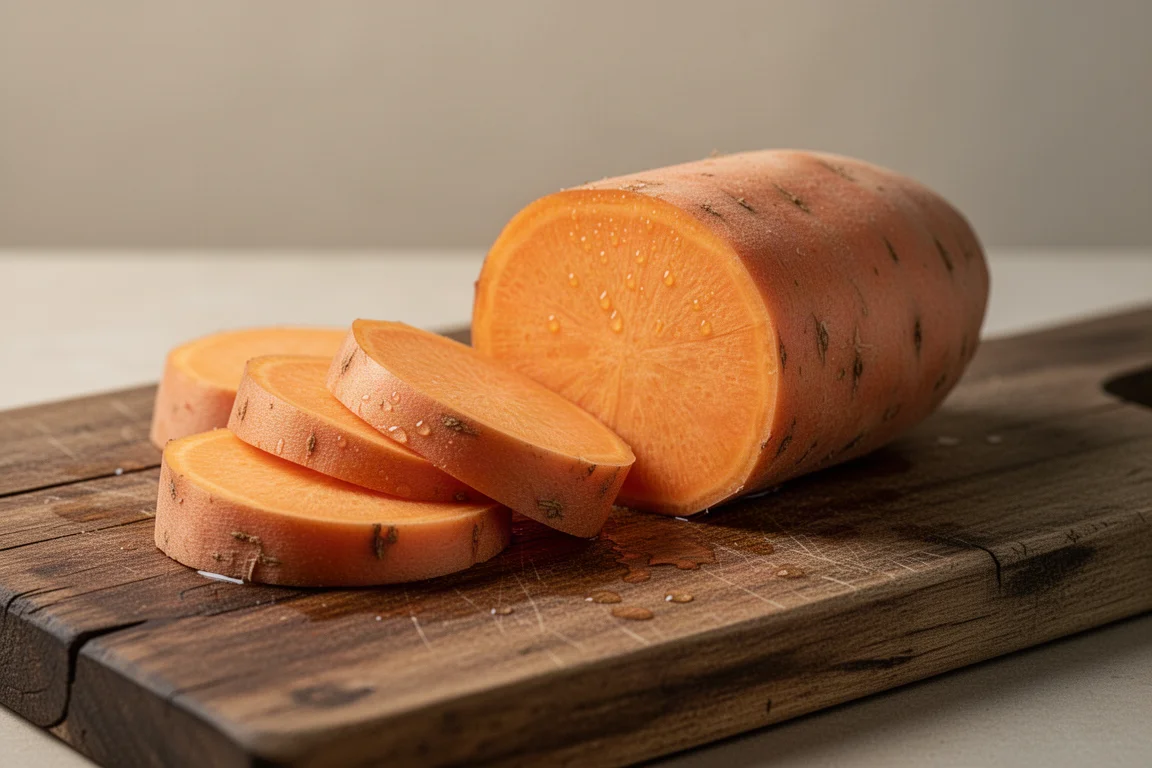
The Sunahisa far exceeded expectations, helped partly by its extra 180mm length. The Tosaichi sliced through planks, halving, and large dice with ease and matched the Sunahisa. But the Makoto Kurosaki delivered the best food release of the entire test and matched both in feel, earning a full point while the other two took half points. Through three tests, the Makoto Kurosaki led the standings.
Green Onion Test: Rock Chopping Performance
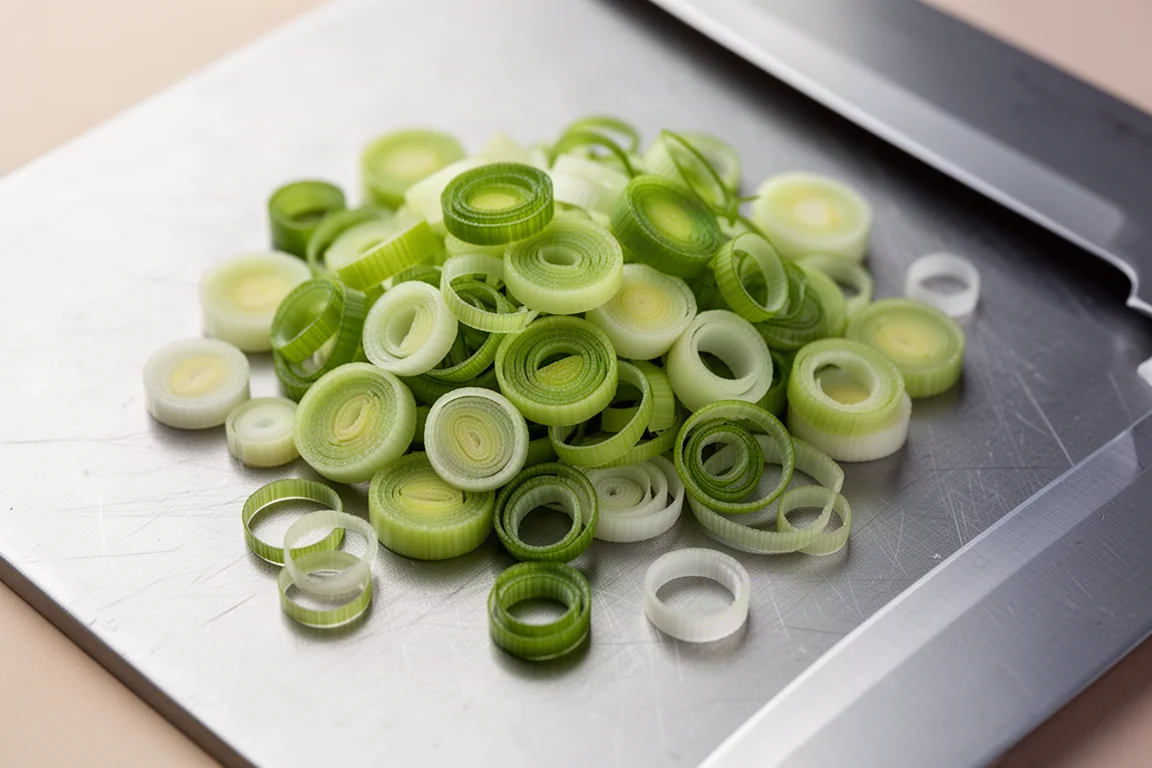
The Ginsan took the full point here thanks to a notably flat profile that produced very few stuck-together pieces and clean push cuts. The Makoto Kurosaki, Tosaichi, and Sunahisa each earned half points with strong but slightly less flat performances.
The Kurugane finished last in this round, though it still produced excellent green onion work, and its extra thickness behind the edge makes it the most resilient of the five and the least likely to chip.
Final Standings and Buying Advice
First place went to the Makoto Kurosaki Suchiime Damascus Santoku 165mm. It scored points in every test, has a forward balance point, a nearly flat profile, excellent grinds, an easy-care VG7 stainless construction, and a striking Damascus finish with a mono walnut Japanese-style handle.
Second place went to the Sunahisa Suchiime Santoku 180mm, also the most affordable of the group. Its extra length made dense cuts easier, it arrived very sharp, and it is light with a comfortable western handle.
Third was the Hatsukoro Ginsan Santoku 170mm, with excellent tip work and a semi-stainless Ginsan steel that is easy to maintain and famously close to carbon steel in sharpenability.
Fourth was the Tosaichi Aogami Super Santoku 165mm, a personal favorite despite the score. Aogami Super with stainless cladding offers carbon-steel-like sharpening ease with rust protection, and it is the lightest and thinnest at the spine of the five.
Fifth was the Kurugane Kuruchi Santoku 165mm, but zero points undersell it. Its Aogami No. 2 carbon steel is a joy to sharpen, it is extremely affordable, and it is a great choice for learning sharpening skills.
Conclusion
The Makoto Kurosaki earns the crown for all-around performance and feel, but the honest takeaway is that this was a tight race. If you want affordability and versatility, the Sunahisa is a superb value. If you love fine tip work, the Ginsan shines. If you want a premium carbon-steel feel without the rust worries, the Tosaichi is hard to beat. And if you want an affordable carbon steel knife to practice sharpening on, the Kurugane is a fantastic entry point.
Product link
View more details for Tosaichi Aogami Super Santoku 165mm
This product is mentioned in the review. Check the specifications, options, and compatibility before buying.
View more details for Tosaichi Aogami Super Santoku 165mmFurther reading
Related Reviews

Kitchen Knives
Best Chef's Knives 2026: 27 Popular Options Tested and Ranked
A comprehensive review of 27 chef's knives ranging from $18 to $380, with honest assessments of handle comfort, blade balance, and real-world performance.

Kitchen Knives
Best Chef's Knives Under $75: Two Tested Recommendations
Two practical 8-inch chef's knives that balance sharpness, comfort, and durability without premium pricing.

Kitchen Knives
Best Chef's Knives 2026: 27 Options Tested and Ranked
A comprehensive review of 27 chef's knives ranging from $18 to $380, with honest assessments of handle design, balance, blade profile, and real-world performance.