Skis
Atomic Maverick 95 TI Review: A Light, Stiff All-Mountain Ski That Splits the Middle
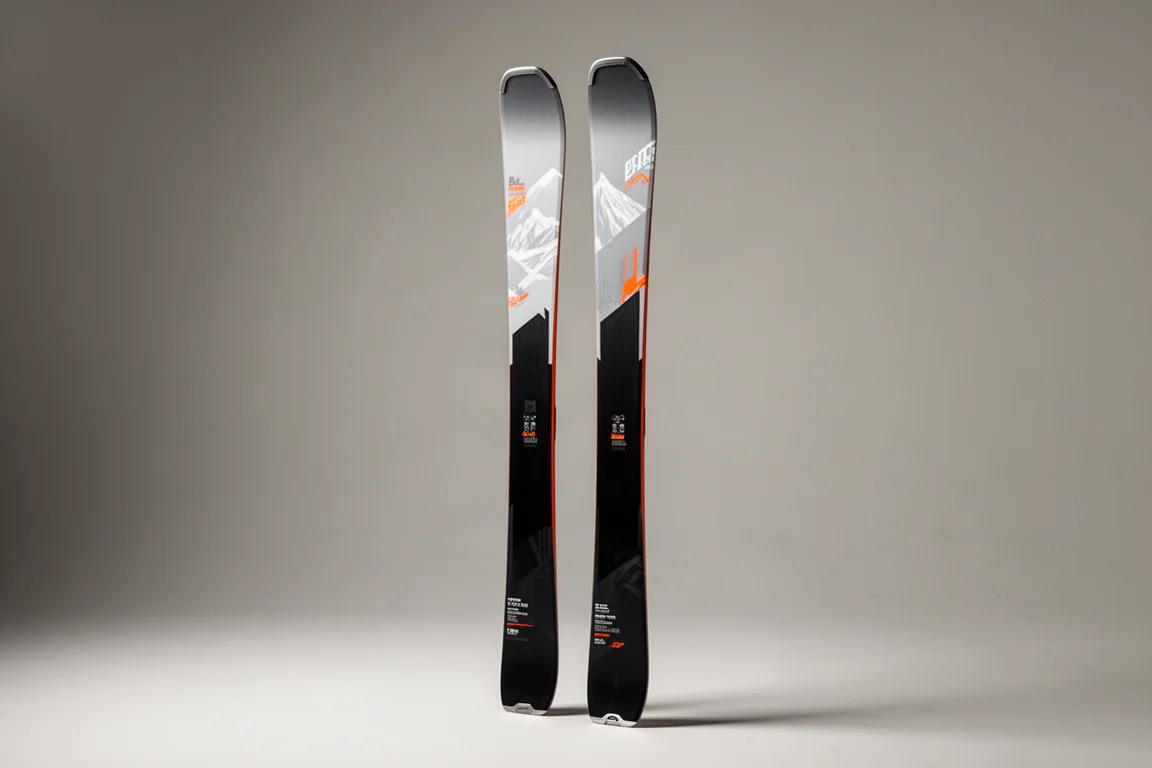
A close look at the Atomic Maverick 95 TI, a mid-90s all-mountain ski that pairs two sheets of metal with a sub-1,880 g build in the 180 cm length.
Introduction
The Atomic Maverick 95 TI is the middle child of the Maverick collection, sitting between the 88 and the 100, and it has become the bestselling model in the line. That is a meaningful signal in a genuinely crowded category. Mid-90s all-mountain skis aimed at advanced and expert skiers are everywhere, and standing out takes more than a waist width.
What makes the 95 TI interesting is how deliberately it splits the middle. It carries two thin sheets of metal and still lands under 1,880 g in the 180 cm length. It has a strong, exact tail and a shape that still lets you smear, pivot, and wiggle through trees and moguls. It is a directional ski that can be ridden switch. In a category full of specialists, it reads as a generalist that is unusually good at being one.
Who the Atomic Maverick 95 TI Is For
This is a ski for advanced and expert skiers who want a single pair to cover groomers, moguls, trees, and whatever snow the mountain happens to be offering.
It suits riders who care about a high strength-to-weight ratio. The 95 TI is light enough that it does not wear you down, yet stiff enough that it still holds an edge and stays planted when you push it. Skiers who have spent time on heavier, metal-heavy all-mountain skis and found them tiring are the natural audience here.
It also suits directional skiers who occasionally want to ride switch. The tail has enough rise for it, even though this is not a twin tip by any means.
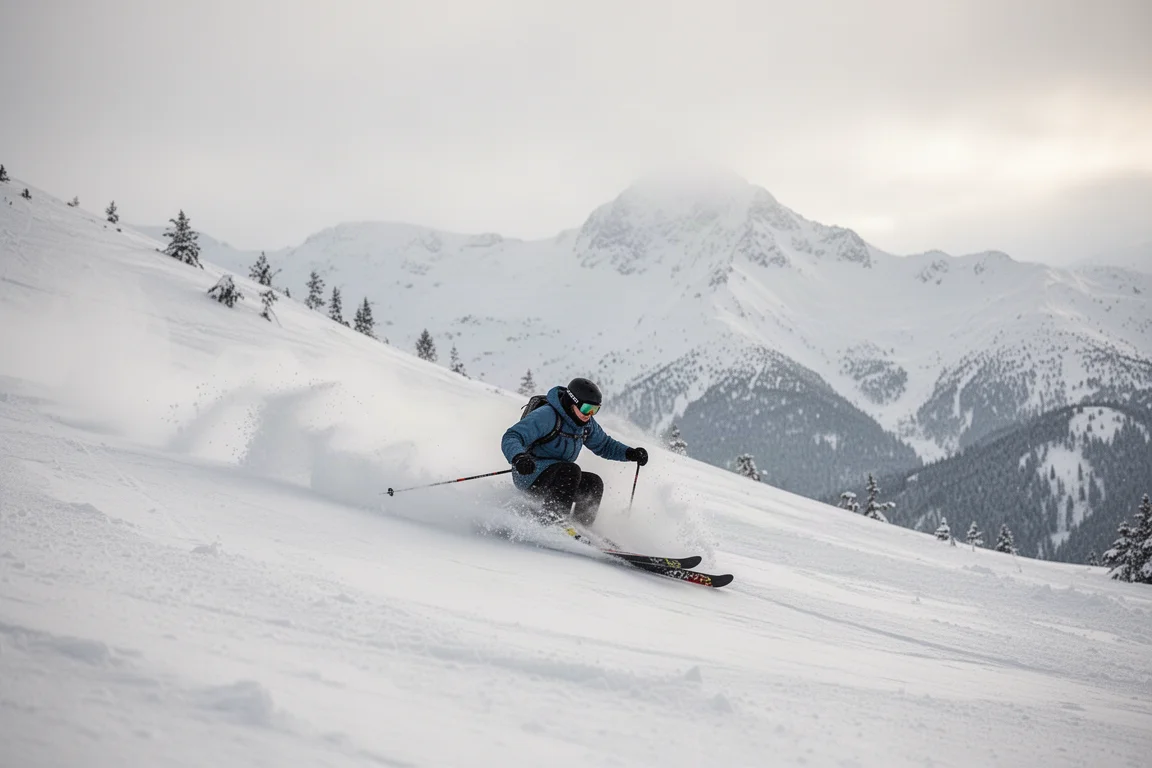
It is less suited to skiers who want the maximum possible damping and high-speed composure above all else, and less suited to anyone who wants a ski that snaps across the fall line without much input from the person on top of it.
Construction and Shape
Atomic calls the core Omatic. In practice that means a full poplar wood core, two thin sheets of metal, and two light sheets of fiberglass. It is a traditional sandwich construction, and it replaces the hollow shovel and tail sections used in the Vantage series this line took over from.
The sidewall tapers into a cap toward the tip and tail, and the rocker profile lines up with that transition. Tip rocker is roughly 20 percent and tail rocker is roughly 10 percent, so this is not a heavily rockered ski in either direction. There is positive camber underfoot, which helps the ski feel well rounded rather than loose.
The tip also carries Horizon Tech, which increases surface area in the front of the ski without adding width. That keeps the tip narrow enough to carve well while still giving it a little extra float and smoothness in soft snow. At 180 cm the turn radius is 19.3 m, and the tail is rounded off with a noticeable amount of early taper.
Main Strengths on Snow
The tail is the standout. It is strong and exact, and it holds up when you drive it hard. The early taper and rounded shape keep that strength from turning into a locked-in feeling, which is a smart balance. A tail this stiff with a fully extended sidecut would trap you in turns you did not want to be in.
The other headline is the strength-to-weight ratio. A ski with two sheets of metal that comes in under 1,880 g in a 180 is unusual enough that people question whether the metal is really there. It is, and the payoff shows up on snow as a ski that performs well without being tiresome.
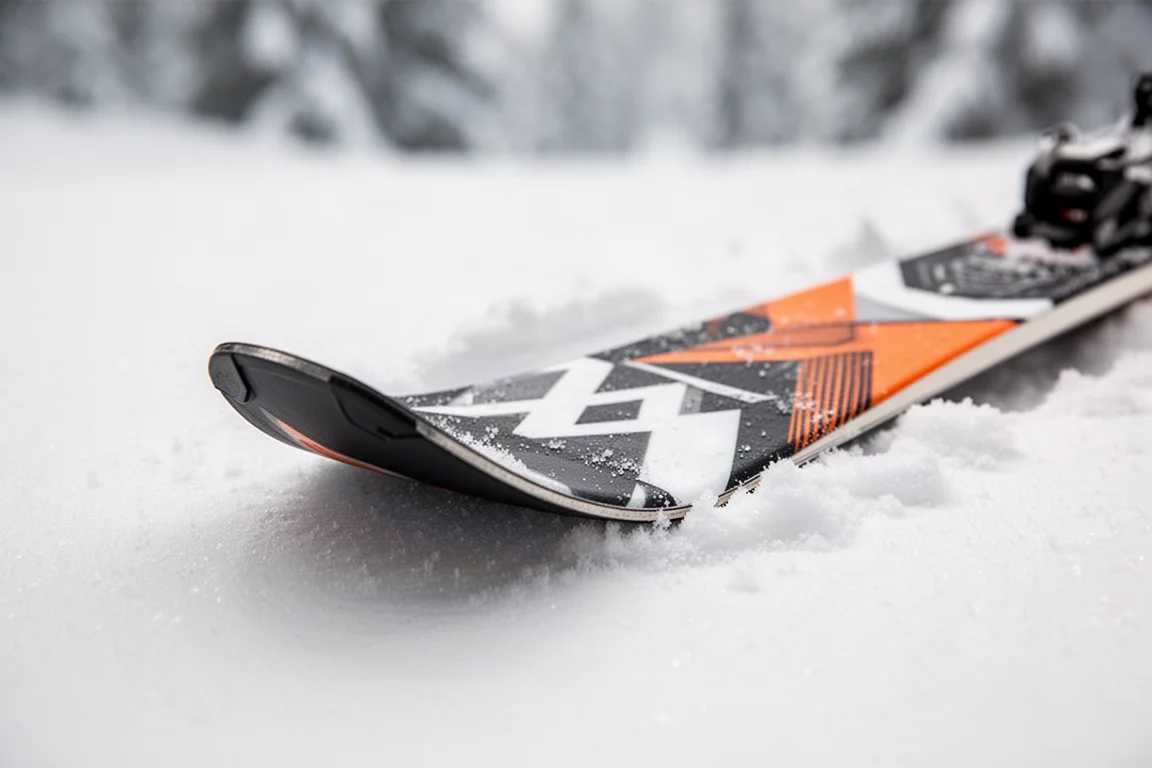
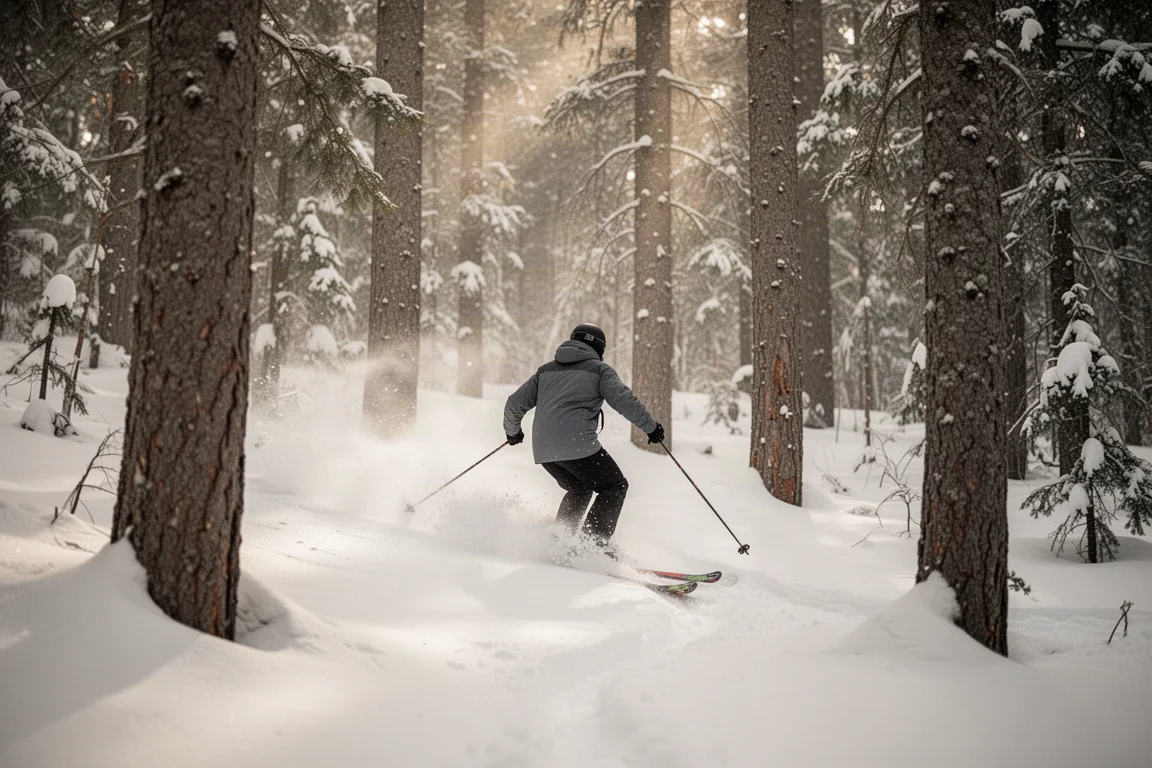
Where the 95 TI separates itself from heavier options in the class is short, skidded, quick turns. A 19.3 m radius does not sound like a recipe for short turns, but the ski’s ability to slip and smear on demand is exactly what makes it useful on firmer snow. That matters in places where conditions are often on the hard side, and it is what lets the ski handle moguls, trees, and tight terrain without fighting you.
Float is reasonable for a 95. The generous tip shape and the light overall weight both help, so it stays manageable in softer snow without pretending to be a powder ski.
Things to Consider Before Buying
This is a stiff ski, and it asks to be skied. Carving a snappy, round turn requires you to be forward, engaged, and willing to bend the front of the ski. Get lazy and it will not pull you into a turn for you. A couple of runs are usually enough to trust it, but the input requirement is real.
It is also not the dampest ski in its class. Heavier all-mountain skis with thicker metal and burlier cores have more vibration damping and more composure at speed. You give up roughly the top slice of that quality here.
By the same token it is not the lightest or the most responsive ski you can buy either. It is a blend rather than a record holder in any single category.
Mounting Position and Setup
The Maverick 95 TI offers more than one mounting line, which is uncommon enough to be worth noting. On the factory line the ski has a noticeably long tail feel, and moving about one centimeter back is a reasonable choice for skiers who prefer less ski behind them. Going roughly two centimeters forward is also an option, and it is a useful way to shift the ski’s balance without giving up much directional performance.
For most skiers the factory recommendation will be fine, and there is no need to overthink it. The value of the adjustment range is simply that it exists on a directional all-mountain ski.
How It Compares to Other All-Mountain Skis
The clearest reference point is weight. Heavier skis in this class run around 400 g more per ski, and that difference is easy to feel. Those skis tend to win on damping and stability at speed. This one wins on maneuverability and accessibility, and it gets close enough on the performance side that many skiers will not miss the extra mass.
There is not an obvious direct equivalent on the market. Other 95 mm all-mountain skis exist with similar weights and similar shapes, but the way the 95 TI blends a stiff tail, a light core, a narrow tip, and a forgiving tail shape is what gives it its own character. It sits in the middle of several spectrums at once rather than at the end of any one of them.
Buying Advice
Buy the Atomic Maverick 95 TI if you are an advanced or expert skier who wants one directional all-mountain ski for everything: groomers, firm snow, moguls, trees, and the occasional soft day. It rewards a skier who is willing to drive it, and it gives back a combination of light weight, stiffness, and short-turn versatility that is hard to find in a single package.
Look elsewhere if your priority is maximum damping and stability at the very top of the speed range, or if you want a ski that turns itself. This one wants a pilot.
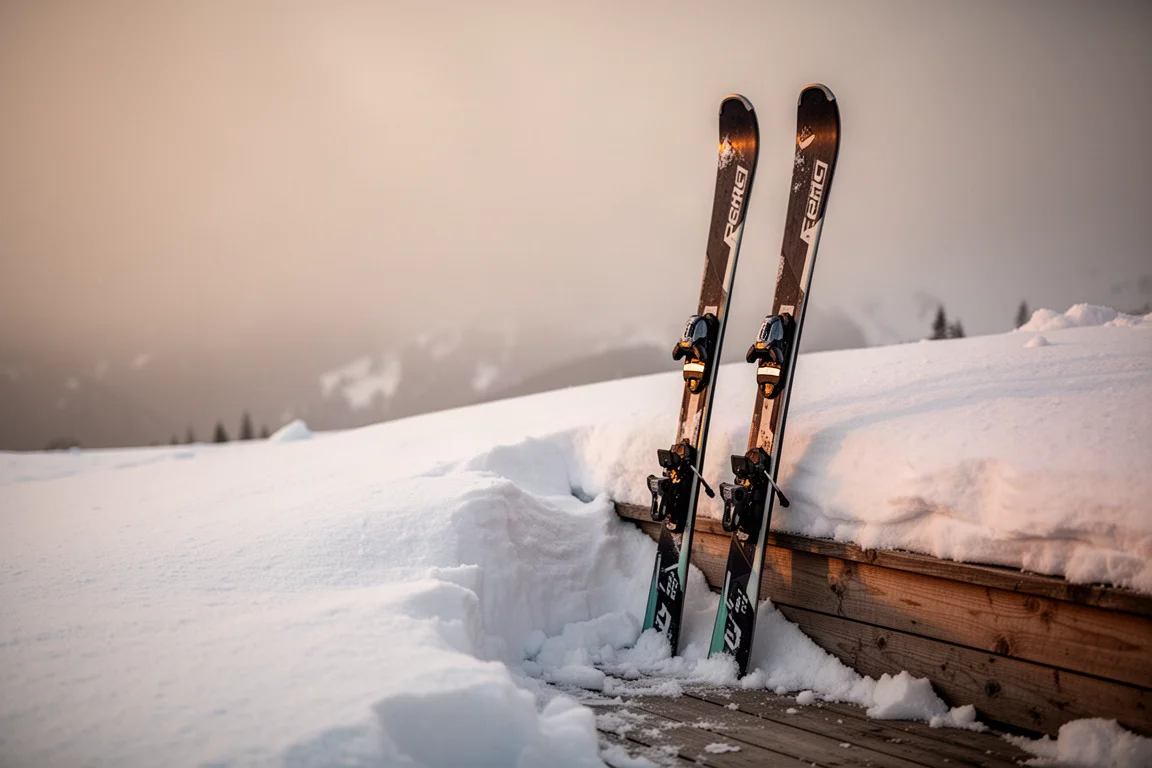
It is also worth knowing that this is a fresh design in its first season rather than a long-established model, so early buyers are getting a new formula rather than a proven one. Given how well the formula works, that is a reasonable bet.
Conclusion
The Atomic Maverick 95 TI earns its place as the bestselling model in the Maverick line. It is light for a metal ski, stiff enough to be taken seriously, and versatile enough to handle almost anything a resort can throw at it. It is not the dampest ski in its class and it is not the quickest, but the way it combines those qualities is genuinely unusual.
For advanced and expert skiers who want one ski to do the whole job, it is one of the more confident choices in the mid-90s all-mountain category.
Product link
View more details for Atomic Maverick 95 TI
This product is mentioned in the review. Check the specifications, options, and compatibility before buying.
View more details for Atomic Maverick 95 TIFurther reading
Related Reviews
Skis
Armada Anti Matter 82 W Review: A Light, Approachable All-Mountain Carver
Armada's Anti Matter 82 W pairs a lightweight Karuba and carbon build with an easygoing all-mountain shape, aimed at intermediates through lighter-footed advanced skiers.
Skis
Armada Anti Matter 88W Review: A Light, Playful 88mm All-Mountain Ski Plus Two Alternatives
The Armada Anti Matter 88W returns unchanged in spirit from its Reliance 88C days, and it remains one of the most versatile 88mm skis around. We also look at the Nordica Santa Ana 87 and Anti Matter 92 W as alternatives.
Skis
Armada ARV 100 vs Atomic Bent 100: Which 100mm Freestyle Ski Should You Buy?
Two of the best all-mountain freestyle skis of the season compared: one leans playful and park-ready, the other holds up better everywhere else.