Ski Reviews
Atomic Bent Ski Lineup Review: Which Width Makes Sense for You?
A full quiver test of the Atomic Bent 85 through Bent 120, with honest takes on powder performance, trade-offs, and which widths are actually worth owning.
Introduction
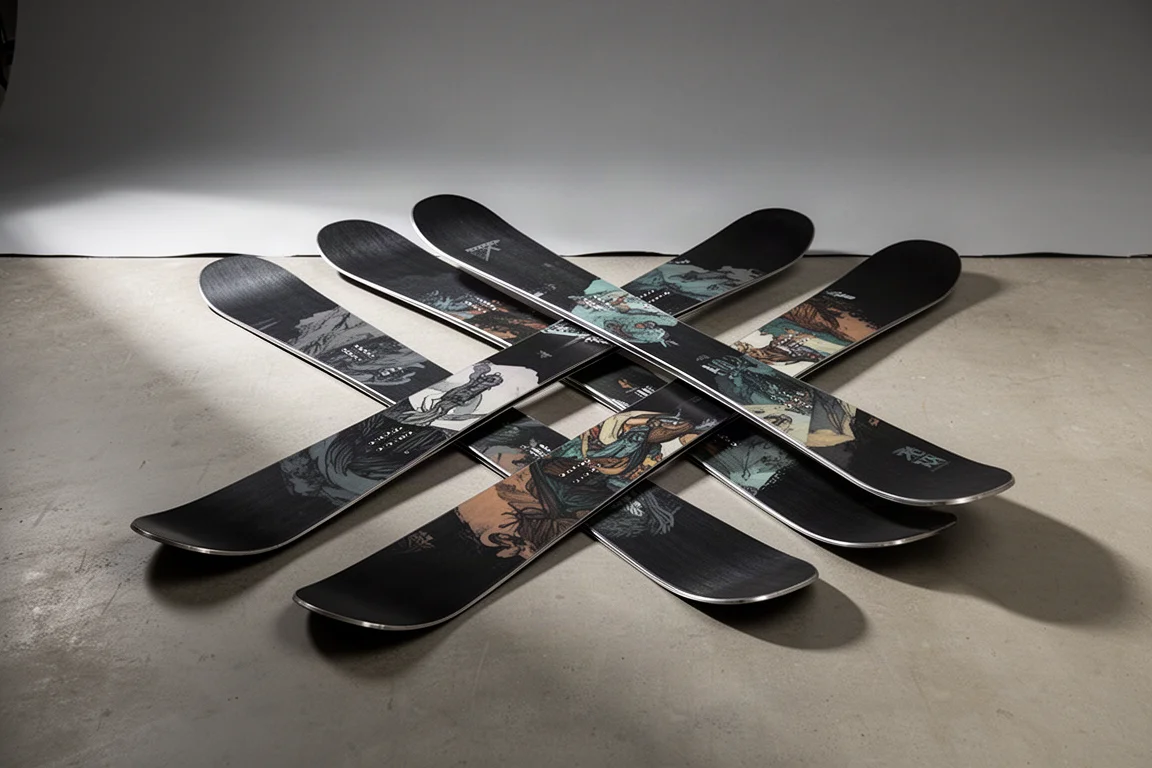
The Atomic Bent line has become one of the most recognizable freeride series on the market, but choosing between the five widths can be confusing because there is a lot of overlap. This roundup covers the full range, from the 85 mm Bent 85 to the 120 mm Bent 120, and explains who each width actually serves.
One important note for the 2026 season: nothing has changed in the construction. The skis remain the same design with updated top sheets, so buying a 2023 to 2025 version on discount gets you the same ski.
The Bent Line at a Glance
Across the series, these are lightweight skis built for soft snow. Most of the line, everything except the Bent 85, uses some version of Atomic’s Horizon Tech, which effectively stretches the ski’s width beyond what the number underfoot suggests. None of them carry a titanal layer, and none of them are damp skis. On firm, chattery snow you will feel it.
Two things changed our view of the line over the years. Early versions of the Bent 100 felt noodly and short on energy return, but a wood core change in the Bent 100 and Bent 120 fixed that, and those two widths are now far more convincing. The other constant is the artwork, which comes from original Chris Benchetler designs. Whether or not you like the graphics, it is refreshing to see skis with a genuine visual identity.
Most skiers will also find the factory mount point sits fairly far forward for a freestyle-biased profile. Mounting back by roughly half a centimeter to one centimeter improved powder performance noticeably across the line.
One piece of buying advice worth repeating: there is heavy crossover in this lineup. Even two Bents in the same quiver means losing some utility. Most people should pick one width and pair it with a dedicated carving or crud-busting ski.
Atomic Bent 120: The Designated Powder Ski
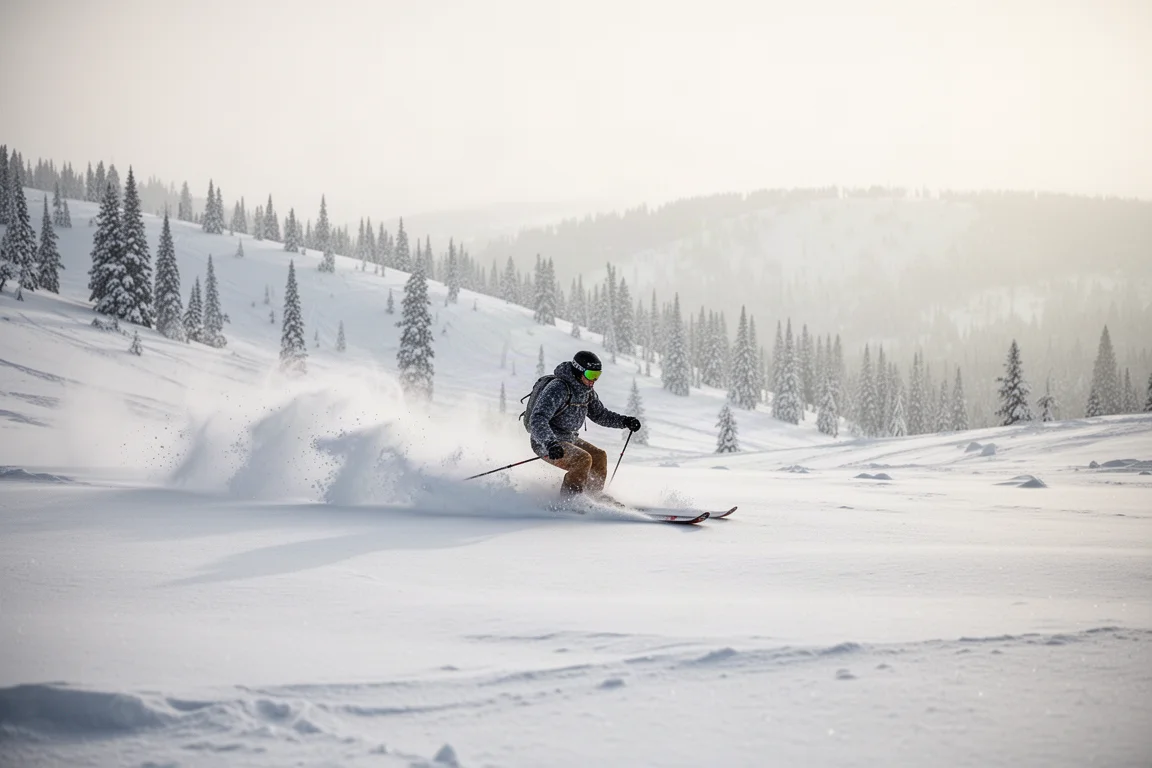
The Bent 120 is a 120 mm underfoot powder ski, and it turned out to be the surprise favorite of the lineup. Skied in a 192 cm length, it tanks through heavy and thick snow better than any other width in the family, while still allowing hop turns in tight woods when needed.
The trade-offs are real. This is a lot of ski to steer, it is harder on your hips and knees than the Bent 110, and it is not a ski for firm snow or for anyone who needs a solid carve turn year round. It also only wanted to be mounted half a centimeter back from factory recommended, unlike the rest of the line. If you dabble in powder skiing rather than chase it, something narrower will be more forgiving.
As a designated powder ski for an aggressive off-trail skier, though, the value is excellent. It compares favorably to the Salomon QST 106 in performance and versatility, sits above the Salomon QST Blank in terms of ease on the hips, and only the DPS Kaizen 112 offered comparable powder performance with an easier ride.
Atomic Bent 110: The Versatile Tree and Steeps Pick
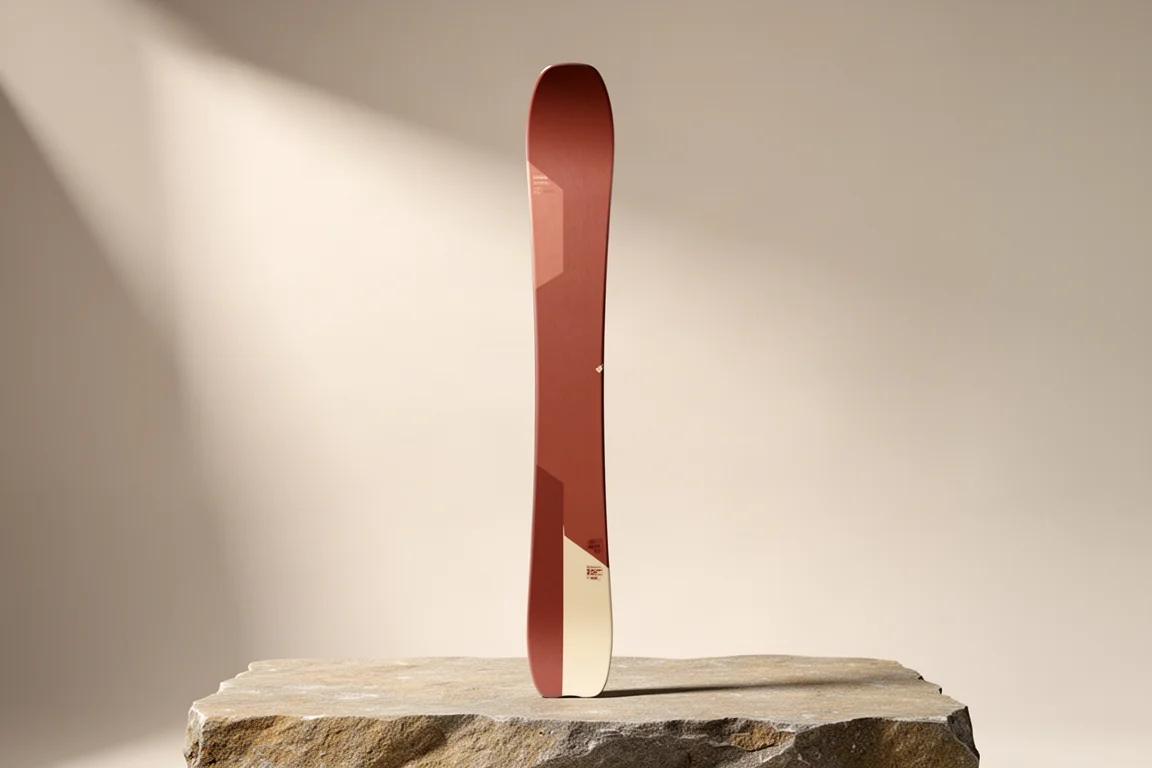
Skied at 188 cm, the Bent 110 was the ski that finally made the Bent concept click. It offers excellent maneuverability in brush and bramble without bulldozing, stays easy to hop around, and still makes a solid turn shape on cat tracks when you finesse it on edge.
The real strength is accessibility. Most resort skiers reach powder through awkward approaches and glades the general public skips, and the Bent 110 makes that journey fun instead of punishing. On steep runs that demand quick maneuvers and hop turns, it is a natural first pick.
Mounting one centimeter back was the sweet spot, and the line’s known preferences apply here: the ski can be ridden closer to true center if you want a glade-focused setup, and a Longer-tested binding like the Look Pivot makes sense on this width even if you are not a park skier.
The downside is that it gets hung up in bad snow more than the Bent 120. If heavy wet snow at the end of the day is your cue to call it quits, that is fine here. If you want a dump truck that plows through everything, go wider. It is easier on the knees and hips than the 120, but it still needs a partner ski. It is worth watching for steep discounts, which have appeared on past-season inventory.
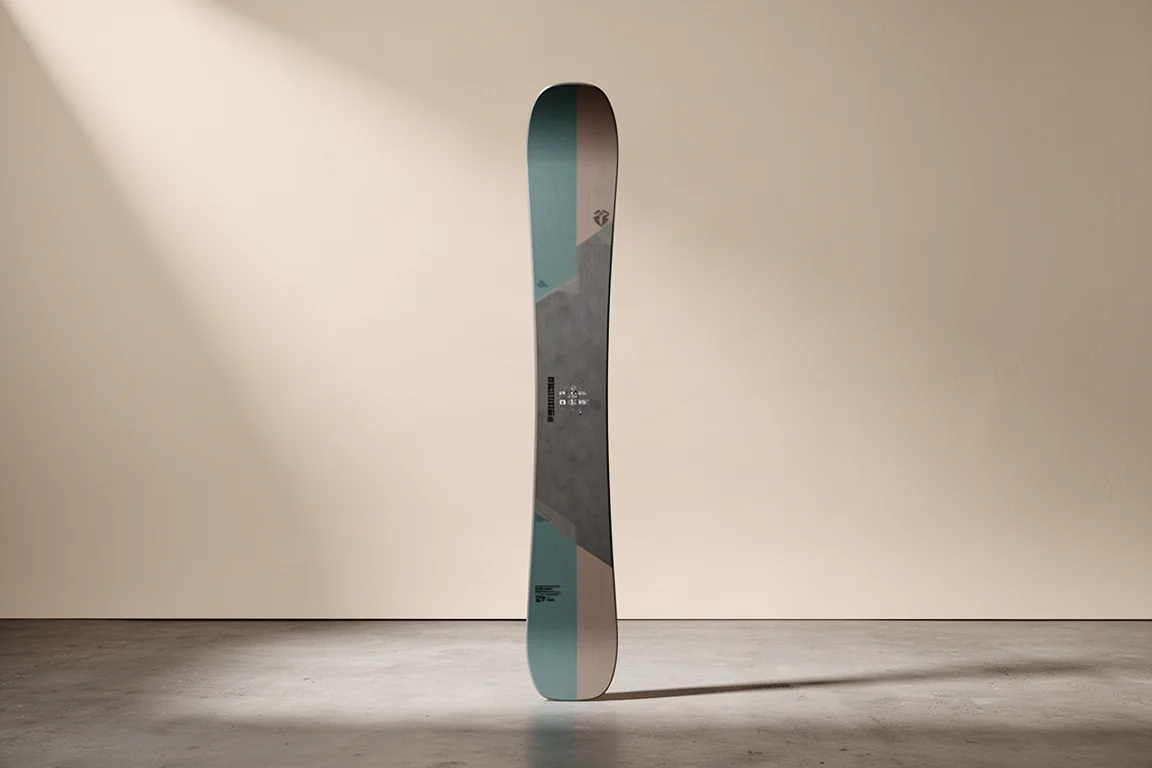
Atomic Bent 100: The Gateway Powder Ski
The Bent 100 has a redemption story. The earlier version was one of the most disappointing popular skis on the market, too noodly to hold its shape. With the wood core change that arrived in 2025, those problems are gone, and the ski now gives back energy the way it should.
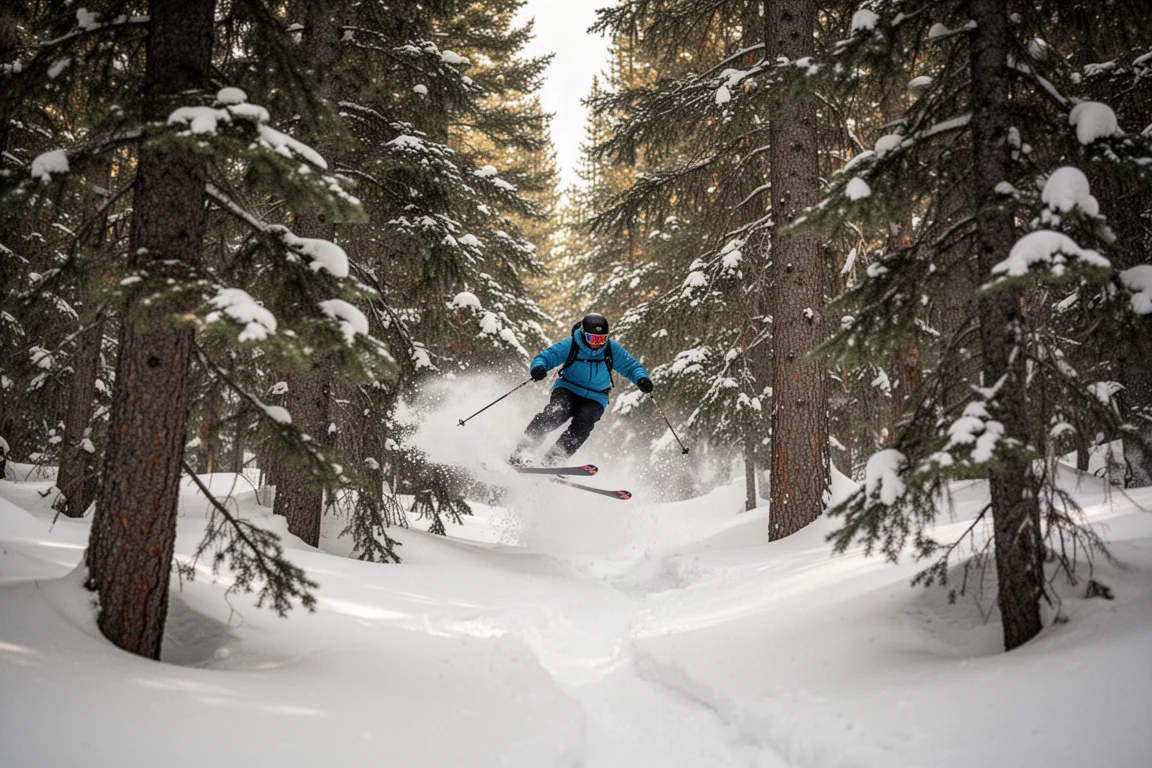
Where it fits today is as a first powder ski. For skiers new to off-trail skiing, who are not ready to commit to a giant plank but still want to catch the really fun days, it makes a lot of sense. It can carve a decent turn as long as the snow is soft, it is maneuverable in the woods, and the Horizon Tech gives it powder float beyond what 100 mm suggests.
Skied at 186 cm and mounted one centimeter back, it delivers strong value. It is not the quintessential Bent experience, which belongs to the 110 and 120, but for roughly 10 days a year of soft-snow-focused skiing it covers a lot of ground with one ski.
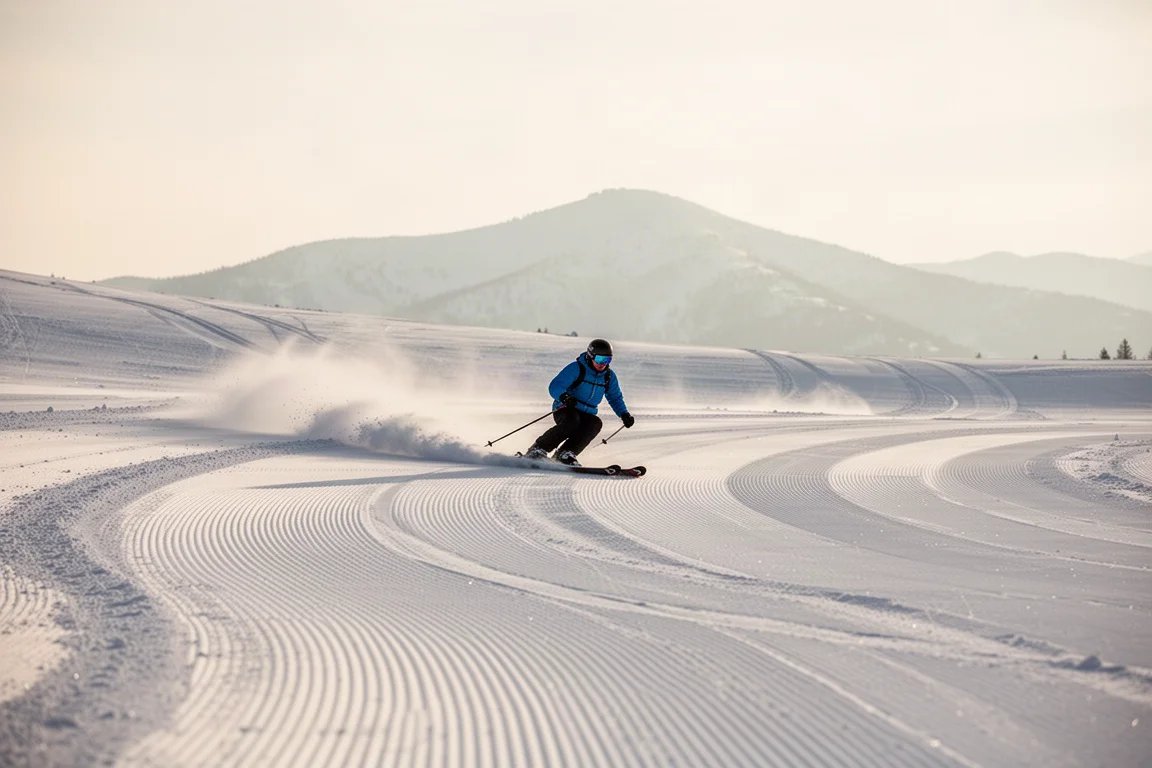
View more details for Atomic Bent 100
Atomic Bent 90: The Sleeper Budget Pick
The Bent 90 is rarely seen on the hill, which is a shame because it is one of the best budget options around. Available for under $400 depending on timing, it includes Horizon Tech and delivers smooth, open, soft-radius turns, and you can even massage out a solid carved turn on it.
It will chatter and get pinged around the moment things firm up, so it is best for skiers who simply avoid those days. In the budget all-mountain conversation alongside skis like the Salomon QST 92 and the Head Kore 93 when discounted, it holds its own comfortably, and it was preferred over the QST 92 outright.
It is not the full Bent experience, and it will frustrate on chattery days or when you want to lay a carve down. But as an only ski for soft-snow days, light powder, and off-trail exploring, it is tremendous value and genuinely slept on.
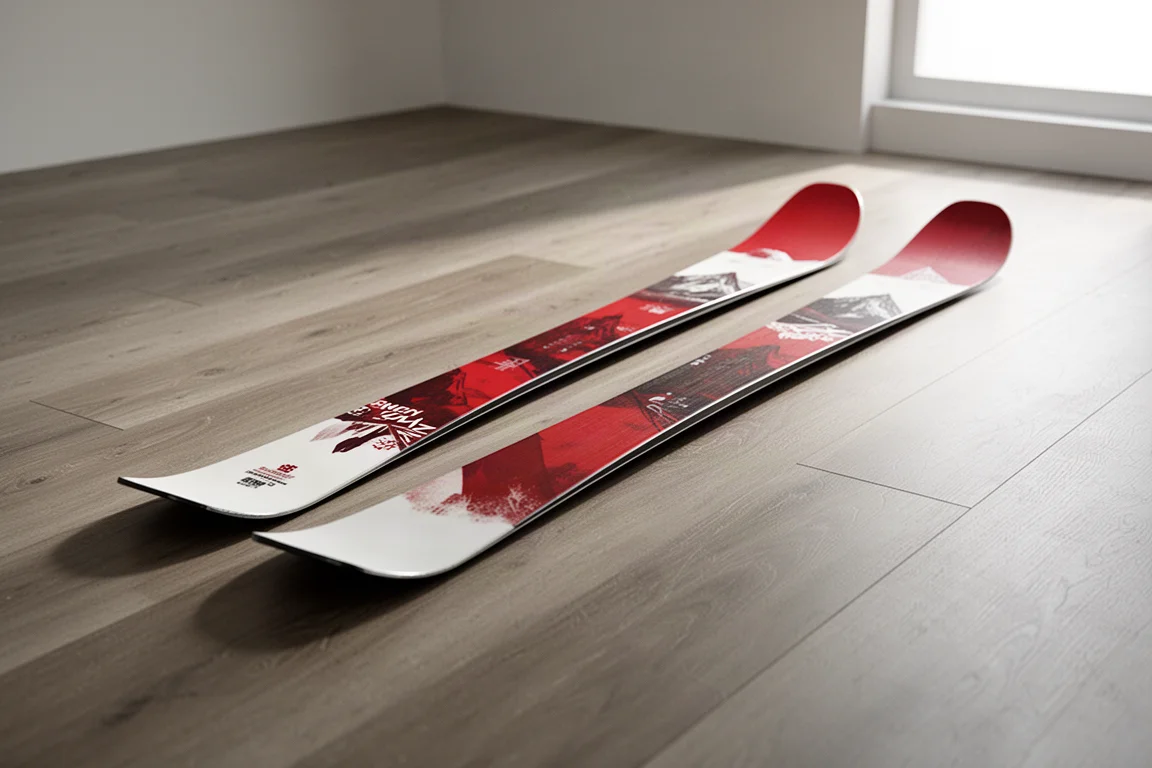
Atomic Bent 85: Stripped Down and Freestyle Focused
The Bent 85 is the most stripped-down ski in the lineup: no Horizon Tech, less width, and little of the smooth turn character that makes the Bent 90 appealing. It is best understood as the Bent flex pattern reshaped into a freestyle-focused platform, which suits skiers grinding rails and riding park far more than it suits general skiers.
It is still a decent turning platform and stays fun in the trees, so the family DNA is there. For a beginner buying a first ski who is not laying down big carve turns, it can work, and past-season pricing under $300 makes it an affordable entry point.
For an intermediate-or-better skier who is not a freestyler, though, the Bent 90 simply delivers more ski, more value, and better turns. The Bent 85 scores respectably when you factor in value, but it is a ski that many buyers will outgrow quickly.
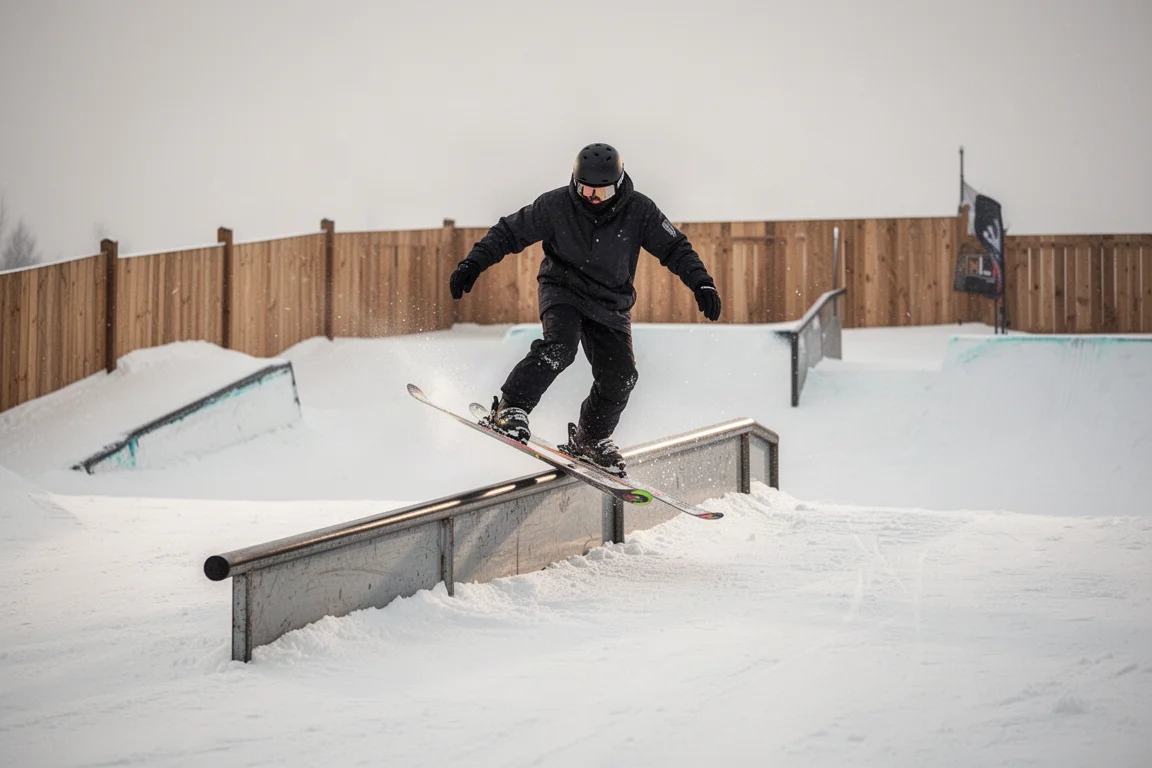
View more details for Atomic Bent 85
Which Bent Should You Buy?
If you chase deep powder and want the best float, the Bent 120 is the standout. If your powder comes through trees, steep lines, and creative approaches, the Bent 110 is the most versatile choice. If you are new to powder and want one ski that handles soft snow without going wide, the Bent 100 makes sense. On a tight budget, the Bent 90 punches far above its price. The Bent 85 only makes sense for freestyle skiers or bargain-hunting beginners.
Remember that no matter which you pick, you will want a second, narrower ski for firm snow and carving days. And do not feel obligated to buy the newest top sheet: the 2026 construction is unchanged from recent seasons, so a discounted prior-year version is the same ski underneath.
Conclusion
The Atomic Bent series rewards skiers who know what they are buying it for. The 110 and 120 represent the full Bent experience, the 100 is a well-priced gateway into powder, the 90 is a budget gem, and the 85 serves a narrow freestyle niche. Match the width to the snow you actually ski and mount it a touch back from factory, and you will be glad you did.
Further reading
Related Reviews
Ski Reviews
Armada Antimatter 108 Review: A Freeride Ski Built for Speed and Deeper Snow
The Armada Antimatter 108 carries over the beloved Declivity X 108 shape with new construction that adds compliance in soft snow and composure in crud, aimed squarely at strong, aggressive skiers.
Ski Reviews
Armada Antimatter 92 vs Invictus 92: Two All-Mountain Skis Compared
A closer look at two Armada all-mountain skis, one playful and nimble, the other composed and smooth, to help you pick the right one for your skiing.
Ski Reviews
Armada Antimatter 92W Review: A Smoother Take on a Proven All-Mountain Footprint
The Antimatter 92W keeps the trusted Reliance 92Ti footprint but softens the ride with a new metal construction, making it more versatile in softer snow without losing on-trail grip.