Skis
Atomic Bent 110 Review: A Playful Powder Ski With a Very Specific Brief
The Atomic Bent 110 pairs a light wood core with a near-centered mount and deep rocker, delivering a loose, freestyle-inspired powder ride that rewards a centered stance and soft snow.
Introduction
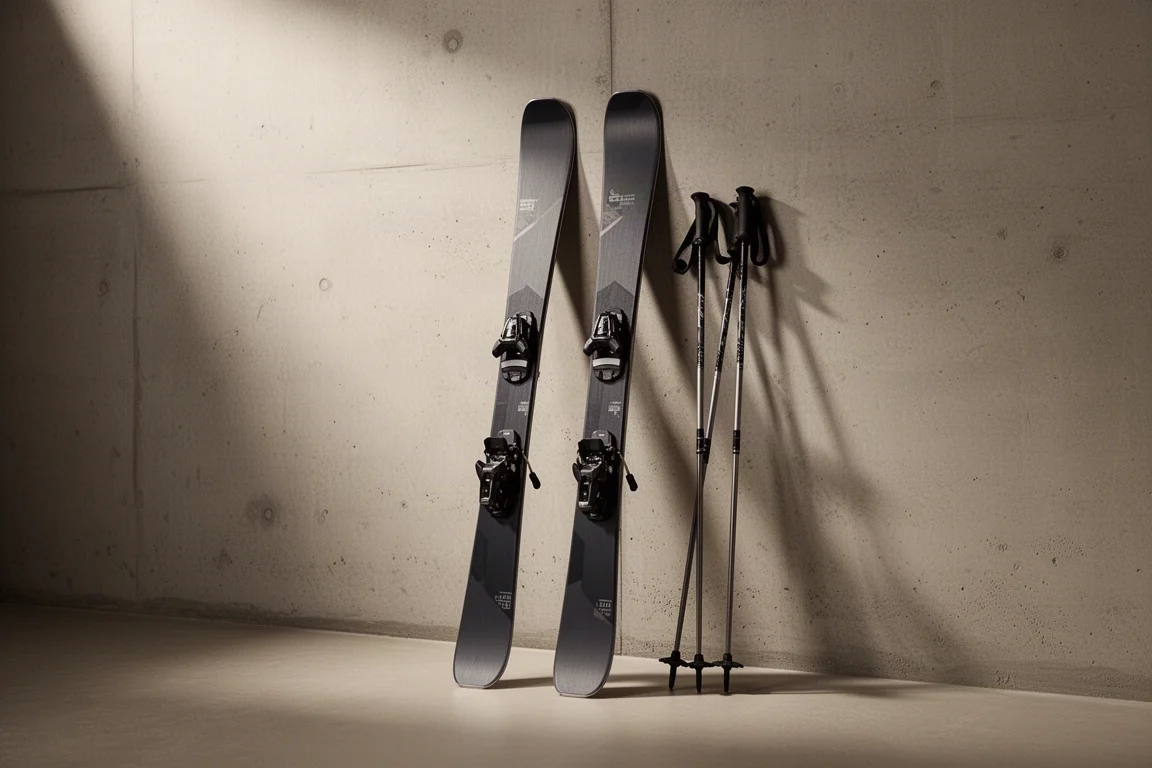
The Atomic Bent 110 is a wide, deeply rockered powder ski that behaves less like a traditional directional freeride board and more like a park ski that happens to float. It sits in the wider half of the Bent line, and its shape, mount point and flex profile give it a character that few skis in the 110mm class can match.
That character is the whole point. The Bent 110 is not trying to be an all-mountain workhorse or a high-speed charger. It is built around a centered, playful stance, and it rewards skiers who are comfortable skiing that way. Understanding that brief before you buy is more important here than on almost any other ski in this width range.
This review covers what the ski does well, where it asks for compromises, and how to think about sizing and setup before you commit.
Who the Bent 110 Is For
The Bent 110 suits skiers with a freestyle background or a freestyle-influenced style: riders who like to stay centered over the ski, pivot and smear rather than drive hard through the shovel, and treat soft snow as a playground. If your idea of a great day involves building a backcountry jump, sessioning it, and throwing in a few playful airs into soft landings, this ski is close to purpose-built.
It also makes sense for skiers who want a genuine powder ski that still feels centered and maneuverable. A ski with this much width and rocker floats well without demanding that you sit forward and press, which is a meaningful difference for anyone coming from a more freestyle-oriented quiver.
It is a less natural fit for heavier, strongly directional skiers who are used to pushing the front of the ski and leaning on a stiff tail for support. Those skiers will find the flex soft and the mount point forward.
What the Bent 110 Does Well
Float is the headline. A 110mm waist combined with long rocker sections in the tip and tail gives the ski plenty of surface area, and it stays on top of soft snow with very little effort. In fresh snow it feels smooth and remarkably easy to turn, with edge release that happens almost before you ask for it.
The tail is the standout feature. It releases instantly and pivots in any direction, which makes the ski feel loose and forgiving rather than locked into an arc. Switching from a backwards stance to a forward one in deep snow is unusually easy, and the ski’s ability to slip and smear through soft snow is a direct result of that long rocker profile.
There is still energy in the ski. Camber underfoot gives it a noticeable amount of pop, so when you do flex it into a turn, it comes around and kicks into the next one. The turn radius sits around 19 meters, which is short enough to feel lively when you load it up on softer groomers with a little fresh snow on top.
Weight is another strength. The 188cm version comes in at just over 1,800 grams, which is light for a ski this long and this wide. That opens up the possibility of using the Bent 110 for touring or for hiking to features, in addition to lift-served powder days.

The flex profile also keeps the ski from punishing mistakes. There is a lot of give in the tips and tails, so landing slightly tail-heavy or tapping a feature mid-air does not send you forward over the front of the boot. It lets you play, and then play some more.
Where the Bent 110 Comes Up Short
The same design choices that make the Bent 110 so loose in powder work against it once conditions firm up or get cut up. It is not a powerful ski. In choppy, variable snow it can get bounced around, and the soft, spoony tip is capable of hooking, especially on the shorter of the two lengths.
Stability at speed is limited. Skiers who want to let a ski run through soft chop and trust it to hold a line will find the Bent 110 wants to be steered rather than simply ridden. It is not built to be the most planted or most supportive ski in its class.
Flex is the other consideration. The ski uses a light wood core and, unlike the wider Bent 120, has no carbon backbone running through the center. The result is a more flexible ski with less snap through the middle. Heavier skiers, particularly those with a directional technique, may find it underbuilt and will likely want something stiffer.
Shape, Flex, and Construction Notes
Construction is straightforward and mostly shared with the narrower Bent 100. The core is a light wood core, the same type used in the Maverick series, but without the two sheets of metal that ski carries. DuraCap construction blends a capped top for quickness with a sidewall for grip and energy transfer.
The most distinctive build element is Dual Horizon Tech in the tips and tails, the boat-hull shaping that adds surface area without adding width. The edges end fairly low on the ski, so there is no edge running through the Horizon Tech sections at the extremes. Atomic describes the profile as 25 percent tip rocker, 25 percent tail rocker and 50 percent camber, and the long tip and tail rocker sections are easy to see in person.
The shape is close to symmetrical, with only about a nine millimeter difference between tip and tail width. That is closer to what you would see on a park ski than on a directional freeride ski, and it explains why the Bent 110 skis the way it does. It is best understood as a twin-tip powder ski rather than a directional powder ski, even if the catalog language suggests otherwise.
Setup and Mount Point Considerations
Mount position matters more on this ski than on most. The factory line sits close to true center, and the demo bindings used for testing started there. Skiers who carry weight in the upper body may feel too far forward over the tips at that position, and moving the binding back a couple of centimeters noticeably improves balance for that group. There is a limit to how far back you can go before running out of usable ski, so it is worth planning the mount around your stance rather than assuming the line is right.
Length choice deserves the same attention. The 180cm feels flicky and extremely easy to pivot, but it puts very little ski in front of the boot, which increases the chance of a tip hook in soft chop. The 188cm keeps the playful feel while adding stability and reducing that risk. Lighter skiers with a centered style will likely be happier on the shorter option; heavier or faster skiers should lean long.
Buying Advice
The Bent 110 is best treated as a specialist tool rather than a one-ski quiver. Buy it if soft snow, playful terrain and a centered stance describe your typical day. The float is generous, the pivot is effortless, and the light weight makes it a realistic option for short tours and backcountry sessions.
Be honest about your weight and technique before ordering. Heavier skiers with a directional, drive-the-shovel style will get more out of a stiffer, more traditional powder ski, and there are better matches in that category. Lighter skiers, and heavier skiers with a freestyle background who can adapt their stance, will get far more out of it.
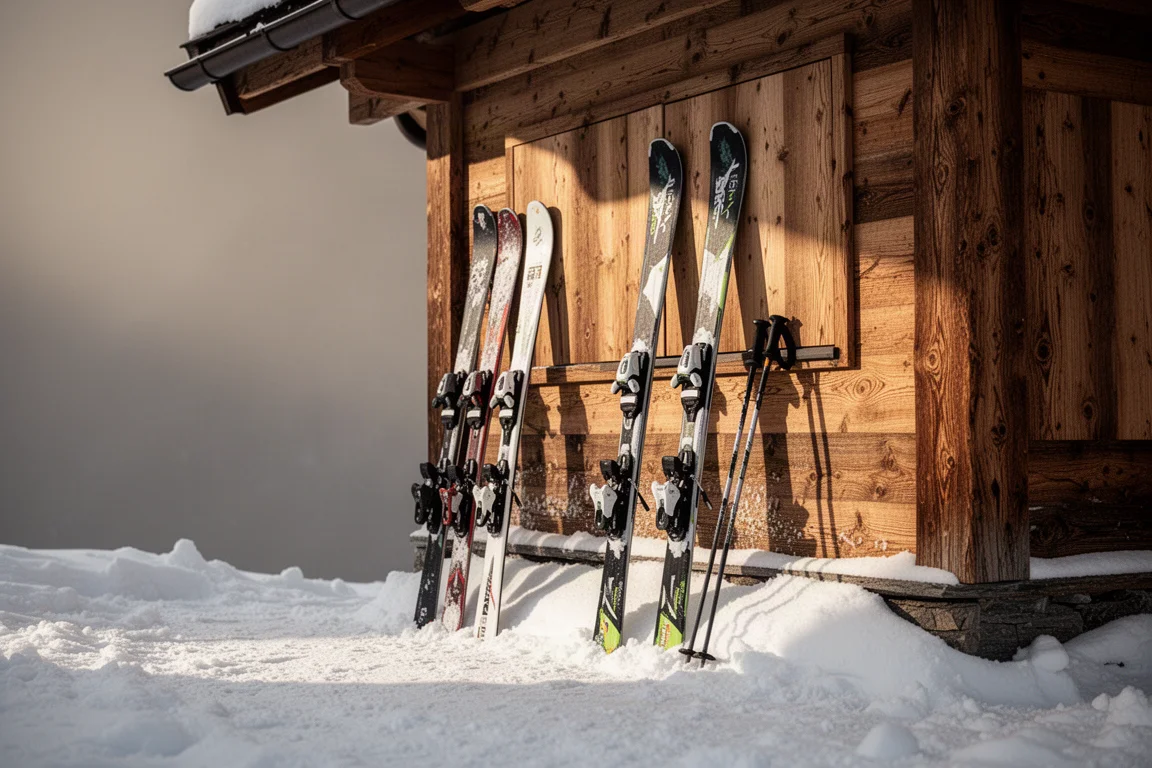
Size long if you are between lengths, and expect to experiment with the mount point. The graphics are striking, but this is a ski to buy for how it skis, not for how it looks on the rack.
Conclusion
The Atomic Bent 110 is one of the most playful powder skis in its width class, and it delivers exactly what its shape promises: easy float, instant pivots, a forgiving flex and a genuinely fun, freestyle-inspired ride in soft snow. It is not a charger, it is not a directional ski in any meaningful sense, and it will not flatter every skier.
For the right rider, though, that trade-off is the appeal. If you want a wide powder ski that lets you stay centered and play all day, this is a very strong candidate.
Product link
View more details for Atomic Bent 110
This product is mentioned in the review. Check the specifications, options, and compatibility before buying.
View more details for Atomic Bent 110Further reading
Related Reviews
Skis
Armada Anti Matter 82 W Review: A Light, Approachable All-Mountain Carver
Armada's Anti Matter 82 W pairs a lightweight Karuba and carbon build with an easygoing all-mountain shape, aimed at intermediates through lighter-footed advanced skiers.
Skis
Armada Anti Matter 88W Review: A Light, Playful 88mm All-Mountain Ski Plus Two Alternatives
The Armada Anti Matter 88W returns unchanged in spirit from its Reliance 88C days, and it remains one of the most versatile 88mm skis around. We also look at the Nordica Santa Ana 87 and Anti Matter 92 W as alternatives.
Skis
Armada ARV 100 vs Atomic Bent 100: Which 100mm Freestyle Ski Should You Buy?
Two of the best all-mountain freestyle skis of the season compared: one leans playful and park-ready, the other holds up better everywhere else.