Ski Reviews
Atomic Backland 101 Review: A Featherweight Backcountry Ski That Stays Confident on the Way Down
The Atomic Backland 101 blends uphill efficiency with surprisingly solid downhill performance, making it a well-rounded backcountry freeride ski for a wide range of conditions.
Introduction
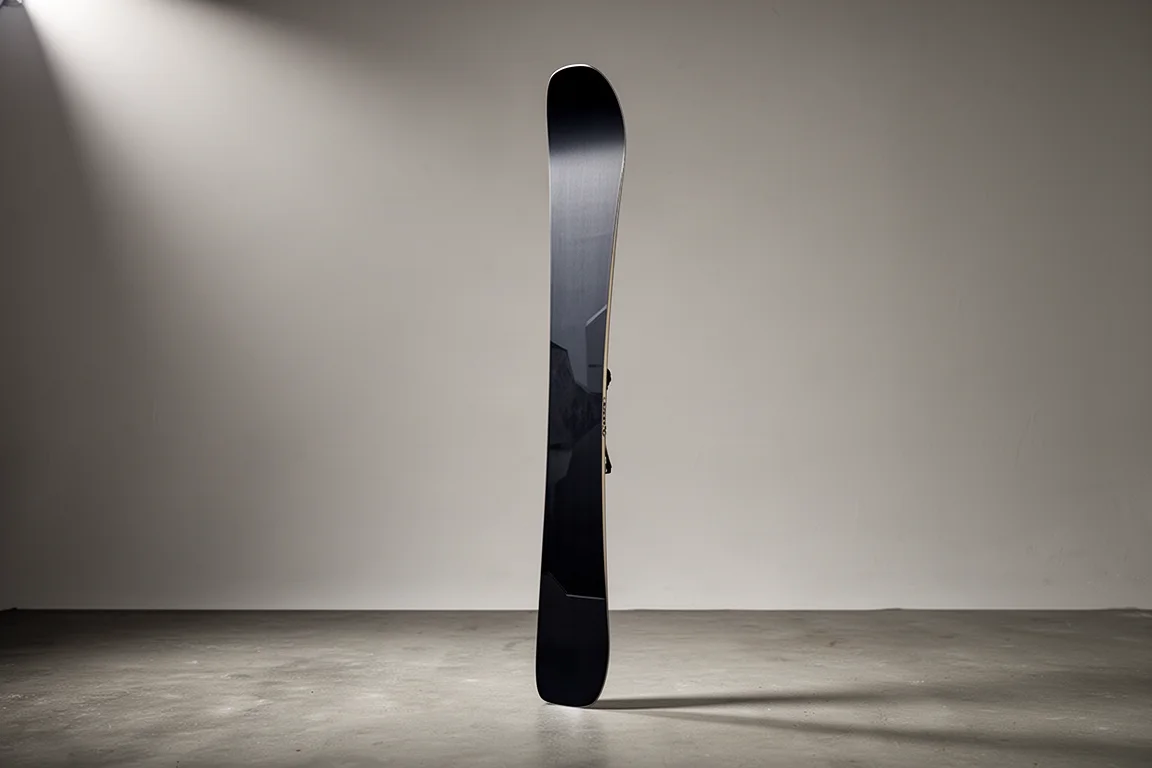
Backcountry skis usually force a trade-off. The lightest options tend to feel vague and nervous the moment the snow gets tricky, while the beefier choices punish you on every vertical meter of the skin track. The Atomic Backland 101 sits right in the middle of that spectrum, and that is exactly what makes it interesting.
In the 172 cm length it weighs just 1,310 g at 101 mm underfoot, which is genuinely light for a ski with this much downhill composure. It handles firm snow with ease, yet still has the float and surfy feel you want when the powder shows up. For a backcountry freeride ski that has to cover so many bases, that balance is hard to argue with.
Who the Atomic Backland 101 Is For
This ski suits backcountry skiers who want one quiver-of-one style tool: something efficient enough for long tours, but dependable and confidence-inspiring when the line you spent most of the day earning finally comes into view. It also accommodates a wide range of ability levels, terrain types, and regions, so it works equally well for mixed-condition tours in the Alps, the Rockies, or anywhere in between.
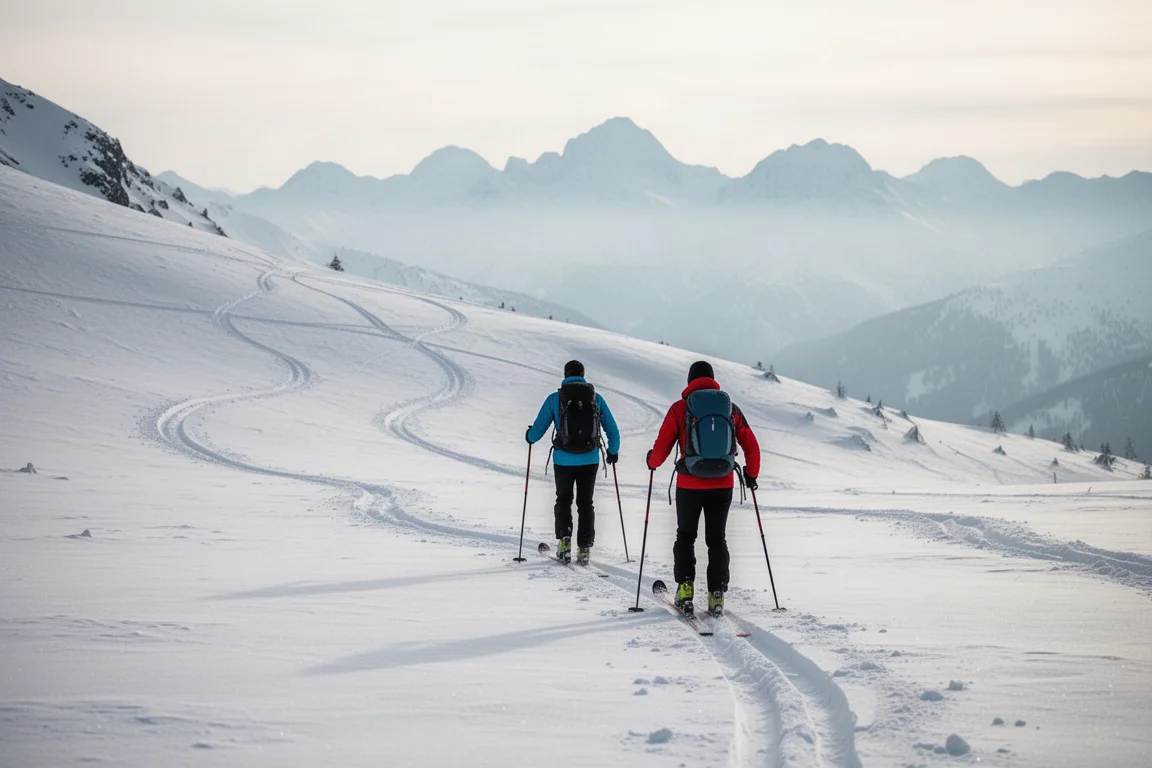
If you prioritize absolute downhill charge over uphill efficiency, heavier skis offer more performance but none of the uphill economy. If you chase the lowest possible weight, there are lighter skis out there, but they give up too much on the descent. The Backland 101 provides a bit of each.
Main Strengths
The construction is built around Atomic’s ultra-light polonia wood core combined with fiberglass laminates. Polonia is extremely light but packed full of energy, and the fiberglass adds to that pop while also lending a smoothness and quietness to the ride that fiberglass-laminated skis tend to have. Atomic’s Horizon Tech 3D rounds out the tip profile, adding surface area without increasing the actual tip width, which helps the ski feel surfy and maneuverable in softer snow.
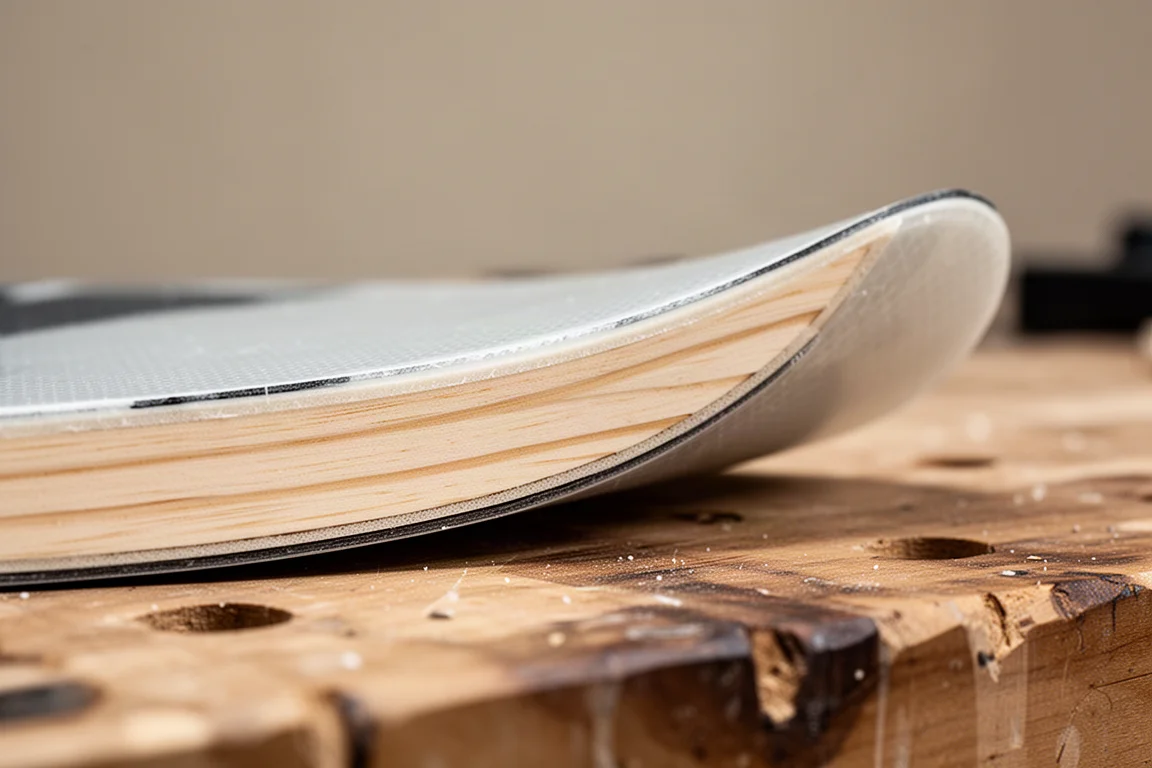
The flex profile is thoughtfully tuned. The core is a bit thicker underfoot, so you feel a solid, stable flex right where you need it. The tip is softer, and the tail sits between the two: softer than the mid-body but stiffer than the tip. For a soft-snow-oriented ski, the rocker profile is generous, with notable tip and tail rocker and a decent amount of positive camber underfoot.
Ride Feel on Firm and Soft Snow
Load the ski up in the middle of a powder turn and the camber, fiberglass, and polonia core deliver real energy and rebound. There is a playful, surfy character here that makes deep-snow skiing feel intuitive rather than work.
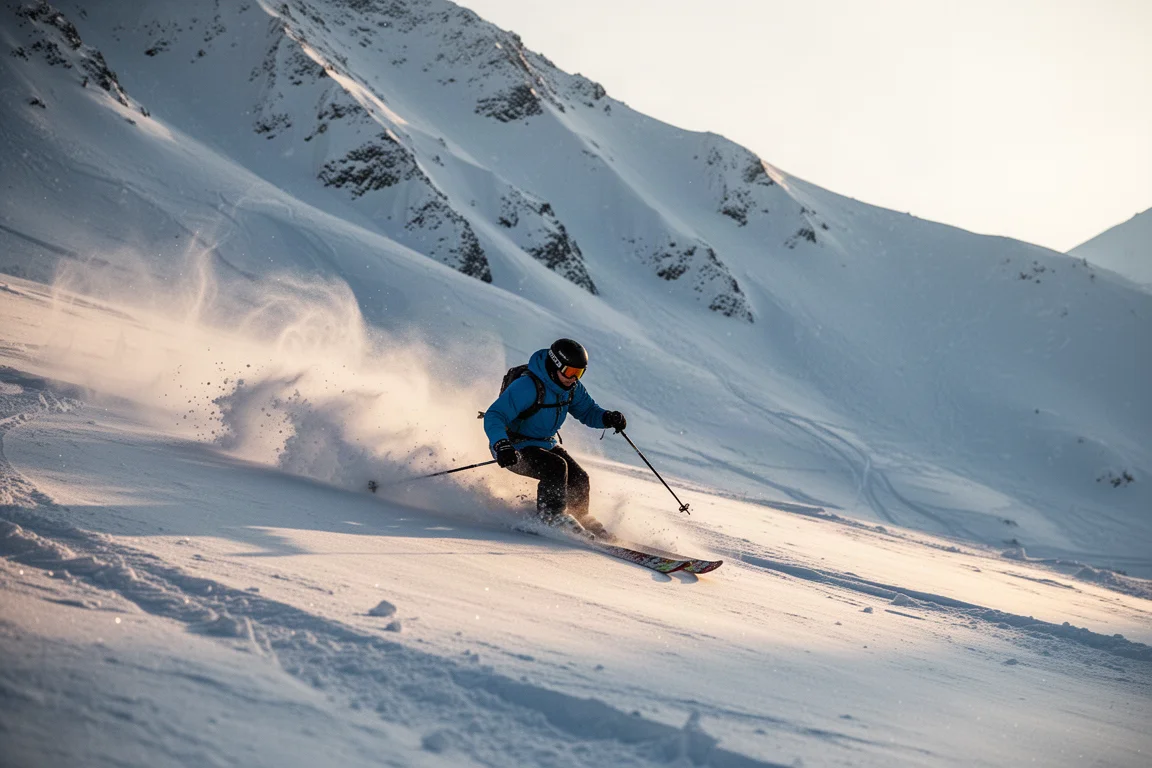
On more variable snow, like a wind-scoured surface that is icy and a little weird, the ski still gives you enough edge grip and stability to get an edge in. That is the most impressive part of the package: despite how shockingly light it feels when you pick it up, there is real substance when you flex it. It is stable and confidence-inspiring in a way few skis this weight manage.
Things to Consider Before Buying
The Backland 101 is a soft-snow-oriented ski, so the rocker-heavy profile and mid-fat 101 mm waist are geared toward touring and freeride use rather than hard-packed resort carving. Skiers who spend most of their time on firm, groomed surfaces may want something with more camber and a damper flex.
It is also a ski for people who genuinely value weight. If you rarely earn your turns under your own power, the uphill efficiency that defines this ski matters less, and a heavier freeride ski may serve you better for the price.
Buying Advice
If your season revolves around touring days with mixed conditions, the Backland 101 makes a compelling case. It is not demanding to ski all day long in the backcountry, yet it stays dependable exactly when you need it to be: at the top of the line you spent most of your day touring to reach.
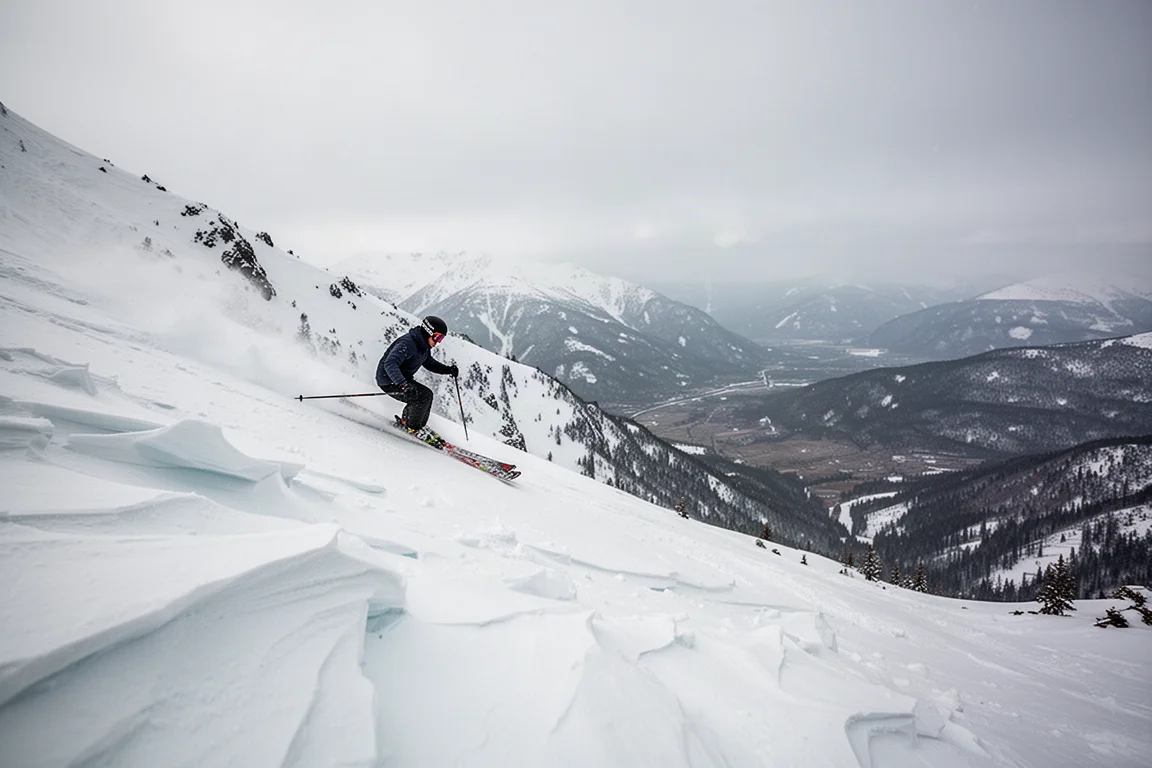
For skiers torn between featherweight tourers and heavier chargers, this ski deliberately splits the difference. It provides genuine uphill efficiency while keeping the downhill confidence you need, and few skis manage both ends of that equation this cleanly.
Conclusion
The Atomic Backland 101 is a really well-rounded backcountry freeride ski. It covers a wide range of conditions, terrain, and ability levels, delivers float and a surfy feel in deep snow, holds an edge on firm and variable surfaces, and does it all at a weight that makes the skin track noticeably easier. If you want one backcountry ski that handles it all, this one deserves a close look.
Product link
View more details for Atomic Backland 101
This product is mentioned in the review. Check the specifications, options, and compatibility before buying.
View more details for Atomic Backland 101Further reading
Related Reviews
Ski Reviews
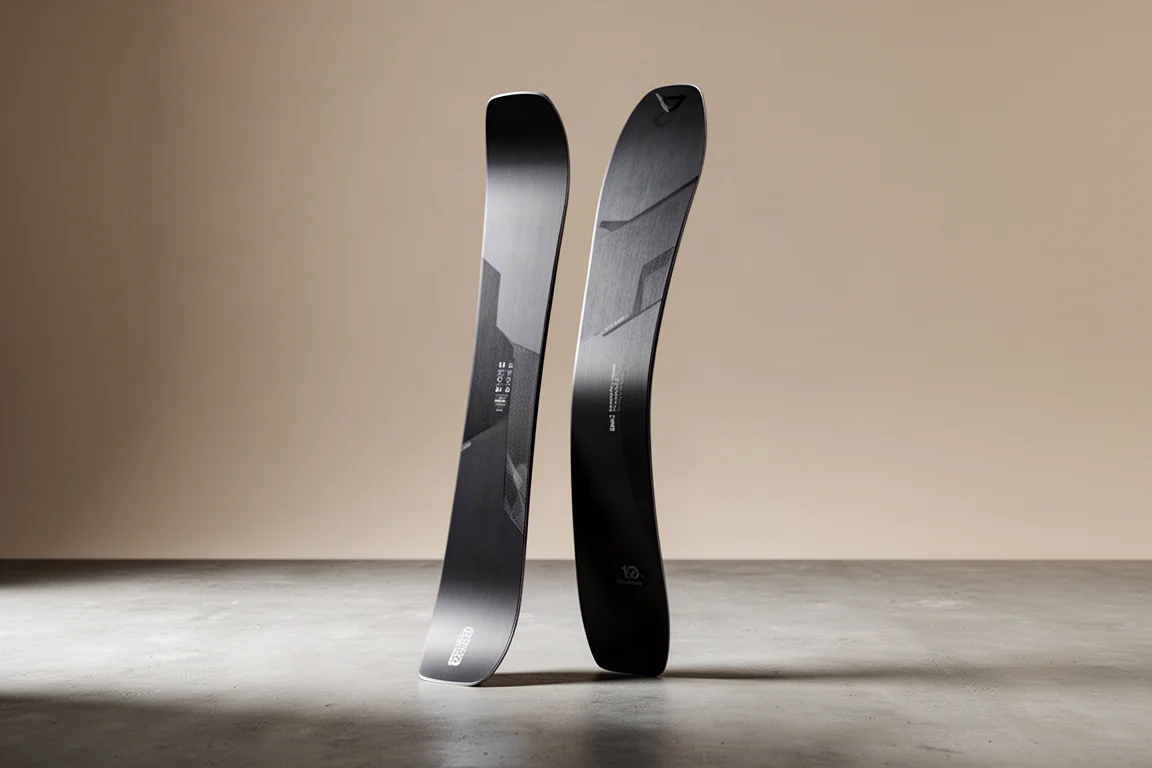
Armada Antimatter 108 Review: A Freeride Ski Built for Speed and Deeper Snow
The Armada Antimatter 108 carries over the beloved Declivity X 108 shape with new construction that adds compliance in soft snow and composure in crud, aimed squarely at strong, aggressive skiers.
Ski Reviews
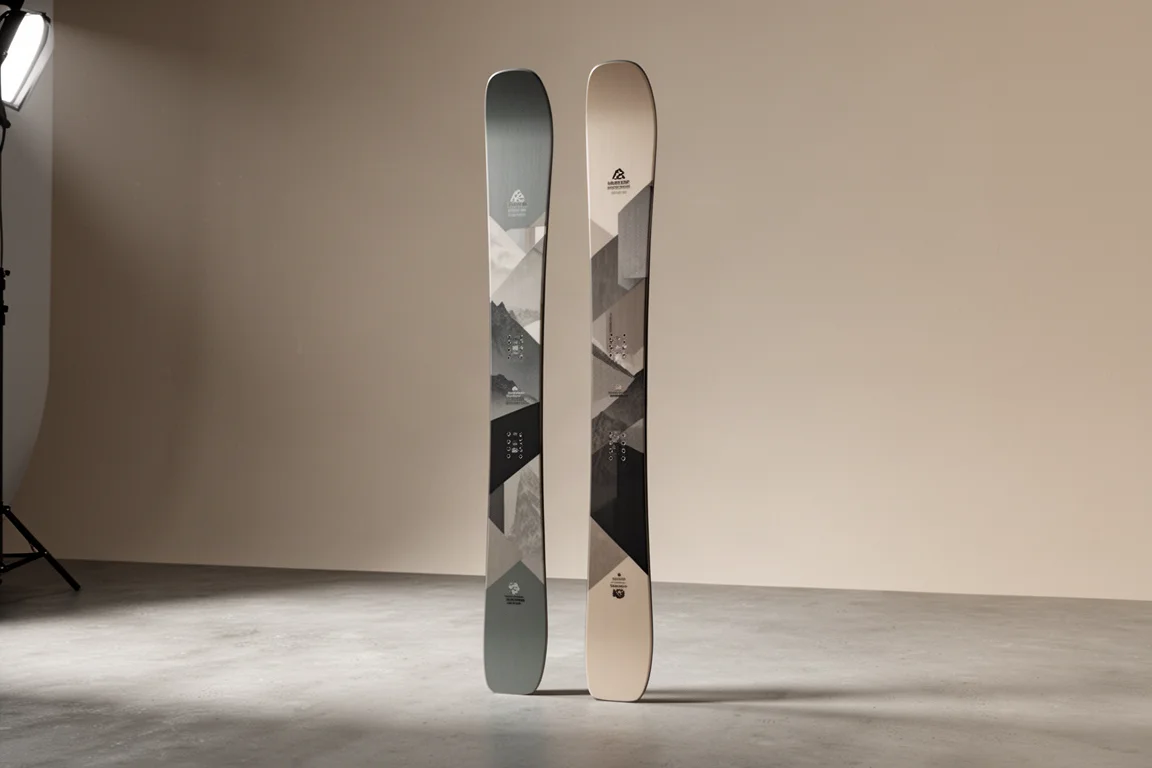
Armada Antimatter 92 vs Invictus 92: Two All-Mountain Skis Compared
A closer look at two Armada all-mountain skis, one playful and nimble, the other composed and smooth, to help you pick the right one for your skiing.
Ski Reviews
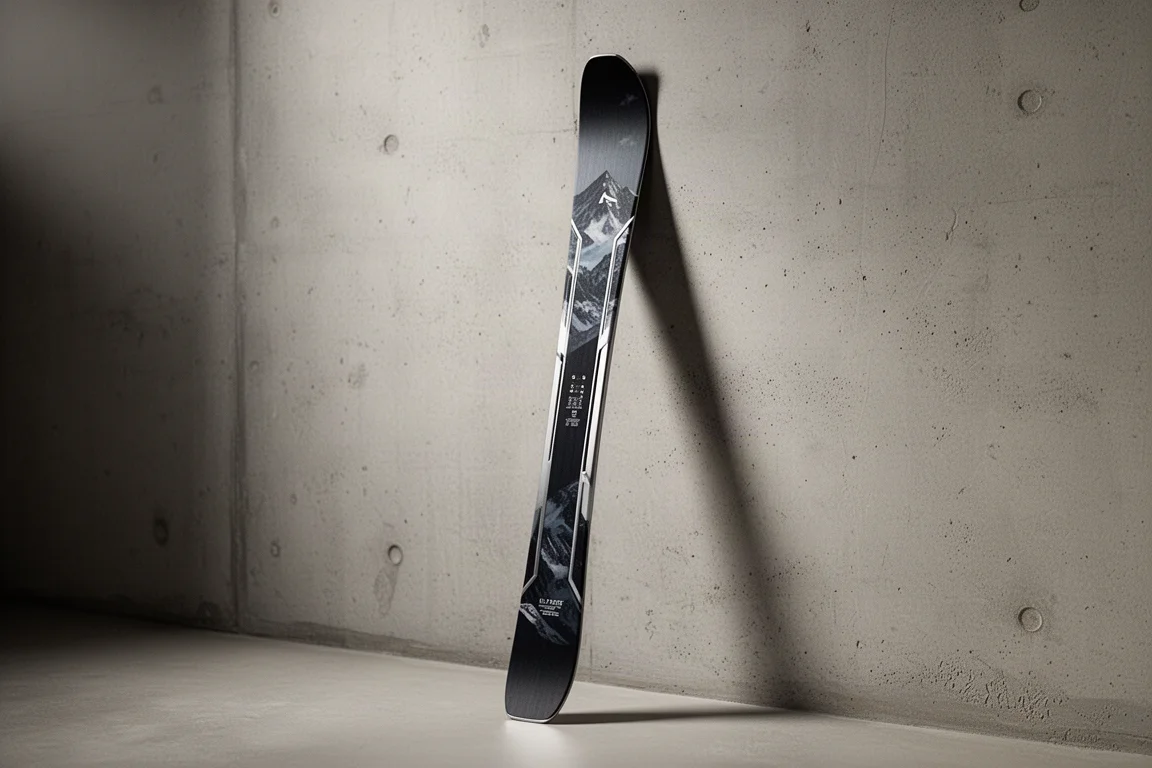
Armada Antimatter 92W Review: A Smoother Take on a Proven All-Mountain Footprint
The Antimatter 92W keeps the trusted Reliance 92Ti footprint but softens the ride with a new metal construction, making it more versatile in softer snow without losing on-trail grip.