Snowboarding
Asymmetrical Snowboards for 2021-2022: Eight Models Worth Knowing
Eight asymmetrical snowboards compared by flex, shape, and intended terrain, with practical guidance on which one fits the way you ride.
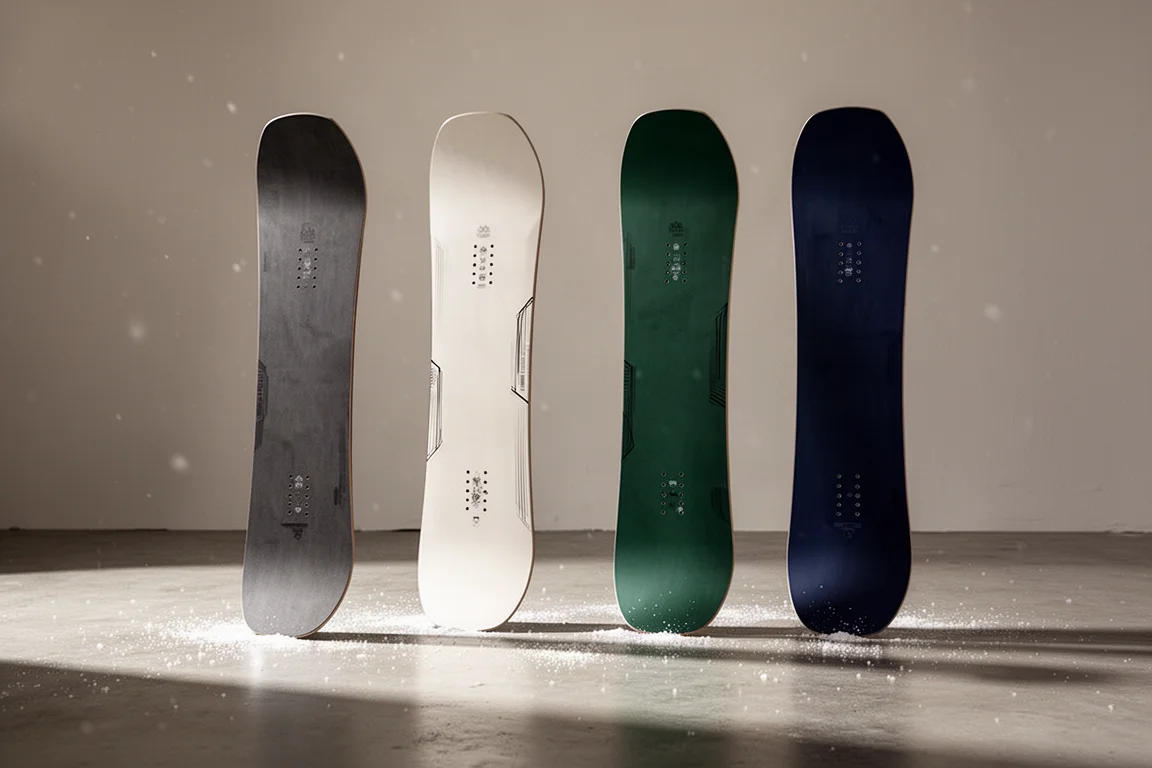
Introduction
Asymmetrical snowboards use a deeper sidecut on the heel edge than on the toe edge. That extra depth lets you lay the board over further on your heel side without losing grip, which is why these shapes appeal to riders who spend their time carving, working transitions, or riding park features.
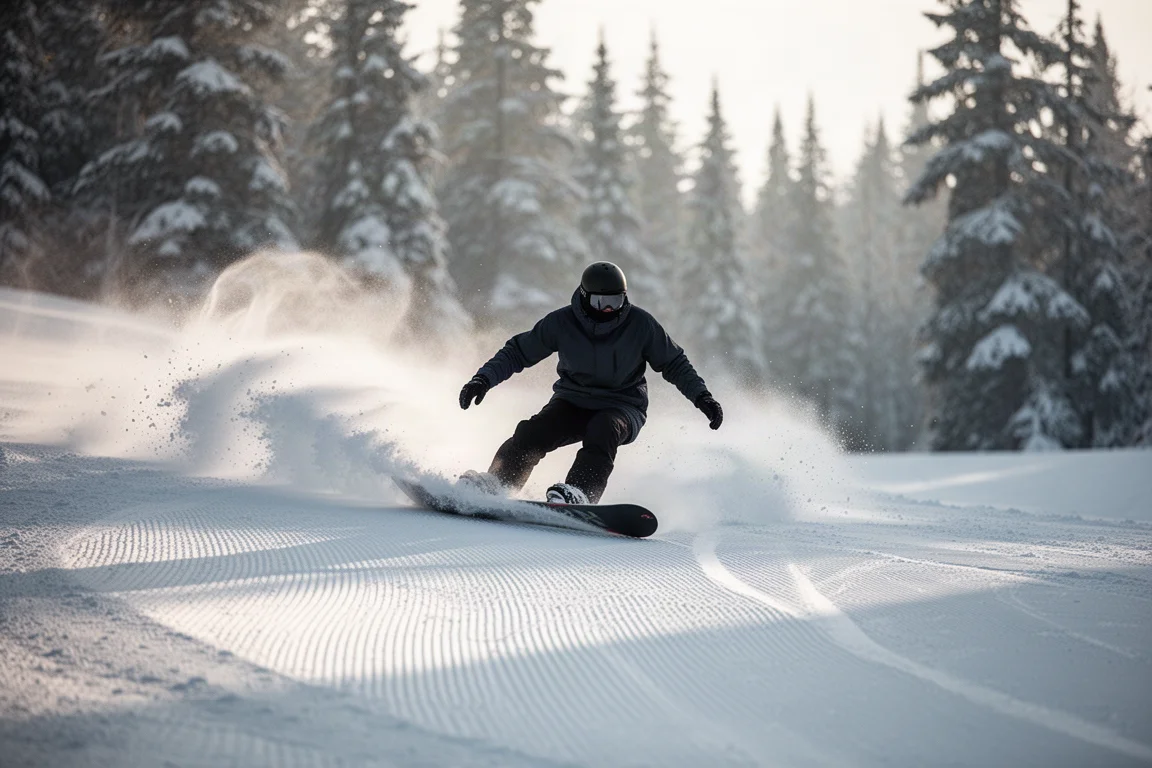
This guide covers eight asymmetrical models, a set of standouts plus three honorable mentions that came close. Each one brings the same core trait in a different flex and outline, so the right pick depends on the terrain you ride most and how aggressive you like your turns.
How We Evaluated These Asymmetrical Snowboards
Every board here shares an asymmetrical sidecut. From there, the differences come down to flex, outline, and intended use. Stiffer decks hold an edge with more authority and reward committed turns, while softer builds press and butter more easily. Directional shapes favor one direction of travel, twins favor freestyle riding, and a few boards sit somewhere between the two.
Stance matters as well. Some asymmetrical boards are sold in goofy and regular versions, so you need to know which foot you put forward before you order.
Nidecker Tracer: The Directional Cruiser
The Tracer is the only directional asymmetrical board in this group, which makes it a distinct option for riders who want an asymmetrical edge but mostly ride in one direction. It comes in goofy and regular versions, so the choice depends on which foot you put forward.
On snow, it is built to lay trenches. It carves cleanly and behaves like a quintessential resort cruiser: comfortable lapping groomers, predictable underfoot, and happy to hold a long turn.
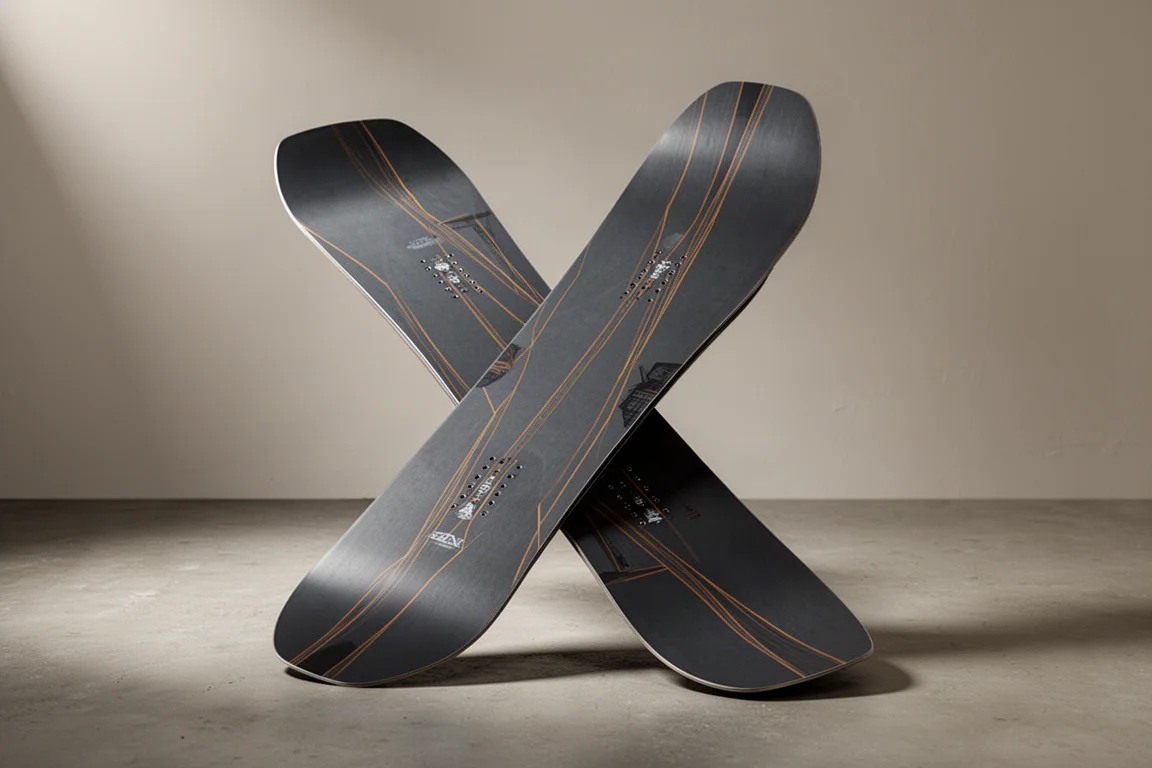
Capita Simulator: The Freestyle Twin
The Simulator is a fun freestyle twin whose sidecut rails turns once you put it on edge. It has solid snap, holds well on edge, and comes across as a genuinely well-balanced board across the mountain.
Two things are worth knowing before you commit. The tip shape can get a little hooky when you are buttering, which slightly limits how loose it feels in presses. It is also being discontinued after the current season, so availability may narrow over time.
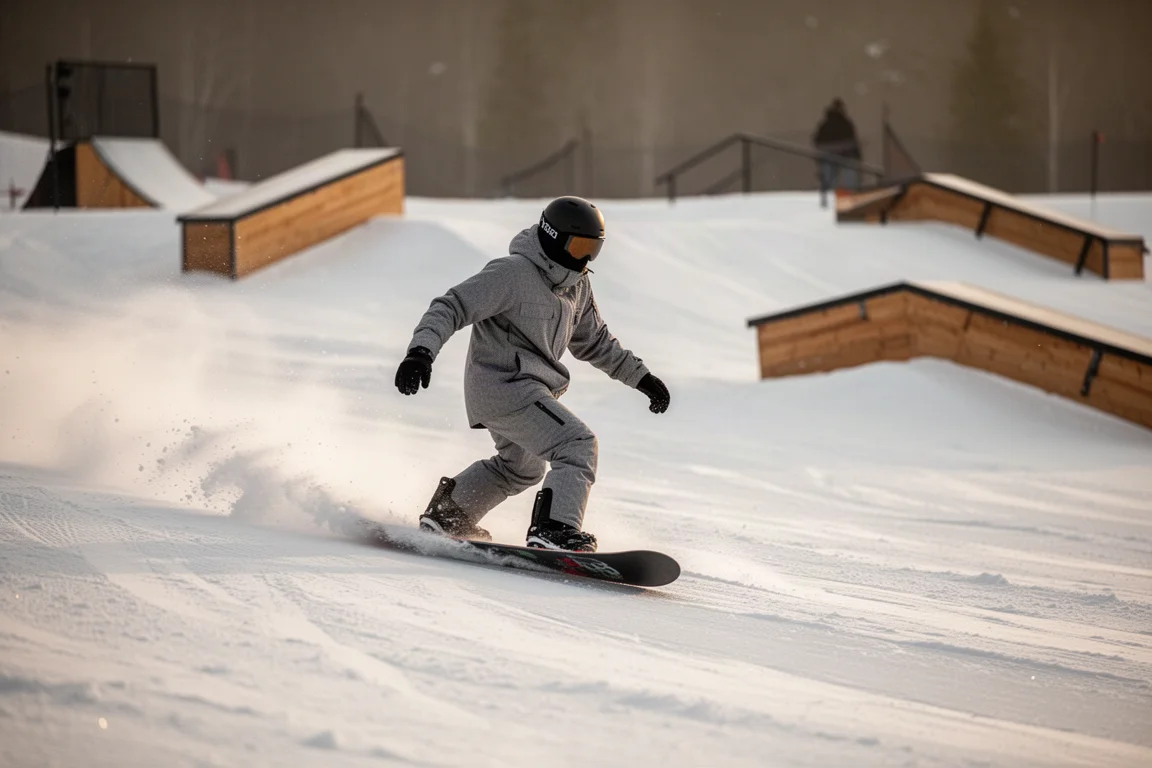
Riders who want a twin that carves as well as it plays in the park will find a lot to like here, particularly while the current run is still easy to find.
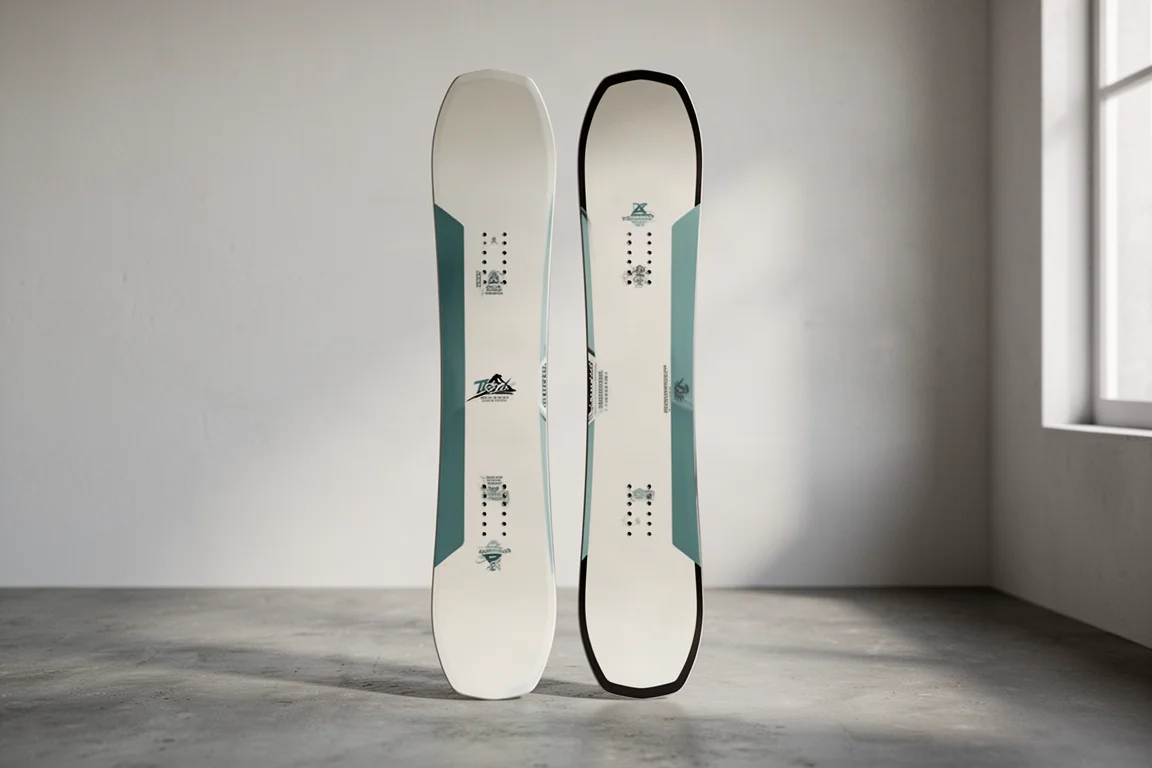
GNU Riders Choice C3: The Half-Pipe Specialist
The Riders Choice C3 is a true half-pipe board in character. The sidecut grips better on edge, which suits launching out of transitions, hitting hips, and working quarter pipes.
Its flex sits on the stiffer side, among the stiffest options in this group. That stiffness is part of why it feels so planted: once you are on edge, the magna traction edge technology locks in and the board turns with real authority.
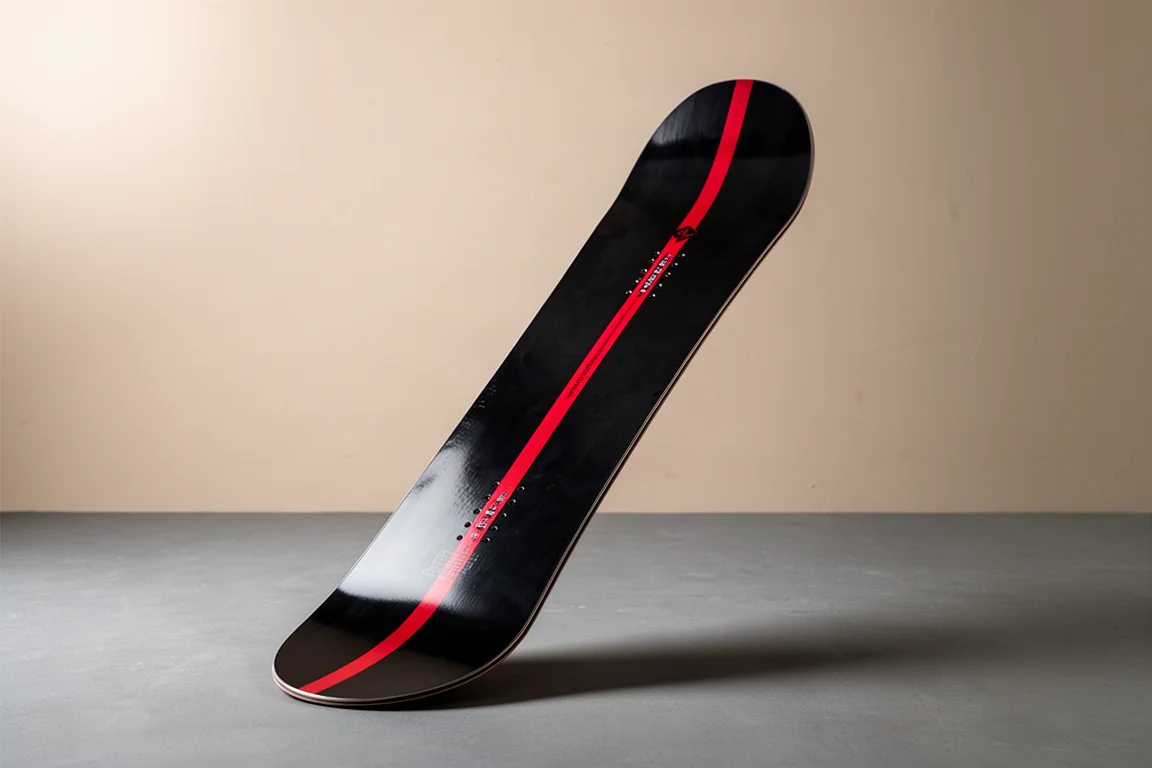
Ride Zero: The Versatile Park Board
The Ride Zero is the only unisex board here, and it works as an asymmetrical park deck that can handle the rest of the mountain too. It has good flex, presses well, and pops well.
Riders on smaller hills could reasonably make it a single board that does everything. Ride boards also have a specific feel: they lock in better, lay a trench more cleanly, and return more snap and rebound out of a turn.
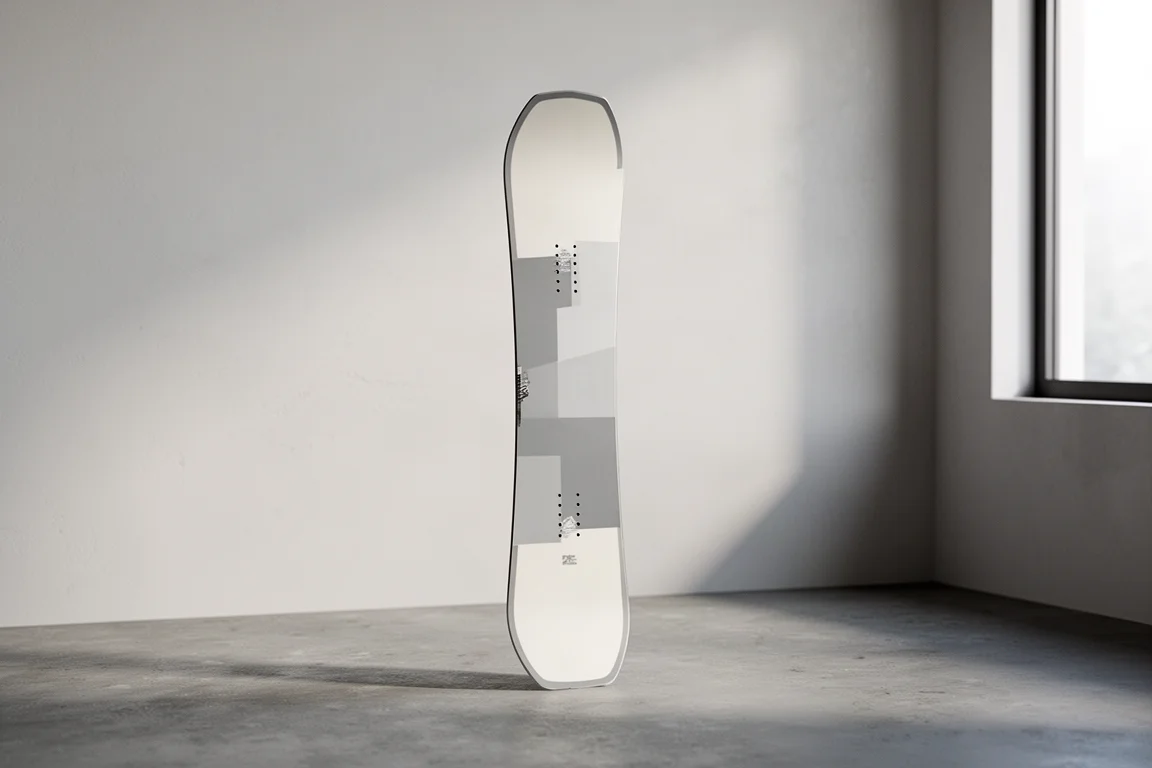
Ride Benchwarmer: The Stiffer Sibling
The Benchwarmer is the big brother to the Zero. It is stiffer and beefier, but still a fun, damp, smooth, and lively ride.
Riders who like the idea of the Zero but want more backbone underfoot should look here. The added stiffness rewards a more aggressive style, and the damp feel keeps rough snow from beating you up.
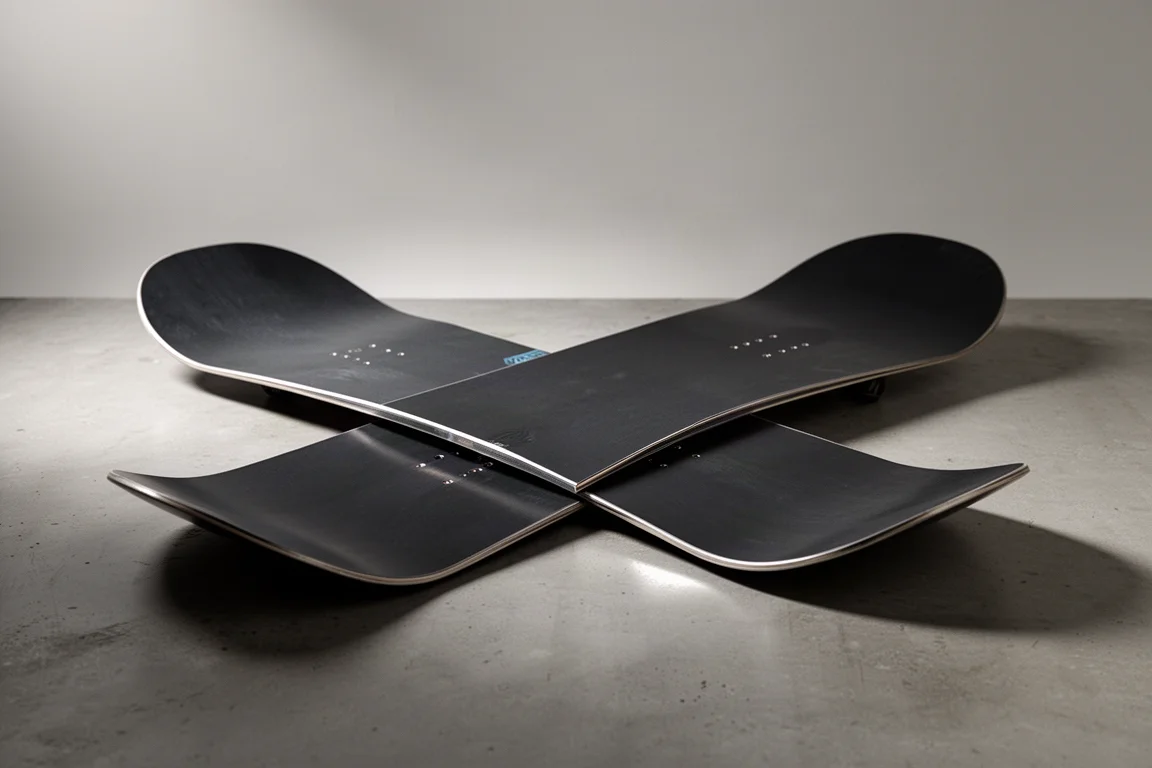
Telos Chillum: The Subtle Asymmetrical Park Board
The Chillum is a park board, and its asymmetry is understated. Unless someone points it out, you would not necessarily know it is an asymmetrical deck.
That subtlety makes it a good fit for riders who want the heel-edge benefits of an asymmetrical sidecut without a shape that announces itself.
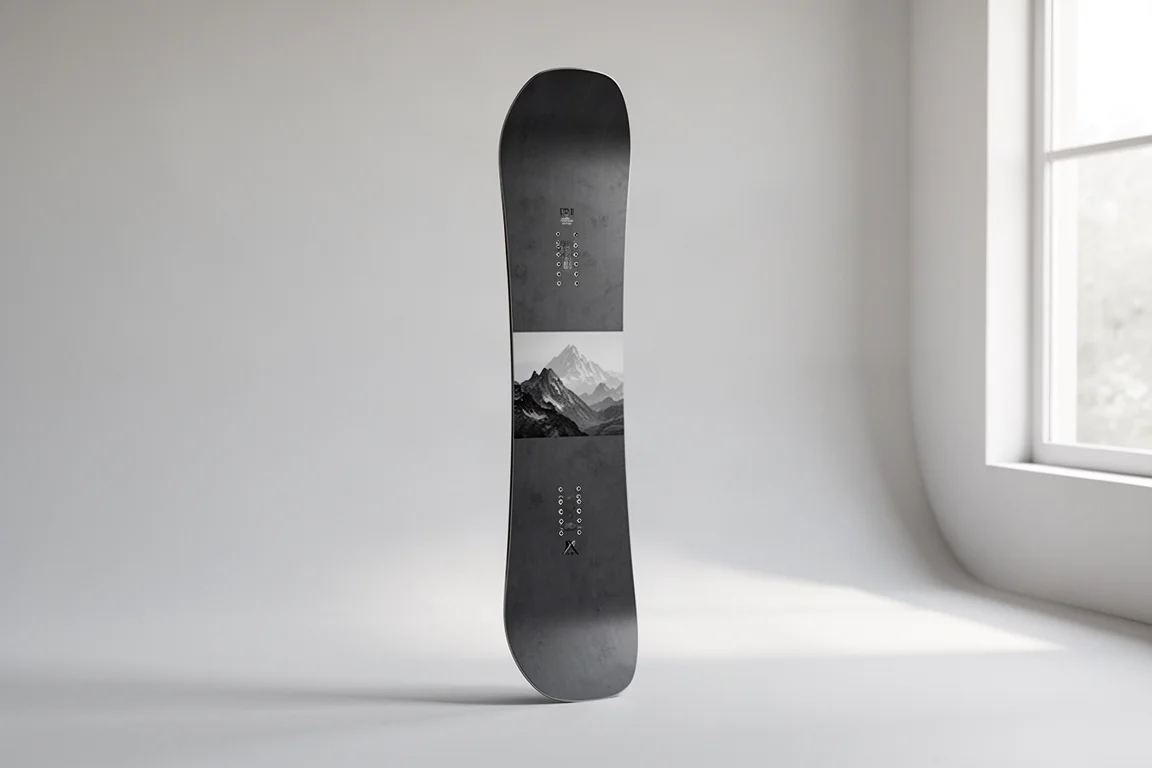
Lago Casey Willax Double Barrel: The Limited Pro Model
The Casey Willax Double Barrel is a pro model built on the Double Barrel platform, which is already a strong board in its regular form. This version is a limited run, and pre-orders may still be open.
Because it is limited, availability is the main consideration. If the shape and the pro-model build appeal to you, it is worth acting sooner rather than later.
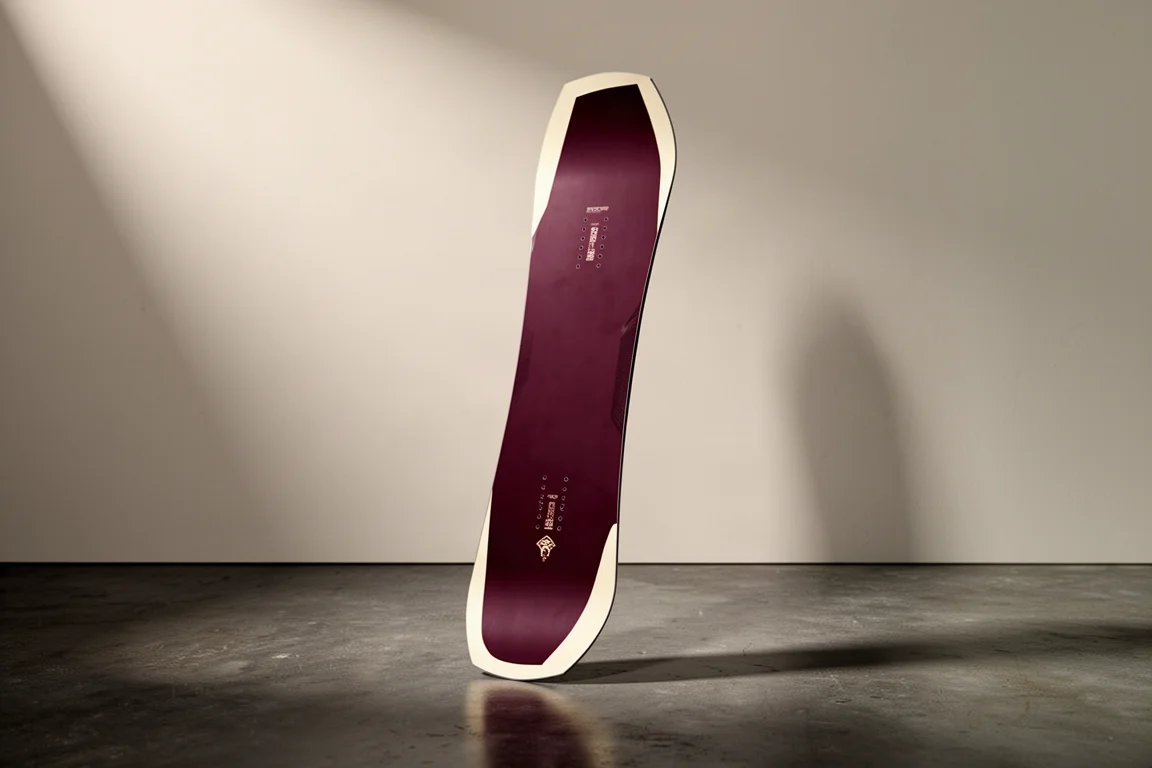
YES Greats: The All-Mountain Standout
The YES Greats sits at the top of this group. Its asymmetrical mid-bite grips right underfoot, giving you more edge hold exactly where you need it.
That combination makes it a whole-mountain board. You can lay deep heel-side trenches, transition across the board, and lay deep toe-side trenches on the other edge without losing grip. After a couple of seasons where it did not perform at its best, it is back at the top of its game.
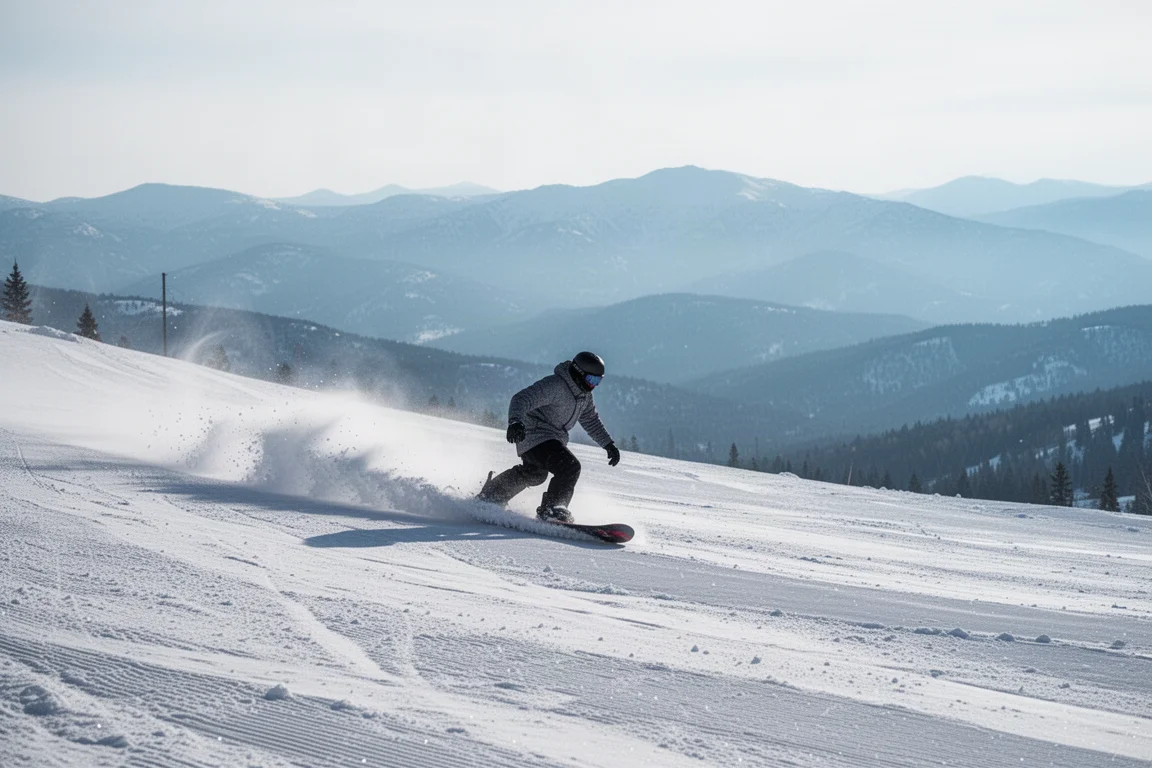
For riders who want one asymmetrical deck that covers the entire resort, this is the most complete option in the group.
Overall Buying Advice
Start with the terrain you actually ride. Directional riders who spend most of their time carving should look at the Nidecker Tracer first, and remember to pick the goofy or regular version that matches your stance.
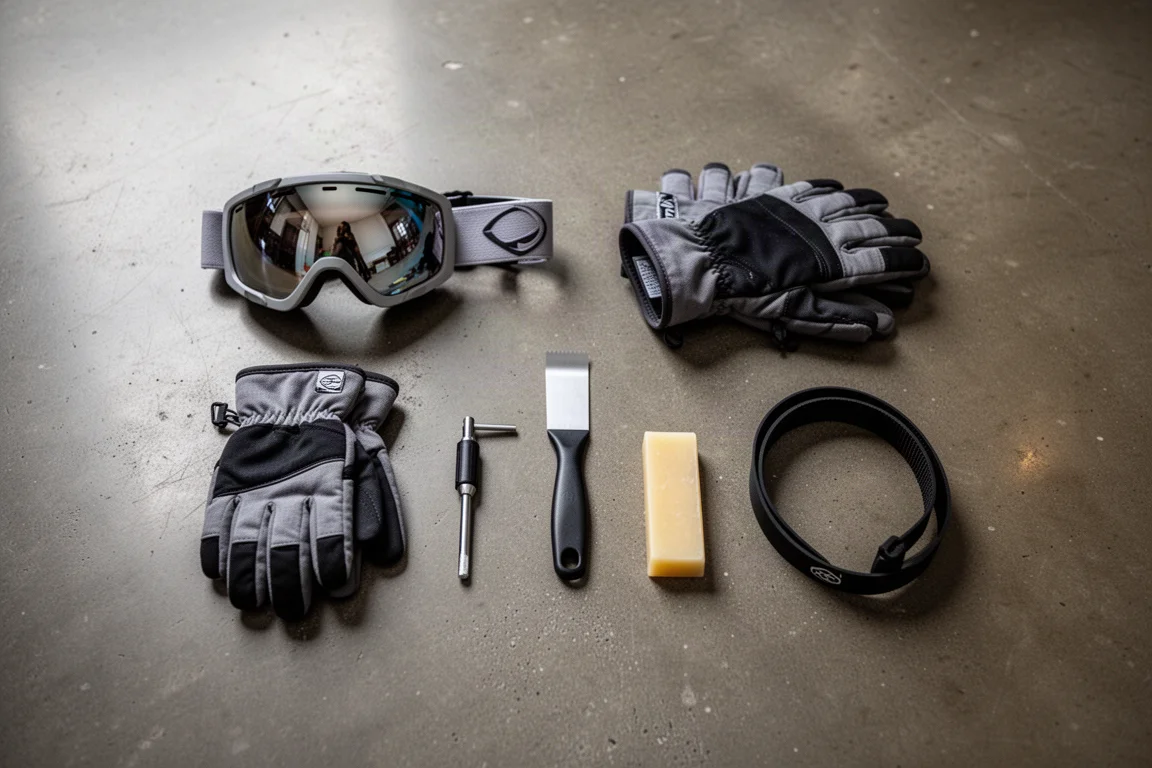
Freestyle riders get the most choice. The Capita Simulator and the Ride Zero are the most playful twins here, the GNU Riders Choice C3 is the pick for pipe and transition work, and the Telos Chillum delivers asymmetry in a subtle park package. Riders who want more stiffness and a damp, lively feel should consider the Ride Benchwarmer. If you want the strongest all-mountain asymmetrical edge hold, the YES Greats is the clear standout, and the limited-run Lago Casey Willax Double Barrel is worth grabbing while pre-orders last.
Conclusion
Asymmetrical boards earn their place when you spend time on edge, and every model here delivers that deeper heel-side sidecut in a different package. Match the flex and outline to your riding, choose the correct stance version where it is offered, and the board will do the rest.
Further reading
Related Reviews
Snowboarding
2025 Snowboard Gear List: Five Picks That Earned Their Place on the Mountain
From Zeiss-lens goggles to a hybrid step-in binding, here are five pieces of 2025 snowboard gear that held up across a full season of riding.
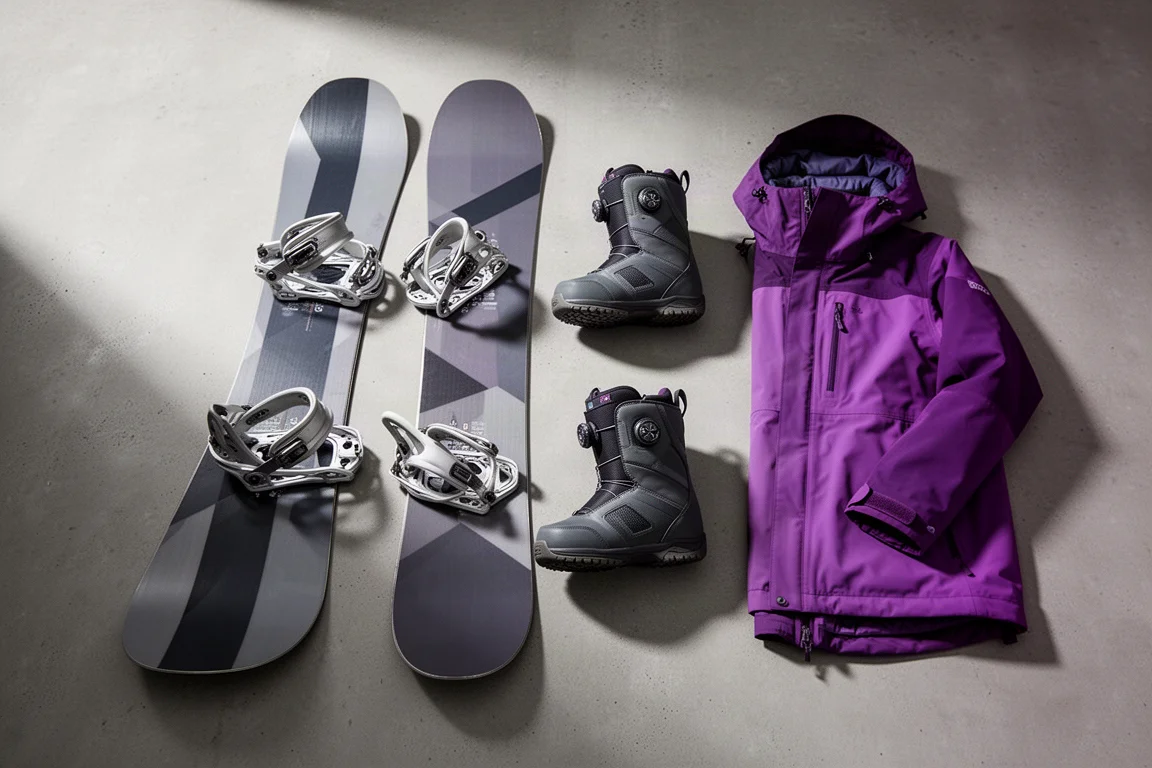
Snowboarding
2026 Snowboard Gear List: Boards, Bindings, Boots and Outerwear Worth a Look
A season-ready snowboard setup built from the bottom up: base layers, Strafe outerwear, Ride and Union boots, Union bindings, and two new Capita boards.
Snowboarding
32 Cold World Review: A Playful Hybrid Camber Board for Park Laps
The 32 Cold World blends classic camber underfoot with flat nose and tail sections for a predictable, butter-friendly ride aimed at intermediate park riders.