Telescopes
Askar 107 PHQ Review: A Sweet-Spot Refractor for All-Around Astrophotography
A 107mm quadruplet Petzval apochromatic refractor with integrated field flattener, full-frame corrected optics, and a solid 3.4-inch focuser for serious deep-sky imaging.
Introduction
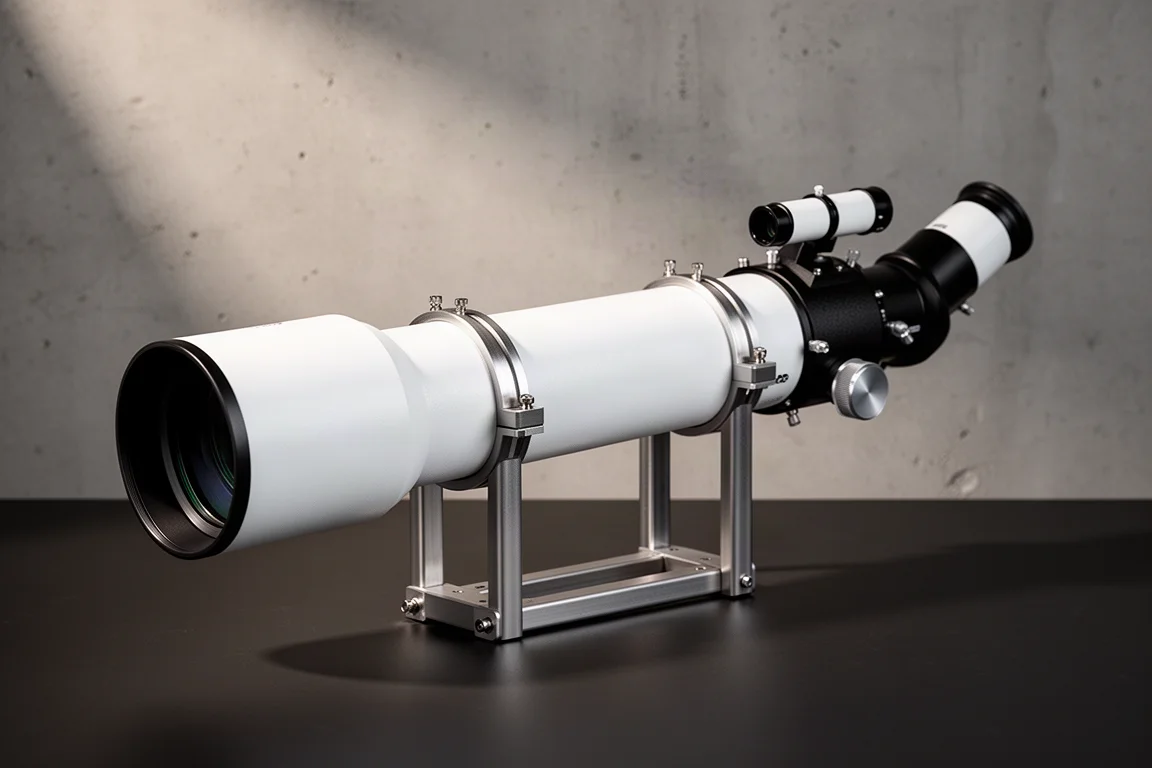
Finding one telescope that handles nebulas, galaxies, and the moon without compromise is rare, but the Askar 107 PHQ comes close. With a 107 mm aperture and 749 mm of focal length at f/7, it sits right in the sweet spot for all-around deep-sky imaging while remaining versatile enough for lunar work. This review covers what makes the design practical, where it excels, and what to think about before buying.
Who This Telescope Is For
This is a scope for astrophotographers who want a single instrument that covers a wide range of targets. The 749 mm focal length frames galaxies and smaller nebulas nicely, while larger nebulas and wide-field work are handled through an optional accessory described below.
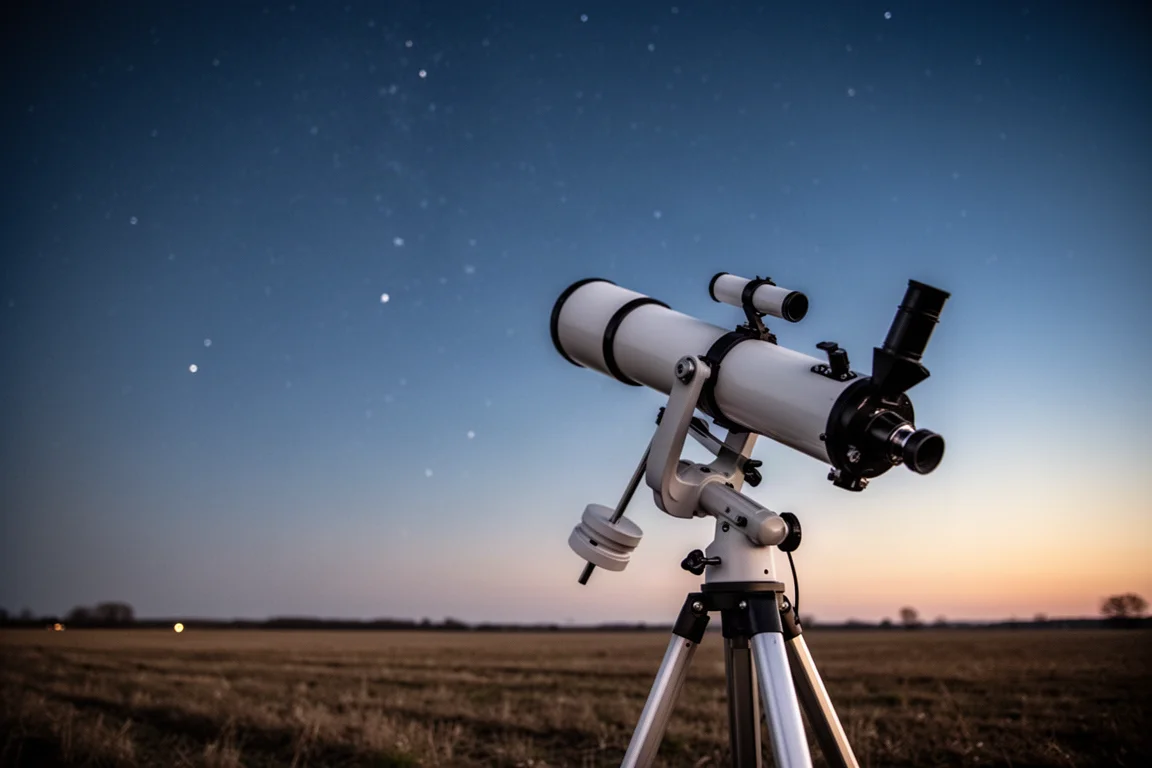
It also suits imagers who value clean data over processing headaches. Thanks to the Petzval optical layout, there is no need to calculate back focus or fine-tune spacing, which removes one of the most frustrating parts of setting up an imaging train.
Optical Design and Image Quality
The Askar 107 PHQ uses a quadruplet Petzval design, meaning the field flattener is integrated into the optical tube itself. ED glass elements control chromatic aberration, and the fully corrected image circle measures around 44 mm, so even full-frame sensors stay sharp from edge to edge.
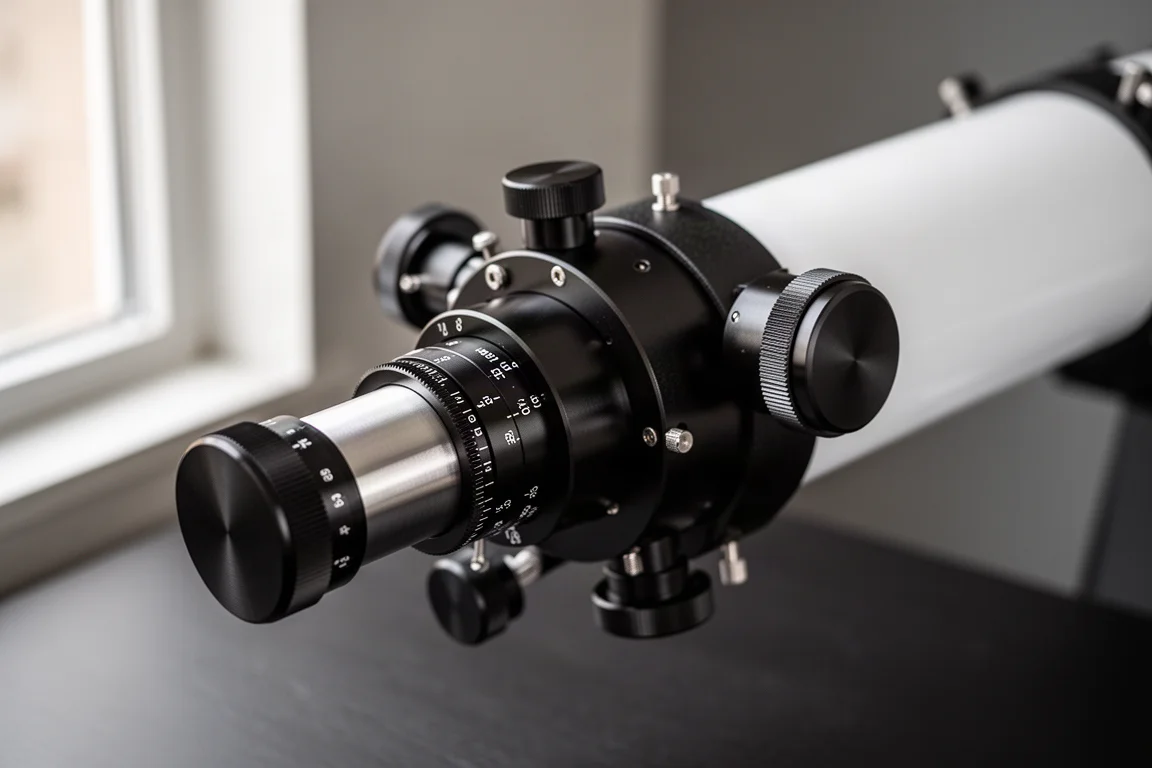
In practice that translates to no weird colored stars and no stretched corners, just clean data straight off the sensor. For anyone shooting with a full-frame camera, that level of field correction is a genuine advantage at this focal length.
For larger nebulas or a wider field of view, Askar offers an optional 0.7x focal reducer. It drops the scope to a faster f/4.9 and shortens the focal length to 524 mm, which is ideal for big nebula targets and faster integration times.
Focuser and Payload Capacity
The scope uses a 3.4-inch rack and pinion focuser, the kind most imagers already know how to use. It is rated to handle heavy imaging trains up to 17.6 lb (8 kg) of gear, so a filter wheel, off-axis guider, or a full monochrome setup will hold steady without slipping while imaging.
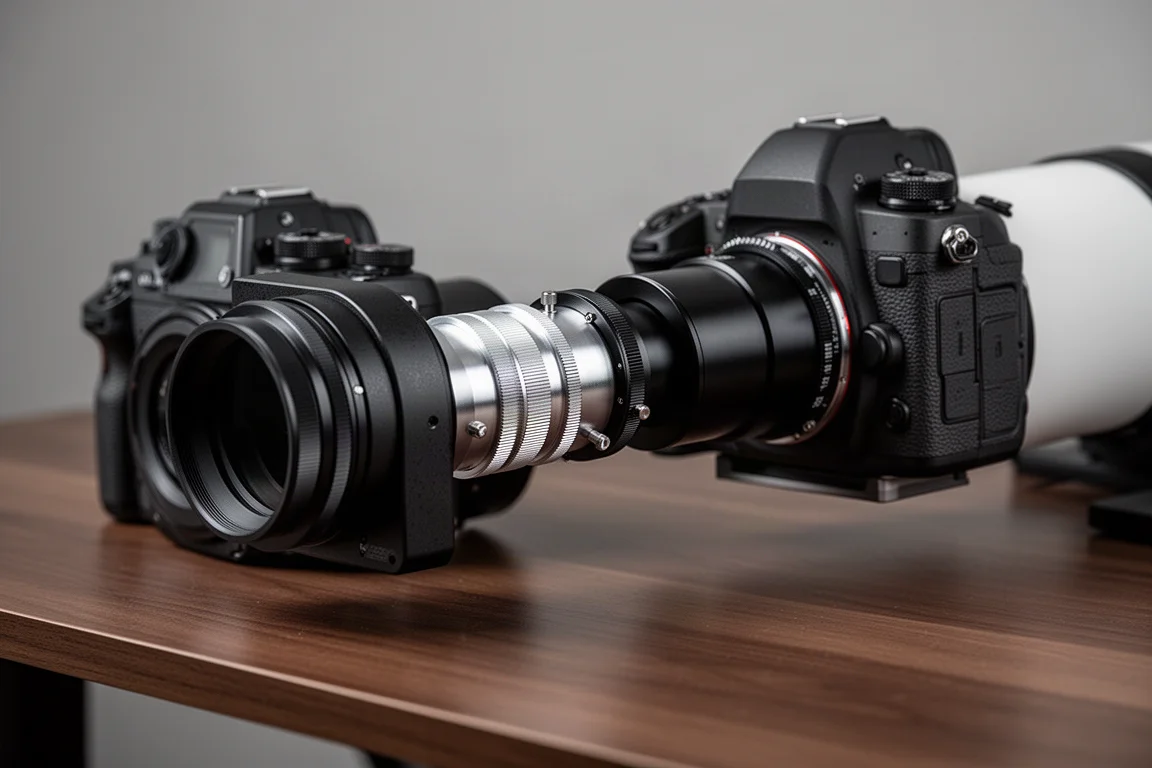
That payload headroom matters if you plan to grow your kit over time. Rather than replacing the focuser or adding reinforcement, the telescope is ready for a heavier, more demanding imaging train from the start.
Portability and Build
Weighing in at 14 lb (6.7 kg), the 107 PHQ is fairly lightweight for its class. It ships with sturdy tube rings and a protective hard-shell case, which makes it easy to transport to a dark site and safe to store between sessions.
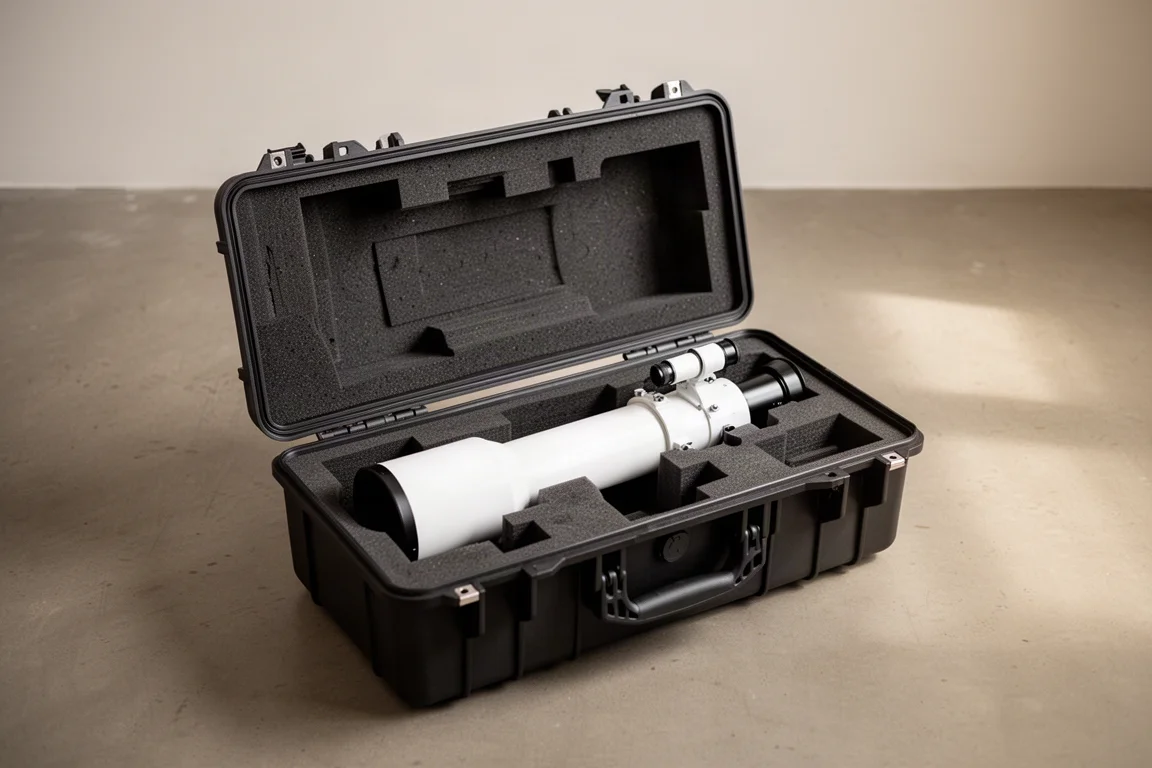
The included case is more than a nice touch. For anyone who travels to observe or stores gear in a garage or closet, that protection reduces the risk of damage to optics that were not cheap to begin with.
Buying Advice
If you want one refractor that covers nebulae, galaxies, and the moon with minimal setup friction, the quadruplet Petzval design and 44 mm corrected field make this an easy recommendation. Pair it with the optional 0.7x focal reducer if wide-field targets are a priority, and take advantage of the 8 kg focuser capacity if your imaging train is already on the heavier side.
Conclusion
The Askar 107 PHQ earns its place as a strong all-around astrophotography telescope: well-corrected optics for full-frame sensors, a familiar and robust focuser, and a practical weight with good transport protection. For imagers who want clean data without spacing headaches, it is a compelling option in its class.
Product link
View more details for Askar 107 PHQ
This product is mentioned in the review. Check the specifications, options, and compatibility before buying.
View more details for Askar 107 PHQFurther reading
Related Reviews

Telescopes
Sightron SJ75 UF and Sky-Watcher HS125: Two Telescopes Worth Watching
A look at two notable telescopes from a recent camera and optics expo: a sharp new astrograph from Sightron Japan and a compact fast reflector from Sky-Watcher.

Telescopes
SV503 102ED Review: A Budget 102mm Refractor That Surprises
The SV503 102ED is an affordable 102mm doublet refractor that delivers surprisingly decent star shapes and a smooth focuser, despite some chromatic aberration and light falloff.

Telescopes
SVBony MK127 Review: A Compact Maksutov-Cassegrain That Surprises
The SVBony MK127 is a 127mm Maksutov-Cassegrain telescope with a unique 0.65x reducer, making it a versatile option for visual astronomy and even some deep-sky imaging.