Running Gear
5K Race Test: ASICS Metaspeed Sky Plus, Polar Pacer Pro and the Naked Running Belt
We put three running essentials through a hot, fast 5K race test: a carbon-plated super shoe, a GPS watch pushed to its battery limit, and a running belt we initially overlooked.
Introduction
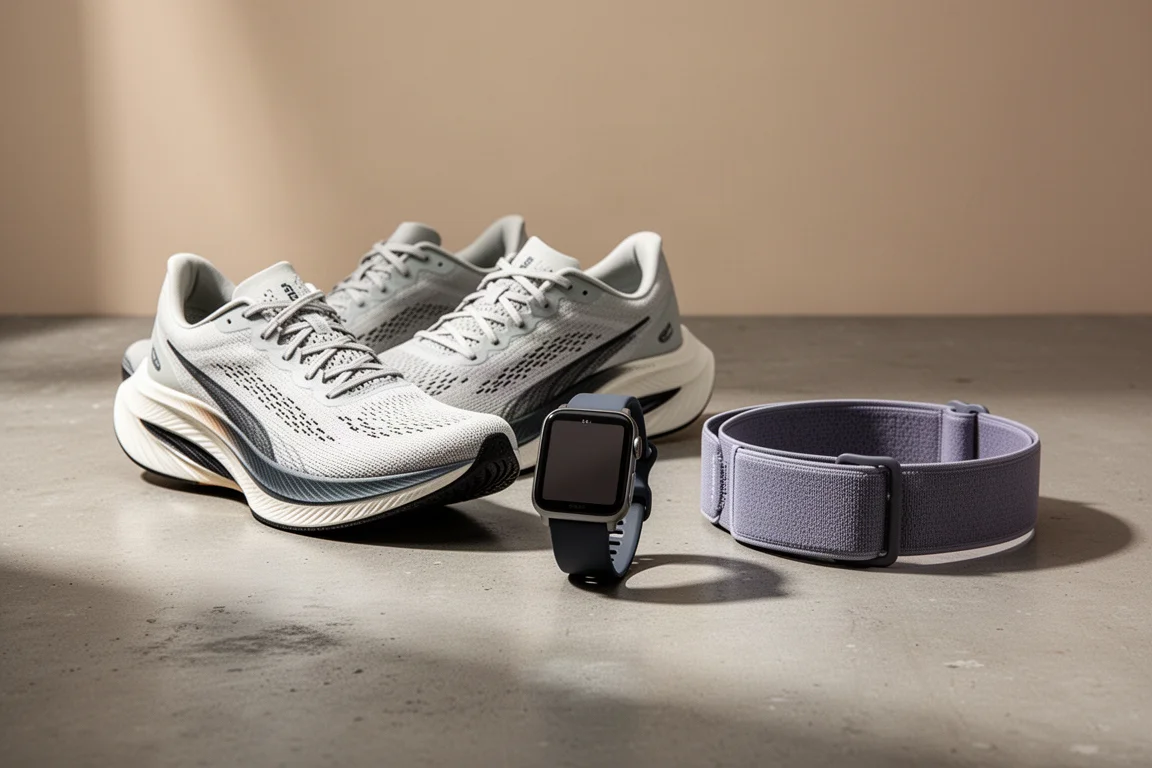
We took three pieces of running gear to a public 5K race at a track event where elite athletes were chasing their own half marathon records, and gave them a proper working over in hot, race-day conditions. A carbon-plated super shoe, a GPS watch running on fumes, and a running belt that had previously been left off our best-of list all got tested. Here is what held up and what did not.
How the Test Worked
The format was simple: a hot, sunny 5K race with tired legs. We had already run a 10K race test the previous day, plus some easy running, so nobody arrived fresh. One of us went out to race a hard 5K in the ASICS Metaspeed Sky Plus, aiming to beat a previous race time. The other ran without looking at the watch at all, just to feel the shoe at race pace.
The conditions mattered. By mid-morning it was around 20 degrees and sunny, which made it a genuine test of comfort and ventilation rather than a cool, ideal-conditions time trial. One runner finished in around 19 minutes, well under the 20-minute target he had quietly set himself, and the other came in at 21:04, comfortably inside the 22-minute cutoff.

ASICS Metaspeed Sky Plus: Fast, But With a Caveat
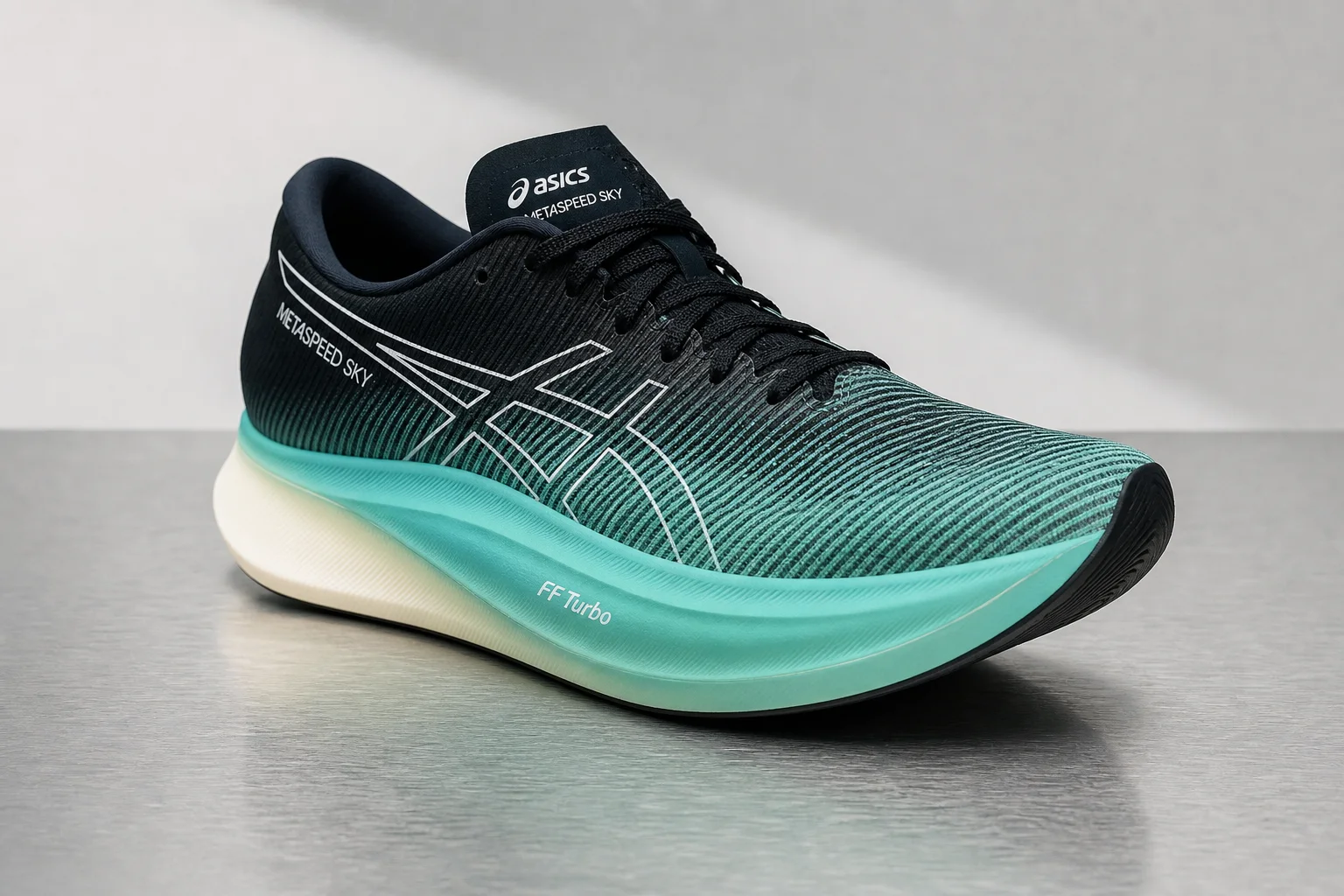
The headline finding is that the Metaspeed Sky Plus is a genuinely good shoe, but it rewards a specific kind of running. At short, all-out race pace, both testers found it harder to engage the midsole and plate. One tester, who normally races in the Nike Vaporfly, described the Sky Plus as feeling a little flatter: to get the toe spring working, you have to get up onto your forefoot and actively work the shoe, whereas the Vaporfly’s natural slant seems to push you forward on its own.
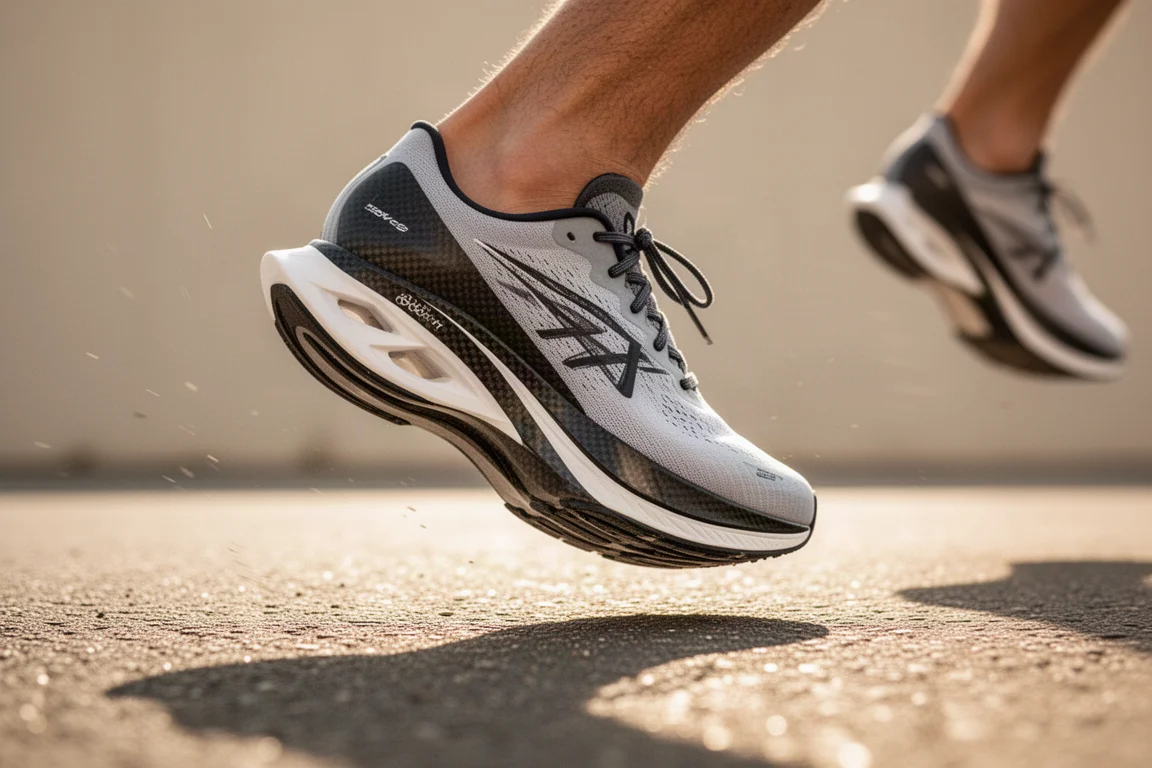
Where the shoe has consistently shone is at longer distances. With the original Metaspeed Sky, marathon-pace training runs felt rhythmic and easy to settle into, and that pattern carried over here. That said, results were still strong: one tester ran around three minutes faster than expected on shot legs, even if he credits running on feel as much as the shoe. The honest verdict is that it beats plenty of other shoes outright, but against the very stiff competition of the Nike super shoe lineup at 5K and 10K distances, it did not quite win us over yet. We plan to keep testing it at half marathon and marathon distances, where it may really come into its own.
Polar Pacer Pro: A Battery Limit That Bites
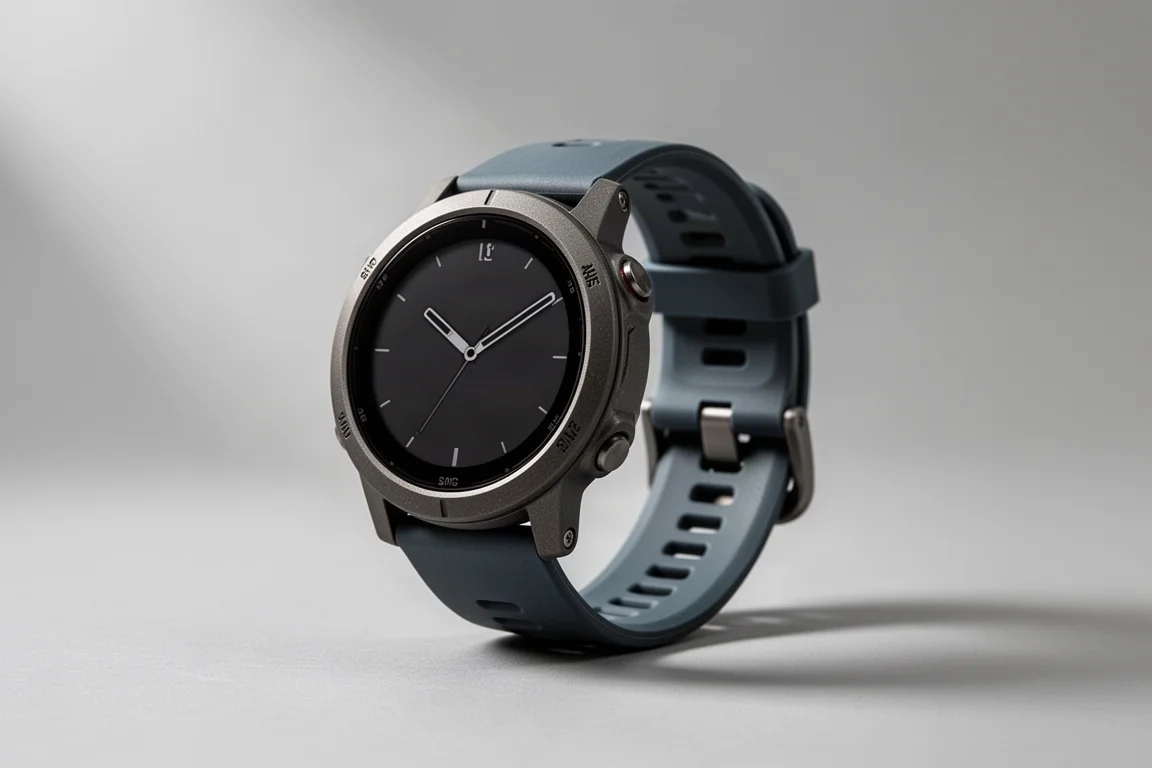
The watch test was deliberately awkward: can the Polar Pacer Pro get through a 5K on 5% battery? The answer, surprisingly, is no. At the start line, with the battery at 5%, the watch would not even initiate tracking mode, so it never recorded the run at all. Both testers experienced the same behaviour: with roughly 10 to 17% battery remaining, the watch refused to start a recording.
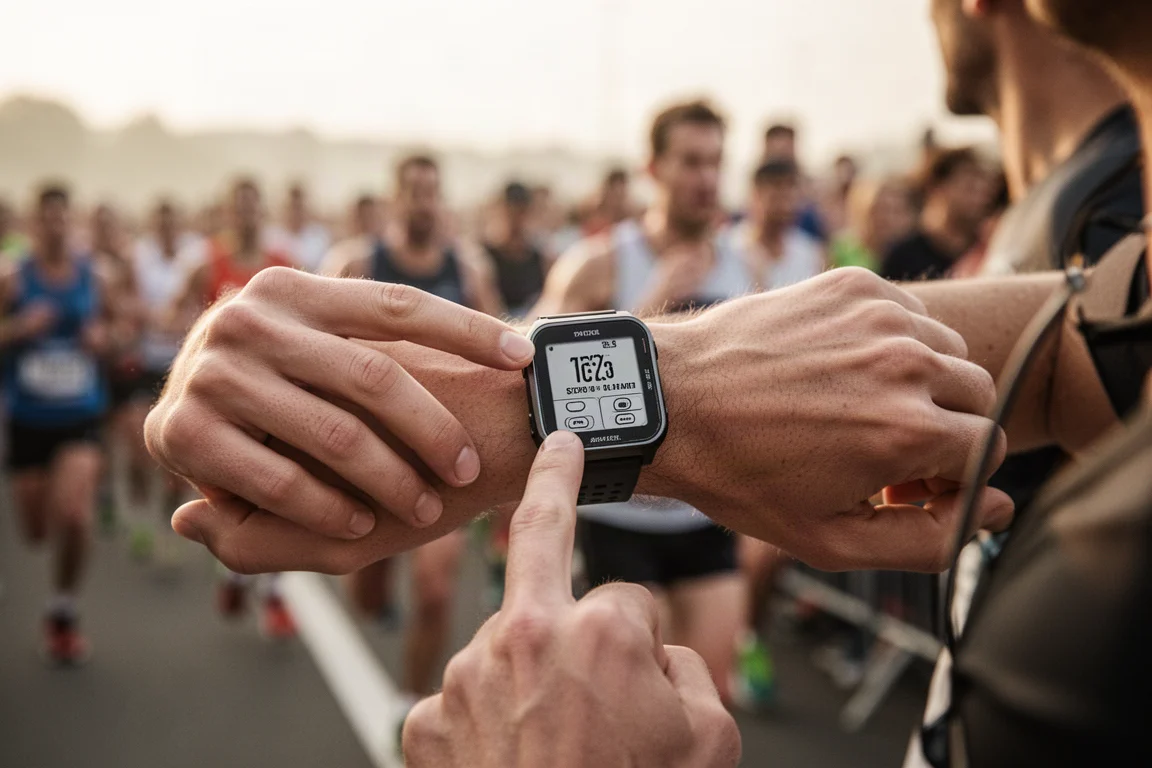
To be clear, most other GPS watches we have used will happily track a run down to 5%, and a 20-minute 5K is not a demanding battery workload. Discovering you cannot start tracking as you cross the start line is the worst possible moment to find out. This may be a software bug in the firmware versions we were running, and it would be a simple fix. But as it stands, the low-battery cutoff is far too conservative, and if it ships in the launch version, it is a real flaw. Otherwise, a Garmin worn alongside handled the race without issue.
Naked Running Belt: The Surprise Winner
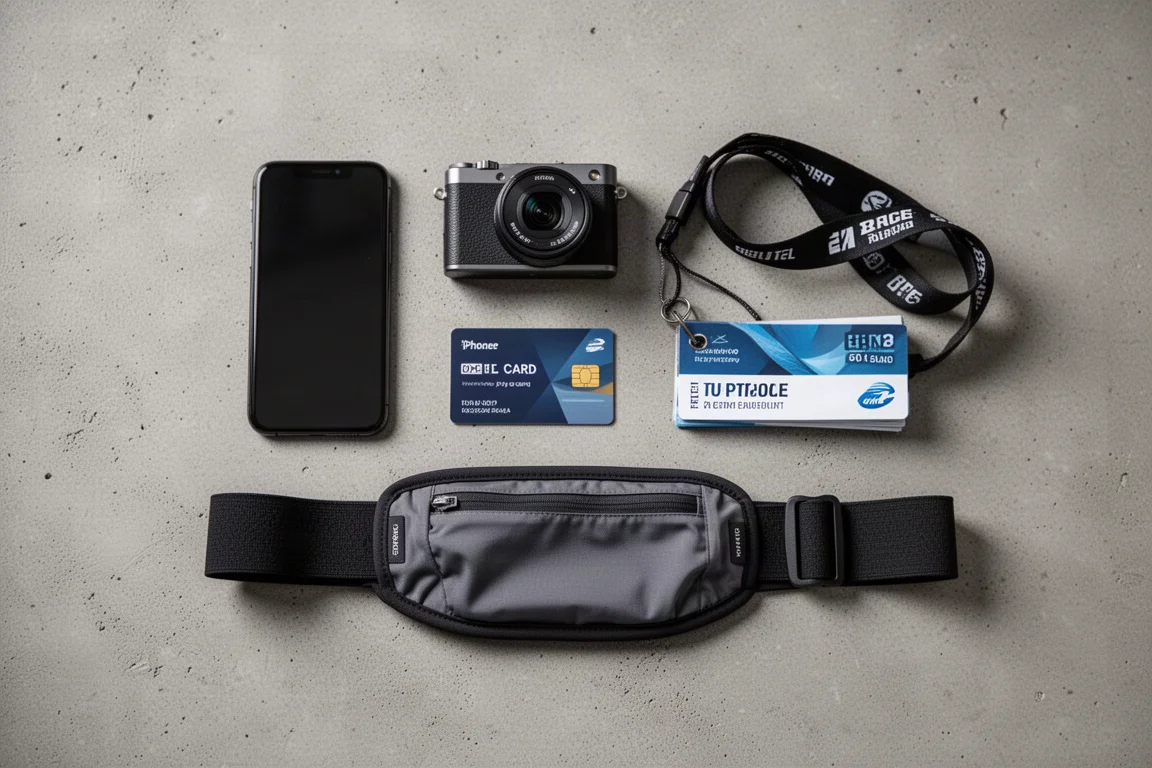
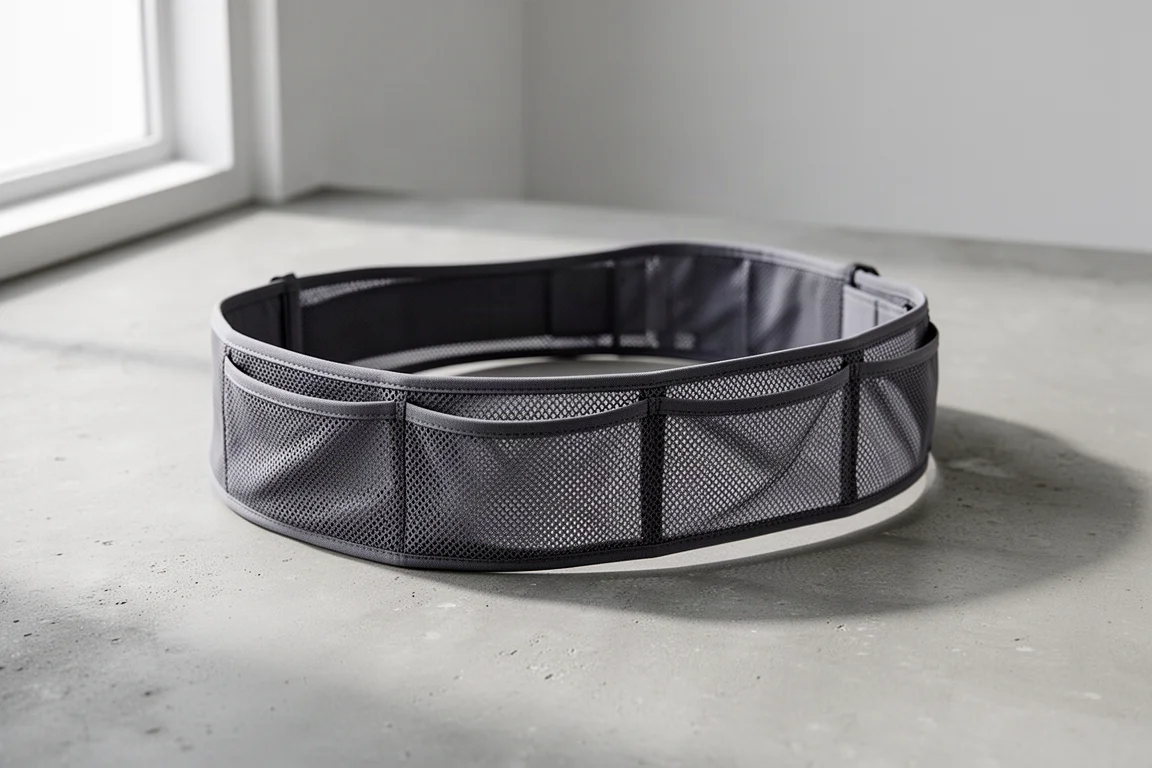
After our best running belts roundup, plenty of you pointed out we had missed the Naked running belt. You were right. It earned a big thumbs up at this race. The wider waistband is a highlight: it hugs the body and keeps everything tight and secure without bouncing.
On race day it was loaded far more heavily than a 5K would normally justify: a phone, a selfie stick, a camera for filming, a hotel room key and a press pass. At the finish line, everything was still exactly where it had been placed, with no movement or shifting at all. That enveloping, body-hugging fit is exactly what makes it a candidate for longer ultras, and it has firmly earned a place on the shortlist for future long-distance testing.
Overall Buying Advice
If you race mostly at 5K and 10K and have your heart set on a super shoe, be aware that the Metaspeed Sky Plus asks a little more of your stride at top speed; its strengths may show up more clearly at longer race distances. If battery anxiety matters to you, be cautious about pushing the Polar Pacer Pro to the end of its charge, at least until any software fix lands. And if you have been putting off trying a running belt because it seemed unnecessary, this one proves that a well-designed belt can disappear on the run even when it is full.
Conclusion
The 5K race test produced a split verdict. The ASICS Metaspeed Sky Plus is a strong shoe that did not beat our usual 5K and 10K race-day pick at short distances, and we look forward to testing it further at longer distances. The Polar Pacer Pro has a low-battery cutoff that stops it from even starting a run, which needs addressing. The Naked running belt, meanwhile, was the pleasant surprise of the day: secure, comfortable and genuinely race-ready even when overstuffed.
Further reading
Related Reviews

Running Gear
Best Running Caps 2026: Nine Tested Options for Summer and Winter
A comprehensive guide to nine running caps tested across different conditions, from lightweight summer options to waterproof winter choices.

Running Gear
Best Running Caps: A Guide to Summer and Winter Options
A comprehensive review of nine running caps for different conditions, styles, and preferences, from lightweight summer options to waterproof winter choices.
Running Gear
Best Running Gear 2026: Five Picks That Earn Their Place
Five running upgrades covering heart rate, audio, fuelling, carrying and weather protection, with the trade-offs worth knowing before you buy.