Running Gear
ASICS MetaSpeed Edge Plus 10K Race Test: First Impressions Plus the Kit That Came Along
A hot 10K race in Olympic Park put the ASICS MetaSpeed Edge Plus to the test, with the Garmin Forerunner 955 and Cleer Arc open-ear headphones along for the run.
Introduction
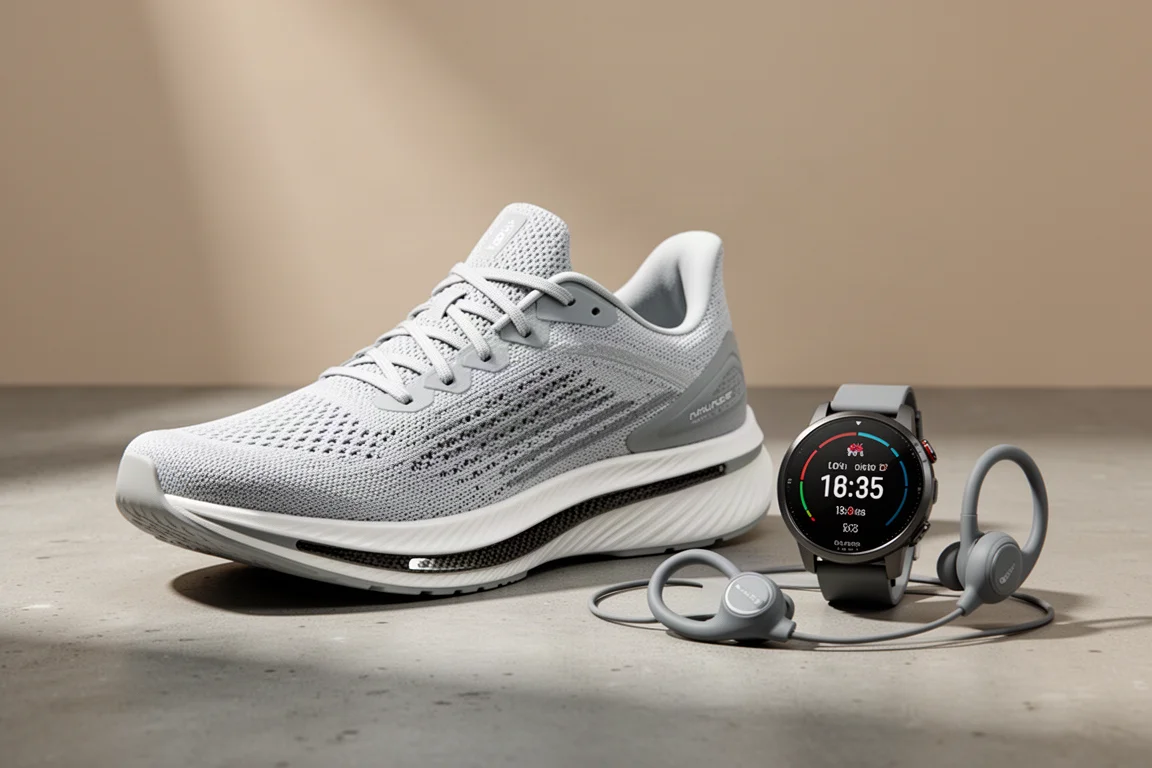
Some gear questions only get answered at race pace. That is exactly why a hot, fast, four-lap 10K in Olympic Park turned into a proper field test. The headline product on test was the ASICS MetaSpeed Edge Plus, a carbon-plated racer that promised to suit shorter distances better than its Sky sibling has for some runners. Along for the run: the Garmin Forerunner 955, evaluated against another Garmin multi-band watch, and the Cleer Arc, an open-ear headphone with a hinge design rather than the usual bone conduction approach.
The Race Test: A Hot 10K in Olympic Park
The course itself is quick and mostly flat, with a few twists and turns, but it is also very exposed across its four laps. With a 7am start and temperatures already high, the run became as much a test of heat management as of gear. The finishing time landed around 42 to 43 minutes, well off a personal best, with several stops to recover from the heat.

Those interruptions matter when judging gear, because the shoe and watch were only tested in earnest during the stretches of actual running. Within those stretches, though, all three products got a fair workout on a route that rewards fast, rhythmical running.
How the Edge Plus Performed at 10K
The headline result was positive. The MetaSpeed Edge Plus felt noticeably better suited to short-distance racing than the MetaSpeed Sky and Sky Plus have, particularly when picking up the pace and moving through the gears. The likely explanation lies in the design differences between the two: the Edge Plus positions its carbon plate closer to the sole and adds extra foam, with a slightly different silhouette overall. That combination seems to reward the quicker cadence and shorter steps that come naturally at 5K and 10K effort, whereas the Sky family appears better matched to longer, stride-opening marathon-style running.
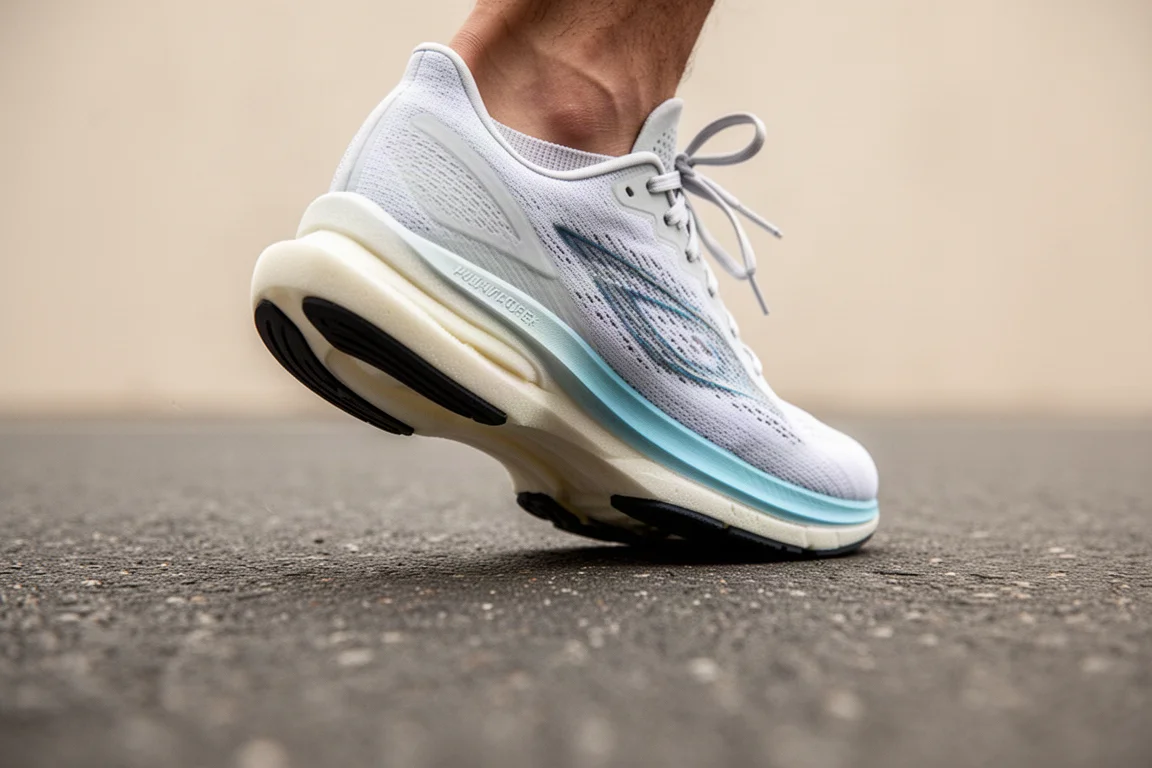
On a course with twists and turns, the outsole held up well, and the ride felt good exactly when it needed to, in the fast sections. The fit mirrors the Sky and Sky Plus experience: a thin, light upper, a thin tongue, a small amount of padding around the heel, a secure midfoot, and a decent amount of room up front in the toe box. The laces are an improvement, feeling lighter than before. After this initial run, the Edge Plus is a shoe worth spending a lot more time in.
Garmin Forerunner 955: Multi-Band Tracking in a Tricky Course
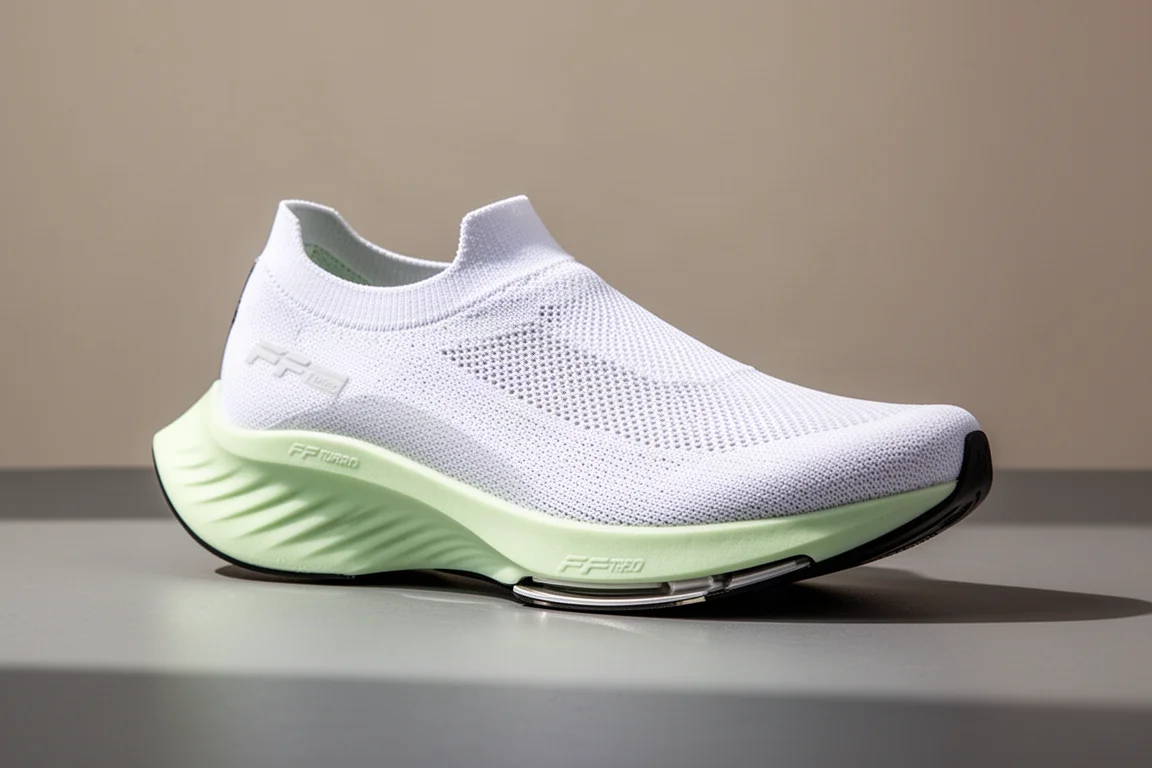
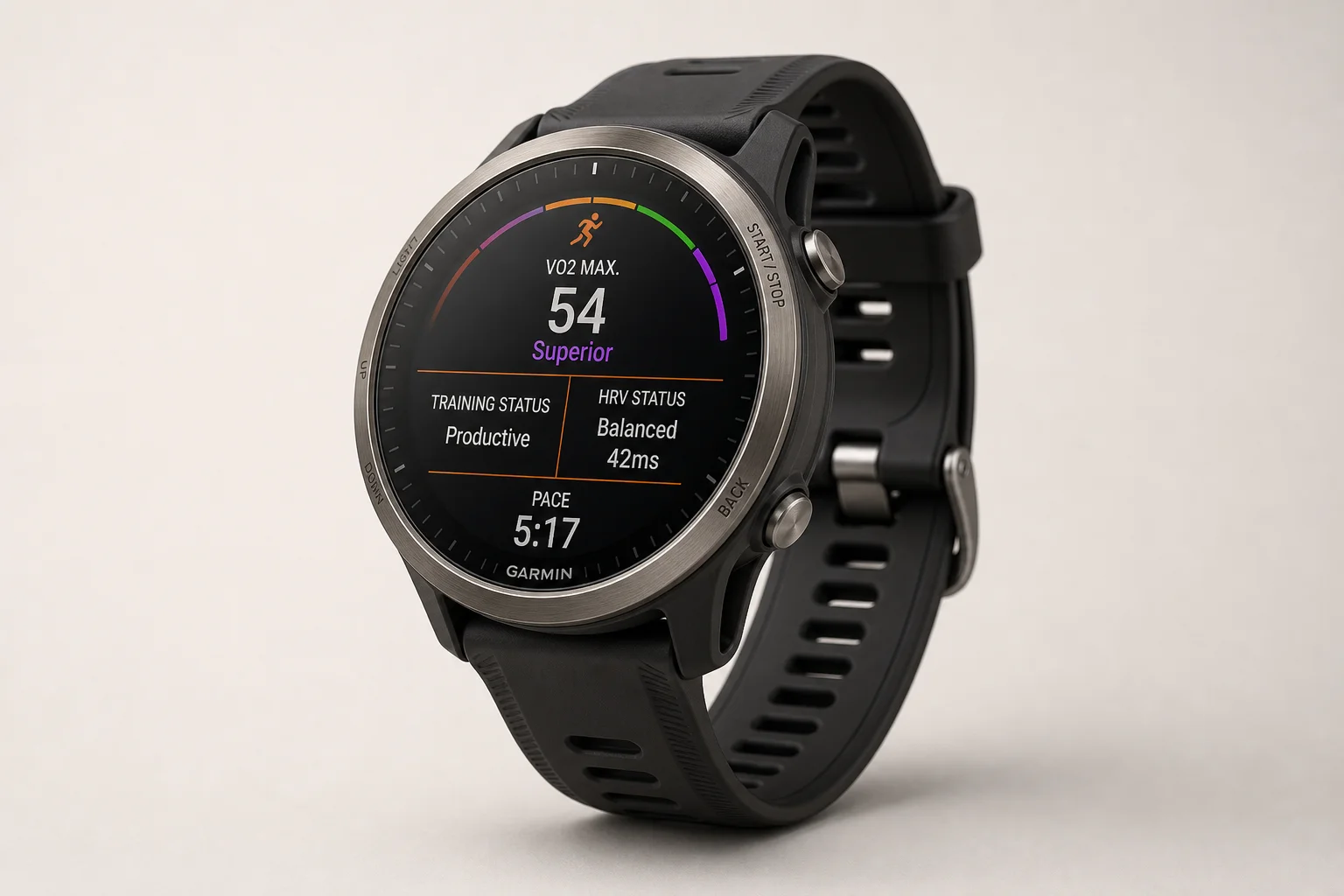
The Forerunner 955 was run in multi-band mode against another Garmin multi-band watch on a course known to be difficult for GPS. The result was reassuring: the two watches produced essentially identical data, and the 955 delivered accuracy that was easy to be happy with on a route where GPS can struggle. Battery drop-off in multi-band was also very similar between the two.
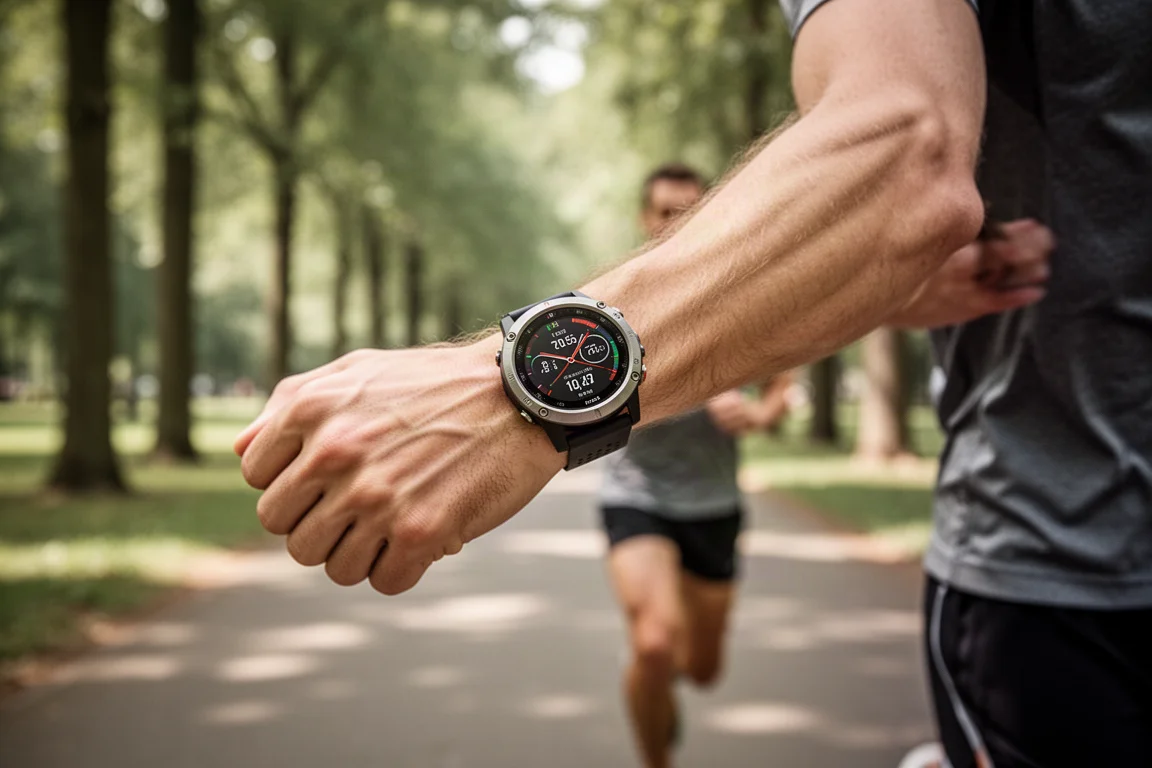
Heart rate is the weaker story. The 955’s optical sensor read a max heart rate far higher than a paired chest strap recorded during the same run, an expected consequence of optical sensing during hot, high-intensity efforts. For distance and tracking, though, the 955 performed impressively.
Cleer Arc: Open-Ear Awareness With Compromises
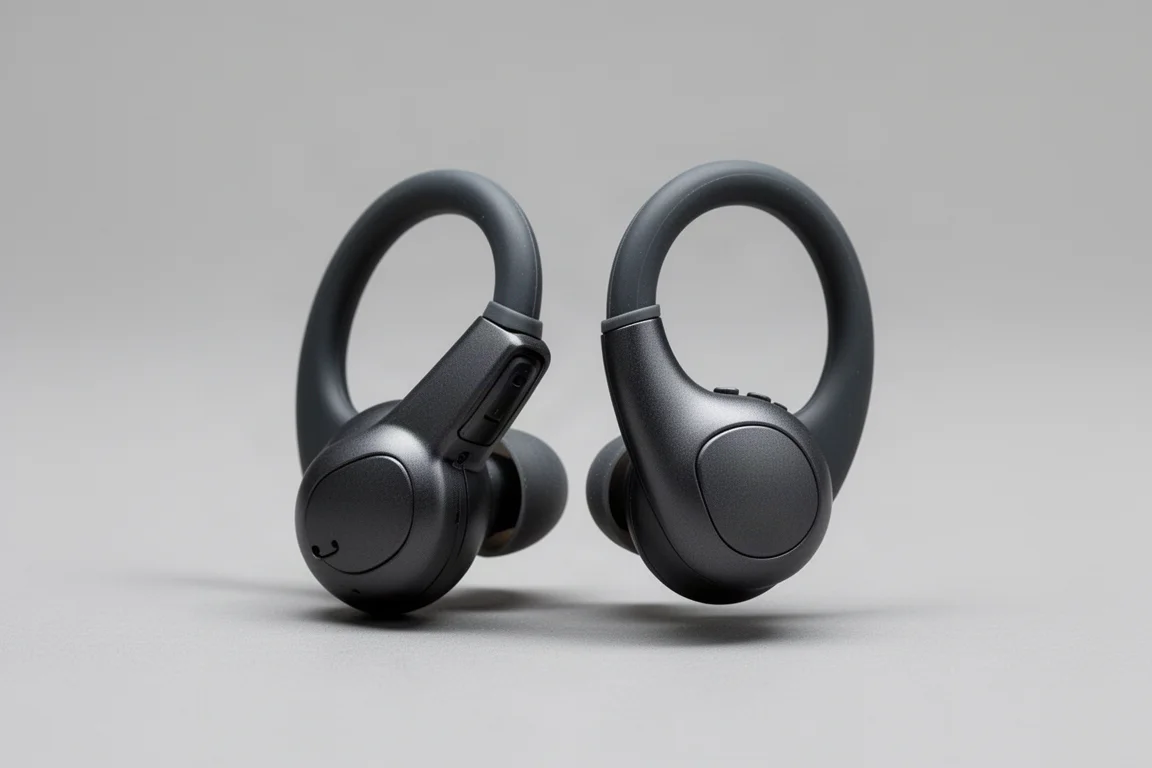
The Cleer Arc takes a different approach to open-ear listening. Instead of bone conduction, it uses a hinge design with an ear-hook shape that sits on top of the ears, keeping surroundings clearly audible. In that respect it worked nicely, staying put throughout the run. Battery performance was also solid, with roughly a five percent drop over about 40 minutes of running and a total battery life of around seven hours.
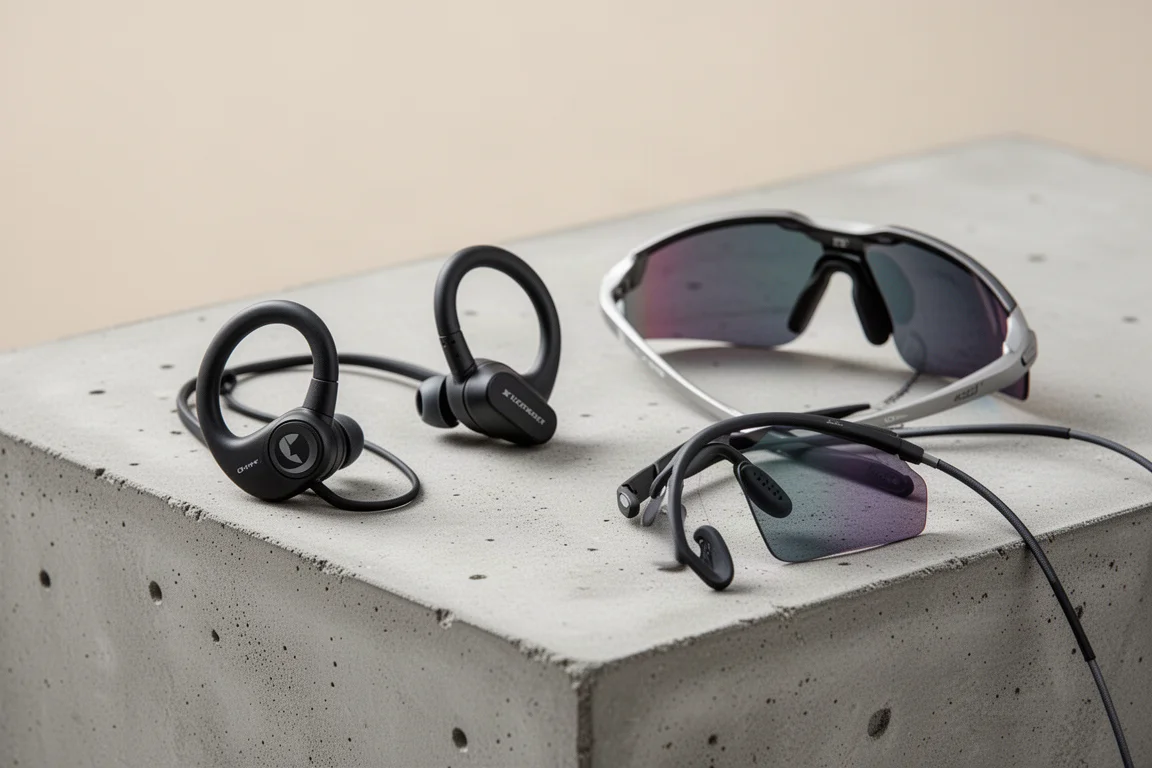
The controls are the weak point. Touch controls proved frustrating at race pace: at one point they were knocked accidentally and paused playback, and attempts to tap them back to life while moving fast simply did not work. For steady runs they may be fine, but for racing the control scheme needs thought. At £129, they sit in an interesting spot for runners who want awareness without bone conduction.
Buying Advice
Each product here suits a different need. The MetaSpeed Edge Plus makes sense for runners who race 5K and 10K distances and have not clicked with cadence-focused Sky models at those paces. The Forerunner 955 is compelling for runners who train on GPS-challenging routes and value accurate multi-band tracking and strong battery efficiency, provided they pair it with a chest strap for high-intensity heart rate work. The Cleer Arc works for runners who prioritise situational awareness and battery life, as long as they can accept fiddly touch controls mid-effort.
Conclusion
A hot, stop-start 10K is a demanding introduction, and the ASICS MetaSpeed Edge Plus came through it as the standout: comfortable, secure, and genuinely fast when the pace lifted. The Garmin Forerunner 955 matched a multi-band rival almost exactly on tracking and battery, with optical heart rate the usual caveat at high intensity. The Cleer Arc delivered open-ear awareness and respectable battery life, held back mainly by touch controls that struggle at race pace. All three are worth a closer look, depending on which part of your running setup needs the upgrade.
Further reading
Related Reviews

Running Gear
Best Running Caps 2026: Nine Tested Options for Summer and Winter
A comprehensive guide to nine running caps tested across different conditions, from lightweight summer options to waterproof winter choices.

Running Gear
Best Running Caps: A Guide to Summer and Winter Options
A comprehensive review of nine running caps for different conditions, styles, and preferences, from lightweight summer options to waterproof winter choices.
Running Gear
Best Running Gear 2026: Five Picks That Earn Their Place
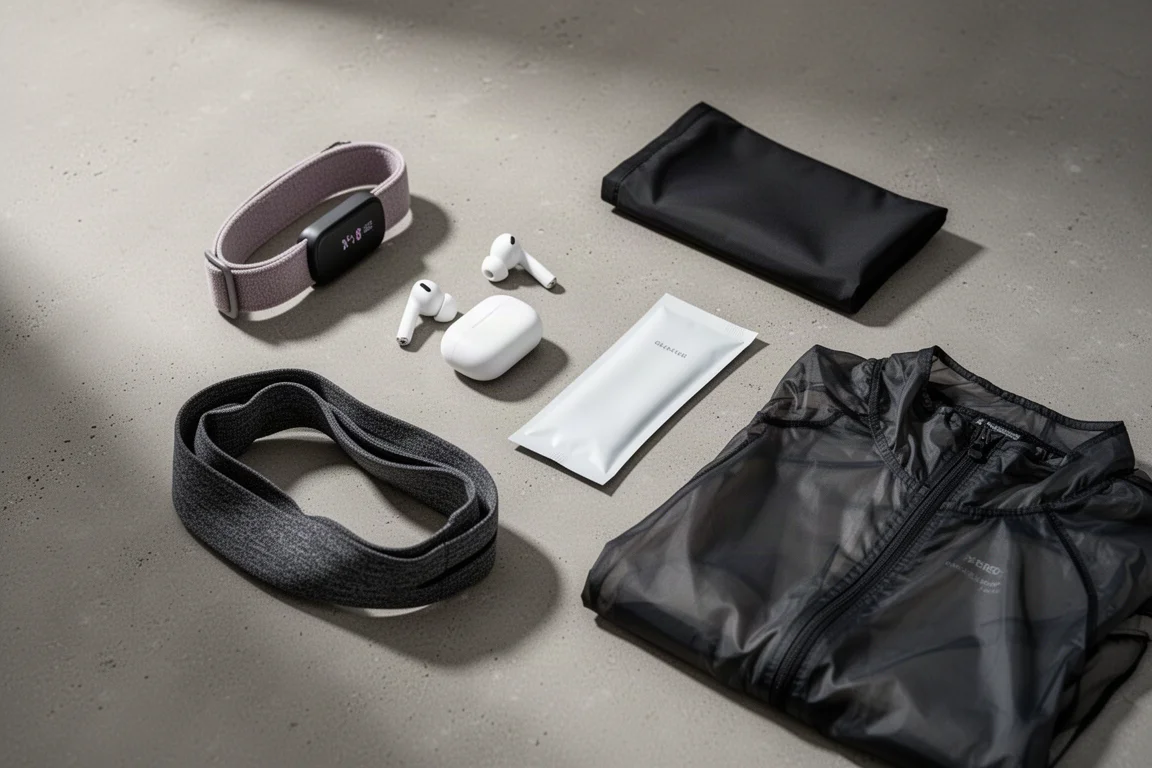
Five running upgrades covering heart rate, audio, fuelling, carrying and weather protection, with the trade-offs worth knowing before you buy.