Ski Reviews
Armada Invictus 100 Review: A Freeride-First All-Mountain Ski for Resort Days
Armada rebuilt the Invictus 100 from the ground up with a poplar core and Speed Metal laminates, delivering a playful, damp freeride ski that still holds its own on groomers.
Introduction
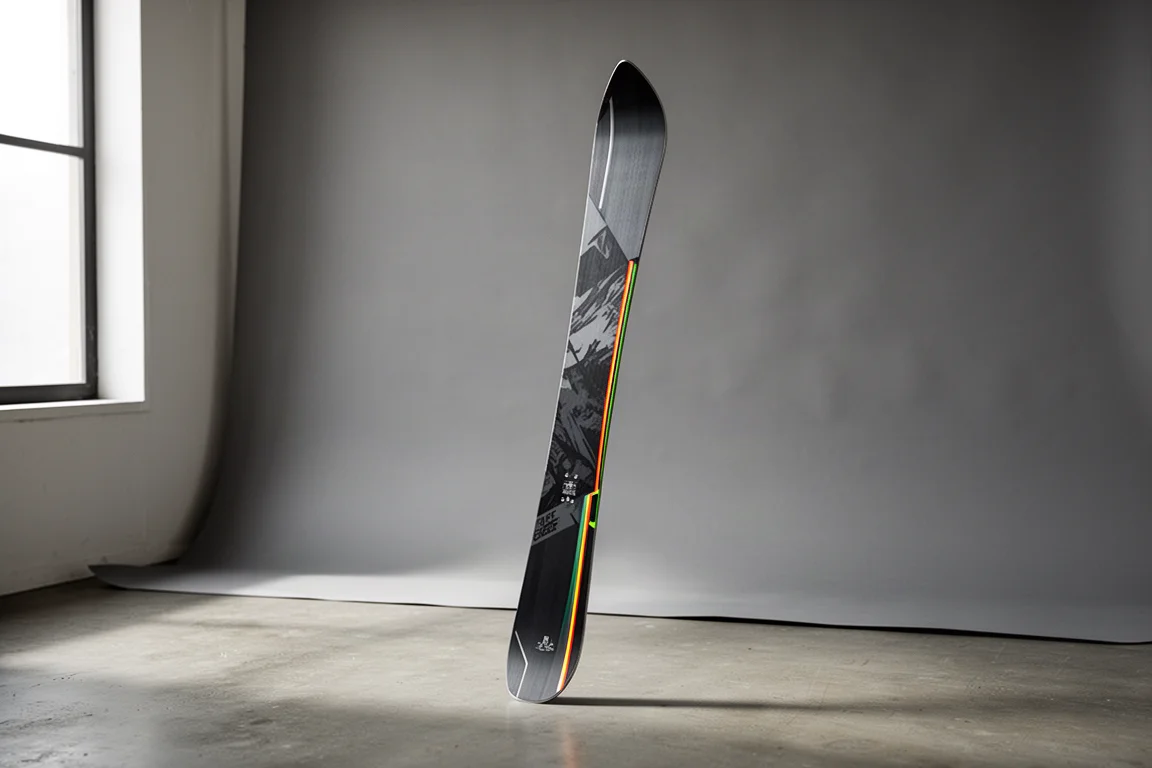
The Invictus line is Armada’s brand-within-a-brand, and the Invictus 100 is entirely new for this season: new construction, new shape, new profile, and a new mold. Rather than carry over the outgoing Declivity formula, Armada built this ski from the ground up as a narrower freeride ski aimed primarily at resort skiing.
The idea is simple: take the character of the Invictus 114, the freeride competition ski developed with Max Palm and Ben Richards, and compress it into a 100 mm waist width. The result trades big-mountain and powder-day specificity for all-mountain versatility, while staying freeride-inspired first and foremost.
Who This Product Is For
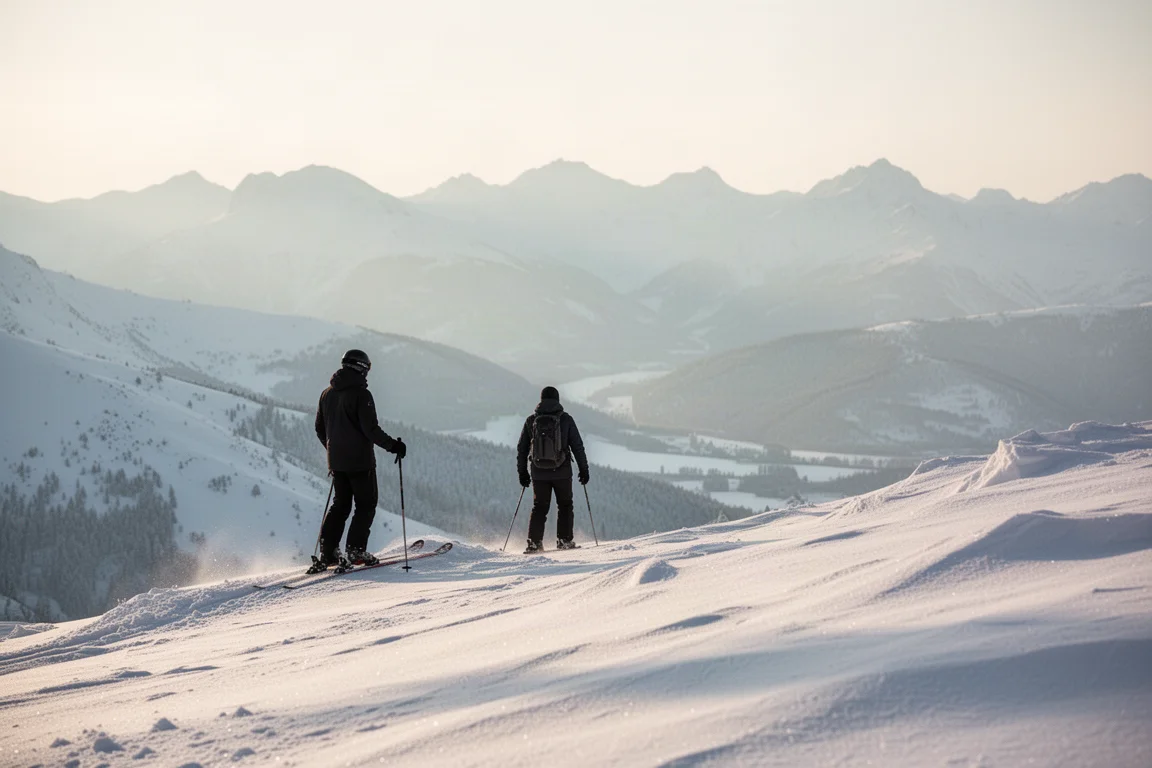
This ski suits resort skiers who spend most of their time off the piste and in softer snow, but who still want something manageable day to day. If you regularly ski bottomless snow, multiple feet of fresh, or big mountain terrain, the Invictus 114 remains the better tool. For most resort applications and moderately deep snow, the 100 covers the range well.
Testers described it as a ski you can take pretty much anywhere, with the caveat that it is a freeride ski first and an all-mountain ski second. The steeper and more exposed the terrain you feed it, the better it performs.
Construction and Design
The Invictus 100 uses a poplar wood core paired with Speed Metal laminates, two sheets of metal that are narrower and more specifically shaped for this ski than the one-size metal in the outgoing Declivity X 102. That tuning adds power while keeping the overall feel damp and smooth without becoming overly demanding.
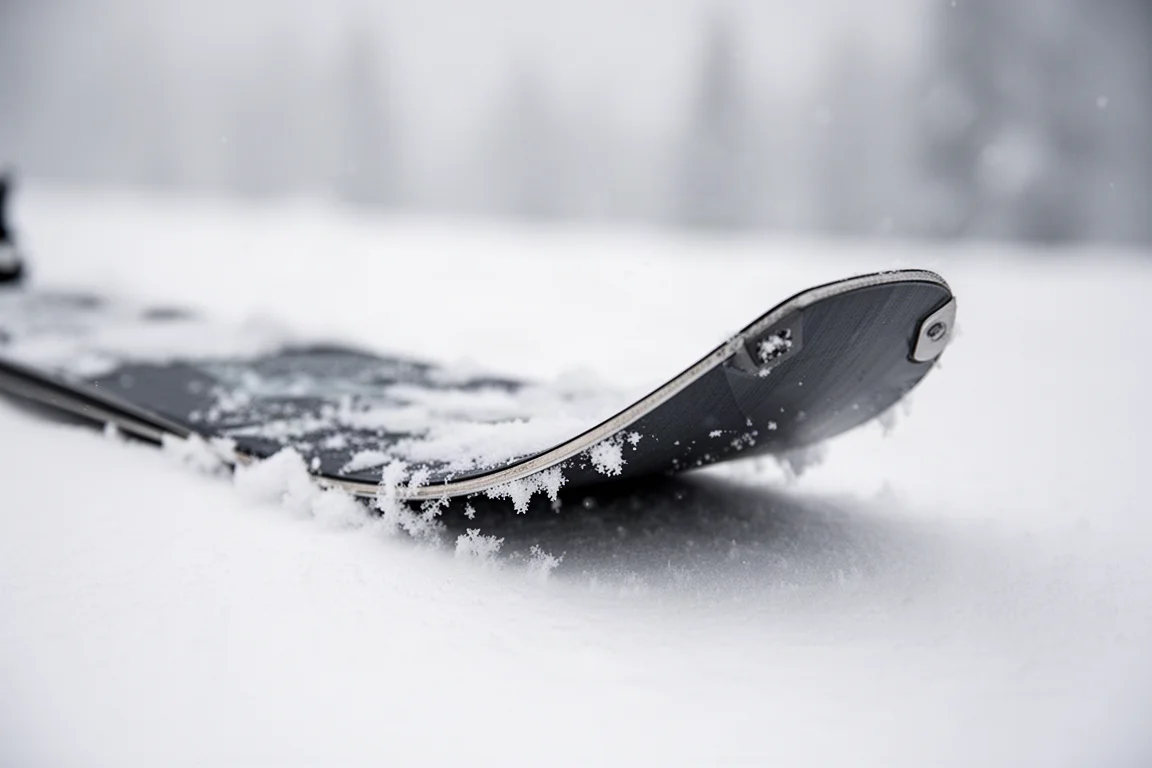
The core profile is thinner than the one used in the Invictus 92, which pushes the 100 further toward that freeride feel and adds flotation. The flex pattern is even and energetic, and the build keeps the ski light enough to stay mobile.
Shape, Profile and Float
Positive camber sits underfoot without feeling terribly stiff, and a long tip rocker pairs with a more pointed, tapered shape. The widest part of the ski is pulled well down into the forebody, which gives it a floaty feel for a 100 mm ski and makes it genuinely usable on powder days.
At 175 cm, the ski weighs a claimed 1,765 grams. There is some weight there, but the maneuverability comes mainly from the shape and profile: it is easy to get sideways and use in a playful, creative way, which is exactly what the freeride character is about.
On-Snow Performance
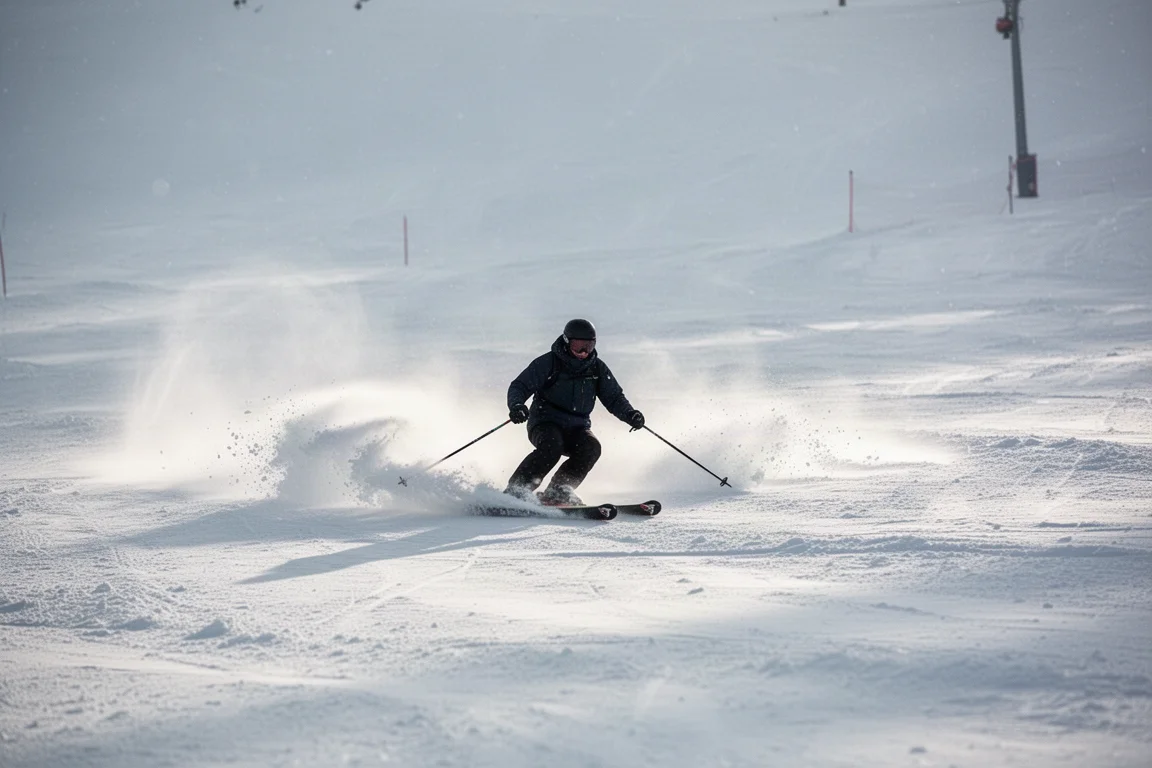
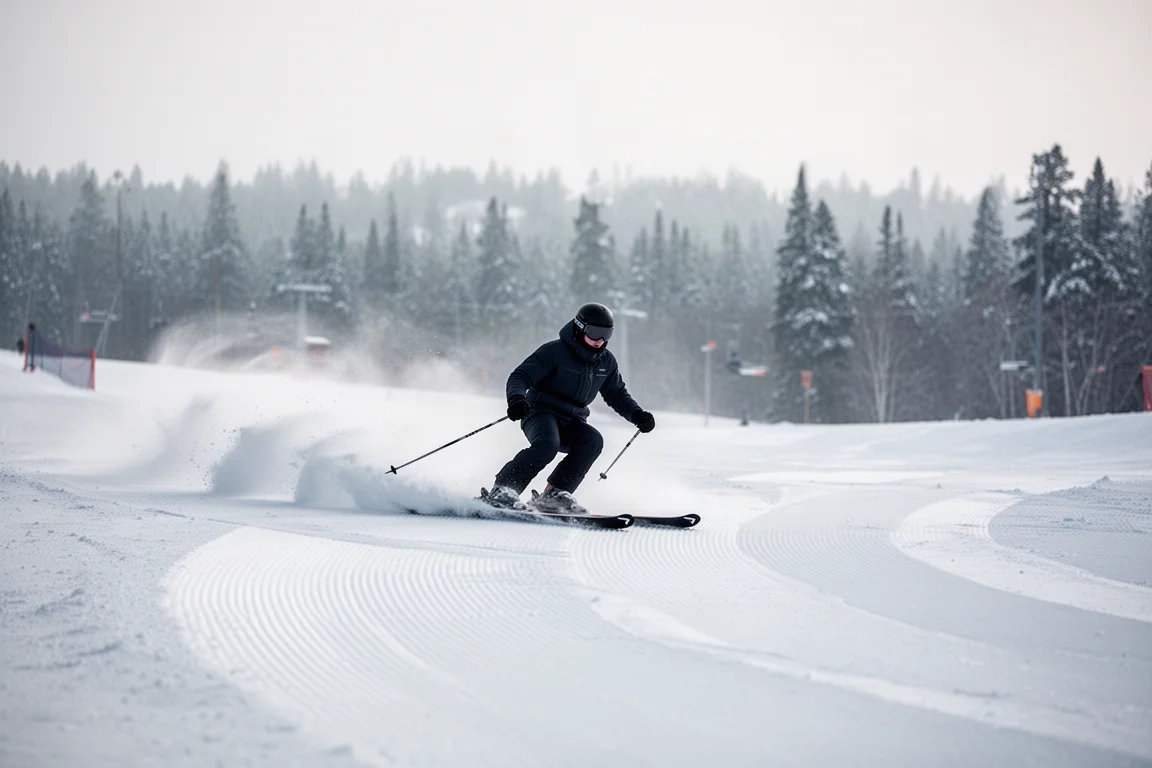
The 17.5 m turn radius on paper matters less than it sounds, because the ski’s ability to break free of the arc and smear turns makes that number somewhat irrelevant. It can get up on edge and come around into a clean, round turn, but that is not its strength.
Where it shines is in playfulness: pressuring the tips and tails in different ways, drifting, smearing, and shaping turns creatively while still carrying enough suspension to handle three-dimensional, polyvalent snow conditions. It encourages a shapely, loose style rather than demanding a locked-in carve.
Things to Consider Before Buying
In multiple feet of fresh snow, you will start to sink a bit, which is where stepping up to the Invictus 114 pays off. And if your priorities lean more toward all-mountain carving than freeride, the Invictus 92 picks up right where the 100 leaves off, with similar constructions but a very different style thanks to a thicker core, different shape, and different profile.
The 1,765 g weight at 175 cm is worth noting for anyone counting grams, though testers found it still light enough to stay mobile in most situations.
Buying Advice
Think of the Invictus 100 as the middle point in Armada’s freeride range: more versatile in a resort setting than the 114, more freeride-flavored than the 92. If your season is mostly lifts and sidecountry laps with the occasional deeper storm day, this is the ski in the family that makes the most sense.
Conclusion
The Armada Invictus 100 is a freeride ski first and an all-mountain ski second, and it is better for it. The new construction keeps things damp and smooth without being demanding, the tapered shape and long tip rocker give it float well beyond its 100 mm waist, and the easy, smearing turn style makes it genuinely fun in softer snow. For skiers who value playfulness and creativity over locked-in carving, it is an easy recommendation for the resort and sidecountry laps.
Product link
View more details for Armada Invictus 100
This product is mentioned in the review. Check the specifications, options, and compatibility before buying.
View more details for Armada Invictus 100Further reading
Related Reviews
Ski Reviews
Armada Antimatter 108 Review: A Freeride Ski Built for Speed and Deeper Snow
The Armada Antimatter 108 carries over the beloved Declivity X 108 shape with new construction that adds compliance in soft snow and composure in crud, aimed squarely at strong, aggressive skiers.
Ski Reviews
Armada Antimatter 92 vs Invictus 92: Two All-Mountain Skis Compared
A closer look at two Armada all-mountain skis, one playful and nimble, the other composed and smooth, to help you pick the right one for your skiing.
Ski Reviews
Armada Antimatter 92W Review: A Smoother Take on a Proven All-Mountain Footprint
The Antimatter 92W keeps the trusted Reliance 92Ti footprint but softens the ride with a new metal construction, making it more versatile in softer snow without losing on-trail grip.