Ski Reviews
Armada ARV 88 vs ARV 100: Which Park Ski Fits Your Style?
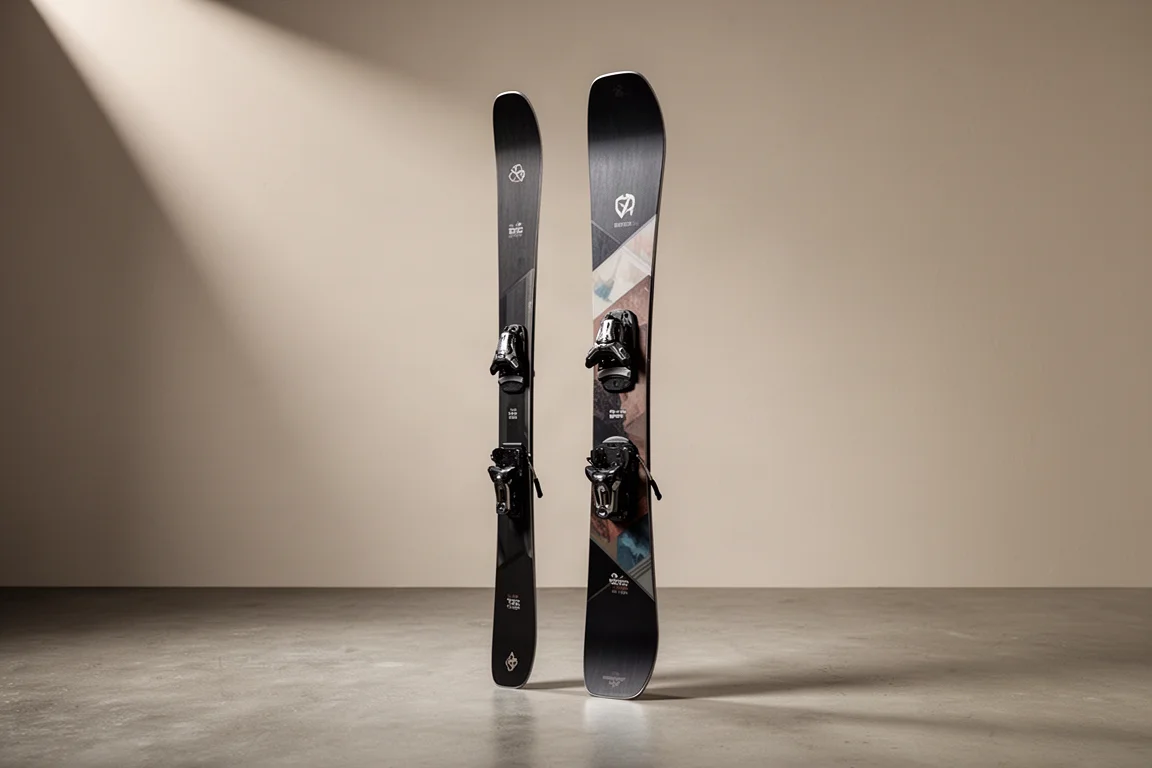
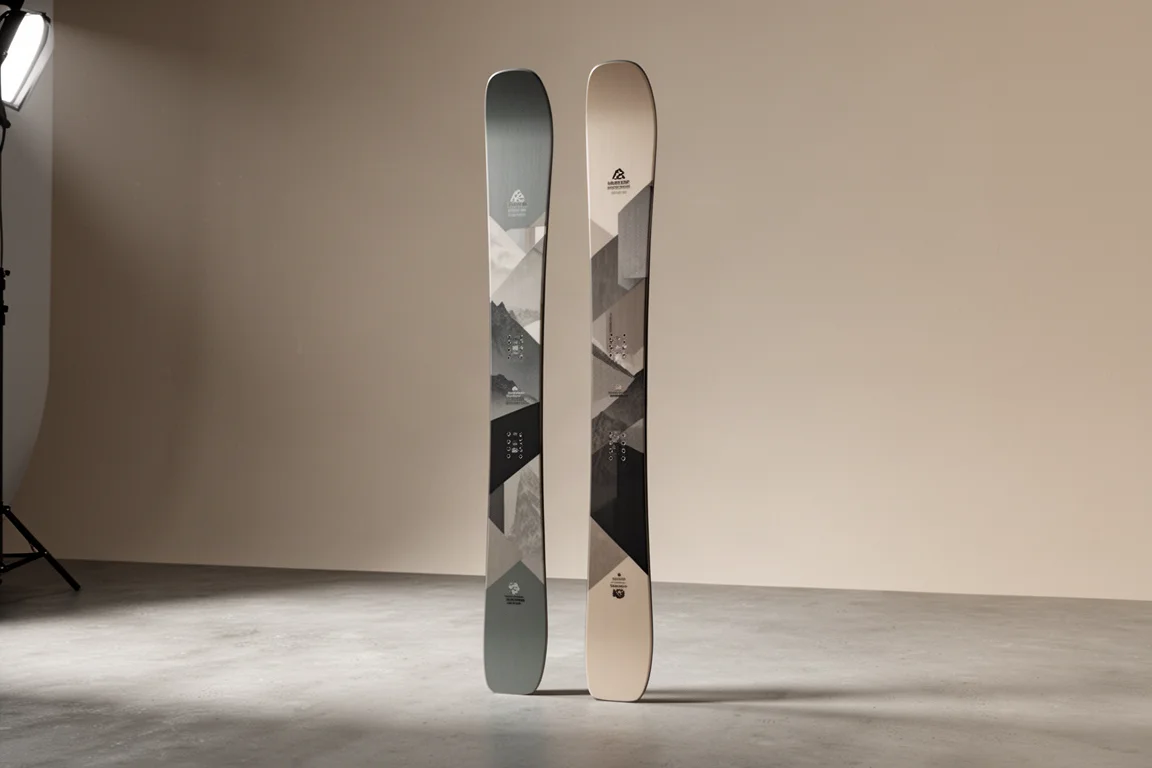
Two Armada park skis with shared construction but very different personalities. Here is how to pick between the precise, competition-leaning ARV 88 and the more playful, rocker-rich ARV 100.
Introduction
Armada has been building twin-tip skis longer than most brands, and it shows in the current ARV family. These skis range from very park focused to only somewhat park focused, and the two most interesting points on that spectrum are the ARV 88 and the ARV 100.
They share the same core construction philosophy, but their shapes push them in noticeably different directions. One is built for precise, technical, almost competition-style park skiing. The other leans into butters, presses, and general freestyle creativity. Choosing between them is not about which ski is better; it is about which style of skiing you actually do.
What They Share: Construction and Build Quality
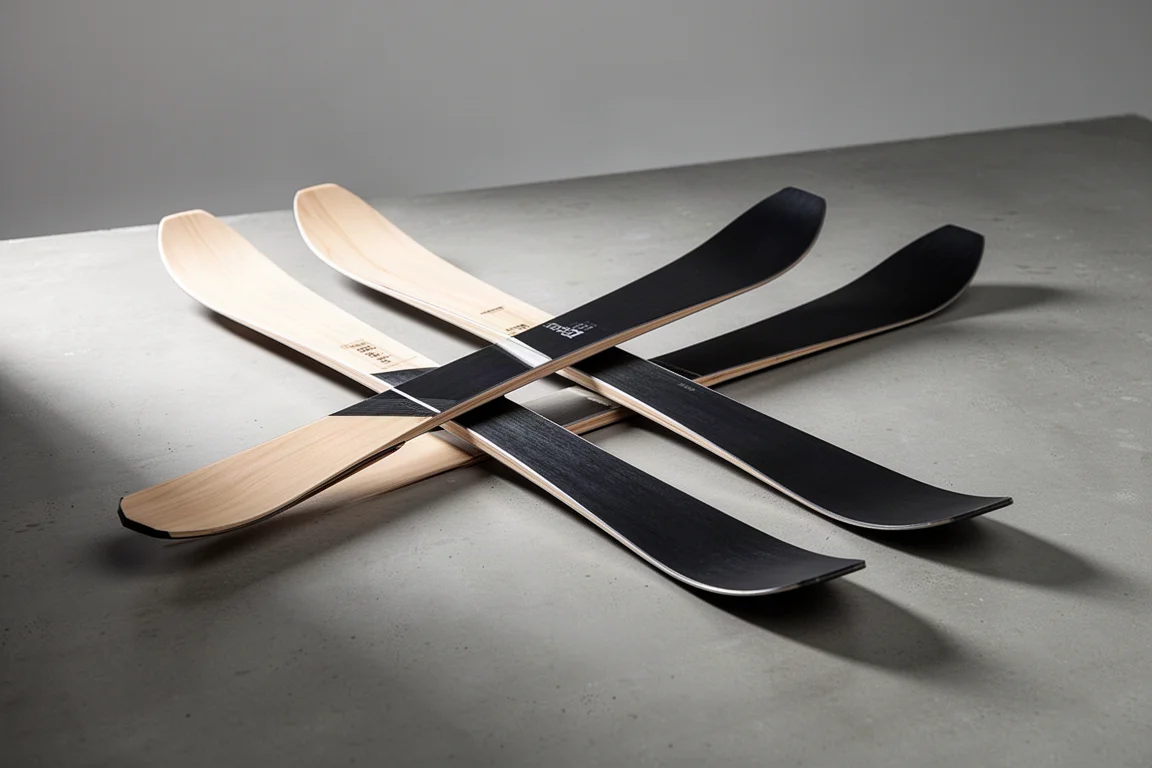
Both skis use a poplar wood core, a change Armada made a few years ago that has aged well. Poplar is durable, delivers a good flex pattern, and sits in a sweet spot on weight: dense enough to feel solid, but far from heavy.
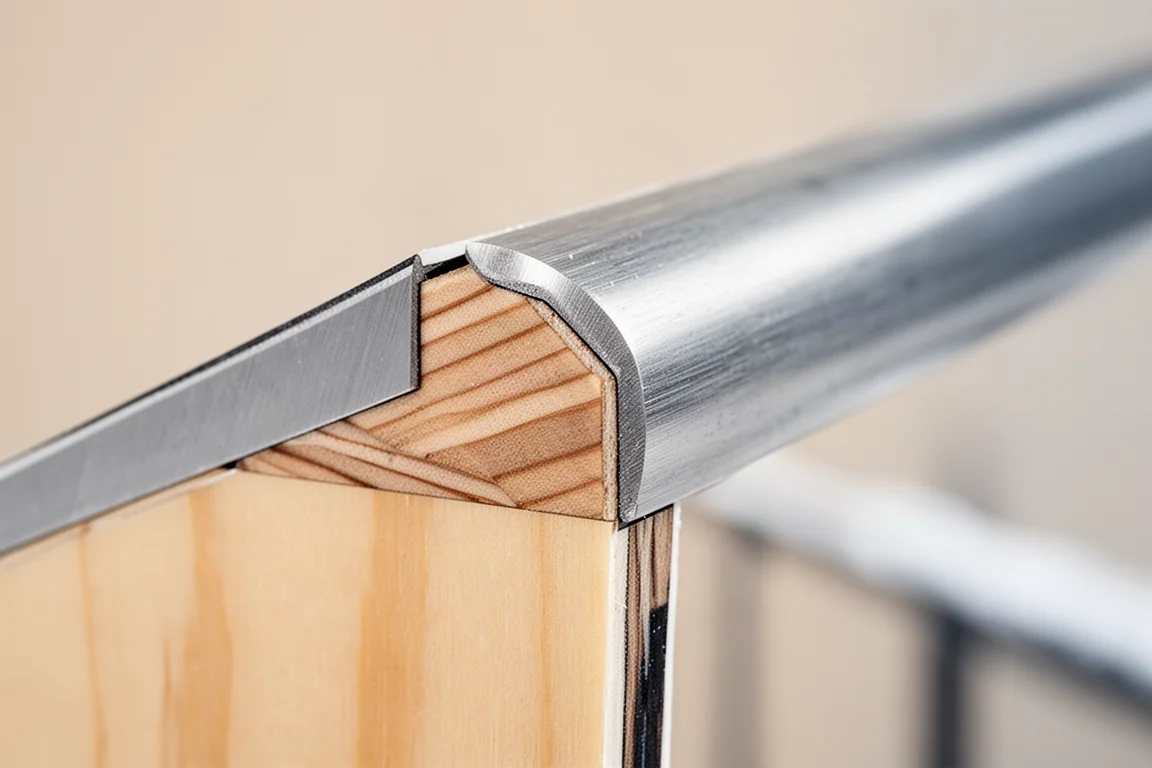
They also both use Armada’s Wedge Wall sidewall construction. Instead of a vertical relationship between the wood core and the sidewall, the two elements meet at an angle so that impacts on rails push them together rather than apart. For anyone who spends serious time sliding rails, that is a meaningful durability feature.
Armada ARV 88: The Dedicated Park Specialist
If the ARV line spans from very park focused to somewhat park focused, the ARV 88 sits at the very park focused end, and it is arguably the most park-oriented ski in the family. At 120-88-114mm, it is nearly symmetrical and clearly meant to be center mounted. There is a lot of camber here with only a touch of rocker in the tips and tails, which makes the ski more precise and more responsive, especially for spins on and off rails and quick switch-ups.
Weight is a genuine strength. A 176cm ski weighs around 1,690g, which keeps swing weight low for big spins and makes long sequences of switch-ups noticeably easier to maneuver through. The flex is deliberately middle of the road: supportive enough for landing big jumps, soft enough to stay playful and fun on rails.
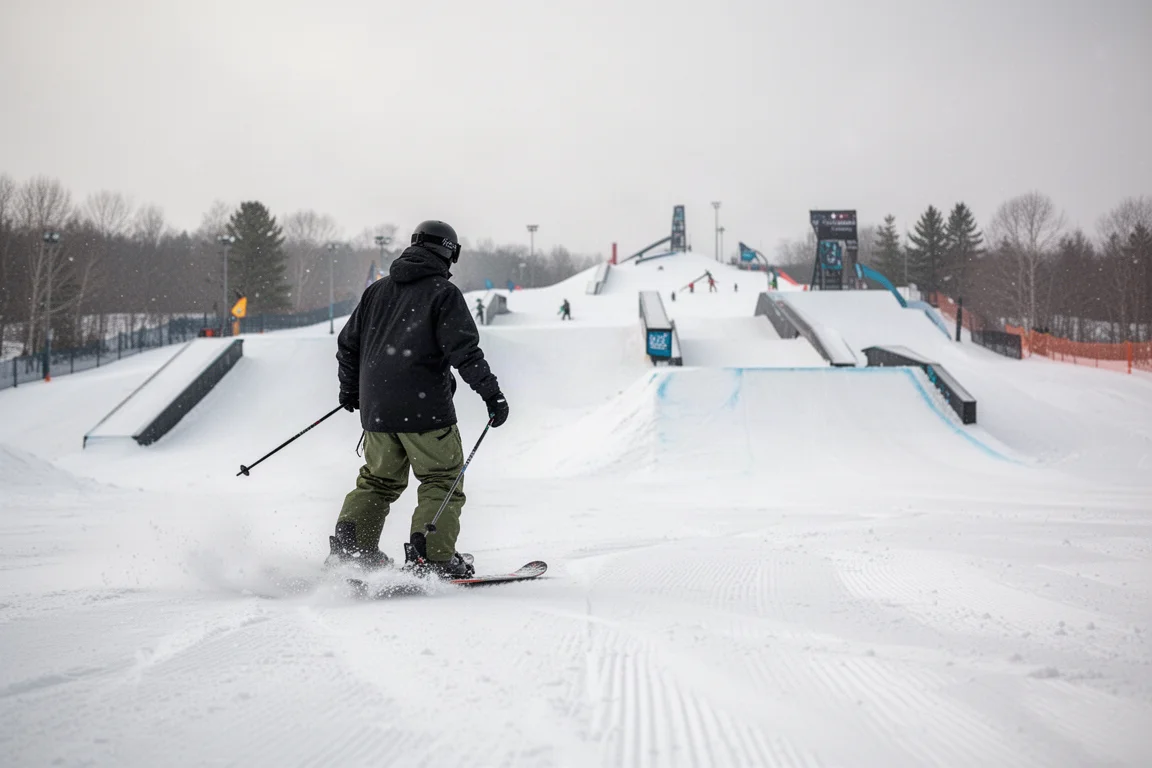
On groomers it performs better than you might expect from a centered, narrow park ski, but nobody should buy this ski for anything other than park-first use. It has some capability outside the park, and it can even carve well, yet there are skis that do those things better if park performance is off the table entirely.
That durability story is worth repeating for park skiers. The angled Wedge Wall sidewall design is specifically aimed at people who hammer rails all season.
Armada ARV 100: More Rocker, More Creativity
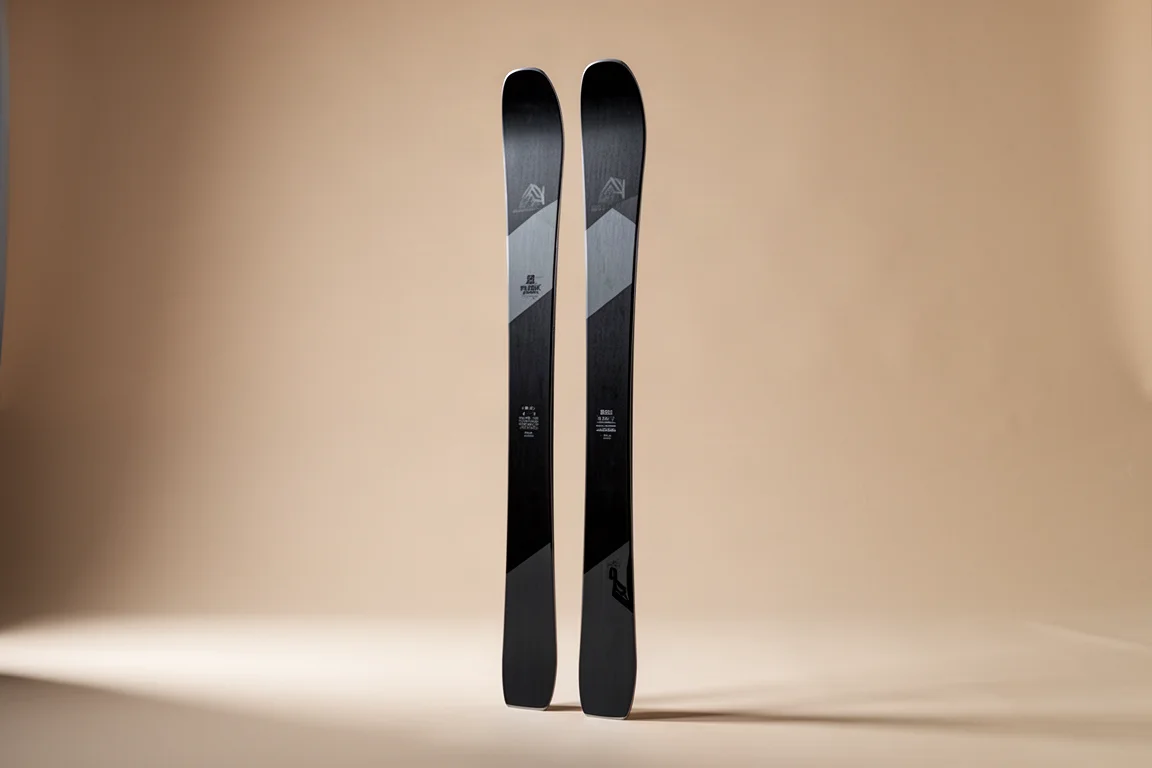
Go two widths up in the same family and the character changes. The ARV 100 shares the same construction but carries noticeably more rocker in the tips and tails than the ARV 88. That translates into a looser, more forgiving feel and a ski that inspires butters and general creativity in the park.
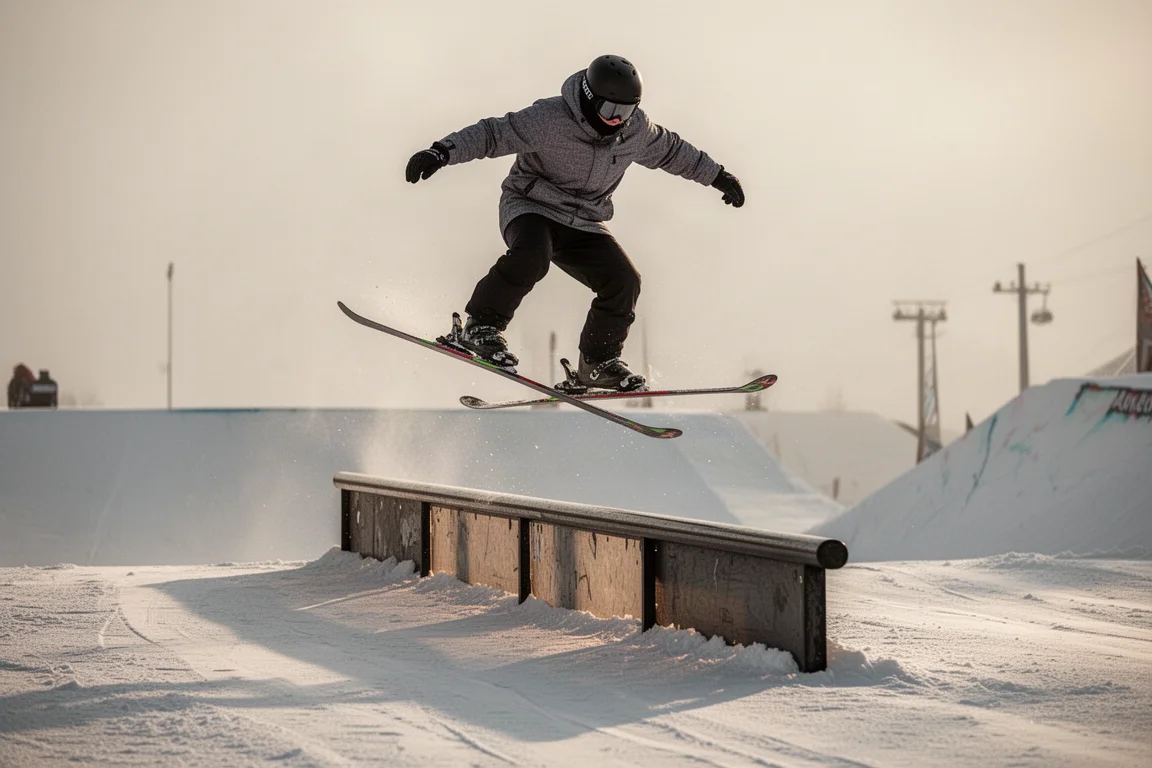
Where the ARV 88 rewards precision, the ARV 100 rewards imagination. Presses, nose butters, and freer-form park lines feel more natural on a platform with this much tip and tail rise. Neither choice is right or wrong; the difference is stylistic preference, and many skiers who can own both genuinely enjoy having both.
Which One Should You Buy?
The ARV 88 is a great fit for technical park skiers pushing their limits: bigger spins, spins on and off rails, multiple switch-ups, and other high-level park tricks. It is also surprisingly approachable for beginners, since narrower park skis tend to be easier to get started on, so a first-year park skier can absolutely have fun on it too.
The ARV 100 makes sense for riders who want the freestyle side of park skiing to feel effortless, with more surface area and more rocker for butters and creative lines. It will also feel more at home in soft snow and on occasional non-park days than its narrower sibling.
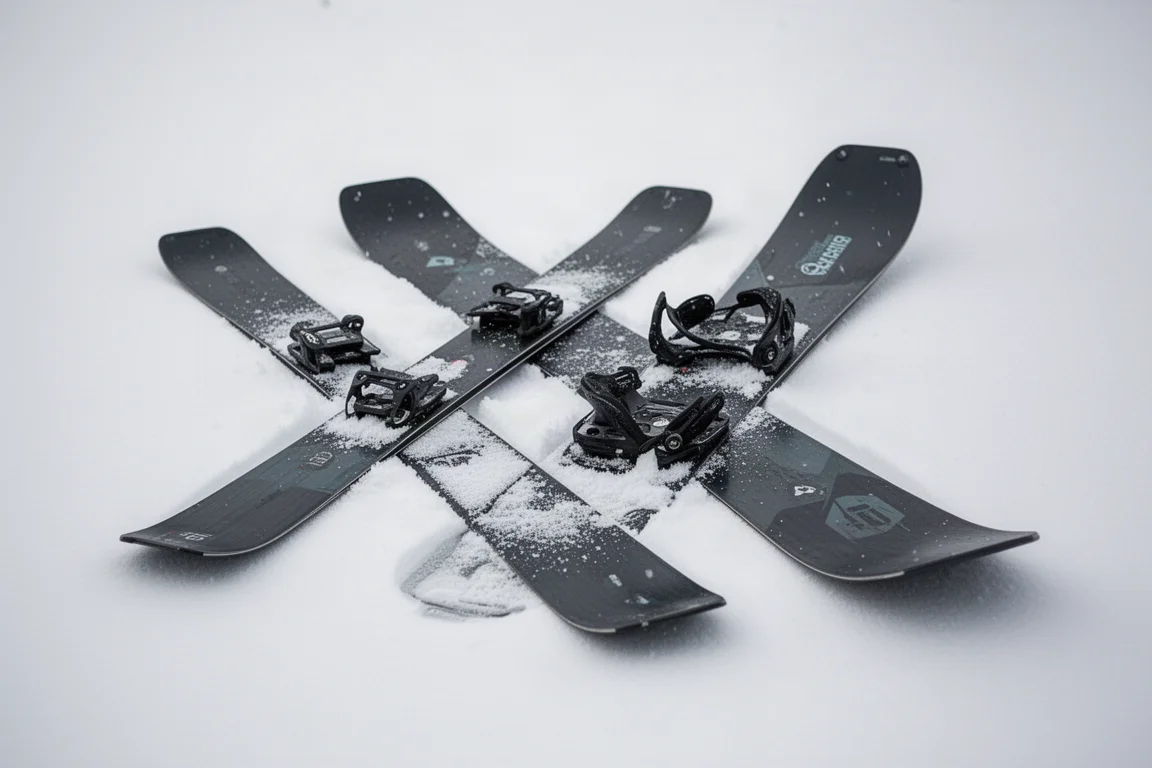
If your days are mostly laps through the park and your goals are technical tricks, the ARV 88 is the stronger pick. If your style is looser and more creative, or you want a little more versatility off-piste, the ARV 100 earns its wider footprint.
Conclusion
Armada’s long history with twin tips pays off in both of these skis. The ARV 88 is an excellent, lightweight, precise park tool with strong durability features and just enough flex to stay fun, while the ARV 100 trades some of that precision for playfulness and more tip and tail rise. Match the ski to your style and you will be happy with either one.
Further reading
Related Reviews
Ski Reviews
Armada Antimatter 108 Review: A Freeride Ski Built for Speed and Deeper Snow
The Armada Antimatter 108 carries over the beloved Declivity X 108 shape with new construction that adds compliance in soft snow and composure in crud, aimed squarely at strong, aggressive skiers.
Ski Reviews
Armada Antimatter 92 vs Invictus 92: Two All-Mountain Skis Compared
A closer look at two Armada all-mountain skis, one playful and nimble, the other composed and smooth, to help you pick the right one for your skiing.
Ski Reviews
Armada Antimatter 92W Review: A Smoother Take on a Proven All-Mountain Footprint
The Antimatter 92W keeps the trusted Reliance 92Ti footprint but softens the ride with a new metal construction, making it more versatile in softer snow without losing on-trail grip.