Skis
Armada ARV 106 Review: A Playful 106 mm Twin Tip With Real Stability
A close look at the Armada ARV 106, a new-for-2025 freestyle twin tip that balances playfulness, flotation, and enough torsional stiffness to trust at speed.
Introduction
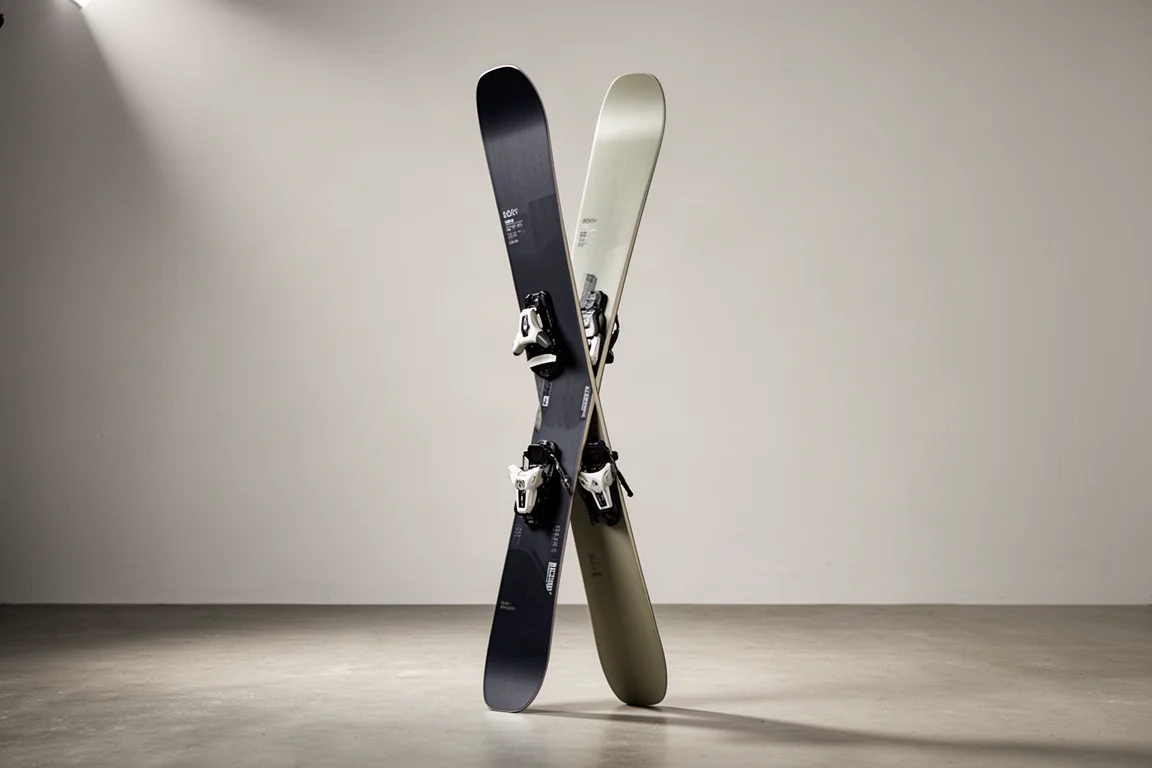
The Armada ARV 106 is a new ski for 2025, and it lands in a category where a lot of skiers shop: the playful all-mountain twin tip. The narrower ARV models were reworked for 2024, and what was learned there carried into this wider platform. The result is that the ARV 106 now shares a much more similar shape with the ARV 94 and ARV 100 than the ski it replaces.
At 106 mm underfoot and just over 2,000 g in the 180 cm length, it sits in a genuinely useful middle ground. It is not the lightest ski you can find in the hybrid touring world, and it is nowhere near the heaviest either. The same balanced thinking shows up in the flex pattern, which is soft enough to stay playful in soft snow but supportive enough that it never feels like a noodle.
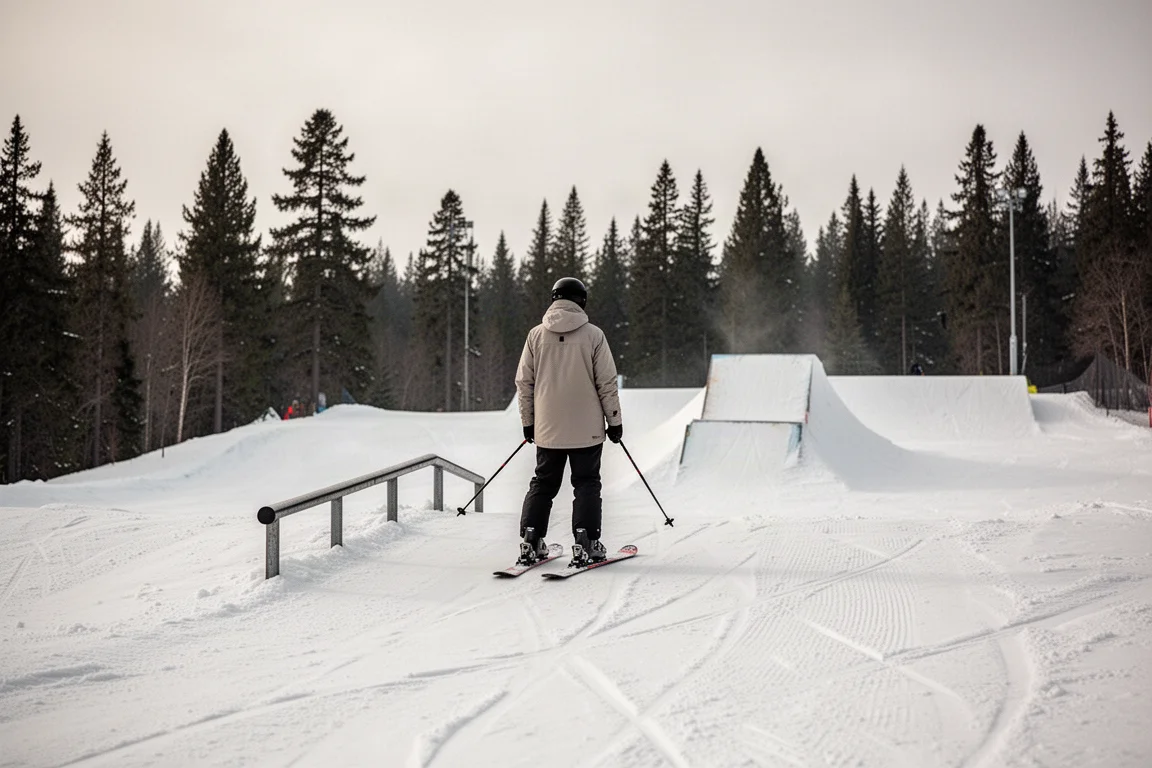
The short version: this is a ski designed to be creative and fun in soft snow, with enough backbone that you can trust what is underneath your feet when the terrain gets steeper or the snow gets less forgiving.
Who This Ski Is For
The ARV 106 makes the most sense for skiers who want one twin tip that covers a lot of ground. If your days mix soft snow, natural features, jump sessions, and faster laps back inside the resort, this is the profile of ski that keeps up.
It also suits skiers coming from narrower freestyle skis who want more float without giving up the quick, loose feel that makes a twin tip enjoyable. The shape change for 2025 means anyone who liked the current ARV 94 or ARV 100 has a wider sibling that feels related rather than unrelated.
Construction and Shape
All ARV models now use a poplar wood core, which is a change from what the narrower widths used previously. Underfoot there is an ash binding insert, a small detail that helps with binding retention over the life of the ski.
The sidewall is where things get more interesting. The ARV 106 uses Wedge Wall technology, so the sidewall has a triangular profile where it meets the wood core, working a bit like a joinery technique. When you impact a rail, a rock, or anything firm, the geometry pushes those two elements together rather than splitting them apart the way a traditional sidewall can interact with a core.
Rocker and camber follow a familiar pattern for this category, with a new rocker profile and a new taper shape compared with the ski this model replaces.
On-Snow Performance
Recorded test scores tell a consistent story. Torsional stiffness came in at 7 out of 10, which was the lowest score the ski received, while flotation reached 9 out of 10, playfulness hit 10 out of 10, quickness landed at 9 to 10 out of 10, and overall impression came in at 9 out of 10.
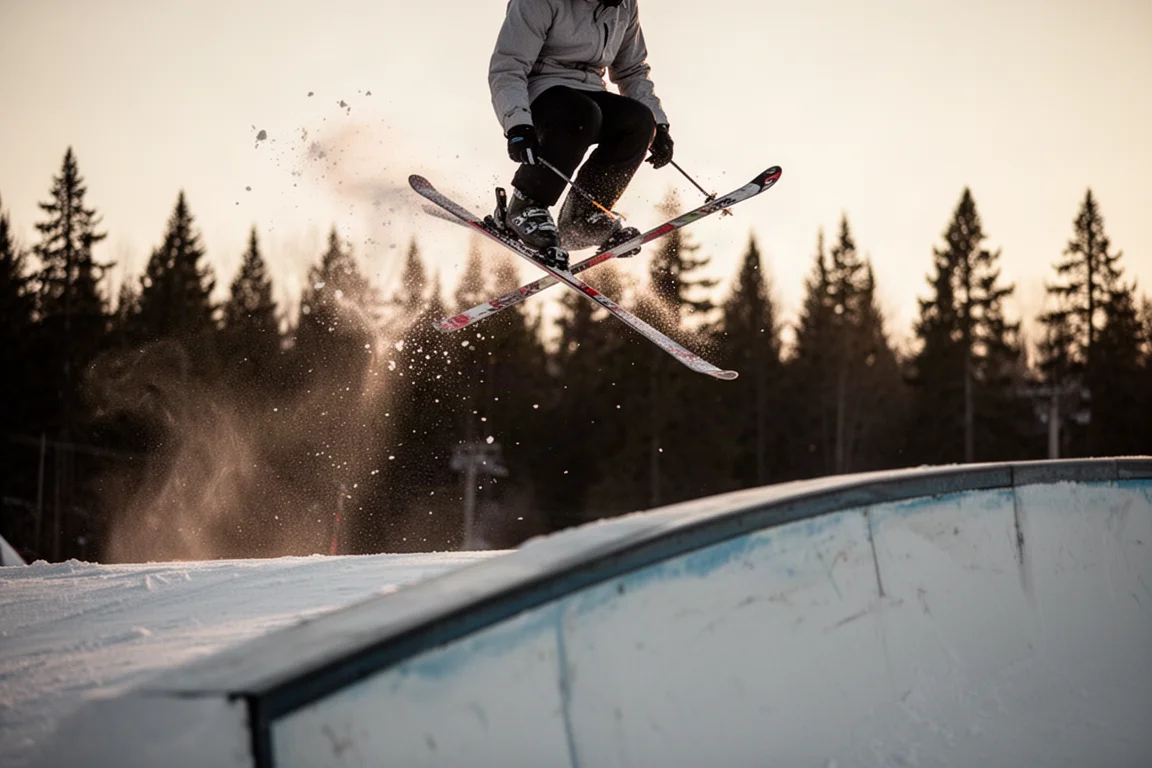
That 7 out of 10 for torsional stiffness is notable for a 106 mm twin tip, because it means the ski is not purely a soft, jib-oriented shape. In practice the ski delivers a real mix of maneuverability and playfulness alongside a decent amount of stability. Steep terrain felt manageable, and a landing into icier moguls after an unplanned jump was handled well rather than punished.
It is worth being clear about the ceiling here. This is not the most powerful ski in the class. A more hard-charging 108 mm freeride ski built for down-the-fall-line big mountain skiing will out-muscle it. But the ARV 106 is far from a noodle, and that combination of creativity and trust is exactly the point.
Terrain and Conditions
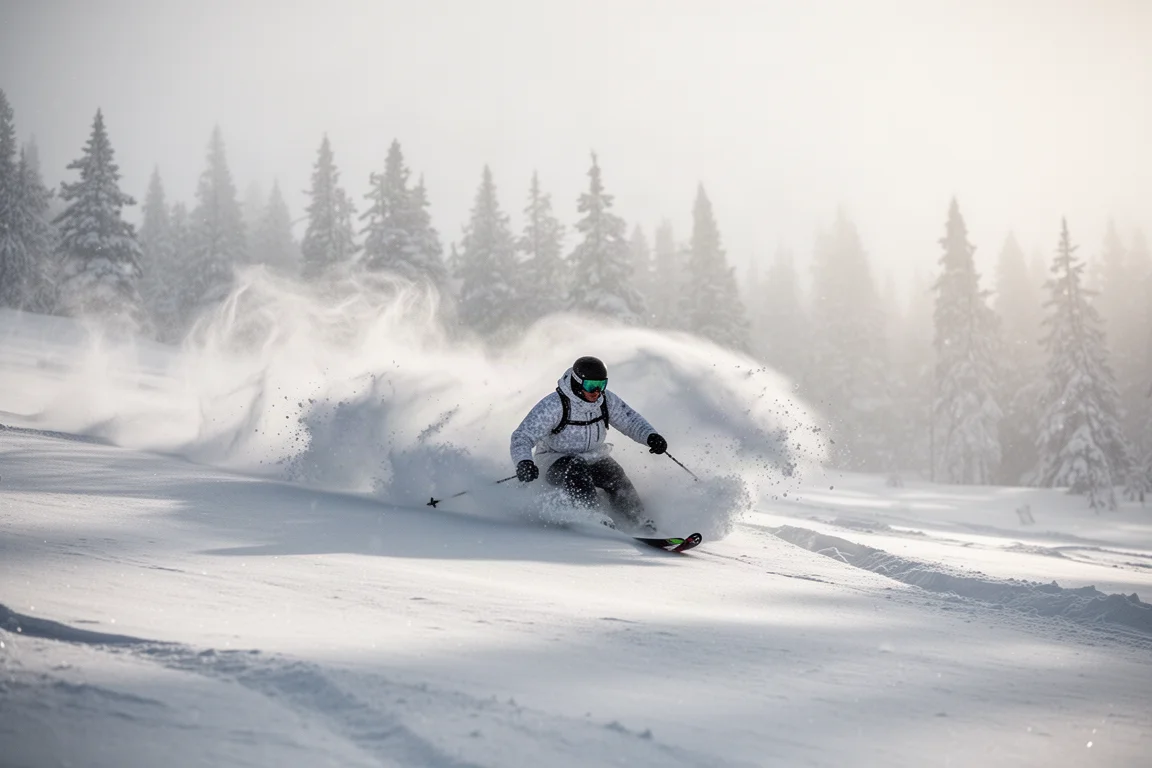
Conditions during testing were close to ideal for a ski like this: an 8 to 10 inch powder day. In a Vermont setting that pushes the ARV 106 toward a powder-day application, and it is the kind of ski that would feel right at home in a western resort with more frequent soft snow.
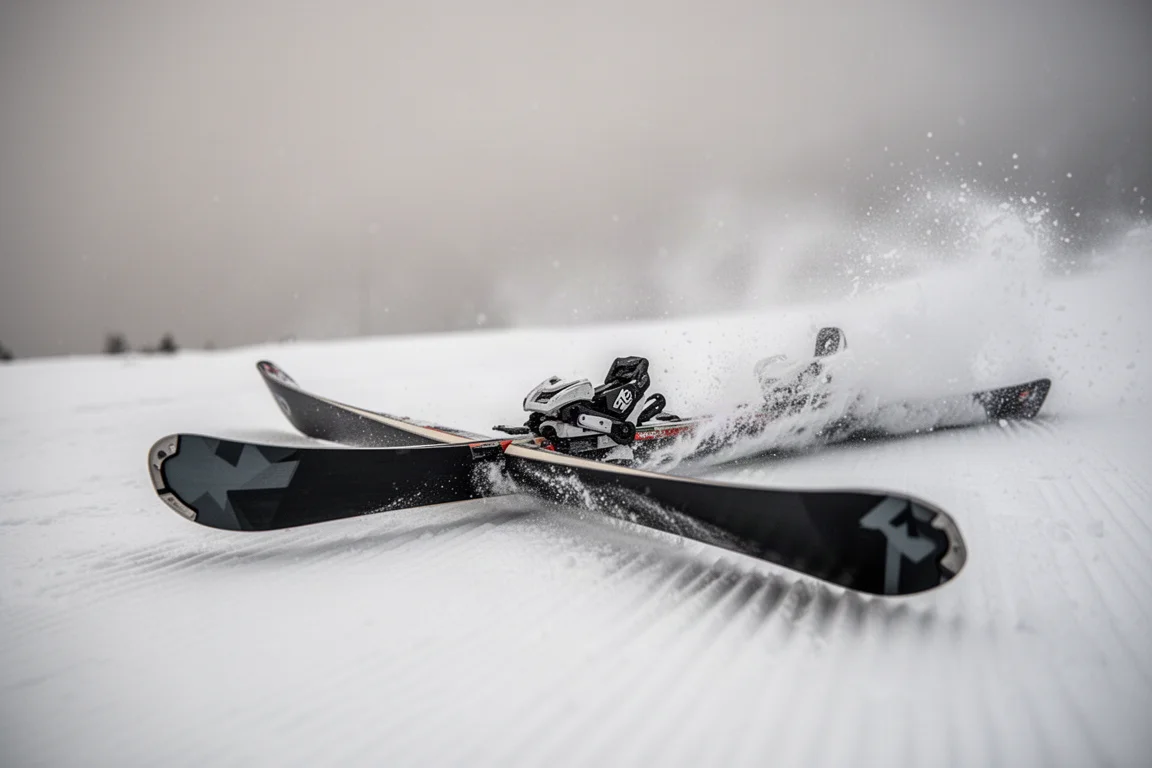
Because of the supportive flex and the twin tip shape, it would also work well as a backcountry jump ski, where you want something light enough to swing around but stable enough to land on. The same qualities let it handle faster skiing inside the resort boundaries without feeling nervous.
Things to Consider Before Buying
Weight is the first thing to weigh up. Just over 2,000 g in the 180 cm length is a well-rounded figure for a 106 mm twin tip, but it is not a touring-light number. If your priority is long uphill days, hybrid touring skis will be noticeably lighter.
The second consideration is how you ski. The ARV 106 rewards a playful, creative style and gives back stability in return, but it is not a dedicated charger. Skiers who want maximum power and a stiff, locked-in feel at high speed should look at a more directional, harder-charging 108 mm ski instead. There is also the question of terrain: in a low-snow region, a 106 mm waist is a soft-snow tool rather than an everyday choice.
Buying Advice
The clearest way to decide is to match the ski to the days you actually ski. If your season includes soft snow days, natural features, jump sessions, and resort laps where you want to move quickly and play with the terrain, the ARV 106 covers all of that in one package.
The 180 cm length tested here is a useful reference point for the middle of the size range. Beyond that, the decision comes down to how much float and how much stability you want, and how much of your skiing happens in soft snow versus hardpack. Skiers who spend most of their time on groomers will be paying for float they rarely use, while skiers who chase storms will get the most out of what this ski does best.
Conclusion
The Armada ARV 106 is a well-executed 106 mm twin tip with a clear personality. Its poplar core, ash binding insert, and Wedge Wall sidewall give it a durable, purposeful build, while the updated rocker and taper shape connect it to the rest of the modern ARV family. The recorded scores, especially 10 out of 10 for playfulness and 9 out of 10 for flotation and overall impression, line up with how the ski actually behaves on snow. If you want a playful soft-snow ski that you can still trust at speed, this one deserves a serious look.
Product link
View more details for Armada ARV 106
This product is mentioned in the review. Check the specifications, options, and compatibility before buying.
View more details for Armada ARV 106Further reading
Related Reviews

Skis
Armada Anti Matter 82 W Review: A Light, Approachable All-Mountain Carver
Armada's Anti Matter 82 W pairs a lightweight Karuba and carbon build with an easygoing all-mountain shape, aimed at intermediates through lighter-footed advanced skiers.

Skis
Armada Anti Matter 88W Review: A Light, Playful 88mm All-Mountain Ski Plus Two Alternatives
The Armada Anti Matter 88W returns unchanged in spirit from its Reliance 88C days, and it remains one of the most versatile 88mm skis around. We also look at the Nordica Santa Ana 87 and Anti Matter 92 W as alternatives.

Skis
Armada ARV 100 vs Atomic Bent 100: Which 100mm Freestyle Ski Should You Buy?
Two of the best all-mountain freestyle skis of the season compared: one leans playful and park-ready, the other holds up better everywhere else.