Gravel Bikes
Argon 18 Antimatter Review: A Focused Aero Gravel Race Bike
A first-ride review of the Argon 18 Antimatter, an aero gravel race bike with 55 mm tire clearance, a 1x-only frame, and a distinctly road-like fit.
Introduction
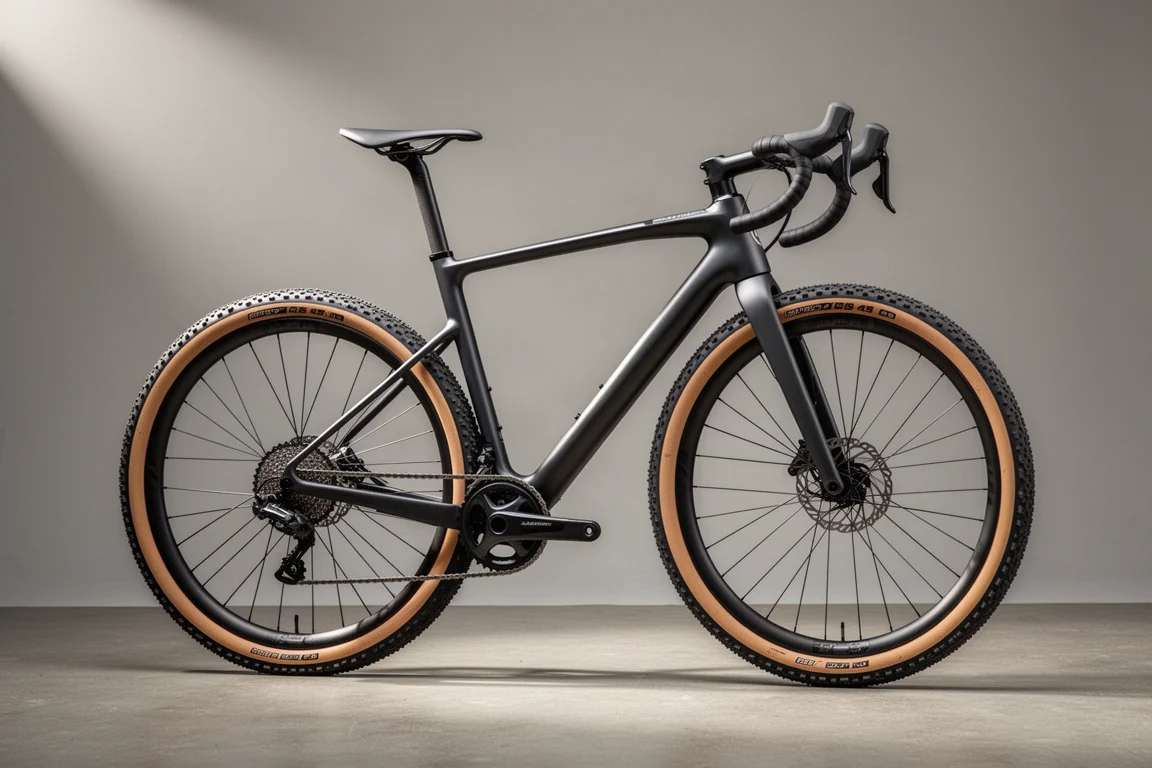
Argon 18 built its reputation in time trial and triathlon racing, and the brand has been busy over the past couple of years with a series of new platforms, including the Dark Matter gravel bike and a recent aero road model. The Antimatter is the newest arrival, and it takes a deliberately different route from the Dark Matter. Where the Dark Matter was a do-everything gravel bike with 57 mm tire clearance, in-frame storage, cargo mounts and suspension-corrected geometry, the Antimatter is a stripped-back aero gravel race bike built around speed.
A size medium arrived for testing and was ridden straight into a 100-mile (165 km) gravel event that mixed country lanes, singletrack, woodland trails and wide open gravel. That is a useful first test for a bike like this, because it puts the aero claims, the fit and the ride quality under pressure on the same day.
Frame Design and Aero Details
The headline number is tire clearance: the Antimatter takes up to 55 mm, though bikes ship with 45 mm rubber. The frame is 1x only, and chainstays are kept short at 425 mm. Argon 18 explains the single-chainring design as a trade-off around the aero shaping and the packaging in that area, and it matches where a lot of gravel racing has moved.
Visually, the frame reads as two halves. The lower half is all stiffness and aerodynamics, while the upper half focuses on weight saving and compliance. That shows up in the dropped rear stays, the very slim seat tube and the aero seatpost, with the seat clamp integrated into the top tube. Up front there is a wide-stance fork and a narrow, pinched-in hourglass head tube. The top tube tapers into that skinny seat tube, and the down tube is slim at the top before flaring around Argon 18’s own aero water bottles into a substantial bottom bracket junction. The bottom bracket is T47 with ceramic bearings, and the frame is UDH compatible.

The stack and reach figures match the brand’s recent aero road bike, which is an interesting decision: riders who keep both bikes can move between them with essentially the same fit, with the tires being the main difference.
Cockpit, Storage, and Everyday Practicality
The cockpit is carried over from the aero road platform and is offered with different stem lengths and two handlebar widths, 36 cm and 38 cm, with flared bars and flared drops. The test bike in size medium ran a 110 mm stem with 38 cm bars.
There is no in-frame storage here, unlike the Dark Matter. Instead, Argon 18 worked with Apidura on a frame pack that comes with the bike in two sizes and is secured by two top tube mounts and one down tube mount. The pack holds food, tools and spares within easy reach, and it stayed quiet over rough ground. There are also top tube mounts for a bento bag and a mount for a third bottle cage.
Storage aside, this is a race bike rather than a load carrier. There is very little provision for mudguards or extra bags, which is typical for the fastest aero gravel race bikes. The proprietary aero bottles are side entry for easier access while riding.
Who the Argon 18 Antimatter Is For
This is a bike for riders who want a road race bike feel on gravel. The front end is low, the reach is long, and the position encourages a crouched, aerodynamic posture. If you like an aggressive fit and you race, or you ride fast on mixed surfaces, the Antimatter is aimed squarely at you.
It is less suited to riders who want one bike for everything. Anyone who needs generous cargo capacity, in-frame storage, fender mounts or a more upright, relaxed position will find the Dark Matter, or a bike like it, a better match.
Main Strengths: Speed and Ride Quality
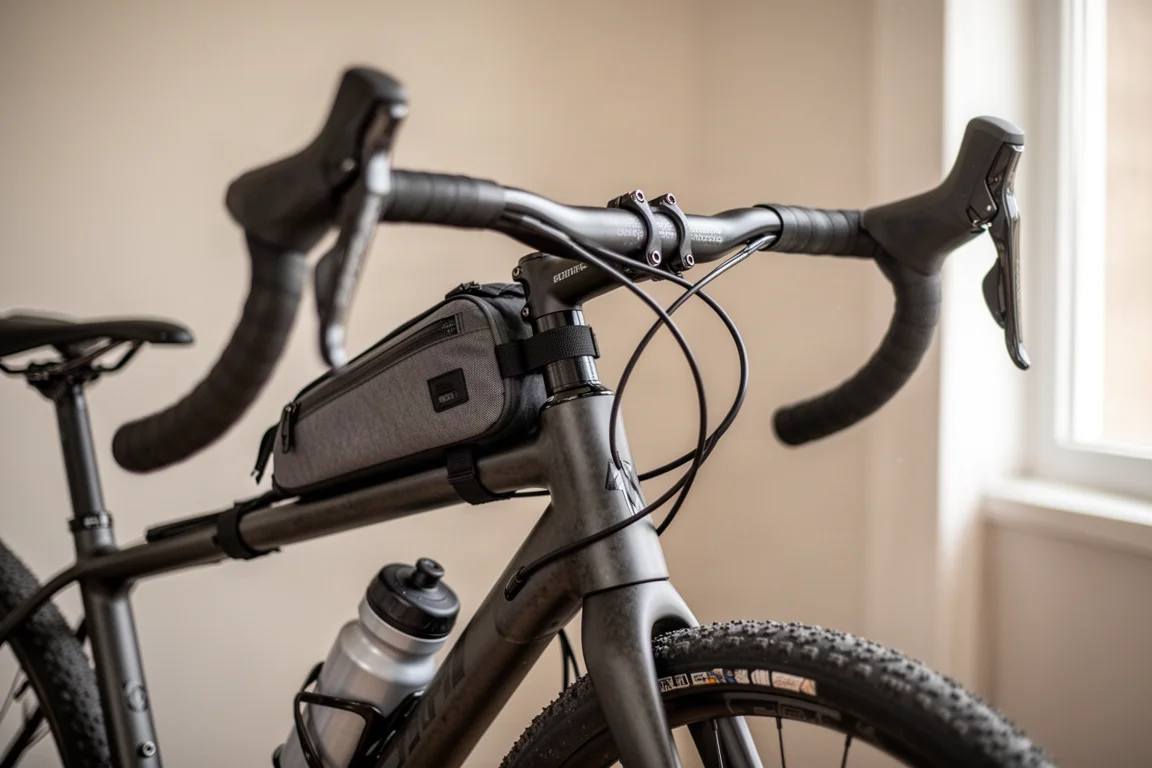
The first impression is simply that the bike is quick. It feels fast everywhere, on smooth open gravel and on tighter, rougher trails, and it ranks among the fastest gravel race bikes in this category. The low front end shrinks frontal area and makes it easier to hold an aero position for longer stretches.
Comfort is the pleasant surprise. A low, aggressive fit can be punishing, but over a 100-mile day on bumpy terrain the Antimatter did not feel stiff, jarring or harsh. The slim seat tube and aero seatpost appear to do real work here, and running wide tires at low pressure helped as well. The gearing worked cleanly throughout, and the frame pack stayed rattle-free.
Handling and Steering Notes
There is one clear trade-off. Steering feels slow, both when riding in a straight line and when turning through corners. It may be related to the trail figure, and the wheel and tire swap made before the first ride could have contributed. The bike carves well once it is leaned over, but it does not have the quick, nimble turn-in of some gravel bikes on twisty singletrack.
Toe overlap also showed up a few times in size medium, mostly at junctions. Riders who are sensitive to that should pay close attention to sizing.
Things to Consider Before Buying
The 1x-only frame rules out a front derailleur, so gearing range depends on the cassette and chainring combination you choose. There is no in-frame storage, and the mounts are minimal, so luggage has to work around the frame pack and the bottle positions.
Bottle clearance is worth planning. With the frame bag fitted, a 500 ml bottle will not fit in one of the positions, although larger bottles fit in the others. The bike weighed just over 8 kg on the scales in size medium without pedals, which is competitive for an aero gravel race bike but not the lightest option in the category.

Component choices are also limited to SRAM across the range, so riders loyal to other groupset brands will need to look elsewhere. The three available colors are understated rather than loud, with one fade finish standing out most.
Sizing, Setup, and Component Notes
Getting the cockpit right matters more than usual here because the geometry is so close to a road race bike. A 110 mm stem and 38 cm bars suited a 181 cm rider on a size medium, and Argon 18 can help work out the right combination of stem length and bar width.
The stock saddle was not a favorite during testing and was swapped for a different model, so it is worth checking the contact points early. The flared bars and flared drops are a nice detail on rough terrain.
Buying Advice: Pricing and Build Options
The range has three bikes, all built with SRAM groupsets. Pricing starts at around £5,500 with SRAM Rival and goes up to roughly £10,500 with SRAM Red. The middle build tested here runs SRAM Force with Zipp 303 wheels and retails at £7,500.
If you are comparing it against other aero gravel race bikes, the Antimatter’s case rests on the road-like fit, the distinctive frame design and the fact that it is a less common sight than the biggest names in the category.
Conclusion
The Argon 18 Antimatter is a fast, focused aero gravel race bike with a genuinely road-like position and a ride that holds up over long days. Its limits are deliberate: 1x only, minimal mounts, no in-frame storage and slow-feeling steering. Riders who want speed and a race fit will find plenty to like; riders who want one versatile gravel bike should look at something broader.
Product link
View more details for Argon 18 Antimatter
This product is mentioned in the review. Check the specifications, options, and compatibility before buying.
View more details for Argon 18 AntimatterFurther reading
Related Reviews
Gravel Bikes
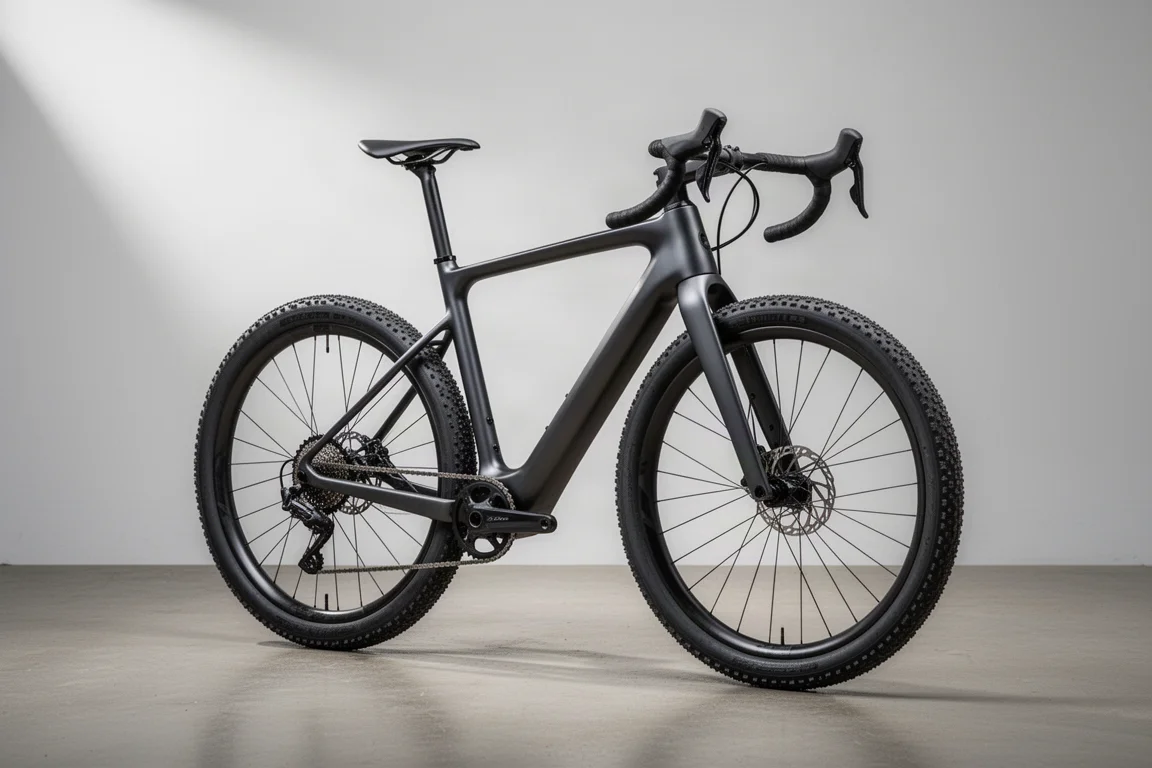
3T Exploro Ultra Review: A Fast Gravel Bike Built for Big Tyres
A close look at the 3T Exploro Ultra, an aero carbon gravel bike designed around wide tyres, with road-like handling, a 980 g frame and genuine rough-terrain capability.
Gravel Bikes
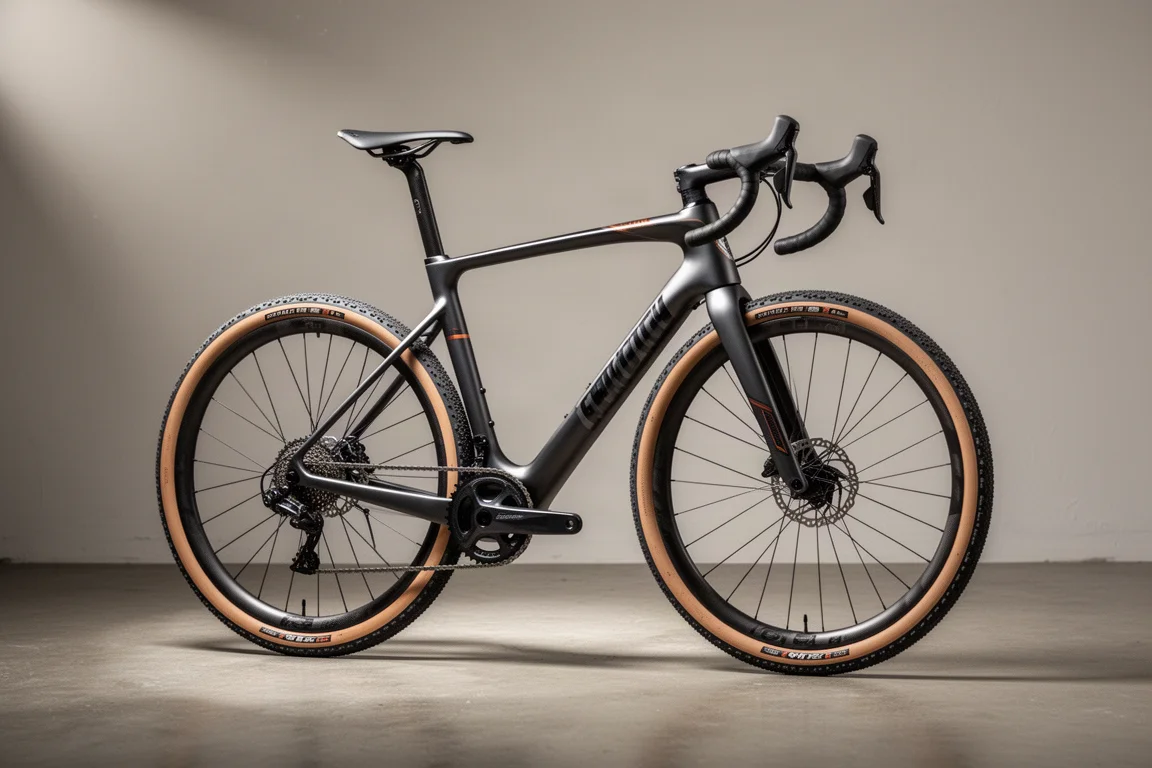
3T Extrema Italia Review: Aero Gravel Speed With Room for 57 mm Tires
The 3T Extrema Italia pairs an aero frame with huge tire clearance, Italian-made carbon and a more comfortable ride than the RaceMax. Here is what to know before buying.
Gravel Bikes
3T Race Max 2 Italia Review: An Aero Gravel Race Bike Made in Italy
A closer look at the second-generation 3T Race Max 2 Italia, covering its aero updates, ride character, tire clearance, internal storage and who it suits.