Hand Tools
Are Snap-on Tools Really That Expensive? A Comparison With PB Swiss and Knipex
Snap-on has a reputation for premium pricing, but is it justified? We compare it against PB Swiss and Knipex at the individual tool level.
Introduction
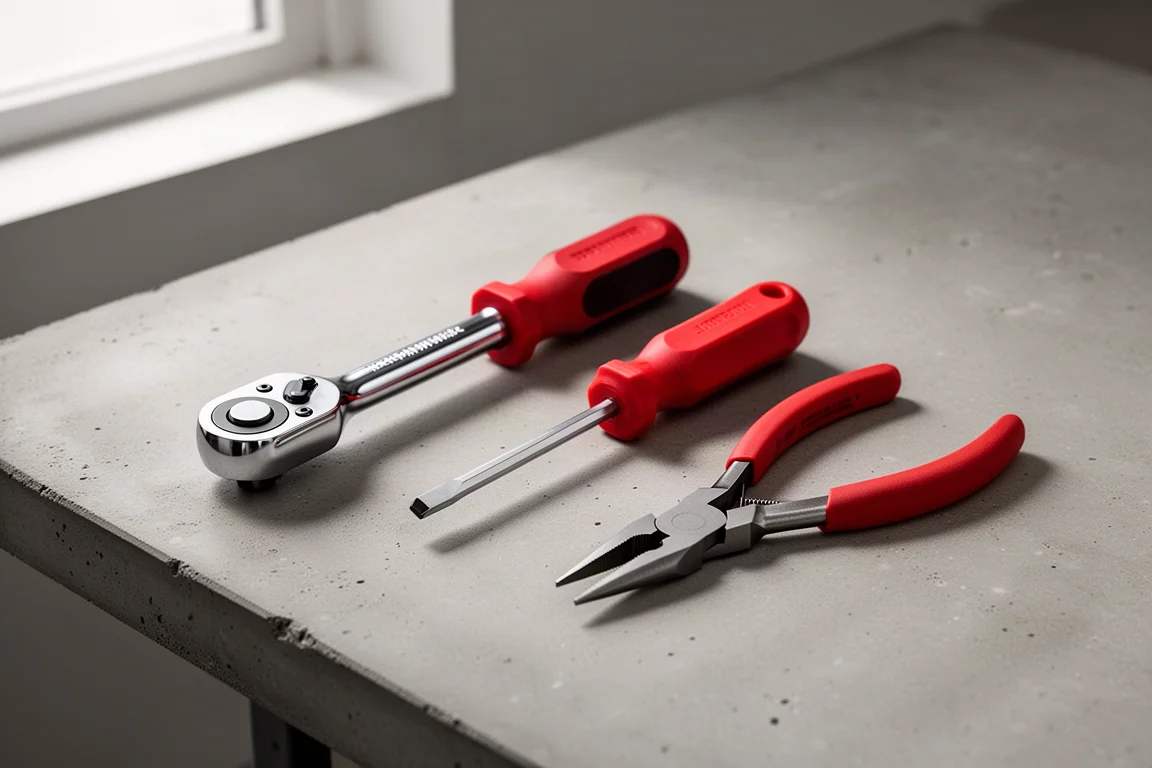
Snap-on tools carry a reputation for being outrageously expensive, and in some cases that reputation is earned. But the more interesting question is what you are actually comparing them against. A premium screwdriver driving a fully seated screw does not perform very differently from a cheap one, so price only means something when you line up tools of genuinely similar performance. That is exactly what happens when you put Snap-on next to two of its most respected peers: PB Swiss and Knipex.
What Are You Actually Comparing Snap-on To?
On the surface, the difference looks structural. Snap-on offers an extremely wide product line with fairly expensive pricing across nearly all of it. PB Swiss and Knipex focus on very specific tools, and those tools can command prices fully in line with what Snap-on charges. They simply do not try to make everything, and that focused energy tends to show up in performance.
There is also the question of what else sits in the price bracket. A premium ratchet in the $100 to $150 range is not unusual, and specialty ratchets aimed at aerospace work can go far higher. Compared with store brands or Harbor Freight’s line, yes, that is expensive. Compared with its true peers, the picture is less clear.
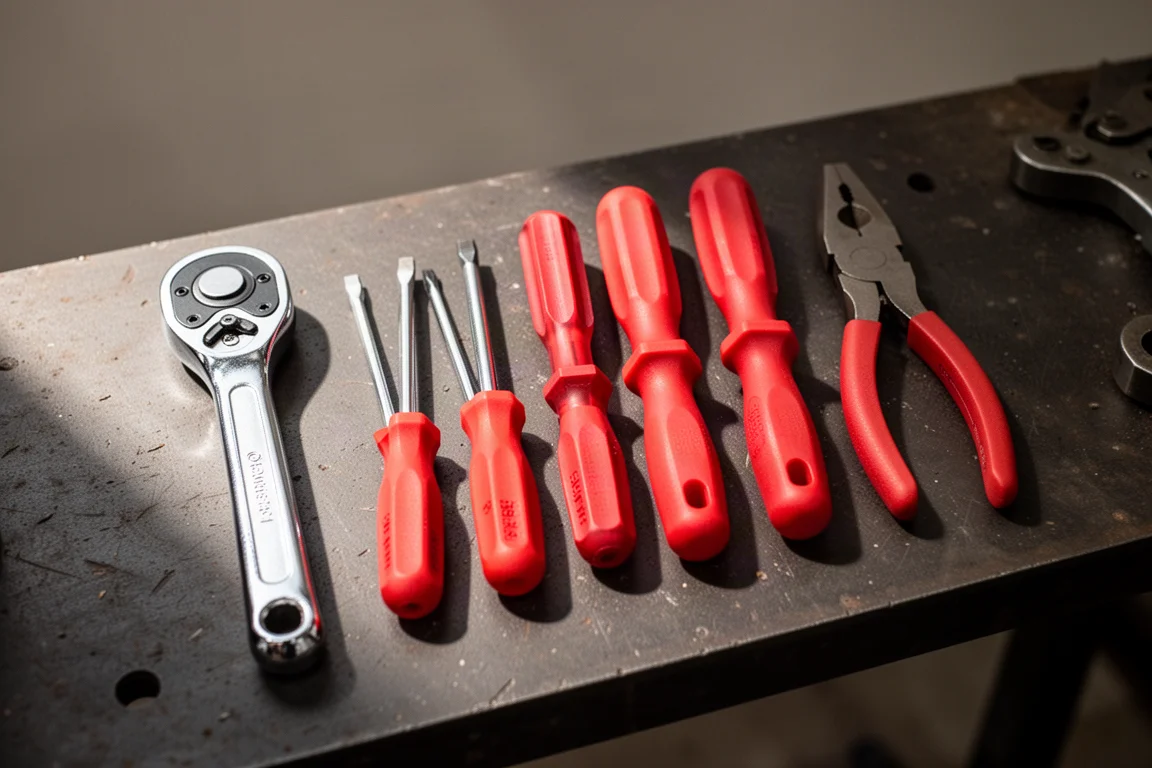
Country of origin matters to many buyers too. Snap-on is often, though not always, American made. Knipex is German. Plenty of quality tools today come from China, Taiwan, or Vietnam. The warranty story is another factor people associate with Snap-on, though other companies have matched it and in some cases arguably improved on it. And then there is the truck model, the mobile franchise that brings the tool store to your workplace. PB Swiss has no truck visiting workshops, so it is fair to ask whether part of the Snap-on price is simply paying for membership in that club.
Snap-on Hand Tools
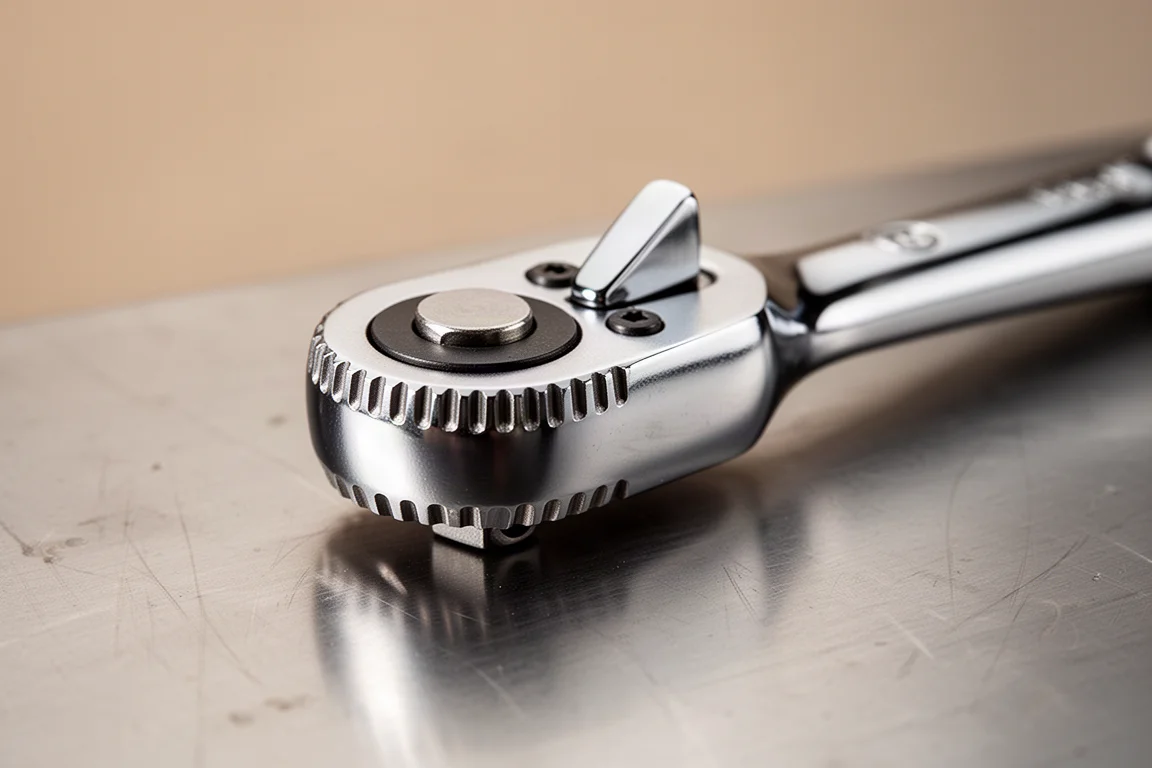
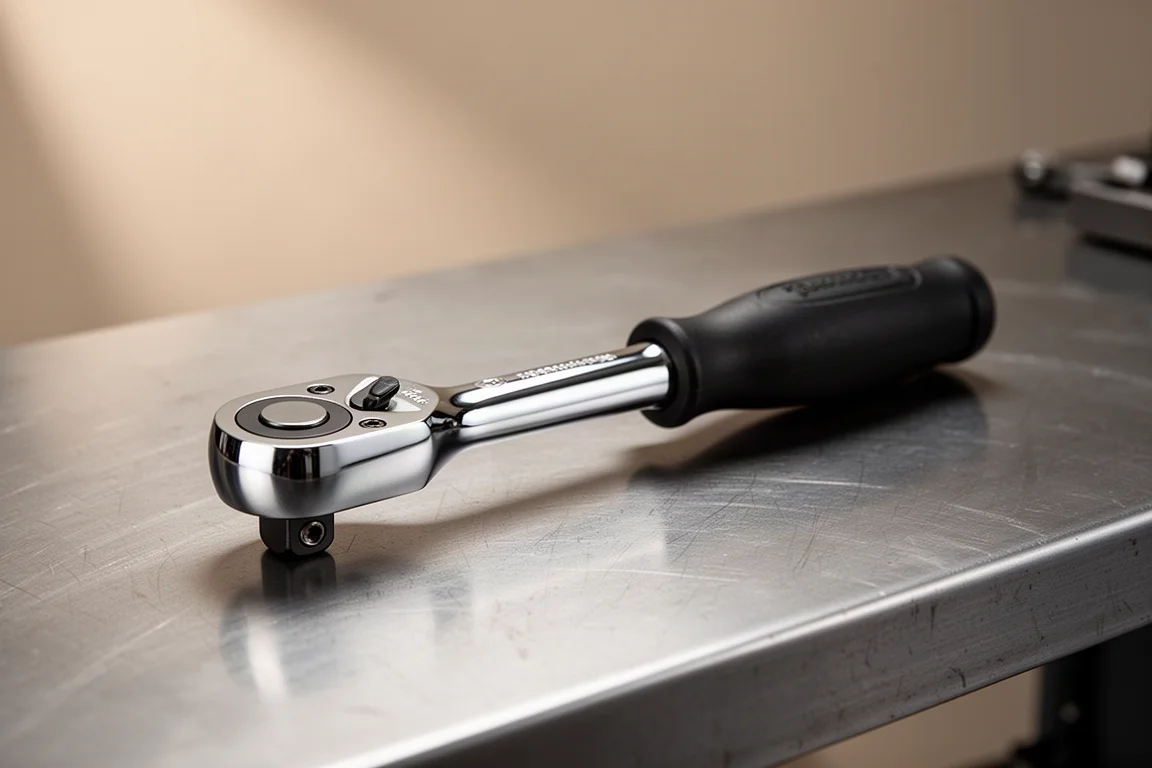
Take individual tools rather than the brand as a whole, and some of the sticker shock fades. Snap-on ratchets sit in the same price band as plenty of other premium ratchets that get far less criticism. Where the criticism sticks is with tools that seem to carry the logo without a matching advantage. Some Snap-on items are not even made by anyone affiliated with Snap-on, and there the premium can look like a branding exercise rather than an engineering one.
The lighting range is a good example of the problem. An older Arc Weld light delivers considerably more than a standard Snap-on-branded light that costs more, and Snap-on’s electronics are widely seen as wildly expensive. Unless you are a professional mechanic who needs specific features with no alternative, those segments are hard to justify. Where Snap-on still earns its price is in the standard stuff: ratchets, screwdrivers, and pliers, where performance, warranty, and the ability to customize handles on the truck all count as real value.
PB Swiss Tools
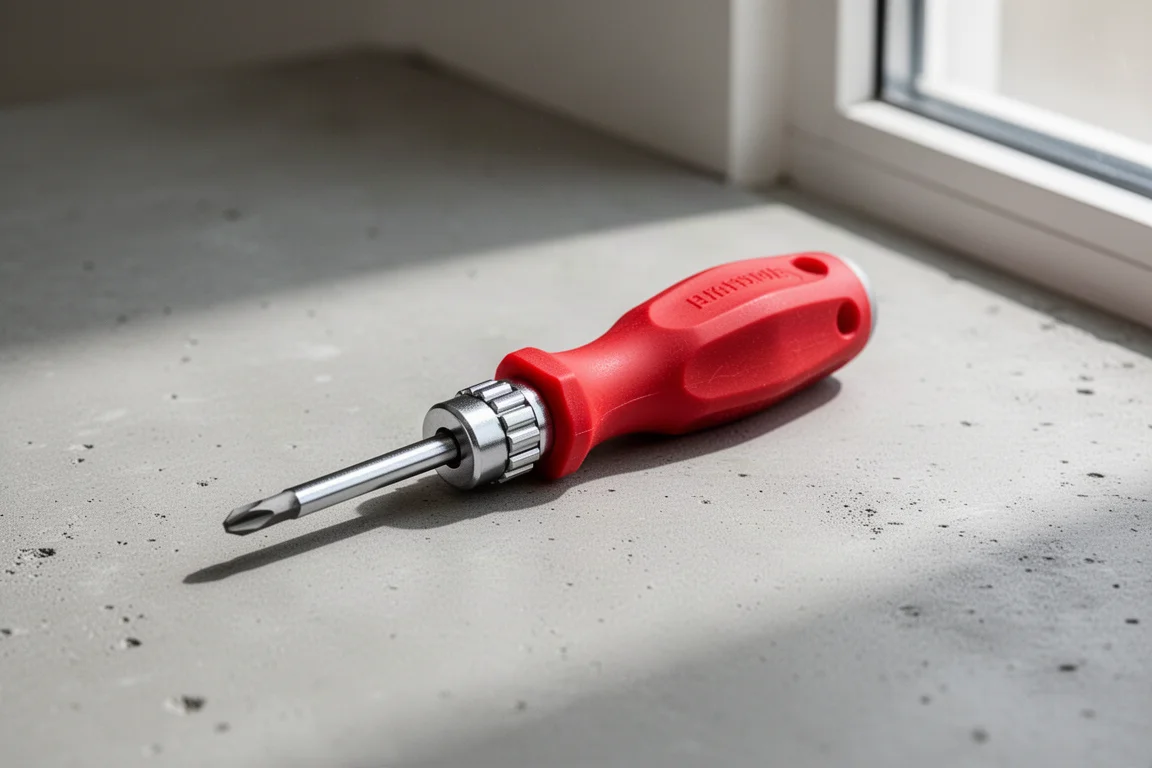
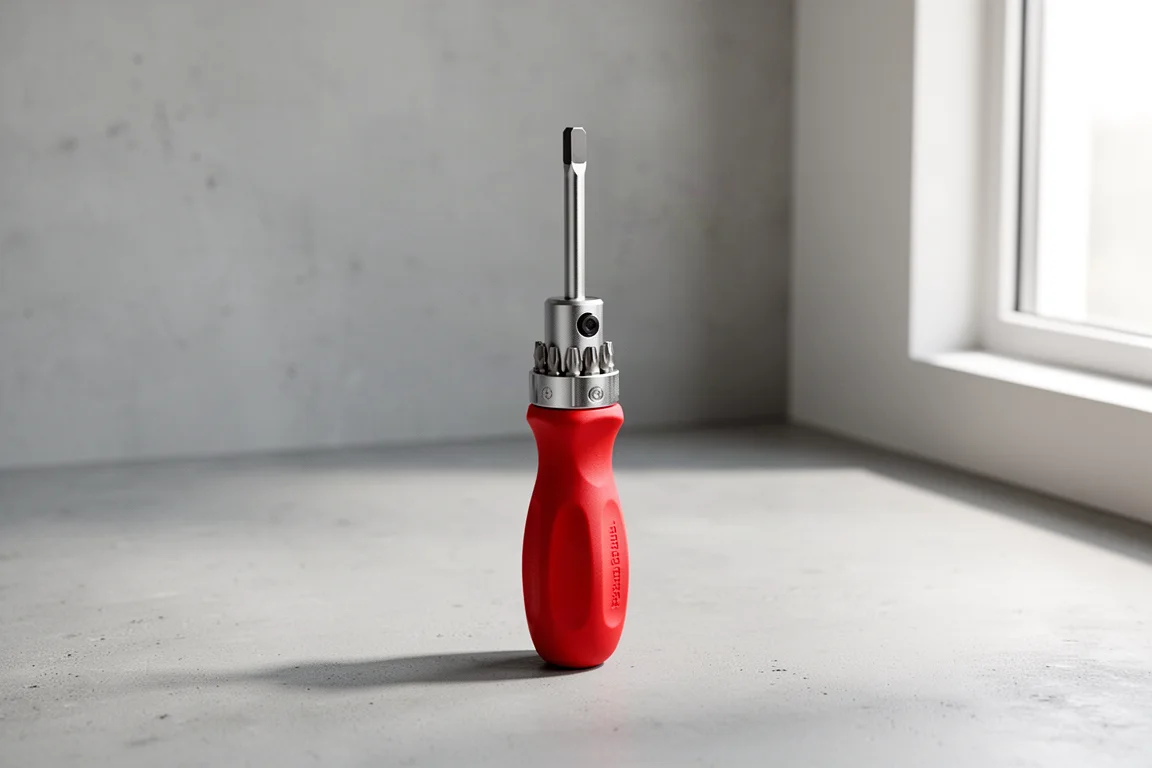
PB Swiss makes a focused range of screwdrivers and ratcheting screwdrivers that regularly compete head to head with Snap-on on price. Some PB Swiss ratcheting screwdrivers, including the larger-handled versions, can cost the same as or more than the Snap-on equivalent. Prices also swing heavily depending on where and how you buy: in Switzerland they are considerably lower, and through online sellers the price of certain models can rise above or fall below the Snap-on version depending on the day.
That price volatility is worth knowing before you buy, because the same tool can be a bargain one week and overpriced the next. The core takeaway is that PB Swiss pricing is not out of line with Snap-on for comparable quality, and nobody seriously argues the tools themselves are inferior.
Knipex Pliers
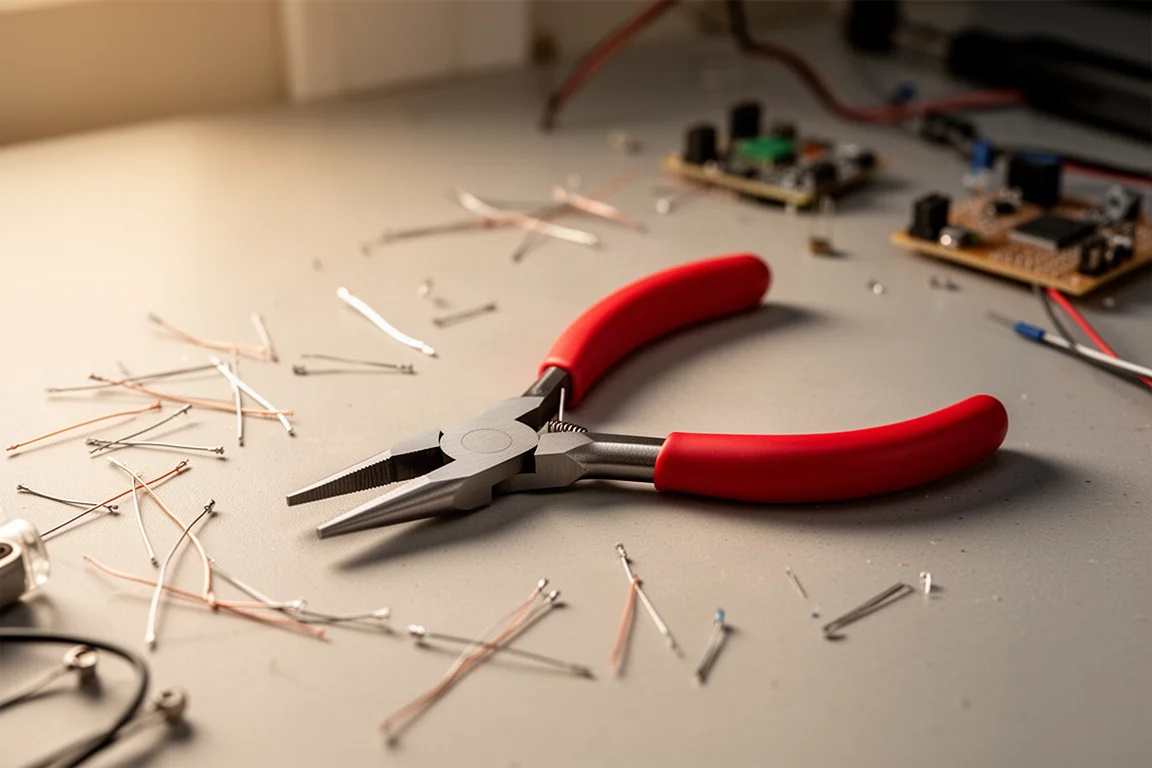
Knipex is the clearest case of pricing driven by uniqueness. Some of its pliers have no direct competitor at the same quality level, which makes the word “expensive” almost meaningless. If there is nothing else that performs like it, there is nothing to compare the price against, and complaints about cost are noticeably rare for those tools. A premium Knipex plier at around fifty dollars lands in the same territory as comparable Snap-on offerings.
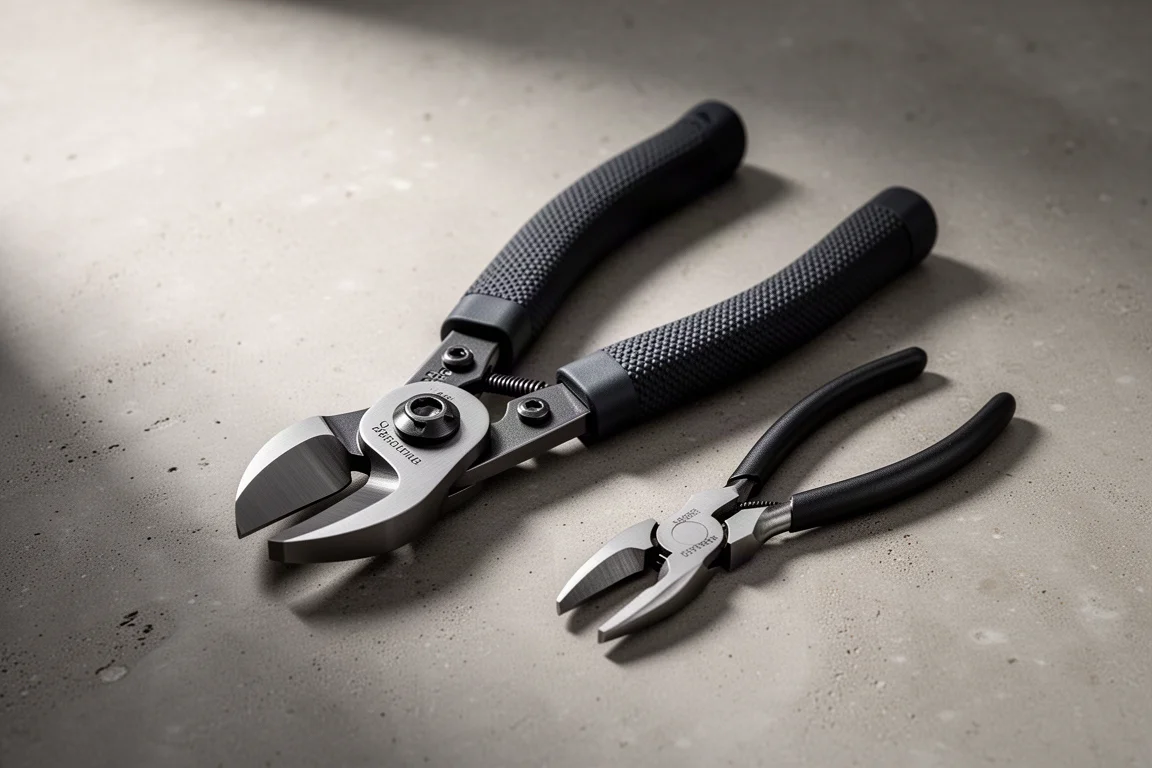
That said, uniqueness does not always equal value for your specific use. A Snap-on flush cutter, for instance, can be matched or even beaten by a much cheaper Harbor Freight equivalent, because that cutting technology is not especially exotic. Before paying a premium, ask how often you will actually use the tool and whether something close enough exists. A mission-critical daily tool justifies machining and performance; an occasional-use one often does not.
Overall Buying Advice
Judge tools at the individual level across several metrics: where it is made, the warranty, whether it can be customized, whether it has true peers, and whether it offers a unique use. Snap-on sells about everything, and for its core hand tools the pricing is more defensible than its reputation suggests. For lighting and electronics, the premium is much harder to defend. For PB Swiss, watch online price swings before committing. For Knipex, pay up happily for tools only it makes, and look hard for cheaper alternatives where the design is easily copied.
Conclusion
Are Snap-on tools really that expensive? Sometimes, in categories where the name is doing the work rather than the engineering. But when compared against genuine peers like PB Swiss and Knipex, many Snap-on hand tools are simply priced like the premium tools they sit beside. The shock instances are real, but they are the exception rather than the rule.
Further reading
Related Reviews
Hand Tools
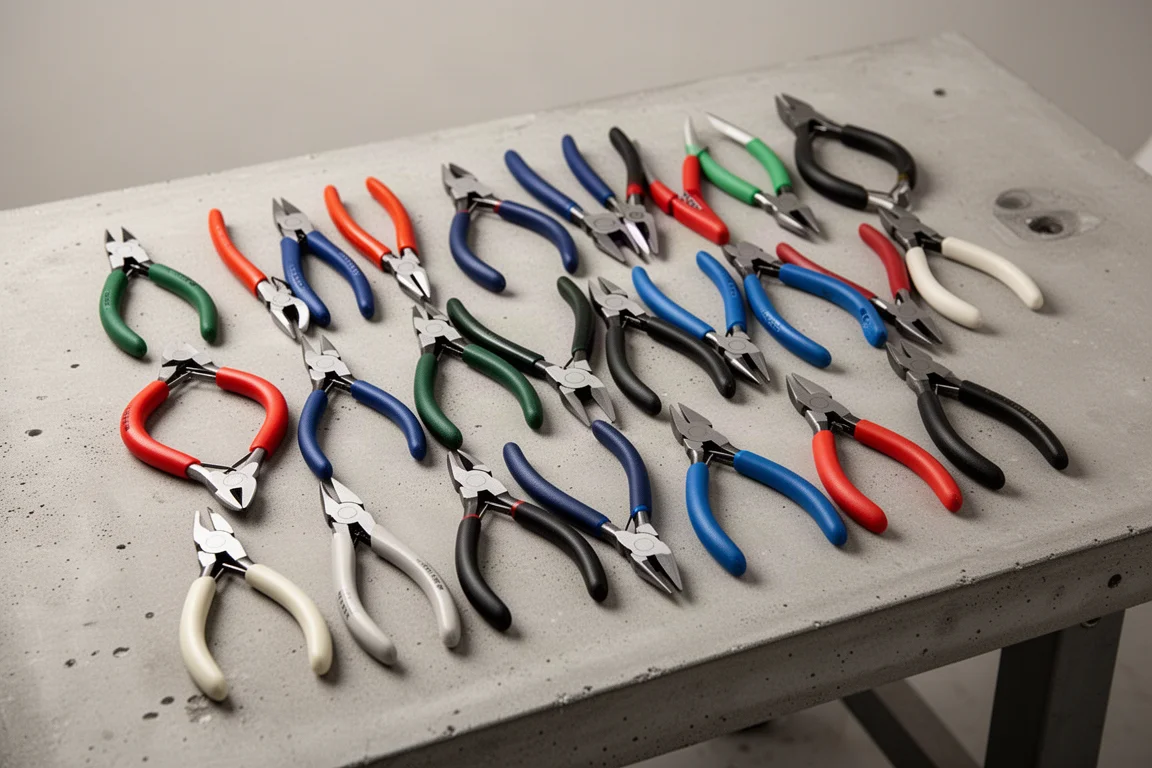
Best Diagonal Cutters 2026: 16 Pliers Tested for Cutting Power and Durability
We put 16 diagonal cutters through nail, screw, drill bit, and hex key tests to find the best value picks for your toolbox.
Hand Tools
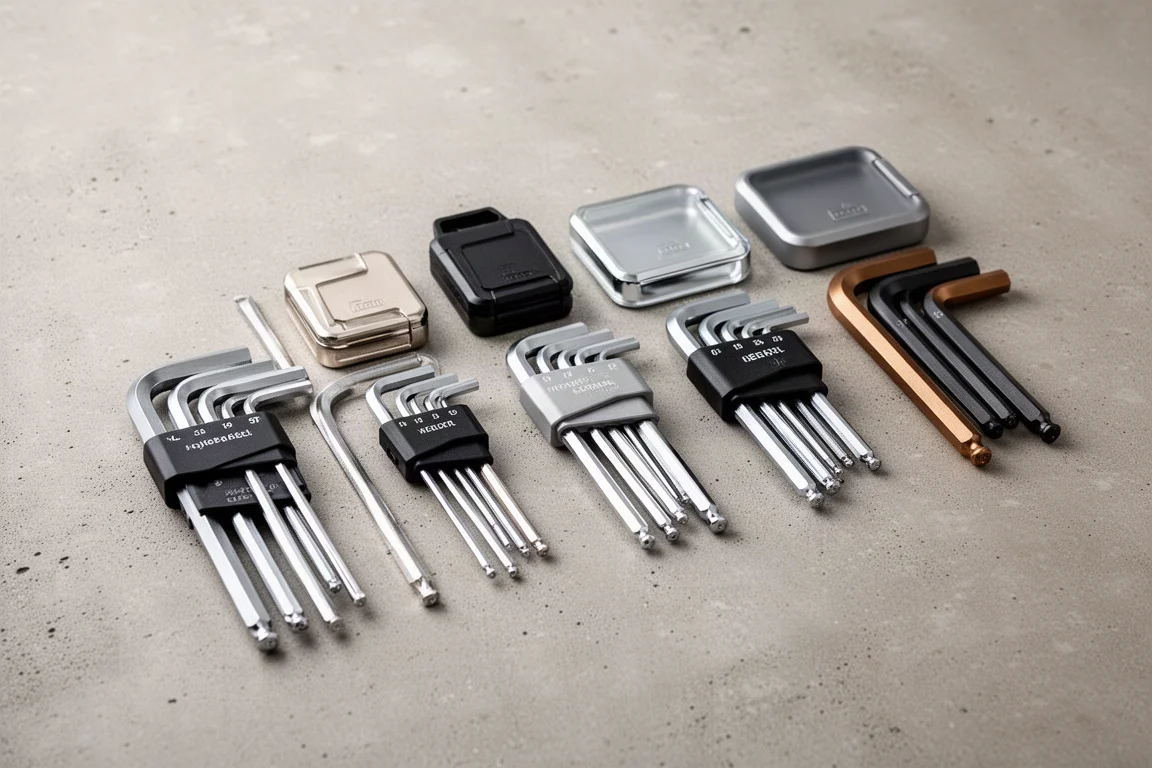
Best Hex L Key Sets 2026: Nine Sets Tested for Real-World Torque
Nine hex L key sets from budget to premium, tested for torque, fit, and durability. See which sets deliver real performance and which ones to skip.
Hand Tools
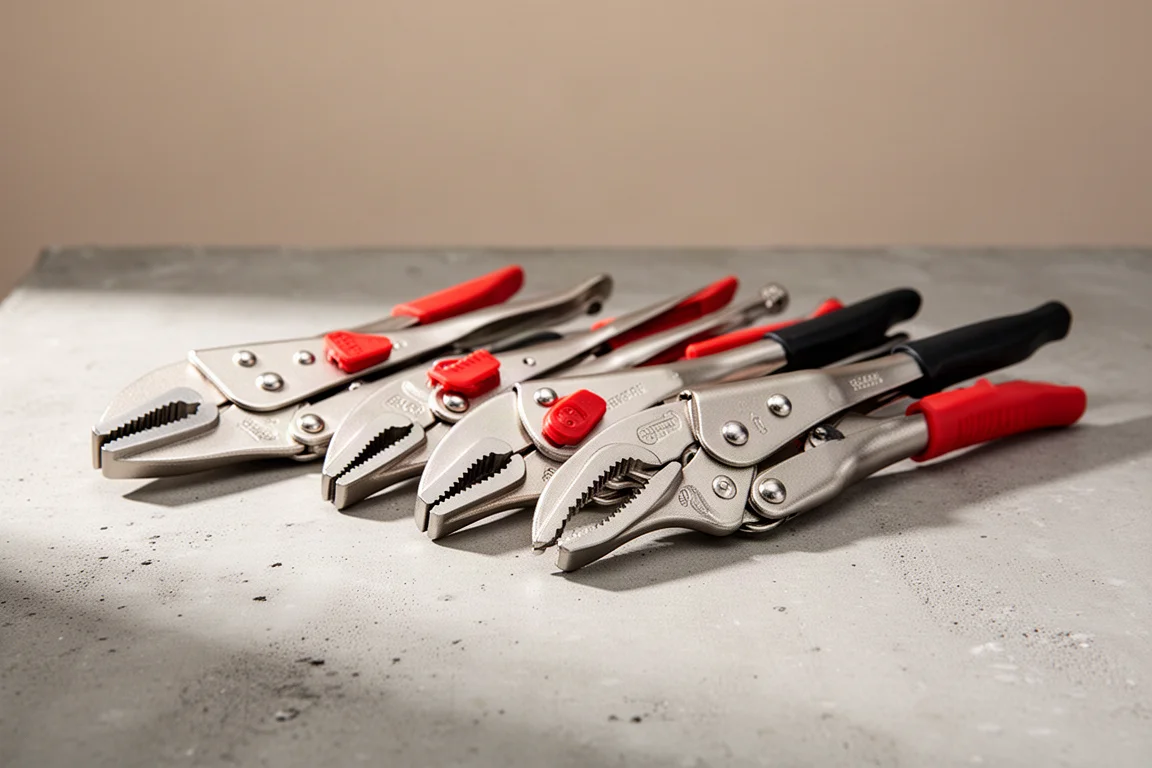
Best Locking Pliers 2026: Top Picks Tested for Grip and Durability
We tested 18 brands of 10-inch locking pliers for grip strength, jaw bite, build quality, and ease of release to find the best options for tough jobs.