Snowboarding
Arbor Formula Snowboard Review: A True Twin All-Mountain Board in Rocker and Camber
A practical look at the Arbor Formula, a $449 true twin snowboard offered in rocker and camber builds, with Grip Tech edge hold and an easy, forgiving all-mountain ride.
Introduction
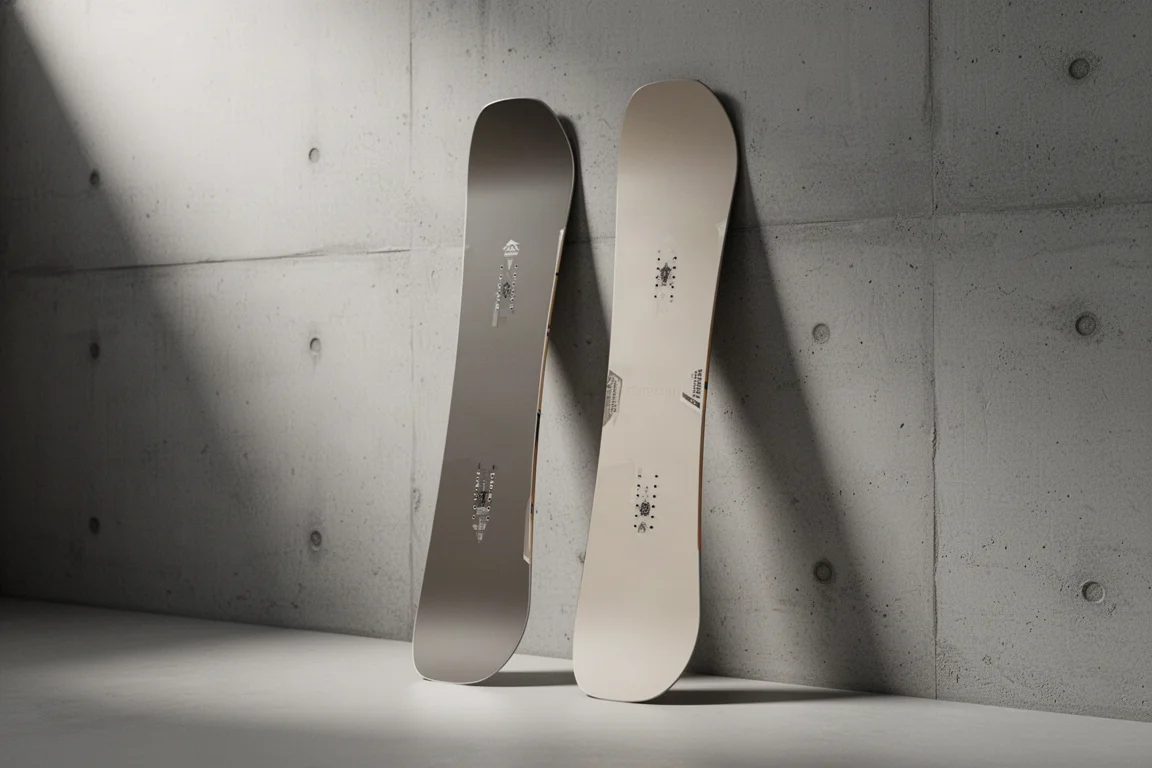
The Arbor Formula is a true twin snowboard priced at $449, and it is one of the longest-running shapes in the Arbor line. It arrives in two builds, a rocker version and a camber version, which means the same outline can be tuned to two fairly different riding feels.
In on-snow testing, the Formula earned an overall rating of 8. The summary from that testing was straightforward: it is easy to ride, it handles all conditions, and it works across just about any style of riding you happen to enjoy. That combination is rarer than it sounds, because most boards that feel effortless underfoot give something up when the snow turns firm or the terrain gets steep.
What the Arbor Formula Offers
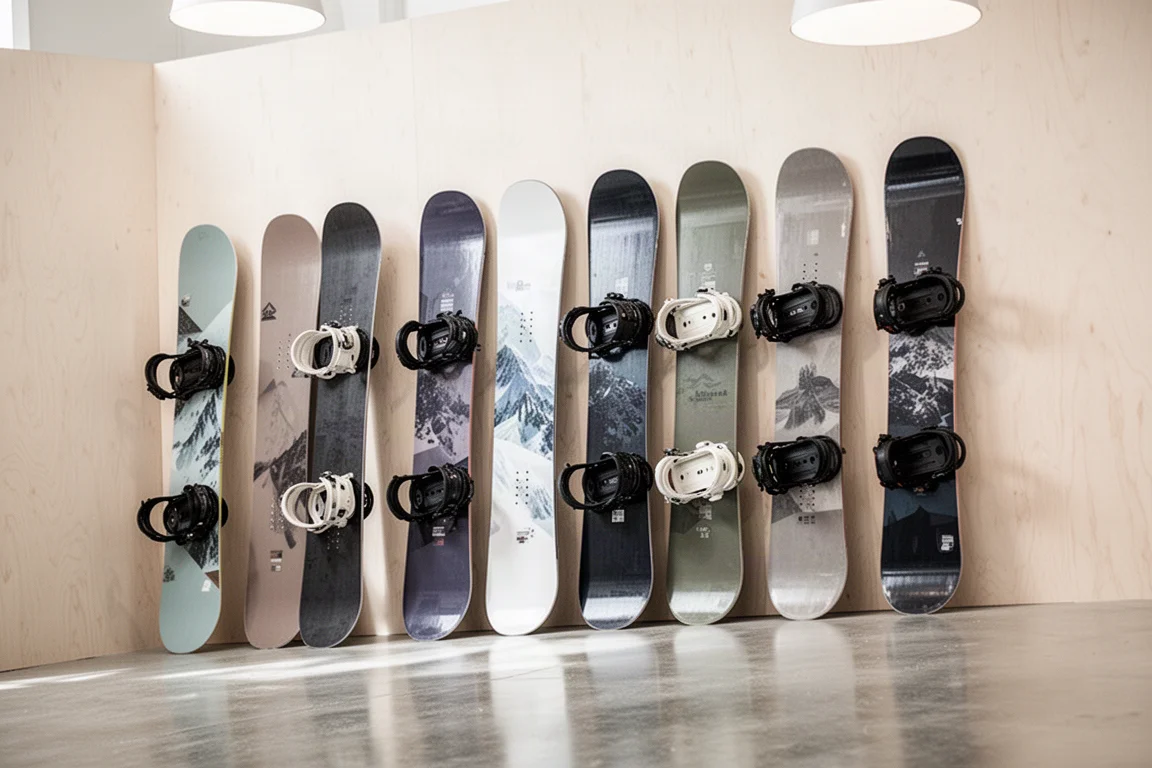
The core specification is simple. The Formula is a true twin, so the nose and tail are symmetrical and the board rides the same in either direction. That makes it a natural fit for riders who spend time in the park, ride switch regularly, or simply like a predictable platform.
It is available in both rocker and camber profiles. Arbor has been building snowboards for 28 years, and the company’s factories run on solar power. The brand also uses a significant amount of material that is chosen with environmental impact in mind, which is worth knowing if that factors into how you spend your money on gear.
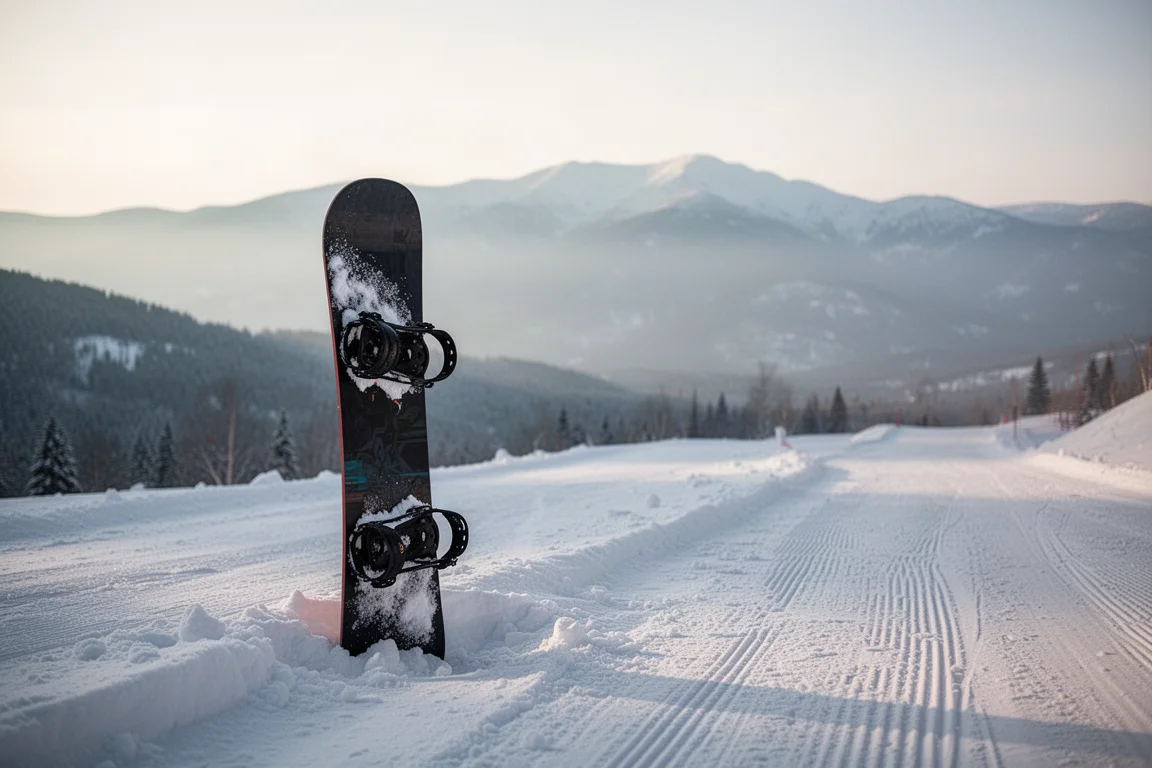
The board also carries Grip Tech edges, which is the detail that separates it from a plain twin. More on that below.
Who the Arbor Formula Is For
The Formula suits riders who want one board rather than a quiver. If your season includes groomers, park laps, side hits, and the occasional powder day, a true twin all-mountain board in this price bracket covers that range without asking you to think much about it.
It is also a sensible choice for riders moving up from a first board. The rocker version in particular is forgiving and easy to maneuver, which shortens the learning curve on a new shape. More experienced riders who want a loose, playful feel underfoot will find the rocker build appealing, while riders who prefer a more planted, driven turn will lean toward the camber version.
Main Strengths: Forgiving, Versatile, Easy to Ride
The headline strength is how little effort the Formula demands. Test feedback described it as an easy-to-ride all-mountain board that can handle all conditions, and that is the quality most riders actually notice over a full season.
The rocker version is the looser of the two. It keeps its contact points toward the middle of the board, which makes it more forgiving underfoot and easier to maneuver at lower speeds and in tight terrain. Despite that loose feel, it still holds a turn well, so the relaxed personality does not come at the cost of basic edge performance.
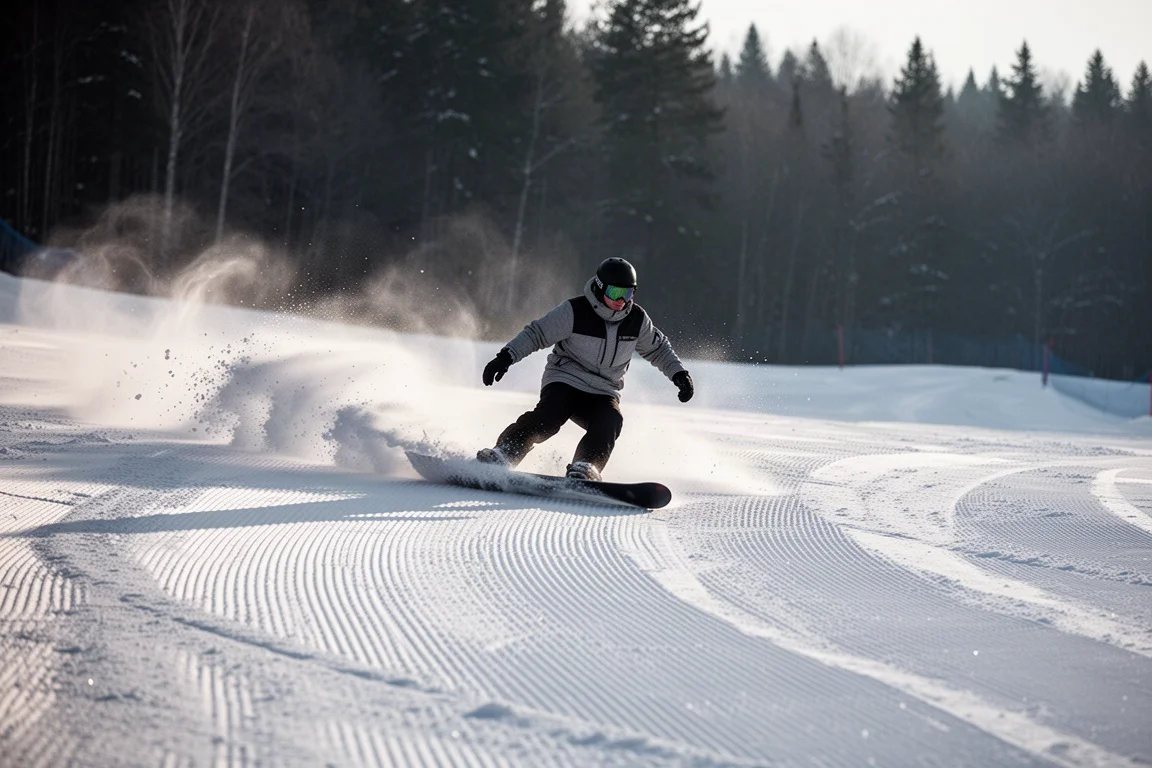
That balance is what makes the Formula a reasonable single-board answer. It does not chase a single discipline, and it does not punish you for riding it casually.
Rocker or Camber: Which Version Suits You
This is the decision that matters most, because the two versions ride differently.
The rocker profile sits looser beneath your feet, with the contact points pushed toward the middle of the board. The practical result is a more forgiving, more maneuverable ride that feels playful and easy to pivot. It still turns with authority when you ask it to.
The camber version keeps a more traditional, engaged feel. Riders who like a board that loads up through a turn and gives something back will generally prefer it.
Neither version is the correct answer in the abstract. The right pick depends on whether you want a relaxed, loose feel or a more connected, driven one.
Grip Tech Edge and Hard-Snow Confidence
Grip Tech is the technical feature worth understanding before you buy. The sidecut extends outward directly beneath your feet, under both your toes and your heels, rather than following a single continuous arc.
In practice, that adds grip on hard snow, man-made snow, and icier conditions. It is the kind of feature you notice most on the days when edge hold is genuinely difficult, and it is the reason a loose-feeling twin can still be trusted on firm groomers.
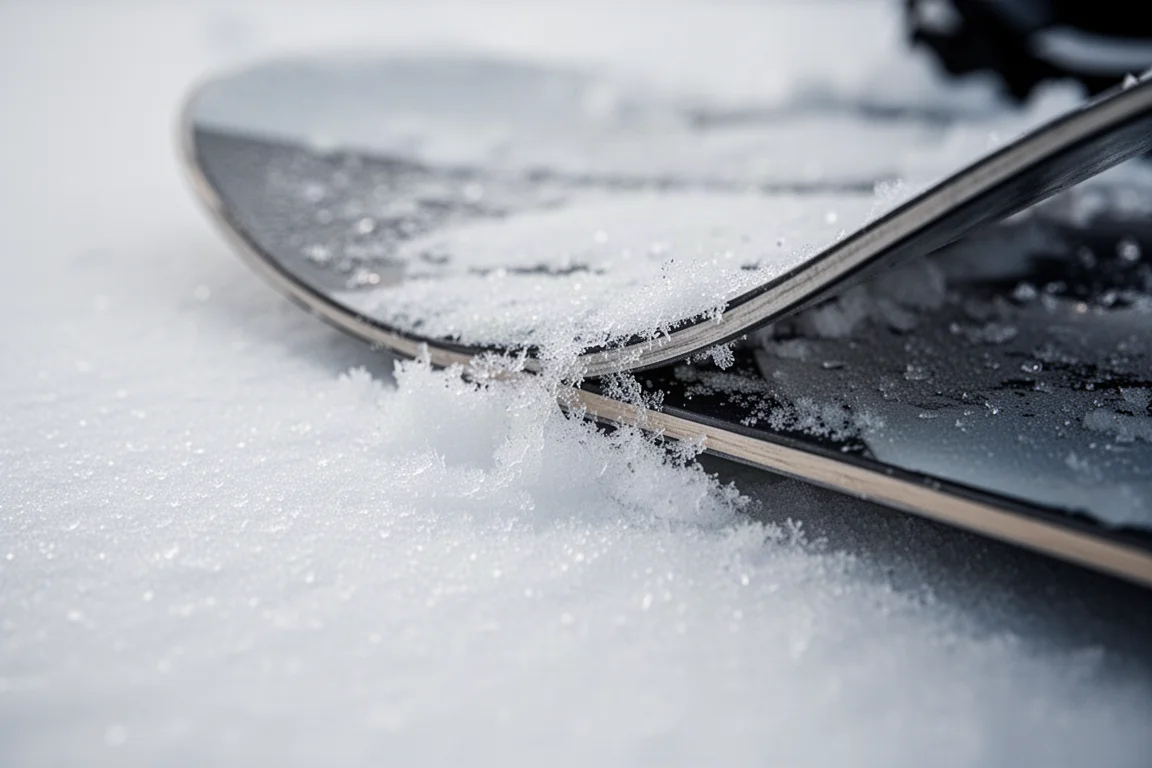
When the snow is good, you will not notice it at all, which is arguably the best thing about it. It contributes when conditions are poor and stays out of the way when they are not.
Things to Consider Before Buying
The first consideration is the profile choice. Picking the wrong version for your riding style is the most common way to end up disappointed with an otherwise strong board, so decide whether you want loose and forgiving or planted and engaged before you order.
Second, at $449 the Formula is a meaningful purchase, and it is worth thinking about whether a single true twin genuinely covers the terrain you ride most. If you spend most of your time in deep powder, a dedicated freeride shape will serve you better.
Third, the rocker version trades some edge bite for its looser feel. Grip Tech offsets a good portion of that, but riders who want maximum hold on firm, steep terrain are usually happier on the camber build.
Buying Advice: Is the Arbor Formula Worth It
The Formula makes the most sense as a do-everything board. If you want a true twin that is easy to ride, handles a wide range of conditions, and does not require you to adapt your style to it, the Formula delivers exactly that, and the overall rating of 8 reflects a board with no serious weak points.
Choose the rocker version if you want a looser, more forgiving feel underfoot and value easy maneuverability. Choose the camber version if you want a more engaged turn and stronger hold on firm snow. Either way, you are getting a proven shape from a brand with 28 years of snowboard production behind it.
The value case is strongest for riders who want one board for the whole season rather than a specialized quiver. Within that brief, the Formula is a confident, low-risk pick.
Conclusion
The Arbor Formula is an easy recommendation for riders who want a true twin all-mountain board that handles all conditions without demanding much from its rider. Its dual rocker and camber availability lets you tune the feel to your preference, and Grip Tech adds real hard-snow grip without changing the board’s relaxed character. At $449, it is a sensible one-board solution for a wide range of snowboarders.
Product link
View more details for Arbor Formula
This product is mentioned in the review. Check the specifications, options, and compatibility before buying.
View more details for Arbor FormulaFurther reading
Related Reviews
Snowboarding
2025 Snowboard Gear List: Five Picks That Earned Their Place on the Mountain
From Zeiss-lens goggles to a hybrid step-in binding, here are five pieces of 2025 snowboard gear that held up across a full season of riding.
Snowboarding
2026 Snowboard Gear List: Boards, Bindings, Boots and Outerwear Worth a Look
A season-ready snowboard setup built from the bottom up: base layers, Strafe outerwear, Ride and Union boots, Union bindings, and two new Capita boards.
Snowboarding
32 Cold World Review: A Playful Hybrid Camber Board for Park Laps
The 32 Cold World blends classic camber underfoot with flat nose and tail sections for a predictable, butter-friendly ride aimed at intermediate park riders.